What are Waste Management Services?
Waste management services encompass a range of activities aimed at the efficient disposal, recycling, and treatment of waste generated by various sectors. These services are essential for maintaining public health, protecting the environment, and ensuring compliance with regulatory standards. Waste management can include collection, transportation, treatment, and disposal of both hazardous and non-hazardous waste.
Businesses, municipalities, and industries utilize waste management services to manage the waste produced in their operations. These services are crucial in sectors such as manufacturing, healthcare, construction, and hospitality, where the volume and type of waste can vary significantly. Effective waste management not only minimizes environmental impact but also helps organizations enhance their sustainability efforts and improve their public image. With increasing regulations and societal expectations for environmentally responsible practices, the demand for waste management services continues to grow.
Key Features and Specifications
Waste management services offer various features designed to cater to the specific needs of businesses and municipalities. These services are structured to ensure compliance, efficiency, and effectiveness in handling waste.
Key specifications include:
1. Collection Methods
- Regular scheduled pickups
- On-demand collection services
2. Waste Types Handled
- General waste
- Hazardous waste
- Recyclable materials
3. Disposal Techniques
- Landfilling
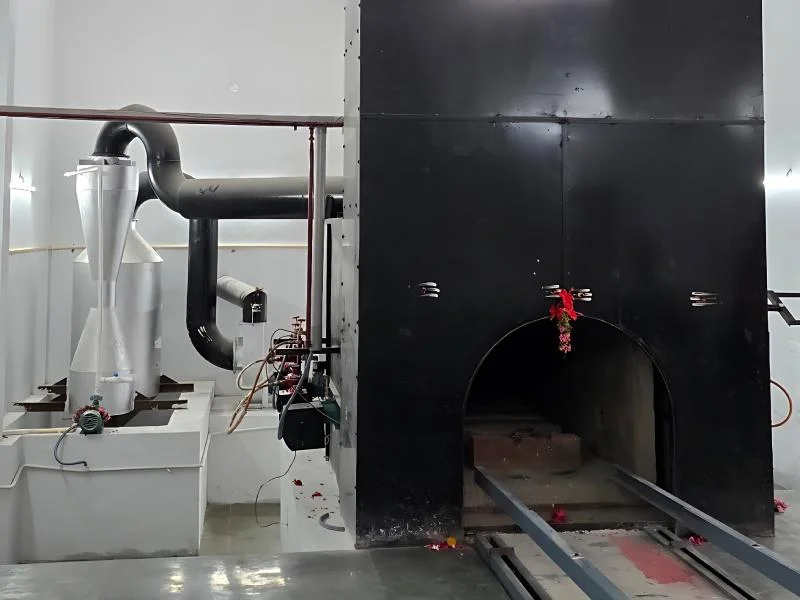
- Incineration
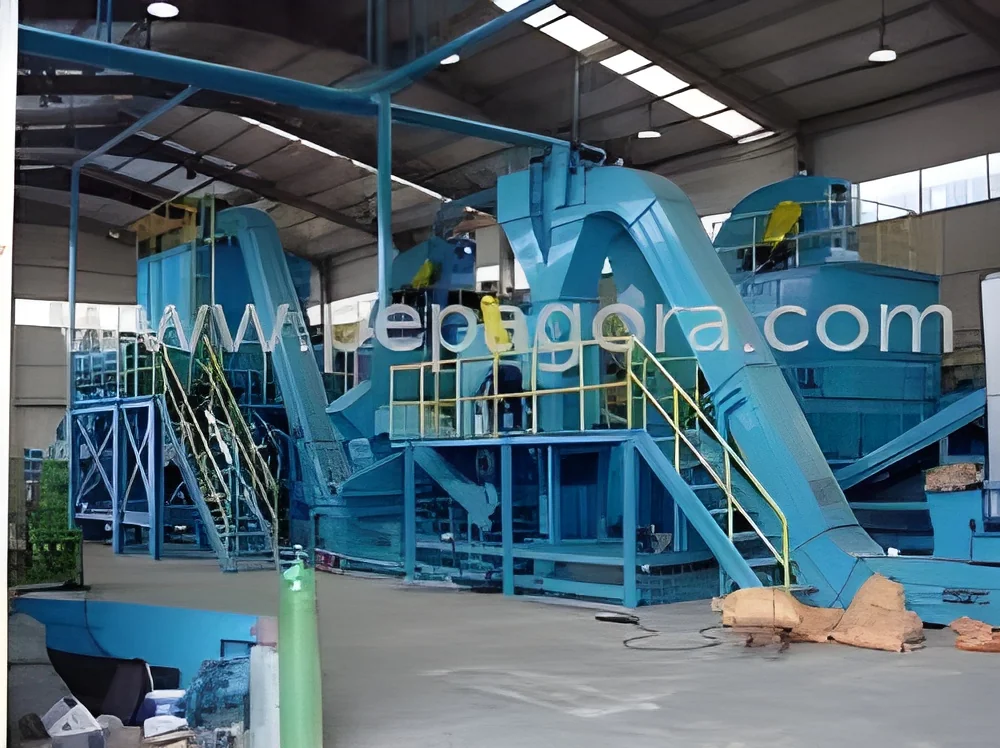
- Recycling and composting
4. Environmental Compliance
- Adherence to local and national regulations
- Certification with industry standards like CE
5. Reporting and Documentation
- Waste tracking and reporting systems
- Compliance documentation for audits
6. Customer Support Services
- 24/7 customer assistance
- Dedicated account management
7. Flexible Contract Options
- Short-term and long-term agreements
- Tailored service packages
Waste management services are developed to meet diverse requirements, ensuring businesses can operate sustainably and responsibly.
Common Applications and Use Cases
Waste management services are applicable across various industries, each with distinct waste management needs.
1. Manufacturing: In the manufacturing sector, waste management services handle industrial waste, including scrap materials and hazardous substances, ensuring safe disposal and compliance with regulations.
2. Healthcare: Hospitals and medical facilities generate biohazardous waste. Waste management services are crucial for the safe handling and disposal of sharps, pharmaceuticals, and other medical waste.
3. Construction: The construction industry produces significant waste, including debris and hazardous materials. Waste management services facilitate the efficient removal and recycling of construction waste.
4. Hospitality: Hotels and restaurants generate organic waste and recyclables. Waste management services help these businesses minimize waste and enhance their sustainability efforts.
5. Retail: Retail establishments produce packaging waste and unsold products. Waste management services provide solutions for recycling and proper disposal.
Product Variants and Subcategories
Waste management services are diverse, catering to specific sector needs and waste types.
Residential Waste Management Services: These services focus on collecting and processing household waste, providing recycling programs and disposal options for families and communities.
Commercial Waste Management Services: Tailored for businesses, these services manage larger waste volumes, offering customized solutions that can include scheduled pickups and waste audits.
Industrial Waste Management Services: Designed for factories and industrial sites, these services handle hazardous and non-hazardous waste, ensuring compliance with stringent regulations.
Construction and Demolition Services: Specialized for the construction sector, these services manage debris and waste generated from building projects, promoting recycling and safe disposal practices.
Benefits and Advantages
Investing in waste management services provides numerous benefits that extend beyond simple waste disposal.
1. Environmental Protection: Effective waste management minimizes environmental impact by reducing landfill contributions and promoting recycling.
2. Regulatory Compliance: Utilizing professional waste management services ensures adherence to local, national, and international regulations regarding waste disposal and management.
3. Cost Efficiency: Streamlined waste processes can lead to cost savings through optimized collection and disposal methods.
4. Enhanced Reputation: Companies that prioritize sustainable waste management practices improve their public image and customer trust.
5. Risk Reduction: Proper handling of hazardous materials reduces the risk of accidents and potential liabilities associated with improper waste disposal.
6. Resource Recovery: Waste management services often include recycling programs that recover valuable materials, thereby promoting a circular economy.
Buying Guide for B2B Buyers
When sourcing waste management services, several factors should be taken into consideration to ensure the best fit for your business needs.
1. Quality Assessment: Evaluate the quality of services by reviewing client testimonials, service history, and performance metrics to ensure reliability.
2. Supplier Verification: Conduct thorough due diligence on potential suppliers, including their certifications, compliance records, and reputation in the industry.
3. Pricing and MOQ: Understand the pricing structures and minimum order quantities required for service contracts to align with budgetary constraints.
4. Delivery and Lead Times: Clarify the schedule for waste collection and processing to ensure timely service that meets operational needs.
5. Compliance Requirements: Ensure that the chosen waste management service provider complies with all relevant local and international regulations to avoid legal issues.
Compliance and Certifications
Waste management services must adhere to a range of quality standards and compliance measures to ensure safe and effective operations. Relevant quality standards such as ISO 9001 and CE certifications are crucial for demonstrating commitment to quality management and safety in waste handling practices.
Additionally, industry certifications like HACCP are essential for businesses that deal with hazardous waste, ensuring that all processes meet stringent safety and health requirements. Compliance with regional regulations is also critical, as different areas may impose specific guidelines for waste management practices, particularly concerning hazardous materials.
Furthermore, safety and testing requirements are integral to the waste management process, ensuring that all waste is handled according to established safety protocols. Organizations must stay informed about regional compliance considerations to maintain operational integrity and safeguard public health.
Why Source Waste Management Services from Pepagora?
Pepagora serves as a trusted platform for sourcing waste management services, offering several key advantages to B2B buyers.
Verified Supplier Network: Pepagora connects buyers with a network of verified suppliers, ensuring that businesses can partner with reputable and compliant waste management service providers.
Streamlined RFQ Process: The platform offers a user-friendly request for quotation process, simplifying the way buyers can solicit quotes from multiple suppliers and compare services.
Trade Assurance and Support: Buyers are protected through trade assurance measures, providing peace of mind and support throughout the procurement process.
Regional Coverage: With extensive geographic reach across India, the GCC, and Southeast Asia, Pepagora enables businesses to find local waste management services that cater to their specific needs, ensuring effective and efficient waste solutions.

 IN
IN