What are Security & Surveillance Services?
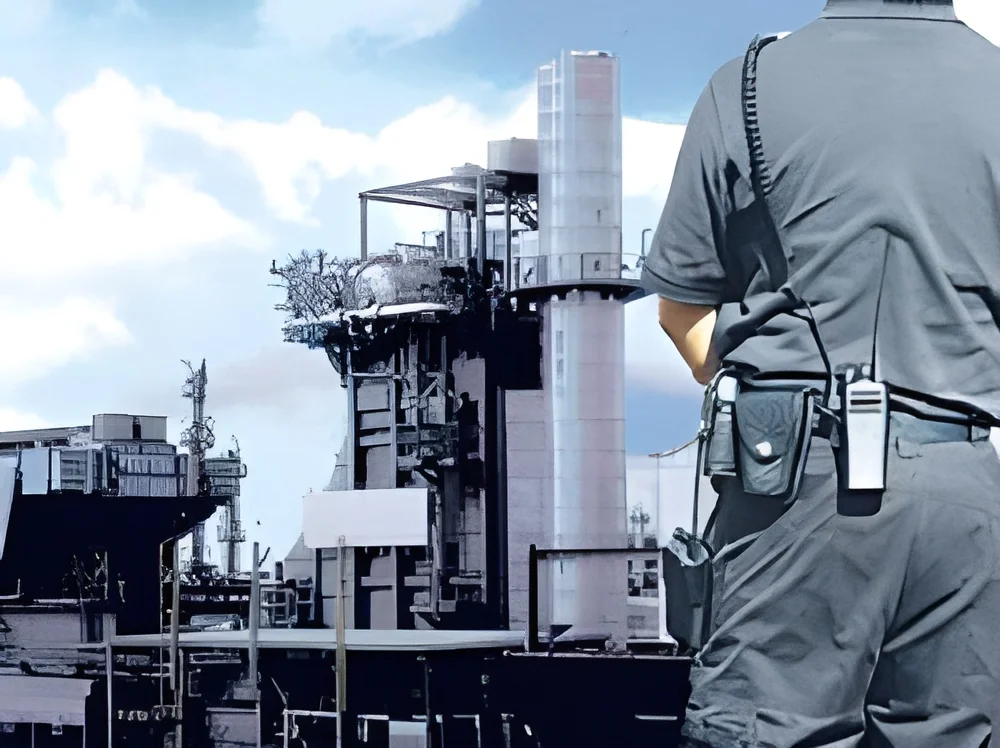
Security and surveillance services refer to a comprehensive range of solutions designed to monitor, protect, and manage safety in various environments. These services encompass the installation and maintenance of security systems, including cameras, alarms, and access controls, as well as ongoing monitoring and response strategies. Their primary aim is to deter crime, enhance safety, and ensure the protection of assets, personnel, and information.
In a business context, security and surveillance services are essential for safeguarding physical and digital assets. Industries such as retail, manufacturing, healthcare, and logistics utilize these services to mitigate risks associated with theft, vandalism, and other security threats. By implementing effective surveillance strategies, companies can not only protect their resources but also enhance operational efficiency and build customer trust.
With the increasing complexity of security challenges worldwide, the demand for these services continues to grow. Businesses are recognizing the importance of investing in robust security measures to stay ahead of potential threats. As a result, the market for security and surveillance services is evolving, integrating advanced technologies such as artificial intelligence and cloud computing to provide more effective solutions.
Key Features and Specifications
Security and surveillance services come equipped with a variety of features and specifications that enhance their effectiveness. Understanding these specifications is crucial for businesses when selecting the right services for their needs.
Key specifications include:
1. Camera Resolution
- High-definition (HD) and ultra-high-definition (UHD) options are available.
- Common resolutions range from 720p to 4K.
2. Night Vision Capabilities
- Infrared and low-light technology for clear images in darkness.
- Effective ranges can vary from 10 meters to over 50 meters.
3. Motion Detection
- Advanced algorithms to minimize false alarms.
- Adjustable sensitivity settings for tailored monitoring.
4. Remote Access
- Mobile and web applications for real-time monitoring.
- Multi-user access for enhanced operational flexibility.
5. Storage Options
- Local and cloud storage solutions available.
- Retention periods can range from days to several months based on business needs.
6. Integration with Other Systems
- Compatibility with alarm systems, access controls, and fire safety systems.
- Seamless integration ensures comprehensive security management.
7. Analytics Capabilities
- Video analytics for identifying patterns and anomalies.
- Reporting features help in data-driven decision-making.
8. Compliance with Standards
- Services designed to meet industry regulations and safety standards.
- Certifications such as CE ensure product reliability.
In summary, understanding the key features and specifications of security and surveillance services is essential for businesses to make informed decisions that align with their security needs.
Common Applications and Use Cases
Security and surveillance services are versatile and find application across various industries.
1. Retail: In retail environments, these services help prevent theft and enhance customer safety. Systems can monitor customer behavior and optimize store layouts based on traffic patterns.
2. Manufacturing: Manufacturing facilities use surveillance to ensure workplace safety and monitor production processes. This helps in identifying operational inefficiencies and enhancing safety compliance.
3. Healthcare: Hospitals and clinics implement security services to protect sensitive patient information and ensure the safety of staff and patients. Surveillance systems can also monitor restricted areas.
4. Logistics: In logistics and warehousing, security and surveillance services protect valuable inventory and ensure safe transportation of goods. They assist in tracking shipments and preventing theft.
5. Education: Educational institutions utilize these services to ensure student safety and monitor campus activities. Surveillance systems can help deter bullying and enhance emergency response.
6. Government: Government buildings and public spaces use security services to protect sensitive information and ensure public safety. Surveillance plays a critical role in emergency preparedness.
7. Hospitality: Hotels and resorts implement surveillance to ensure guest safety and monitor staff activities. This enhances overall customer experience and operational efficiency.
Product Variants and Subcategories
Security and surveillance services encompass various options tailored to meet specific needs of organizations.
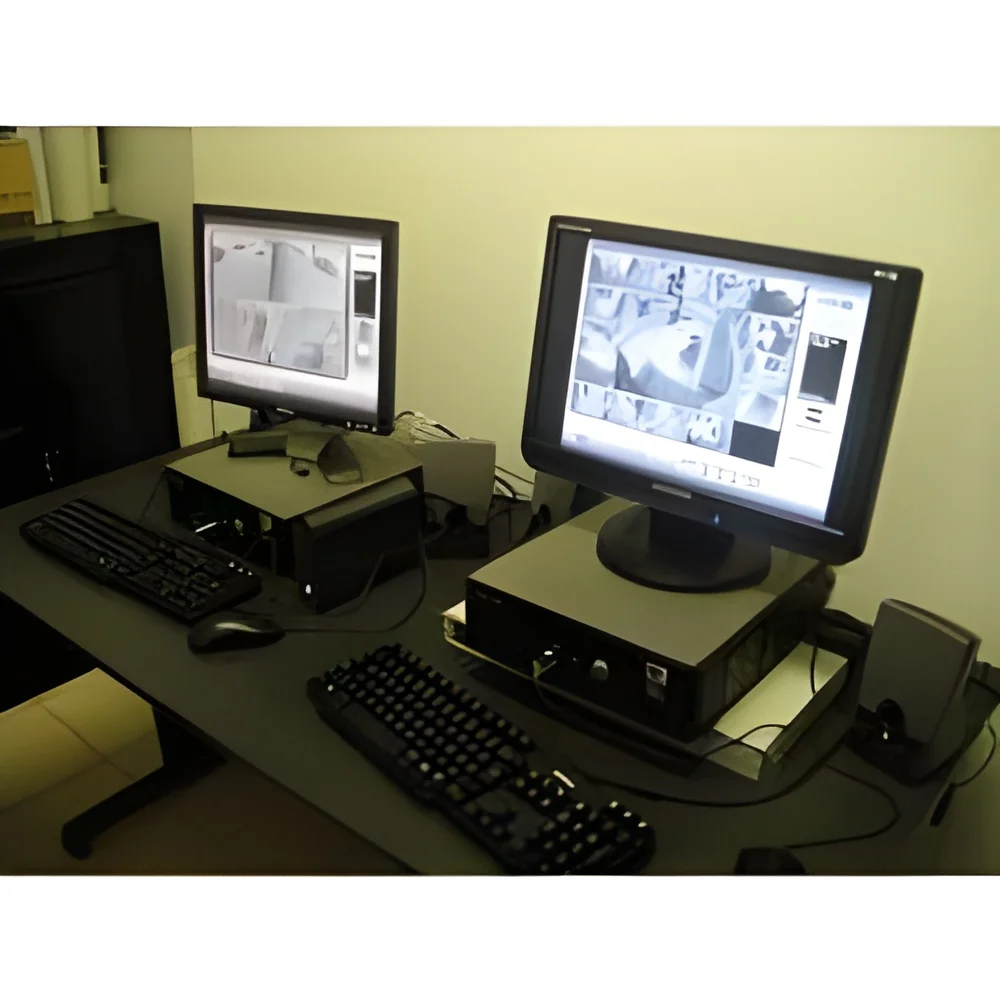
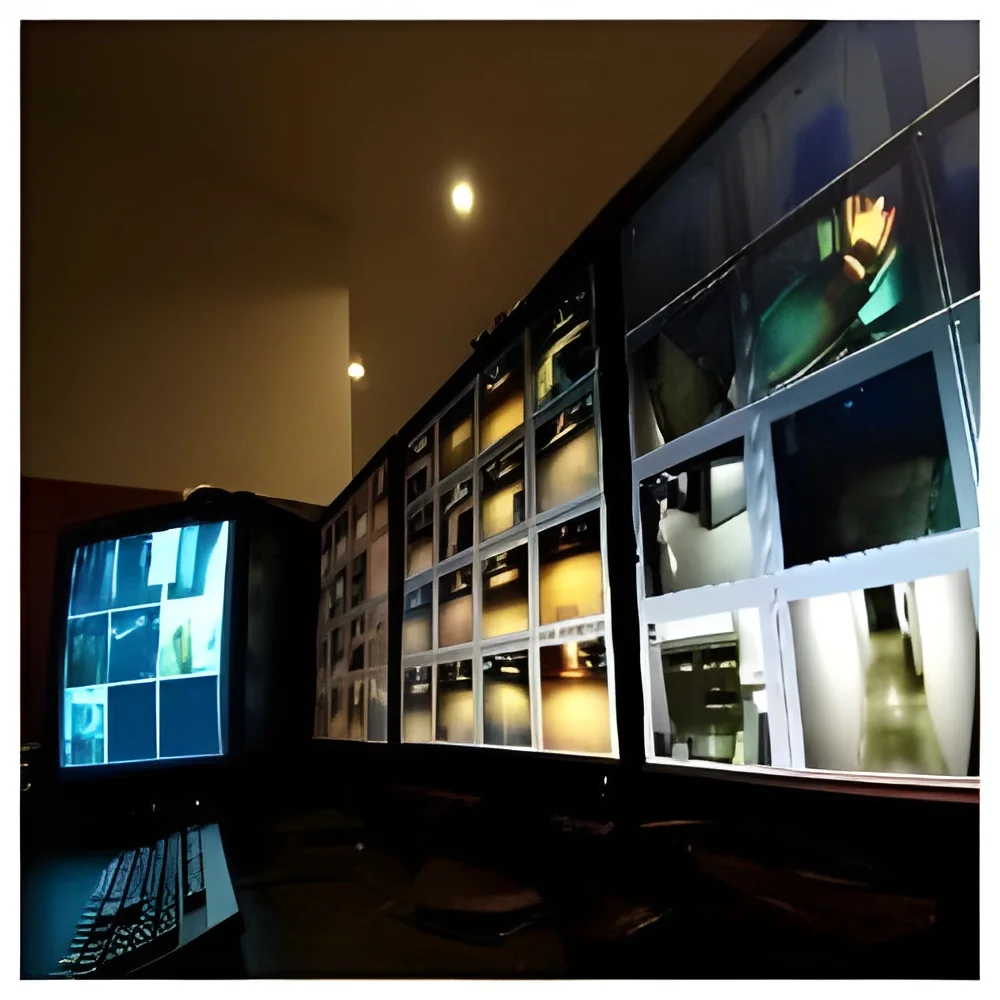
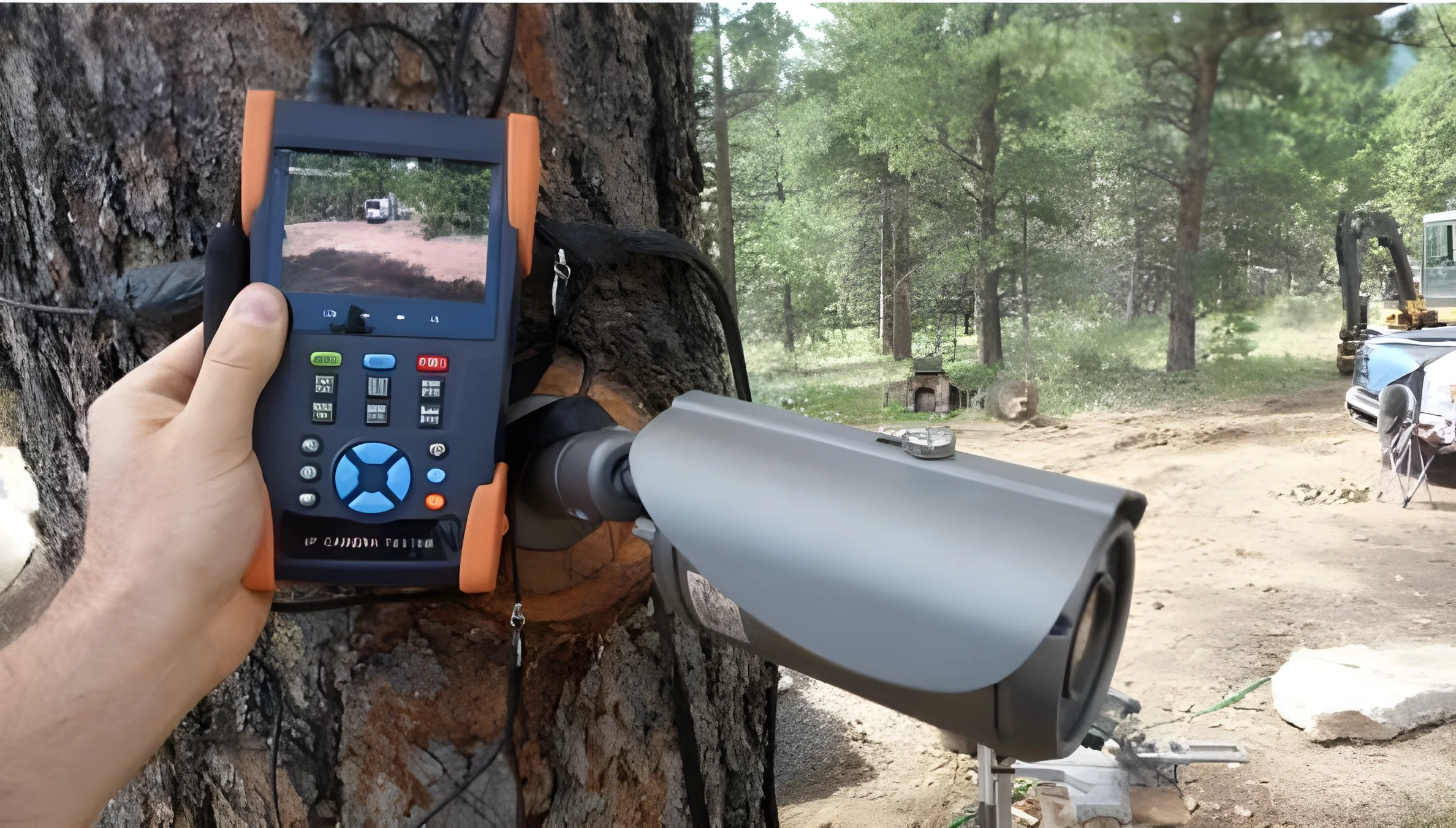
CCTV Surveillance Systems: These systems provide continuous video monitoring and recording. They are suitable for a wide range of applications, from retail to industrial settings, offering advanced features like motion detection and remote access.
Access Control Systems: These services manage entry to restricted areas using key cards, biometric systems, or mobile applications. They enhance security by ensuring that only authorized personnel can access sensitive areas.
Alarm Monitoring Services: Alarm systems are integrated with surveillance services to provide a comprehensive security solution. They notify security personnel of breaches and can be linked to emergency services for rapid response.
Benefits and Advantages
Investing in security and surveillance services offers numerous benefits for businesses.
Key benefits include:
1. Enhanced Safety: Security services help create a safer environment for employees and customers, reducing the risk of accidents and incidents.
2. Theft Prevention: Surveillance systems deter criminal activity, significantly lowering the chances of theft and vandalism.
3. Operational Efficiency: By monitoring processes, businesses can identify inefficiencies and implement improvements that enhance productivity.
4. Real-time Monitoring: Remote access capabilities allow for real-time monitoring, enabling quick responses to potential security issues.
5. Data-Driven Insights: Advanced analytics provide valuable insights into customer behavior and operational trends, helping businesses make informed decisions.
6. Compliance Adherence: Security services help companies comply with industry regulations and standards, reducing the risk of legal issues.
Buying Guide for B2B Buyers
When sourcing security and surveillance services, there are several key factors to consider.
1. Quality Assessment: Ensure the services meet industry standards and are backed by reputable certifications. Investigate the reliability and performance history of potential suppliers.
2. Supplier Verification: Vet suppliers thoroughly to confirm their credibility and reliability. Look for customer reviews and case studies to gauge their service quality.
3. Pricing and MOQ: Understand the pricing structure and minimum order quantities required. Compare quotes from different suppliers to ensure you receive competitive pricing.
4. Delivery and Lead Times: Inquire about the expected delivery timelines and any potential delays. Efficient logistics are crucial for timely project execution.
5. Compliance Requirements: Be aware of any regulatory standards that the services must meet. Ensure that the supplier is compliant with local and international regulations.
Compliance and Certifications
Security and surveillance services must adhere to various quality standards and certifications to ensure reliability and safety. Common standards include ISO 9001, which focuses on quality management systems, ensuring that services consistently meet customer expectations.
Additionally, industry certifications such as CE indicate compliance with European safety and environmental requirements. These certifications assure buyers of the product's reliability and safety.
Safety and testing requirements are critical to maintaining the integrity of security systems. Regular testing ensures that equipment functions correctly and meets operational standards.
Regional compliance considerations may vary, so businesses should stay informed about local regulations affecting security practices. Compliance with these standards is essential not only for legal reasons but also for maintaining trust with customers and stakeholders.
Why Source Security & Surveillance Services from Pepagora?
Pepagora provides a trusted platform for sourcing security and surveillance services, offering several key advantages that cater to B2B buyers.
Verified Supplier Network: Pepagora has established a network of verified suppliers, ensuring that businesses can find reliable partners to meet their security needs. This verification process helps mitigate risks associated with supplier selection.
Streamlined RFQ Process: The platform offers a simplified request for quotation (RFQ) process, allowing buyers to easily compare options and obtain quotes from multiple suppliers. This efficiency helps businesses make quicker, informed decisions.
Trade Assurance and Support: Pepagora prioritizes buyer protection through trade assurance policies. This support gives businesses confidence in their purchases, ensuring they are covered in case of disputes or issues.
Regional Coverage: With a strong presence in India, the GCC, and Southeast Asia, Pepagora provides extensive geographical reach. This allows businesses across these regions to access a wide range of security and surveillance services tailored to their specific needs.

 IN
IN