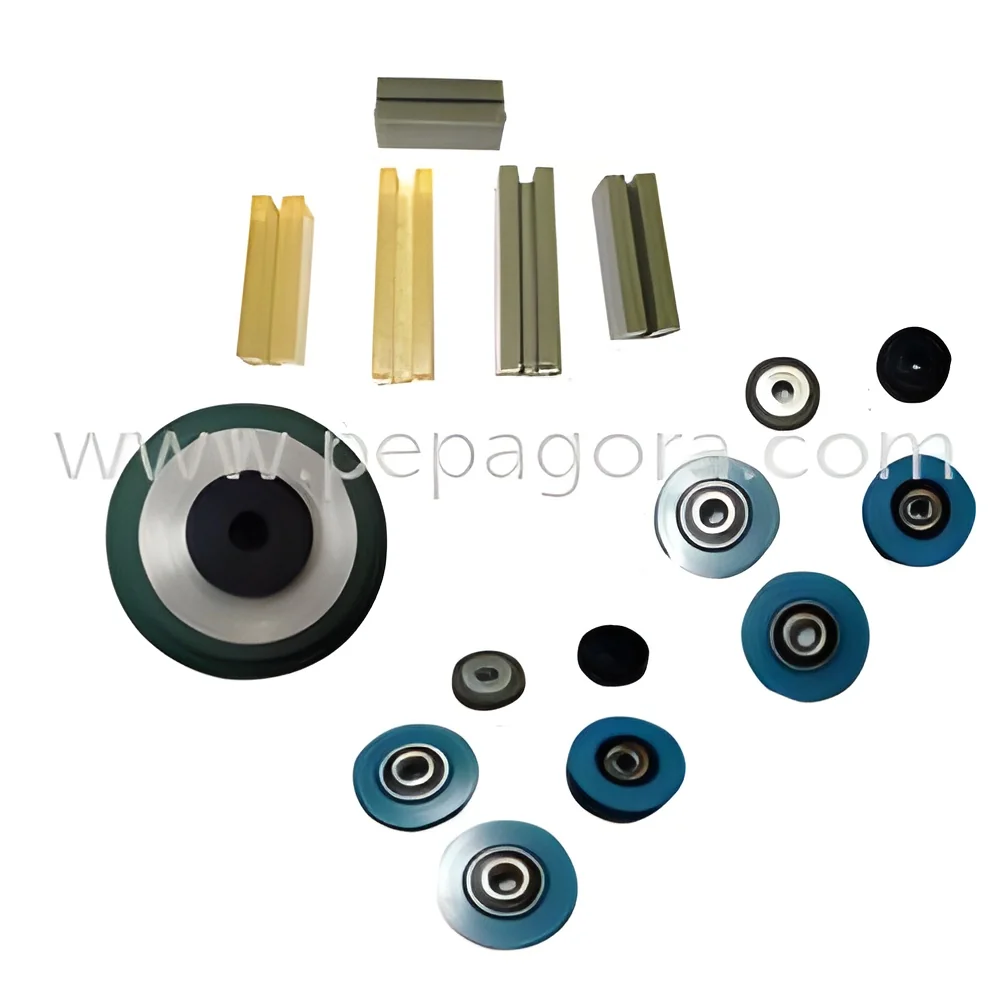
What are Elevator Maintenance & Operation?
Elevator maintenance and operation encompass the essential services and practices required to ensure elevators function safely and efficiently. This includes routine inspections, repairs, upgrades, and monitoring of elevator systems to prevent breakdowns and ensure compliance with safety regulations. Proper maintenance helps identify potential issues before they escalate, thereby increasing the lifespan of the equipment and safeguarding users.
The primary applications of elevator maintenance and operation services are seen in commercial buildings, residential complexes, and industrial facilities. Businesses rely on elevators to facilitate movement between floors, and ensuring their optimal performance is crucial for operational efficiency. As elevators are integral to building infrastructure, effective maintenance practices are vital for ensuring continuous service and minimizing downtime.
In today's market, the demand for elevator maintenance and operation services continues to grow, driven by urbanization and the increasing number of multi-story buildings. The industry is characterized by a focus on safety, reliability, and the adoption of advanced monitoring technologies to enhance service delivery.
Key Features and Specifications
Elevator maintenance and operation services are critical for ensuring smooth and safe elevator functionality. Key features often include comprehensive inspection services, emergency repair capabilities, and scheduled maintenance plans tailored to specific elevator types. These services not only improve efficiency but also enhance safety for all users.
Key specifications include:
1. Inspection Frequency
- Detailed checks should be conducted monthly, quarterly, or annually based on regulatory requirements and usage patterns.
2. Response Time for Repairs
- Emergency repairs typically require a response time of 1 to 2 hours to minimize downtime.
3. Maintenance Records
- Detailed documentation of inspections and repairs should be maintained for compliance and operational auditing.
4. Safety Compliance
- All maintenance services must adhere to local safety codes and regulations, including CE certification.
5. Parts Replacement
- Timely replacement of worn components is essential to maintain operational integrity and safety.
6. Monitoring Systems
- Advanced monitoring technologies can provide real-time data on elevator performance, enhancing preventive maintenance strategies.
7. Training and Certification
- Technicians involved in maintenance must hold relevant certifications and undergo regular training to stay updated on best practices.
In summary, a comprehensive maintenance program ensures the reliability and safety of elevator systems through regular inspections, timely repairs, and adherence to industry standards.
Common Applications and Use Cases
Elevator maintenance and operation services are applicable across various sectors where vertical transportation is necessary.
1. Commercial Buildings: Elevators in office buildings require routine maintenance to handle high traffic and ensure safety for employees and visitors.
2. Residential Complexes: In apartment buildings, regular service ensures that residents can rely on consistent elevator access without prolonged outages.
3. Hospitals: Elevators in healthcare facilities must be maintained to ensure quick and safe transport of patients and medical staff, especially in emergencies.
4. Shopping Malls: High foot traffic in retail environments necessitates frequent inspections to avoid disruptions in service.
5. Industrial Facilities: Elevators used in warehouses and manufacturing plants need specialized maintenance to support heavy loads and continuous operation.
6. Educational Institutions: Schools and universities often have elevators for accessibility, requiring regular checks to comply with safety regulations.
7. Hotels: Elevators in hospitality settings must be well-maintained to enhance guest experience and operate seamlessly.
Product Variants and Subcategories
Elevator maintenance and operation services can be quite diverse, catering to different needs and types of elevators.
Standard Maintenance Services
These include routine inspections, adjustments, and minor repairs to ensure elevators operate within safety regulations and function smoothly.
Emergency Repair Services
This variant focuses on rapid response to elevator breakdowns or malfunctions, ensuring minimal downtime and restoring service promptly.
Modernization Services
This includes upgrades to existing elevator systems to improve efficiency, safety, and aesthetics, often involving technology enhancements.
Preventive Maintenance Contracts
Long-term contracts offer scheduled maintenance plans to ensure regular service and compliance, helping businesses avoid unexpected costs.
Benefits and Advantages
Elevator maintenance and operation services provide numerous advantages to businesses and building managers.
1. Enhanced Safety: Regular maintenance reduces the risk of accidents, ensuring compliance with safety standards and protecting users.
2. Increased Reliability: Consistent service minimizes the likelihood of breakdowns, ensuring elevators are available when needed.
3. Cost Efficiency: Preventive maintenance helps avoid costly repairs and extends the lifespan of elevator systems, resulting in significant savings.
4. Improved Performance: Regular checks and updates can enhance elevator speed and efficiency, improving overall user satisfaction.
5. Compliance Assurance: Adhering to maintenance schedules ensures compliance with local regulations and industry standards.
6. Peace of Mind: Knowing that elevators are regularly serviced provides confidence to building managers and users alike.
Buying Guide for B2B Buyers
When sourcing elevator maintenance and operation services, several critical factors should be considered to ensure the right choice.
1. Quality Assessment: Buyers should evaluate the quality of services offered, looking for providers with a strong reputation and positive client reviews. Certifications and training of technicians are also important indicators of service quality.
2. Supplier Verification: It is essential to vet potential suppliers thoroughly. This includes checking references, certifications, and service capabilities to ensure a reliable partnership.
3. Pricing and MOQ: Understanding pricing structures and any minimum order quantities (MOQ) is crucial. Buyers should seek transparent quotes that outline all potential costs.
4. Delivery and Lead Times: Timely delivery of services is vital. Buyers should inquire about the average response times for maintenance and emergency services.
5. Compliance Requirements: Buyers must ensure that the chosen service provider meets all relevant regulatory and compliance requirements to avoid legal issues.
Compliance and Certifications
Elevator maintenance and operation services are subject to various quality standards and regulations to ensure safety and reliability. ISO 9001 is a widely recognized standard that outlines criteria for quality management systems. Compliance with this standard indicates that a service provider adheres to quality assurance principles.
Additionally, industry certifications such as CE are crucial for ensuring that the equipment and services meet European safety standards. Elevator maintenance services should also comply with local safety codes that govern the operation and maintenance of elevators.
Safety testing is paramount, and services must include thorough inspections to identify potential hazards. Regional compliance considerations may vary, and service providers should be knowledgeable about local regulations to ensure adherence.
Why Source Elevator Maintenance & Operation from Pepagora?
Pepagora offers a trusted platform for sourcing elevator maintenance and operation services, providing several key advantages to buyers.
Verified Supplier Network: Pepagora connects buyers with a network of verified suppliers, ensuring that businesses engage with reputable service providers who meet industry standards.
Streamlined RFQ Process: The platform simplifies the request for quotation (RFQ) process, allowing buyers to compare multiple service providers efficiently and select the best fit for their needs.
Trade Assurance and Support: Buyers can benefit from trade assurance measures that protect their purchases and ensure they receive the services as promised, fostering a secure buying environment.
Regional Coverage: Pepagora has a broad geographic reach that includes India, the GCC region, and Southeast Asia, making it easy for businesses in these areas to find suitable elevator maintenance and operation services tailored to their local market needs.

 IN
IN