IN
IN₹
Apparel & Fashion
Description
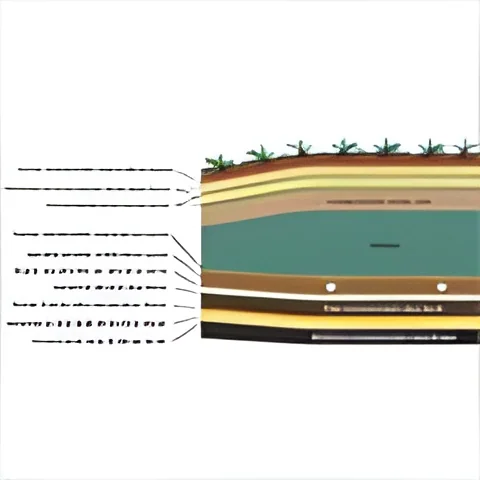
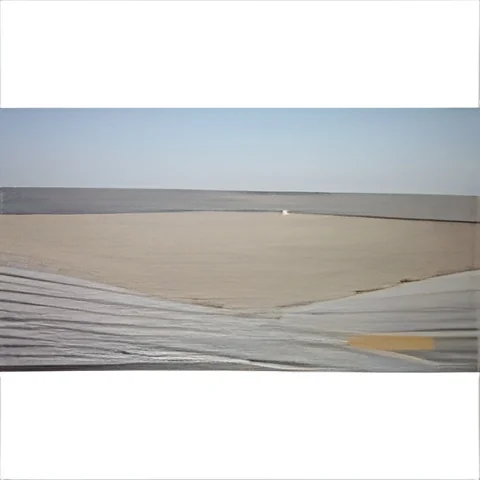
Sustainable landfill solutions represent advanced waste management systems that provide environmentally responsible disposal through engineered ground-based containment. These facilities feature multiple protective layers including geological barriers, synthetic liners, and sophisticated filtration systems that prevent leachate contamination while promoting controlled decomposition. The systematic approach to waste placement, compaction, and covering ensures optimal density and operational stability, creating sanitary and environmentally superior alternatives to traditional waste disposal methods. Modern landfill engineering incorporates gas collection systems that capture methane for energy production, transforming waste into valuable renewable resources while significantly reducing greenhouse gas emissions.

Across various sectors, landfill technology serves essential functions in municipal waste management, construction operations, agricultural processing, and industrial activities....
Sustainable landfill solutions represent advanced waste management systems that provide environmentally responsible disposal through engineered ground-based containment. These facilities feature multiple protective layers including geological barriers, synthetic liners, and sophisticated filtration systems that prevent leachate contamination while promoting controlled decomposition. The systematic approach to waste placement, compaction, and covering ensures optimal density and operational stability, creating sanitary and environmentally superior alternatives to traditional waste disposal methods. Modern landfill engineering incorporates gas collection systems that capture methane for energy production, transforming waste into valuable renewable resources while significantly reducing greenhouse gas emissions.

Across various sectors, landfill technology serves essential functions in municipal waste management, construction operations, agricultural processing, and industrial activities. Municipal authorities depend on engineered landfills for daily waste disposal needs while maintaining compliance with environmental regulations. Construction companies utilize specialized landfills for debris management, preventing illegal dumping and supporting recycling initiatives. Agricultural operations benefit from tailored landfill systems handling organic waste, while manufacturing facilities employ industrial-grade landfills for non-hazardous byproduct containment. The technology scales effectively from regional facilities to localized sites serving specific industrial parks or agricultural regions.

The operational value of modern landfill systems lies in their reliability, regulatory compliance, and long-term efficiency. These facilities provide predictable waste management costs while minimizing environmental liability through engineered protection systems. Their modular design allows for phased expansion as waste volumes increase, ensuring decades of service life with proper management. The methane capture capability generates additional revenue streams through renewable energy production, while the controlled environment reduces monitoring costs and potential remediation expenses. Each system is engineered to meet specific site conditions and waste composition requirements, delivering optimized performance for unique operational needs.

Key Features:
- Multi-layer barrier systems with geological and synthetic liners
- Integrated leachate collection and treatment systems
- Methane gas capture and recovery technology
- Engineered waste compaction and covering systems
- Environmental monitoring networks for air and water quality

Benefits:
- Environmental protection through contamination prevention
- Regulatory compliance with waste management standards
- Operational efficiency through systematic waste processing
- Renewable energy generation from captured methane
- Long-term cost savings through durable infrastructure
Specifications
| Additional Information | |
|---|---|
| Country of Origin | 106 |
Application
Engineered landfill systems deliver comprehensive waste containment solutions designed for environmental protection across multiple sectors. These advanced facilities incorporate barrier technologies and filtration systems that prevent soil and groundwater contamination while managing waste volumes efficiently. They meet strict regulatory standards and adapt to various operational scales from community-level installations to large industrial complexes.
Industries benefit from landfill technology through sustainable waste processing applications including municipal solid waste management, construction debris disposal, and agricultural organic material handling. These systems support ecological responsibility through controlled decomposition processes and methane capture capabilities. Their flexible design enables seamless integration with existing waste management infrastructure, providing scalable solutions for evolving urban and industrial requirements.
- Municipal solid waste management for urban centers
- Construction and demolition debris processing facilities
- Agricultural waste management and organic decomposition
- Industrial non-hazardous byproduct containment
- Renewable energy generation through methane capture
Trade Details
| Available Stock | In Stock |
| Sample Availability | No |
Payment Terms
| Payment Terms |
|
Company Profile
Jeevan Products, Maharashtra
 Maharashtra, India
Maharashtra, IndiaConstruction•Manufacturer•Distributor / Wholesaler•Importer / Exporter
Factory Details
Factory SizeBelow 1000 sqm
Annual Production Capacity0
Sustainable Landfill Solutions For Waste Management Systems
Sustainable landfill solutions provide reliable waste disposal systems for municipal and industrial applications, featuring environmental protection and regulatory compliance for effective waste management operations.
Min. Order Quantity: 1 unit
Shipping
Shipping fee and delivery date to be negotiated. Contact supplier now for more details.
Jeevan Products
 Maharashtra, India
Maharashtra, IndiaConstructionManufacturer