IN
IN₹
Apparel & Fashion

Description
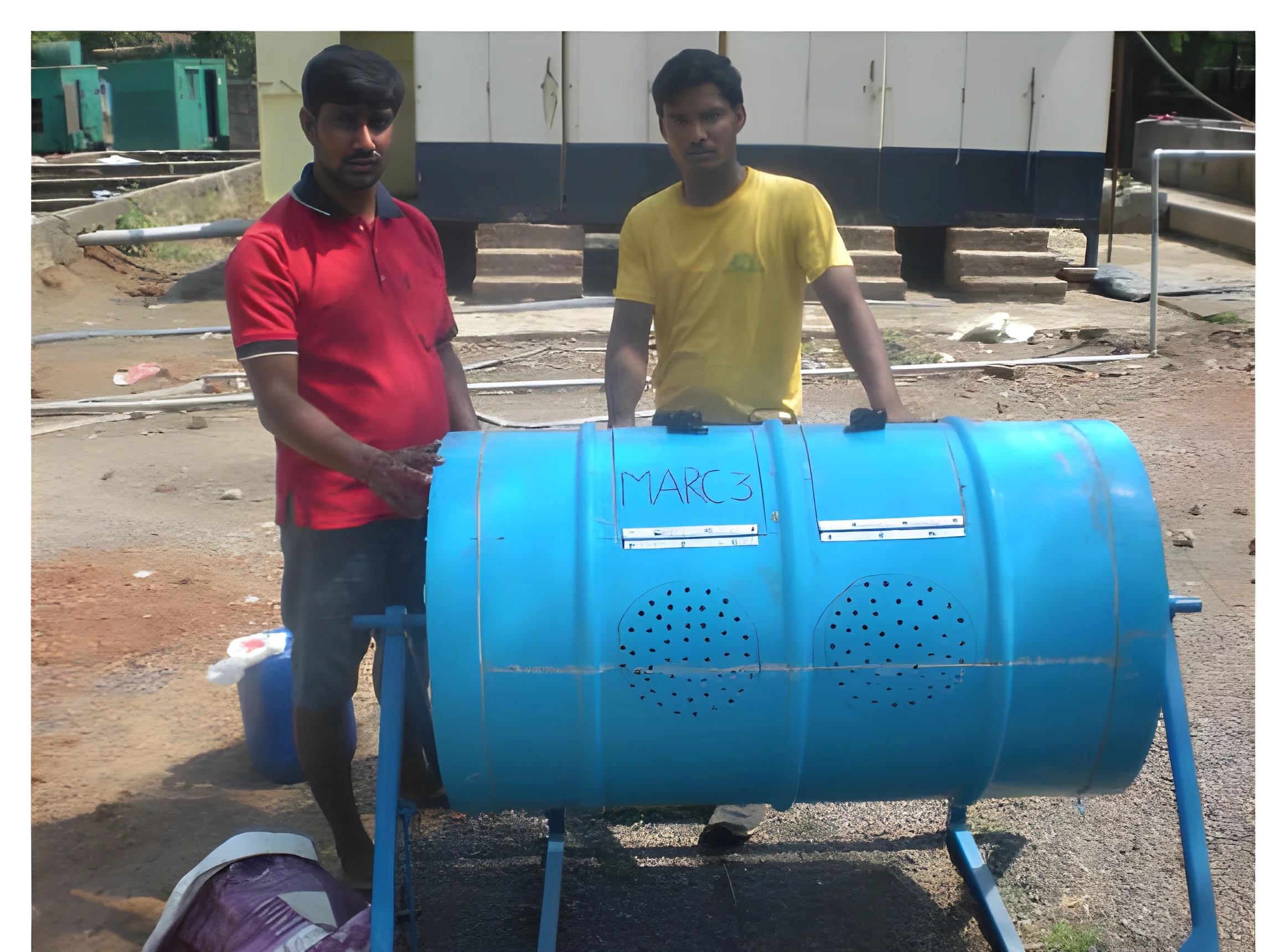
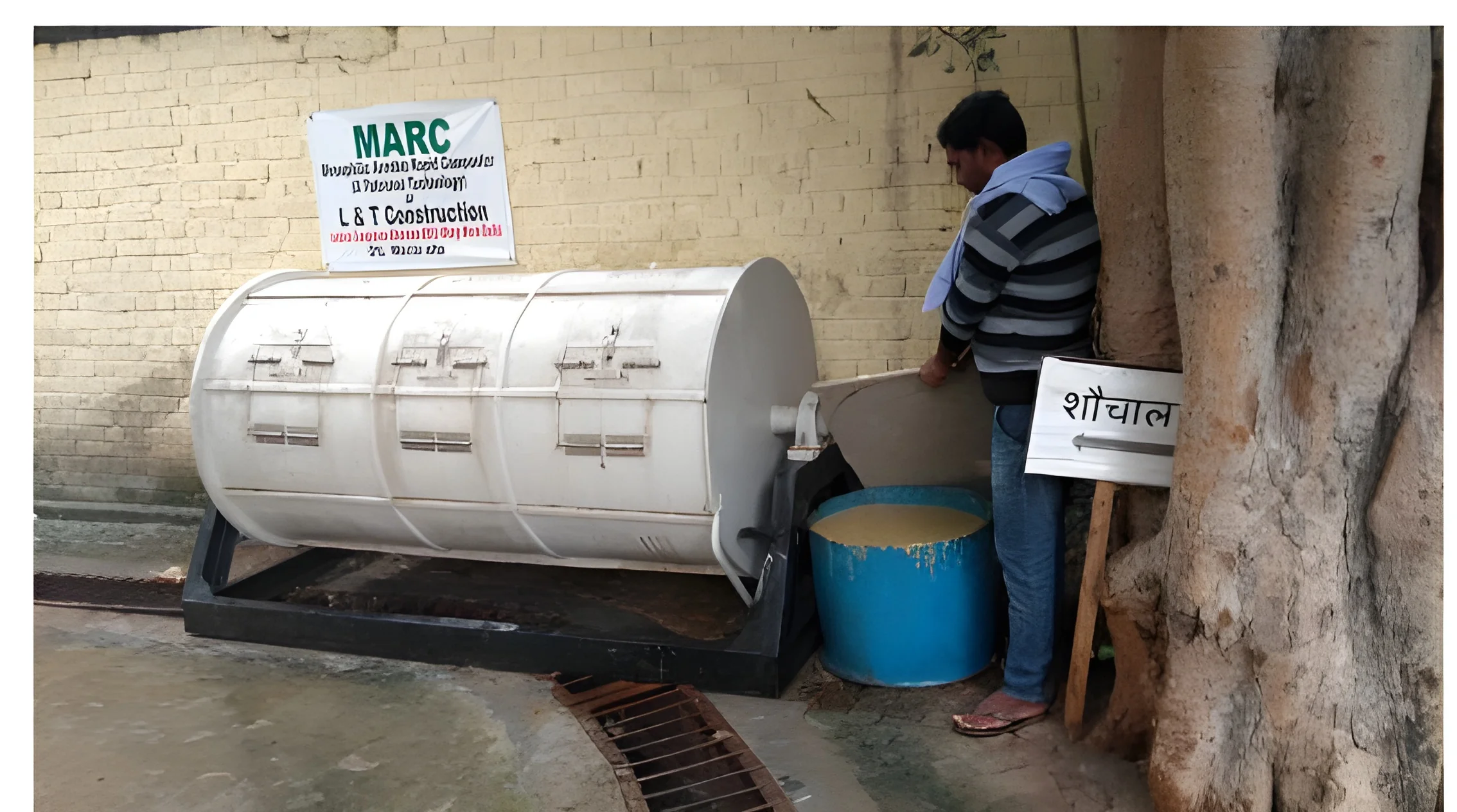
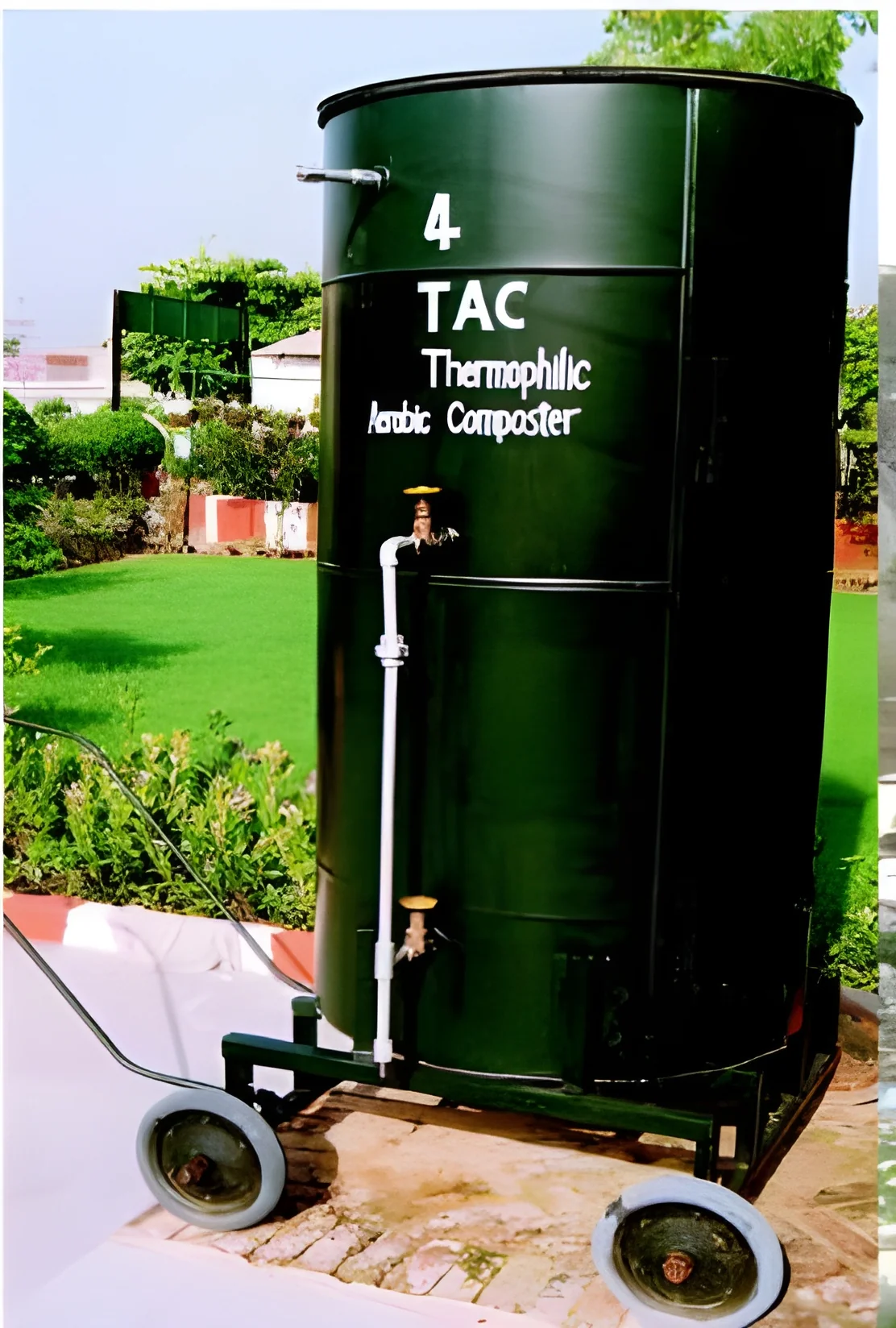
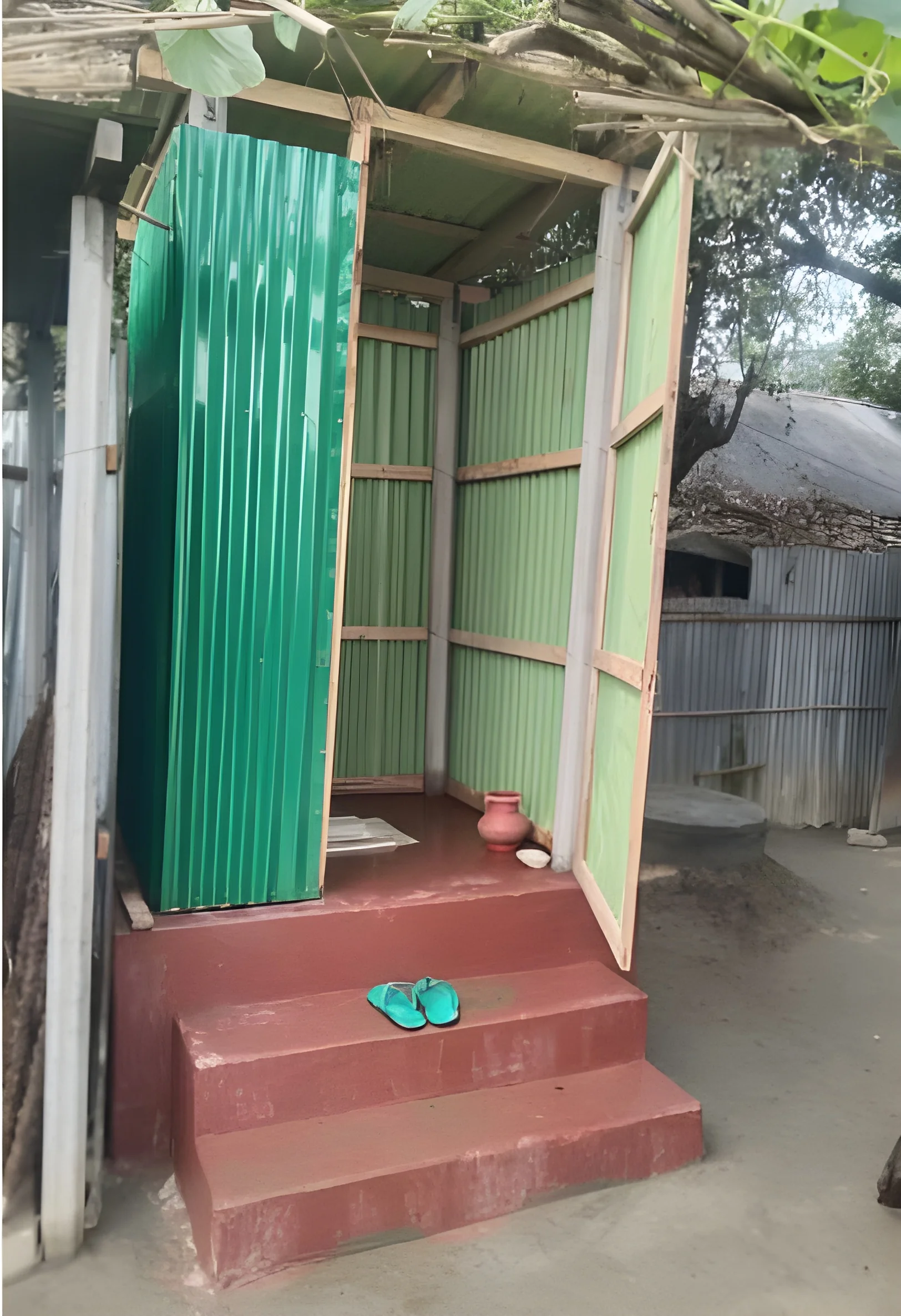
Faecal Sludge and Septage Management (FSSM) represents a complete, engineered solution for one of modern urbanization's most pressing challenges: safely managing waste from non-sewered sanitation systems. It encompasses the entire sanitation value chain—from the point of sludge generation in septic tanks and pit latrines through its collection, transport, treatment, and final safe disposal or reuse. In countless towns and cities lacking extensive sewer networks, unplanned and unsafe sludge handling poses severe risks to public health and the environment. This system provides the technological and procedural framework to close that sanitation gap. It employs a combination of mechanized desludging equipment, specialized transport vehicles, and treatment plants that use processes like settling, digestion, and drying to render sludge safe. The goal is to transform faecal waste from a hazardous pollutant into a managed resource, ensuring communities can grow without the burden of sanitation...
Faecal Sludge and Septage Management (FSSM) represents a complete, engineered solution for one of modern urbanization's most pressing challenges: safely managing waste from non-sewered sanitation systems. It encompasses the entire sanitation value chain—from the point of sludge generation in septic tanks and pit latrines through its collection, transport, treatment, and final safe disposal or reuse. In countless towns and cities lacking extensive sewer networks, unplanned and unsafe sludge handling poses severe risks to public health and the environment. This system provides the technological and procedural framework to close that sanitation gap. It employs a combination of mechanized desludging equipment, specialized transport vehicles, and treatment plants that use processes like settling, digestion, and drying to render sludge safe. The goal is to transform faecal waste from a hazardous pollutant into a managed resource, ensuring communities can grow without the burden of sanitation-related disease and pollution.

This management system finds critical application across multiple sectors and governance levels. Municipal corporations and urban local bodies are primary users, deploying it to establish regulated desludging services and build centralized or decentralized treatment plants. Private sector players, including sanitation service companies and waste management entrepreneurs, utilize the system's protocols to offer reliable, fee-based desludging services to households and businesses. In the development sector, NGOs and government rural sanitation programs integrate FSSM components to sustain open defecation-free status and manage waste in village communities. Furthermore, large standalone institutions like universities, hospitals, military cantonments, and industrial parks adopt these solutions for on-site management of their sanitation waste, ensuring compliance and operational independence. The system is also indispensable in ecologically sensitive zones, coastal areas, and regions with high groundwater tables, where preventing contamination is paramount.

For businesses and governing bodies, investing in a structured faecal sludge management system delivers clear operational and financial value. It replaces chaotic, often illegal dumping with a predictable, efficient, and revenue-generating service model. For municipalities, it reduces long-term environmental cleanup costs and healthcare burdens from waterborne diseases. For private operators, it creates a formal, scalable business opportunity in a essential service sector. The system's reliability is rooted in proven engineering principles and adaptable technologies that can be scaled to match local needs and capacities. It demonstrates a commitment to public health and environmental duty, building community trust and aligning with national and international sanitation policies. Ultimately, it turns a critical waste stream into a managed process, offering not just a technical solution but a foundation for sustainable urban and rural development.

Key Features:
- End-to-end system covering safe sludge collection, transport, treatment, and final disposal or resource recovery.
- Utilizes proven biological and mechanical treatment processes to significantly reduce pathogens and pollutant load.
- Designed for integration with existing on-site sanitation infrastructure like septic tanks and pit latrines.
- Supports both centralized treatment plants and decentralized, community-scale treatment units.
- Includes operational protocols for scheduling, desludging, transport logistics, and treatment plant management.

Benefits:
- Ensures compliance with environmental standards and public health regulations for safe waste disposal.
- Protects groundwater sources and surface water bodies from contamination by faecal pathogens and nutrients.
- Provides a formal, efficient service model for municipalities and private operators, improving sanitation coverage.
- Reduces long-term public health risks and associated costs from diseases like cholera, typhoid, and dysentery.
- Enables potential resource recovery from treated sludge, such as use as soil conditioner or biogas production, supporting sustainability goals.
Specifications
| Additional Information | |
|---|---|
| Country of Origin | India |
Application
This comprehensive faecal sludge management system is engineered for urban and peri-urban environments where centralized sewerage is absent or limited. It provides a structured framework for handling waste from septic tanks, pit latrines, and other on-site sanitation facilities, transforming a public health challenge into a manageable process. The solution is particularly vital for rapidly growing towns and cities, enabling local authorities and private service providers to establish reliable, scheduled desludging services that prevent environmental contamination and protect community health.
Implementing this system creates opportunities for sustainable sanitation economies. It allows for the safe treatment of collected sludge, potentially converting waste into reusable by-products like treated water or soil conditioners, in alignment with circular economy principles. This approach not only addresses immediate sanitation needs but also builds long-term resilience against waterborne diseases and groundwater pollution, making it a critical investment for public welfare and environmental stewardship.
- Municipalities and urban local bodies implementing city-wide scheduled desludging and septage treatment programs.
- Private sanitation companies and desludging operators offering safe collection and transport services to residential and commercial clients.
- Development projects and NGOs working on rural sanitation improvement and open defecation-free (ODF) sustainability programs.
- Industrial campuses, large institutions, and housing societies managing their own decentralized wastewater and sludge treatment systems.
- Regions with high water tables, flood-prone areas, or sensitive ecosystems requiring stringent control over sludge disposal to prevent contamination.
Trade Details
| Available Stock | In Stock |
| Sample Availability | No |
Payment Terms
| Payment Terms |
|
Company Profile
Marc Sanitation (P) Ltd, New Delhi
 New Delhi, India
New Delhi, IndiaServices & Support•Manufacturer
Factory Details
Factory SizeBelow 1000 sqm
Faecal Sludge Septage Management System For Municipalities Operators
Faecal Sludge and Septage Management (FSSM) is an engineered solution for the safe collection, transport, treatment, and disposal of septage and sludge, ensuring sanitation compliance and environmental protection for municipalities and operators.
Min. Order Quantity: 1 piece
Shipping
Shipping fee and delivery date to be negotiated. Contact supplier now for more details.
Marc Sanitation (P) Ltd
 New Delhi, India
New Delhi, IndiaServices & SupportManufacturer