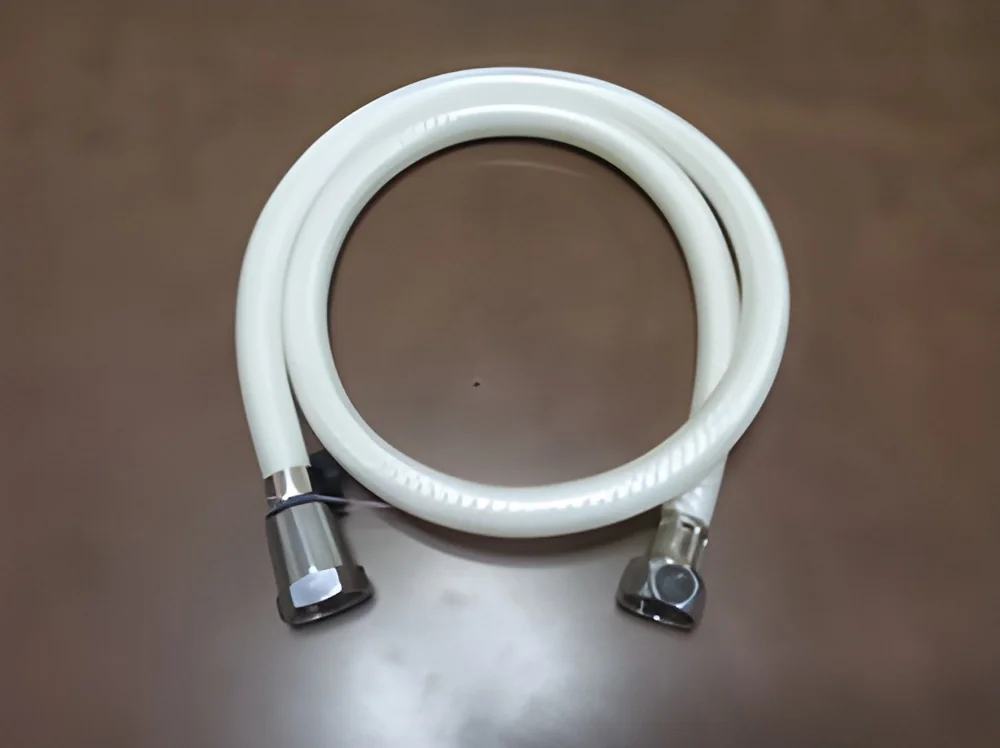
What are Electrical & Plumbing Maintenance?
Electrical and plumbing maintenance refers to the systematic upkeep and repair of electrical systems and plumbing infrastructure within buildings and facilities. This process is essential for ensuring the safe and efficient operation of essential services that power and supply water to residential, commercial, and industrial spaces. Routine maintenance helps prevent failures, reduces the risk of accidents, and extends the lifespan of both electrical and plumbing systems.
The primary uses of electrical and plumbing maintenance are found in various business applications, including the installation of new systems, routine inspections, and emergency repairs. Industries such as construction, manufacturing, hospitality, and healthcare rely heavily on these services. By maintaining optimal conditions, businesses can ensure compliance with safety standards and improve operational efficiency. In a competitive market, effective maintenance programs are crucial for minimizing downtime and enhancing productivity.
As the demand for reliable electrical and plumbing systems continues to grow, the maintenance sector is becoming increasingly relevant. Technological advancements and a focus on sustainability are driving innovations in maintenance practices. The market for electrical and plumbing maintenance is expanding, reflecting the broader trends toward automation and smart building technologies.
Key Features and Specifications
Electrical and plumbing maintenance encompasses a range of features and specifications that are vital for effective performance. Businesses looking to implement or enhance their maintenance programs should be aware of these key specifications.
Key specifications include:
1. Compliance Standards
- Adherence to local and international regulations
- Ensures safety and reliability in installations and repairs
2. System Compatibility
- Ability to integrate with existing electrical and plumbing systems
- Supports diverse building types and operational needs
3. Maintenance Frequency
- Recommended schedule for routine checks and servicing
- Helps to identify potential issues early
4. Emergency Response Time
- Defined time frames for responding to urgent maintenance needs
- Minimizes disruptions and enhances safety
5. Quality of Materials Used
- Assessment of the durability and reliability of components
- Impacts long-term performance and maintenance costs
6. Documentation and Reporting
- Detailed records of maintenance activities and inspections
- Facilitates compliance and informs future maintenance strategies
7. Training and Certification of Personnel
- Ensures that maintenance teams are qualified and knowledgeable
- Enhances the quality of service provided
8. Environmental Considerations
- Practices that promote sustainability and energy efficiency
- Supports corporate social responsibility initiatives
In summary, understanding these features and specifications is essential for businesses aiming to establish effective electrical and plumbing maintenance programs.
Common Applications and Use Cases
Electrical and plumbing maintenance has a variety of applications across different industries. Each sector benefits from tailored maintenance strategies that address its specific needs.
1. Construction: Regular maintenance is crucial during the building phase to ensure that electrical and plumbing systems are installed correctly and function optimally.
2. Manufacturing: Facilities require ongoing maintenance to ensure machinery operates smoothly, with minimal downtime, and to maintain safety standards.
3. Hospitality: Hotels and restaurants depend on reliable electrical and plumbing systems to provide services to guests and maintain operational efficiency.
4. Healthcare: Hospitals and clinics require specialized maintenance to ensure that critical systems are always functional, supporting patient care and safety.
5. Education: Schools and universities must maintain their electrical and plumbing systems to provide a safe learning environment for students and staff.
6. Retail: Stores rely on effective maintenance to ensure customer satisfaction and operational efficiency, including lighting and plumbing systems.
7. Real Estate: Property management companies need to carry out regular maintenance to enhance property value and tenant satisfaction.
Product Variants and Subcategories
Electrical and plumbing maintenance products come in various forms, catering to different operational requirements and industry standards. The diversity of these products allows businesses to select the most suitable solutions for their specific needs.
Basic Maintenance Tools
These include tools and equipment required for routine inspections and minor repairs, such as wrenches, pliers, and multimeters. They are essential for maintaining electrical and plumbing systems effectively.
Advanced Monitoring Systems
These systems are designed to continuously monitor electrical and plumbing performance. They help detect issues before they escalate, enabling proactive maintenance.
Preventive Maintenance Kits
These kits contain essential components and tools for scheduled maintenance tasks. They are tailored to specific systems and include items like seals, filters, and lubricants.
Specialized Repair Services
Some companies offer specialized services for complex systems, including HVAC or industrial plumbing systems. These services usually require advanced training and expertise.
Benefits and Advantages
Investing in electrical and plumbing maintenance provides numerous advantages that can significantly impact a business's operations and bottom line.
1. Improved Safety: Regular maintenance helps identify and mitigate potential hazards, reducing the risk of accidents and injuries.
2. Enhanced Efficiency: Well-maintained systems operate more efficiently, leading to reduced energy consumption and lower utility bills.
3. Prolonged Equipment Lifespan: Routine servicing extends the life of electrical and plumbing systems, delaying costly replacements.
4. Compliance Assurance: Regular maintenance helps ensure adherence to local and international safety standards, reducing the risk of penalties.
5. Increased Property Value: Maintaining systems in good condition enhances the overall value of properties, making them more attractive to buyers or tenants.
6. Reduced Downtime: Proactive maintenance minimizes unexpected breakdowns, allowing businesses to maintain productivity and service levels.
Buying Guide for B2B Buyers
When sourcing electrical and plumbing maintenance services or products, B2B buyers should consider several crucial factors to ensure they make informed decisions.
1. Quality Assessment: Evaluate the quality of materials and services offered by suppliers. Look for certifications and compliance with industry standards to ensure reliability.
2. Supplier Verification: Vet potential suppliers by reviewing their reputations, customer feedback, and previous work to ensure they meet your quality requirements.
3. Pricing and MOQ: Understand the pricing structure and minimum order quantities to ensure that they align with your budget and operational needs.
4. Delivery and Lead Times: Assess logistics capabilities, including delivery times and the ability to meet urgent maintenance needs.
5. Compliance Requirements: Ensure that the suppliers adhere to relevant safety and environmental regulations to avoid legal complications.
Compliance and Certifications
Compliance with industry standards and certifications is vital for ensuring the safety and effectiveness of electrical and plumbing maintenance. Relevant quality standards include ISO 9001, which provides a framework for consistent quality management.
Industry certifications, such as CE marking, indicate that products meet European safety and performance standards. These certifications assure buyers of the quality and safety of the products they are procuring.
Safety and testing requirements are also critical. Regular testing ensures that systems function properly and safely, reducing the risk of failures. Additionally, understanding regional compliance considerations helps businesses navigate local regulations effectively.
Why Source Electrical & Plumbing Maintenance from Pepagora?
Pepagora offers a trusted platform for sourcing electrical and plumbing maintenance, providing several key advantages that benefit B2B buyers.
Verified Supplier Network: Pepagora features a network of verified suppliers, ensuring that buyers have access to reliable and high-quality maintenance services and products. This verification process helps build trust between buyers and suppliers.
Streamlined RFQ Process: The platform simplifies the request for quotation (RFQ) process, allowing buyers to efficiently compare pricing and services from multiple suppliers. This transparency helps buyers make informed decisions.
Trade Assurance and Support: Pepagora offers trade assurance, providing protection for buyers against potential risks in transactions. This support helps buyers feel secure in their investments.
Regional Coverage: With a reach that extends across India, the GCC, and Southeast Asia, Pepagora connects buyers with suppliers in various regions. This extensive coverage facilitates access to localized services and products, ensuring that businesses can meet their maintenance needs effectively.

 IN
IN