
 IN
Washing Machines & Dryers
3 products available
What are Washing Machines & Dryers?
Washing machines and dryers are essential appliances used to clean and dry laundry efficiently. Washing machines automate the process of washing clothes, utilizing water, detergent, and various washing cycles to remove dirt and stains. Dryers, on the other hand, use heat and airflow to evaporate moisture from wet clothes, leaving them dry and ready to wear. Together, these appliances streamline laundry processes, making them indispensable in both residential and commercial settings.
In business applications, washing machines and dryers are used in various industries, including hospitality, healthcare, and manufacturing. Hotels and laundromats rely on commercial-grade machines to manage large volumes of laundry, ensuring clean linens and uniforms. Hospitals require specialized machines that can handle medical textiles while adhering to stringent hygiene standards. The industrial laundry sector benefits from high-capacity machines designed for efficiency and durability.
The demand for washing machines and dryers continues to grow, driven by the increasing need for cleanliness and hygiene in various sectors. The market is evolving with technological advancements, such as energy-efficient models and smart features that enhance usability. As businesses seek to maintain operational efficiency, investing in reliable laundry solutions becomes a priority.
Key Features and Specifications
Washing machines and dryers come with a variety of features that enhance their performance and usability. Understanding these specifications is crucial for selecting the right equipment for specific business needs.
Key specifications include:
1. Load Capacity
- Refers to the maximum weight of laundry each machine can handle.
- Typical ranges for commercial machines are between 10 kg to 50 kg.
2. Energy Efficiency Rating
- Indicates the energy consumption of the machine.
- Higher ratings (e.g., A+++ to A) suggest lower energy usage, which is cost-effective over time.
3. Washing Programs
- Different programs cater to various fabric types and cleaning needs.
- Common settings include cotton, synthetic, delicate, and quick wash.
4. Drying Technology
- Options include vented, condenser, and heat pump dryers.
- Each type has different mechanisms for moisture removal and energy efficiency.
5. Control Interface
- Machines can feature digital displays or mechanical dials.
- Advanced models may include smart technology for remote operation.
6. Noise Levels
- Measured in decibels (dB), indicating how loud the machine operates.
- Commercial machines typically range from 60 dB to 80 dB.
7. Durability
- Constructed from robust materials to withstand frequent use.
- Warranty periods often indicate expected lifespan and reliability.
8. Safety Features
- Include automatic shut-off, door locks during operation, and temperature sensors.
- Enhance user safety and prevent equipment damage.
In summary, understanding these features and specifications helps businesses make informed choices when sourcing washing machines and dryers that meet their operational needs.
Common Applications and Use Cases
Washing machines and dryers serve a wide range of industries, each with unique applications.
1. Hospitality: Hotels and resorts utilize these machines for washing linens, towels, and staff uniforms to maintain cleanliness and guest satisfaction.
2. Healthcare: Hospitals and clinics rely on specialized machines to clean surgical gowns, sheets, and other medical textiles to ensure hygiene and infection control.
3. Manufacturing: Factories may use washing machines to clean workwear and equipment covers, promoting safety and compliance with industry standards.
4. Food Services: Restaurants and catering services require reliable machines for washing chef uniforms and table linens, ensuring a clean dining experience.
5. Laundromats: Commercial laundry services depend on high-capacity machines to handle diverse customer needs, offering self-service laundry options.
6. Educational Institutions: Schools and universities may have laundry facilities for dormitories, requiring efficient machines for student use.
7. Fitness Centers: Gyms and health clubs use washing machines and dryers to keep towels and workout apparel clean and fresh for members.
Product Variants and Subcategories
Washing machines and dryers come in various forms to cater to different business needs.
Commercial Washing Machines: These machines are designed for high-volume use, featuring robust construction and advanced features for efficiency. They often include programmable settings to accommodate a range of fabrics and stains.
Stackable Washer-Dryer Units: Ideal for spaces with limited footprints, these units combine washing and drying functions in a compact design. They are perfect for small businesses or establishments with space constraints.
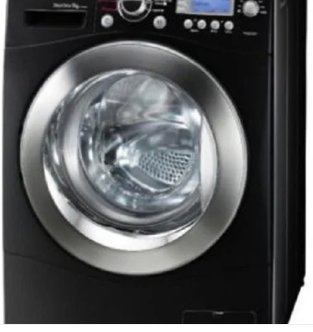
Front-Load Washing Machines: Known for their energy efficiency and effective cleaning capabilities, front-load machines use less water and detergent. They are suitable for both commercial and residential applications.
Top-Load Washing Machines: These machines are user-friendly and allow for easy loading and unloading. They are often preferred in settings where speed and convenience are essential.
Benefits and Advantages
Investing in high-quality washing machines and dryers offers numerous advantages for businesses.
1. Time Efficiency: Automated washing and drying processes significantly reduce labor time, enabling staff to focus on other essential tasks.
2. Cost Savings: Energy-efficient models lower utility bills and reduce water consumption, resulting in long-term savings.
3. Enhanced Hygiene: Regular use of commercial machines ensures that textiles are thoroughly cleaned, promoting a healthier environment.
4. Versatile Applications: These machines can handle a variety of fabrics and laundry types, making them suitable for diverse business applications.
5. Reliability: Commercial-grade machines are built for durability, minimizing downtime and maintenance costs.
6. Improved Customer Satisfaction: Clean linens and uniforms contribute to a positive customer experience in service-oriented businesses.
Buying Guide for B2B Buyers
When sourcing washing machines and dryers, several factors should be considered to ensure that the right equipment is selected.
1. Quality Assessment: Evaluate the build quality and performance features of each machine. Look for reputable brands known for reliability and efficiency.
2. Supplier Verification: Conduct thorough research to vet suppliers. Check for reviews, certifications, and the supplier's history in the industry.
3. Pricing and MOQ: Understand the pricing structures and minimum order quantities (MOQ) required by suppliers. Compare quotes to ensure competitive pricing.
4. Delivery and Lead Times: Confirm lead times for delivery to ensure that machines will arrive when needed. Factor in logistics and any potential delays.
5. Compliance Requirements: Ensure that machines meet all relevant industry standards and regulations, such as safety certifications and environmental compliance.
Compliance and Certifications
Washing machines and dryers must adhere to various compliance and certification standards to ensure safety and quality.
ISO 9001 is a widely recognized quality management standard that applies to manufacturing processes, including those for washing machines and dryers. Compliance indicates a commitment to consistent quality and customer satisfaction.
CE certification is essential for products sold within the European Union. It signifies that the equipment meets safety and environmental requirements, allowing for legal sale in the region.
Safety and testing requirements involve rigorous assessments to ensure that machines operate safely and efficiently. This includes electrical safety tests, performance evaluations, and durability assessments.
Regional compliance considerations may vary based on local regulations. Buyers should be aware of specific requirements in their geographical areas to avoid potential legal issues.
Why Source Washing Machines & Dryers from Pepagora?
Pepagora provides a trusted platform for sourcing washing machines and dryers, offering several key advantages for B2B buyers.
Verified Supplier Network: Pepagora connects buyers with a network of verified suppliers. Each supplier undergoes a thorough vetting process, ensuring reliability and quality.
Streamlined RFQ Process: The request for quotation (RFQ) system simplifies the procurement process. Buyers can easily compare quotes from multiple suppliers to find the best fit for their needs.
Trade Assurance and Support: Pepagora prioritizes buyer protection through trade assurance programs. This provides peace of mind, knowing that transactions are secure.
Regional Coverage: With a strong presence in India, the GCC, and Southeast Asia, Pepagora offers extensive regional coverage. This facilitates easy access to local suppliers and reduces shipping times.
By choosing Pepagora, businesses can confidently source high-quality washing machines and dryers tailored to their operational requirements.

 India
Frequently Asked Questions
What are Washing Machines & Dryers?
Washing Machines & Dryers are appliances designed for cleaning and drying laundry. Washing machines use water, detergent, and mechanical action to remove dirt and stains from fabrics, while dryers use heat and airflow to remove moisture from washed clothes.
What are the different types of Washing Machines & Dryers?
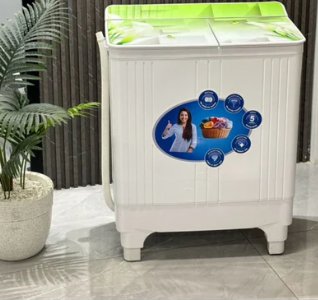
There are several types of washing machines including top-loading, front-loading, and semi-automatic models. For dryers, the main types are vented, condenser, and heat pump dryers, each with unique features and efficiency levels.
How do I choose the right Washing Machines & Dryers?
To choose the right washing machine or dryer, consider factors such as capacity, energy efficiency, and the specific washing or drying features you need. It's also important to assess the available space and your budget before making a decision.
What are the standard specifications for Washing Machines & Dryers?
Standard specifications for washing machines typically include load capacity, spin speed, energy rating, and water consumption. For dryers, key specifications include drying capacity, energy efficiency, and cycle time.
What is the price range for Washing Machines & Dryers?
The price range for washing machines and dryers varies widely based on brand, features, and capacity. Generally, you can expect prices to start from around ₹10,000 and go up to ₹50,000 or more for high-end models.
What quality standards apply to Washing Machines & Dryers?
Washing machines and dryers are typically subject to quality standards such as ISI marking in India, which ensures safety and performance. Manufacturers may also adhere to international standards such as ISO for quality management.
Where can I find Washing Machines & Dryers suppliers in India?
You can find washing machines and dryers suppliers in India through online B2B marketplaces like Pepagora, trade shows, or industry directories. Additionally, local appliance stores may also serve as suppliers.
Can Washing Machines & Dryers be customized?
Yes, some manufacturers offer customization options for washing machines and dryers, such as specific features, colors, or branding. It's advisable to discuss your requirements with suppliers to explore available customization options.
What is the typical minimum order quantity for Washing Machines & Dryers?
The typical minimum order quantity (MOQ) for washing machines and dryers can vary by supplier but often ranges from 10 to 50 units. It's important to check with individual suppliers for their specific MOQs.
What is the typical lead time for Washing Machines & Dryers?
The typical lead time for washing machines and dryers can vary depending on the manufacturer and order size, but it usually ranges from 2 to 6 weeks. Factors such as customization and availability of materials may also affect delivery times.
Why Businesses Trust Pepagora
Thousands of companies trust Pepagora to source smarter and sell faster
Expand Your Sales Globally

Source Smarter,Grow Faster
