
 IN
Wall-Mounted Exercise Bars
4 products available
What are Wall-Mounted Exercise Bars?
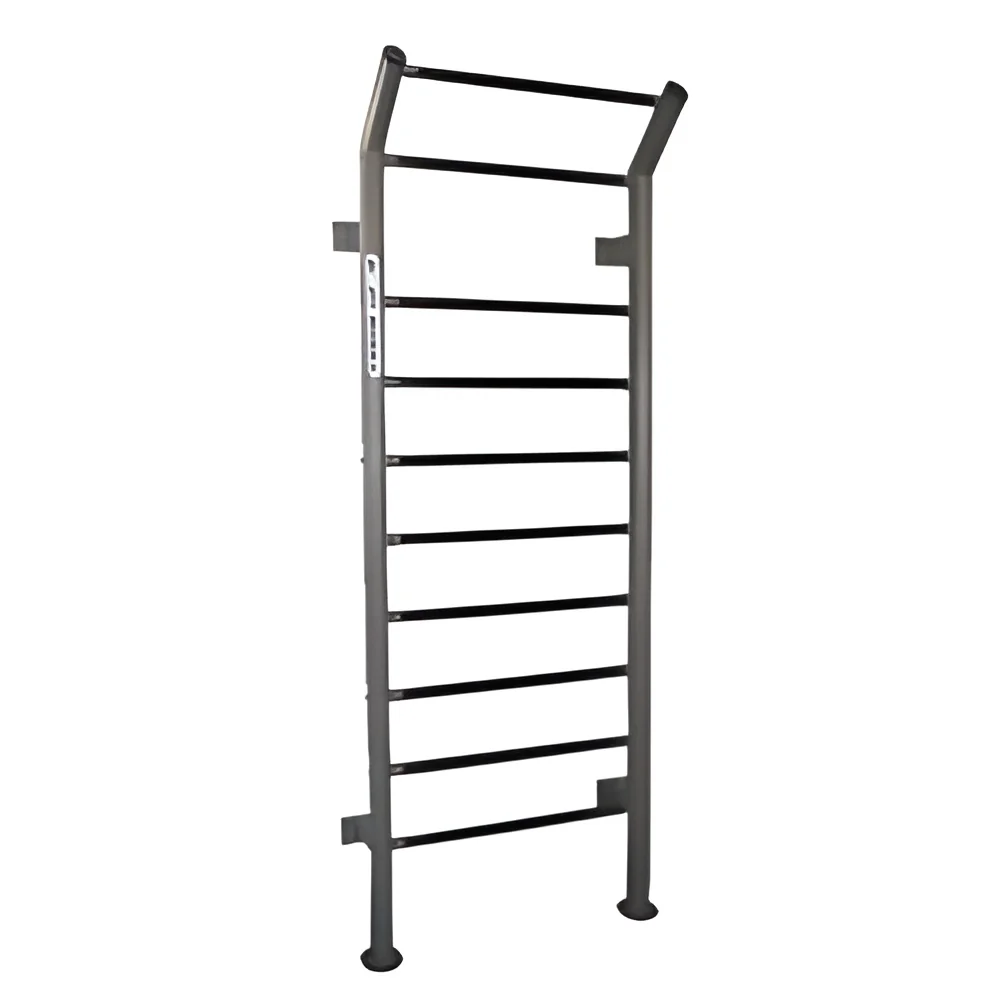
Wall-mounted exercise bars are sturdy fitness tools designed to be attached to walls for various physical training routines. These bars provide a secure grip for users performing exercises such as pull-ups, chin-ups, and stretching routines. They are often made from durable materials that can withstand significant weight loads, ensuring safety and reliability during workouts.
These exercise bars are commonly used in both commercial and residential settings. Facilities such as gyms, fitness studios, and rehabilitation centers utilize these bars to enhance their workout offerings. Additionally, home users who are looking to optimize their exercise space can benefit from wall-mounted options, making these products versatile for multiple applications.
In recent years, the demand for wall-mounted exercise bars has grown as more individuals and organizations prioritize fitness and wellness. The market for such products reflects a broader trend towards functional fitness equipment that maximizes space while providing effective workout solutions.
Key Features and Specifications
Wall-mounted exercise bars come with a variety of features that enhance their usability and safety. Understanding these specifications can help businesses select the right product for their needs.
Key specifications include:
1. Material Composition
- Typically constructed from high-grade steel or aluminum.
- Designed to support various weight capacities, often exceeding 300 lbs.
2. Dimensions
- Standard length ranges from 36 inches to 48 inches.
- Depth can vary between 12 inches to 24 inches, allowing for different space requirements.
3. Weight Capacity
- Most bars are rated for a minimum of 300 lbs.
- Heavy-duty models can support weights up to 600 lbs.
4. Mounting Type
- Designed for wall-mounted installation with pre-drilled holes.
- Includes necessary hardware for secure attachment.
5. Finish
- Available in various finishes, including powder-coated and stainless steel.
- Resistant to corrosion and wear, ensuring longevity.
6. Grip Type
- Features padded grips or textured surfaces for enhanced stability.
- Options for different grip diameters to accommodate user preferences.
7. Safety Features
- Includes protective caps to cover exposed edges.
- Some models offer anti-slip technology for additional safety.
In summary, wall-mounted exercise bars are designed with a focus on quality, safety, and functionality, making them an essential addition to any fitness environment.
Common Applications and Use Cases
Wall-mounted exercise bars have a wide range of applications across various industries.
1. Fitness Centers: Gyms and fitness studios use these bars for strength training and functional fitness classes. They are essential for high-intensity workouts and personal training sessions.
2. Rehabilitation Facilities: Physical therapy and rehabilitation centers incorporate these bars for patient exercises, helping individuals strengthen muscles and improve mobility.
3. Schools and Universities: Educational institutions use wall-mounted exercise bars in gym classes and sports training programs, promoting physical fitness among students.
4. Home Gyms: Many individuals opt for wall-mounted exercise bars in their home workout spaces, allowing for effective exercise routines without taking up floor space.
5. Military and Tactical Training: These bars are often used in military training facilities for strength and endurance exercises, contributing to overall physical readiness.
6. Sports Performance Training: Athletic programs utilize these bars for specialized training regimens aimed at improving performance in various sports.
7. Community Fitness Programs: Local community centers and recreational facilities incorporate these bars into fitness programs, encouraging healthy lifestyles among community members.
Product Variants and Subcategories
Wall-mounted exercise bars come in various designs to cater to different needs and preferences.
Standard Wall-Mounted Bar
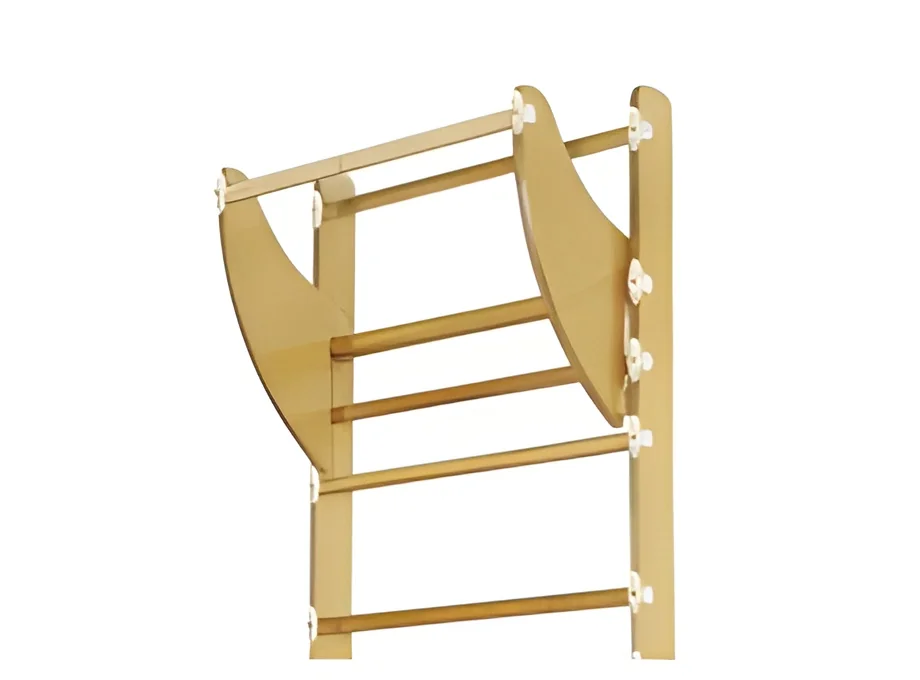
This is the most common variant, featuring a simple design suitable for general fitness routines. It often includes multiple grip positions for versatility in exercises.
Multi-Grip Wall Bar
This variant offers various handle placements, allowing users to perform a wider range of exercises. It is ideal for advanced training and can cater to different fitness levels.
Foldable Wall-Mounted Bar
Designed for those with limited space, this bar can be folded up against the wall when not in use. It provides a practical solution for home gyms or smaller fitness facilities.
Adjustable Height Wall Bar
This type allows users to customize the height of the bar, making it suitable for different exercises and user heights. It is particularly useful in multi-user settings.
Benefits and Advantages
Investing in wall-mounted exercise bars offers numerous benefits for both individuals and fitness facilities.
1. Space Efficiency: Wall-mounted bars save valuable floor space, making them ideal for smaller workout areas or home gyms.
2. Versatile Usage: These bars can be used for a variety of exercises, accommodating users of different fitness levels and training goals.
3. Enhanced Stability: Wall-mounted installations provide a secure grip, reducing the risk of accidents during workouts.
4. Cost-Effective: Compared to larger fitness equipment, wall-mounted bars are relatively affordable, making them accessible for various budgets.
5. Strength Training Focus: These bars support functional strength training, which is essential for improving overall fitness and performance.
6. Easy Installation: Most wall-mounted exercise bars come with installation hardware and guidelines, enabling quick and straightforward setup.
Buying Guide for B2B Buyers
When sourcing wall-mounted exercise bars, it is crucial for B2B buyers to consider several important factors.
1. Quality Assessment: Look for products that meet high-quality standards and are constructed from durable materials. Check for user reviews and testimonials to ensure reliability.
2. Supplier Verification: Vet suppliers thoroughly to ensure they are reputable and have a track record of delivering quality products. Consider requesting samples before making a bulk purchase.
3. Pricing and MOQ: Assess pricing structures and be aware of the minimum order quantities (MOQ) required by suppliers. Compare options to find the best value for your investment.
4. Delivery and Lead Times: Inquire about the supplier's lead times for delivery. Timely shipping is essential for meeting project deadlines and ensuring inventory levels.
5. Compliance Requirements: Ensure that the products meet relevant safety and quality compliance standards. Understanding regulatory needs is crucial for maintaining industry standards.
Compliance and Certifications
Wall-mounted exercise bars must adhere to various quality and safety standards to ensure they meet industry requirements.
Relevant quality standards include ISO 9001, which focuses on quality management systems, ensuring consistent production quality. Compliance with HACCP (Hazard Analysis and Critical Control Points) can be relevant in fitness centers where sanitary conditions are paramount.
Industry certifications such as CE indicate that the product meets European safety standards, which can be crucial for international shipping and sales. Additionally, safety testing requirements should be strictly followed to ensure that the products are safe for user training.
Regional compliance considerations may vary depending on the location of the business. It is essential to be aware of local regulations governing fitness equipment to avoid potential legal issues.
Why Source Wall-Mounted Exercise Bars from Pepagora?
Pepagora offers a trusted platform for sourcing wall-mounted exercise bars, providing numerous advantages to B2B buyers.
Verified Supplier Network: Pepagora has a robust network of verified suppliers, ensuring that buyers can connect with reputable manufacturers. This reduces the risk of poor quality and enhances buyer confidence.
Streamlined RFQ Process: The request for quotation (RFQ) process is designed to be efficient and user-friendly. Buyers can easily request multiple quotes, helping them make informed purchasing decisions.
Trade Assurance and Support: Pepagora offers trade assurance, providing buyers with protection and support throughout the purchasing process. This includes assistance with disputes and delivery issues.
Regional Coverage: With a focus on markets in India, the GCC, and Southeast Asia, Pepagora has a wide-reaching presence that facilitates sourcing for businesses in these regions. This comprehensive coverage ensures buyers have access to local and international suppliers.


Frequently Asked Questions
What are Wall-Mounted Exercise Bars?
Wall-Mounted Exercise Bars are fitness accessories designed to be securely attached to walls for strength training and bodyweight exercises. They provide a stable support system for various workouts, including pull-ups, dips, and resistance training.
What are the different types of Wall-Mounted Exercise Bars?
There are several types of Wall-Mounted Exercise Bars, including straight bars, multi-grip bars, and pull-up bars with attached accessories. Each type offers different grip options and can be used for various exercises to target multiple muscle groups.
How do I choose the right Wall-Mounted Exercise Bars?
When selecting Wall-Mounted Exercise Bars, consider the available space, the weight capacity, and the types of exercises you plan to perform. Additionally, review the material and construction quality to ensure durability and safety.
What are the standard specifications for Wall-Mounted Exercise Bars?
Standard specifications for Wall-Mounted Exercise Bars typically include dimensions, weight capacity, and material type. Common materials include steel or aluminum, with weight capacities ranging from 100 kg to 300 kg depending on the design.
What is the price range for Wall-Mounted Exercise Bars?
The price range for Wall-Mounted Exercise Bars can vary significantly based on the type, material, and brand. Generally, prices can range from INR 1,500 to INR 10,000 or more, depending on the features and quality.
What quality standards apply to Wall-Mounted Exercise Bars?
Quality standards for Wall-Mounted Exercise Bars include adherence to safety regulations, material strength, and construction integrity. Look for certifications or compliance with industry standards to ensure the product's reliability.
Where can I find Wall-Mounted Exercise Bars suppliers in India?
You can find Wall-Mounted Exercise Bars suppliers in India through online B2B marketplaces like Pepagora, trade shows, or by searching for local manufacturers and fitness equipment distributors. Researching reviews and ratings can also help identify reputable suppliers.
Can Wall-Mounted Exercise Bars be customized?
Yes, many manufacturers offer customization options for Wall-Mounted Exercise Bars. Customizations may include size, color, grip type, and additional features to suit specific training needs or aesthetic preferences.
What is the typical minimum order quantity for Wall-Mounted Exercise Bars?
The typical minimum order quantity (MOQ) for Wall-Mounted Exercise Bars can vary by supplier but generally ranges from 10 to 50 units. It's advisable to check with individual suppliers for their specific MOQ.
What is the typical lead time for Wall-Mounted Exercise Bars?
The typical lead time for Wall-Mounted Exercise Bars can range from 1 to 4 weeks, depending on the supplier, availability of materials, and whether the bars are customized. Always confirm the lead time with the supplier before placing an order.
Why Businesses Trust Pepagora
Thousands of companies trust Pepagora to source smarter and sell faster
Expand Your Sales Globally

Source Smarter,Grow Faster
