𝗪𝗵𝗮𝘁 𝗮𝗿𝗲 𝗜𝗻𝗱𝗼𝗼𝗿 𝗦𝗽𝗼𝗿𝘁𝘀 𝗘𝗾𝘂𝗶𝗽𝗺𝗲𝗻𝘁?
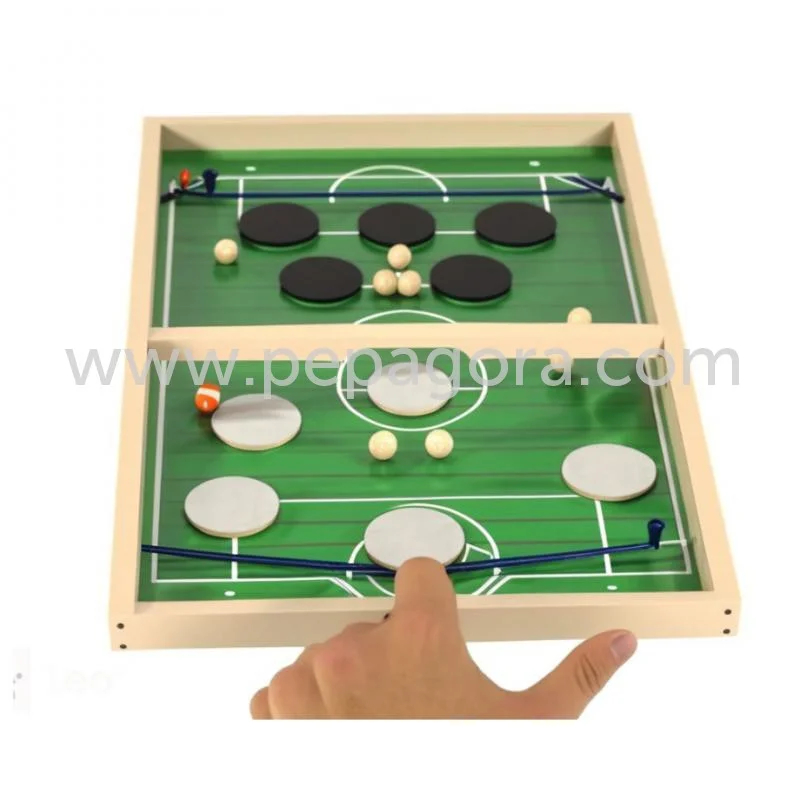
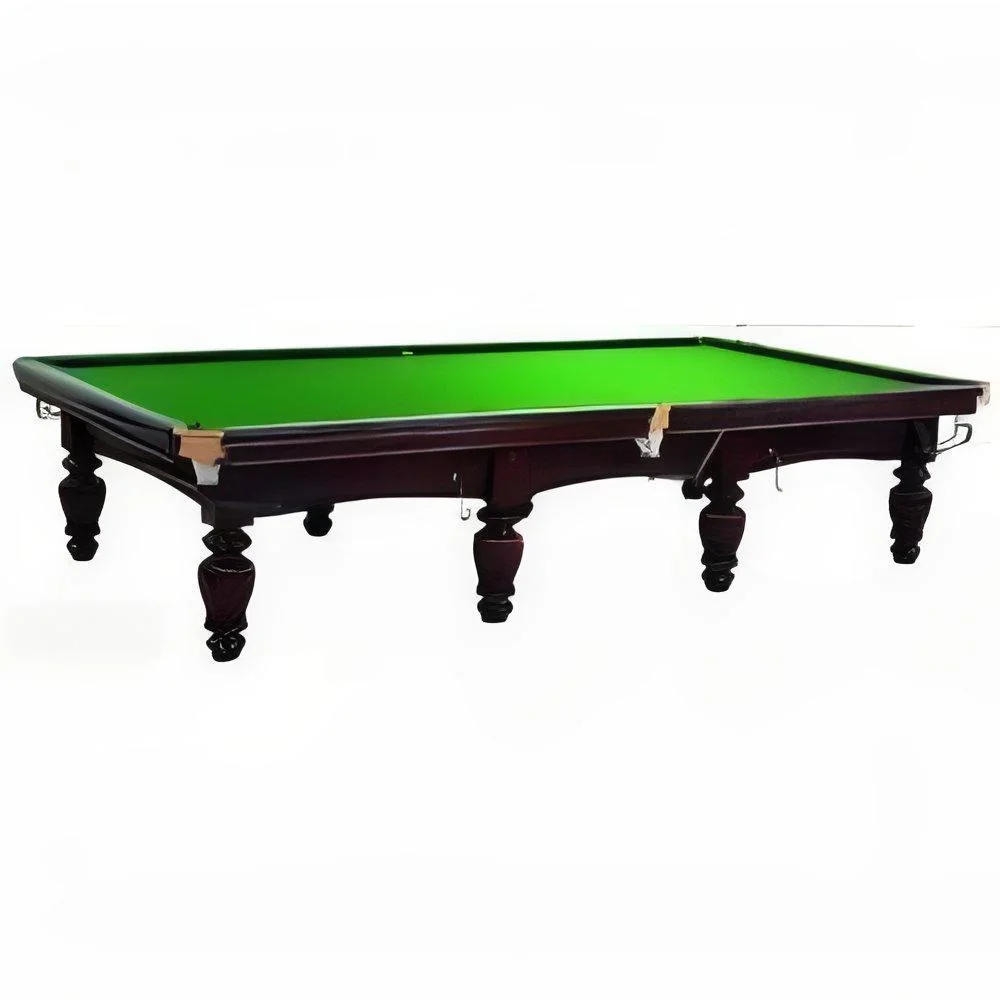
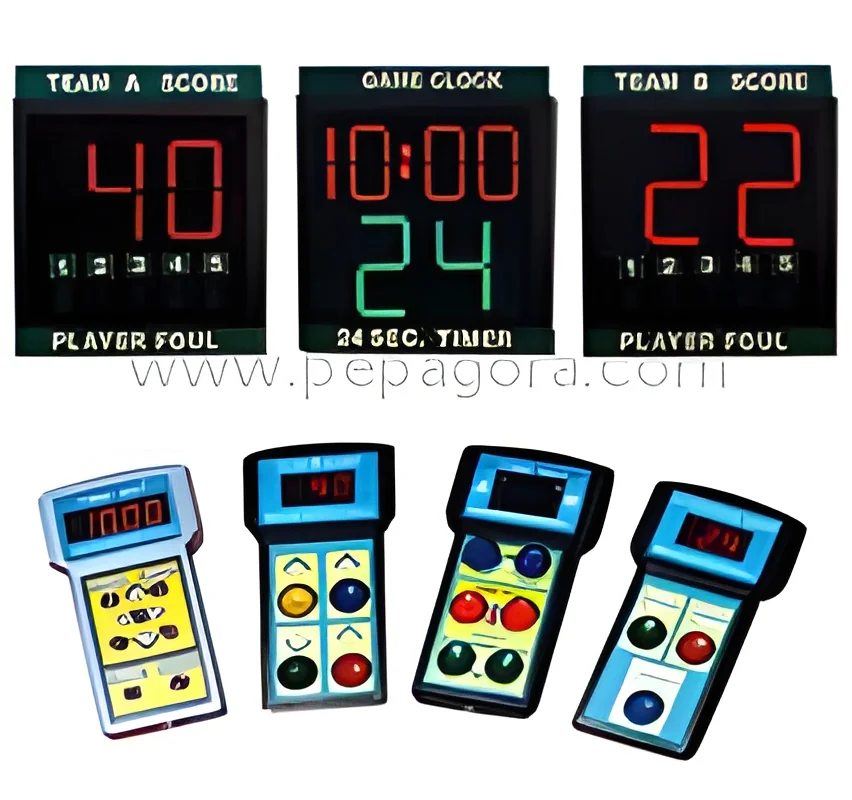
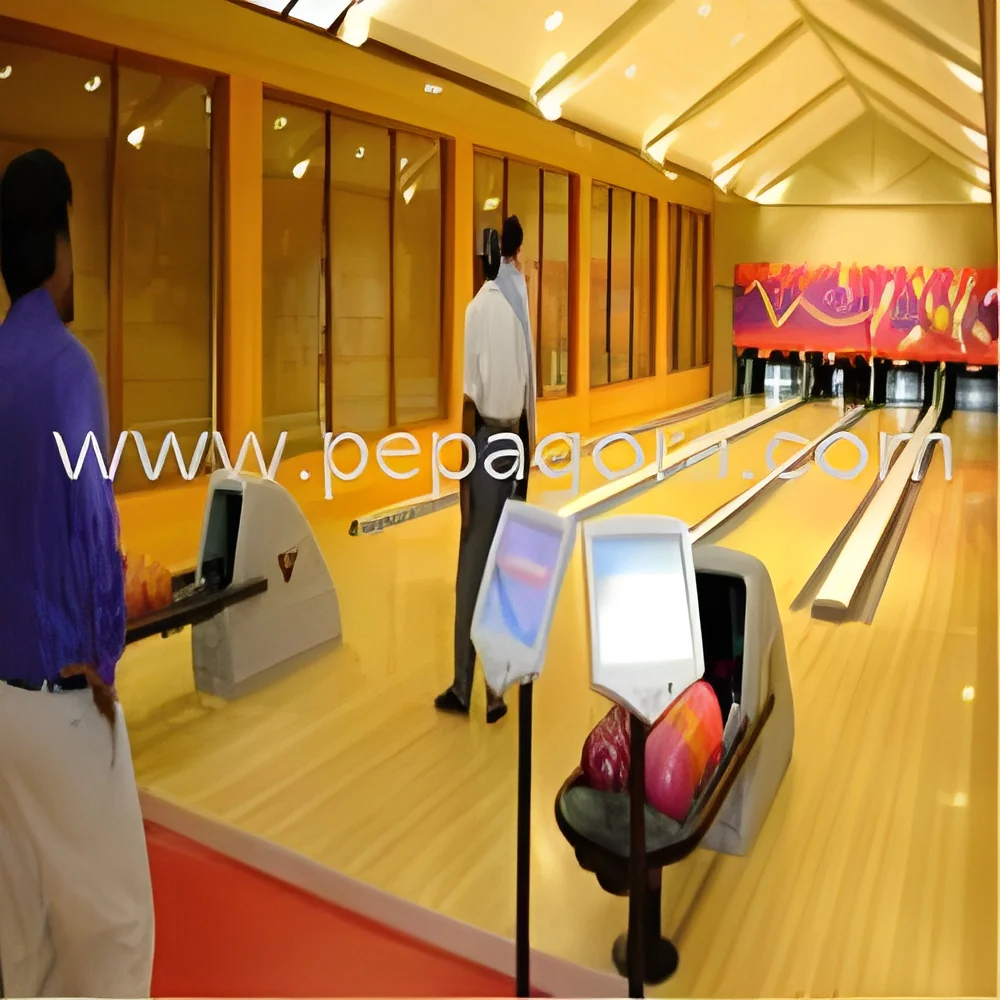
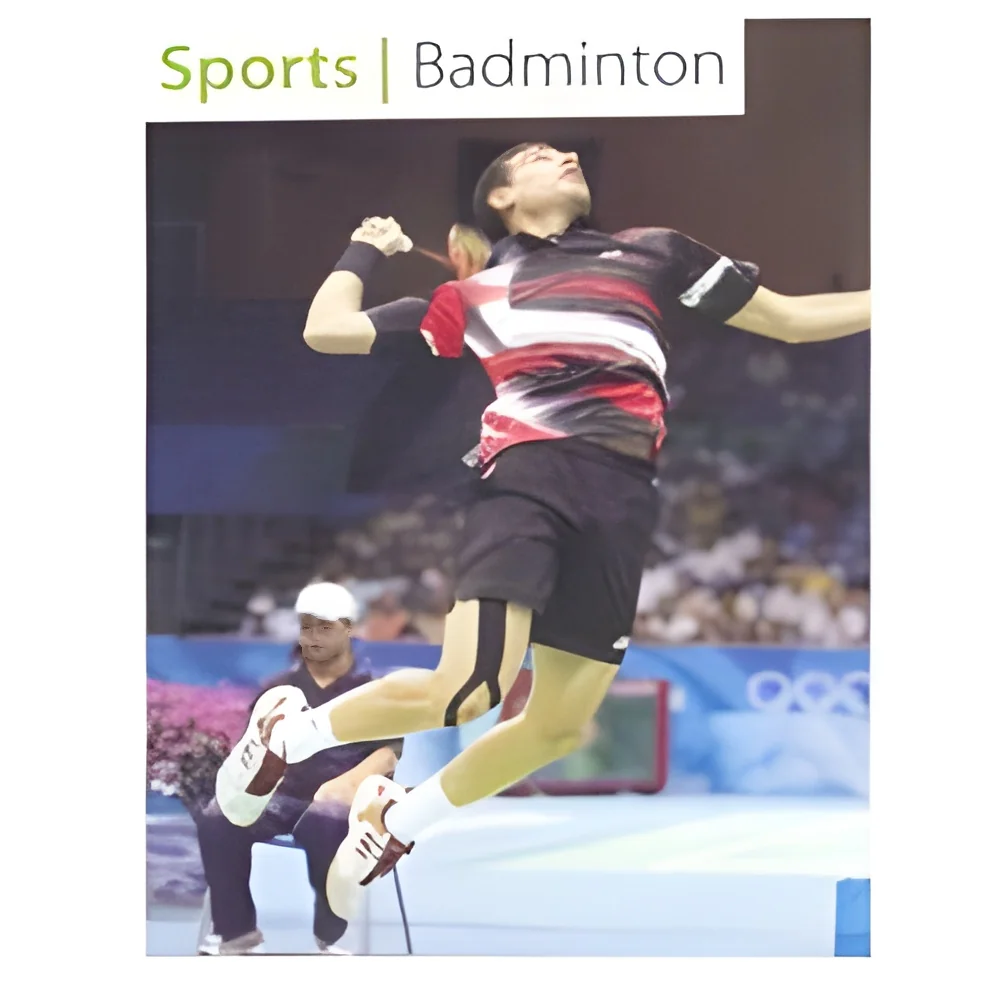
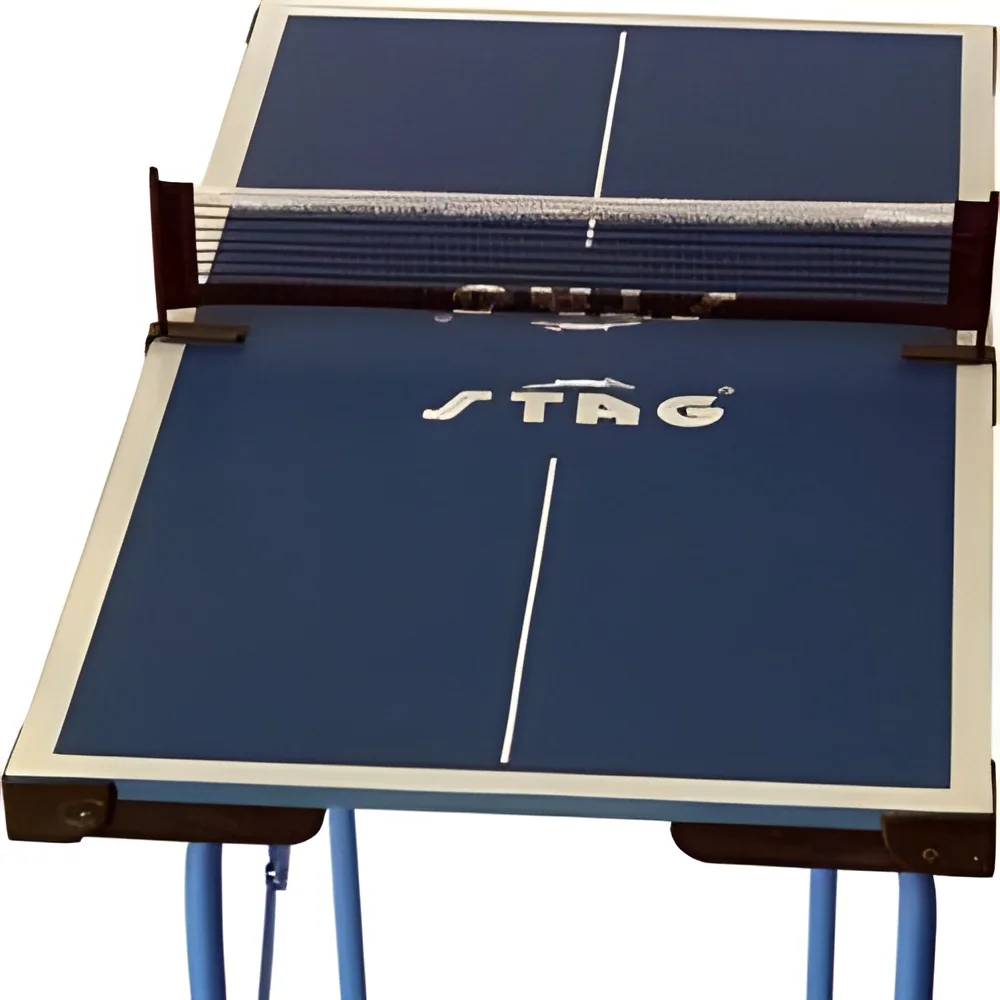
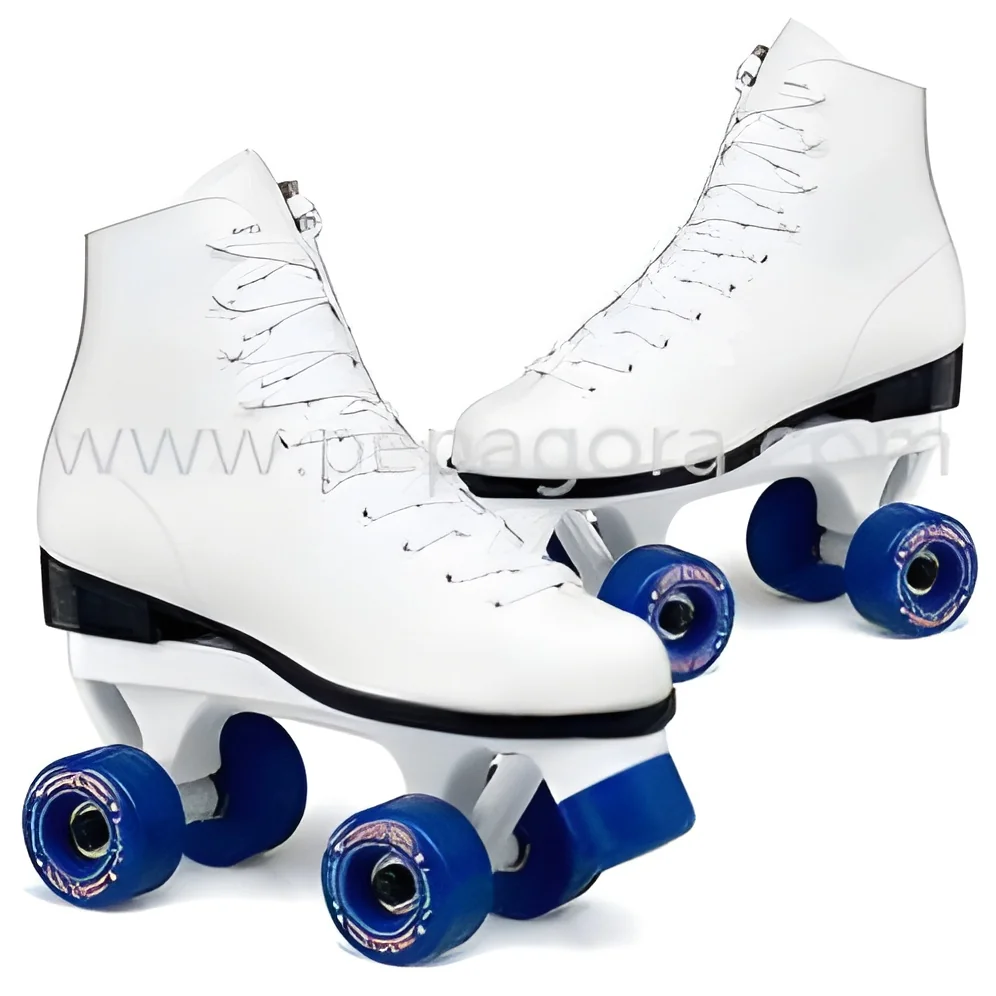
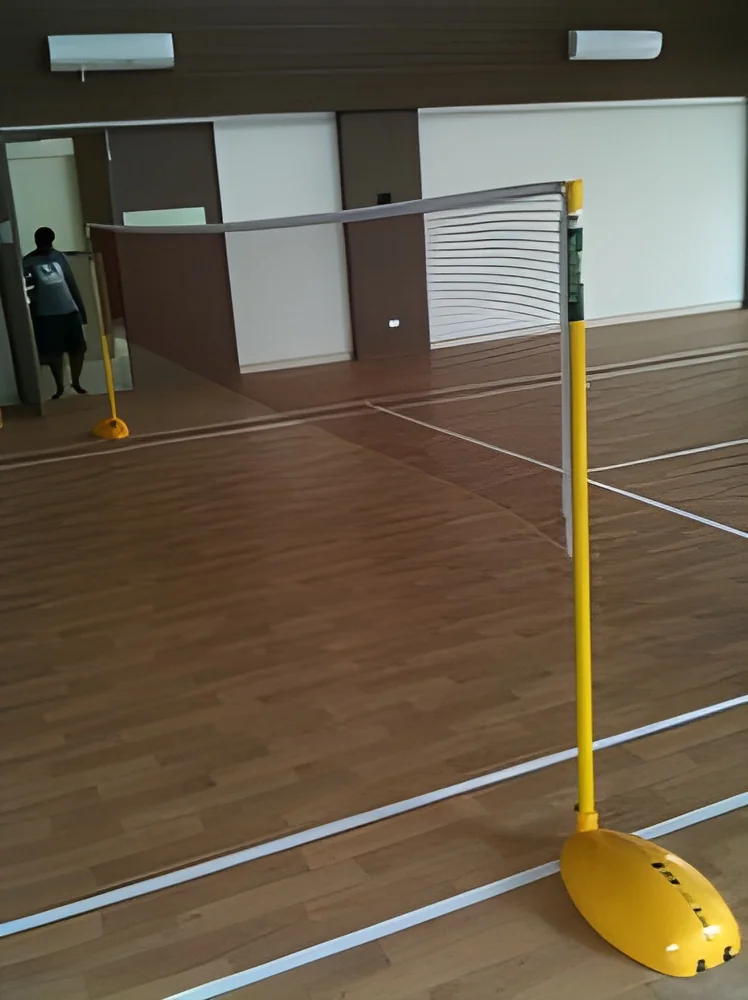
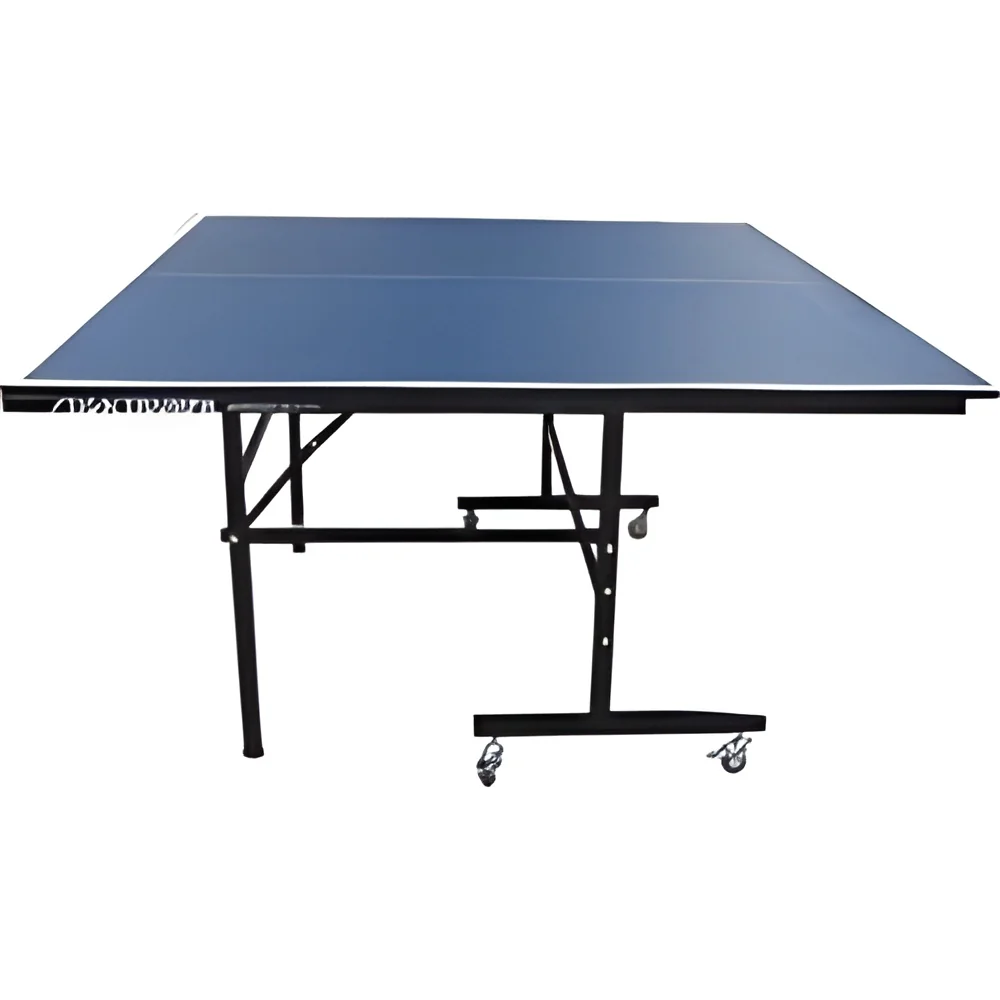
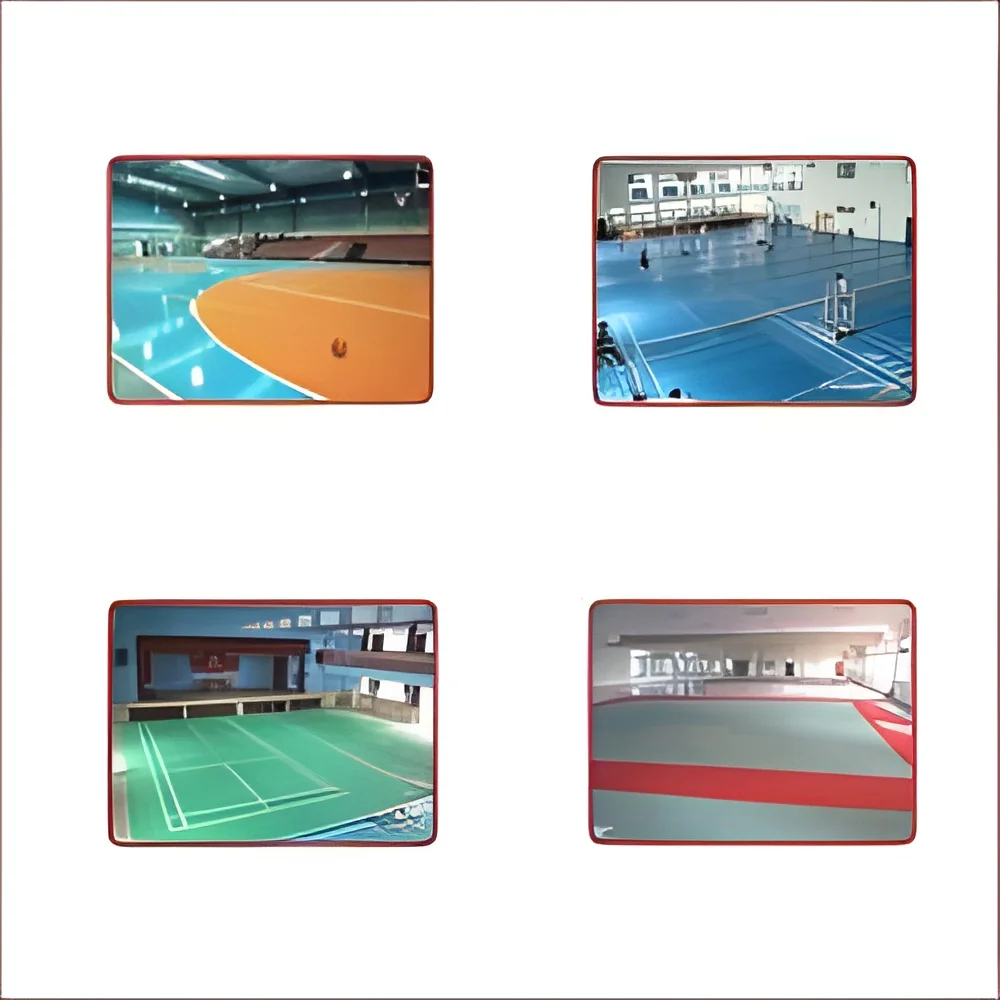
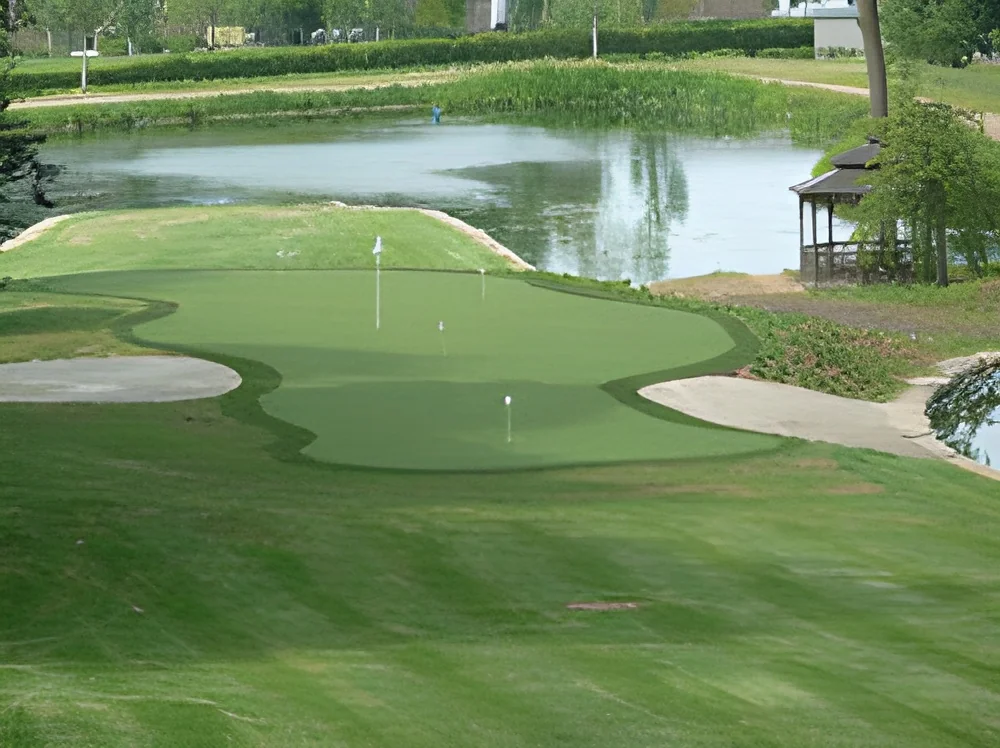
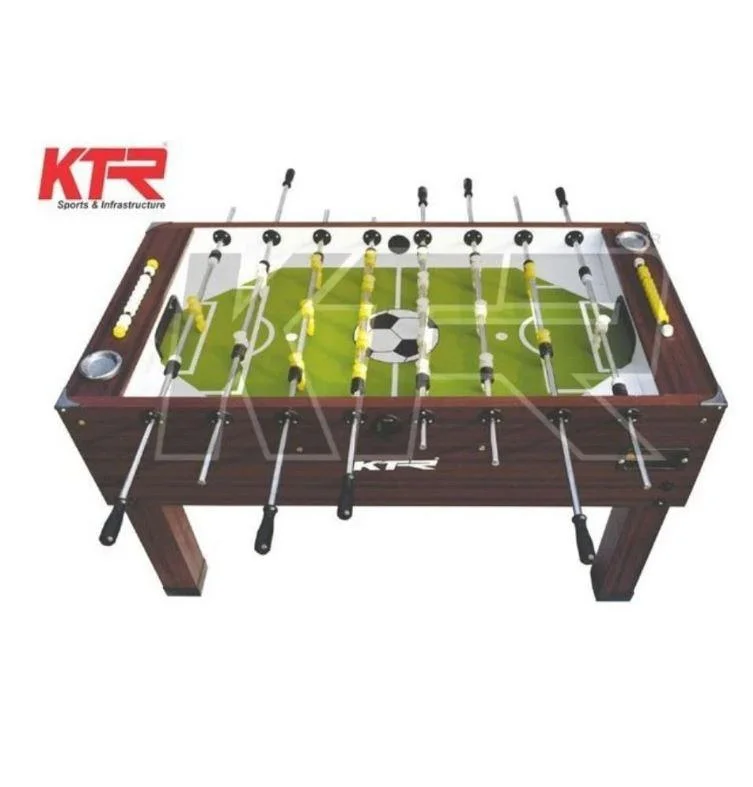
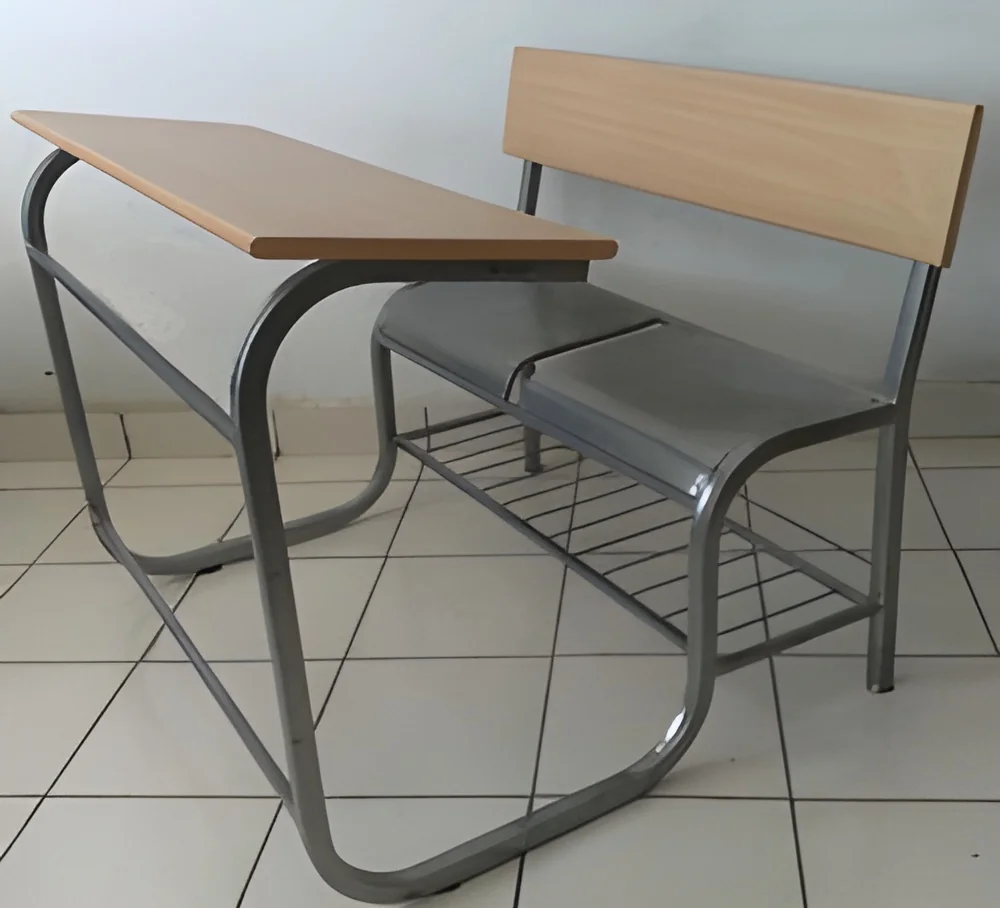
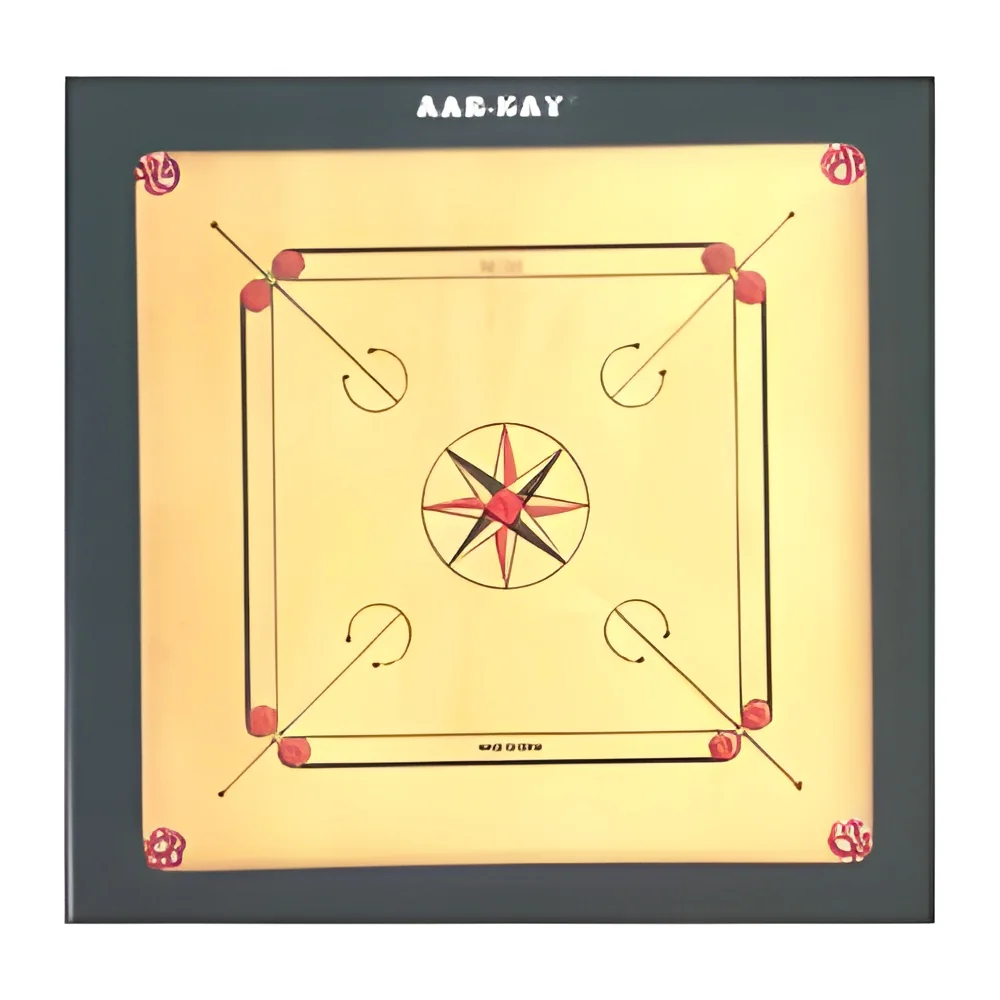
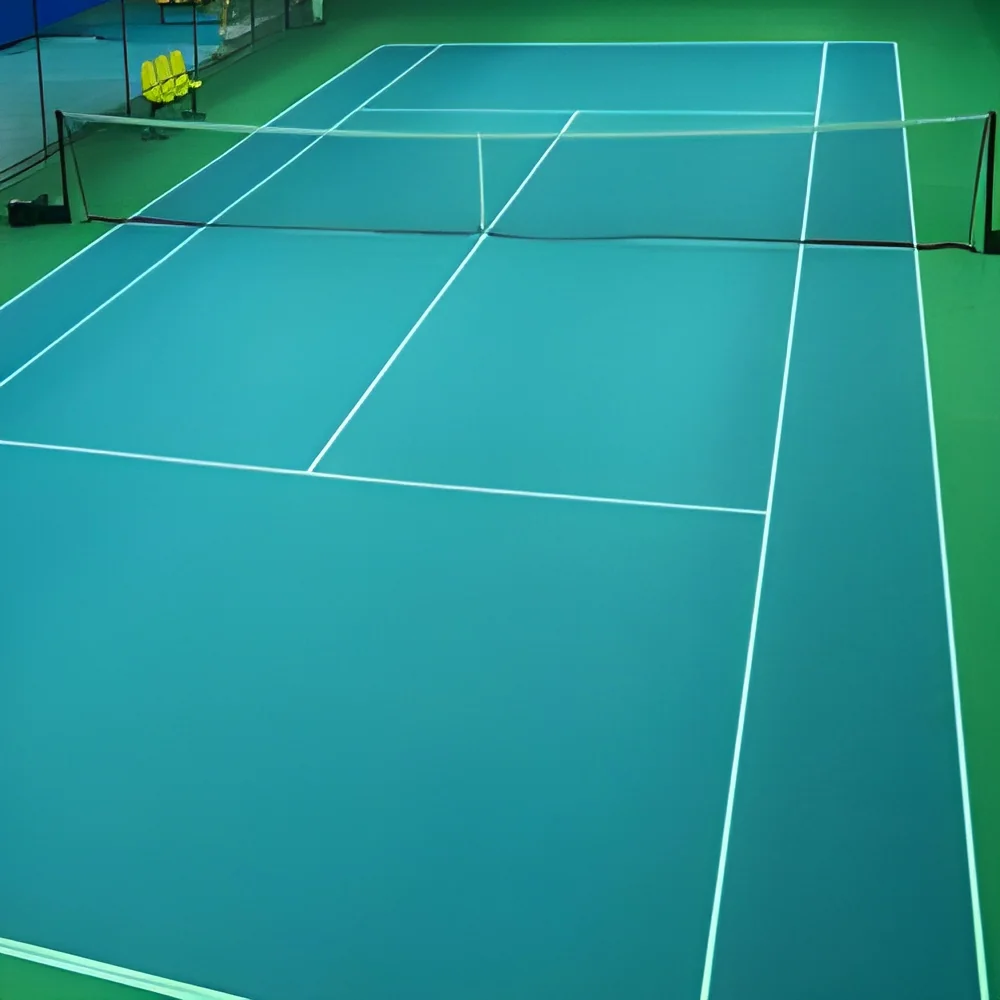
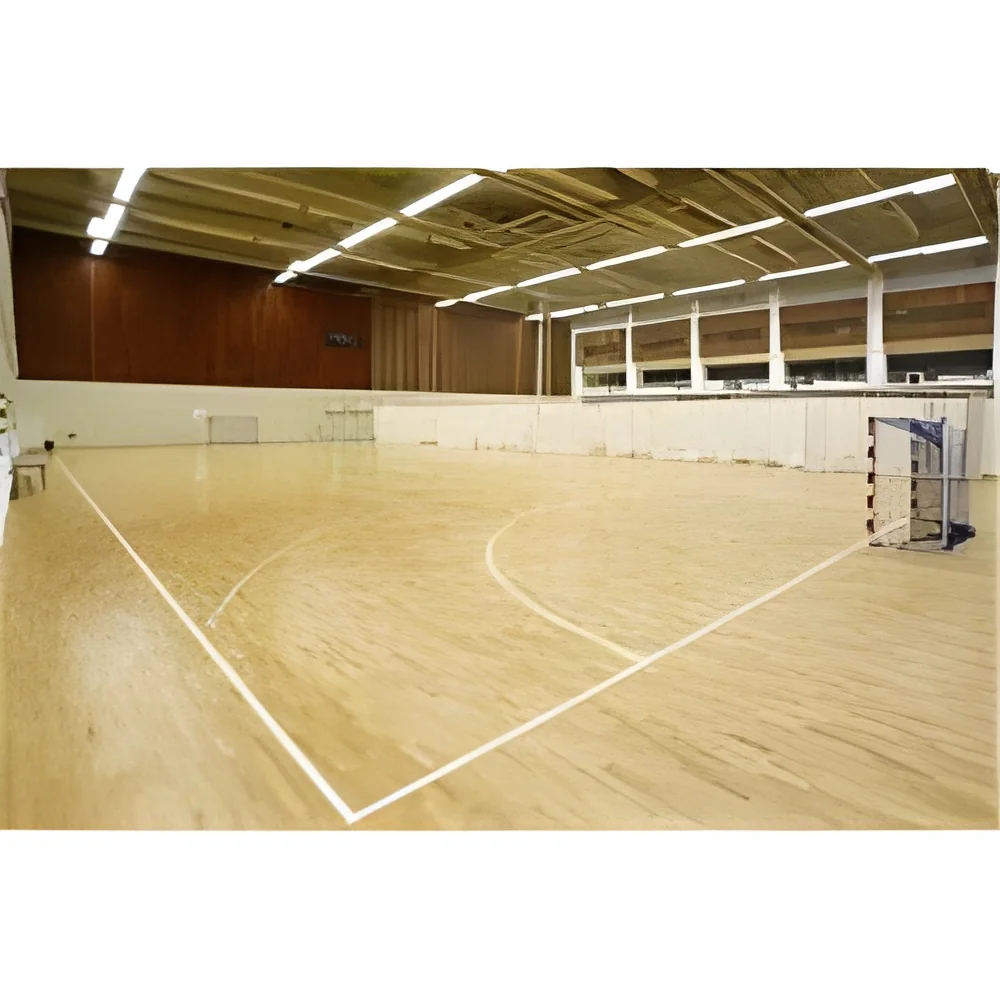
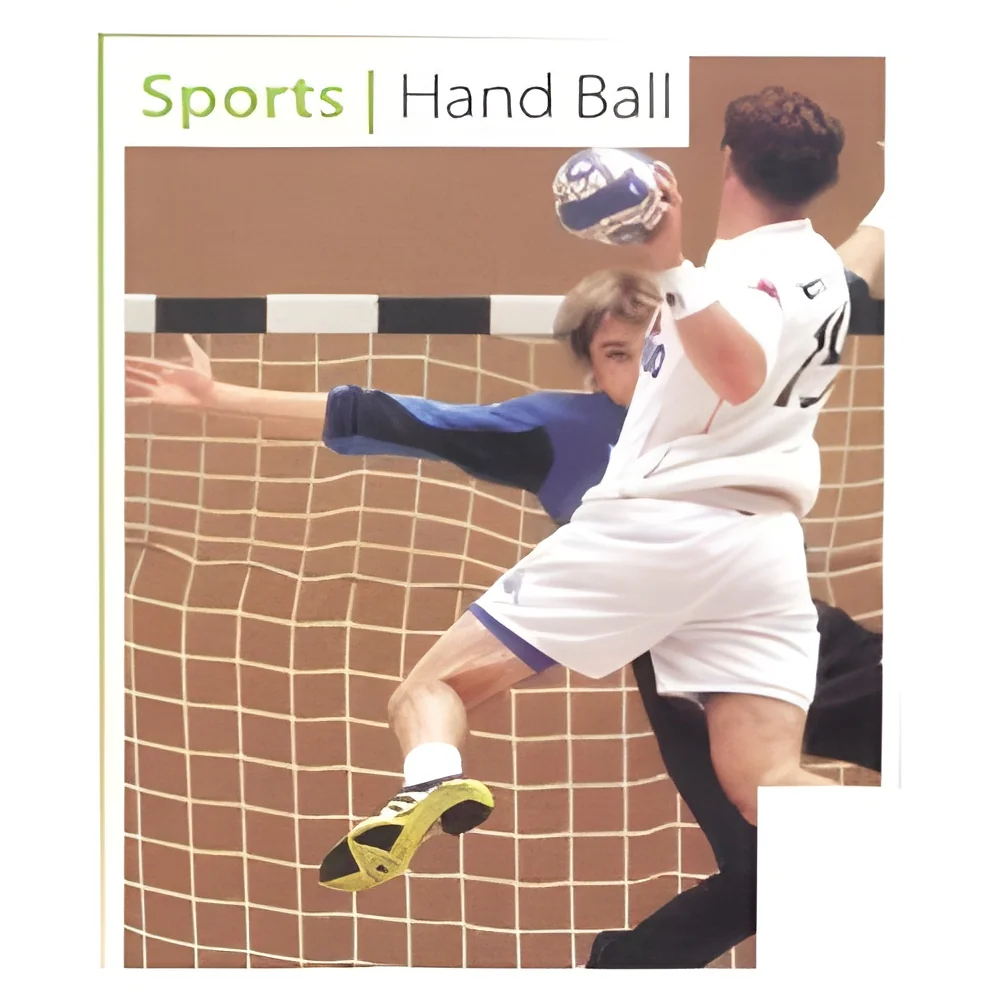
Indoor sports equipment refers to the various tools and apparatus utilized for sports and fitness activities conducted within enclosed spaces. This category encompasses a wide range of items, including but not limited to basketball hoops, volleyball nets, table tennis tables, and fitness machines such as treadmills and stationary bikes. The primary purpose of this equipment is to facilitate physical activity in a controlled environment, making it suitable for schools, gyms, and recreational centers.
Businesses use indoor sports equipment for multiple applications, including organized sports, fitness training, and recreational activities. Educational institutions often invest in this equipment to promote physical education among students. Gyms and fitness centers utilize these items to provide diverse workout options for their clients. The growing awareness of health and fitness trends has led to an increase in demand for robust and versatile indoor sports equipment across various industry sectors.
The indoor sports equipment market is expanding, driven by rising fitness consciousness and the increasing popularity of indoor sports. Industry players are continuously innovating, introducing advanced features and designs to meet the evolving needs of consumers. As more people engage in indoor activities, businesses recognize the importance of investing in quality sports equipment to enhance user experience and promote regular participation in physical activities.
𝗞𝗲𝘆 𝗙𝗲𝗮𝘁𝘂𝗿𝗲𝘀 𝗮𝗻𝗱 𝗦𝗽𝗲𝗰𝗶𝗳𝗶𝗰𝗮𝘁𝗶𝗼𝗻𝘀
When considering indoor sports equipment, key features and specifications play a crucial role in ensuring quality and performance. These specifications help buyers evaluate products and select the right equipment for their needs.
Key specifications include:
1. Material Quality
- Equipment is typically made from durable materials such as steel, aluminum, or high-density plastics.
- These materials ensure longevity and resistance to wear and tear.
2. Safety Features
- Equipment is designed with safety in mind, often including features like rounded edges and non-slip surfaces.
- Compliance with safety standards is essential for all indoor sports equipment.
3. Size and Dimensions
- Equipment comes in various sizes to accommodate different spaces and user preferences.
- Proper dimensions are crucial for functionality and effective use in indoor environments.
4. Weight Capacity
- Each piece of equipment is rated for specific weight limits, ensuring safety during use.
- Understanding weight capacity helps buyers select appropriate equipment for their target audience.
5. Portability
- Many indoor sports items are designed for easy transport and storage.
- Features such as foldability or wheels enhance usability in multi-purpose spaces.
6. Adjustability
- Equipment often includes adjustable components to cater to users of different sizes and skill levels.
- This feature promotes inclusivity and enhances the overall user experience.
7. Warranty and Support
- Manufacturers typically offer warranties to guarantee quality and performance.
- Good customer support is essential for addressing any issues that may arise post-purchase.
In summary, understanding these specifications ensures that buyers can make informed decisions when selecting indoor sports equipment that meets their specific needs.
𝗖𝗼𝗺𝗺𝗼𝗻 𝗔𝗽𝗽𝗹𝗶𝗰𝗮𝘁𝗶𝗼𝗻𝘀 𝗮𝗻𝗱 𝗨𝘀𝗲 𝗖𝗮𝘀𝗲𝘀
Indoor sports equipment serves various industries, each benefiting from its unique capabilities.
1. Education: Schools and universities utilize indoor sports equipment for physical education classes, intramural sports, and recreational activities, promoting student engagement and physical fitness.
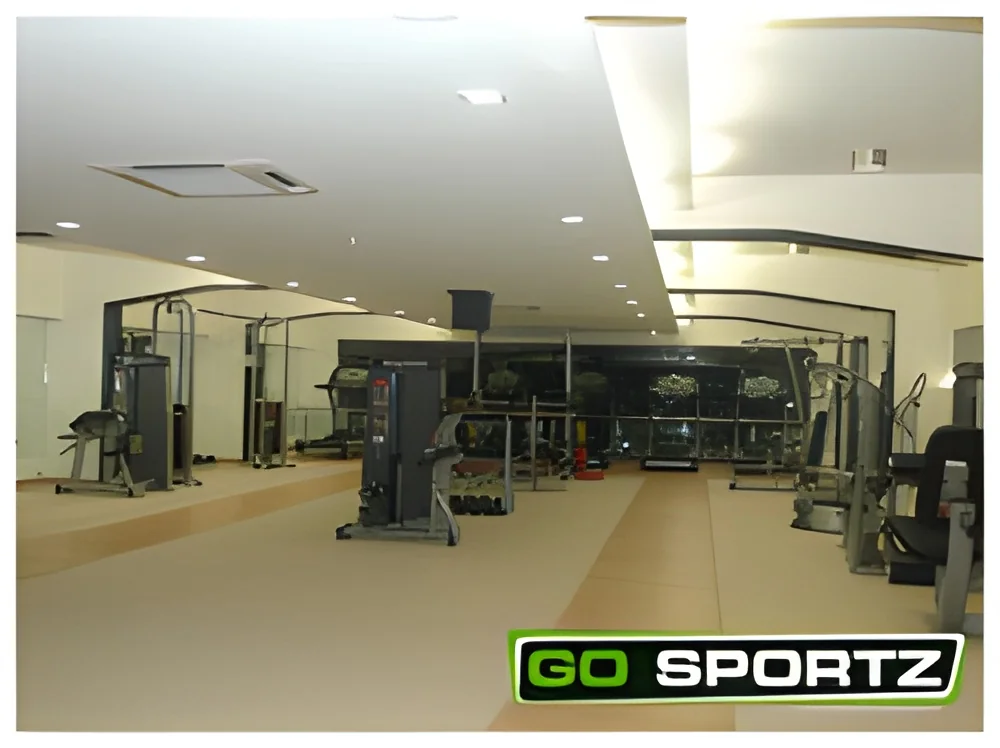
2. Fitness Centers: Gyms and health clubs use a wide array of indoor equipment, such as treadmills and weights, to provide diverse workout options that cater to various fitness levels and preferences.
3. Corporate Wellness: Many companies implement indoor sports equipment in their wellness programs, encouraging employees to engage in physical activities and improve overall health.
4. Sports Clubs: Amateur and professional sports clubs invest in indoor sports equipment for training sessions, competitions, and practice facilities, enhancing their athletes' performance.
5. Community Centers: Local community centers often feature indoor sports equipment to offer recreational opportunities for residents, promoting social interaction and healthy living.
6. Rehabilitation Facilities: Indoor sports equipment is used in rehabilitation settings to assist patients in recovering from injuries and improving mobility through guided physical activities.
7. Event Venues: Indoor arenas and event spaces use sports equipment for hosting various events, including tournaments and competitions, attracting participants and spectators alike.
𝗣𝗿𝗼𝗱𝘂𝗰𝘁 𝗩𝗮𝗿𝗶𝗮𝗻𝘁𝘀 𝗮𝗻𝗱 𝗦𝘂𝗯𝗰𝗮𝘁𝗲𝗴𝗼𝗿𝗶𝗲𝘀
Indoor sports equipment encompasses a wide range of products, each designed for specific activities and uses. The diversity in options allows businesses to choose equipment that best suits their needs.
Basketball Equipment
This category includes items such as adjustable hoops, backboards, and nets. Basketball equipment is essential for schools and community centers, providing opportunities for team sports and individual practice.
Fitness Equipment
This includes a variety of machines and tools for strength training and cardiovascular workouts, such as treadmills, ellipticals, and weight benches. Fitness equipment is crucial for gyms and personal training studios.
Volleyball Nets and Systems
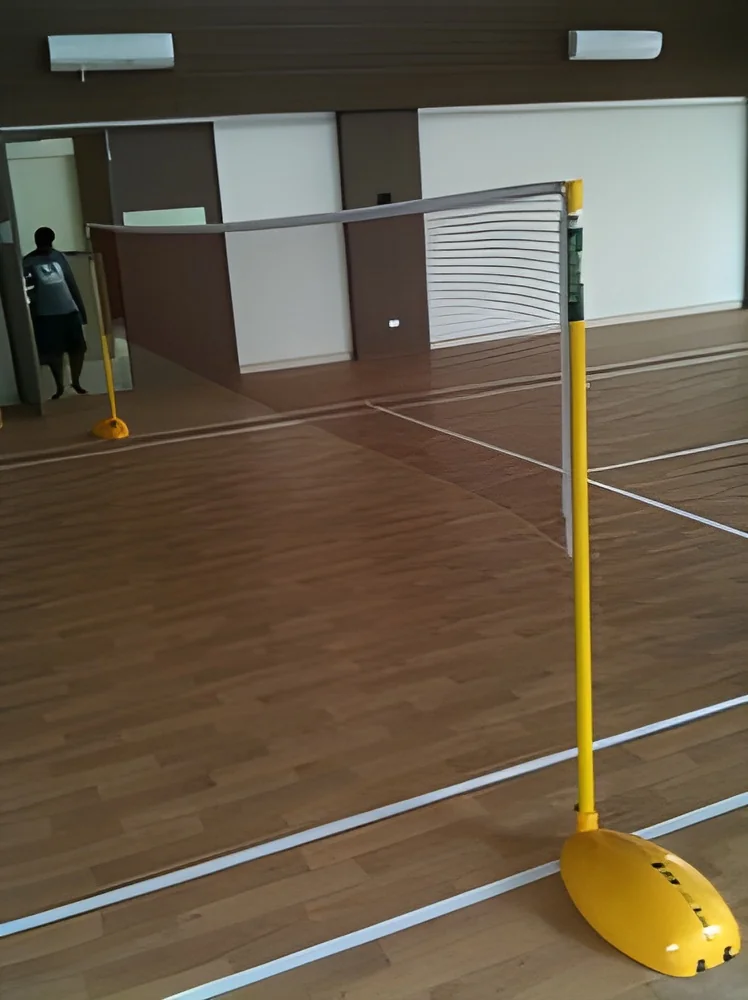
These products consist of nets, poles, and boundary markers, designed for both recreational and competitive play. They are commonly used in schools and sports clubs.
Table Tennis Equipment
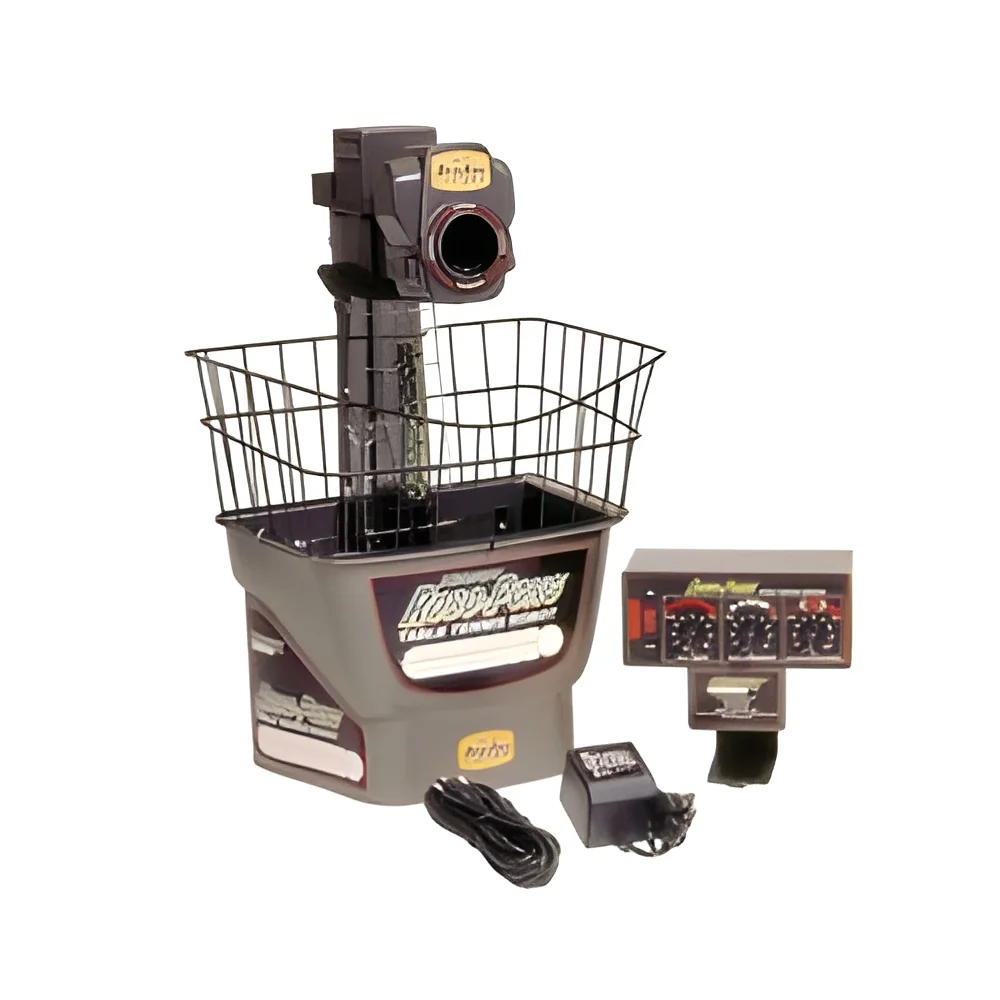
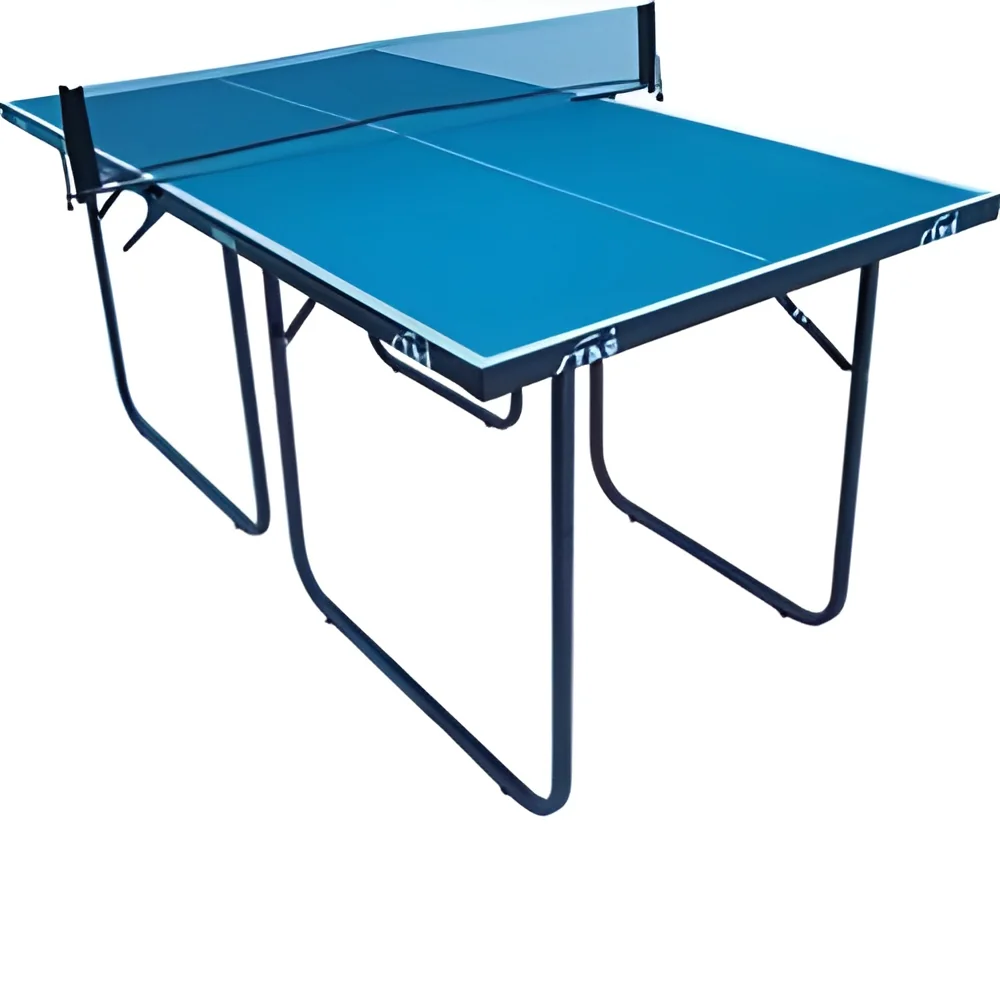
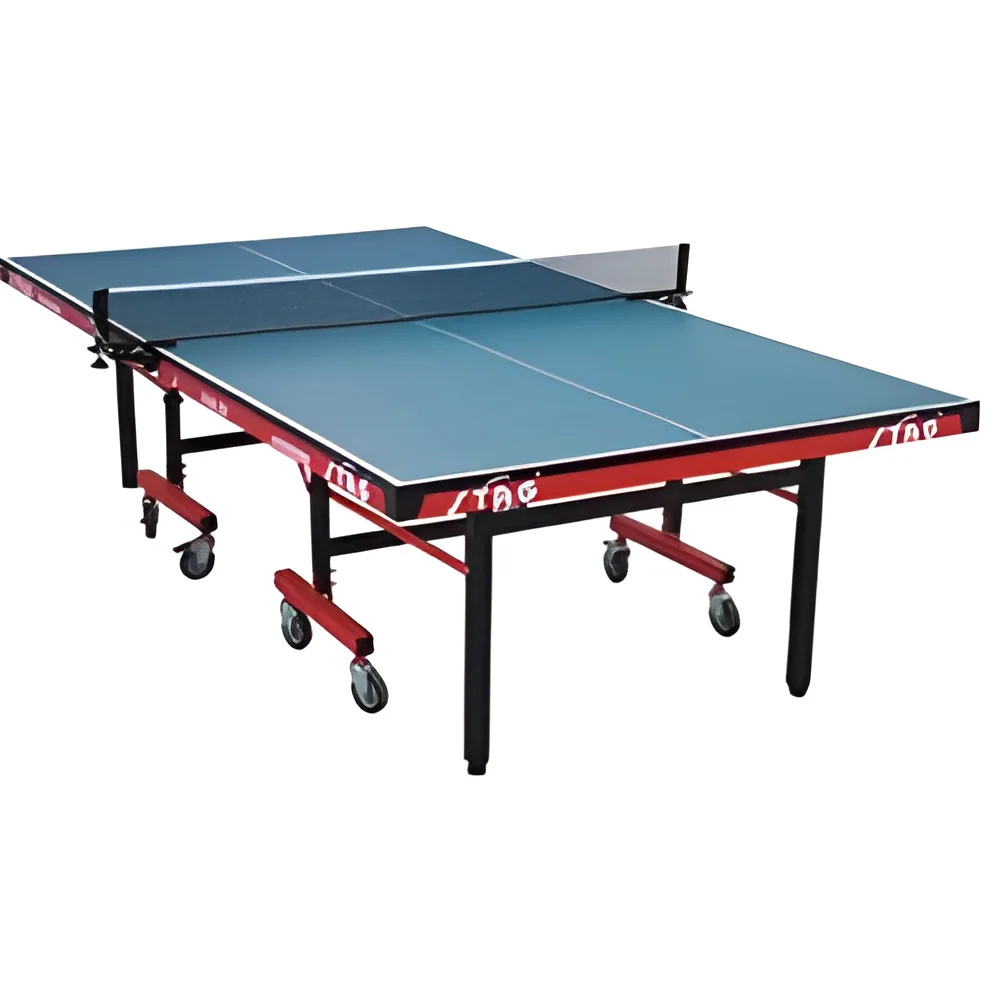
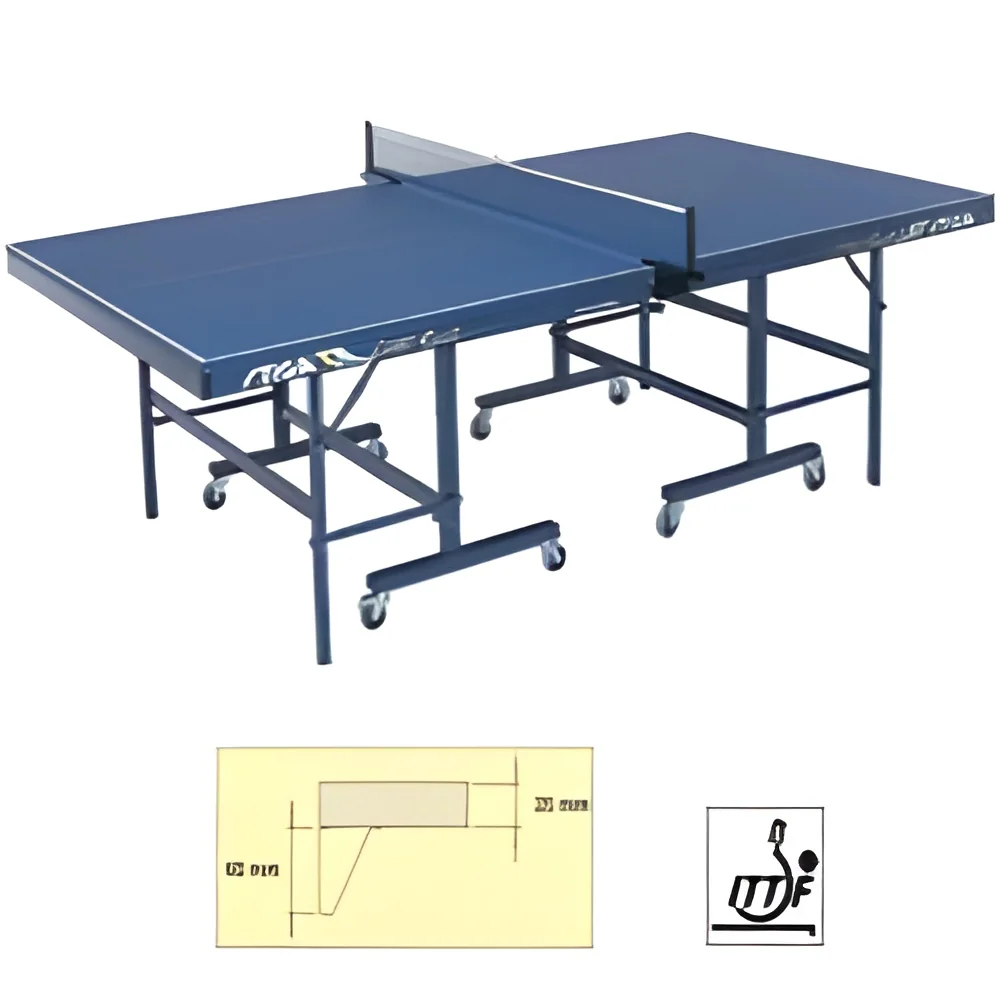
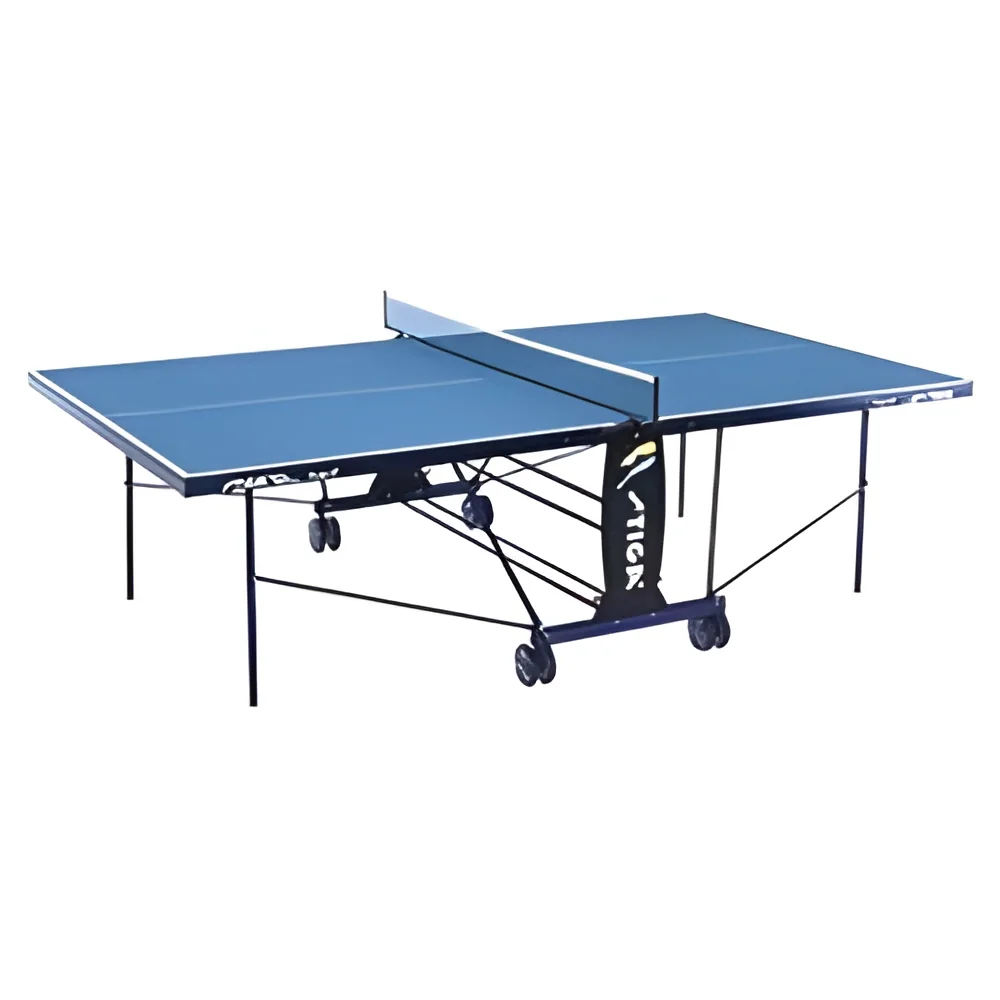
This category features tables, paddles, and balls designed for table tennis. It is popular in both recreational settings and competitive environments, offering engaging indoor activity.
𝗕𝗲𝗻𝗲𝗳𝗶𝘁𝘀 𝗮𝗻𝗱 𝗔𝗱𝘃𝗮𝗻𝘁𝗮𝗴𝗲𝘀
Indoor sports equipment offers several key benefits that enhance physical activity and promote health.
1. Versatility: Indoor sports equipment can be used for various sports and fitness activities, catering to different interests and skill levels.
2. Year-Round Use: Unlike outdoor sports equipment, indoor options are not affected by weather conditions, allowing for consistent use throughout the year.
3. Space Efficiency: Many indoor sports items are designed to be compact or portable, making them suitable for limited spaces.
4. Health and Fitness Promotion: Investing in indoor sports equipment encourages regular physical activity, contributing to improved health and well-being.
5. Social Interaction: Indoor sports equipment facilitates group activities, fostering teamwork and social connections among participants.
6. Enhanced Performance: Quality indoor sports equipment can improve training effectiveness, helping athletes achieve better results.
𝗕𝘂𝘆𝗶𝗻𝗴 𝗚𝘂𝗶𝗱𝗲 𝗳𝗼𝗿 𝗕𝟮𝗕 𝗕𝘂𝘆𝗲𝗿𝘀
When sourcing indoor sports equipment, it is essential for buyers to consider several factors to ensure they make informed decisions.
1. Quality Assessment: Evaluate the material quality and construction of the equipment. Look for durable and safe options that meet industry standards.
2. Supplier Verification: Vet suppliers to ensure they are reputable and provide high-quality products. Check reviews and request samples if necessary.
3. Pricing and MOQ: Understand the pricing structure and minimum order quantities. Compare offers from multiple suppliers to ensure competitive pricing.
4. Delivery and Lead Times: Inquire about logistics and delivery schedules. Ensure that suppliers can meet your timelines for product availability.
5. Compliance Requirements: Be aware of any regulatory compliance standards relevant to indoor sports equipment. Ensure that products meet necessary safety and quality certifications.
𝗖𝗼𝗺𝗽𝗹𝗶𝗮𝗻𝗰𝗲 𝗮𝗻𝗱 𝗖𝗲𝗿𝘁𝗶𝗳𝗶𝗰𝗮𝘁𝗶𝗼𝗻𝘀
Compliance and certifications are critical aspects of indoor sports equipment that ensure safety and quality. Key quality standards, such as ISO 9001, focus on maintaining consistent quality management systems in manufacturing processes.
Industry certifications, like CE marking, indicate that the equipment complies with European safety, health, and environmental protection standards. This certification is crucial for gaining consumer trust and meeting regulatory requirements.
Safety and testing requirements are essential to ensure that indoor sports equipment is safe for user interaction. Manufacturers are typically required to conduct rigorous testing to guarantee that their products meet established safety guidelines.
Regional compliance considerations may vary depending on the location of use. It is vital for buyers to understand local regulations to ensure that the equipment they source is compliant with applicable laws.
𝗪𝗵𝘆 𝗦𝗼𝘂𝗿𝗰𝗲 𝗜𝗻𝗱𝗼𝗼𝗿 𝗦𝗽𝗼𝗿𝘁𝘀 𝗘𝗾𝘂𝗶𝗽𝗺𝗲𝗻𝘁 𝗳𝗿𝗼𝗺 𝗣𝗲𝗽𝗮𝗴𝗼𝗿𝗮?
Pepagora provides a trusted platform for sourcing indoor sports equipment, offering several key advantages to businesses.
Verified Supplier Network: Pepagora ensures that all suppliers in its network have been thoroughly vetted. This verification process guarantees that buyers can trust the quality of the products they are purchasing.
Streamlined RFQ Process: The platform offers an efficient request for quotation (RFQ) system that simplifies the purchasing process. Buyers can easily compare offers from multiple suppliers, ensuring they find the best deal.
Trade Assurance and Support: Pepagora provides trade assurance, offering buyers protection throughout the purchasing process. This support builds confidence for businesses when sourcing indoor sports equipment.
Regional Coverage: With a wide geographic reach that includes India, the GCC, and Southeast Asia, Pepagora connects buyers with suppliers across various regions, facilitating access to quality indoor sports equipment.

 IN
IN