
 IN
Indoor Sports Flooring
27 products available
What are Indoor Sports Flooring?
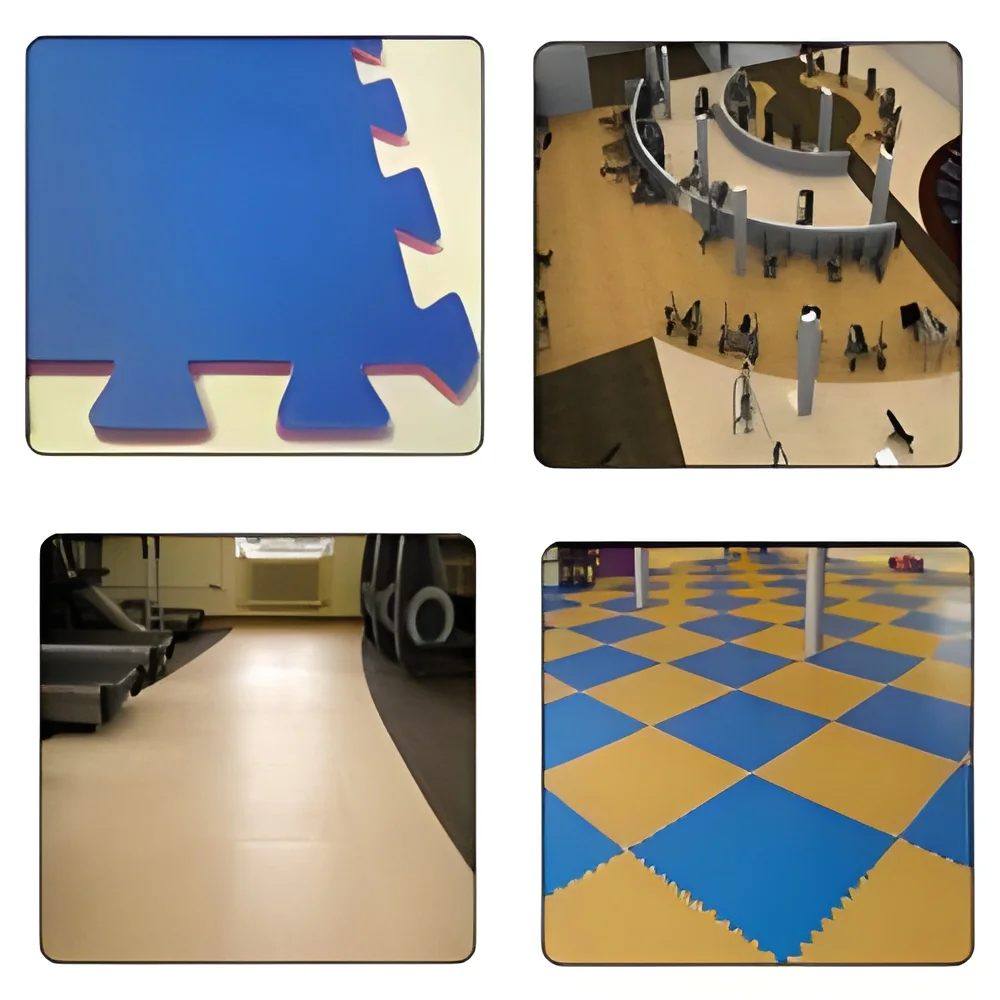
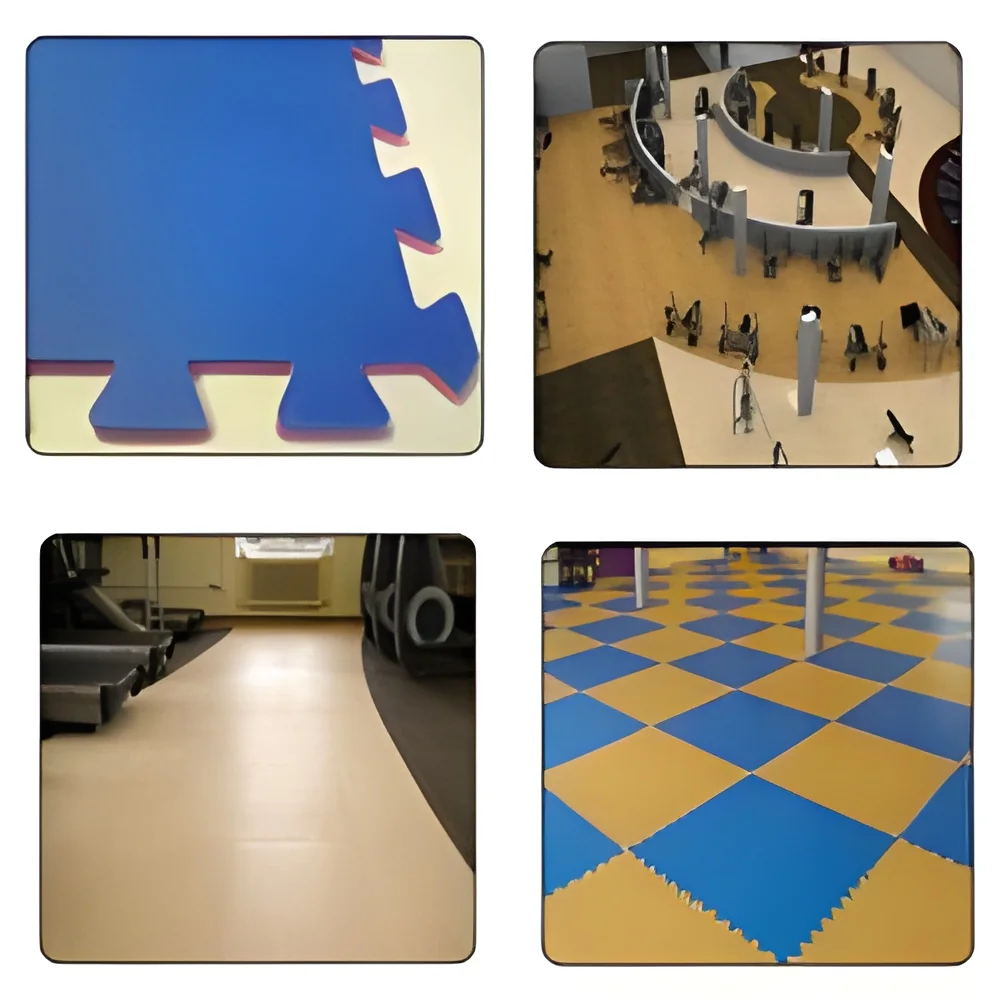
Indoor sports flooring refers to specialized surfaces designed to provide optimal performance and safety for various indoor sports activities. These surfaces can be made from different materials, including wood, vinyl, rubber, and composite materials, each offering unique advantages. The primary goal of indoor sports flooring is to ensure that athletes have a safe and comfortable environment to perform, reducing the risk of injuries while enhancing performance.
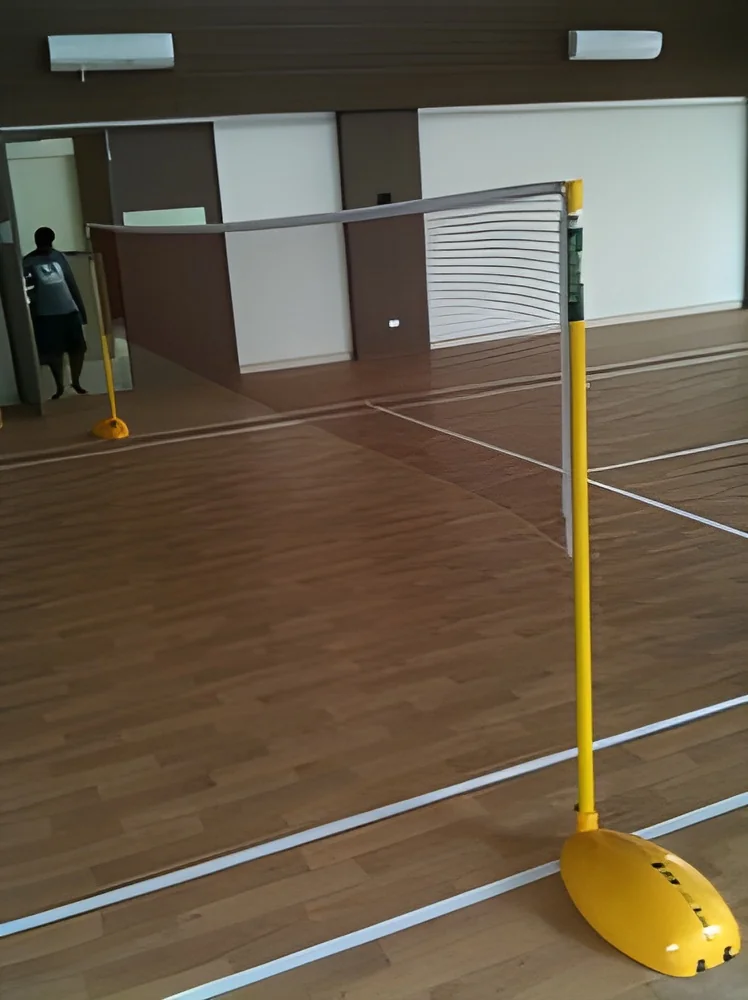
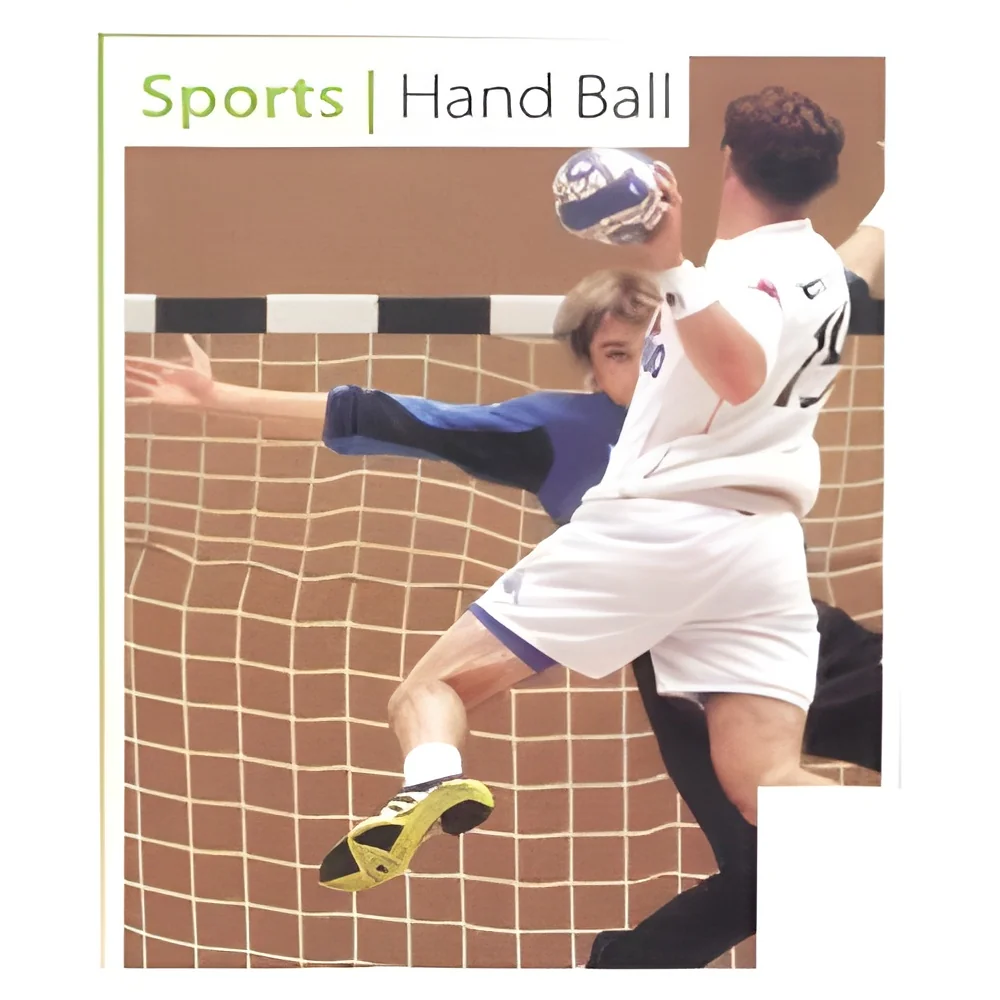
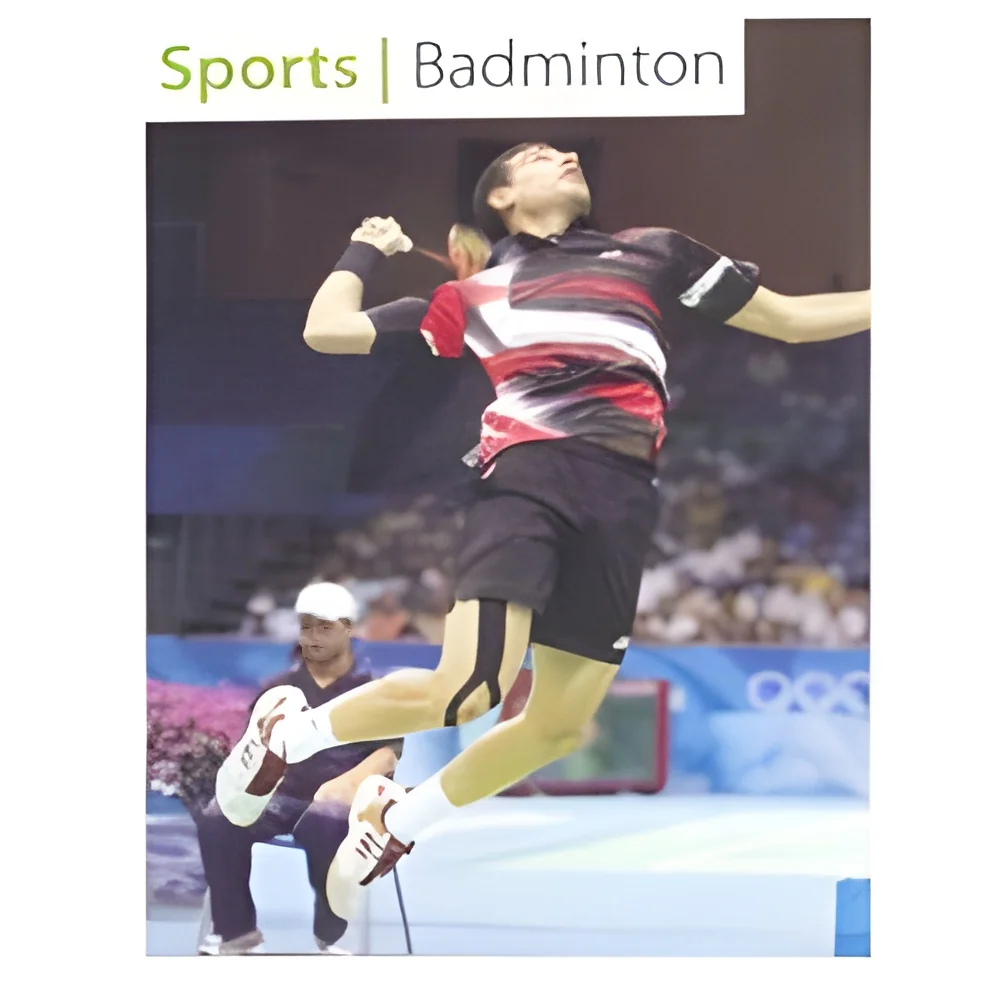
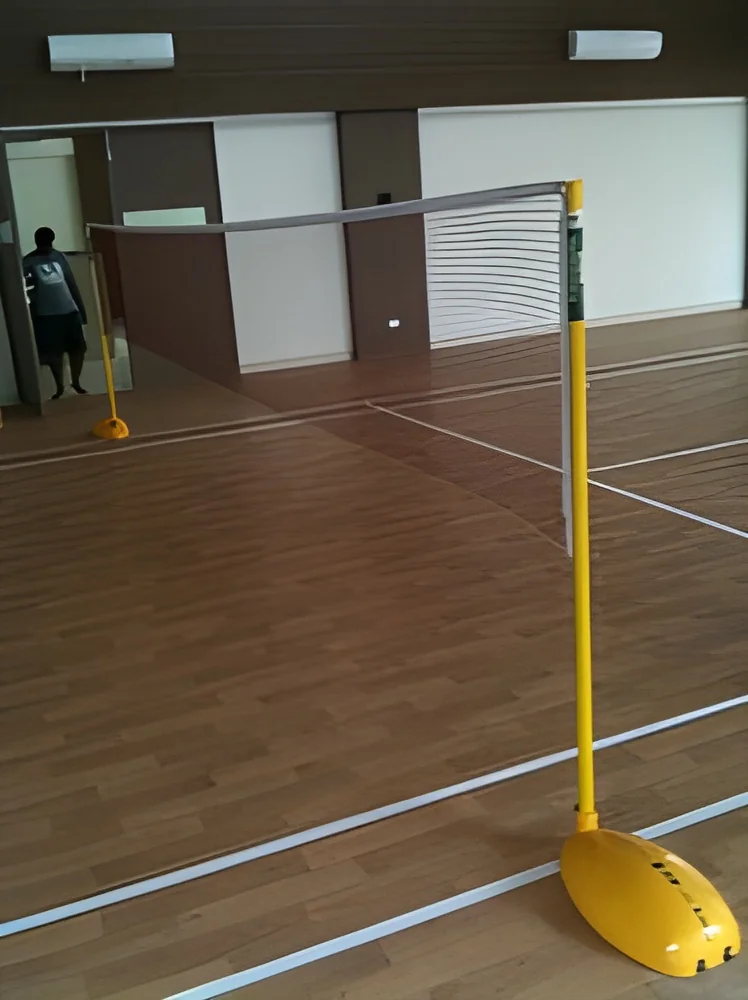
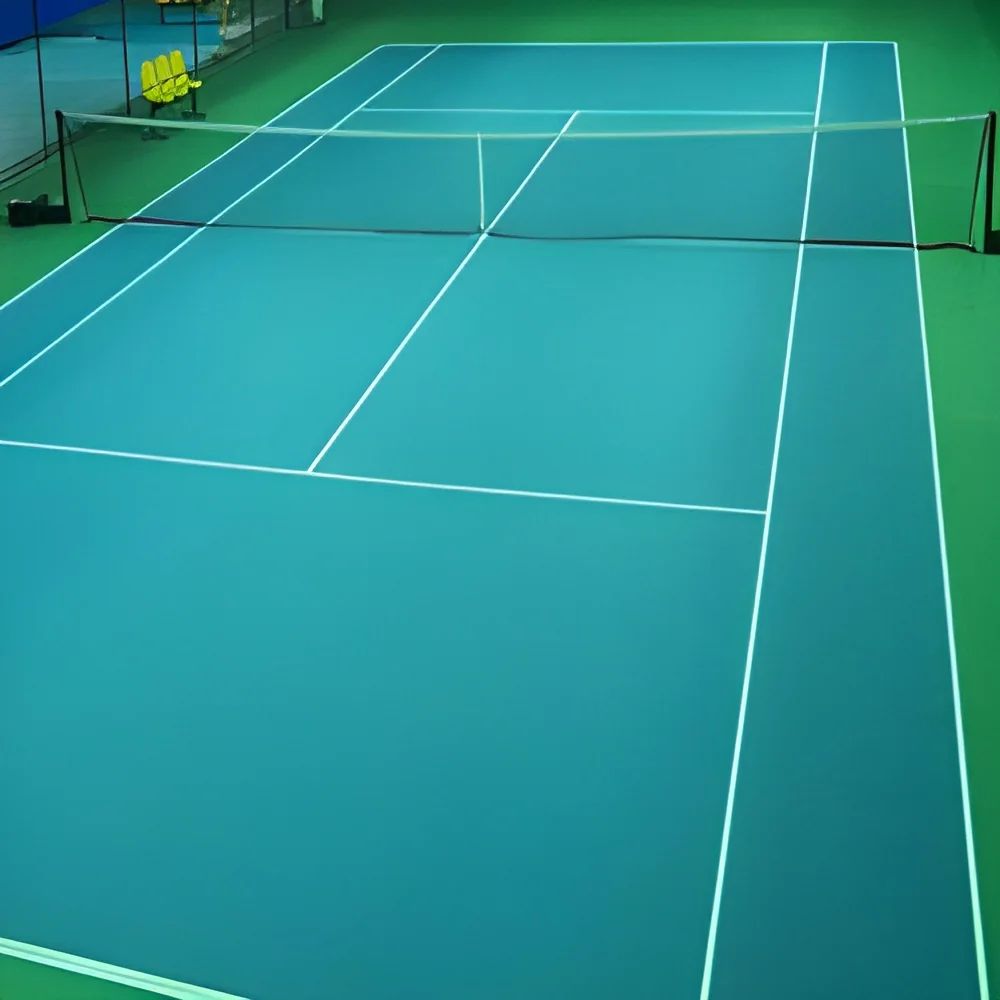
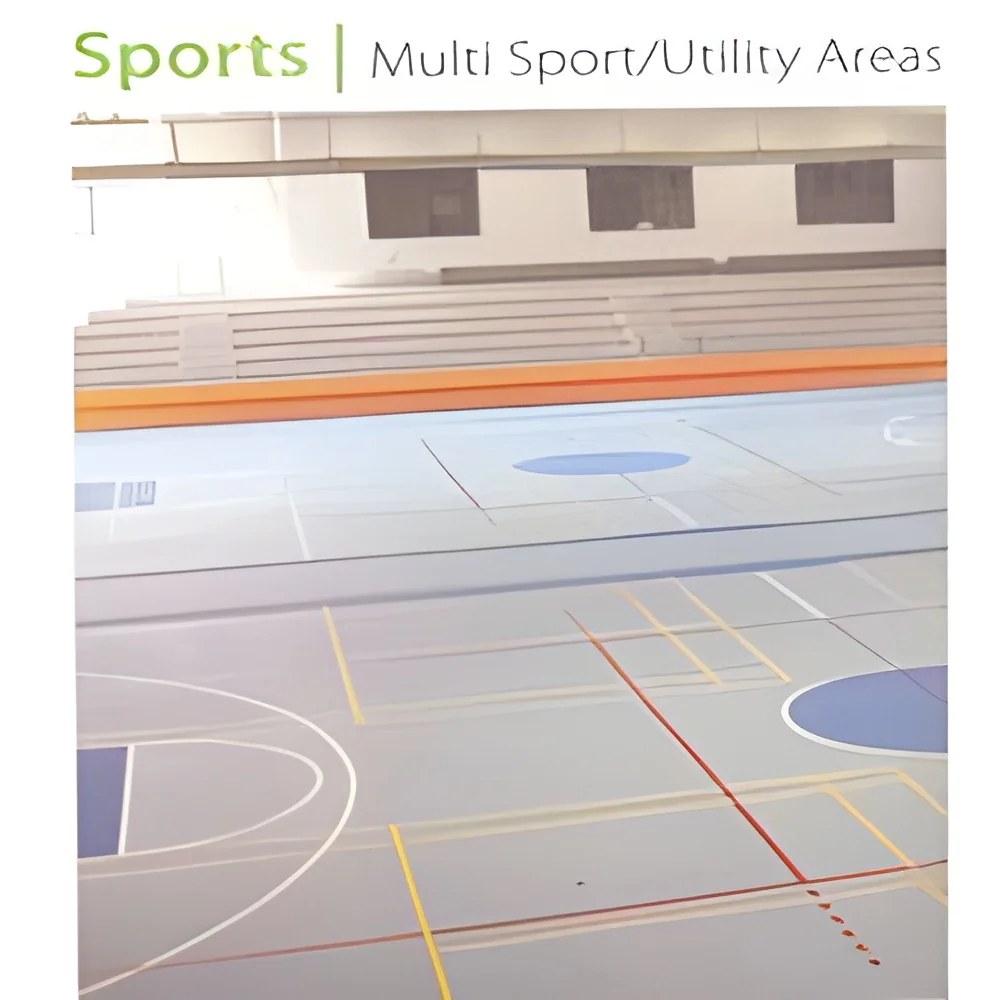
These flooring solutions are commonly used in gyms, sports complexes, schools, and recreational centers. They cater to a wide range of sports, including basketball, volleyball, badminton, and gymnastics. The relevance of indoor sports flooring in the industry is growing, driven by increased awareness of health and fitness. As more facilities invest in quality flooring, the market for these products continues to expand, presenting opportunities for manufacturers and suppliers.
Key Features and Specifications
Indoor sports flooring comes with several key features that enhance its functionality and safety. These features are designed to meet the specific demands of various sports and activities.
Key specifications include:
1. Material Type
- Various options such as hardwood, rubber, and vinyl.
- Each material offers different levels of durability and shock absorption.
2. Surface Texture
- Options for smooth or textured finishes.
- Textured surfaces provide better grip and traction for athletes.
3. Shock Absorption
- Measured in terms of resilience and energy return.
- Important for reducing impact on joints during physical activities.
4. Slip Resistance
- Rated based on the coefficient of friction.
- Ensures athlete safety by minimizing slip hazards.
5. Thickness
- Typically ranges from 6mm to 25mm depending on the material.
- Thicker options provide better cushioning and sound absorption.
6. Maintenance Requirements
- Varies based on material; some require regular polishing or sealing.
- Easy-to-clean surfaces are preferred for high-traffic areas.
7. Aesthetic Options
- Available in various colors and designs.
- Customization options can reflect team colors or branding.
8. Installation Method
- Can be glue-down, floating, or nail-down installation.
- Installation method impacts performance and longevity.
Indoor sports flooring should be selected based on these specifications to ensure optimal athletic performance and safety.
Common Applications and Use Cases
Indoor sports flooring serves various industries beyond just traditional sports facilities.
1. Educational Institutions: Schools and universities use these floors for gymnasiums and multi-purpose rooms where sports classes and events are held.
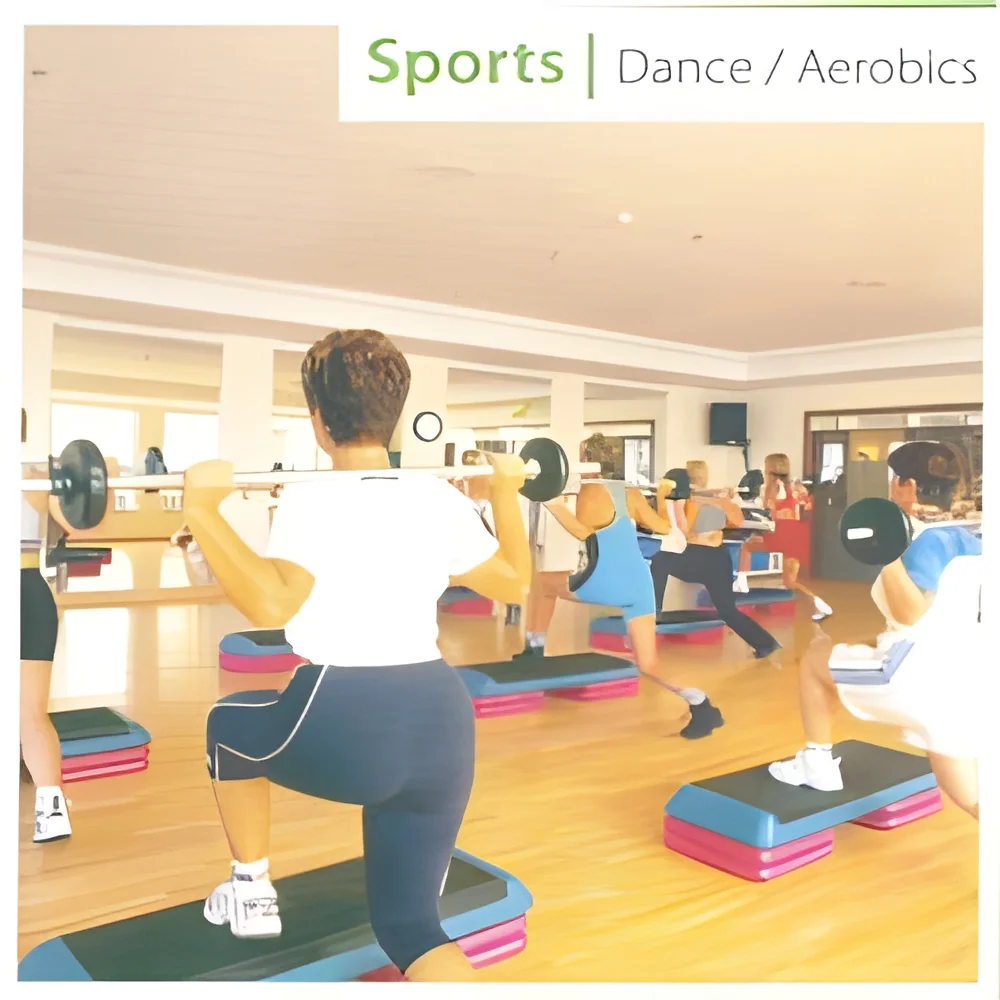
2. Fitness Centers: Gyms and health clubs utilize specialized flooring for areas dedicated to aerobics, yoga, and other fitness classes.
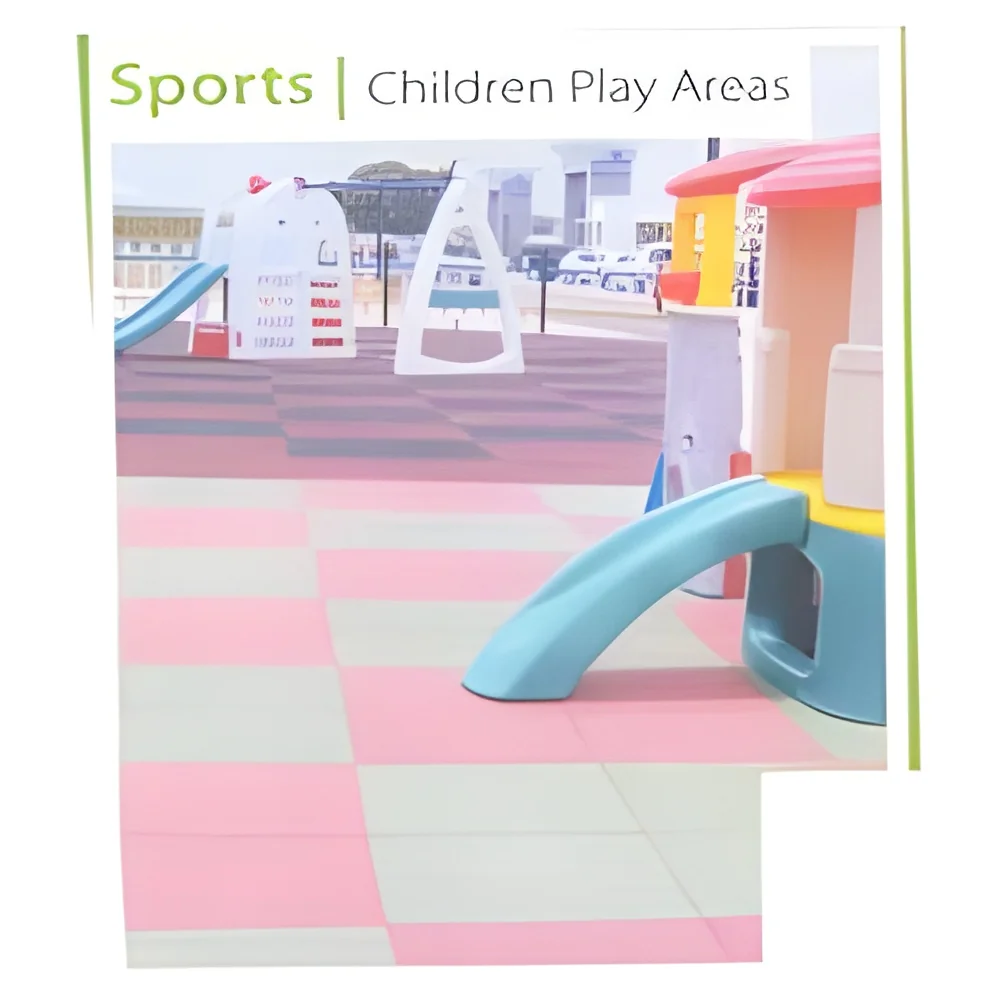
3. Community Centers: Local community centers install indoor sports flooring to facilitate recreational activities and sports leagues for all age groups.
4. Professional Sports Venues: Professional teams and organizations invest in high-quality flooring for arenas and training facilities to meet industry standards.
5. Rehabilitation Facilities: Physical therapy centers use sports flooring for rehabilitation exercises, providing a safe surface for patients recovering from injuries.
6. Events and Expositions: Temporary indoor sports flooring can be set up for events like tournaments and trade shows, ensuring a professional appearance and safety.
7. Military and Training Facilities: Used in training environments where physical fitness is emphasized, ensuring safety and durability during rigorous activities.
Product Variants and Subcategories
Indoor sports flooring offers a diverse range of options to cater to different needs and preferences.
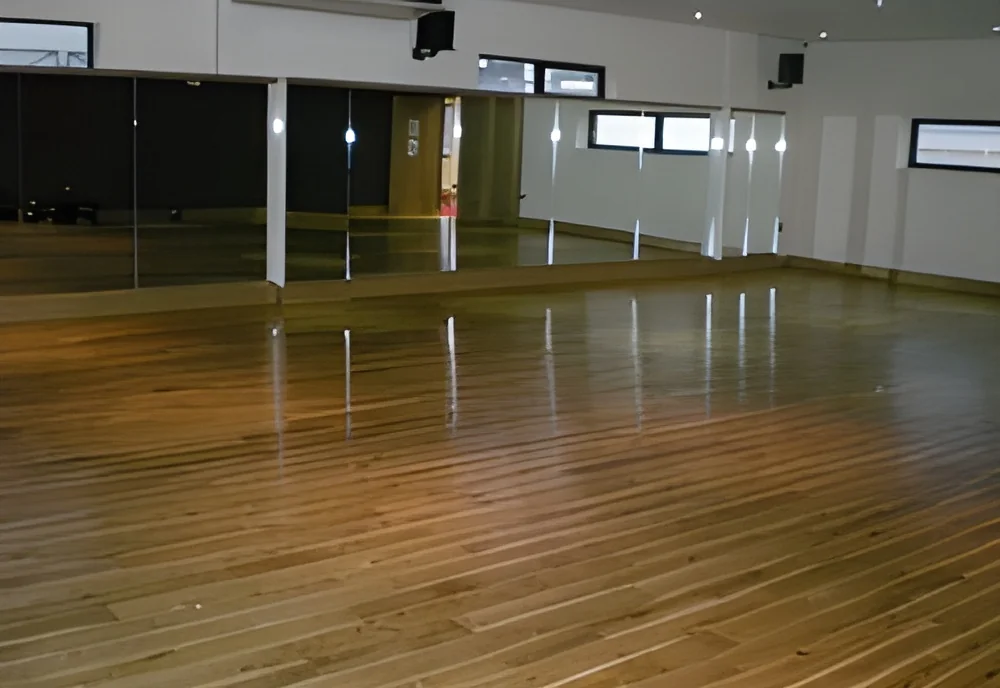
Wood Flooring
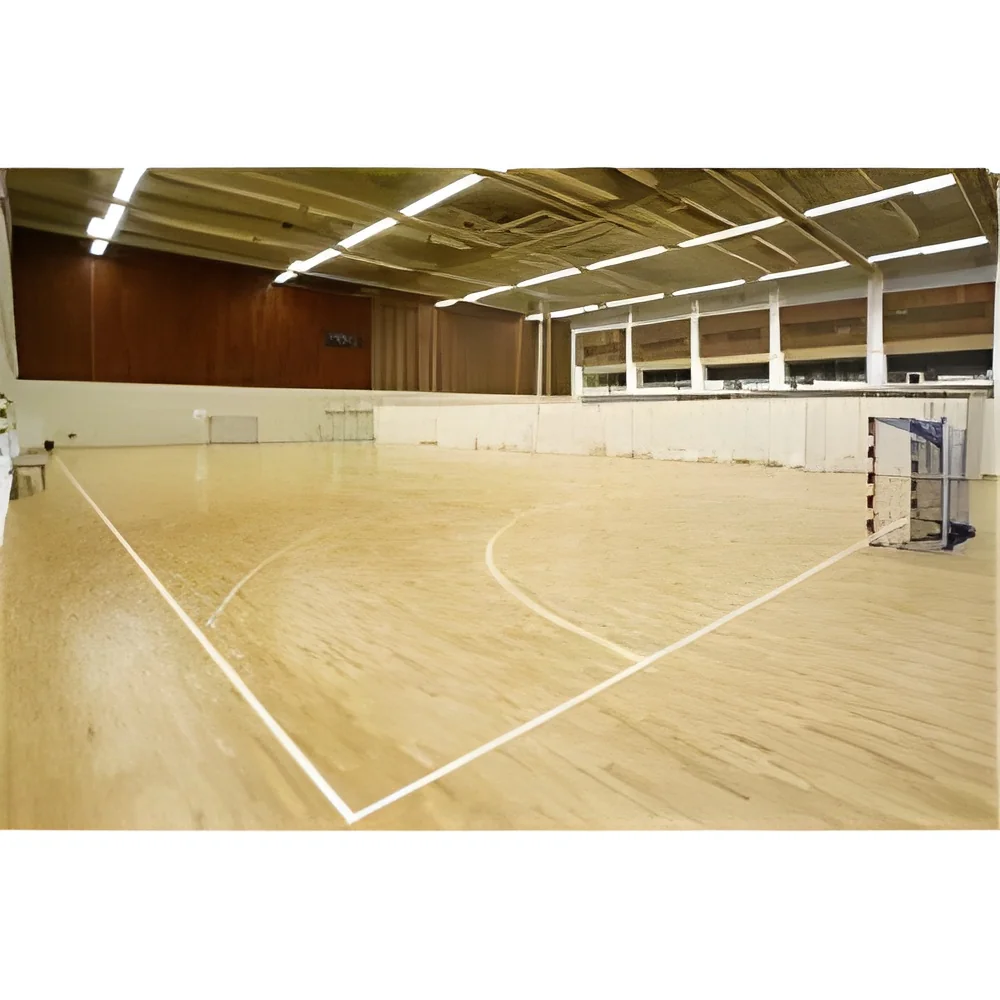
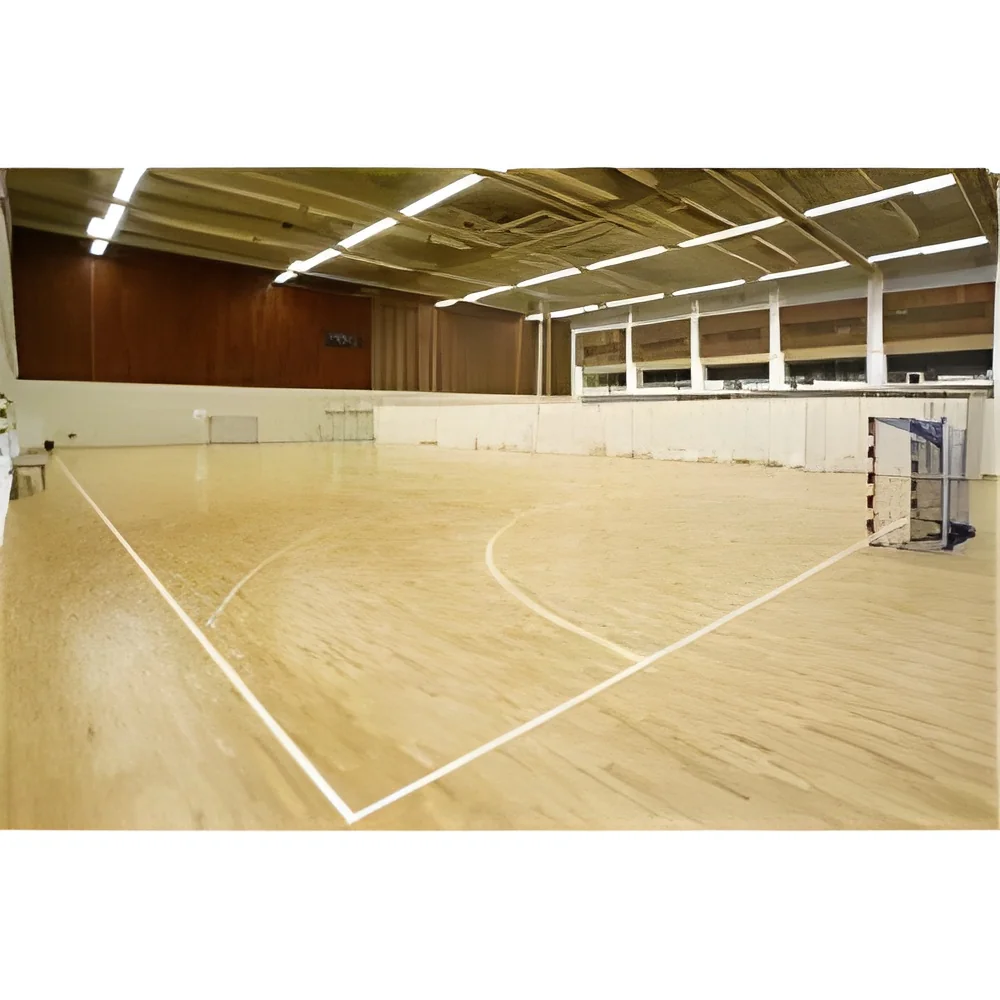
This classic option is favored for its aesthetic appeal and performance characteristics. It is commonly used in basketball courts and gymnasiums, providing excellent shock absorption and durability.
Rubber Flooring
Known for its resilience and slip resistance, rubber flooring is ideal for fitness centers and multi-purpose spaces. It offers superior cushioning, making it suitable for high-impact activities.
Vinyl Flooring
Vinyl is a versatile option that can mimic the appearance of wood or tile. It is easy to maintain and is commonly used in schools and recreational centers for various sports.
Cushioned Flooring
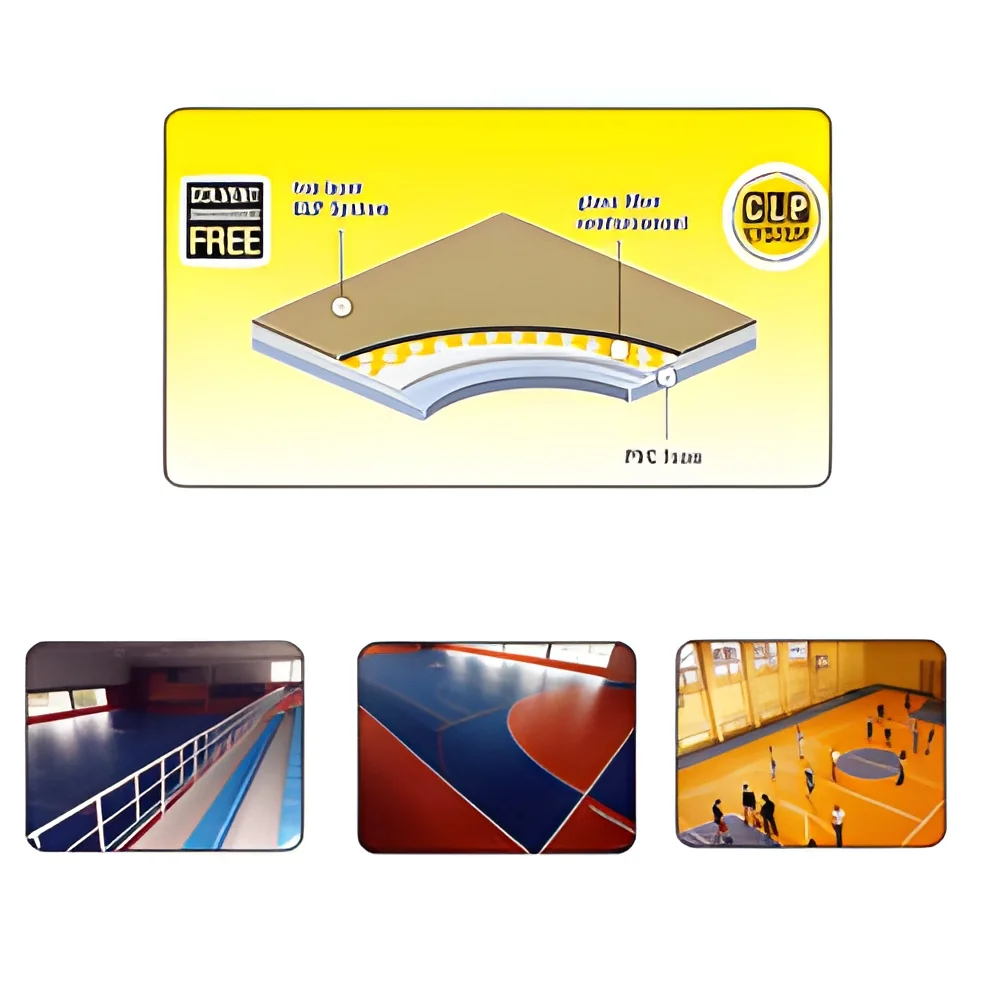
This type of flooring incorporates additional layers for shock absorption and comfort. It is often found in multipurpose venues that host different types of sports activities.
Carpet Tiles
Used primarily in gyms for fitness classes, carpet tiles provide comfort and noise reduction. They are easy to install and replace, making them practical for high-traffic areas.
Benefits and Advantages
Investing in indoor sports flooring provides organizations with numerous benefits.
1. Enhanced Safety: Proper flooring reduces the risk of injuries due to slips and falls, providing athletes with a secure environment.
2. Improved Performance: Quality flooring enhances athlete performance by offering optimal traction and shock absorption.
3. Durability: Many flooring options are designed to withstand heavy use, ensuring a long lifespan with minimal maintenance.
4. Aesthetic Appeal: Customized flooring can improve the overall look of a facility, enhancing its attractiveness to users and visitors.
5. Versatility: Indoor sports flooring can adapt to various sports and activities, making it suitable for multi-use spaces.
6. Cost-Effectiveness: Investing in quality flooring can reduce long-term maintenance costs and the need for frequent replacements.
Buying Guide for B2B Buyers
When sourcing indoor sports flooring, buyers should consider several critical factors.
1. Quality Assessment: Evaluate the quality of materials and construction. Look for certifications and standards that indicate durability and safety.
2. Supplier Verification: Vet suppliers to ensure they have a proven track record and positive customer feedback. Reliable suppliers will offer warranties and support.
3. Pricing and MOQ: Understand the pricing structure and minimum order quantities. Compare quotes from different suppliers to ensure competitive pricing.
4. Delivery and Lead Times: Confirm availability and delivery timelines. Efficient logistics are essential for timely project completion.
5. Compliance Requirements: Ensure that the flooring meets industry standards and local regulations. Compliance with safety and environmental standards is crucial for long-term use.
Compliance and Certifications
Indoor sports flooring must meet various compliance and certification standards to ensure safety and quality.
Relevant quality standards include ISO 9001, which addresses quality management systems, and CE marking, which indicates conformity with European health and safety regulations.
Safety and testing requirements are essential and may include assessments for slip resistance, shock absorption, and durability under various conditions.
For specific regions, compliance with local regulations and standards is necessary. Buyers should verify these requirements to ensure the flooring installed meets all safety and performance criteria.
Why Source Indoor Sports Flooring from Pepagora?
Pepagora offers a reliable platform for sourcing indoor sports flooring, providing several key advantages to buyers.
Verified Supplier Network: Pepagora ensures that all suppliers are thoroughly vetted, offering customers peace of mind in their purchasing decisions. This verification process helps businesses find reputable manufacturers and suppliers.
Streamlined RFQ Process: The request for quotation (RFQ) system is designed to simplify the procurement process. Buyers can easily request and receive quotes from multiple suppliers, making it easier to compare options.
Trade Assurance and Support: Pepagora provides trade assurance, protecting buyers against risks associated with online transactions. This includes support throughout the buying process, ensuring a smooth experience.
Regional Coverage: With a strong presence in India, the GCC, and Southeast Asia, Pepagora connects buyers with local suppliers, facilitating quicker delivery and support tailored to regional needs.
By choosing Pepagora, businesses can confidently source indoor sports flooring that meets their specific requirements while benefiting from a trusted network of suppliers.



Frequently Asked Questions
What are Indoor Sports Flooring?
Indoor Sports Flooring refers to specialized flooring solutions designed for various indoor sports activities. These surfaces provide optimal traction, cushioning, and durability to enhance performance and safety during sports activities.
What are the different types of Indoor Sports Flooring?
There are several types of Indoor Sports Flooring, including wooden, vinyl, rubber, and synthetic surfaces. Each type has its unique characteristics and is suitable for different sports such as basketball, badminton, and volleyball.
How do I choose the right Indoor Sports Flooring?
To choose the right Indoor Sports Flooring, consider factors such as the type of sport, location, budget, and maintenance requirements. It's also essential to assess the flooring's durability, safety features, and comfort level.
What are the standard specifications for Indoor Sports Flooring?
Standard specifications for Indoor Sports Flooring typically include thickness, shock absorption, slip resistance, and wear resistance. These specifications ensure that the flooring meets the necessary performance and safety standards for various sports.
What is the price range for Indoor Sports Flooring?
The price range for Indoor Sports Flooring can vary widely based on materials, quality, and installation costs. Generally, prices can start from INR 70 per square foot and can go up to INR 300 or more per square foot.
What quality standards apply to Indoor Sports Flooring?
Indoor Sports Flooring must adhere to various quality standards, including ASTM and ISO certifications. These standards assess factors like performance, safety, and environmental impact, ensuring that the flooring is suitable for sports use.
Where can I find Indoor Sports Flooring suppliers in India?
You can find Indoor Sports Flooring suppliers in India through online B2B marketplaces like Pepagora, industry trade shows, and local suppliers. Researching and comparing different suppliers can help you find the best options for your needs.
Can Indoor Sports Flooring be customized?
Yes, Indoor Sports Flooring can often be customized to meet specific requirements, such as color, design, and dimensions. Customization options may vary by supplier, so it's advisable to discuss your needs with potential manufacturers.
What is the typical minimum order quantity for Indoor Sports Flooring?
The typical minimum order quantity (MOQ) for Indoor Sports Flooring varies by supplier and product type, but it usually ranges from 100 to 500 square feet. It's best to check with suppliers for their specific MOQ policies.
What is the typical lead time for Indoor Sports Flooring?
The typical lead time for Indoor Sports Flooring can range from 2 to 6 weeks, depending on the type of flooring, customization requirements, and supplier capabilities. It is advisable to confirm the lead time with your chosen supplier before placing an order.
Why Businesses Trust Pepagora
Thousands of companies trust Pepagora to source smarter and sell faster
Expand Your Sales Globally

Source Smarter,Grow Faster
