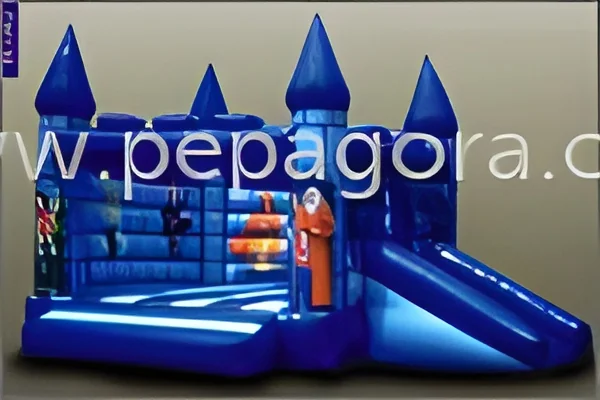
What are Children’s Indoor Play Equipment?
Children’s indoor play equipment refers to a variety of structures and items designed specifically for children's physical activity and play in indoor settings. These products typically include climbing frames, slides, playhouses, soft play zones, and other interactive elements that encourage movement and imaginative play. The primary goal of this equipment is to create a safe and engaging environment where children can explore their physical abilities and develop motor skills while having fun.
The primary uses of children’s indoor play equipment extend beyond mere recreation. They are commonly found in schools, daycare centers, family entertainment centers, and hospitals. Businesses utilize these products to enhance their facilities, promote physical activity, and provide safe play areas for children. The growing awareness of the importance of physical activity for child development has led to an increased demand for quality indoor play solutions, making this sector highly relevant in today's market.
With the rise in urban living and limited outdoor space, the indoor play equipment market has become increasingly vital. Providers are focusing on high-quality, durable solutions that meet safety standards while appealing to children's imaginative and physical play needs. The industry's growth is fueled by innovations in design and safety features, ensuring that products are not only fun but also compliant with regulatory standards.
Key Features and Specifications
Children's indoor play equipment is characterized by several key features that enhance safety, usability, and overall play experience. These features make the equipment suitable for various environments and provide peace of mind for both parents and facility operators.
Key specifications include:
1. Safety Standards
- Equipment should comply with safety regulations like CE marking.
- Must pass rigorous testing for durability and safety.
2. Age Suitability
- Designed for specific age groups, typically ranging from toddlers to young children.
- Equipment must be age-appropriate to ensure safety and engagement.
3. Material Quality
- Constructed from non-toxic, durable materials that withstand frequent use.
- Common materials include high-density foam, plastic, and wood.
4. Size and Space Requirements
- Equipment size varies, requiring adequate space for safe play.
- Must fit within designated indoor areas, considering ceiling height and floor space.
5. Customization Options
- Potential for customization in colors and designs to match themes.
- Ability to adapt layouts based on specific facility needs.
6. Maintenance Needs
- Equipment should have straightforward maintenance requirements for cleaning and safety checks.
- Durability is key to minimizing wear and tear.
7. Installation Requirements
- May require professional installation for safety and compliance.
- Clear guidelines should be provided for setup.
8. User Capacity
- Equipment designed to accommodate a certain number of children at once.
- Clear guidelines on maximum load to ensure safety during play.
In summary, the key features and specifications of children's indoor play equipment are critical to ensuring safety, usability, and enjoyment. Choosing equipment that meets these standards helps create a positive play environment for children.
Common Applications and Use Cases
Children's indoor play equipment serves various industries, each with unique applications.
1. Education Sector: Schools and daycare centers utilize indoor play equipment to promote physical activity and social interaction among children. These facilities aim to create engaging environments that support child development.
2. Family Entertainment Centers: These venues often include indoor play areas as a key attraction. The equipment enhances the overall experience by providing a safe space for children to play while parents enjoy other offerings.
3. Healthcare Facilities: Hospitals and clinics may use indoor play equipment in waiting areas to keep children entertained. This helps reduce anxiety and provides a distraction during visits.
4. Childcare Providers: Private and commercial childcare services incorporate indoor play equipment to facilitate active play and learning in controlled environments.
5. Event Venues: Indoor play structures can be rented or installed for parties and events, providing entertainment for children and peace of mind for parents.
6. Residential Developments: Some apartment complexes and housing communities opt to include indoor play areas as amenities to attract families looking for safe play options for their children.
7. Recreational Facilities: Gyms and community centers often feature indoor play equipment to encourage families to engage in physical activities together.
Product Variants and Subcategories
Children's indoor play equipment is diverse, offering various variants to meet specific needs and preferences.
Climbing Frames: These are designed for physical challenges, encouraging children to climb, crawl, and explore. They often include multiple levels, slides, and tunnels for varied play experiences.
Soft Play Areas: These zones feature padded surfaces and soft structures, making them ideal for younger children. They promote safe play and can include foam shapes, ball pits, and interactive games.
Interactive Play Panels: These panels engage children with sensory activities, challenges, and games. They can be incorporated into larger play areas or used as standalone features.
Multi-Activity Play Systems: These systems combine several play types, including climbing, sliding, and interactive play. They cater to various age groups and encourage cooperative play among children.
Benefits and Advantages
Investing in children’s indoor play equipment offers numerous advantages for businesses and facilities.
1. Promotes Physical Activity: Encouraging movement helps combat childhood obesity and promotes healthy habits from an early age.
2. Enhances Social Skills: Play equipment fosters interaction among children, helping them develop teamwork, communication, and social skills.
3. Improves Cognitive Development: Engaging with play structures stimulates problem-solving and creative thinking, supporting cognitive growth.
4. Increases Customer Satisfaction: Facilities that offer quality play equipment attract families, enhancing customer satisfaction and loyalty.
5. Provides Safe Play Environments: High-quality equipment ensures children's safety, reducing the risk of injuries during play.
6. Boosts Revenue Opportunities: Indoor play areas can be monetized through admission fees, parties, and events, offering additional revenue streams for businesses.
Buying Guide for B2B Buyers
When sourcing children’s indoor play equipment, several factors should be considered to ensure quality and suitability.
1. Quality Assessment: Evaluate the materials and construction quality to ensure durability and safety. Look for equipment that meets relevant safety standards.
2. Supplier Verification: Vet suppliers by checking their certifications, reviews, and previous projects. Consider their experience in the industry to ensure reliability.
3. Pricing and MOQ: Understand the pricing structures and minimum order quantities. Compare quotes from multiple suppliers to find the best value.
4. Delivery and Lead Times: Discuss logistics and expected lead times for delivery. Ensure that timelines align with project schedules.
5. Compliance Requirements: Familiarize yourself with safety and regulatory compliance needs for your specific region. Ensure that the equipment meets all local regulations.
Compliance and Certifications
Children's indoor play equipment must adhere to various quality and safety standards to ensure a secure play environment. Relevant quality standards include ISO 9001 for quality management systems, ensuring manufacturers maintain high-quality production processes.
Industry certifications, such as CE marking, indicate compliance with European safety standards. This certification assures buyers that the products have been tested for safety and performance.
Safety and testing requirements are critical, as they encompass rigorous evaluations of materials, structural integrity, and user safety. Equipment must pass these tests before being made available to the public.
Regional compliance considerations may vary, so it is essential for buyers to understand local regulations and standards applicable to children's play equipment. This may include specific requirements for installation, maintenance, and safety checks.
Why Source Children’s Indoor Play Equipment from Pepagora?
Pepagora provides a trusted platform for sourcing children’s indoor play equipment with several key advantages.
Verified Supplier Network: Pepagora connects buyers to a network of verified suppliers, ensuring that all providers meet stringent quality and safety standards. This network helps buyers find reliable partners for their sourcing needs.
Streamlined RFQ Process: The request-for-quotation system simplifies the sourcing process, allowing buyers to receive multiple quotes from various suppliers quickly. This efficiency enables informed decision-making.
Trade Assurance and Support: Pepagora offers trade assurance and support for buyers, providing protection throughout the purchasing process. This commitment enhances buyer confidence when sourcing products.
Regional Coverage: With a strong presence in India, the GCC, and Southeast Asia, Pepagora ensures that businesses across these regions can access quality children’s indoor play equipment efficiently. This geographic reach allows for a diverse range of options tailored to local market needs.

 IN
IN