What are Scoreboards & Timers?
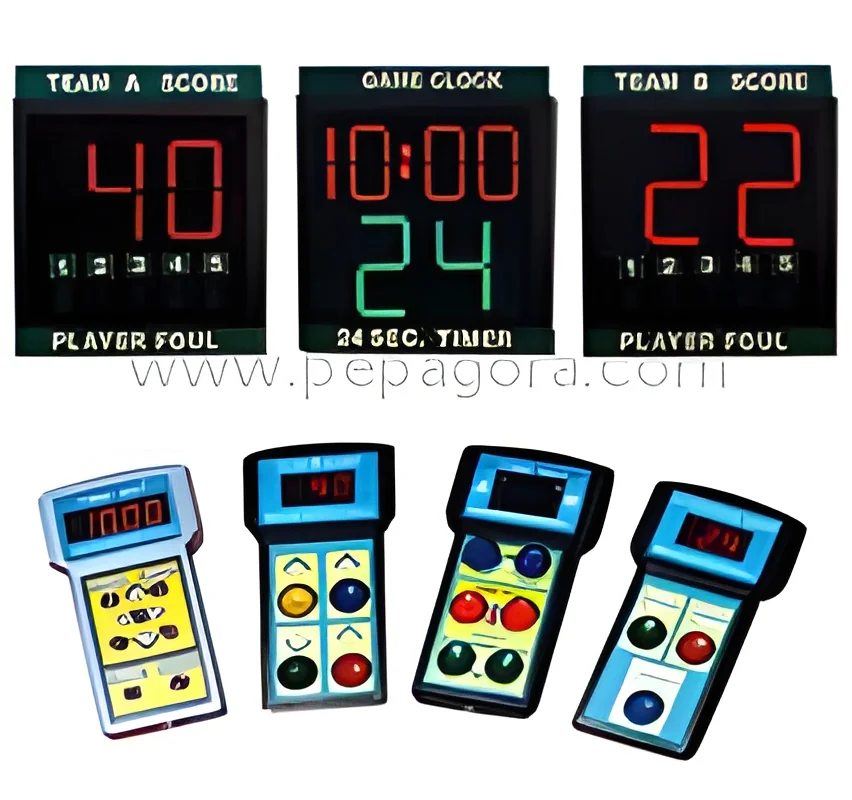
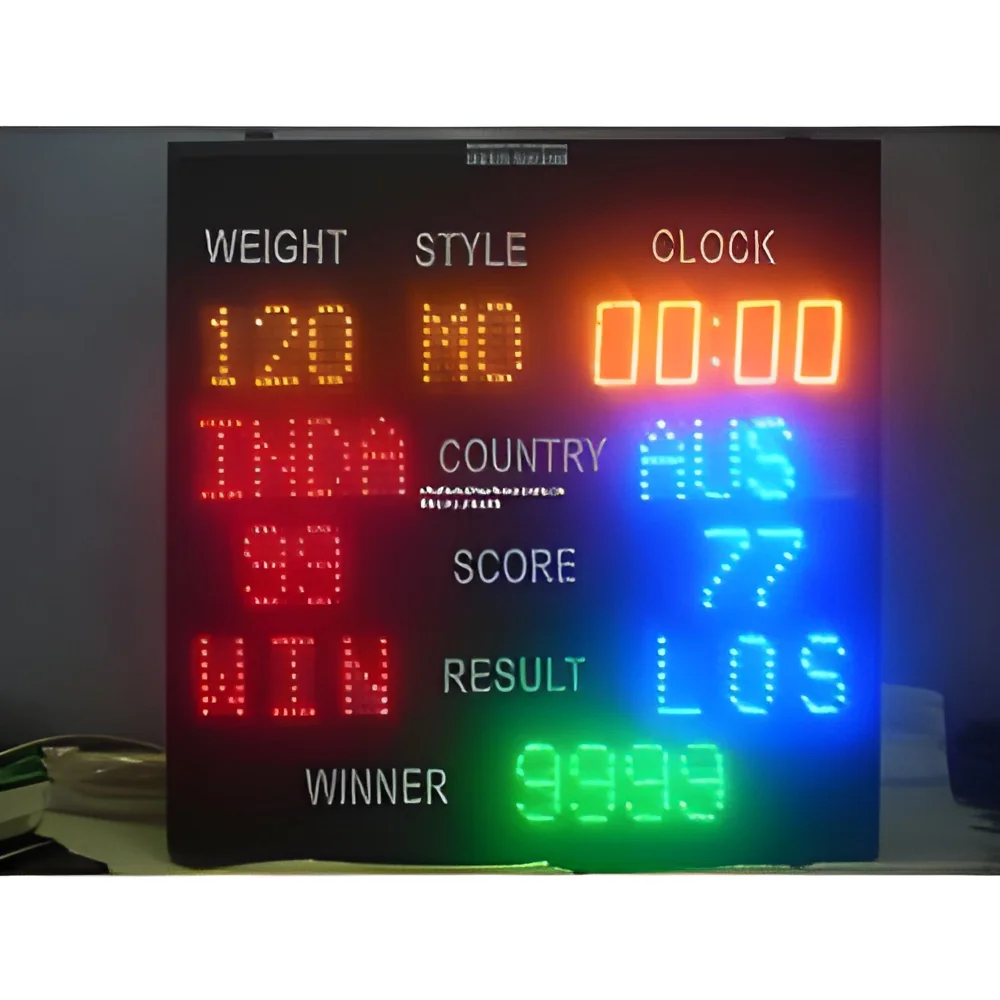
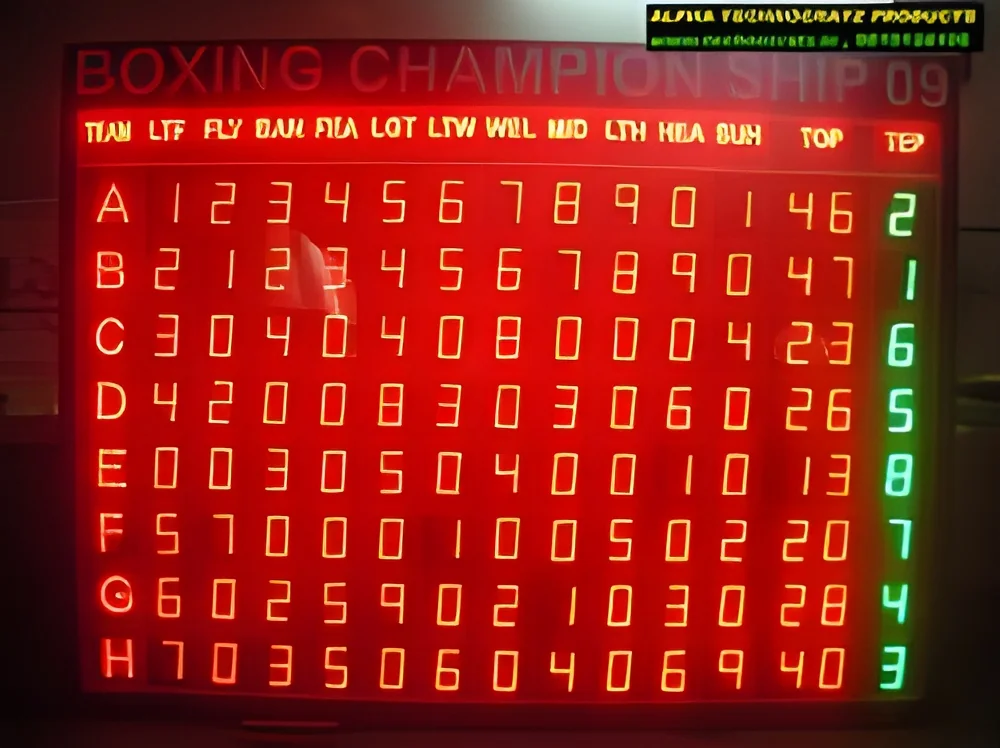
Scoreboards and timers are electronic devices designed to display and record scores, times, and other relevant information during various competitive activities. They are essential tools in sports, entertainment, and industrial events, providing real-time data to players, coaches, officials, and audiences. These devices help enhance the viewing experience and ensure accurate tracking of performance metrics.
The primary uses of scoreboards and timers extend beyond sporting events to include industrial applications such as project management and production tracking. They are commonly employed in gyms, schools, and arenas to manage game scores and timing. In industrial settings, they serve as crucial tools for monitoring progress and efficiency, allowing businesses to optimize operations. As industries evolve, the demand for high-quality scoreboards and timers continues to grow, driven by the need for precise tracking and data visualization in various sectors.
Scoreboards and timers are relevant across multiple industries, including sports, education, and manufacturing. The market for these devices is competitive, with advancements in technology leading to enhanced features and functionalities. Organizations are increasingly seeking reliable solutions that can cater to their specific needs, emphasizing the importance of quality and performance in their selection process.
Key Features and Specifications
Scoreboards and timers come equipped with a variety of features designed to meet the diverse needs of users. Understanding these specifications is essential for making informed purchasing decisions.
Key specifications include:
1. Display Type
- LED or LCD options are available.
- Brightness levels to ensure visibility in various environments.
2. Size and Dimensions
- Various sizes to fit different venues.
- Compact designs for easy transport and installation.
3. Connectivity Options
- Wireless or wired connectivity for remote operation.
- Compatibility with various control systems.
4. Customization Capabilities
- Options for branding and personalized displays.
- Programmable features for different sports or events.
5. Battery Life
- Duration of operation on a single charge.
- Backup systems for uninterrupted performance.
6. Environmental Ratings
- Resistance to weather elements for outdoor use.
- Durability standards for industrial applications.
7. User Interface
- Ease of use with intuitive controls.
- Options for remote operation or manual input.
8. Software Integration
- Compatibility with scoring or timing software.
- Ability to export data for analysis.
In summary, scoreboards and timers offer a range of features that enhance their functionality. Buyers should carefully evaluate these specifications to select a product that aligns with their operational needs.
Common Applications and Use Cases
Scoreboards and timers serve various industries with specific applications that leverage their capabilities.
1. Sports: In sports arenas, scoreboards track the scores, fouls, and time for games, providing essential information to players and spectators alike. They enhance the excitement of live events by displaying real-time updates.
2. Education: Schools use scoreboards and timers for physical education classes and competitive sports events. They help educators keep track of scores and times during games and tournaments.
3. Manufacturing: In manufacturing settings, timers are used to monitor production cycles and efficiency. They help teams track time spent on tasks, optimizing workflows and improving productivity.
4. Entertainment: Scoreboards are utilized in entertainment venues for games and competitions, ensuring that participants and audiences can follow the action seamlessly.
5. Training Facilities: Gyms and training centers use timers to manage workout sessions and track progress. They provide essential feedback for athletes and trainers.
6. Events and Festivals: During events and festivals, scoreboards are used to display competition results and timing information, enhancing the overall experience for attendees.
7. Corporate Settings: Corporate events may incorporate timers for presentations or competitions, ensuring time management and keeping participants engaged.
Product Variants and Subcategories
Scoreboards and timers come in various forms to cater to different applications and settings.
Digital Scoreboards
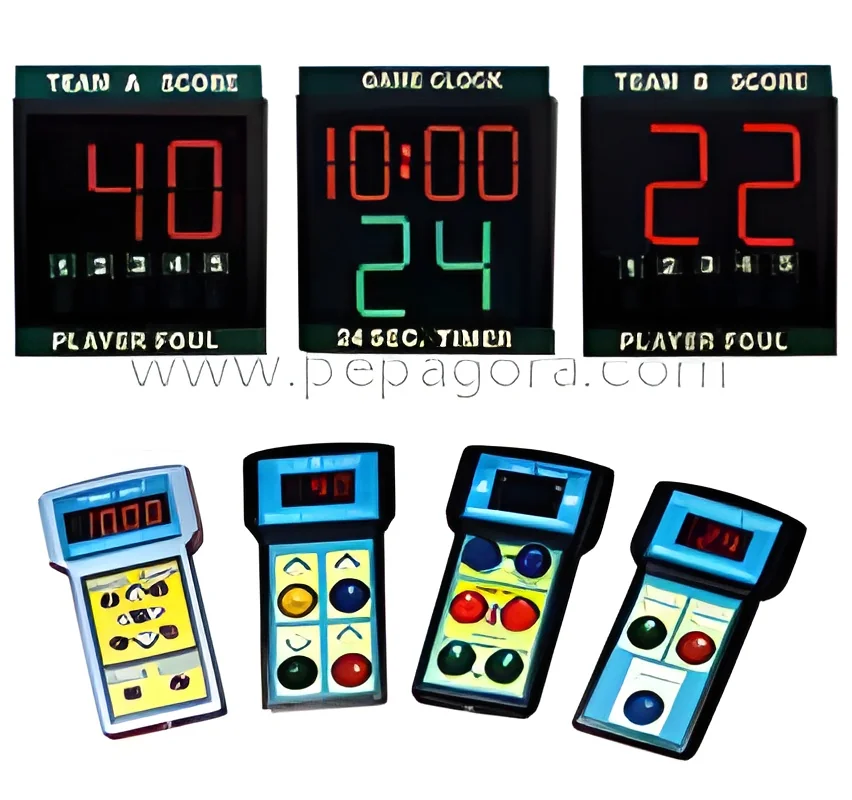
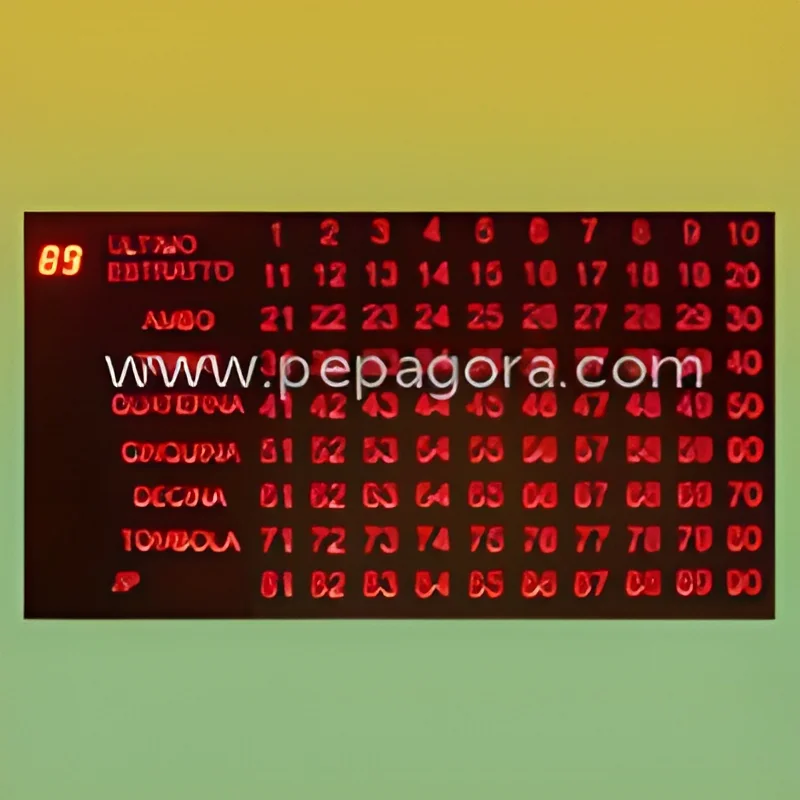
These scoreboards are equipped with LED or LCD displays and can show multiple data points simultaneously. They are commonly used in sports arenas and training facilities, offering clear visibility and real-time updates.
Portable Timers
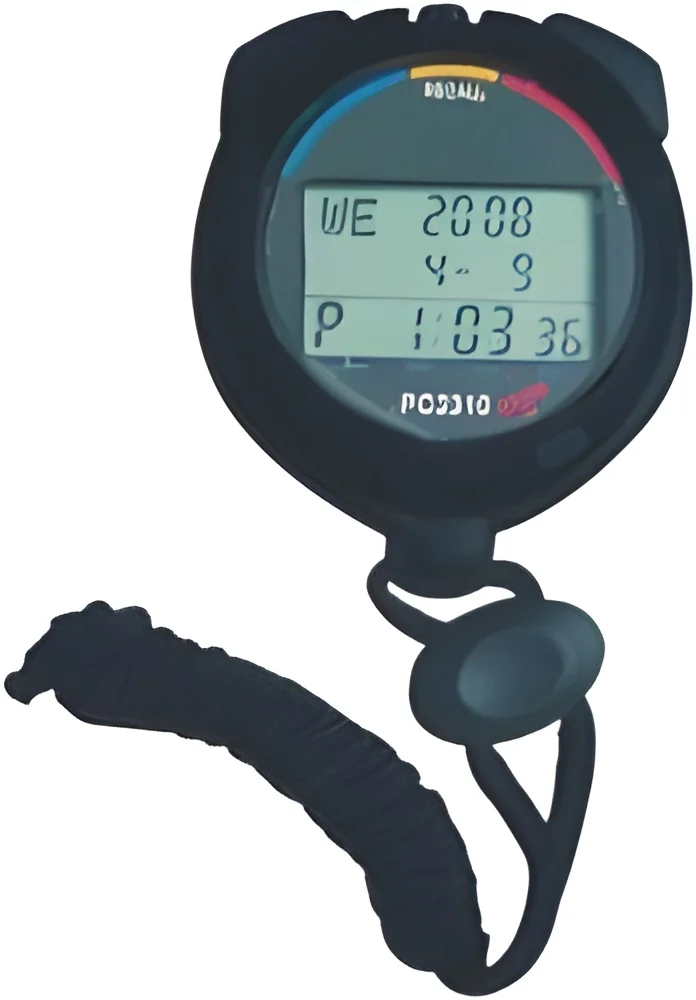
These compact devices are designed for easy transport and quick setup. They are often used in gyms and outdoor events where space and mobility are considerations.
Multi-Sport Scoreboards
These versatile scoreboards can be programmed to support multiple sports, making them ideal for schools and community centers. They allow users to switch between different formats quickly.
Integrated Timing Systems
These systems combine timers with software solutions for data analysis, commonly used in competitive environments where precise tracking is essential.
Benefits and Advantages
Choosing the right scoreboard and timer can provide significant advantages for organizations.
1. Enhanced Visibility: Scoreboards with bright displays ensure that all participants and spectators can easily see real-time updates.
2. Improved Accuracy: Electronic scoreboards minimize human error in scorekeeping and timing, ensuring fair competition.
3. Customization Options: Many scoreboards can be tailored to match branding or specific event requirements, enhancing the user experience.
4. Versatile Applications: Scoreboards and timers can be used across various industries, making them a flexible investment for businesses.
5. User-Friendly Interfaces: Modern devices often feature intuitive controls, reducing the learning curve for users.
6. Data Tracking: Advanced software integration allows for the collection and analysis of performance data, aiding in decision-making.
Buying Guide for B2B Buyers
When sourcing scoreboards and timers, several factors should be considered to ensure a suitable purchase.
1. Quality Assessment: Evaluate the construction and durability of the scoreboard or timer. Look for materials that withstand frequent use and environmental conditions.
2. Supplier Verification: Vet potential suppliers by checking references and reviews. Ensure they have a track record of reliability and customer service.
3. Pricing and MOQ: Understand the price range and minimum order quantities. Compare different suppliers to find the best value for your needs.
4. Delivery and Lead Times: Inquire about expected delivery times and logistics to ensure the product arrives when needed.
5. Compliance Requirements: Check for industry certifications and compliance with relevant standards to ensure the product meets all necessary regulations.
Compliance and Certifications
Compliance and certifications are critical for ensuring that scoreboards and timers meet industry standards. Adhering to quality standards such as ISO 9001 helps ensure a consistent level of quality in production processes.
Industry certifications like CE indicate that products meet European safety and performance requirements. These certifications are essential for building trust with clients and end-users.
Safety and testing requirements also play a crucial role in the manufacturing of scoreboards and timers. Products should undergo rigorous testing to ensure they can withstand various conditions and perform reliably.
Regional compliance considerations may vary, so it is important for buyers to understand the specific regulations applicable in their geographic area. This knowledge can help mitigate risks and ensure successful implementation.
Why Source Scoreboards & Timers from Pepagora?
Pepagora provides a trusted platform for sourcing scoreboards and timers, offering several key advantages to B2B buyers.
Verified Supplier Network: Pepagora has a robust network of verified suppliers who consistently meet quality standards. This network ensures that buyers can find reliable products tailored to their needs.
Streamlined RFQ Process: The platform facilitates a streamlined request for quotation (RFQ) process, allowing buyers to easily compare products and prices from multiple suppliers. This efficiency saves time and simplifies procurement.
Trade Assurance and Support: Pepagora offers trade assurance and support, providing buyers with protection throughout their purchasing journey. This support fosters confidence in transactions and promotes long-term relationships.
Regional Coverage: With a presence in India, the GCC, and Southeast Asia, Pepagora extends its reach to a wide geographical area. This coverage allows businesses across these regions to access quality scoreboards and timers effectively.

 IN
IN