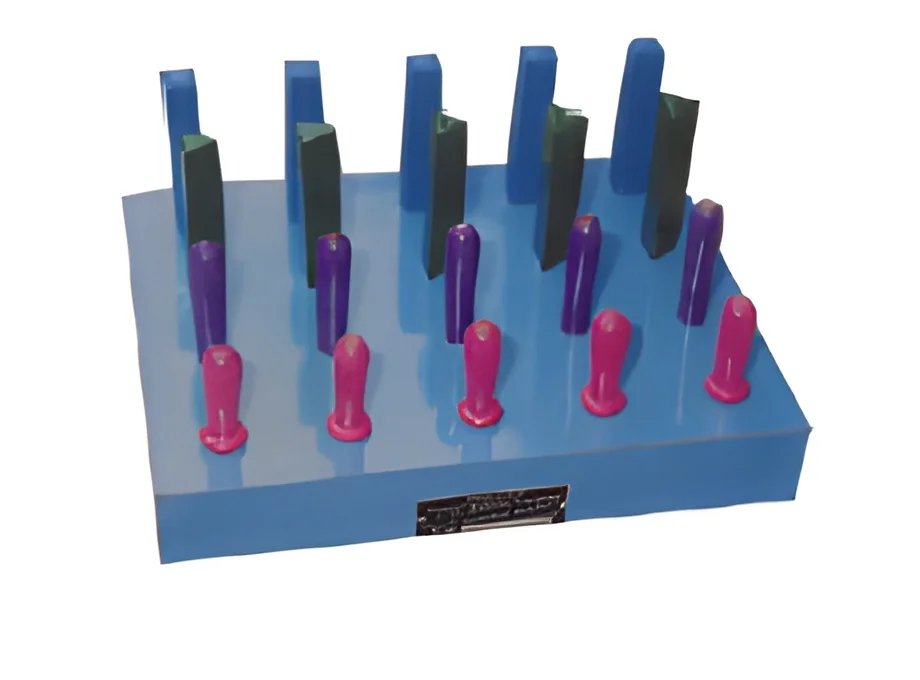
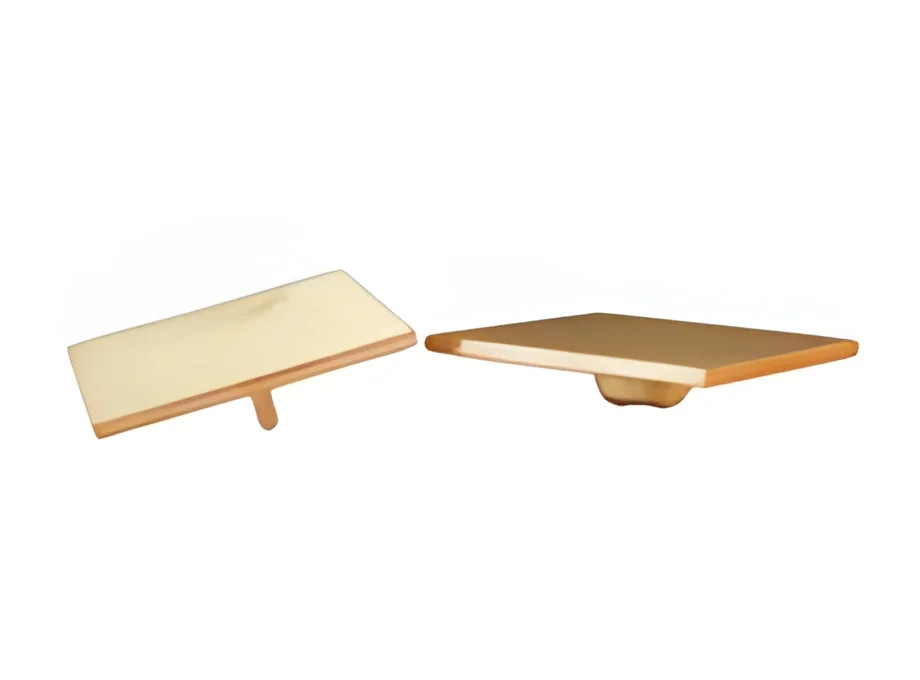
What are Balance Boards & Trainers?
Balance boards and trainers are specialized fitness equipment designed to improve stability, coordination, and core strength. These devices typically consist of a flat surface that is mounted on a fulcrum, allowing users to engage in various exercises that challenge their balance. They are commonly used in physical therapy, sports training, and fitness routines, appealing to a wide range of users from beginners to professional athletes.
The primary uses of balance boards and trainers include enhancing athletic performance, rehabilitating injuries, and promoting overall physical fitness. Businesses in sectors like sports coaching, rehabilitation centers, and fitness studios utilize these tools to provide training programs that focus on balance and core stability. The growing emphasis on functional fitness has increased the demand for such equipment, making it a relevant product in both the fitness industry and health sectors.
In the current market context, balance boards and trainers are gaining popularity due to their versatility and effectiveness. With the rise of home workouts and online fitness programs, these tools have found a wider audience, leading to an increase in product offerings and innovations. Companies are now focusing on creating more durable and user-friendly designs to cater to diverse consumer needs.
Key Features and Specifications
Balance boards and trainers come with several key features that enhance their functionality and safety. When selecting a product, it is essential to consider specifications that meet the intended application.
Key specifications include:
1. Weight Capacity
- The maximum weight the board can support.
- Common ranges are typically between 200 to 600 pounds.
2. Material Composition
- The materials used in construction affect durability and grip.
- Common materials include wood, plastic, and composite materials.
3. Size and Dimensions
- Overall dimensions can vary for different models.
- Typical sizes range from 28 to 36 inches in length and 12 to 24 inches in width.
4. Surface Texture
- The texture can influence grip and safety during use.
- Options include smooth, textured, or non-slip surfaces.
5. Fulcrum Design
- The design of the fulcrum affects the level of difficulty.
- Variants include fixed, rocking, or spherical bases.
6. Weight Distribution
- Some boards offer adjustable weight distribution for varied exercises.
- Features may include removable weights or adjustable balance points.
7. Portability
- Consider whether the balance board is easy to transport.
- Lightweight designs may enhance portability for different environments.
8. Warranty and Support
- A reliable warranty can indicate product quality.
- Look for warranties that cover defects and provide customer support.
In summary, understanding these specifications helps buyers make informed decisions when selecting balance boards and trainers tailored to their specific needs.
Common Applications and Use Cases
Balance boards and trainers serve a variety of industries and applications, making them versatile fitness tools.
1. Sports Training: These boards are widely used in athletic training to enhance performance by improving balance and coordination. Coaches integrate them into routines for athletes in sports like soccer, basketball, and gymnastics.
2. Rehabilitation Centers: Physical therapists utilize balance boards to aid patients recovering from injuries. They help improve stability and strength, essential for rehabilitation programs.
3. Fitness Studios: Many fitness classes incorporate balance training to add variety and challenge. Instructors use these boards to engage participants in fun and effective workouts.
4. Occupational Therapy: Balance trainers help individuals with coordination challenges, particularly those with neurological conditions. They are essential in occupational therapy to improve daily living skills.
5. Personal Training: Personal trainers often use balance boards to create customized workouts for clients. They provide a way to enhance core strength and stability in a one-on-one training setting.
6. Home Fitness: With the rise of home workout trends, consumers are increasingly purchasing balance boards for personal use. They are compact and easy to store, making them suitable for home gyms.
7. Education: Schools and universities may use balance boards in physical education programs to promote fitness and coordination among students. They are effective tools for developing motor skills in children.
Product Variants and Subcategories
Balance boards and trainers come in various designs to meet specific user needs and preferences. This diversity allows users to select the right tool for their fitness goals.
Wooden Balance Boards
These traditional boards offer a classic design and are often preferred for their sturdiness. They are ideal for users looking for a durable option that supports a wide range of exercises.
Wobble Boards
Wobble boards feature a rounded base that allows for multidirectional movement. They are excellent for users seeking to enhance their stability and engage core muscles effectively.
Balance Discs
These inflatable discs provide a different approach to balance training. They can be used on the floor or as a seat cushion, making them versatile for various exercises and fitness routines.
Balance Beams
Balance beams offer a narrow platform for practicing balance and coordination. They are often used in gymnastic training and can be beneficial for both children and adults.
Core Stability Trainers
These devices combine balance training with added resistance to enhance core strength. They are suitable for advanced users looking to challenge their stability and strength simultaneously.
Benefits and Advantages
Balance boards and trainers offer numerous benefits that enhance physical fitness and overall well-being.
1. Improved Balance: Regular use of balance boards significantly enhances balance and stability, which is crucial for athletic performance and injury prevention.
2. Enhanced Core Strength: These boards engage core muscles during exercises, leading to increased strength and improved posture over time.
3. Versatility: Balance boards can be used for a wide variety of exercises, making them suitable for different fitness levels and goals.
4. Injury Rehabilitation: They are effective tools in rehabilitation programs, helping individuals regain strength and coordination after injuries.
5. Fun and Engaging Workouts: Incorporating balance training into fitness routines adds variety and keeps users motivated.
6. Compact Design: Many balance boards are lightweight and portable, making them easy to use at home, in gyms, or while traveling.
Buying Guide for B2B Buyers
When sourcing balance boards and trainers, B2B buyers should consider several key factors to ensure they select the right products for their business needs.
1. Quality Assessment: Evaluate the materials and construction to ensure durability and performance. Look for boards that have been tested for strength and stability.
2. Supplier Verification: Vet suppliers to confirm their reputation and reliability. Check for customer reviews, industry certifications, and their experience in the market.
3. Pricing and MOQ: Understand the pricing structures and minimum order quantities. Consider bulk purchasing for cost savings but ensure it aligns with your business needs.
4. Delivery and Lead Times: Confirm logistics and lead times to avoid disruptions in your operations. Ensure suppliers can meet your delivery requirements consistently.
5. Compliance Requirements: Be aware of any regulatory standards that apply to your region. Ensure that the products comply with safety and quality certifications relevant to your industry.
Compliance and Certifications
Compliance and certifications play a crucial role in ensuring the safety and quality of balance boards and trainers.
Relevant quality standards, such as ISO 9001, ensure that manufacturers follow established guidelines in their production processes. This certification indicates that the products meet international quality management criteria.
In addition, industry certifications such as CE mark compliance signify that the products adhere to European safety standards. This compliance is essential for marketing and selling products in various regions.
Safety and testing requirements must also be met to ensure user safety during exercises. This includes testing for structural integrity, weight capacity, and non-slip features.
Finally, regional compliance considerations may vary. Buyers should ensure that the products meet local regulations and standards to avoid potential legal issues.
Why Source Balance Boards & Trainers from Pepagora?
Pepagora is a trusted platform for sourcing balance boards and trainers, offering several key advantages for B2B buyers.
Verified Supplier Network: Pepagora connects buyers with a network of verified suppliers. Each supplier is thoroughly vetted to ensure reliability and quality, giving buyers confidence in their sourcing decisions.
Streamlined RFQ Process: The request for quotation process is simplified on Pepagora, allowing buyers to efficiently obtain competitive quotes from multiple suppliers. This streamlining saves time and facilitates better purchasing decisions.
Trade Assurance and Support: Pepagora provides trade assurance, offering buyer protection and support throughout the purchasing process. This assurance helps mitigate risks associated with supplier transactions.
Regional Coverage: With a strong presence in India, the GCC, and Southeast Asia, Pepagora offers regional coverage that caters to diverse market needs. This geographic reach ensures that buyers can find suitable suppliers close to their operations, enhancing logistical efficiency.

 IN
IN