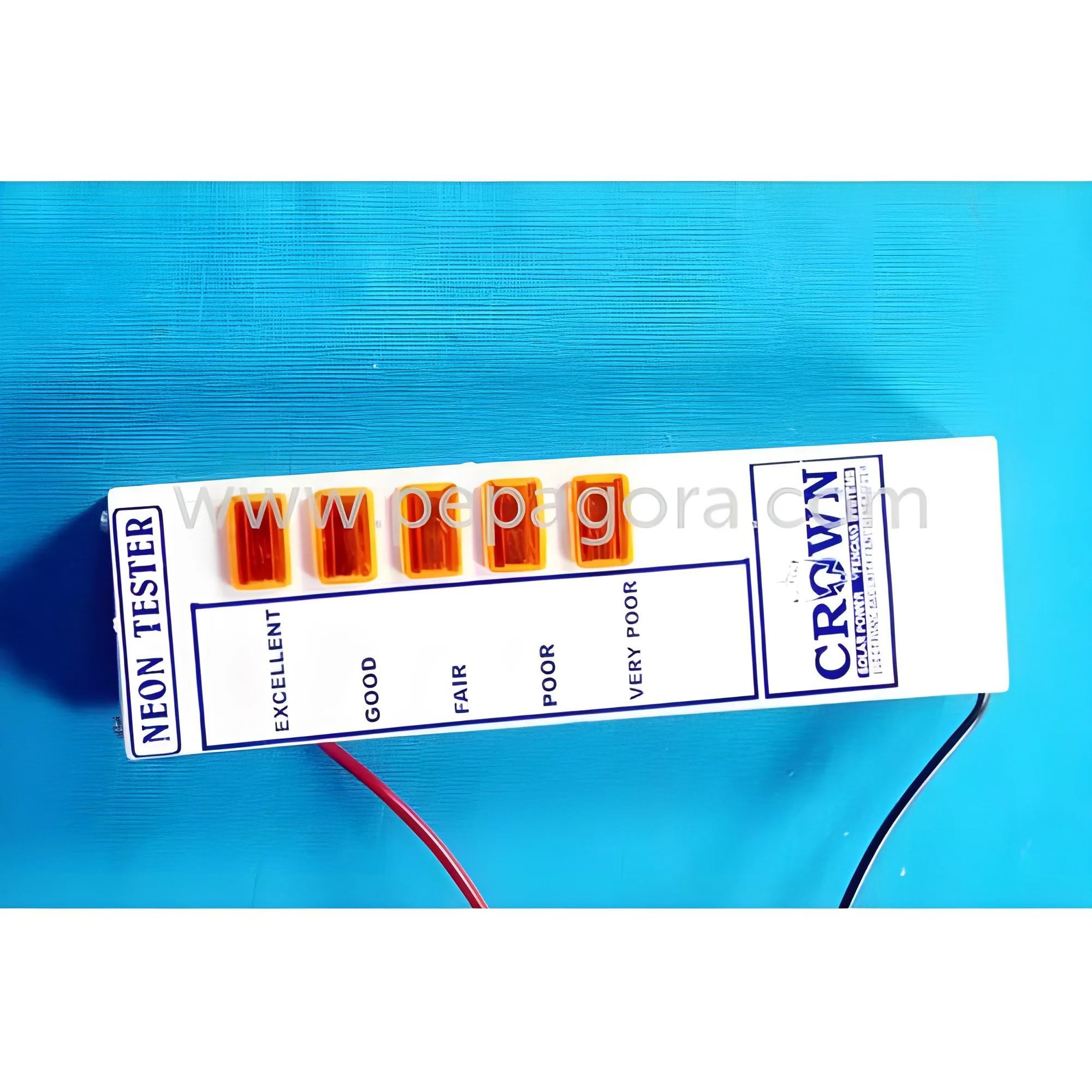
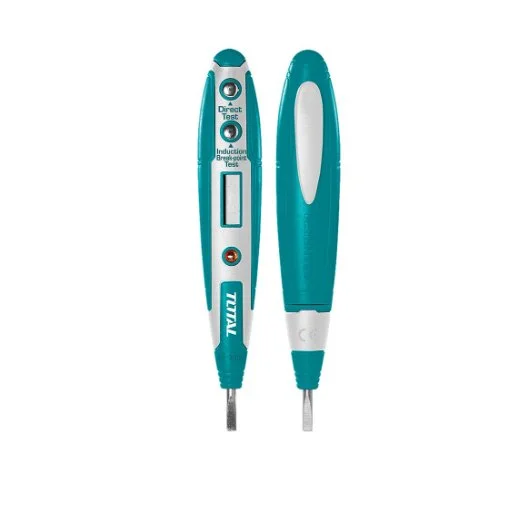
What are Voltage Testers?
Voltage testers are essential electrical devices designed to measure the presence and magnitude of voltage in electrical circuits. They serve as critical tools for electricians, technicians, and engineers to ensure safety and proper functioning of electrical systems. These testers can detect AC and DC voltage, providing readings that help assess whether a circuit is live or if electrical components are functioning correctly. Voltage testers come in various types, including non-contact testers, multimeters, and analog testers, each catering to specific testing needs.
In business applications, voltage testers are widely used in construction, maintenance, and repair of electrical systems. They are vital in ensuring compliance with safety standards, preventing electrical accidents, and diagnosing issues in electrical installations. Industries such as manufacturing, telecommunications, and utilities rely on voltage testers for routine checks and maintenance of equipment. The growing emphasis on electrical safety and the need for reliable testing solutions have increased the relevance of voltage testers in today's market.
Key Features and Specifications
Voltage testers have several important features that enhance their usability and effectiveness in various industrial applications. Understanding these specifications is crucial for selecting the right tool for specific testing needs.
Key specifications include:
1. Voltage Detection Range
- This specification indicates the range of voltage levels the tester can measure.
- Typical ranges include 12V to 1000V for AC and DC.
2. Audio and Visual Indicators
- Many voltage testers feature audible alerts and visual indicators to signal voltage presence.
- This functionality improves safety by providing clear warnings.
3. Non-Contact Voltage Detection
- Some models allow for non-contact voltage testing, enhancing safety by eliminating the need to touch live wires.
- This feature is beneficial for quick checks in hazardous environments.
4. Display Type
- Voltage testers may have analog or digital displays.
- Digital displays often provide more precise readings and are easier to read.
5. Safety Ratings
- Look for safety ratings such as CAT III or CAT IV, which indicate the tester's capability to handle electrical surges.
- Higher ratings are essential for use in industrial settings.
6. Build Quality
- Durable construction is important for longevity and reliability in tough working conditions.
- Many testers are designed to withstand drops and environmental factors.
7. Battery Life
- Battery-operated testers should have a long battery life to minimize downtime.
- Rechargeable options are available for convenience.
8. Compliance Certifications
- Many voltage testers carry certifications like CE, ensuring they meet safety and performance standards.
In summary, understanding the features and specifications of voltage testers is essential for selecting the right device. Properly chosen testers can enhance safety and efficiency in electrical work.
Common Applications and Use Cases
Voltage testers are versatile tools used across various industries, making them indispensable for many professionals.
1. Electrical Construction: In construction, voltage testers are used to ensure that wiring installations are safe and compliant with local codes. They help electricians verify voltage levels before connecting systems.
2. Maintenance and Repair: Maintenance technicians utilize voltage testers to diagnose electrical issues in machinery and equipment. They ensure that systems are powered down before servicing to prevent electrical shocks.
3. Telecommunications: In telecommunications, voltage testers are critical for testing network cables and equipment. They help maintain system integrity by ensuring proper voltage levels are maintained.
4. Manufacturing: Voltage testers are employed in manufacturing settings to monitor and maintain electrical equipment. Consistent testing helps prevent costly downtime due to electrical failures.
5. HVAC Systems: Technicians use voltage testers to check the electrical components of heating, ventilation, and air conditioning systems. They ensure that these systems operate safely and efficiently.
6. Automotive: In automotive applications, voltage testers are used to troubleshoot electrical systems in vehicles. They help mechanics ensure that battery and ignition systems are functioning correctly.
7. Utilities: Electrical utility companies rely on voltage testers for routine maintenance and safety checks on power lines and substations. They ensure the safe delivery of electricity to consumers.
Product Variants and Subcategories
Voltage testers come in various types, each designed to meet different testing requirements. Understanding these variants can help users choose the right tool for their needs.
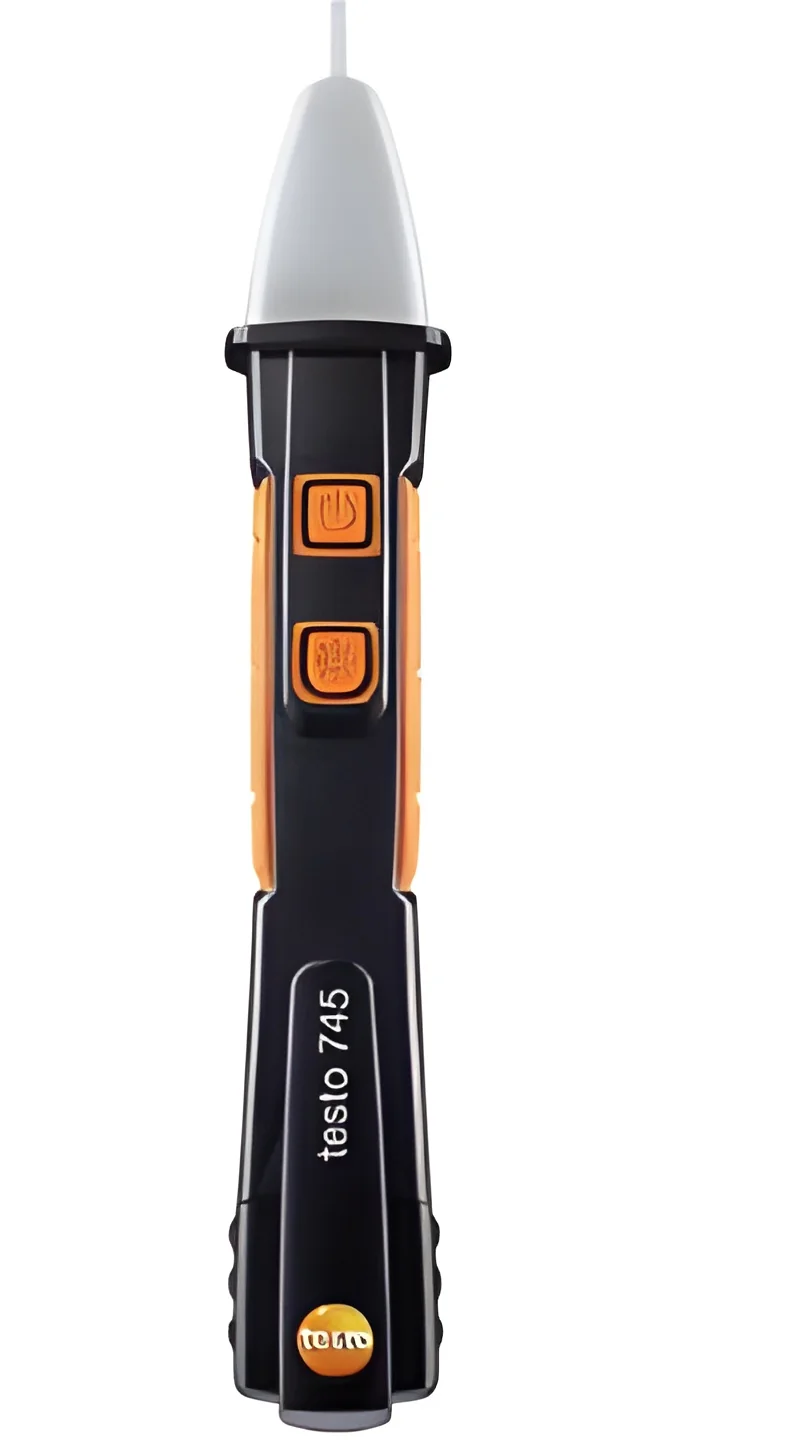
Non-Contact Voltage Tester
This variant allows users to detect voltage without direct contact with electrical conductors. It is ideal for quick and safe checks, especially in high-voltage environments. The device typically features a built-in flashlight for visibility.
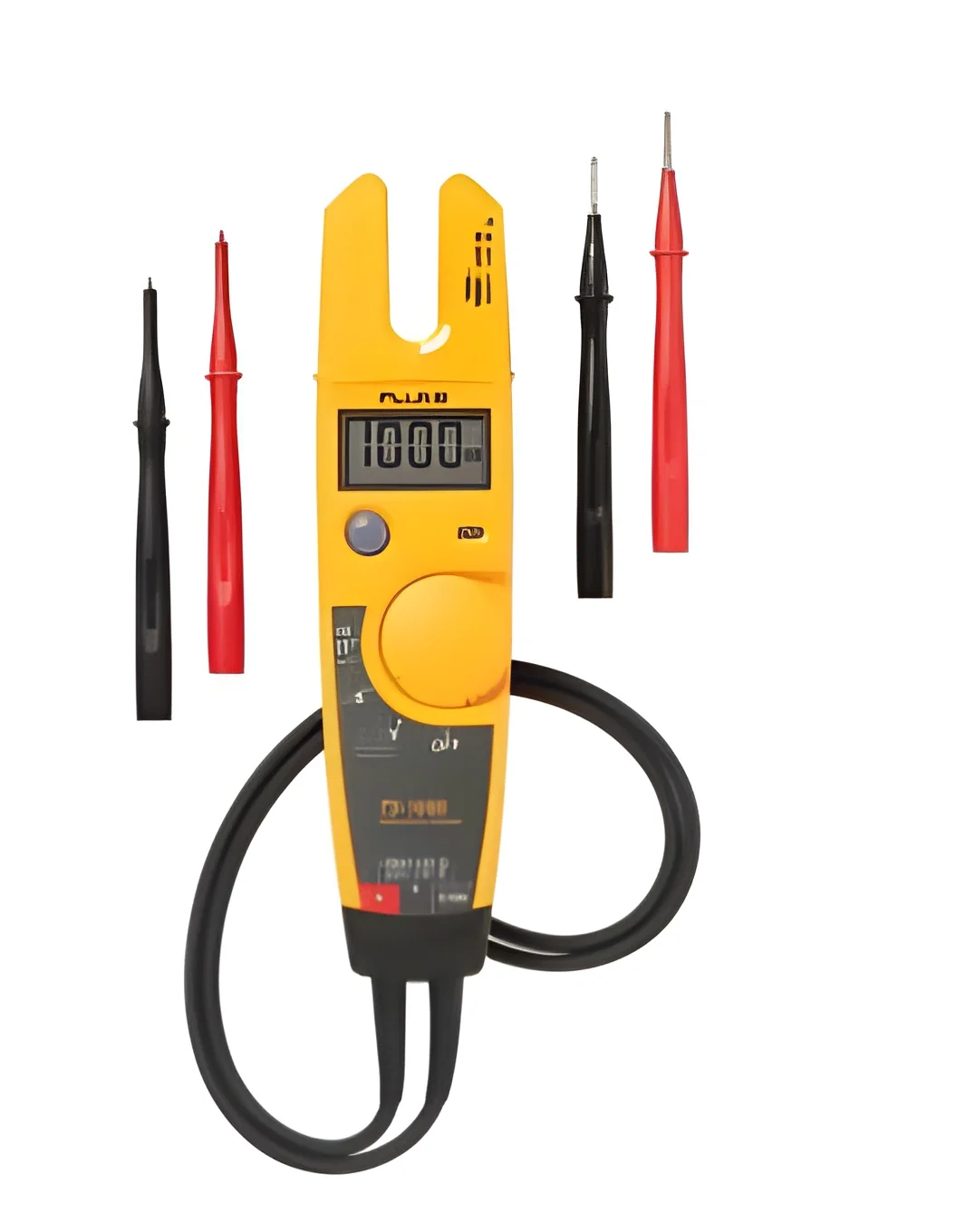
Digital Multimeter
A digital multimeter serves multiple functions, including voltage measurement, current measurement, and resistance testing. It is a versatile tool suitable for detailed diagnostics in various electrical applications.
Analog Voltage Tester
Analog testers use a needle gauge to display voltage levels. While they are less common in modern applications, they are still used for specific tasks where visual tracking of voltage changes is needed.
Benefits and Advantages
Voltage testers provide numerous benefits that enhance safety and efficiency in electrical work.
1. Enhanced Safety: Voltage testers help prevent electrical accidents by allowing users to verify the presence of voltage before working on circuits.
2. Improved Accuracy: Many modern testers provide precise voltage readings, ensuring accurate assessments of electrical systems.
3. Versatility: Voltage testers can be used in various applications and industries, making them valuable tools for professionals across different fields.
4. Easy to Use: Most voltage testers are designed for straightforward operation, allowing quick and effective testing even for less experienced users.
5. Cost-Effective: Investing in a quality voltage tester can save businesses money by reducing electrical failures and associated repair costs.
6. Compliance Assurance: Using voltage testers helps ensure compliance with safety regulations, minimizing the risk of legal issues and penalties.
Buying Guide for B2B Buyers
When sourcing voltage testers, B2B buyers should consider several important factors to ensure they select the best products for their needs.
1. Quality Assessment: It is essential to evaluate the quality of voltage testers by looking for reputable brands and reading reviews. High-quality testers are crucial for safety and reliability.
2. Supplier Verification: Buyers should conduct thorough vetting of suppliers to ensure they are trustworthy and provide quality products. Checking for certifications and customer feedback can help in this process.
3. Pricing and MOQ: Understanding pricing structures and minimum order quantities (MOQ) can help buyers find competitive rates. It is advisable to compare multiple suppliers to get the best deal.
4. Delivery and Lead Times: Buyers need to consider delivery times and logistics. Ensuring timely delivery is critical to avoid project delays.
5. Compliance Requirements: Familiarity with relevant compliance and safety standards is important. Buyers should ensure that the voltage testers meet industry regulations.
Compliance and Certifications
Voltage testers must adhere to various compliance standards and certifications to ensure safety and performance. Relevant quality standards like ISO 9001 demonstrate a commitment to quality management processes. Certifications such as CE signify that the products meet European safety requirements.
Safety and testing requirements are crucial, particularly in high-risk environments. Voltage testers should meet industry-specific safety standards to protect users from electrical hazards.
Regional compliance considerations may vary, so it is essential for businesses to understand the regulations applicable in their specific locations. Ensuring that voltage testers adhere to local and international standards can prevent legal issues and ensure safe operation.
Why Source Voltage Testers from Pepagora?
Pepagora provides a trusted platform for sourcing voltage testers, offering several key advantages for B2B buyers.
Verified Supplier Network: Pepagora features a network of verified suppliers, ensuring that buyers have access to high-quality products. This verification process minimizes the risk associated with purchasing from unreliable sources.
Streamlined RFQ Process: The platform offers a streamlined request for quotation (RFQ) process, making it easy for buyers to obtain competitive quotes from multiple suppliers. This efficiency saves time and effort in sourcing.
Trade Assurance and Support: Pepagora provides trade assurance and support, protecting buyers against potential issues in transactions. This added layer of security fosters trust in the purchasing process.
Regional Coverage: With a strong presence in regions such as India, GCC, and Southeast Asia, Pepagora is well-positioned to meet the needs of buyers across various markets. This regional coverage ensures that buyers can find voltage testers that suit their specific requirements.

 IN
IN


 India
India