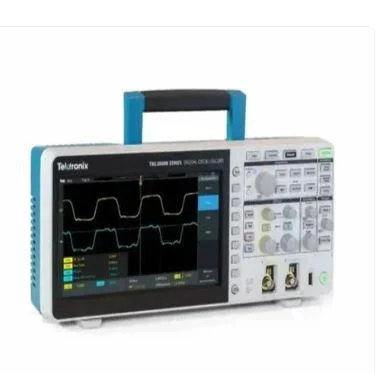
What are Oscilloscopes?
Oscilloscopes are electronic testing devices that visualize and analyze electrical signals in a graphical format. They display voltage waveforms as a function of time, allowing engineers and technicians to observe the behavior of signals in real time. With the ability to capture fast-changing signals, oscilloscopes are essential tools in various fields such as electronics, telecommunications, and automotive testing.
Oscilloscopes find primary uses in troubleshooting, design validation, and performance analysis. They enable professionals to monitor signal integrity, measure voltage levels, and identify anomalies in waveforms. Businesses leverage oscilloscopes for applications ranging from product development in laboratories to quality assurance on manufacturing floors. The rise of advanced technologies, such as the Internet of Things, has further increased the demand for high-performance oscilloscopes across industries.
In the current market context, oscilloscopes play a pivotal role in research and development. As technology evolves, the need for more precise and capable measurement tools grows. Manufacturers continuously innovate to meet this demand, leading to a diverse range of products tailored to specific applications and industries.
Key Features and Specifications
Oscilloscopes come equipped with various key features that enhance their functionality. Understanding these specifications is crucial for selecting the right model for specific applications. Below are essential specifications to consider when evaluating oscilloscopes:
1. Bandwidth
- Determines the range of frequencies the oscilloscope can accurately measure.
- Common bandwidths range from 20 MHz to over 1 GHz.
2. Sample Rate
- Indicates how frequently the oscilloscope samples the input signal.
- Typical sample rates can vary from 1 GS/s (Giga-samples per second) to over 10 GS/s.
3. Channels
- Refers to the number of input signals the oscilloscope can monitor simultaneously.
- Options typically include 1, 2, or more channels for multi-signal analysis.
4. Memory Depth
- Defines how much data the oscilloscope can store for each acquisition.
- Memory depth ranges from a few thousand points to several million points.
5. Triggering Options
- Provides various methods to stabilize and capture waveforms.
- Includes edge, pulse width, and serial data triggering capabilities.
6. Display Size and Resolution
- Affects visibility and detail when observing waveforms.
- Larger displays with higher resolution provide clearer insights.
7. Portable vs. Bench Models
- Portable models are designed for field use, while bench models are suited for laboratory environments.
- Each type offers different features tailored to specific use cases.
8. Software Integration
- Many oscilloscopes come with software for data analysis and visualization.
- Compatibility with third-party applications can enhance functionality.
In summary, selecting the right oscilloscope involves considering these key specifications to ensure it meets the specific needs of your applications.
Common Applications and Use Cases
Oscilloscopes are utilized across various industries and applications, providing essential insights into electrical signals.
1. Electronics Manufacturing: In this sector, oscilloscopes are used to test and validate circuit boards, ensuring proper functionality and quality control.
2. Telecommunications: Engineers use oscilloscopes to analyze signal integrity and troubleshoot communication systems, which is critical for maintaining network performance.
3. Automotive Testing: Oscilloscopes help in diagnosing issues with vehicle electronic systems, including engine management and safety features.
4. Research and Development: In R&D laboratories, oscilloscopes are essential for prototyping and testing new electronic devices and systems.
5. Education and Training: Oscilloscopes serve as an important educational tool in engineering programs, helping students understand signal behavior.
6. Industrial Automation: Used for monitoring control systems, oscilloscopes help diagnose and troubleshoot automation equipment in manufacturing processes.
7. Medical Devices: Oscilloscopes support the development and testing of medical electronics, ensuring accurate signal measurement for patient monitoring systems.
Product Variants and Subcategories
Oscilloscopes come in a variety of models to suit different applications and user needs.
Digital Oscilloscopes
These are the most common type used in modern applications, offering advanced features like digital signal processing and extensive memory depth. They are ideal for capturing complex waveforms.
Mixed Signal Oscilloscopes (MSO)
MSOs combine the functionalities of analog and digital oscilloscopes, allowing users to analyze both analog signals and digital data streams simultaneously. They are particularly useful in embedded systems development.
Portable Oscilloscopes
Designed for fieldwork, portable oscilloscopes are lightweight and battery-operated. They are perfect for technicians who need to perform measurements away from a lab environment.
Benefits and Advantages
Choosing oscilloscopes offers several benefits that enhance testing and analysis capabilities.
1. Enhanced Signal Analysis: Oscilloscopes provide detailed visualizations of waveforms, enabling precise analysis of electrical signals.
2. Real-Time Monitoring: Users can observe and capture signal behavior in real time, making it easier to troubleshoot and validate designs.
3. Versatile Applications: The flexibility of oscilloscopes allows them to be used in various industries, from electronics to automotive testing.
4. Improved Efficiency: Advanced triggering and measurement features streamline the testing process, saving time during development and troubleshooting.
5. Data Storage and Export: Many oscilloscopes offer data storage and export capabilities, allowing for further analysis and documentation.
6. User-Friendly Interfaces: Modern oscilloscopes typically feature intuitive interfaces and touch screens, making them easier to operate even for novice users.
Buying Guide for B2B Buyers
When sourcing oscilloscopes, it is essential for buyers to consider several key factors to ensure they make informed purchasing decisions.
1. Quality Assessment: Evaluate the build quality and reliability of the oscilloscope. Look for manufacturers with a reputation for producing durable equipment that meets industry standards.
2. Supplier Verification: Vet suppliers to ensure they are reputable and provide quality products. Check for customer reviews and industry certifications to confirm their credibility.
3. Pricing and MOQ: Understand the pricing structure and minimum order quantity (MOQ) requirements. Compare prices among different suppliers to ensure competitive rates.
4. Delivery and Lead Times: Consider the logistics involved in acquiring oscilloscopes. Assess lead times and delivery options to ensure timely availability for your projects.
5. Compliance Requirements: Ensure the oscilloscope meets relevant regulatory and safety standards. Check for certifications like CE and any local compliance requirements specific to your region.
Compliance and Certifications
Compliance with industry standards is crucial for ensuring quality and safety in oscilloscopes. Key standards include ISO 9001, which establishes quality management systems, and CE marking, indicating conformity with health, safety, and environmental protection standards within the European Economic Area.
Oscilloscopes may also need to adhere to specific safety and testing requirements, particularly in medical and automotive applications. It is important for manufacturers to conduct thorough testing to meet these standards.
Regional compliance considerations are also vital. Depending on the market, there may be different regulatory bodies that impose various requirements. Buyers should be aware of these factors to ensure they are sourcing compliant products.
Why Source Oscilloscopes from Pepagora?
Pepagora provides a trusted platform for sourcing oscilloscopes with several key advantages for B2B buyers.
Verified Supplier Network: Pepagora connects buyers with a network of verified suppliers. Each supplier undergoes rigorous verification processes to ensure quality and reliability.
Streamlined RFQ Process: The platform offers a streamlined request for quotation (RFQ) process, allowing buyers to efficiently compare prices and features from multiple suppliers.
Trade Assurance and Support: Pepagora offers buyer protection through trade assurance, ensuring that transactions are secure and that buyers receive the products as promised.
Regional Coverage: With a focus on markets such as India, GCC, and Southeast Asia, Pepagora provides geographic reach that facilitates sourcing for businesses across these regions. This ensures accessibility to a wide range of products and suppliers.

 IN
IN