๐ช๐ต๐ฎ๐ ๐ฎ๐ฟ๐ฒ ๐ฆ๐ถ๐ด๐ป๐ฎ๐น ๐๐ฒ๐ป๐ฒ๐ฟ๐ฎ๐๐ผ๐ฟ๐?
Signal generators are electronic devices that produce repetitive electronic signals, often in the form of sine, square, or triangular waves. These signals are essential for testing, troubleshooting, and designing electronic circuits and systems. By generating signals of various frequencies and amplitudes, signal generators allow engineers and technicians to simulate real-world conditions in a controlled environment.
These devices are widely used in various industries, including telecommunications, aerospace, automotive, and electronics manufacturing. They are crucial for applications such as testing radio frequency (RF) equipment, calibrating instruments, and performing research and development tasks. As industries continue to evolve, the demand for precise and reliable signal generation has grown, making these devices increasingly relevant in market contexts where technological advancement is paramount.
๐๐ฒ๐ ๐๐ฒ๐ฎ๐๐๐ฟ๐ฒ๐ ๐ฎ๐ป๐ฑ ๐ฆ๐ฝ๐ฒ๐ฐ๐ถ๐ณ๐ถ๐ฐ๐ฎ๐๐ถ๐ผ๐ป๐
Signal generators come equipped with a variety of features and specifications that cater to the needs of different applications. Understanding these specifications is essential for selecting the right device for your requirements.
Key specifications include:
1. Frequency Range
- The operational frequency range of the generator.
- Common ranges include RF (from kHz to GHz) and audio frequencies (from Hz to kHz).
2. Output Waveform Types
- The types of waveforms the generator can produce, such as sine, square, triangle, and pulse.
- Each waveform serves specific testing needs in different applications.
3. Amplitude Control
- The ability to adjust the output signal's amplitude.
- Amplitude may range from millivolts to several volts, depending on the application.
4. Modulation Capabilities
- Support for various modulation techniques like AM, FM, and PM.
- Essential for simulating real-world communication signals.
5. Harmonic Distortion
- The level of distortion present in the output signal.
- Lower distortion values are crucial for high-fidelity applications.
6. Phase Noise
- A measure of the stability of the frequency output.
- Lower phase noise is important for applications like radar and communication systems.
7. Connectivity Options
- Types of outputs available, such as coaxial, BNC connectors, or others.
- Ensures compatibility with various testing equipment.
8. Power Supply Requirements
- The necessary power supply specifications, such as voltage and current ratings.
- Helps ensure the generator operates efficiently in different environments.
In summary, the right signal generator will have specifications tailored to the specific testing or operational requirements of your business.
๐๐ผ๐บ๐บ๐ผ๐ป ๐๐ฝ๐ฝ๐น๐ถ๐ฐ๐ฎ๐๐ถ๐ผ๐ป๐ ๐ฎ๐ป๐ฑ ๐จ๐๐ฒ ๐๐ฎ๐๐ฒ๐
Signal generators find a range of applications across various industries, showcasing their versatility.
1. Telecommunications: In telecommunications, signal generators are used to test and calibrate communication systems, ensuring accurate signal transmission and reception.
2. Aerospace: Signal generators play a crucial role in aerospace applications, where they are used for testing radar and communication equipment.
3. Automotive: In the automotive industry, these devices are employed to test electronic control units (ECUs) and other electronic components for functionality and performance.
4. Electronics Manufacturing: Signal generators are essential in manufacturing processes for testing circuit boards and components, ensuring quality control.
5. Research and Development: In R&D, engineers use signal generators to simulate different conditions and validate new designs and prototypes.
๐ฃ๐ฟ๐ผ๐ฑ๐๐ฐ๐ ๐ฉ๐ฎ๐ฟ๐ถ๐ฎ๐ป๐๐ ๐ฎ๐ป๐ฑ ๐ฆ๐๐ฏ๐ฐ๐ฎ๐๐ฒ๐ด๐ผ๐ฟ๐ถ๐ฒ๐
Signal generators come in various forms, each designed to meet specific needs and applications.
Portable Signal Generators: These compact devices are ideal for field testing. They offer flexibility and ease of use, making them popular among technicians who require mobility.
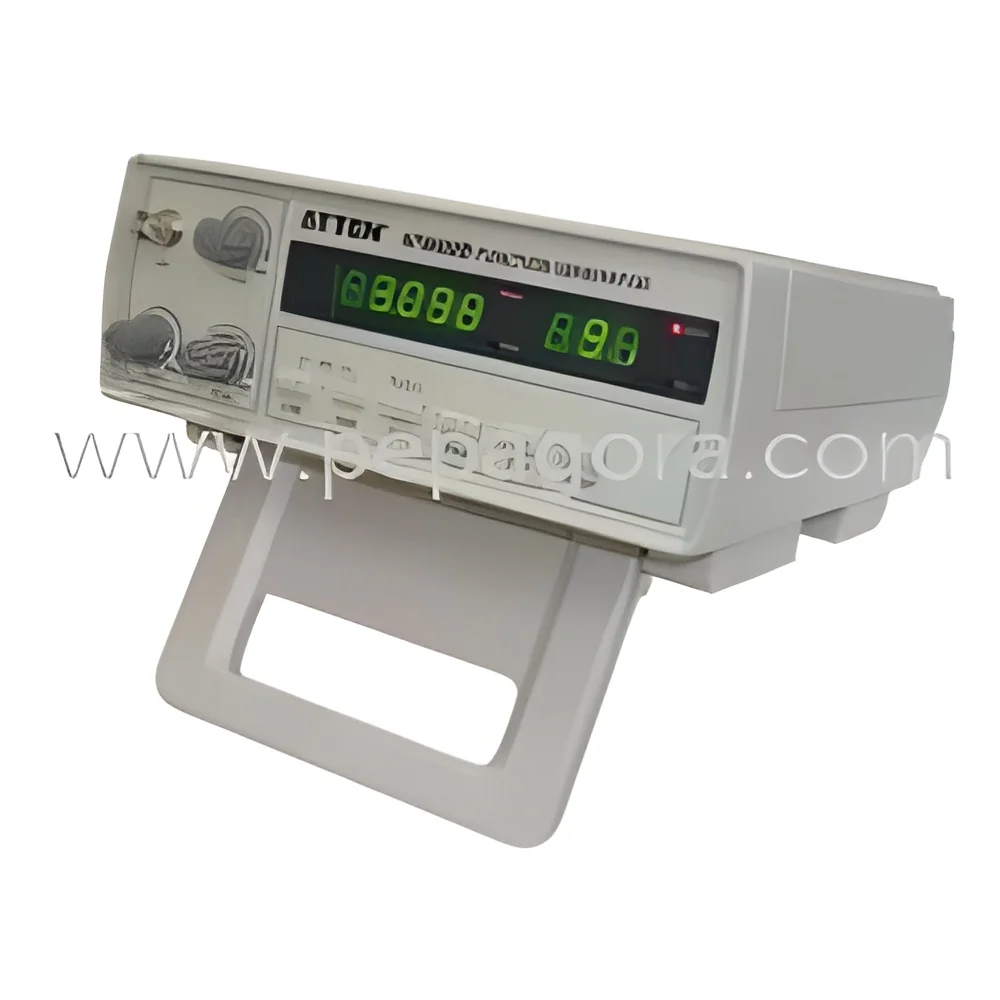
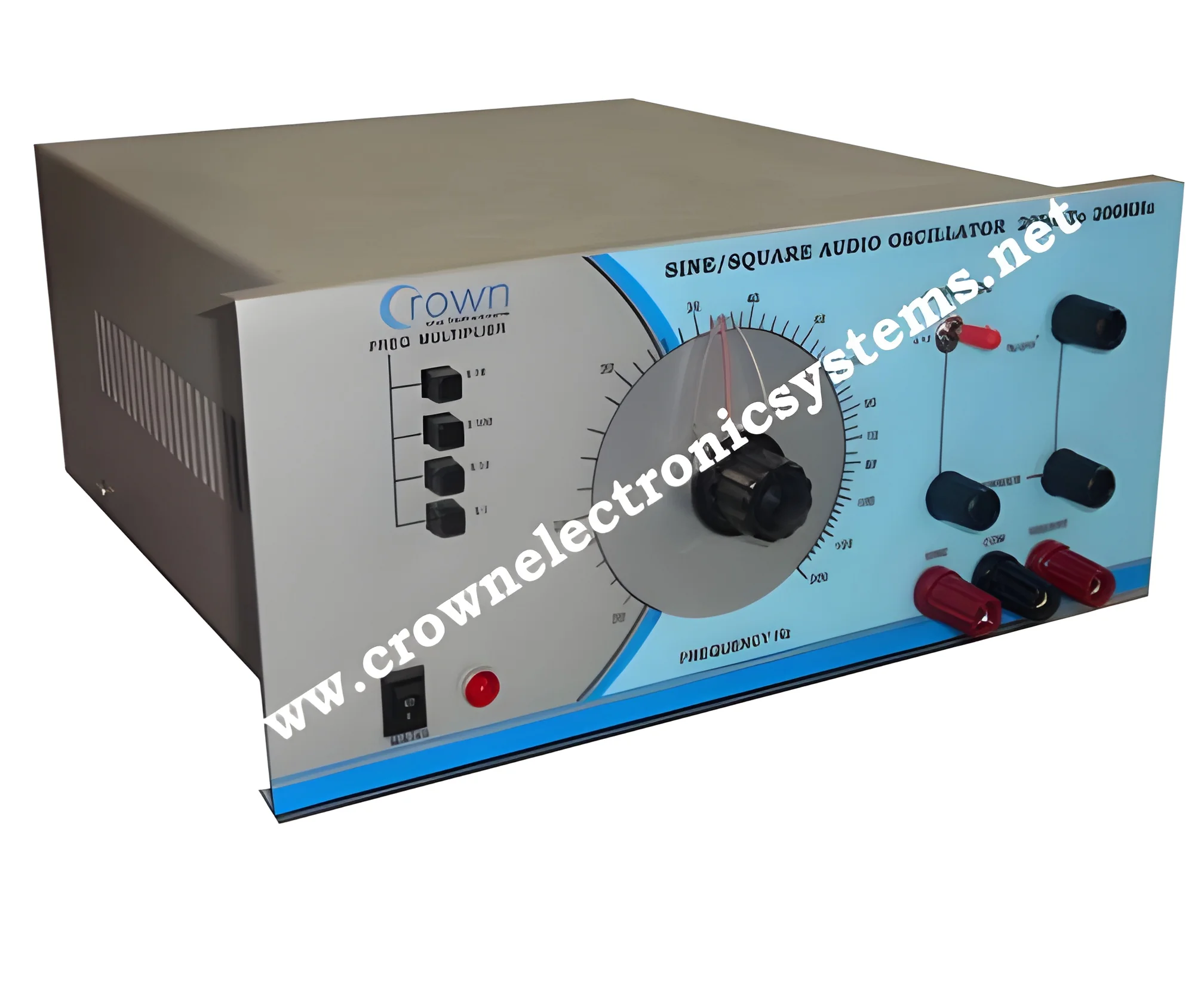
Benchtop Signal Generators: Typically larger, these generators provide more extensive features and higher performance levels. They are suitable for laboratory environments where precision and reliability are paramount.
Vector Signal Generators: Designed for advanced applications, these generators can produce complex modulation schemes. They are widely used in the development of wireless communication systems.
๐๐ฒ๐ป๐ฒ๐ณ๐ถ๐๐ ๐ฎ๐ป๐ฑ ๐๐ฑ๐๐ฎ๐ป๐๐ฎ๐ด๐ฒ๐
Signal generators offer numerous benefits that enhance testing and development processes.
1. Precision Testing: With accurate signal generation, businesses can ensure that their systems meet stringent performance standards.
2. Versatility: Signal generators can produce various waveforms and modulation types, making them suitable for diverse applications across multiple industries.
3. Cost-Effectiveness: By allowing for thorough testing and troubleshooting, signal generators help reduce production costs and minimize errors.
4. Enhanced R&D: Their ability to simulate real-world conditions accelerates the research and development process, leading to faster innovation.
5. Improved Quality Control: Regular testing with signal generators ensures that products meet quality standards, enhancing overall reliability.
๐๐๐๐ถ๐ป๐ด ๐๐๐ถ๐ฑ๐ฒ ๐ณ๐ผ๐ฟ ๐๐ฎ๐ ๐๐๐๐ฒ๐ฟ๐
When sourcing signal generators, several factors must be considered to ensure the right choice for your business.
1. Quality Assessment: Look for signal generators that adhere to high-quality standards. Consider manufacturers with a proven track record and positive customer feedback.
2. Supplier Verification: Vet potential suppliers by checking their credentials, certifications, and industry reputation. This ensures reliability in product sourcing.
3. Pricing and MOQ: Understand the pricing models and minimum order quantities associated with different suppliers. This helps in budgeting and negotiating terms.
4. Delivery and Lead Times: Evaluate the suppliers' logistics capabilities to ensure timely delivery of products, which is essential for maintaining production schedules.
5. Compliance Requirements: Ensure the signal generators meet all regulatory and safety standards pertinent to your industry. Compliance is critical for operational integrity.
๐๐ผ๐บ๐ฝ๐น๐ถ๐ฎ๐ป๐ฐ๐ฒ ๐ฎ๐ป๐ฑ ๐๐ฒ๐ฟ๐๐ถ๐ณ๐ถ๐ฐ๐ฎ๐๐ถ๐ผ๐ป๐
Signal generators must adhere to various compliance and certification standards to ensure safety and performance.
Relevant quality standards, such as ISO 9001, help ensure that manufacturers maintain consistent quality in production processes. This standard provides a framework for quality management systems, which is essential in delivering reliable products.
Industry certifications like CE mark indicate that the product meets European Union safety and health requirements. This certification is crucial for businesses looking to operate in compliance with regional regulations.
Safety and testing requirements also play a significant role. Signal generators must undergo rigorous testing to ensure they operate safely under specified conditions, mitigating risks during use.
Finally, regional compliance considerations may vary significantly. It is essential to understand local regulations and certifications required for signal generators in specific markets.
๐ช๐ต๐ ๐ฆ๐ผ๐๐ฟ๐ฐ๐ฒ ๐ฆ๐ถ๐ด๐ป๐ฎ๐น ๐๐ฒ๐ป๐ฒ๐ฟ๐ฎ๐๐ผ๐ฟ๐ ๐ณ๐ฟ๐ผ๐บ ๐ฃ๐ฒ๐ฝ๐ฎ๐ด๐ผ๐ฟ๐ฎ?
Pepagora offers a trusted platform for sourcing signal generators, providing several key advantages to B2B buyers.
Verified Supplier Network: Pepagora has established a comprehensive network of verified suppliers. This ensures that buyers can access quality products from reputable manufacturers, reducing the risk of subpar purchases.
Streamlined RFQ Process: The request for quotation system simplifies the procurement process. Buyers can easily compare quotes from multiple suppliers, allowing for informed decision-making.
Trade Assurance and Support: Pepagora offers buyer protection features that help secure transactions. This support ensures that buyers can confidently source products without concerns about fraud or delivery issues.
Regional Coverage: With a robust presence in India, the GCC, and Southeast Asia, Pepagora provides extensive geographic reach. This allows businesses to access signal generators tailored to their specific regional needs, ensuring compliance and suitability for local markets.