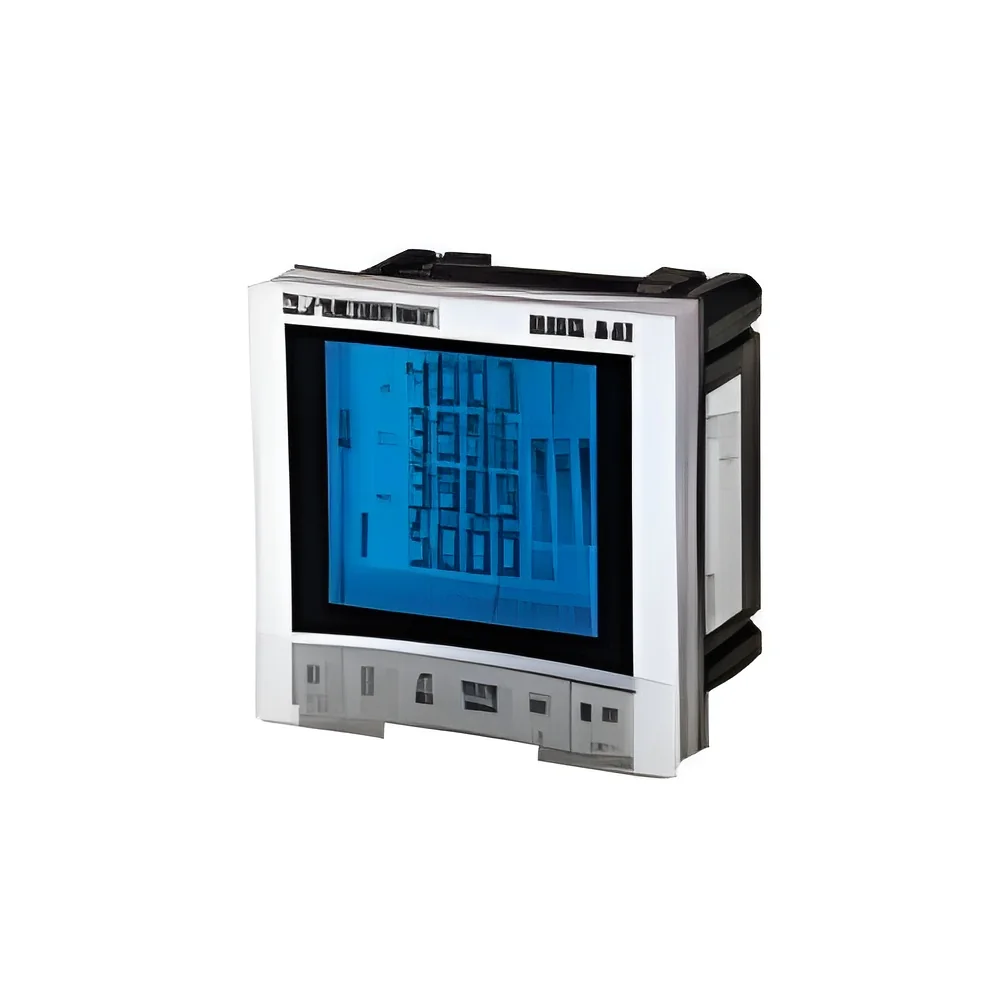
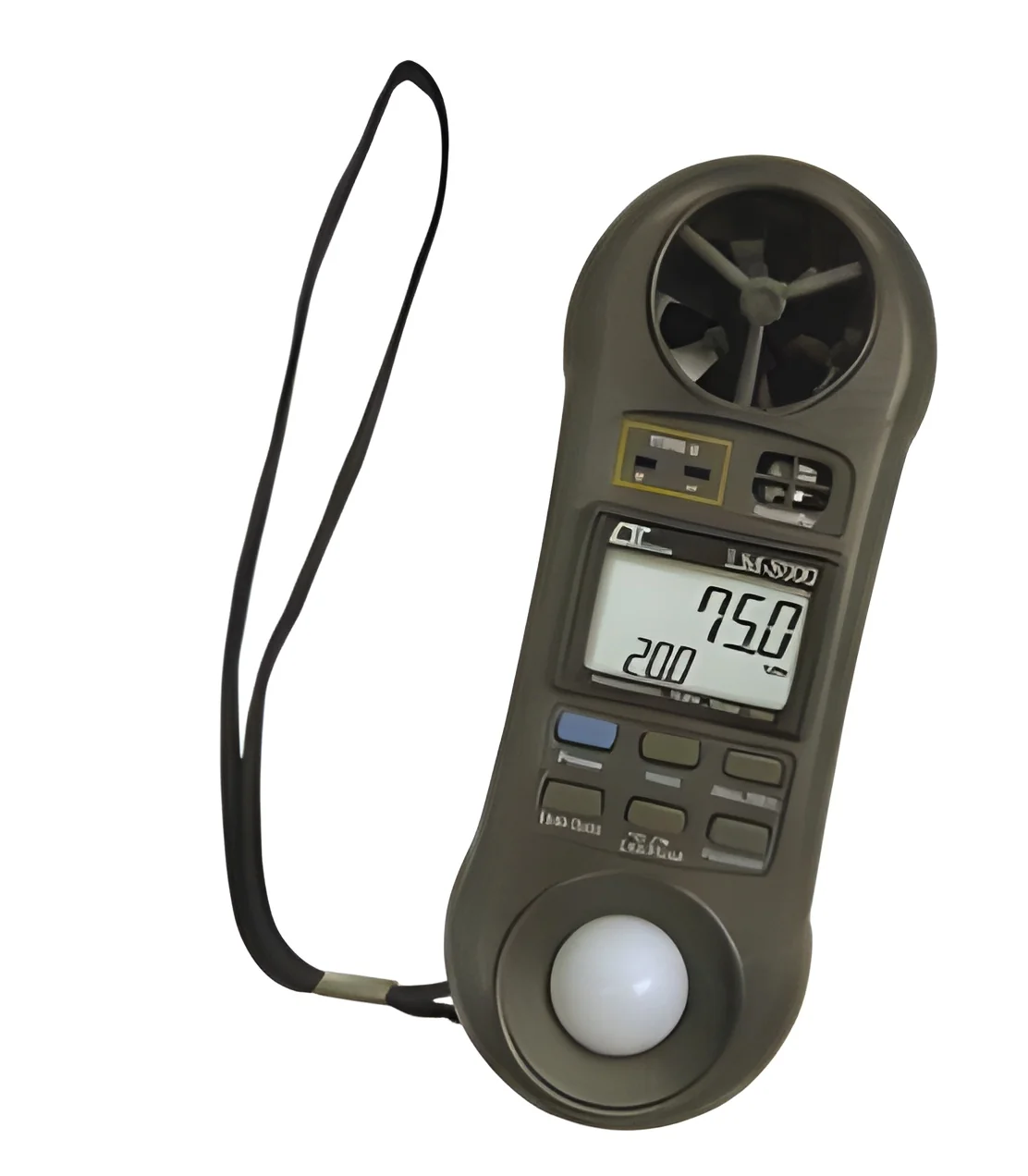
What are Power Meters?
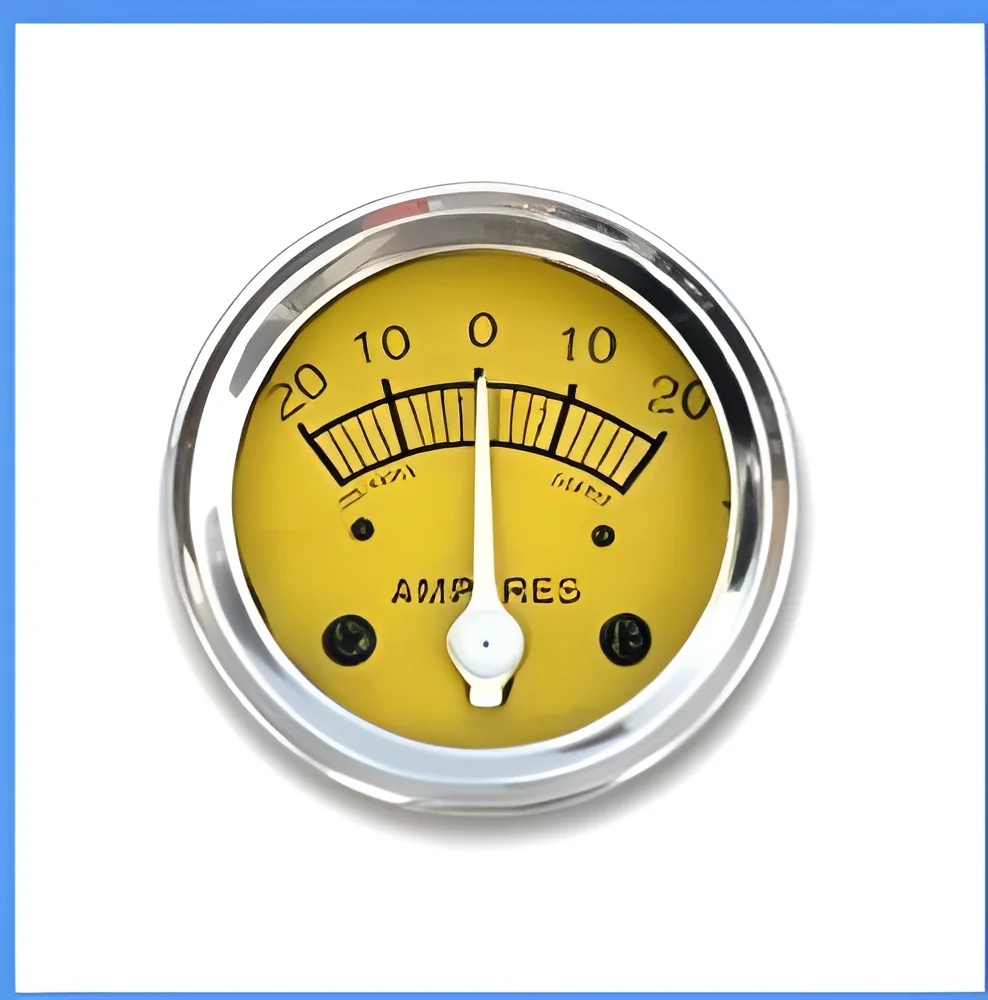
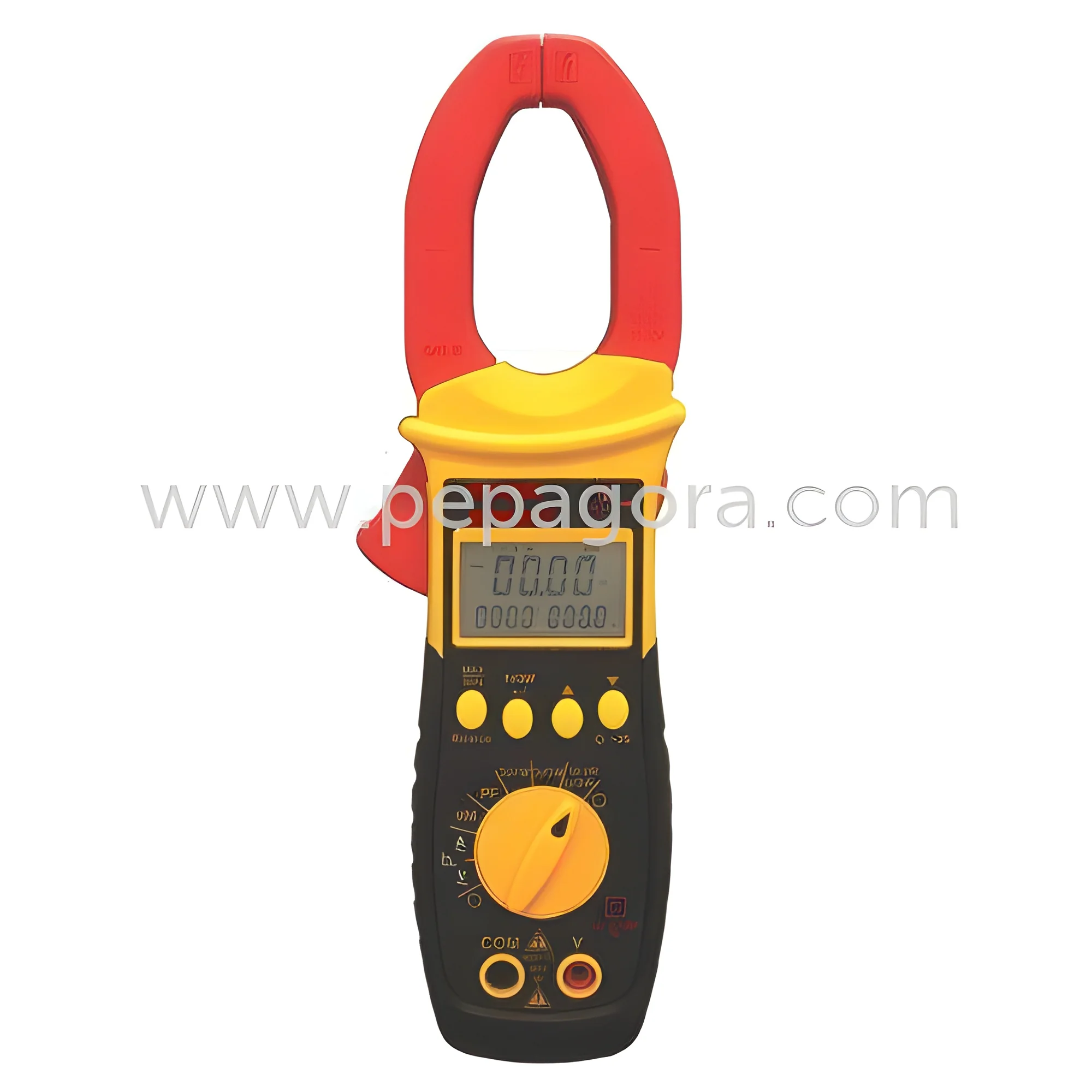
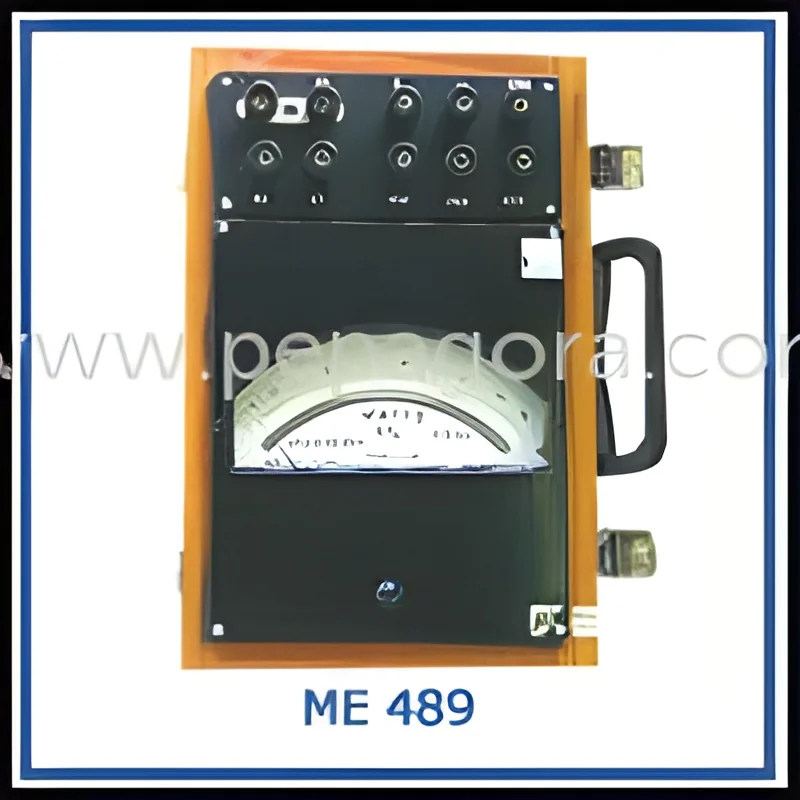
Power meters are devices designed to measure the electrical power flowing through a circuit. They are essential tools used in various industries to monitor and manage energy consumption. Power meters provide real-time data on voltage, current, and energy usage, helping businesses optimize their electrical systems and reduce costs. By analyzing this data, companies can make informed decisions about their energy usage and identify areas for improvement.
Power meters find applications in numerous sectors, including manufacturing, construction, and utilities. They are commonly used to monitor energy efficiency, diagnose electrical issues, and ensure compliance with energy regulations. With the growing emphasis on sustainability and energy management, power meters have become crucial for businesses looking to enhance their operational efficiency and reduce their carbon footprint. The market for power meters is expanding, driven by technological advancements and increased awareness of energy conservation.
Key Features and Specifications
Power meters come equipped with several features and specifications that enhance their functionality and usability. These devices are designed to cater to a variety of industrial requirements, ensuring accurate measurements and reliable performance.
Key specifications include:
1. Measurement Range
- Power meters typically measure voltage and current across a wide range.
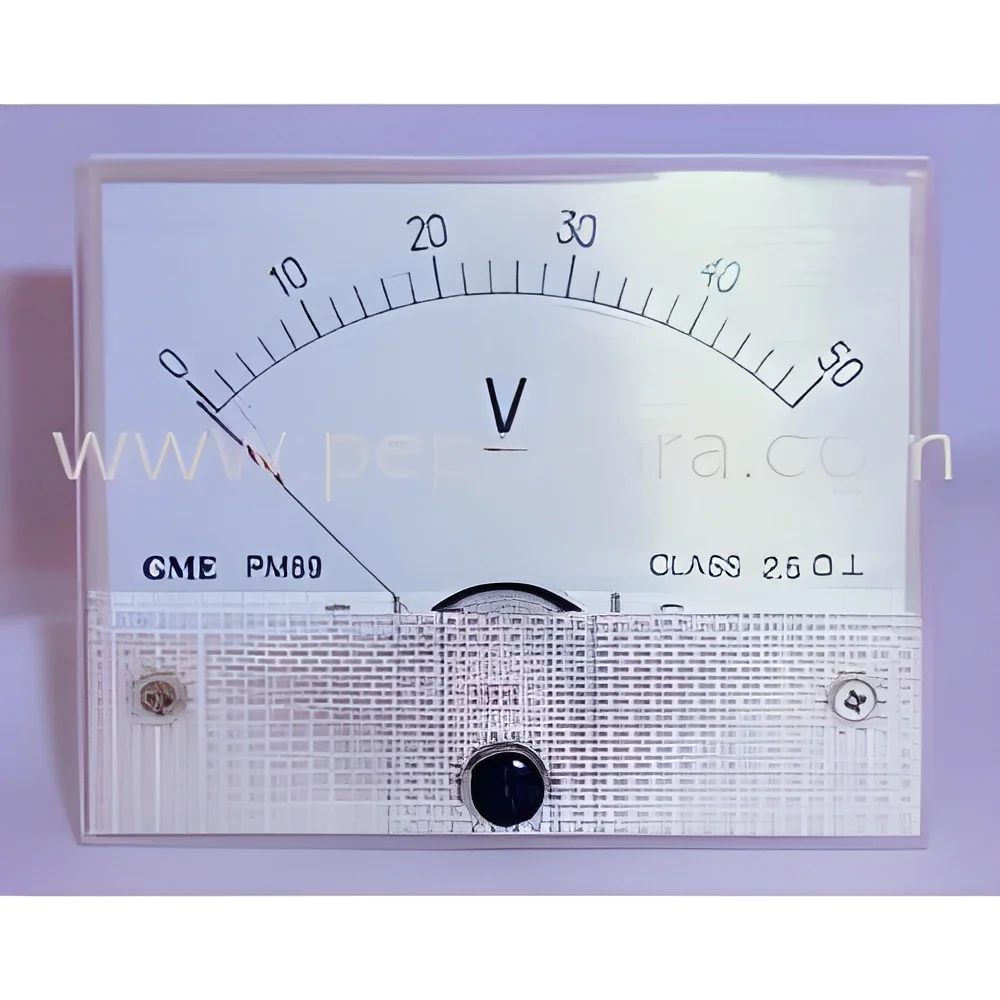
- Common voltage ranges are 0-600V, while current ranges can vary from 0-100A.
2. Accuracy Class
- This specification indicates the precision of the measurements.
- Standard accuracy classes are usually between 0.1% to 1%.
3. Communication Interfaces
- Many power meters feature communication capabilities such as RS-232, RS-485, or Ethernet.
- This facilitates integration with existing systems for data logging and monitoring.
4. Display Type
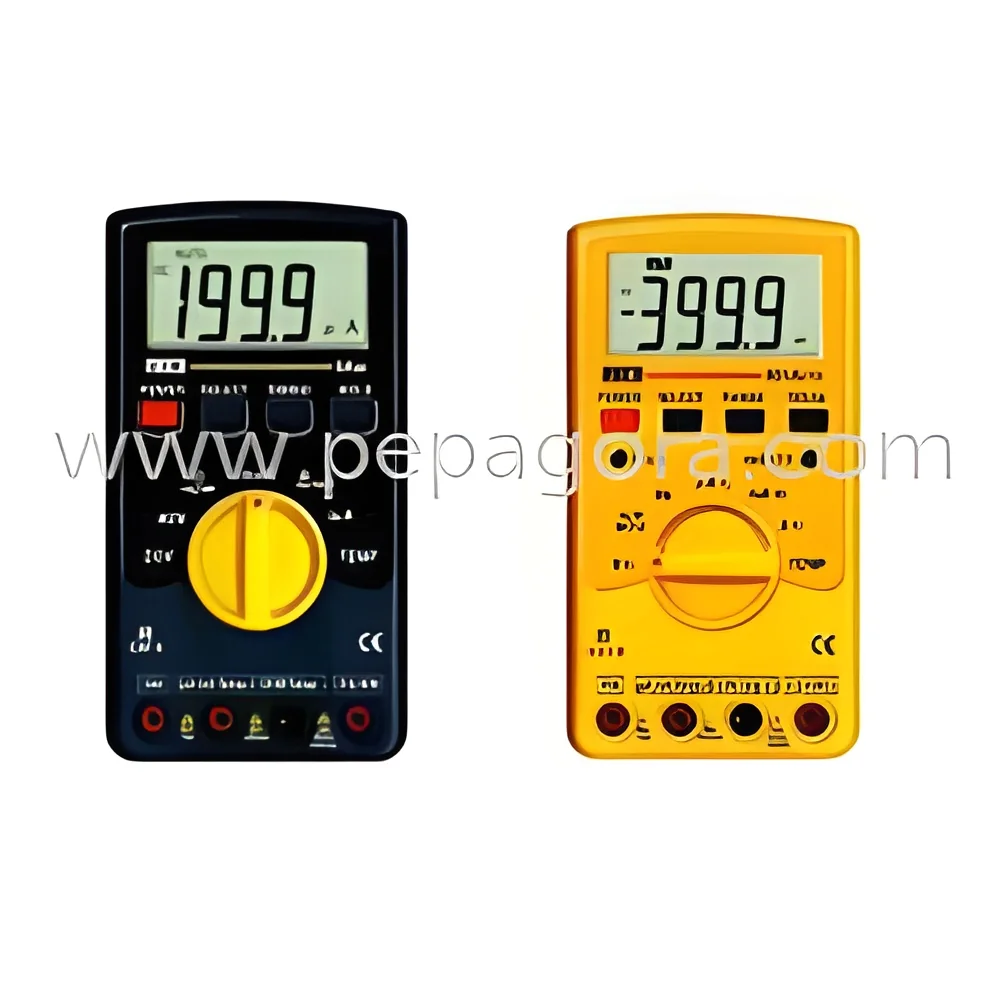
- Power meters may include LCD or LED displays.
- Display features often include backlighting for visibility in low-light conditions.
5. Data Logging
- Some models offer built-in data logging capabilities for historical analysis.
- This can include storing daily, weekly, or monthly energy usage data.
6. Compliance Standards
- Power meters often adhere to industry standards such as IEC and CE certifications.
- Compliance ensures reliable performance and safety.
7. Operating Temperature Range
- Power meters are designed to operate in various temperature conditions, typically between -10°C to 50°C.
- This ensures functionality in diverse environments.
8. Power Supply
- Power meters can be powered through various means, including battery or direct connection to the electrical system.
- This flexibility allows for installation in different settings.
In summary, the features and specifications of power meters ensure they meet the diverse needs of industries while providing accurate, reliable data for energy management.
Common Applications and Use Cases
Power meters are utilized across a wide range of industries, each benefiting from their ability to monitor and manage energy consumption effectively.
1. Manufacturing: In manufacturing facilities, power meters help monitor equipment energy usage, allowing for optimization of machinery and reducing operational costs.
2. Construction: Construction sites use power meters to track energy consumption of tools and equipment, ensuring efficient use of resources and compliance with energy regulations.
3. Utilities: Utility companies leverage power meters to monitor energy distribution, ensuring reliable service and identifying areas for infrastructure improvements.
4. Data Centers: Power meters are critical in data centers for managing power loads and ensuring energy efficiency in server operations.
5. Renewable Energy: In renewable energy installations, power meters track the output from solar panels and wind turbines, helping optimize energy production.
6. HVAC Systems: Power meters in HVAC systems monitor energy consumption, aiding in maintenance and efficiency improvements.
7. Research Institutions: Research facilities utilize power meters to study energy consumption patterns and develop new technologies for energy conservation.
Product Variants and Subcategories
Power meters come in various configurations to meet the specific needs of different applications. Although specific subcategories are not available, the diversity in features allows for tailored solutions.
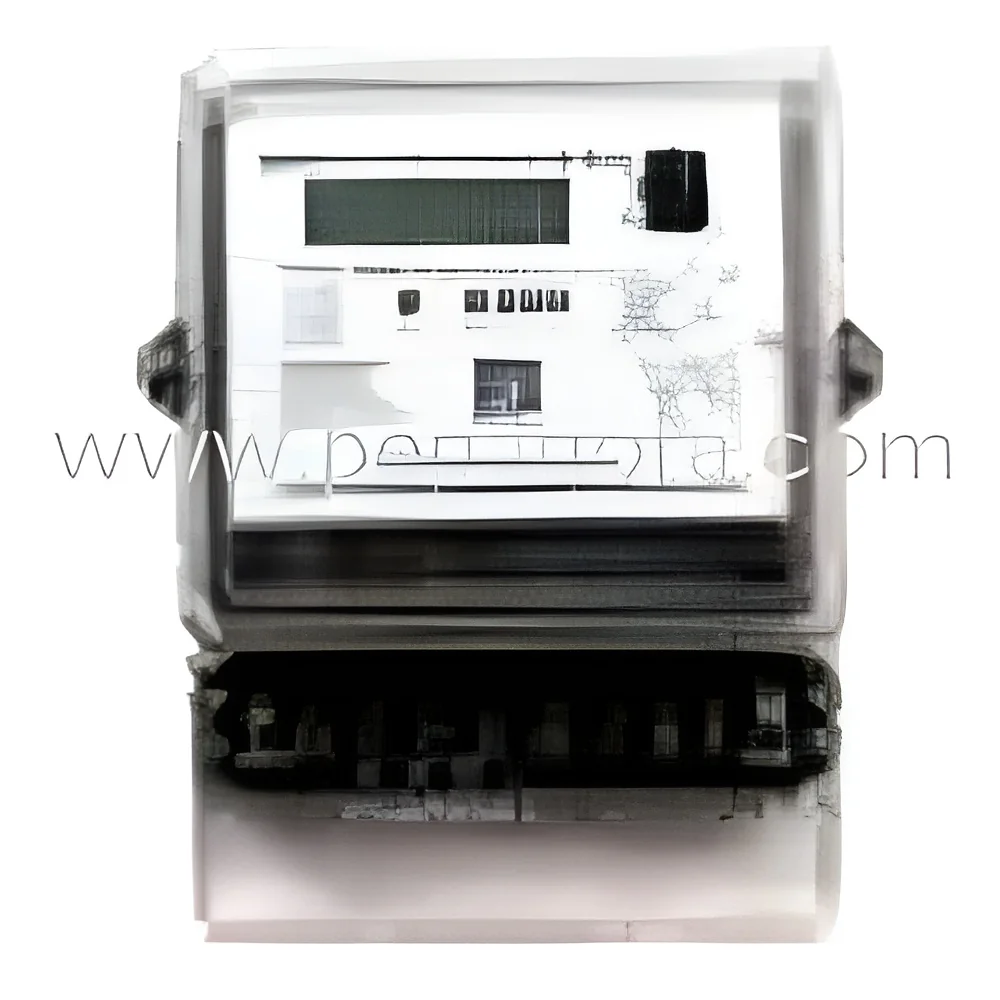
Single-Phase Power Meters: These meters are designed for residential and small commercial applications. They measure energy consumption in single-phase systems and provide essential data for homeowners and small businesses.
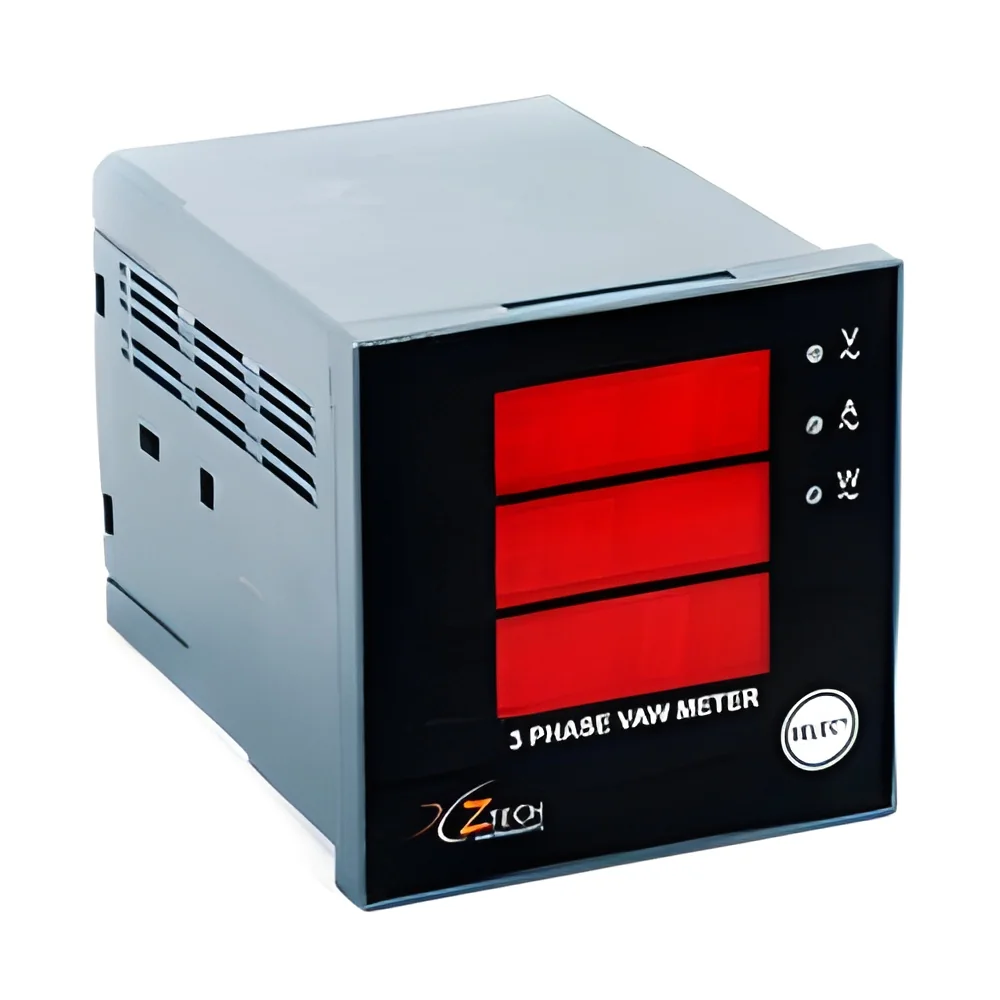
Three-Phase Power Meters: Ideal for industrial and larger commercial use, these meters can monitor energy consumption in three-phase systems. They provide detailed insights into energy usage, enabling better management of electrical loads.
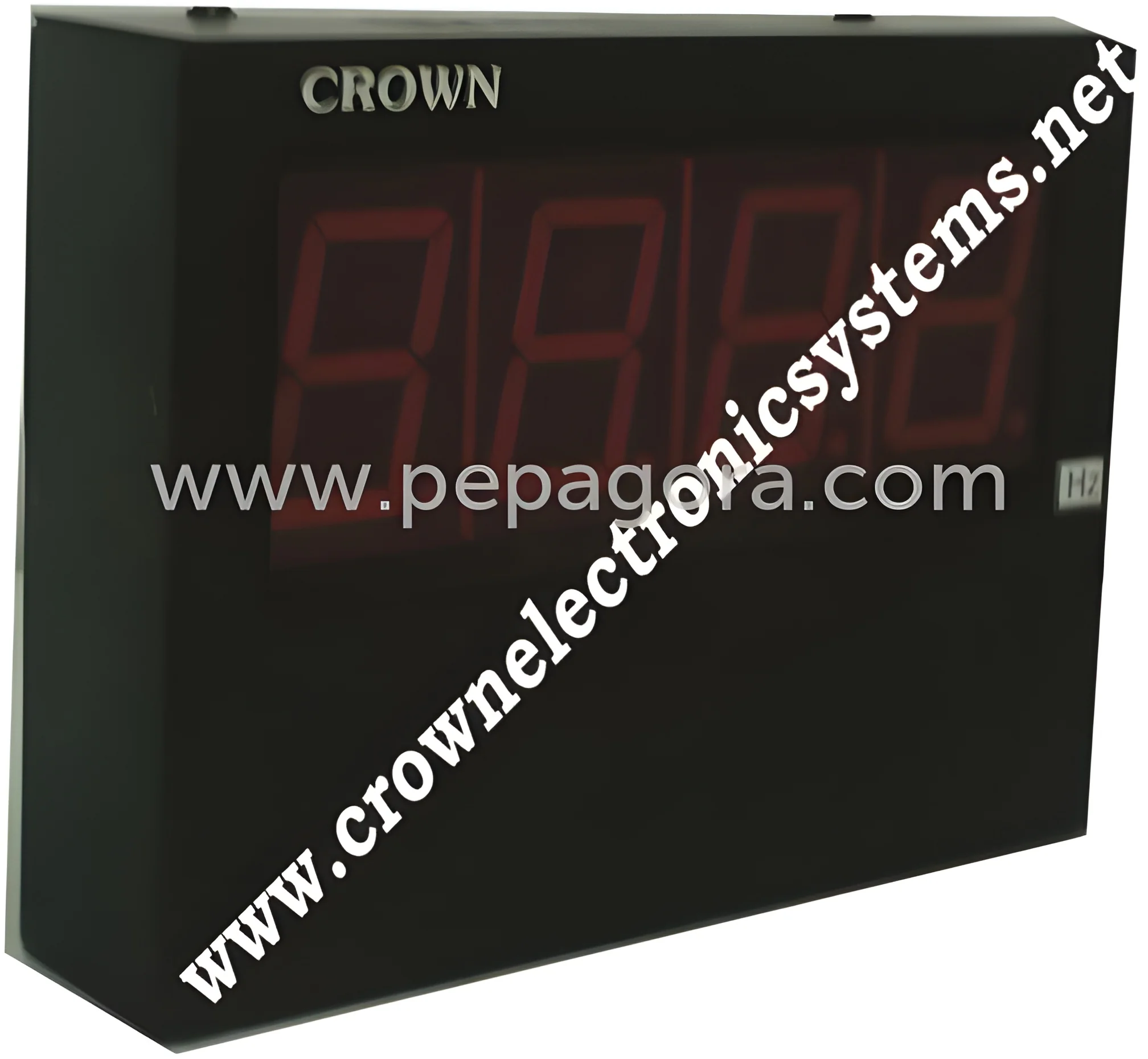
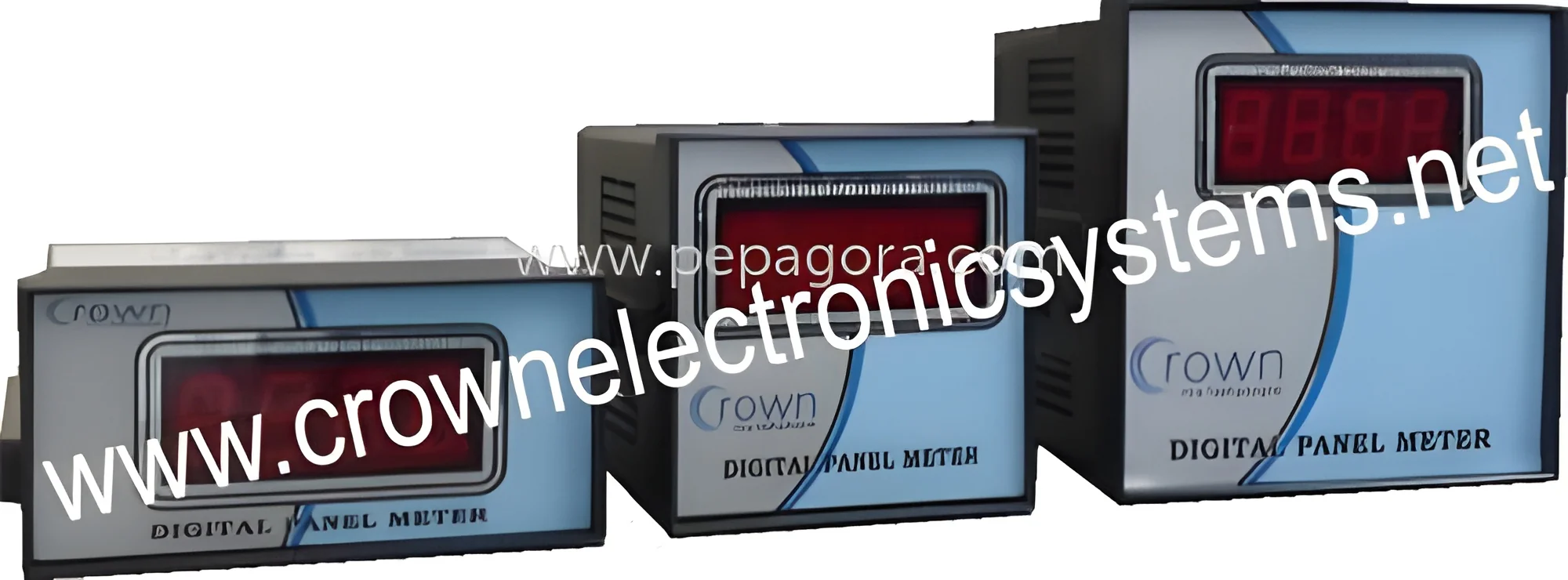
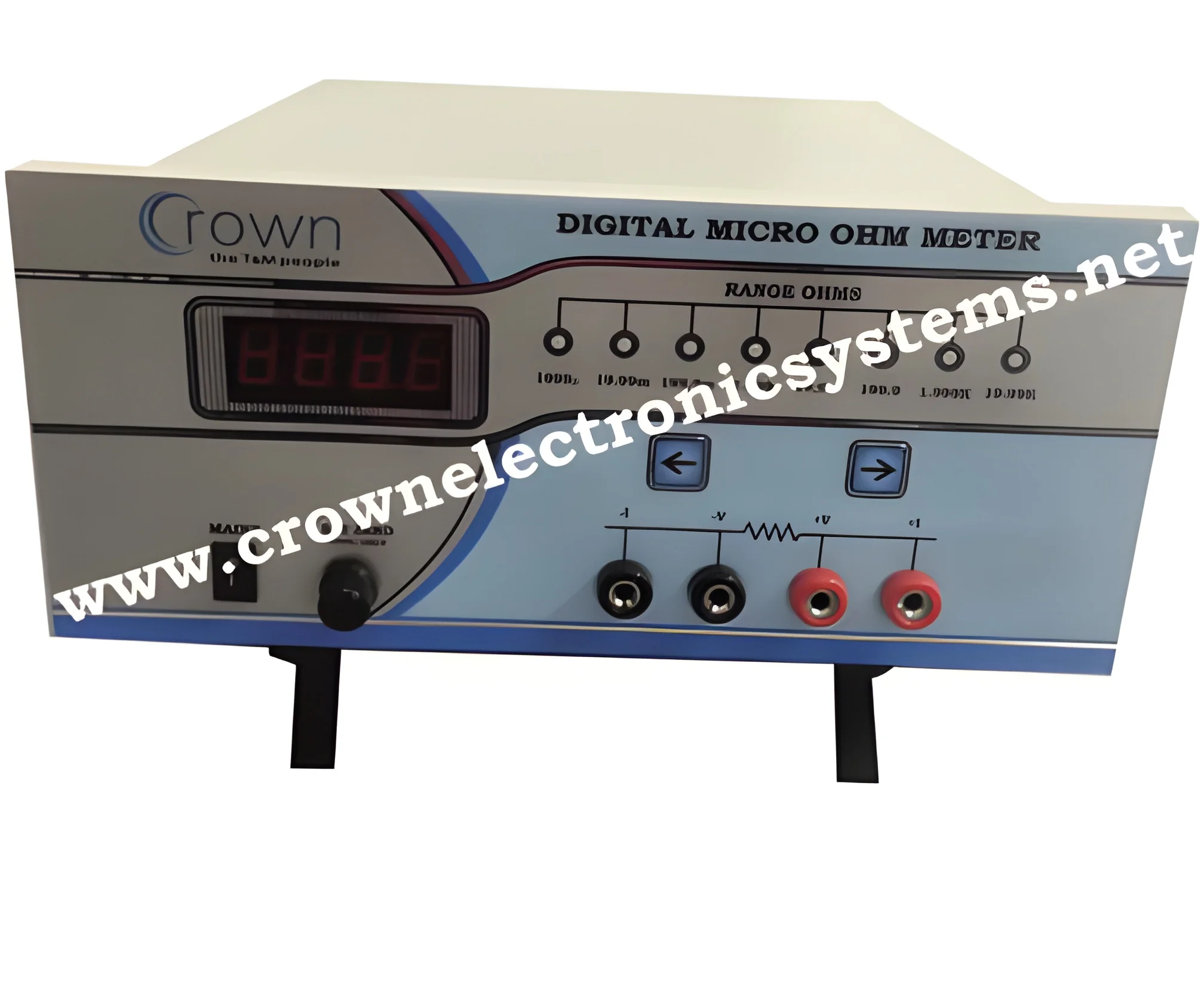
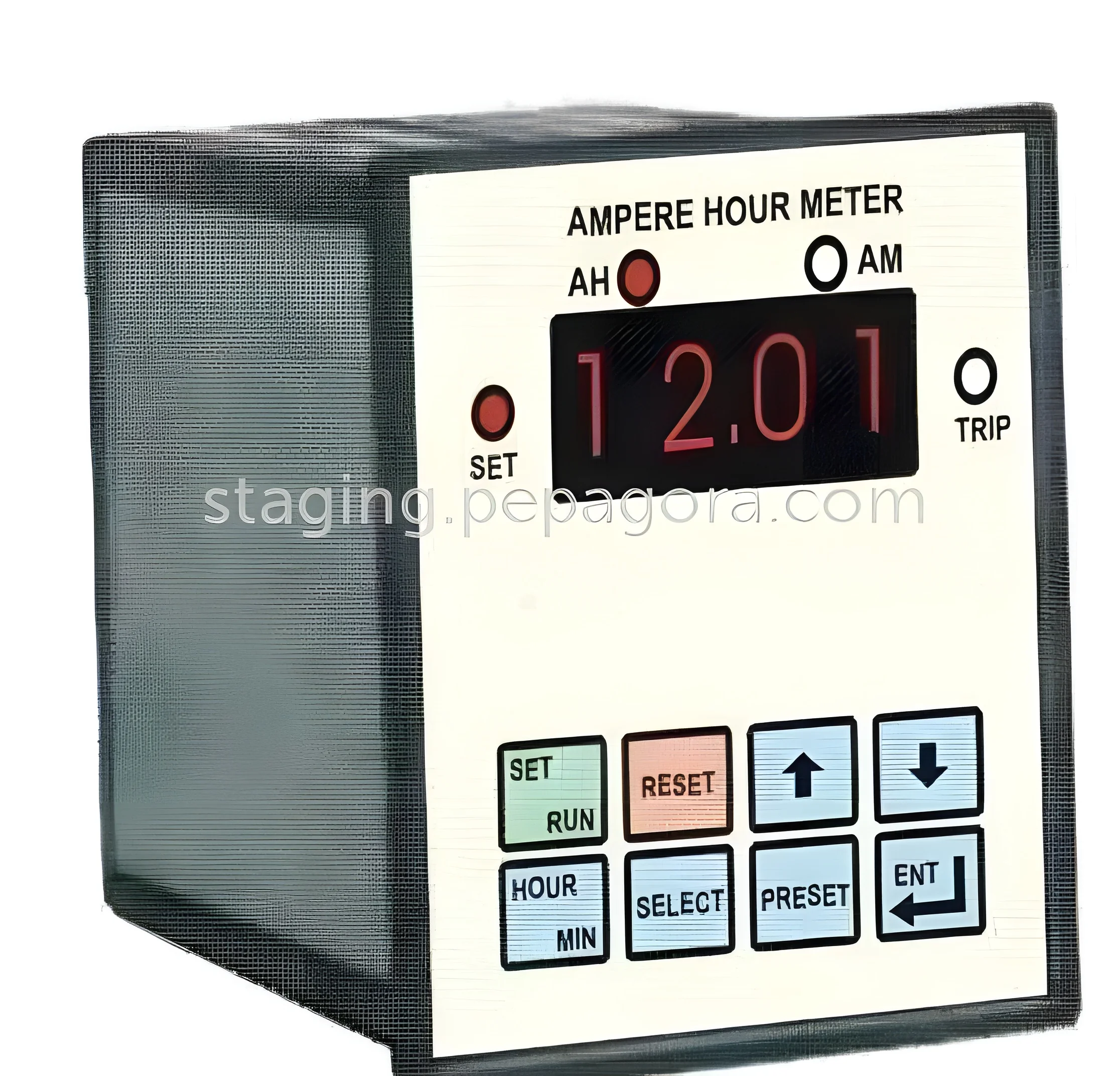
Digital Power Meters: These advanced meters feature digital displays and data logging capabilities. They are commonly used in environments where real-time data analysis is crucial for operational efficiency.
Benefits and Advantages
Power meters offer numerous advantages that enhance energy management and operational performance.
1. Improved Energy Efficiency: By providing real-time data, power meters help businesses identify energy wastage and implement strategies for improvement.
2. Cost Reduction: Monitoring energy usage allows companies to reduce electricity costs by optimizing equipment and processes.
3. Enhanced Compliance: Power meters assist in adhering to energy regulations and standards, ensuring businesses remain compliant.
4. Data-Driven Decision Making: Access to accurate energy data enables informed decision-making regarding operational changes and investments.
5. Predictive Maintenance: Continuous monitoring helps identify potential equipment failures before they occur, reducing downtime and maintenance costs.
6. Environmental Impact: Utilizing power meters supports sustainability initiatives by promoting energy conservation and reducing carbon footprints.
Buying Guide for B2B Buyers
When sourcing power meters for industrial applications, it is essential to consider several factors to ensure the right choice for your business needs.
1. Quality Assessment: Evaluate the quality of power meters by considering manufacturer reputation, user reviews, and relevant certifications. High-quality devices often come with reliable performance and longevity.
2. Supplier Verification: Vet suppliers by checking their industry experience, customer feedback, and product warranties. A trustworthy supplier can provide support and ensure timely delivery.
3. Pricing and MOQ: Understand the pricing structure and minimum order quantities (MOQ) for power meters. This helps in budgeting and planning for future procurement needs.
4. Delivery and Lead Times: Consider the logistics of delivery and lead times. Ensure that suppliers can meet your project timelines to avoid delays in operations.
5. Compliance Requirements: Be aware of any regulatory compliance that power meters must meet in your region. Verify that the products adhere to necessary safety and quality standards.
Compliance and Certifications
Power meters must meet various compliance standards and certifications to ensure their reliability and safety in industrial applications.
Relevant quality standards include ISO 9001, which ensures consistent quality management systems. Other standards may include HACCP and GDP, focusing on safety and quality in specific sectors.
Industry certifications, such as CE, denote compliance with European health, safety, and environmental protection standards. This certification assures buyers that the products meet rigorous quality requirements.
Safety and testing requirements are critical, as power meters must undergo thorough testing to ensure they can operate effectively under various conditions. Manufacturers should provide documentation of these tests.
Additionally, regional compliance considerations may differ based on local regulations. It is essential to understand and adhere to these requirements when selecting power meters for your operations.
Why Source Power Meters from Pepagora?
Pepagora is a trusted platform for sourcing power meters, offering several key advantages to B2B buyers.
Verified Supplier Network: Pepagora connects buyers with a network of verified suppliers, ensuring that the products meet high-quality standards. This network reduces the risk of sourcing from unreliable manufacturers.
Streamlined RFQ Process: The quotation system simplifies the procurement process, allowing buyers to easily request and compare quotes from multiple suppliers. This efficiency saves time and resources.
Trade Assurance and Support: Pepagora offers trade assurance, providing buyers with protection and support throughout the purchasing process. This assurance fosters trust and confidence in transactions.
Regional Coverage: With a strong presence in India, the GCC, and Southeast Asia, Pepagora provides buyers access to a wide range of suppliers and products. This regional coverage ensures that businesses can source power meters that meet their specific needs efficiently.

 IN
IN