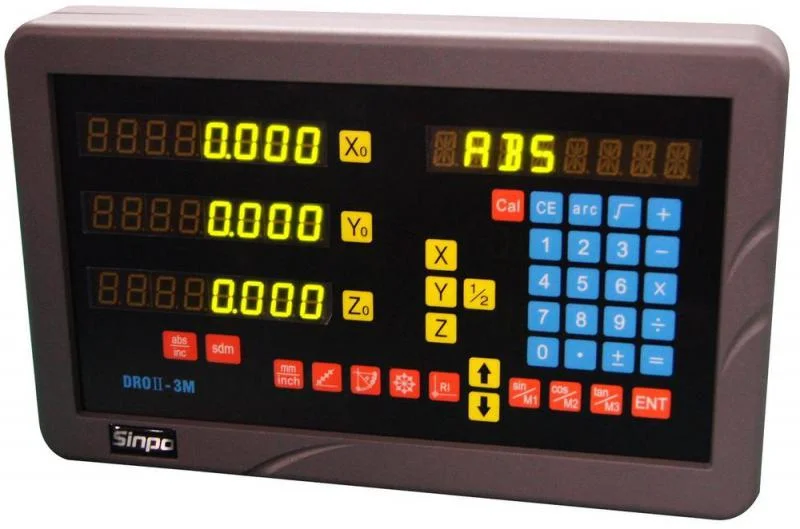
What are Frequency Counters?
Frequency counters are electronic devices used to measure the frequency of an input signal. They count the number of cycles of a periodic signal over a specific time interval, providing a precise measurement of frequency in hertz (Hz). Frequency counters can measure a wide range of frequencies, from very low frequencies in the audio range to high frequencies in radio communications. They are essential tools in various fields, including telecommunications, electronics, and engineering.
The primary uses of frequency counters include testing and troubleshooting electronic equipment, calibrating signal generators, and analyzing waveforms. Businesses rely on these devices to ensure the accuracy and reliability of their systems. In industries such as telecommunications, automotive, and aerospace, frequency counters play a critical role in maintaining the performance of equipment and meeting regulatory standards.
As technology evolves, the demand for accurate and reliable frequency measurement continues to grow. The market for frequency counters is influenced by advancements in communication technologies, the rise of automation in various sectors, and the increasing complexity of electronic systems.
Key Features and Specifications
Frequency counters come equipped with a range of features designed to enhance their functionality and usability. Understanding these specifications can help buyers choose the right unit for their needs.
Key specifications include:
1. Measurement Range
- Frequency counters typically cover a broad measurement range from a few hertz to several gigahertz.
- This allows for versatile applications across multiple industries.
2. Accuracy
- Frequency counters offer varying levels of accuracy, often specified in parts per million (ppm).
- High-precision models can achieve accuracies of up to ±0.01%.
3. Resolution
- The resolution of frequency counters indicates the smallest frequency change the device can detect.
- Common resolutions range from 1 Hz to 0.1 Hz.
4. Input Signal Type
- Many frequency counters can accept a variety of input signal types, including sine waves, square waves, and pulses.
- This versatility makes them suitable for testing different electronic circuits.
5. Display Type
- Frequency counters may feature digital or analog displays for easy reading.
- Digital displays often provide additional functionalities, such as data logging and trend analysis.
6. Connectivity Options
- Many models offer connectivity options like USB, RS-232, or Ethernet for data transfer and integration with other devices.
- This facilitates easier data management and remote access capabilities.
7. Battery Life
- Battery-operated frequency counters vary in battery life, with some models lasting several hours on a single charge.
- Extended battery life is particularly advantageous for fieldwork.
8. Size and Portability
- Frequency counters come in various sizes, from handheld units for portability to larger bench models for stationary use.
- Buyers should consider the intended application when determining the appropriate size.
These specifications ensure that users can find a frequency counter that meets their specific requirements, enhancing the efficiency and accuracy of their measurements.
Common Applications and Use Cases
Frequency counters are widely used in various industries due to their ability to provide precise frequency measurements.
1. Telecommunications: Frequency counters are essential for testing and maintaining communication equipment. They help ensure that signals are transmitted at the correct frequencies, minimizing interference.
2. Electronics Manufacturing: In this sector, frequency counters are used to test the performance of circuit boards and other electronic components. They verify that devices operate within specified frequency ranges.
3. Aerospace: Frequency counters play a vital role in the calibration of radar and navigation systems, ensuring that aircraft systems function accurately.
4. Automotive: Frequency counters are used for testing components such as ignition systems and sensors in vehicles, contributing to the overall reliability and performance of automotive systems.
5. Research and Development: In laboratories, frequency counters assist in experimental setups and data collection, providing critical measurements for various scientific studies.
6. Industrial Automation: Frequency counters are utilized in monitoring and controlling machinery, ensuring that operational parameters remain within defined limits.
Product Variants and Subcategories
Frequency counters are available in various forms to meet different user needs. Each variant offers unique features tailored to specific applications.
Handheld Frequency Counters
These portable devices are ideal for fieldwork, allowing technicians to measure frequencies on-site. They are often battery-operated and designed for ease of use in various environments.
Benchtop Frequency Counters
These larger units are suited for laboratory and workshop settings. They provide advanced features, higher accuracy, and extensive connectivity options for detailed frequency analysis.
Programmable Frequency Counters
These models allow users to set specific parameters for measurements, making them ideal for automated testing processes. They are commonly used in manufacturing and quality assurance settings.
Benefits and Advantages
Frequency counters provide numerous benefits that enhance their value for businesses and industries.
1. Precision Measurement: Frequency counters offer high accuracy, enabling users to obtain reliable frequency readings that are crucial for quality control and testing.
2. Versatility: With their ability to measure a wide range of frequencies, frequency counters can be applied in various industries, making them a valuable investment.
3. Ease of Use: Many frequency counters feature user-friendly interfaces, allowing technicians to operate them with minimal training and quickly obtain results.
4. Data Management: Advanced models often include data logging capabilities, enabling users to store and analyze measurement data for future reference.
5. Cost Efficiency: By providing accurate measurements, frequency counters help businesses avoid costly errors in production and maintenance.
6. Compliance Support: Frequency counters assist companies in meeting regulatory standards by ensuring that their equipment operates within specified frequency limits.
Buying Guide for B2B Buyers
When sourcing frequency counters, it is essential for B2B buyers to consider several factors to ensure they choose the right equipment.
1. Quality Assessment: Buyers should evaluate the quality of frequency counters by reviewing specifications, accuracy ratings, and manufacturer reputation. High-quality units typically offer better performance and longevity.
2. Supplier Verification: It is crucial to vet suppliers to ensure they provide reliable products. This includes checking for industry certifications and customer reviews.
3. Pricing and MOQ: Buyers should compare pricing among suppliers while considering minimum order quantities (MOQ). Understanding the cost structure will help in budgeting and negotiations.
4. Delivery and Lead Times: Buyers must inquire about delivery options and lead times to plan their inventory and avoid delays in operations.
5. Compliance Requirements: Understanding regulatory and compliance needs for specific industries is vital. Buyers should confirm that the frequency counters meet these requirements.
Compliance and Certifications
Frequency counters are subject to various quality standards and certifications that ensure their reliability and safety in use.
ISO 9001 is a widely recognized standard that ensures quality management systems are in place. Manufacturers of frequency counters often adhere to this standard to maintain high production quality.
The CE certification indicates that frequency counters meet European safety, health, and environmental protection standards. This certification is essential for devices sold in European markets.
In addition to these standards, frequency counters may undergo rigorous safety and testing requirements to ensure they function correctly and do not pose risks to users. Compliance considerations may vary by region, so it is critical for buyers to confirm adherence to local regulations.
Why Source Frequency Counters from Pepagora?
Pepagora provides a trusted platform for sourcing frequency counters with several key advantages.
Verified Supplier Network: Pepagora has established a network of verified suppliers, ensuring that buyers have access to high-quality frequency counters from reputable manufacturers. This reduces the risk of purchasing substandard products.
Streamlined RFQ Process: The platform offers a streamlined Request for Quotation (RFQ) process, allowing buyers to quickly obtain quotes from multiple suppliers. This efficiency simplifies the procurement process.
Trade Assurance and Support: Pepagora offers trade assurance, providing buyers with protection during transactions. This support enhances buyer confidence and reduces the risks associated with sourcing.
Regional Coverage: With a focus on regions such as India, the GCC, and Southeast Asia, Pepagora facilitates connections between buyers and suppliers across these markets, expanding sourcing options and opportunities for collaboration.

 IN
IN