What are Analog Multimeters?
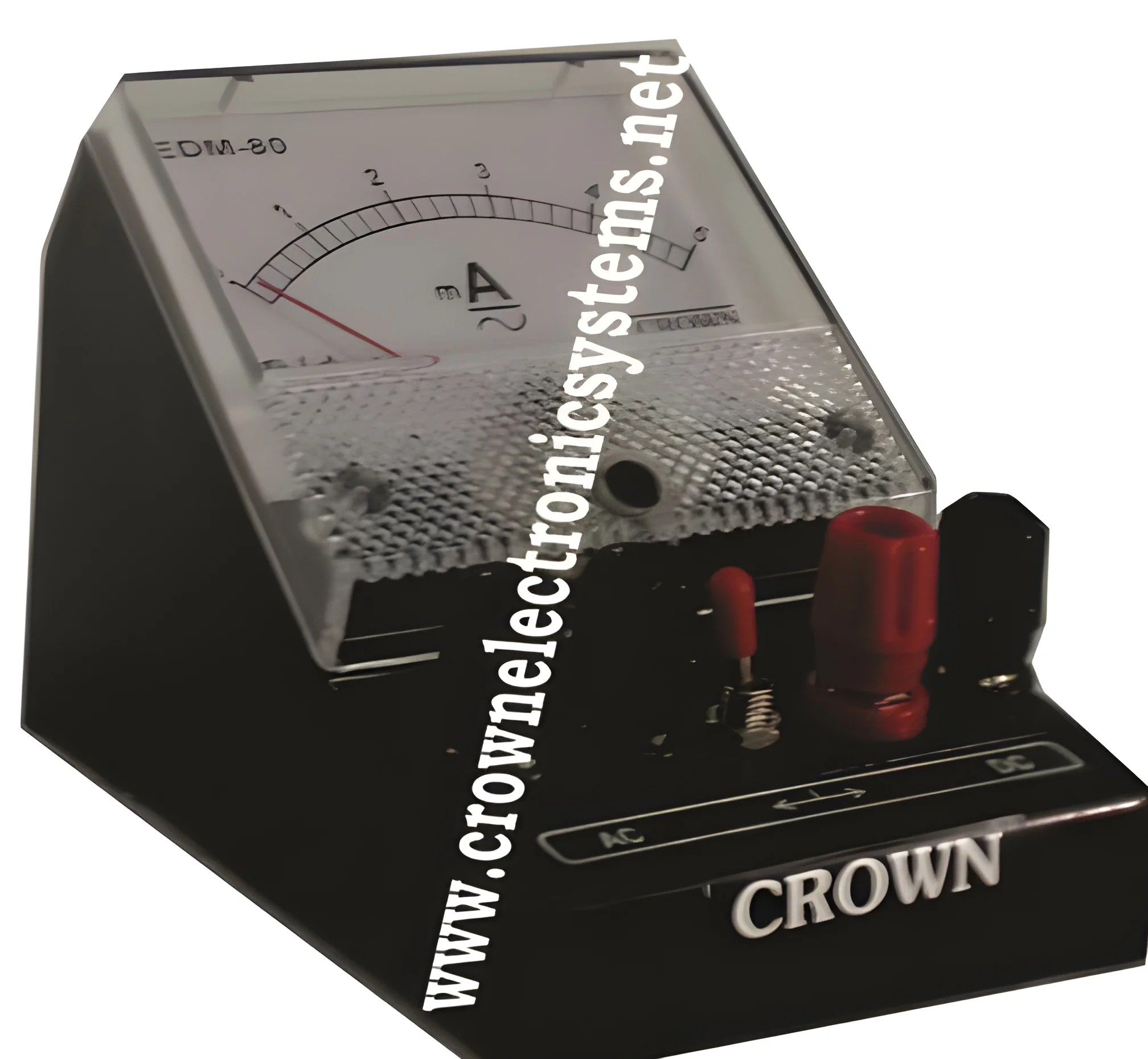
Analog multimeters are essential tools used for measuring electrical parameters such as voltage, current, and resistance. Unlike digital multimeters, analog models display readings via a moving needle on a dial, providing a continuous representation of the measured value. This design allows for quick visual assessments, making them particularly useful in various applications where immediate feedback is required.
These instruments are widely used in industries such as electrical engineering, telecommunications, and automotive repair. They help technicians troubleshoot issues, perform routine maintenance, and ensure equipment operates within specified parameters. The analog multimeter's simplicity and reliability make it a preferred choice for professionals who require a dependable device for electrical measurements in both fieldwork and laboratory settings. With ongoing advancements in technology, the market for analog multimeters continues to evolve, catering to the diverse needs of various sectors.
Key Features and Specifications
Analog multimeters come equipped with various features that enhance their usability and functionality. Understanding these specifications is crucial for selecting the right device for specific applications.
Key specifications include:
1. Measurement Types
- Analog multimeters typically measure voltage (AC and DC), current (AC and DC), and resistance.
- Ranges can vary widely, allowing for low to high measurements.
2. Display Type
- These devices use a needle and dial system to indicate readings.
- The scale can be linear or logarithmic, depending on the model.
3. Input Impedance
- High input impedance is preferable for voltage measurements to minimize circuit loading.
- Typical values can range from 1 MΩ to 10 MΩ.
4. Current Rating
- Many analog multimeters can measure current up to 10 A.
- Some models may require external shunts for higher current measurements.
5. Resistance Range
- Resistance measurements can often span from a few ohms to several megaohms.
- This range allows for testing various components and circuits.
6. Power Source
- Most analog multimeters are battery-operated.
- Some models may also feature a power-saving mode to extend battery life.
7. Size and Weight
- The size and weight of analog multimeters vary, impacting portability.
- Compact models are suitable for fieldwork, while larger ones may offer more features.
8. Calibration
- Regular calibration is necessary to ensure accurate measurements.
- Many manufacturers provide guidelines for calibration intervals.
In summary, when selecting an analog multimeter, buyers should consider the range of measurements, display type, and overall features to meet their specific application needs.
Common Applications and Use Cases
Analog multimeters serve a wide range of industries and applications due to their versatility and ease of use.
1. Electrical Engineering: Engineers often use analog multimeters for circuit testing and troubleshooting, ensuring that electrical systems operate efficiently.
2. Telecommunications: In the telecommunications sector, these devices help technicians measure signal strengths and diagnose issues in communication lines.
3. Automotive Repair: Automotive technicians rely on analog multimeters to check battery voltages, test electrical components, and assess system functionalities.
4. HVAC Systems: Professionals in heating, ventilation, and air conditioning use these tools to measure and monitor electrical parameters in HVAC systems.
5. Manufacturing: In manufacturing, analog multimeters assist in quality control by testing equipment and components throughout the production process.
6. Educational Institutions: Schools and colleges use analog multimeters in laboratories for teaching electrical principles and hands-on experiments.
7. Home Maintenance: DIY enthusiasts and home maintenance professionals utilize these devices for basic electrical troubleshooting and home wiring projects.
Product Variants and Subcategories
Analog multimeters come in various forms, catering to different user needs and preferences.
Basic Analog Multimeter
This variant features essential measurement capabilities, primarily focusing on voltage, current, and resistance. It is ideal for beginners and casual users who require simple functionality.
Advanced Analog Multimeter
This variant includes additional features such as more extensive measurement ranges, improved accuracy, and specialized functions for technical applications. It is suitable for professionals who need versatile tools for complex tasks.
Benefits and Advantages
Analog multimeters offer several advantages that make them a popular choice among professionals.
1. Ease of Use: Their straightforward design allows users to read measurements quickly, making them ideal for time-sensitive tasks.
2. Durability: Analog multimeters are typically more robust than digital counterparts, making them less susceptible to damage from drops or environmental factors.
3. Continuous Measurement: The needle display provides real-time feedback, allowing users to monitor changing values effectively.
4. Cost-Effectiveness: Generally, analog multimeters are more affordable than digital models, providing a budget-friendly solution for basic measurement needs.
5. No Power Dependency: As they do not rely on batteries for display, analog multimeters can be used even in low-power situations.
6. Visual Learning: The analog display can enhance learning experiences, as users can better understand electrical concepts through continuous readings.
Buying Guide for B2B Buyers
When sourcing analog multimeters for business use, several factors should be taken into consideration to ensure a suitable purchase.
1. Quality Assessment: Look for multimeters with a reputation for accuracy and reliability. Consider brands known for their quality standards and customer feedback.
2. Supplier Verification: Vet potential suppliers to ensure they provide genuine products. Check for certifications and their history in the market.
3. Pricing and MOQ: Understand the pricing structure and minimum order quantities, as these can vary significantly between suppliers. Compare multiple quotes to find the best deal.
4. Delivery and Lead Times: Evaluate the supplier’s logistics capabilities to ensure timely delivery. Consider lead times, especially for large orders that may require extended processing.
5. Compliance Requirements: Ensure the chosen multimeter complies with relevant industry standards and safety regulations. This includes checking for certifications like CE and UL.
Compliance and Certifications
Compliance and certifications are critical aspects to consider when dealing with analog multimeters. These devices must adhere to various quality standards to ensure safety and reliability.
Relevant quality standards include ISO 9001, which emphasizes quality management systems, and HACCP, which focuses on food safety management. Additionally, adherence to GDP (Good Distribution Practice) is essential for ensuring that products are consistently stored and transported under suitable conditions.
Industry certifications such as CE and UL are also vital. CE marks indicate compliance with European safety standards, while UL certification signifies that a product meets rigorous safety requirements in the United States.
Safety and testing requirements should be strictly followed to prevent accidents and ensure accurate measurements. Furthermore, regional compliance considerations might vary, necessitating an understanding of local regulations and standards to avoid any legal issues.
Why Source Analog Multimeters from Pepagora?
Pepagora provides a trusted platform for sourcing analog multimeters, offering several key advantages that make the procurement process seamless and efficient.
Verified Supplier Network: Pepagora connects buyers with a network of verified suppliers, ensuring that products meet stringent quality standards. This helps buyers make informed decisions and minimizes risks associated with sourcing.
Streamlined RFQ Process: The quotation system at Pepagora simplifies the process of obtaining quotes. Buyers can receive multiple offers from suppliers, allowing for easy comparisons and better negotiation opportunities.
Trade Assurance and Support: Pepagora offers trade assurance, providing buyer protection and support throughout the purchasing process. This assurance fosters confidence, ensuring that buyers receive the products they order.
Regional Coverage: With a focus on regions including India, the GCC, and Southeast Asia, Pepagora enables buyers to access a broad market for analog multimeters. This regional reach ensures that buyers can find suitable suppliers that cater to their specific geographical needs.

 IN
IN