
 IN
Turnstiles & Boom Barriers
6 products available
What are Turnstiles & Boom Barriers?
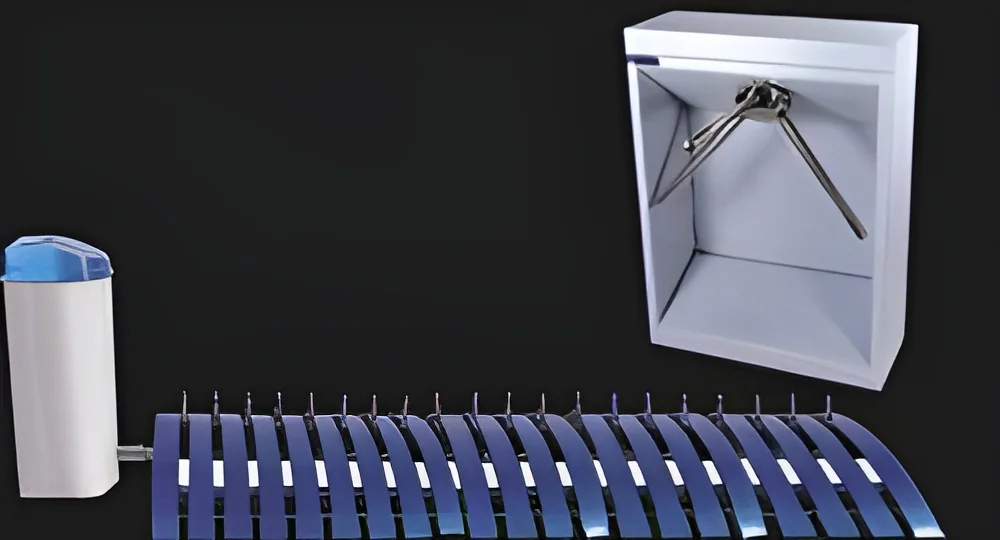
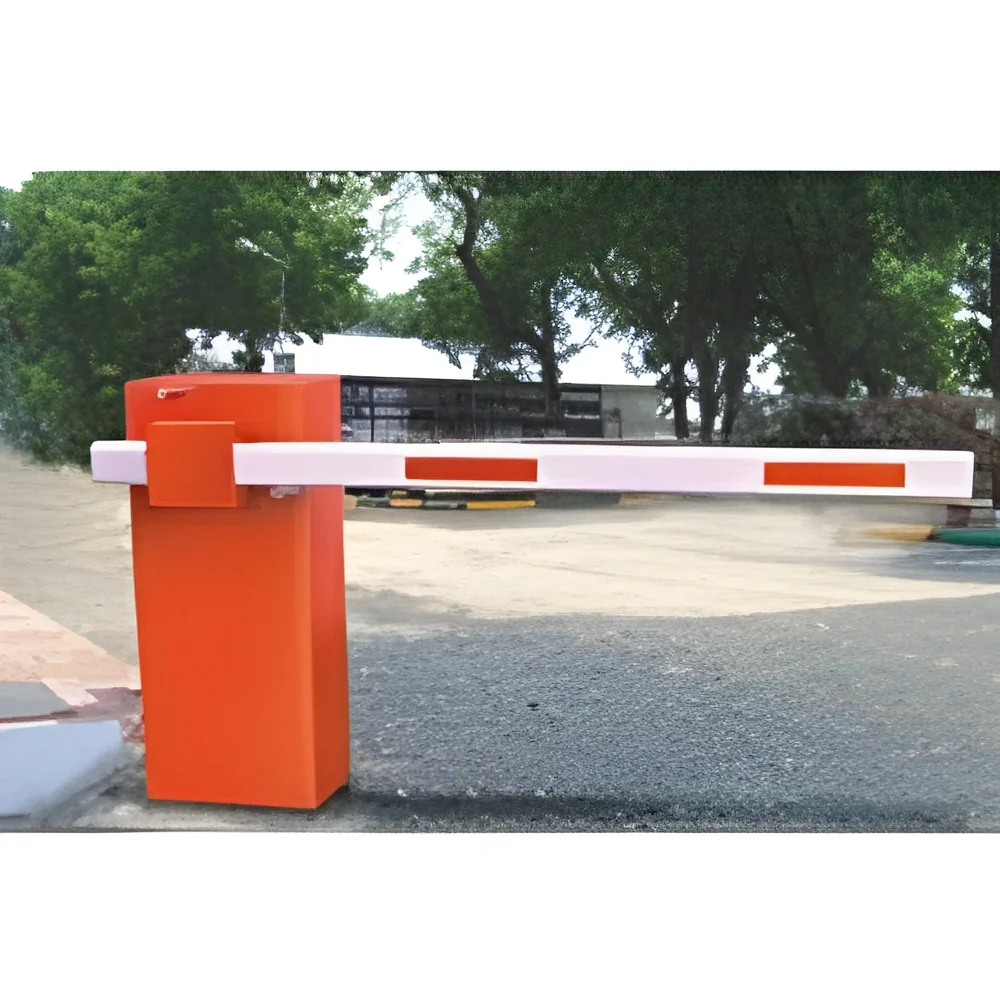
Turnstiles and boom barriers are crucial security and access control systems commonly utilized in various industries. A turnstile is a mechanical gate consisting of revolving horizontal arms that allow one person to pass at a time while restricting unauthorized entry. Boom barriers, on the other hand, consist of a horizontal bar that can be raised or lowered to control vehicle access, making them suitable for parking lots and restricted areas.
These systems are extensively used in settings where controlled access is necessary, including commercial buildings, airports, stadiums, and industrial sites. Turnstiles are often employed in pedestrian entry points, while boom barriers are used to manage vehicle traffic at entrances. Their primary purpose is to enhance security, streamline access, and prevent unauthorized entry, which is increasingly important in today's security-conscious environment.
In the market context, the demand for turnstiles and boom barriers is growing steadily as businesses prioritize safety and efficient access control measures. With advancements in technology, these products are becoming more sophisticated, integrating features such as biometric scanners and remote management capabilities. This evolution supports their relevance in various sectors, including transportation, events management, and corporate security.
Key Features and Specifications
Turnstiles and boom barriers come equipped with features that enhance their functionality and security. Understanding these specifications is essential for selecting the right system for your needs.
Key specifications include:
1. Construction Material
- Typically made from stainless steel or durable aluminum
- Ensures longevity and resistance to corrosion
2. Access Control Integration
- Compatible with RFID systems, biometric scanners, and access cards
- Offers various methods for user identification and security
3. Operating Mechanism
- Mechanical or electronic options available
- Mechanical systems rely on user force, while electronic systems use motors for operation
4. Security Level
- Options range from low-security models to high-security configurations
- Enhanced versions may include anti-tailgating features
5. Dimensions
- Vary based on the model, typically around 1200 mm in height for turnstiles
- Boom barriers can extend from 3 to 8 meters in length
6. Power Supply
- Can operate on standard AC power or battery backups
- Ensures continued operation during power outages
7. Traffic Flow Rate
- Turnstiles can handle up to 30 people per minute
- Boom barriers can allow rapid vehicle passage depending on the model
8. Weather Resistance
- Many models are designed for outdoor use with weatherproof features
- Critical for boom barriers in harsh environments
These specifications should be considered when selecting turnstiles and boom barriers to ensure they meet the specific needs of your facility.
Common Applications and Use Cases
Turnstiles and boom barriers serve a wide range of industries and applications, providing essential access control solutions.
1. Transportation: Airports and train stations utilize turnstiles for passenger access control, enhancing security and managing flow.
2. Corporate Offices: Many businesses implement turnstiles in lobbies to restrict access to authorized personnel and guests only.
3. Event Venues: Concerts and sports arenas use turnstiles to manage large crowds, facilitating quick entry while ensuring ticket verification.
4. Parking Facilities: Boom barriers are commonly deployed in parking lots to regulate vehicle entry and exit, providing both security and management.
5. Industrial Sites: Factories often install turnstiles at entrances to monitor employee access and enhance workplace security.
6. Government Facilities: Public institutions often rely on these systems to maintain strict access control and ensure safety.
7. Educational Institutions: Schools and universities may use turnstiles to monitor student access to buildings, enhancing campus security.
Product Variants and Subcategories
The diversity in turnstiles and boom barriers allows businesses to choose models best suited to their specific requirements.
Automatic Turnstiles: These variants feature motorized arms that facilitate smoother access for pedestrians. Ideal for high-traffic areas, they enhance user experience and security.
Manual Turnstiles: Designed for lower-traffic environments, manual turnstiles require users to physically push the arm. They are a cost-effective choice for facilities with moderate access control needs.
Full Height Turnstiles: These provide maximum security by enclosing the user completely. They are commonly used in high-security environments such as prisons and sensitive government facilities.
Swing Gates: These are often used in conjunction with turnstiles to allow wider access for individuals with mobility issues. They can be operated manually or automatically.
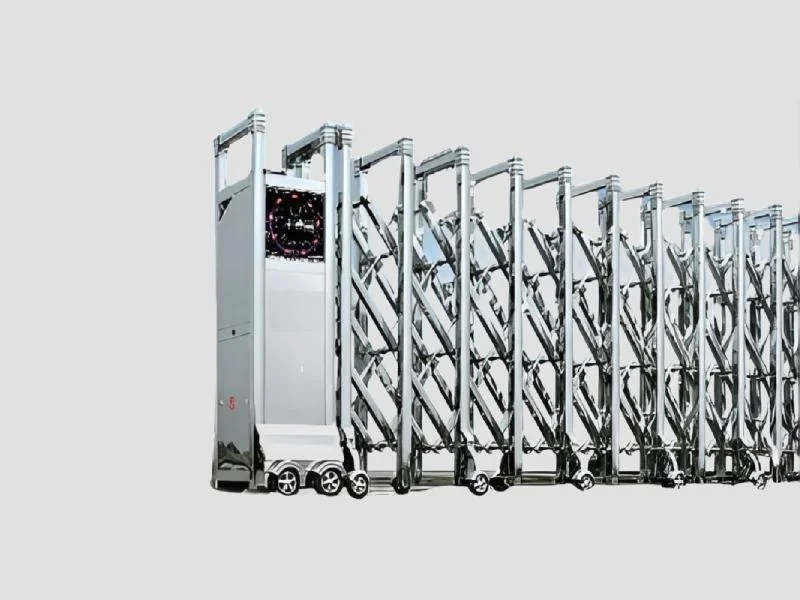
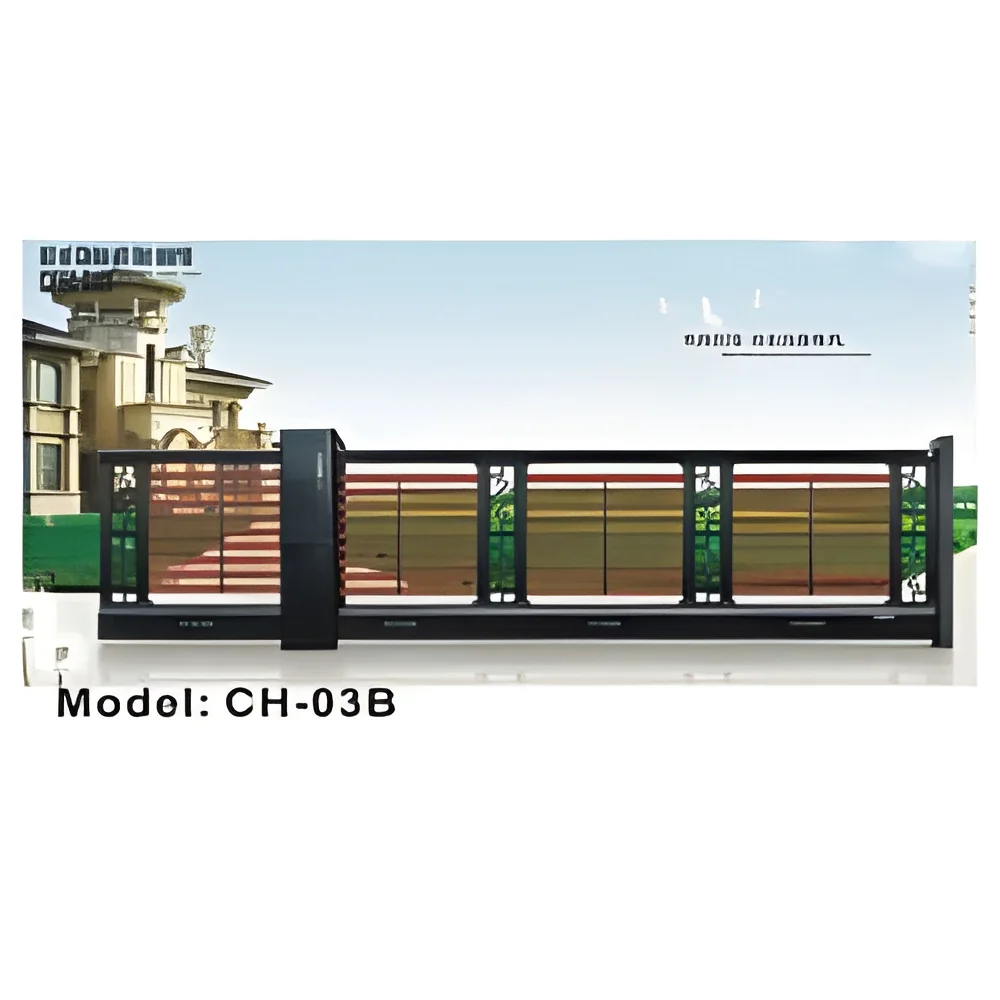
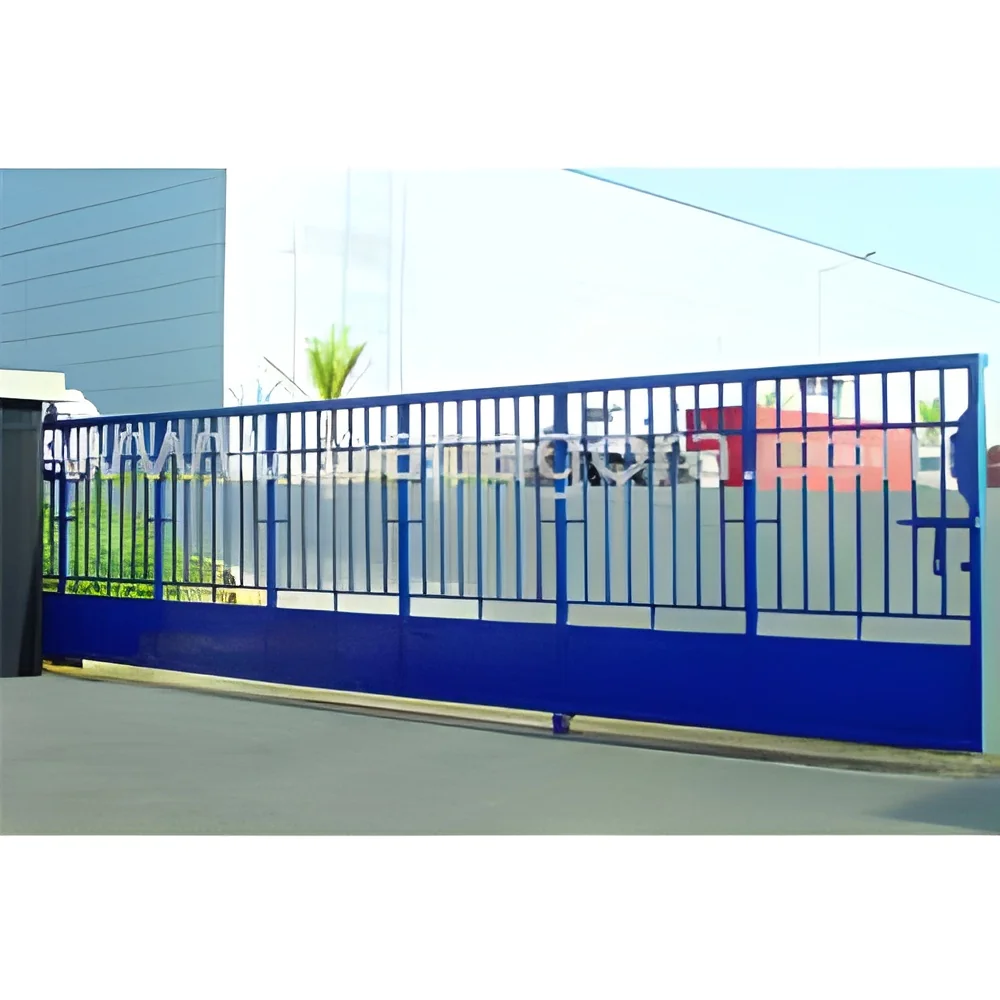
Sliding Gates: Suitable for vehicle entry, sliding gates can be integrated with boom barriers to create a comprehensive security solution for parking facilities.
Benefits and Advantages
Investing in turnstiles and boom barriers offers various benefits that enhance security and operational efficiency.
1. Enhanced Security: These systems significantly reduce unauthorized access, protecting assets and people within the facility.
2. Controlled Access: Businesses can manage who enters their premises, ensuring compliance with security protocols.
3. Increased Efficiency: Turnstiles and boom barriers streamline entry processes, reducing wait times and improving traffic flow.
4. Customizable Solutions: Many models can be tailored to meet specific needs, including integration with existing security systems.
5. Durability: Constructed from strong materials, these systems are built to withstand heavy use in various environments.
6. Cost-Effective: By reducing the need for security personnel, these systems can lower operational costs while maintaining high-security standards.
Buying Guide for B2B Buyers
When sourcing turnstiles and boom barriers, businesses should consider several critical factors to ensure they select the right solutions.
1. Quality Assessment: Evaluate the construction materials and durability of the products. Look for systems that meet industry standards for performance and reliability.
2. Supplier Verification: Ensure the supplier has a proven track record in the industry. Check for customer reviews, certifications, and experience in providing similar products.
3. Pricing and MOQ: Understand the pricing structure and any minimum order quantities. Compare quotes from multiple suppliers to ensure competitive pricing.
4. Delivery and Lead Times: Assess the supplier's logistics capabilities, ensuring they can meet your project timelines and deliver products promptly.
5. Compliance Requirements: Verify that the products comply with relevant industry standards and regulations, including safety certifications and quality benchmarks.
Compliance and Certifications
Turnstiles and boom barriers must adhere to various quality standards and industry regulations to ensure safety and reliability.
ISO 9001: This international standard specifies requirements for a quality management system. Manufacturers often seek this certification to demonstrate their commitment to quality.
CE Marking: Products sold in the European Economic Area must have CE marking, indicating compliance with health, safety, and environmental protection standards.
Safety Testing: Turnstiles and boom barriers are subject to rigorous safety testing to ensure they operate reliably under various conditions. This includes assessments for mechanical safety and electrical safety.
Regional Compliance: Depending on the region, there may be specific regulations regarding access control systems. Businesses should ensure that their chosen products meet local compliance requirements to avoid legal issues.
Why Source Turnstiles & Boom Barriers from Pepagora?
Pepagora provides a trusted platform for sourcing turnstiles and boom barriers, offering several key advantages for B2B buyers.
Verified Supplier Network: Pepagora connects buyers with a network of verified suppliers, ensuring that products meet quality standards and have a proven performance record.
Streamlined RFQ Process: The platform simplifies the request for quotation (RFQ) process, allowing buyers to easily compare offers and select the most suitable options for their needs.
Trade Assurance and Support: Pepagora offers trade assurance, providing buyers with protection against potential risks during transactions. This support enhances buyer confidence in the sourcing process.
Regional Coverage: With a focus on markets in India, the GCC, and Southeast Asia, Pepagora ensures that businesses can access a diverse range of products and suppliers tailored to their specific regional needs.


 India

 India
 India
 India

Frequently Asked Questions
What are Turnstiles & Boom Barriers?
Turnstiles and boom barriers are access control devices used to manage and restrict entry to specific areas. Turnstiles typically allow one person to enter at a time, while boom barriers are used to block vehicle access, often in parking lots or gated areas.
What are the different types of Turnstiles & Boom Barriers?
There are various types of turnstiles, including tripod, full-height, and optical turnstiles, each designed for different levels of security and user flow. Boom barriers can be manual or automated, with options for different boom lengths depending on the width of the entry point.
How do I choose the right Turnstiles & Boom Barriers?
Choosing the right turnstiles and boom barriers involves assessing your specific security needs, traffic volume, and the type of environment they will be installed in. Consider factors like durability, ease of use, and integration with existing security systems.
What are the standard specifications for Turnstiles & Boom Barriers?
Standard specifications for turnstiles and boom barriers include height, width, material, and power requirements. Turnstiles are typically made of stainless steel or aluminum, while boom barriers may vary in boom length and mechanism (manual or automatic).
What is the price range for Turnstiles & Boom Barriers?
The price range for turnstiles and boom barriers can vary significantly based on type, features, and manufacturer. Generally, turnstiles can range from INR 15,000 to INR 1,00,000 or more, while boom barriers may cost between INR 10,000 to INR 50,000.
What quality standards apply to Turnstiles & Boom Barriers?
Quality standards for turnstiles and boom barriers often include compliance with ISO certifications and specific safety regulations. Additionally, materials used should meet durability and corrosion resistance standards suitable for the intended environment.
Where can I find Turnstiles & Boom Barriers suppliers in India?
You can find suppliers of turnstiles and boom barriers in India through B2B marketplaces like Pepagora.com, industry trade shows, or through direct manufacturer websites. It's advisable to compare multiple suppliers for quality and pricing.
Can Turnstiles & Boom Barriers be customized?
Yes, many manufacturers offer customization options for turnstiles and boom barriers. Customizations can include dimensions, materials, colors, and integration with access control systems to meet specific security needs.
What is the typical minimum order quantity for Turnstiles & Boom Barriers?
The typical minimum order quantity (MOQ) for turnstiles and boom barriers can vary by supplier but generally ranges from 1 to 10 units. It's best to check with individual manufacturers for their specific MOQ policies.
What is the typical lead time for Turnstiles & Boom Barriers?
The typical lead time for turnstiles and boom barriers can range from 2 to 8 weeks depending on the manufacturer, customization options, and current demand. It's advisable to confirm lead times during the ordering process.
Why Businesses Trust Pepagora
Thousands of companies trust Pepagora to source smarter and sell faster
Expand Your Sales Globally

Source Smarter,Grow Faster
