
 IN
Toilet Tissue Pulp
1 products available
What are Toilet Tissue Pulp?
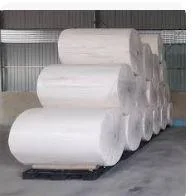
Toilet tissue pulp is a raw material primarily used in the manufacturing of toilet paper. It is made from processed wood fibers, which are broken down into a soft, absorbent form suitable for creating the smooth texture found in finished toilet tissue products. The pulp is an essential component in the production process, as it impacts the quality, absorbency, and overall performance of the final product.
The primary applications of toilet tissue pulp extend to various sectors, including consumer goods and industrial uses. Manufacturers of toilet paper rely heavily on high-quality pulp to ensure their products meet consumer expectations for softness and strength. Beyond toilet paper, this pulp is also utilized in the production of other hygiene products, such as facial tissues and paper towels, making it a versatile material in the paper industry.
In the current market, the demand for toilet tissue pulp is influenced by consumer preferences for sustainable and eco-friendly products. As environmental concerns grow, many manufacturers are seeking pulp sourced from responsibly managed forests or alternative fibers. This trend reflects a broader shift towards sustainability in the industrial landscape, positioning toilet tissue pulp as a relevant commodity in both local and global markets.
Key Features and Specifications
Toilet tissue pulp must meet specific criteria to ensure its suitability for manufacturing processes. These specifications dictate the quality and usability of the pulp in finished products.
Key specifications include:
1. Fiber Composition
- Typically derived from wood pulp or recycled materials
- Ensures the final product achieves desired softness and absorbency
2. Brightness Level
- Generally ranges from 80% to 90%
- Influences the appearance and market appeal of the finished toilet paper
3. Moisture Content
- Usually maintained between 5% to 10%
- Essential for preventing spoilage and maintaining quality during storage
4. Density
- Measured in grams per cubic centimeter (g/cm³)
- Affects the strength and durability of the final product
5. Fiber Length
- Commonly between 0.5 mm to 1.5 mm
- Longer fibers enhance the strength of the paper
6. pH Level
- Typically falls between 6.0 to 8.0
- Important for compatibility with various manufacturing processes
7. Color
- Can range from natural beige to white, depending on processing
- Affects the aesthetic appeal of the final product
8. Certification Compliance
- Must meet industry standards such as CE and UL
- Ensures product safety and quality assurance
In summary, understanding these specifications is crucial for manufacturers when sourcing toilet tissue pulp, as they directly impact the performance and quality of the end product.
Common Applications and Use Cases
Toilet tissue pulp serves various industries with distinct applications.
1. Consumer Goods: The primary use of toilet tissue pulp is in the production of toilet paper, where its absorbency and softness are critical for consumer satisfaction.
2. Hospitality: Hotels and restaurants utilize toilet tissue pulp to create high-quality bathroom tissue that meets guest expectations for comfort and hygiene.
3. Healthcare: Hospitals and clinics require toilet tissue pulp for sanitary paper products, ensuring hygiene standards are upheld in patient care areas.
4. Retail: Supermarkets and convenience stores stock toilet paper products, relying on toilet tissue pulp for supply consistency and quality.
5. Industrial Sectors: Certain industrial applications, such as cleaning supplies, leverage the absorbent properties of toilet tissue pulp for manufacturing paper towels and wipes.
Benefits and Advantages
Sourcing high-quality toilet tissue pulp offers several key benefits for manufacturers.
1. Enhanced Quality: High-quality pulp ensures that the final products are soft, absorbent, and durable, meeting consumer expectations.
2. Cost Efficiency: Sourcing pulp in bulk can lower production costs, allowing for better pricing strategies in competitive markets.
3. Source Versatility: Pulp can be derived from various materials, including recycled fibers, catering to sustainability-focused consumers.
4. Compliance Assurance: Quality pulp adheres to industry standards, ensuring manufacturers meet regulatory requirements.
5. Customization Potential: Manufacturers can work with suppliers to tailor pulp characteristics to specific product needs, enhancing market differentiation.
6. Supply Chain Reliability: Partnering with trusted suppliers ensures a consistent and reliable supply of pulp, minimizing production disruptions.
Buying Guide for B2B Buyers
When sourcing toilet tissue pulp, several critical factors should be considered to ensure optimal purchasing decisions.
1. Quality Assessment: Evaluate the quality of the pulp based on fiber composition and moisture content, as these criteria impact the final product's performance.
2. Supplier Verification: Conduct due diligence on suppliers, checking their certifications and industry reputation to ensure reliability and quality.
3. Pricing and MOQ: Understand the pricing structure and minimum order quantities (MOQ) to align purchasing strategies with budget considerations.
4. Delivery and Lead Times: Assess delivery options and lead times to ensure that production schedules are met without delays.
5. Compliance Requirements: Verify that the pulp meets relevant industry certifications, such as CE and UL, to ensure safety and compliance with regulations.
Compliance and Certifications
Toilet tissue pulp is subject to various compliance and certification standards that ensure quality and safety in production processes.
Relevant quality standards include ISO 9001, which focuses on quality management systems, and HACCP, which emphasizes food safety in manufacturing practices. These standards help manufacturers maintain consistent quality and safety in their products.
Industry certifications such as CE and UL are crucial for ensuring that materials meet safety and performance requirements. CE certification indicates compliance with European health, safety, and environmental protection standards, while UL certification verifies product safety, reducing risk for manufacturers and consumers alike.
Safety and testing requirements also play a critical role, as manufacturers must ensure that the pulp is free from harmful substances and contaminants. Additionally, regional compliance considerations may affect sourcing decisions, as different markets may have unique regulations regarding material safety and sustainability.
Why Source Toilet Tissue Pulp from Pepagora?
Pepagora provides a trusted platform for sourcing toilet tissue pulp, offering several key advantages for B2B buyers.
Verified Supplier Network: Pepagora connects buyers with a network of verified suppliers, ensuring that partners have undergone thorough vetting processes. This reduces the risk of procurement issues and enhances supply chain reliability.
Streamlined RFQ Process: The platform simplifies the request for quotation (RFQ) process, enabling buyers to quickly and efficiently obtain pricing and availability information from multiple suppliers. This fosters competitive pricing and informed decision-making.
Trade Assurance and Support: Pepagora offers trade assurance and buyer protection, giving manufacturers confidence in their transactions. This support extends to logistics and after-sales service, ensuring a smooth experience from sourcing to delivery.
Regional Coverage: With a strong presence in India, the GCC, and Southeast Asia, Pepagora provides geographic reach that allows for efficient sourcing across multiple regions. This ensures that manufacturers can access quality toilet tissue pulp tailored to their specific market needs.


Frequently Asked Questions
What are Toilet Tissue Pulp?
Toilet Tissue Pulp is a type of pulp specifically designed for the production of toilet paper. It is made from wood pulp or recycled paper, which is processed to create a soft and absorbent material suitable for hygiene purposes.
What are the different types of Toilet Tissue Pulp?
There are primarily two types of Toilet Tissue Pulp: virgin pulp and recycled pulp. Virgin pulp is derived from fresh wood fibers, offering higher quality and absorbency, while recycled pulp is made from post-consumer paper products, providing an eco-friendly alternative.
How do I choose the right Toilet Tissue Pulp?
Choosing the right Toilet Tissue Pulp involves considering factors such as absorbency, softness, and environmental impact. It's essential to evaluate the end-use requirements and whether you prefer virgin or recycled pulp based on sustainability goals.
What are the standard specifications for Toilet Tissue Pulp?
Standard specifications for Toilet Tissue Pulp typically include parameters such as fiber length, moisture content, and tensile strength. These specifications help ensure that the pulp meets the necessary quality and performance standards for toilet tissue manufacturing.
What is the price range for Toilet Tissue Pulp?
The price range for Toilet Tissue Pulp can vary widely based on factors such as quality, type (virgin or recycled), and supplier. Generally, buyers can expect prices to range from INR 25 to INR 60 per kilogram, depending on these variables.
What quality standards apply to Toilet Tissue Pulp?
Toilet Tissue Pulp must adhere to various quality standards, including ISO 9001 for quality management and ISO 14001 for environmental management. Additionally, products may be tested for safety and compliance with hygiene regulations.
Where can I find Toilet Tissue Pulp suppliers in India?
To find Toilet Tissue Pulp suppliers in India, you can explore B2B marketplaces such as Pepagora. These platforms provide a comprehensive list of manufacturers and suppliers, along with their product offerings and contact details.
Can Toilet Tissue Pulp be customized?
Yes, Toilet Tissue Pulp can often be customized based on specific requirements such as fiber composition, color, and packaging. Many manufacturers offer customization options to meet the needs of various clients and applications.
What is the typical minimum order quantity for Toilet Tissue Pulp?
The typical minimum order quantity (MOQ) for Toilet Tissue Pulp varies by supplier, but it usually ranges from 500 to 1000 kilograms. It's advisable to check with individual manufacturers for their specific MOQs.
What is the typical lead time for Toilet Tissue Pulp?
The typical lead time for Toilet Tissue Pulp can range from 2 to 4 weeks after placing an order. However, this timeframe may vary based on the supplier's production capacity and current order volume.
Why Businesses Trust Pepagora
Thousands of companies trust Pepagora to source smarter and sell faster
Expand Your Sales Globally

Source Smarter,Grow Faster
