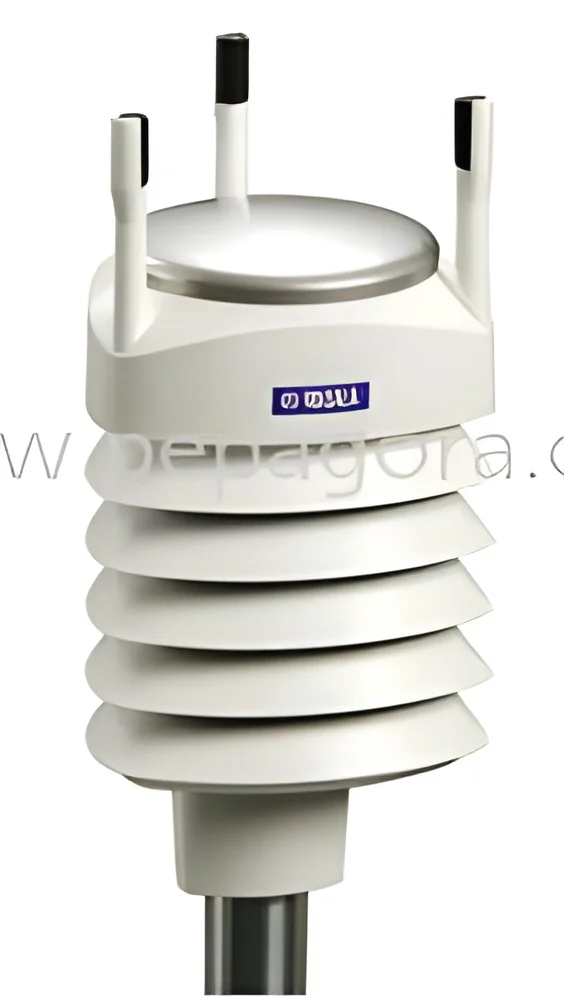
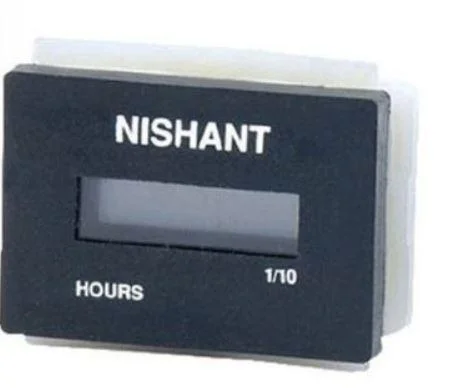
What are Temperature & Humidity Meters?
Temperature and humidity meters are essential devices used to measure and monitor the temperature and humidity levels in various environments. These instruments can provide real-time data, helping businesses maintain optimal conditions for their processes and products. Equipped with sensors, they capture fluctuations in temperature and relative humidity, which are critical for ensuring safety, quality, and efficiency in operations.
These meters find applications across multiple industries, including pharmaceuticals, food and beverage, manufacturing, and HVAC systems. For instance, in the pharmaceutical industry, maintaining a specific temperature and humidity range is vital for drug stability. Similarly, in food processing, these meters help in monitoring storage conditions to prevent spoilage. The relevance of temperature and humidity meters in today’s market is underscored by the increasing focus on quality control and compliance with industry standards.
Key Features and Specifications
Temperature and humidity meters come with various features and specifications tailored to meet diverse industrial needs. Understanding these specifications is crucial for selecting the right device for your business.
Key specifications include:
1. Temperature Range
- This specification indicates the minimum and maximum temperatures the meter can measure.
- Typical ranges can vary based on model but generally span from -20°C to 60°C.
2. Humidity Range
- This defines the range of relative humidity the meter can measure.
- Most meters measure from 0% to 100% relative humidity.
3. Accuracy
- The accuracy of measurement indicates how close the readings are to the true value.
- Common accuracy levels are ±0.5°C for temperature and ±3% for humidity.
4. Display Type
- Meters may feature digital or analog displays.
- Digital displays often provide clearer readings and additional features like data logging.
5. Power Source
- Temperature and humidity meters can be battery-operated or powered by AC adapters.
- Battery-operated models offer portability and ease of use in various locations.
6. Data Logging Features
- Some meters come equipped with data logging capabilities to store readings over time.
- This feature is beneficial for trend analysis and audits.
7. Calibration
- Many devices require periodic calibration to ensure accuracy.
- Some models offer user calibration options.
8. Connectivity
- Advanced models may include connectivity options such as Bluetooth or Wi-Fi for data transfer.
- This feature allows integration with other monitoring systems.
In summary, understanding the key features and specifications will help businesses select the right temperature and humidity meters suited for their specific applications.
Common Applications and Use Cases
Temperature and humidity meters serve various industries with unique requirements for environmental monitoring.
1. Pharmaceuticals: These meters are crucial for storage and transportation of drugs, ensuring compliance with safety regulations.
2. Food and Beverage: Monitoring temperature and humidity in food storage facilities helps prevent spoilage and maintain quality.
3. Manufacturing: In industrial settings, these meters help maintain optimal conditions for processes and product quality.
4. HVAC Systems: They are essential for monitoring indoor climate conditions, contributing to energy efficiency and comfort.
5. Greenhouses: In agricultural applications, these meters ensure optimal growing conditions, enhancing crop yields.
6. Museums and Archives: Monitoring environmental conditions protects sensitive artifacts and documents from deterioration.
7. Laboratories: Precise measurements of temperature and humidity are vital for experimental accuracy and equipment performance.
Product Variants and Subcategories
Temperature and humidity meters come in a variety of designs to accommodate different user needs.
Digital Meters
Digital temperature and humidity meters provide clear readings and often include advanced features like data logging and connectivity options. They are widely used in commercial and industrial settings for their accuracy and user-friendly interfaces.
Analog Meters
Analog models typically feature dial displays and are often used in applications where high precision is not critical. These meters are straightforward and reliable, making them suitable for basic monitoring tasks.
Wireless Meters
Wireless temperature and humidity meters enable remote monitoring and data collection, making them ideal for large facilities or applications requiring continuous monitoring without physical access.
Benefits and Advantages
Investing in temperature and humidity meters provides several advantages for businesses.
1. Enhanced Quality Control: Accurate monitoring helps maintain product quality and compliance with industry standards.
2. Cost Efficiency: By preventing spoilage and optimizing conditions, businesses can save on waste and energy costs.
3. Real-Time Monitoring: These devices provide immediate feedback, allowing for quick adjustments in response to environmental changes.
4. Data Logging: The ability to store and analyze data over time supports better decision-making and process improvements.
5. Regulatory Compliance: Ensuring compliance with safety standards helps avoid legal issues and enhances brand reputation.
6. Versatility: Temperature and humidity meters can be used across various industries, making them a valuable investment for diverse applications.
Buying Guide for B2B Buyers
When sourcing temperature and humidity meters, several factors should be considered to ensure the right choice for your business needs.
1. Quality Assessment: Look for meters that meet industry standards for accuracy and reliability. Check for certifications that ensure product quality.
2. Supplier Verification: Research suppliers to verify their credibility and track record. Reliable suppliers often provide warranties and customer support.
3. Pricing and MOQ: Compare pricing among different suppliers, and consider minimum order quantities to find a cost-effective solution.
4. Delivery and Lead Times: Understand the supplier's logistics capabilities and expected lead times to ensure timely delivery for your operations.
5. Compliance Requirements: Be aware of any regulatory standards that the meters must meet, particularly in industries like pharmaceuticals and food processing.
Compliance and Certifications
Temperature and humidity meters must adhere to various quality standards and certifications to ensure reliability and safety.
ISO 9001 is a widely recognized standard that emphasizes quality management systems. Manufacturers of temperature and humidity meters should comply with this standard to ensure consistent product quality.
CE certification indicates that a product meets the European Union's safety, health, and environmental protection standards. This certification can be essential for businesses operating in European markets.
Additionally, safety and testing requirements must be met. This includes ensuring that the meters are tested for accuracy and reliability under different environmental conditions.
Regional compliance considerations may vary, so it is important for businesses to understand local regulations that could affect meter specifications and applications.
Why Source Temperature & Humidity Meters from Pepagora?
Pepagora provides a trusted platform for sourcing temperature and humidity meters, offering a range of key advantages for B2B buyers.
Verified Supplier Network: Pepagora connects you with a network of verified suppliers, ensuring that you receive high-quality products from reputable manufacturers. This reduces the risk of purchasing substandard equipment.
Streamlined RFQ Process: The platform features an efficient Request for Quotation (RFQ) process, allowing buyers to easily compare offers from multiple suppliers. This saves time and helps you find the best price for your needs.
Trade Assurance and Support: Pepagora offers trade assurance services to protect buyers throughout the purchasing process. This includes support for resolving disputes and ensuring timely delivery.
Regional Coverage: With a geographic reach that includes India, the GCC, and Southeast Asia, Pepagora facilitates access to a diverse range of suppliers and products, making it easier for businesses to find the right temperature and humidity meters for their specific applications.

 IN
IN
 India
India