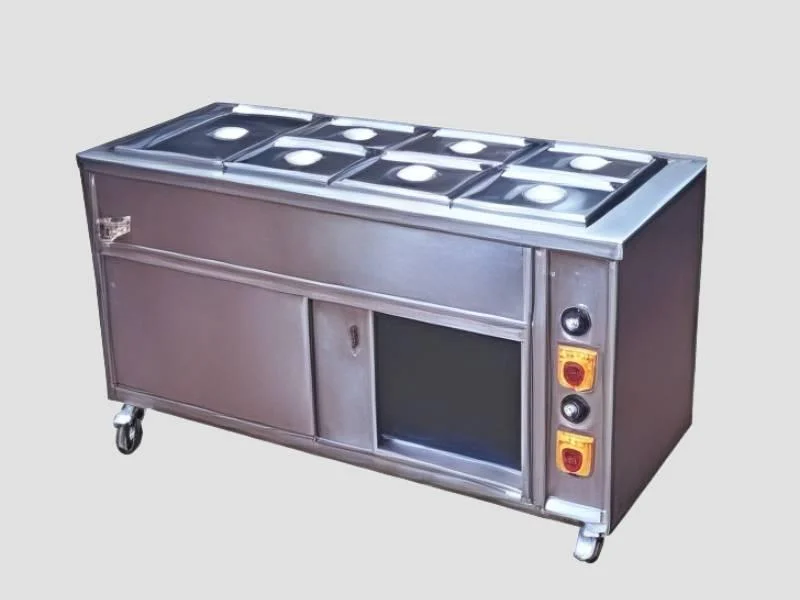
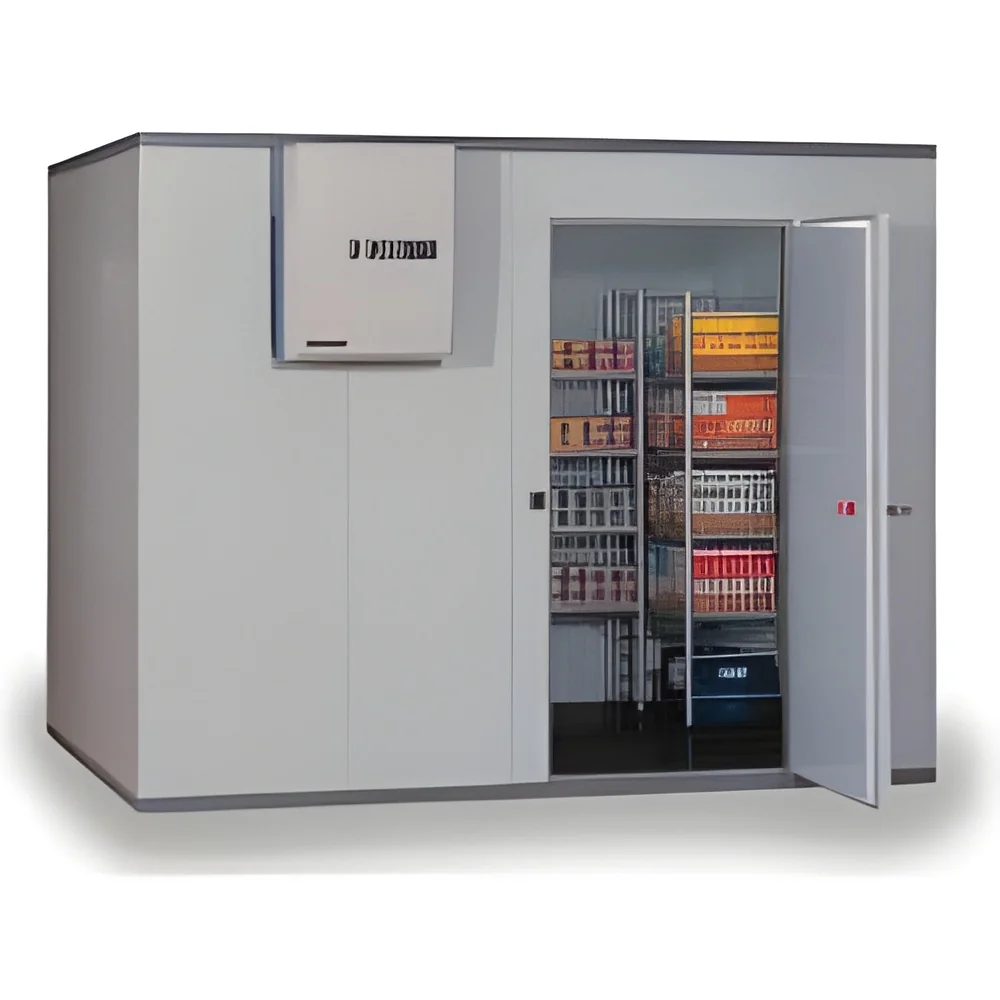
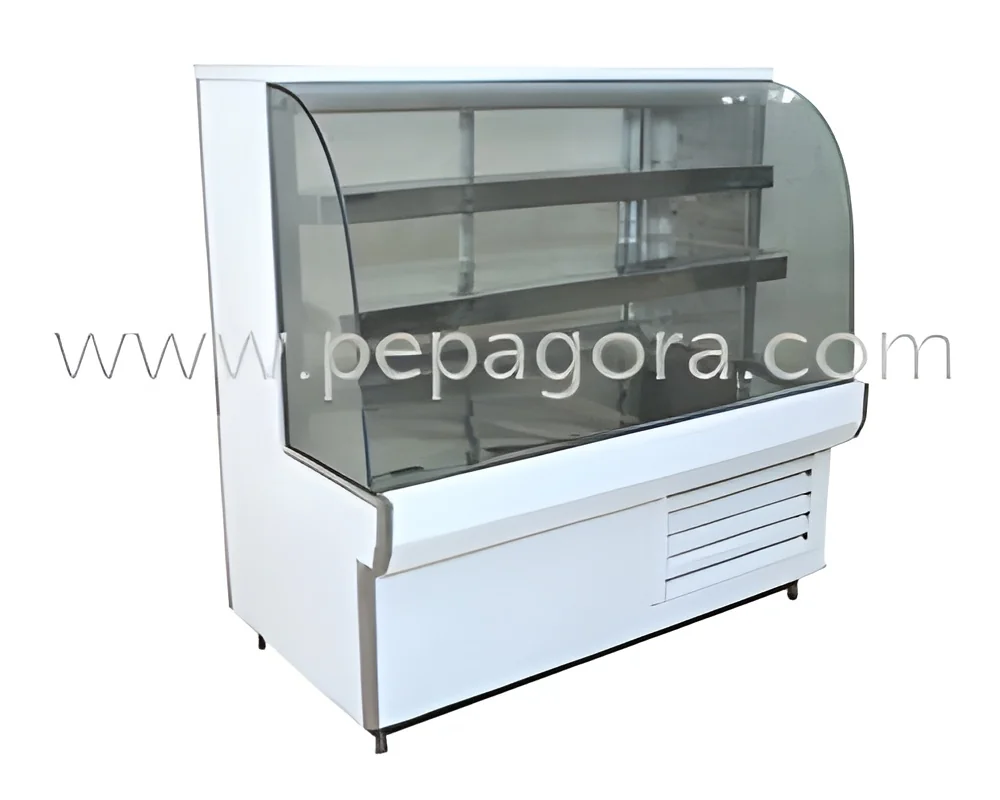
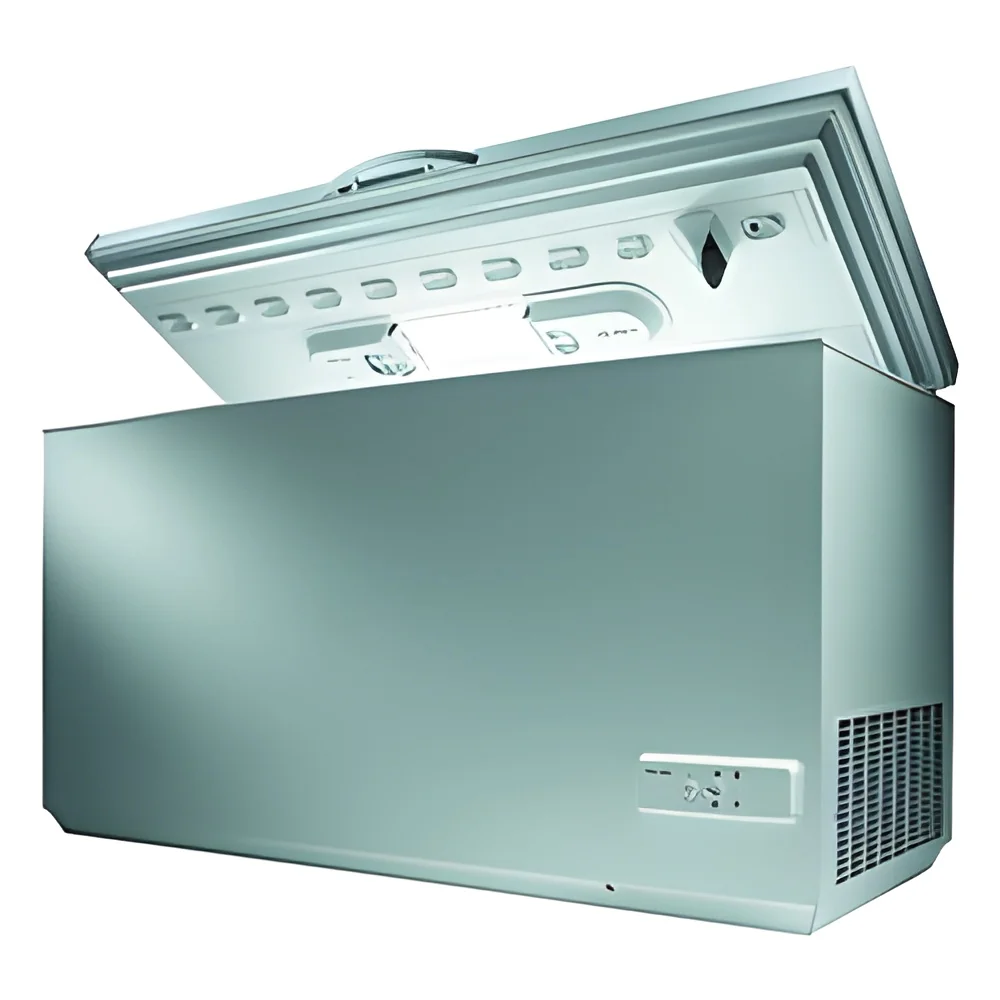
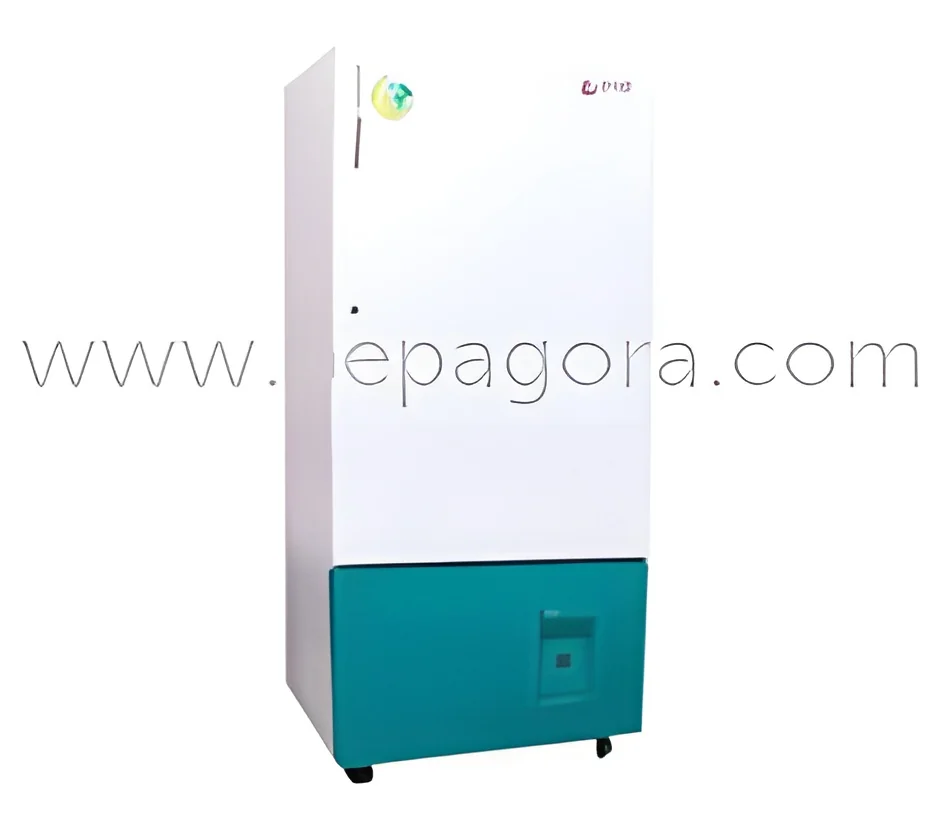
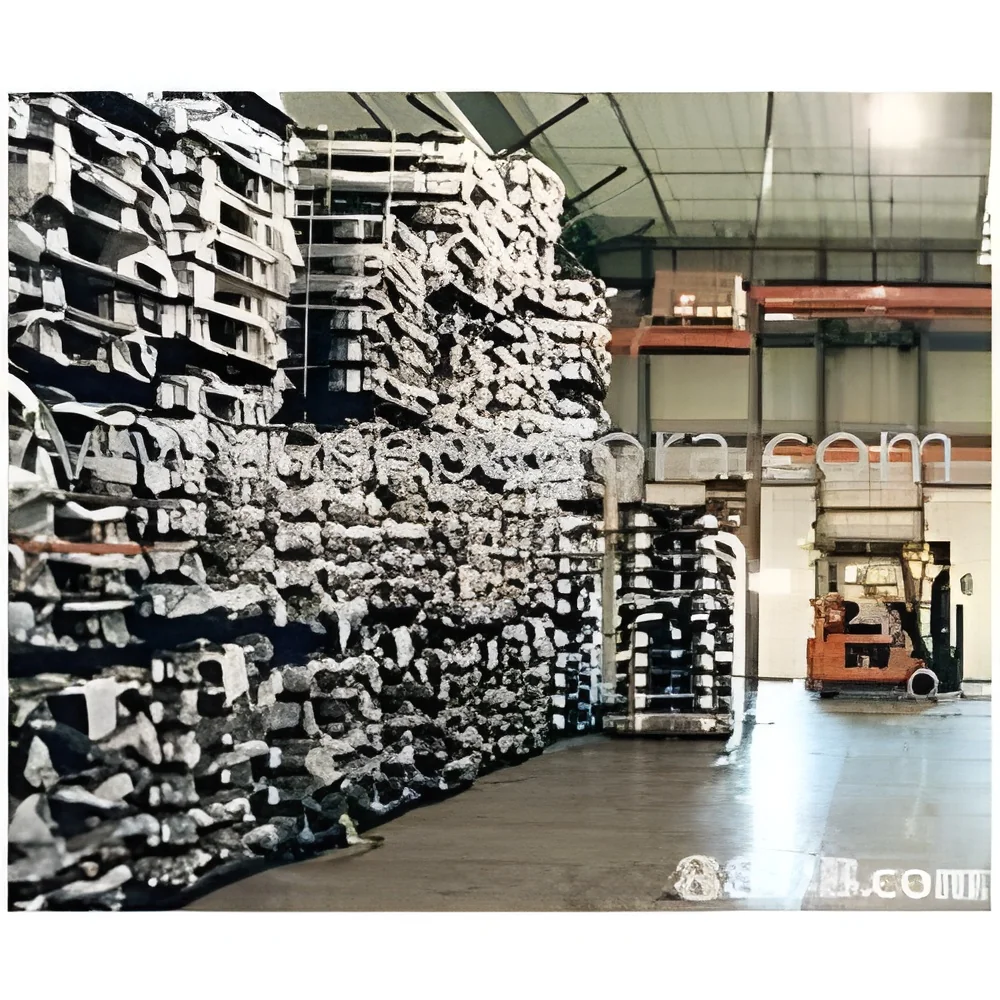
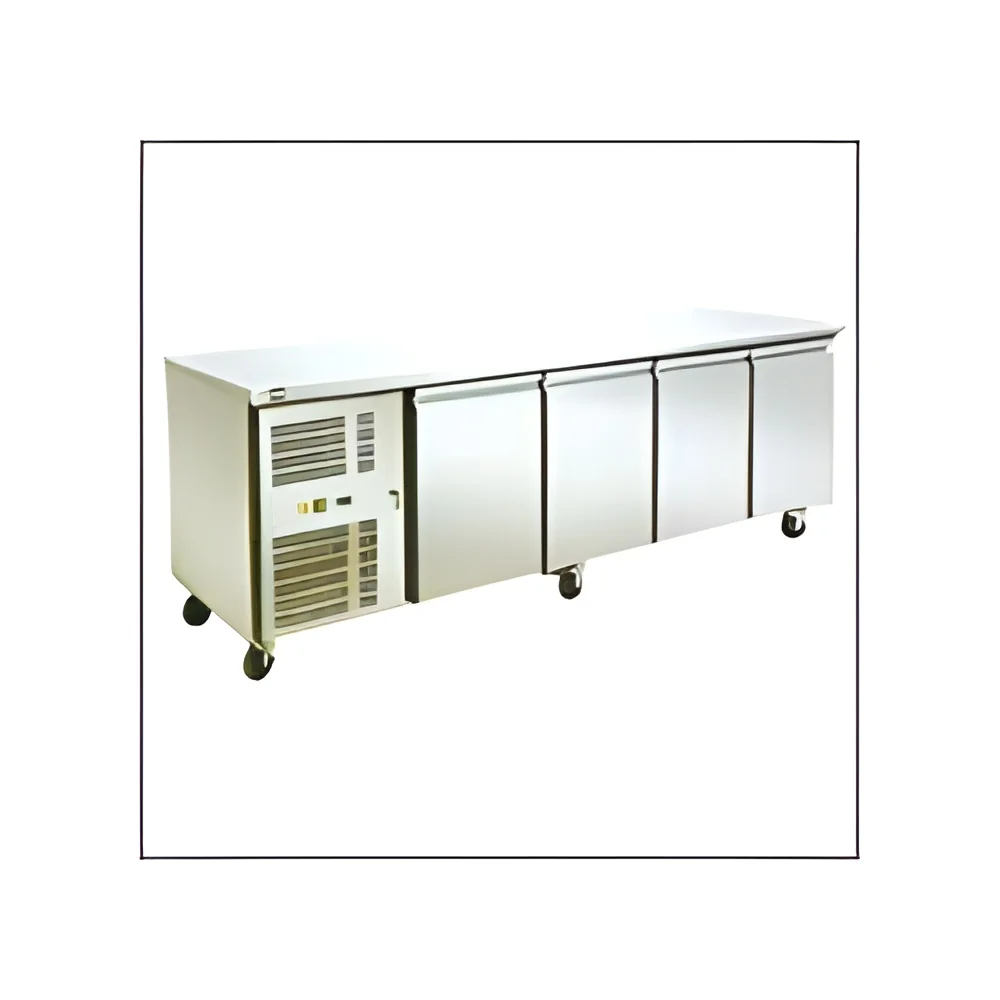
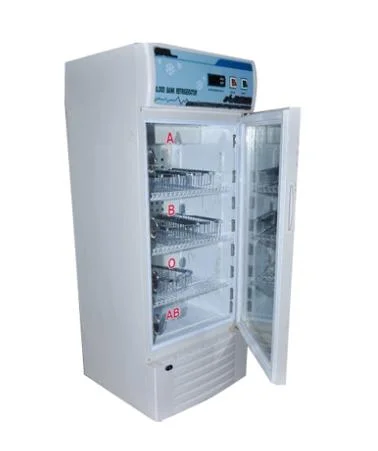
What are Temperature-Controlled Warehousing?
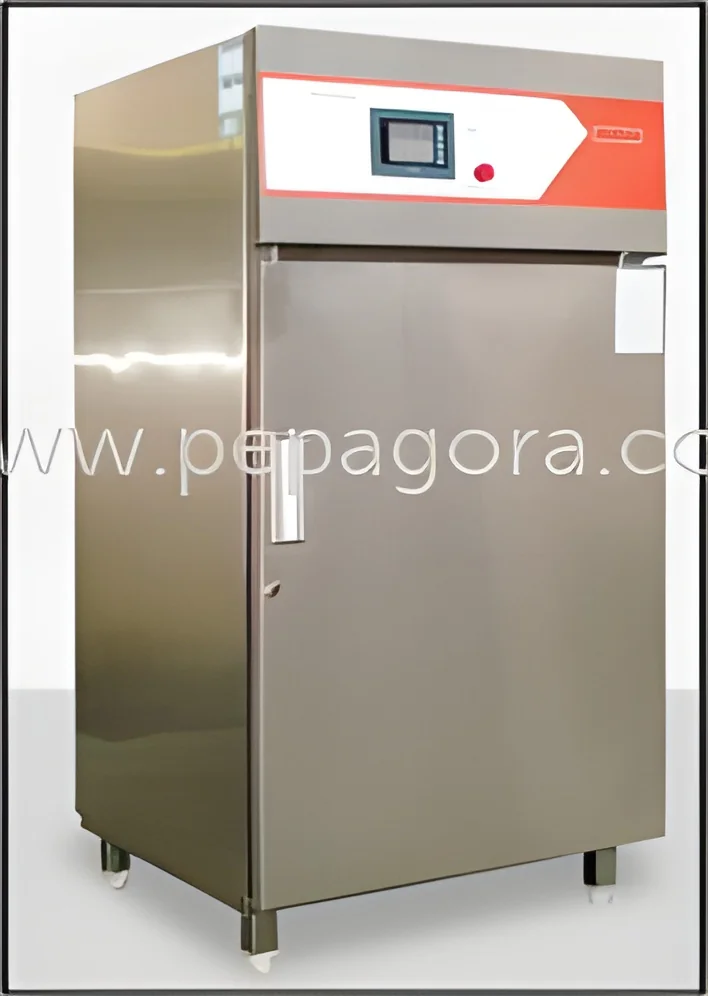
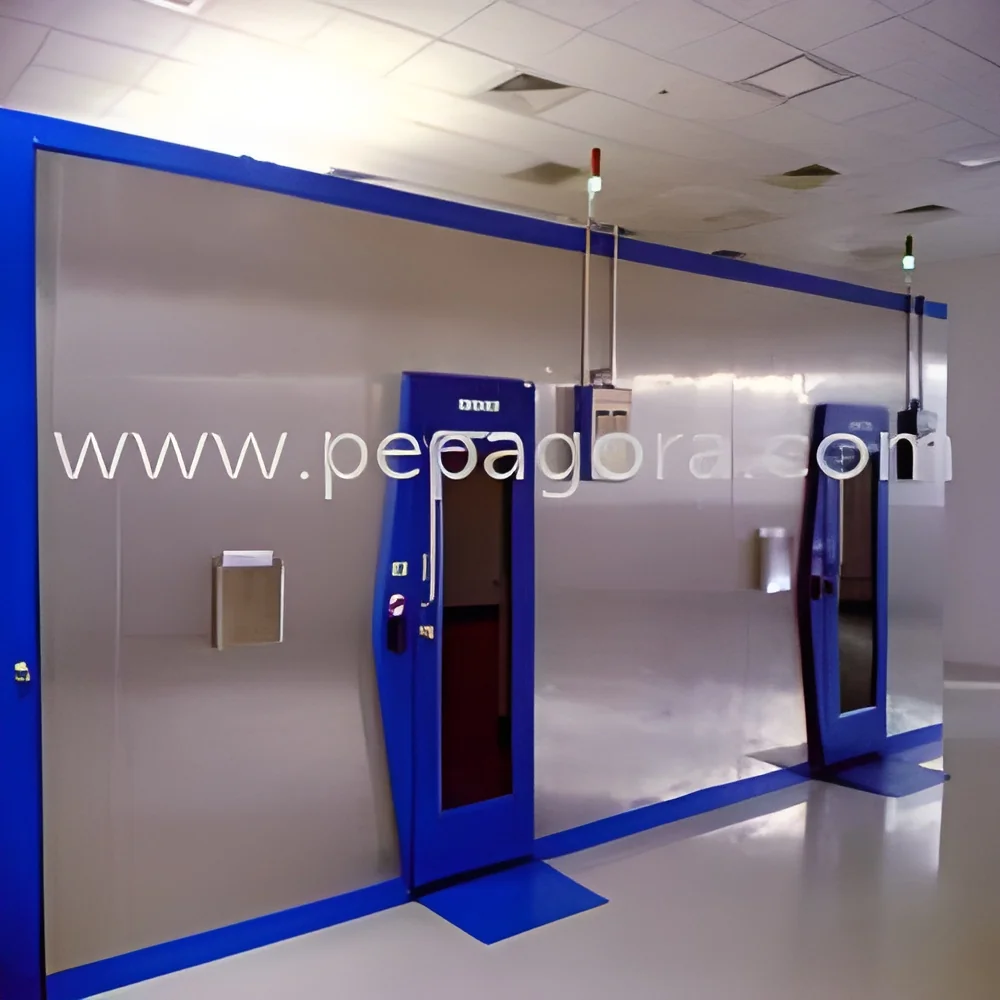
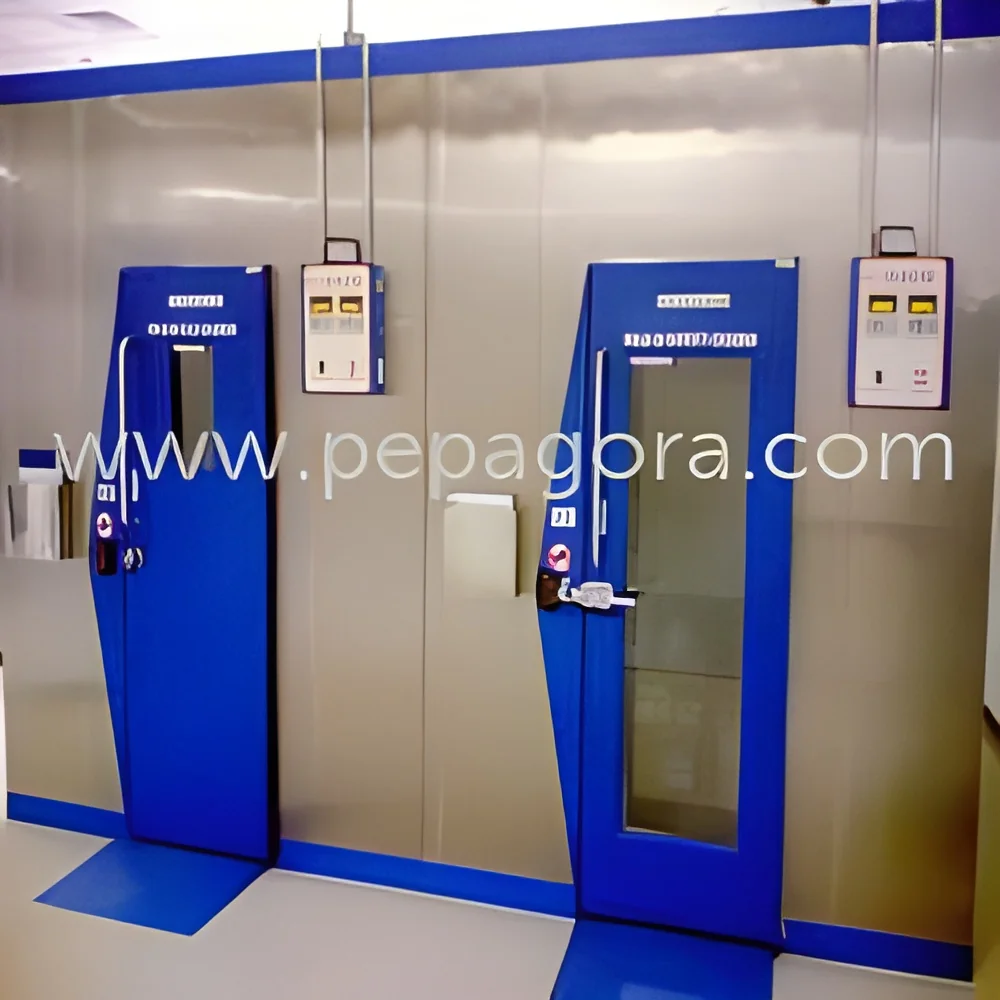
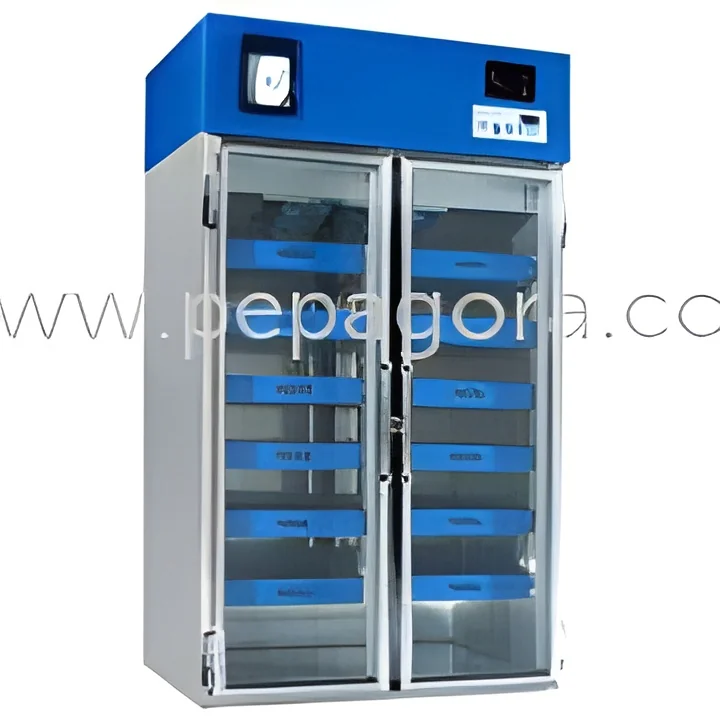
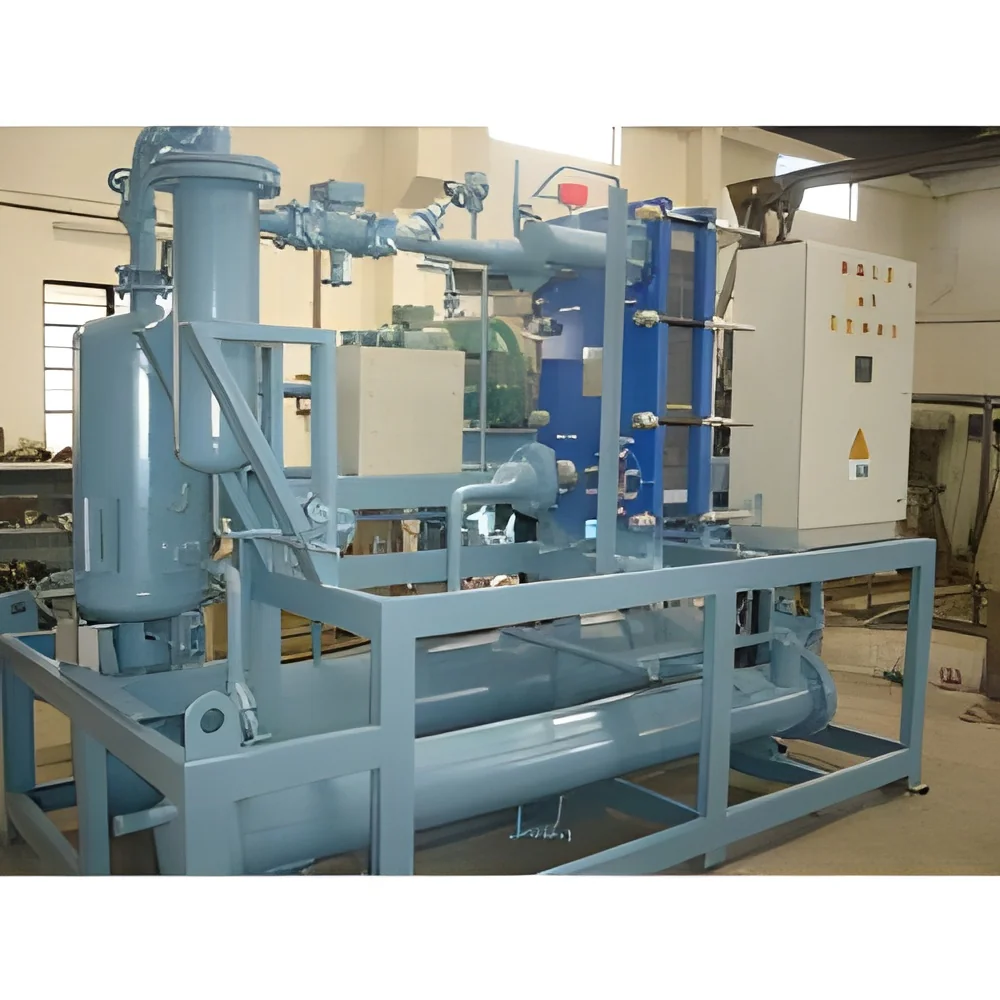
Temperature-controlled warehousing refers to specialized storage facilities designed to maintain specific temperature and humidity levels for products sensitive to environmental conditions. These warehouses utilize advanced climate control systems to ensure optimal storage conditions, which is crucial for preserving the quality and safety of various goods. Typically, temperature-controlled warehousing is equipped with refrigeration, heating, and humidity control systems to meet the specific needs of the products being stored.
The primary applications of temperature-controlled warehousing include the storage of perishable goods, pharmaceuticals, and sensitive electronics. Industries such as food and beverage, healthcare, and logistics heavily rely on these facilities to prevent spoilage, maintain product integrity, and comply with regulatory requirements. As e-commerce and global trade expand, the demand for temperature-controlled solutions in warehousing is increasing, reflecting a broader market need for specialized storage and distribution capabilities.
Key Features and Specifications
Temperature-controlled warehousing incorporates a range of features and specifications that enhance its functionality. These specifications are essential for ensuring that products are stored in the ideal conditions, thus minimizing risks associated with temperature fluctuations.
Key specifications include:
1. Temperature Control Systems
- Maintains specific temperature ranges according to product requirements
- Typical range from -20°C to 25°C, depending on the product type
2. Humidity Control
- Regulates moisture levels to prevent mold growth and product degradation
- Standard humidity levels maintained between 30% to 70%
3. Monitoring Systems
- Equipped with real-time monitoring for temperature and humidity
- Alerts for deviations to ensure prompt corrective actions
4. Insulation Quality
- High-quality insulation materials to minimize energy loss
- Essential for maintaining steady internal conditions
5. Storage Configuration
- Flexible racking systems for various product sizes and types
- Facilitates efficient space utilization
6. Security Features
- Advanced security measures including surveillance cameras and access controls
- Protects against theft and unauthorized access
7. Compliance Features
- Designed to meet industry standards and regulations
- Ensures that stored products adhere to safety and quality guidelines
8. Energy Efficiency
- Utilizes energy-efficient technologies to reduce operational costs
- Contributes to sustainability efforts in warehousing
In summary, temperature-controlled warehousing is characterized by its intricate systems designed to maintain optimal storage conditions, which are crucial for preserving the integrity of sensitive products.
Common Applications and Use Cases
Temperature-controlled warehousing plays a vital role across multiple industries, ensuring that products are kept in optimal conditions throughout the storage and distribution process.
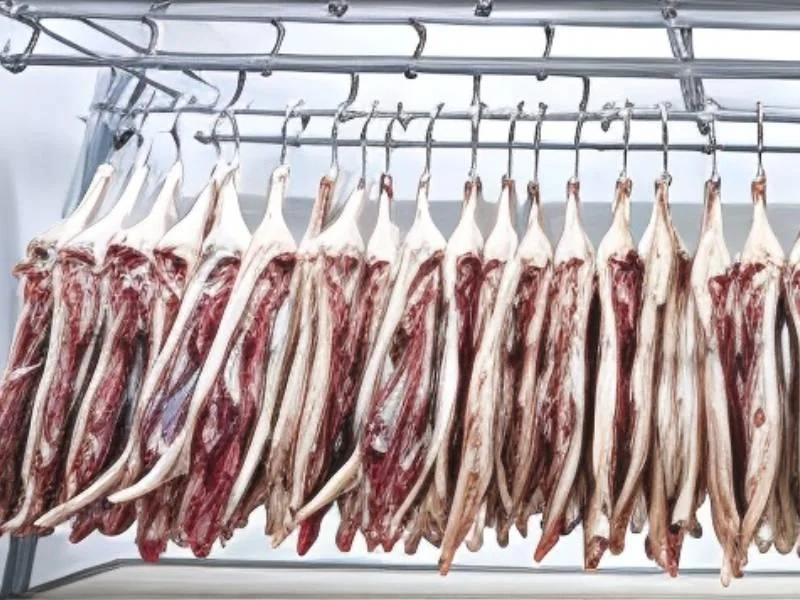
1. Food and Beverage: This industry relies on temperature-controlled warehousing to store perishable items such as dairy, meats, and frozen products. Maintaining specific temperature ranges is essential to prevent spoilage and extend shelf life.
2. Pharmaceuticals: Temperature-controlled facilities are critical for storing medicines and vaccines that require strict temperature and humidity controls. Compliance with regulatory standards ensures the efficacy and safety of these products.
3. Electronics: Sensitive electronic components and devices benefit from climate-controlled environments to protect against moisture and temperature fluctuations that could lead to malfunctions.
4. Biotechnology: Research facilities and biotech companies use temperature-controlled warehousing for storing biologics and laboratory samples that need precise environmental conditions.
5. Cosmetics: Many cosmetic products contain ingredients that are sensitive to temperature changes. Proper storage helps maintain product quality and extends shelf life.
6. Chemicals: Certain chemicals require specific storage conditions to ensure safety and stability. Temperature-controlled warehousing provides the necessary environment for safe storage.
7. Floral and Horticultural Products: These products often need specific temperature and humidity levels to remain fresh during storage and distribution.
Product Variants and Subcategories
Temperature-controlled warehousing comes in various configurations to meet diverse business needs. While specific subcategories are not available, the product diversity allows for tailored solutions.
Refrigerated Warehousing
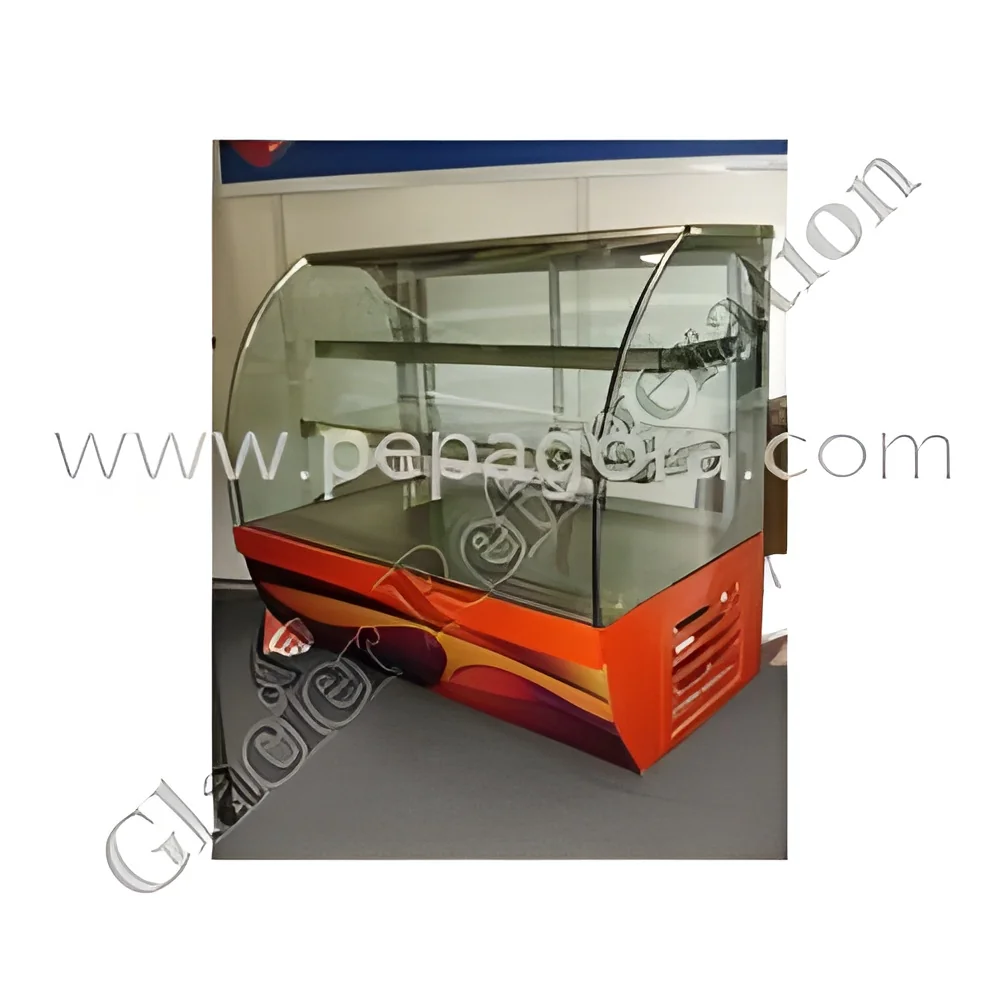
This variant is designed primarily for the storage of perishable food products. It features advanced cooling systems and monitoring technologies to maintain low temperatures, ensuring that food remains fresh and safe for consumption.
Pharmaceutical Warehousing
Focused on the healthcare sector, this type of warehousing emphasizes strict temperature and humidity controls to store medicines and vaccines. These facilities often adhere to rigorous compliance and safety standards to safeguard sensitive products.
Benefits and Advantages
Temperature-controlled warehousing provides several advantages that enhance supply chain efficiency and product quality.
1. Preservation of Product Quality: Maintaining optimal temperatures prevents spoilage and degradation, ensuring products remain safe for consumption or use.
2. Compliance with Regulations: These facilities help businesses meet stringent industry standards and regulations, particularly in sectors like food and pharmaceuticals.
3. Extended Shelf Life: Temperature-controlled storage extends the shelf life of perishable goods, reducing waste and improving profitability.
4. Enhanced Supply Chain Efficiency: Efficient storage and distribution reduce delays and improve service levels, contributing to overall business performance.
5. Risk Mitigation: Monitoring systems minimize the risk of temperature fluctuations, protecting products from damage and ensuring reliability in delivery.
6. Flexibility and Scalability: Temperature-controlled warehousing can adapt to changing business needs, accommodating various product types and storage requirements.
Buying Guide for B2B Buyers
When sourcing temperature-controlled warehousing, several factors should be considered to ensure optimal selection and satisfaction.
1. Quality Assessment: Evaluate the quality of the warehousing facilities, including insulation, temperature control systems, and monitoring technologies. Quality assurance is vital for maintaining product integrity.
2. Supplier Verification: Conduct thorough vetting of potential suppliers to ensure they have a reliable track record and adhere to industry standards. Look for certifications that demonstrate compliance.
3. Pricing and MOQ: Understand the pricing structures of different suppliers and inquire about minimum order quantities. Competitive pricing should align with the quality and services offered.
4. Delivery and Lead Times: Assess logistics capabilities, including lead times for storage and distribution. Reliable delivery schedules are crucial for maintaining supply chain efficiency.
5. Compliance Requirements: Ensure that the warehousing provider meets all relevant regulatory standards and has the necessary certifications to handle your specific products.
Compliance and Certifications
Compliance and certifications are critical aspects of temperature-controlled warehousing. Facilities must adhere to quality standards and regulations to ensure product safety and integrity.
Relevant quality standards include ISO 9001, which outlines the requirements for a quality management system, ensuring consistent product quality and continuous improvement. Additionally, HACCP (Hazard Analysis Critical Control Point) is essential in food and pharmaceutical industries, focusing on identifying and managing risks associated with food safety.
Industry certifications such as CE indicate that the facilities comply with European safety standards, enhancing trust among businesses and consumers. Compliance with Good Distribution Practices (GDP) is also vital, particularly in the pharmaceutical sector, ensuring that products are stored and transported under appropriate conditions.
Moreover, regional compliance considerations may vary, requiring businesses to understand local regulations governing temperature-controlled warehousing. Adhering to these standards ensures the safety and quality of products throughout the supply chain.
Why Source Temperature-Controlled Warehousing from Pepagora?
Pepagora offers a reliable platform for sourcing temperature-controlled warehousing, presenting several key advantages for B2B buyers.
Verified Supplier Network: Pepagora provides access to a network of verified suppliers, ensuring that businesses can find reputable partners for their temperature-controlled warehousing needs. This network enhances trust and reliability in the sourcing process.
Streamlined RFQ Process: The platform features a streamlined request for quotation (RFQ) system, allowing buyers to easily request quotes from multiple suppliers. This simplifies the procurement process and helps businesses make informed decisions quickly.
Trade Assurance and Support: Pepagora offers trade assurance, protecting buyers against risks associated with their purchases. Comprehensive support services are also available, guiding businesses through their sourcing journey.
Regional Coverage: Pepagora's geographic reach spans India, the GCC, and Southeast Asia, providing businesses with access to a diverse range of suppliers and warehousing options. This extensive coverage facilitates efficient sourcing and distribution across multiple markets.

 IN
IN