What are Fulfillment Center Services?
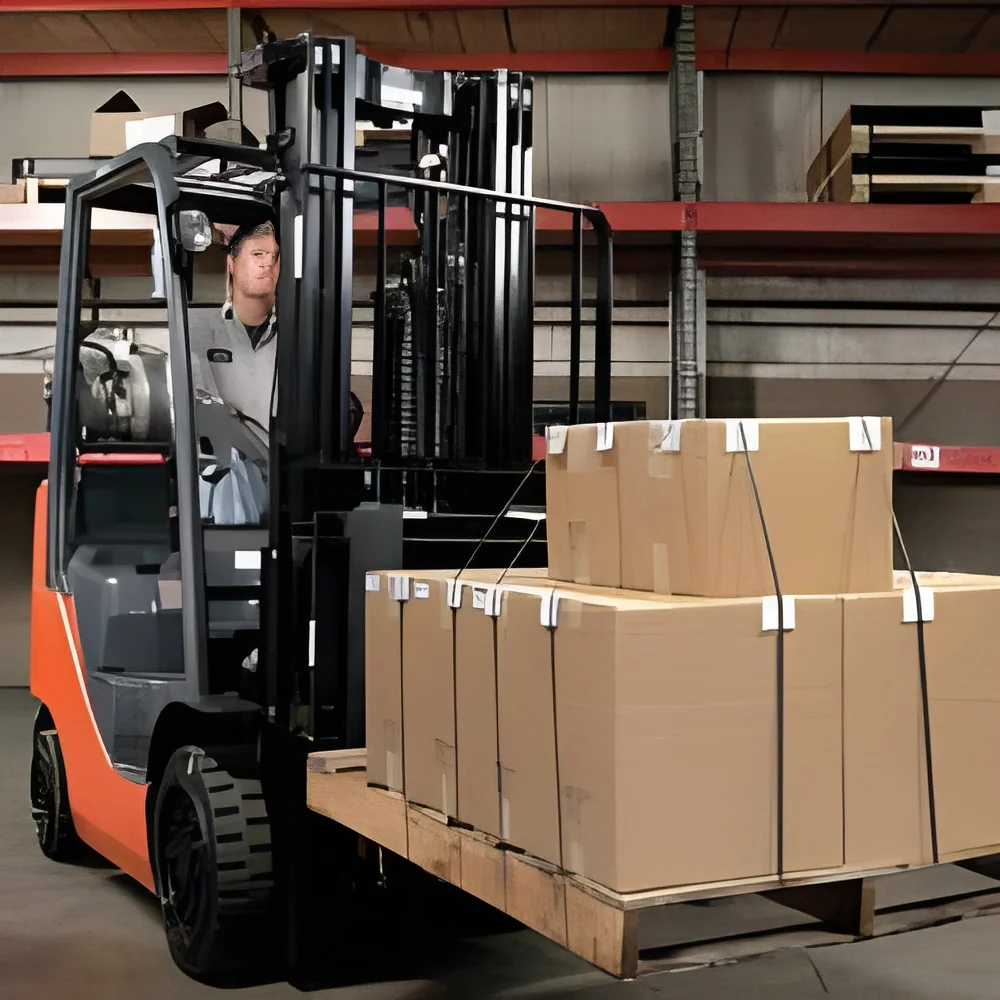
Fulfillment center services are specialized logistics solutions that manage the storage, packing, and shipping of products on behalf of businesses. These centers act as a bridge between manufacturers and consumers, handling the complexities of order processing and distribution. By outsourcing fulfillment tasks, companies can focus on their core competencies while ensuring efficient delivery to customers.
These services are primarily used by e-commerce businesses, retail companies, and wholesalers that require efficient order management. Businesses leverage fulfillment centers to streamline their operations, reduce overhead costs, and enhance customer satisfaction through timely deliveries. In today's competitive market, fulfillment services have become essential, enabling companies to scale their operations quickly without the burden of managing inventory and logistics internally.
As the e-commerce sector continues to grow rapidly, the demand for fulfillment center services is increasing. Businesses are looking for reliable partners who can provide efficient logistics solutions, making these services a critical component of modern supply chain management. The relevance of fulfillment centers is further underscored by their ability to adapt to various industry requirements, ensuring that businesses remain competitive in a dynamic market.
Key Features and Specifications
Fulfillment center services come equipped with a range of features designed to optimize order management and logistics. These features enhance efficiency, accuracy, and customer satisfaction.
Key specifications include:
1. Inventory Management
- Real-time tracking of stock levels.
- Integration with various e-commerce platforms.
2. Order Processing
- Automated picking and packing systems.
- Fast turnaround times for order fulfillment.
3. Shipping Solutions
- Partnerships with multiple carriers for flexible shipping options.
- International shipping capabilities for global reach.
4. Returns Management
- Streamlined processes for handling returns.
- Efficient restocking procedures to manage inventory.
5. Custom Packaging
- Options for branded packaging.
- Protective packaging solutions for fragile items.
6. Scalability
- Ability to scale operations based on seasonal demand.
- Flexible storage solutions to accommodate varying inventory levels.
7. Data Analytics
- Reporting tools to analyze sales and inventory trends.
- Insights to optimize fulfillment strategies.
8. Compliance Standards
- Adherence to industry-specific regulations.
- Certifications ensuring quality and safety in handling products.
In summary, fulfillment center services provide businesses with efficient logistics solutions that enhance order management, reduce operational costs, and improve customer experiences.
Common Applications and Use Cases
Fulfillment center services serve a wide array of industries, each with its unique requirements and applications.
1. E-commerce: These services are essential for online retailers, allowing them to manage high volumes of orders efficiently. Fulfillment centers help streamline operations and ensure timely delivery to customers.
2. Retail: Brick-and-mortar stores utilize fulfillment services for online orders and inventory management. This enables them to offer an omnichannel shopping experience.
3. Wholesale Distribution: Wholesalers benefit from fulfillment centers as they handle large quantities of goods. They can focus on sales while the center manages logistics.
4. Subscription Services: Companies offering subscription boxes rely on fulfillment centers to handle recurring shipments, ensuring customers receive products on schedule.
5. Consumer Electronics: Businesses dealing in electronics require careful handling and packaging. Fulfillment centers provide specialized services to manage these needs.
6. Fashion and Apparel: The fashion industry often faces rapid inventory turnover. Fulfillment centers help manage seasonal stock and returns efficiently.
7. Food and Beverage: Some fulfillment centers specialize in food logistics, ensuring compliance with health regulations and safe handling.
Product Variants and Subcategories
Fulfillment center services encompass a variety of solutions tailored to meet diverse business needs.
Standard Fulfillment Services
These services include storage, order processing, and shipping. They are designed for businesses of all sizes, enabling them to outsource logistics while maintaining control over their inventory.
Specialized Fulfillment Services
Some fulfillment centers offer specialized services such as handling hazardous materials or temperature-sensitive products. These tailored solutions are essential for industries like pharmaceuticals and food.
International Fulfillment Services
For businesses looking to expand globally, international fulfillment services provide shipping solutions that cater to various regions, ensuring compliance with local regulations and efficient delivery.
Benefits and Advantages
Fulfillment center services offer numerous advantages to businesses seeking to optimize their logistics and operations.
Key benefits include:
1. Cost Efficiency: Outsourcing fulfillment can significantly reduce overhead costs associated with warehousing and staffing.
2. Enhanced Focus: Businesses can concentrate on core activities like product development and marketing, while logistics are handled by experts.
3. Scalability: Fulfillment centers can easily adjust to changing inventory levels and seasonal demands, providing flexibility for growth.
4. Improved Customer Satisfaction: Faster shipping times and efficient order processing lead to higher customer satisfaction and loyalty.
5. Advanced Technology: Many fulfillment centers utilize cutting-edge technology for inventory management and order tracking, improving accuracy.
6. Expertise: Partnering with a fulfillment center provides access to industry expertise, ensuring best practices in logistics and compliance.
Buying Guide for B2B Buyers
When sourcing fulfillment center services, several factors should be considered to ensure a suitable partnership.
1. Quality Assessment: Evaluate the fulfillment center's processes and technology. Look for centers that offer real-time inventory tracking and automated systems to ensure efficiency.
2. Supplier Verification: Conduct thorough background checks on potential suppliers. Verify their experience and track record in the industry to ensure reliability.
3. Pricing and MOQ: Understand the cost structure and minimum order quantities. Compare pricing models to find a fulfillment center that aligns with your budget.
4. Delivery and Lead Times: Inquire about shipping capabilities and average delivery times. Ensure that the center can meet your specific logistical needs and customer expectations.
5. Compliance Requirements: Check for adherence to necessary compliance and safety standards. Ensure that the fulfillment center meets industry regulations relevant to your products.
Compliance and Certifications
Compliance with industry standards and regulations is crucial for fulfillment center services. Relevant quality standards such as ISO 9001 ensure that fulfillment centers maintain high operational quality and efficiency. Adherence to safety protocols like HACCP is vital for businesses dealing with food products, ensuring safe handling and storage.
Certifications such as CE and UL indicate compliance with safety and quality standards, which can enhance customer trust. Fulfillment centers must also meet regional compliance requirements, including customs regulations for international shipping and local safety laws.
Additionally, fulfillment centers should stay updated on any changes in regulatory requirements that may affect their operations. This ensures that businesses can rely on their fulfillment partners to meet compliance obligations.
Why Source Fulfillment Center Services from Pepagora?
Pepagora provides a trusted platform for sourcing fulfillment center services, offering several key advantages to businesses.
Verified Supplier Network: Pepagora's extensive network of verified suppliers ensures that businesses can find reliable fulfillment partners. Each supplier undergoes a rigorous vetting process, providing peace of mind regarding quality and reliability.
Streamlined RFQ Process: The platform features an easy-to-use Request for Quotation (RFQ) system. This allows businesses to quickly obtain quotes from multiple suppliers, facilitating informed decision-making.
Trade Assurance and Support: Pepagora offers buyer protection through trade assurance policies, safeguarding transactions and ensuring that businesses receive the services they pay for. Additionally, dedicated support teams are available to assist with any inquiries or issues.
Regional Coverage: With a strong presence in regions such as India, the GCC, and Southeast Asia, Pepagora connects businesses with fulfillment centers that cater to their geographic needs. This broad reach ensures that companies can efficiently manage logistics in various markets.
By choosing Pepagora for fulfillment center services, businesses can benefit from a comprehensive platform that simplifies the sourcing process while providing access to quality services.

 IN
IN