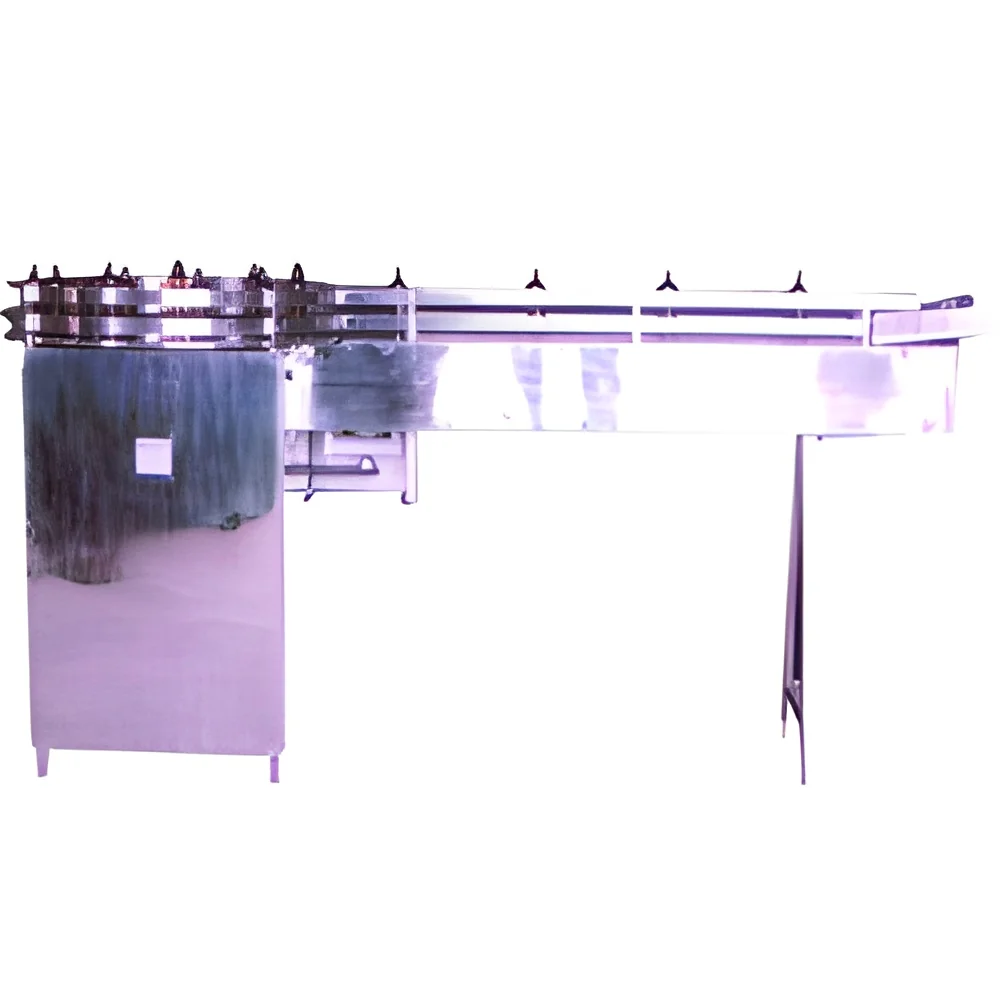
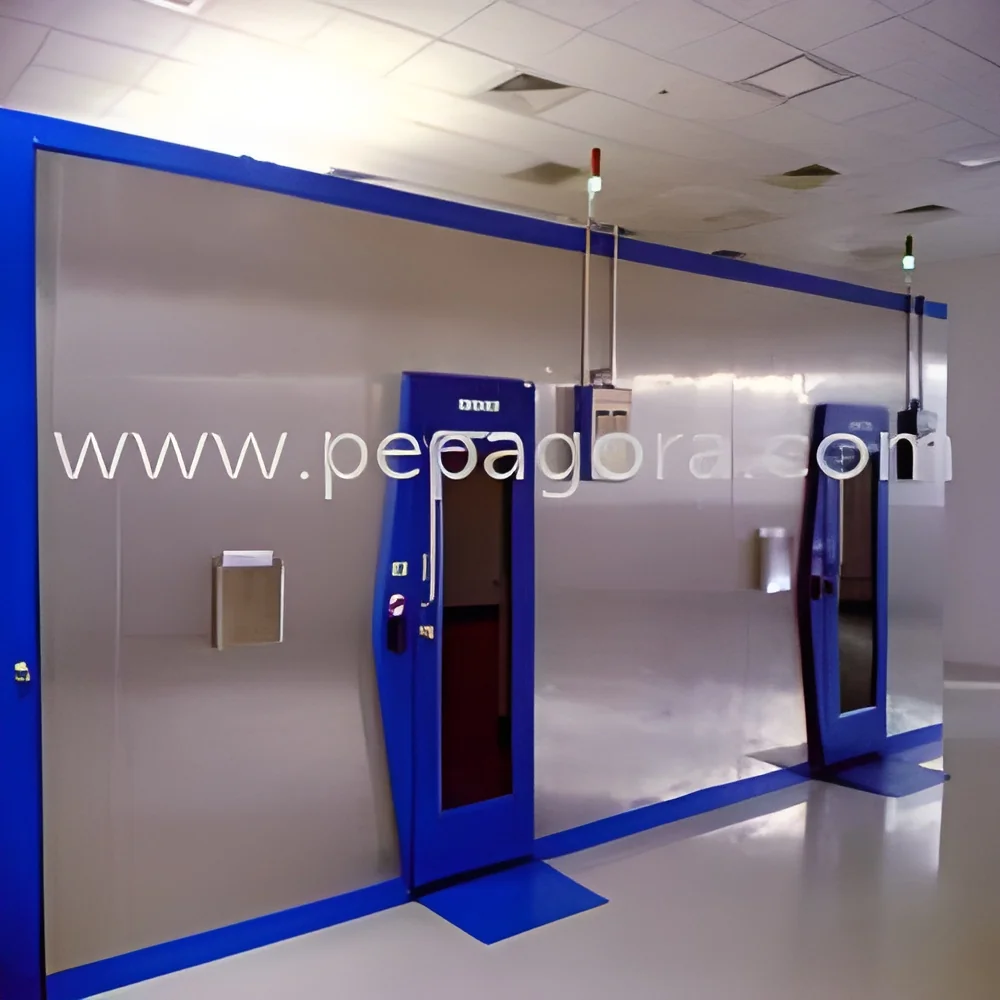
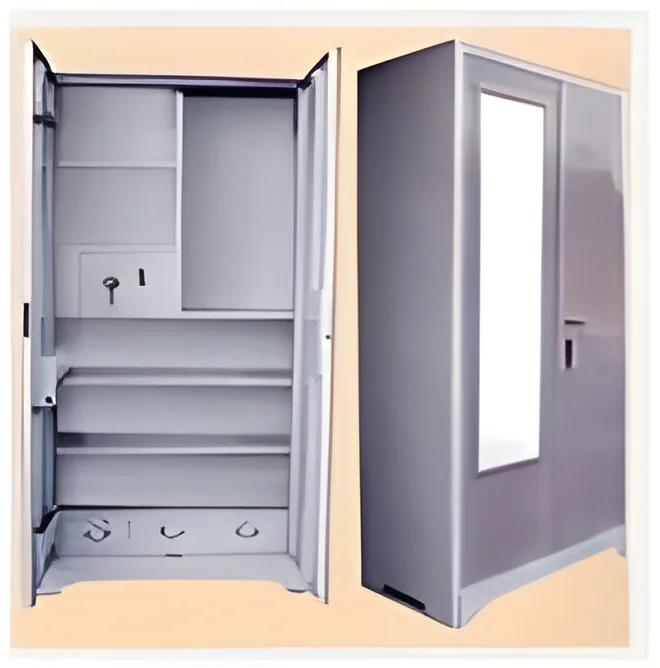
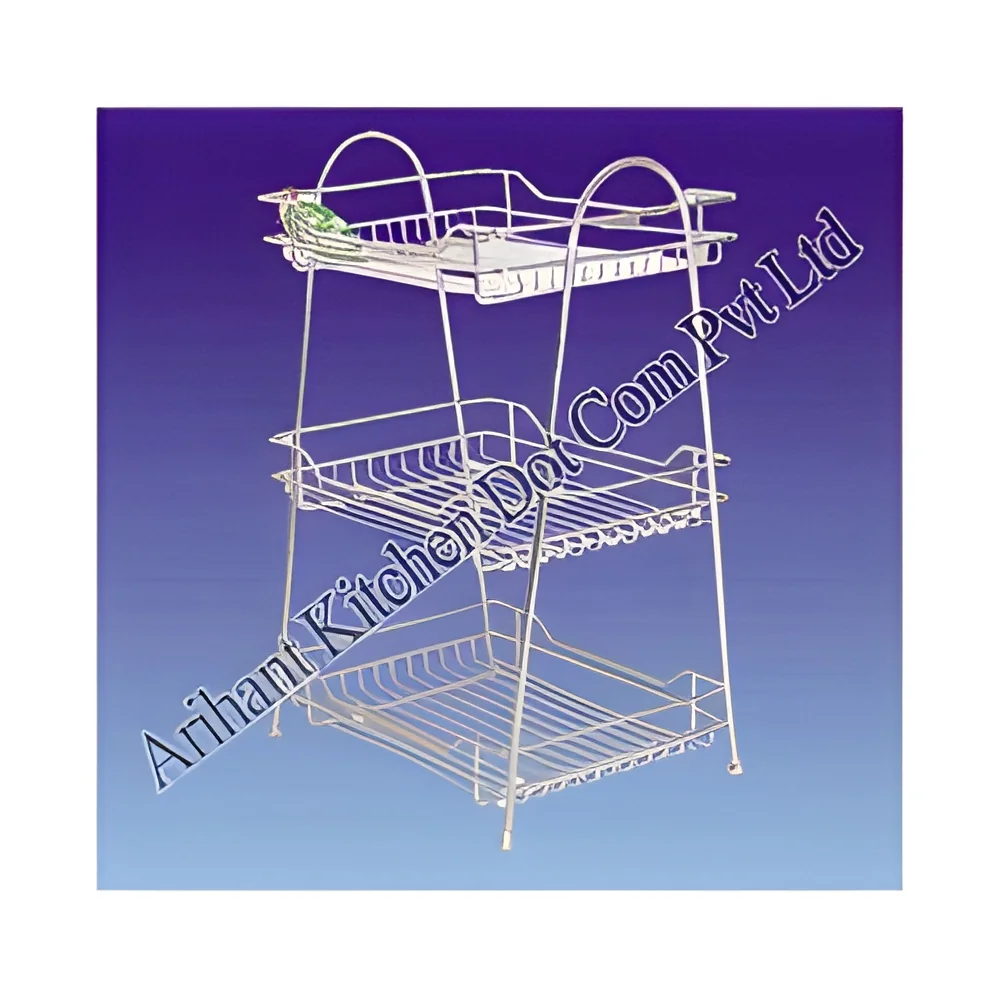
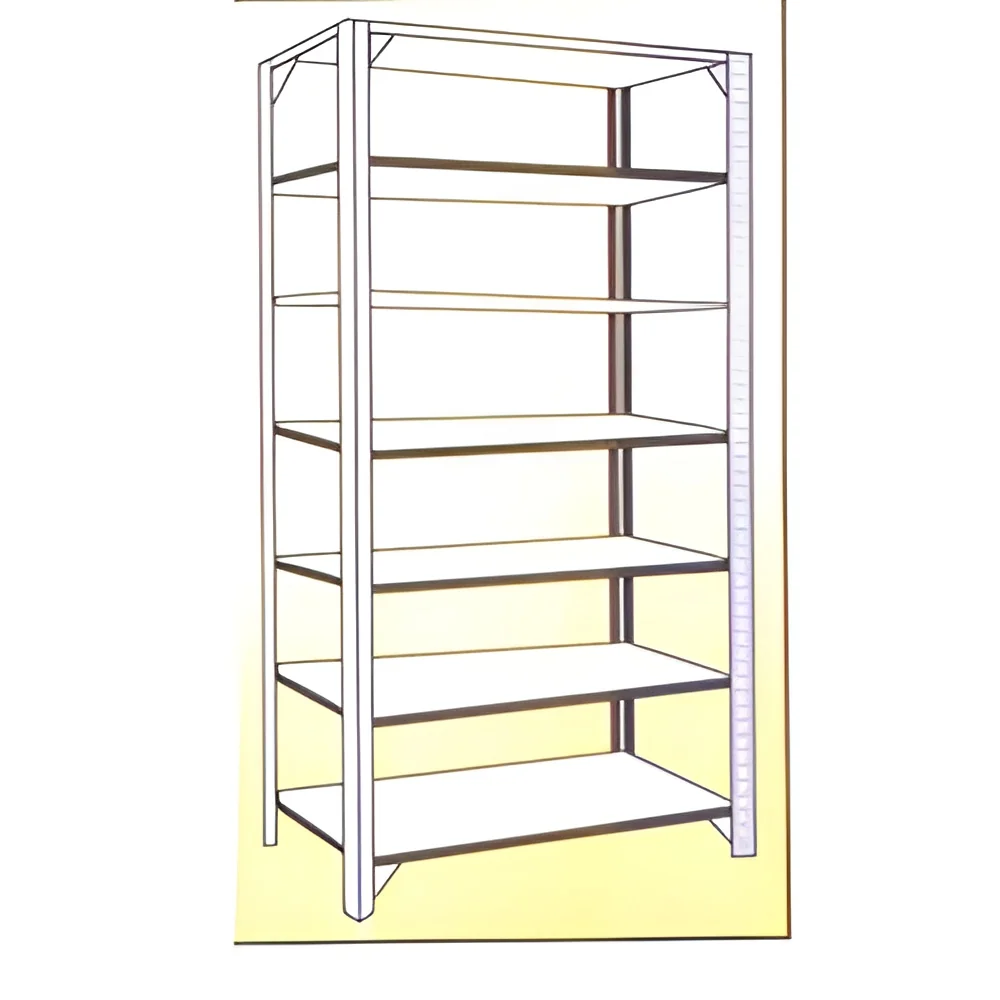
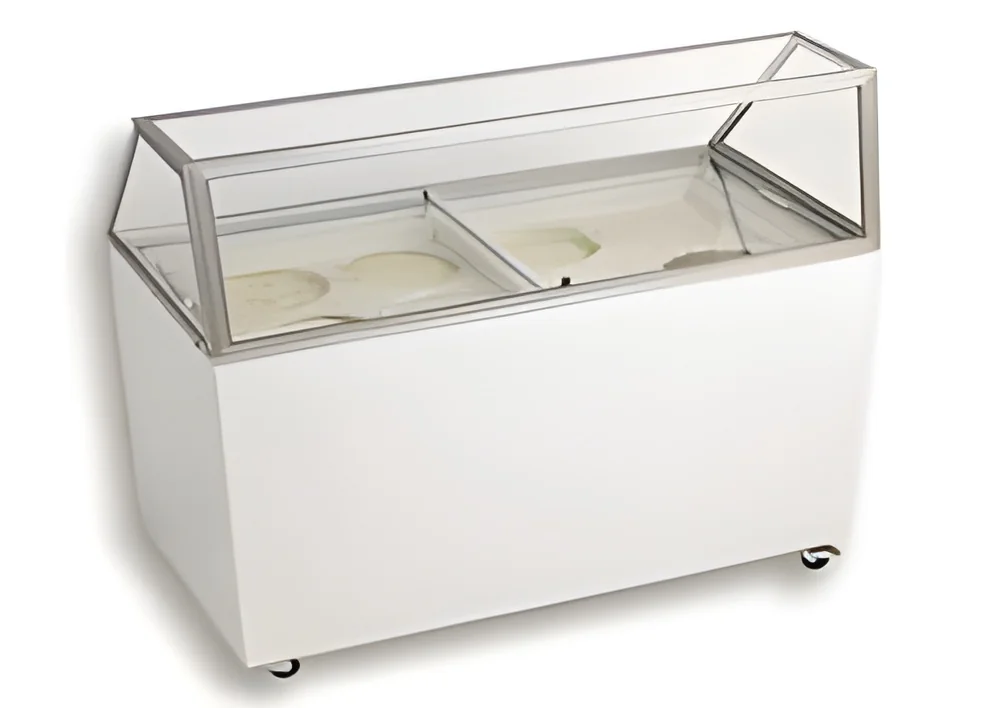
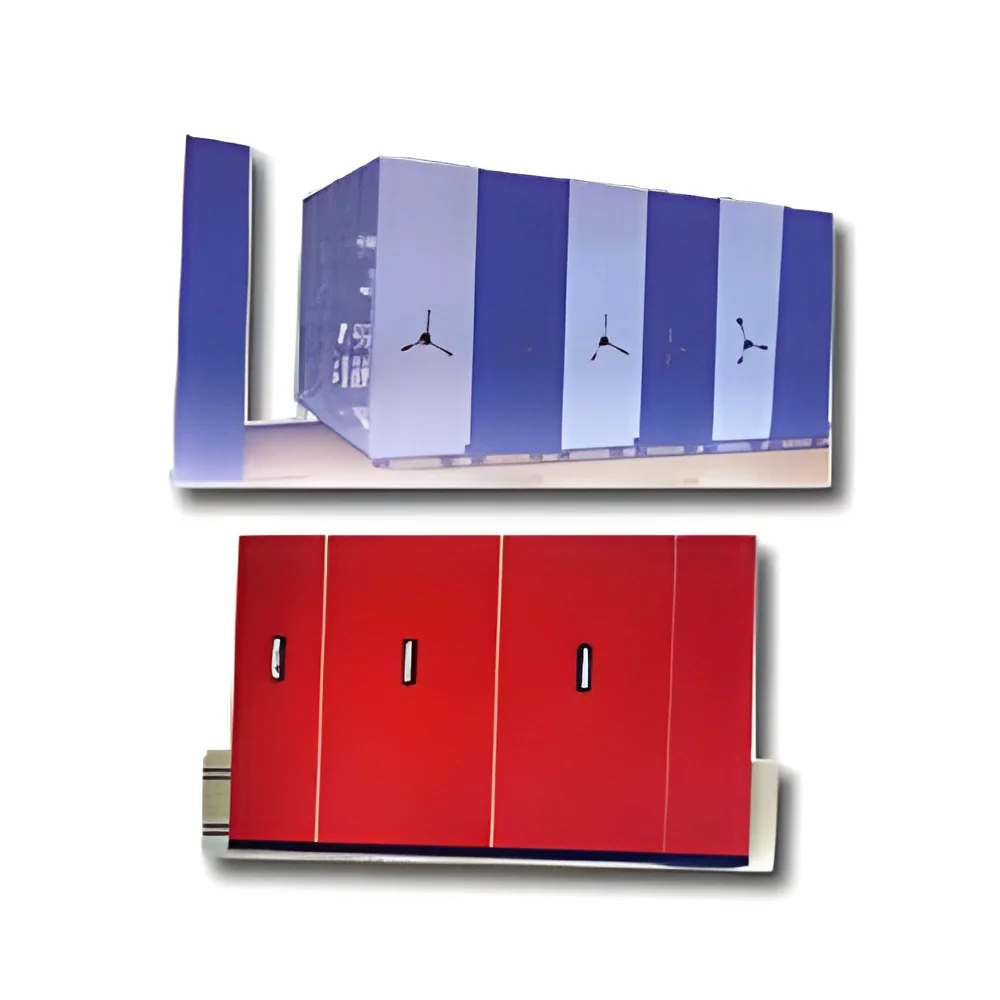
𝗪𝗵𝗮𝘁 𝗮𝗿𝗲 𝗪𝗮𝗿𝗲𝗵𝗼𝘂𝘀𝗶𝗻𝗴 & 𝗖𝗼𝗹𝗱 𝗦𝘁𝗼𝗿𝗮𝗴𝗲?
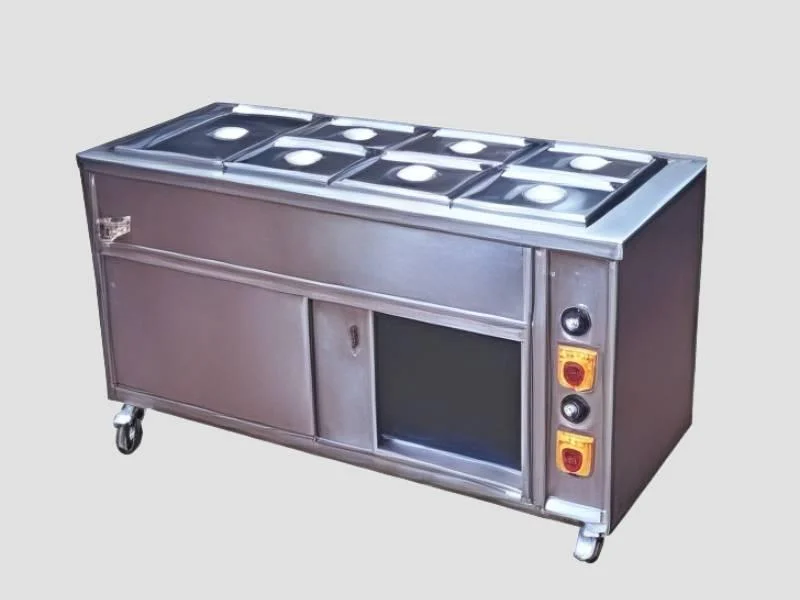
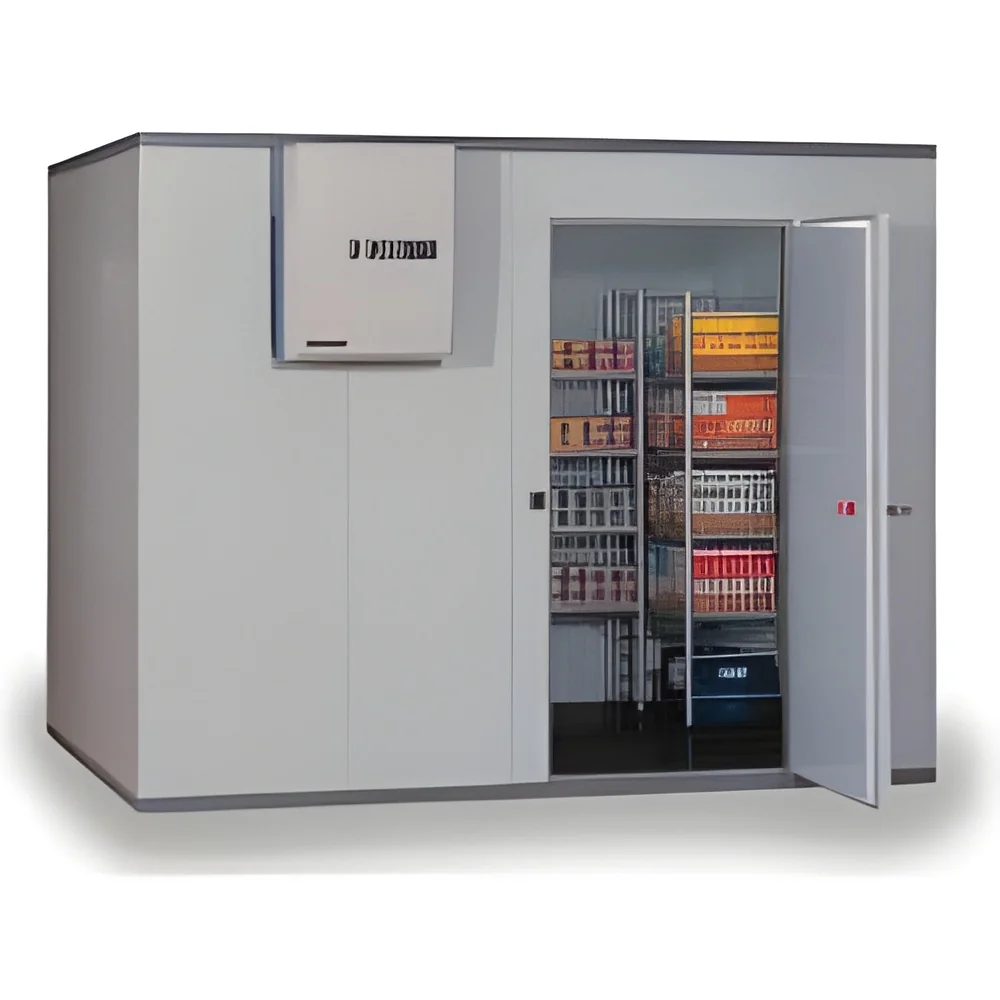
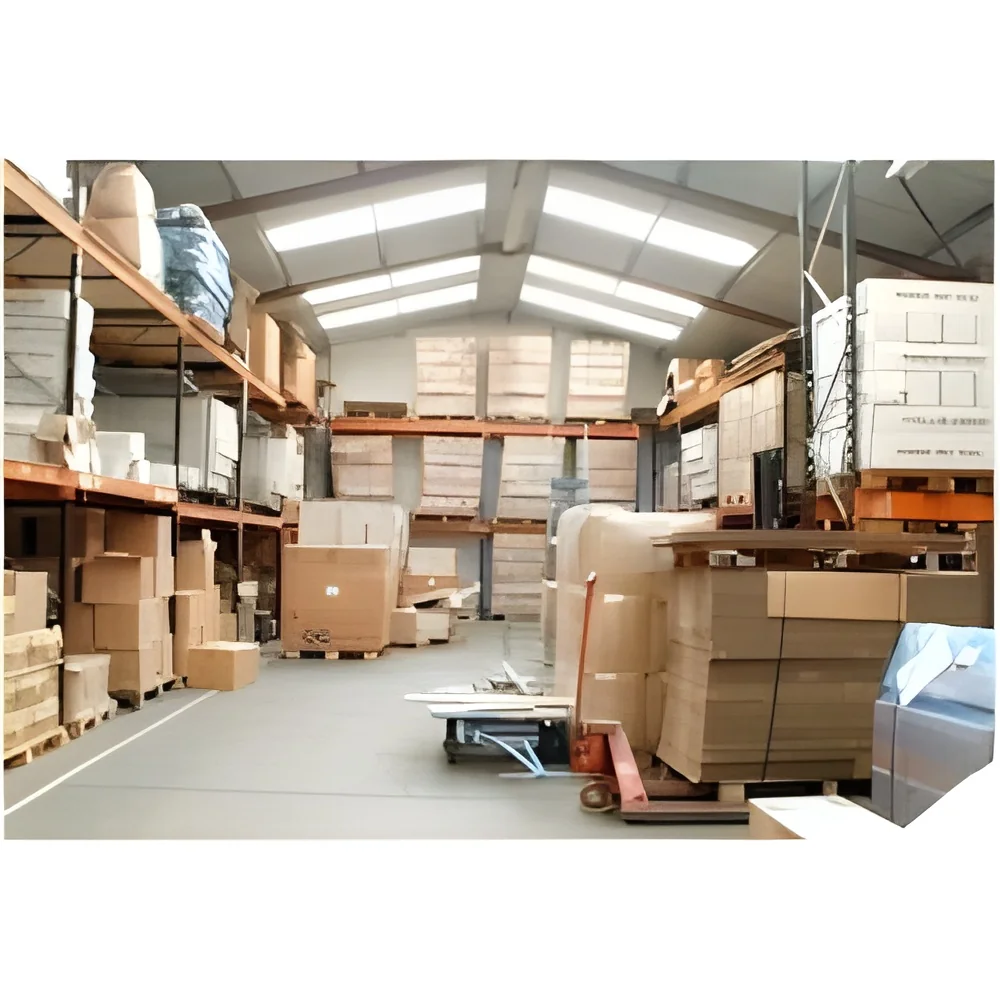
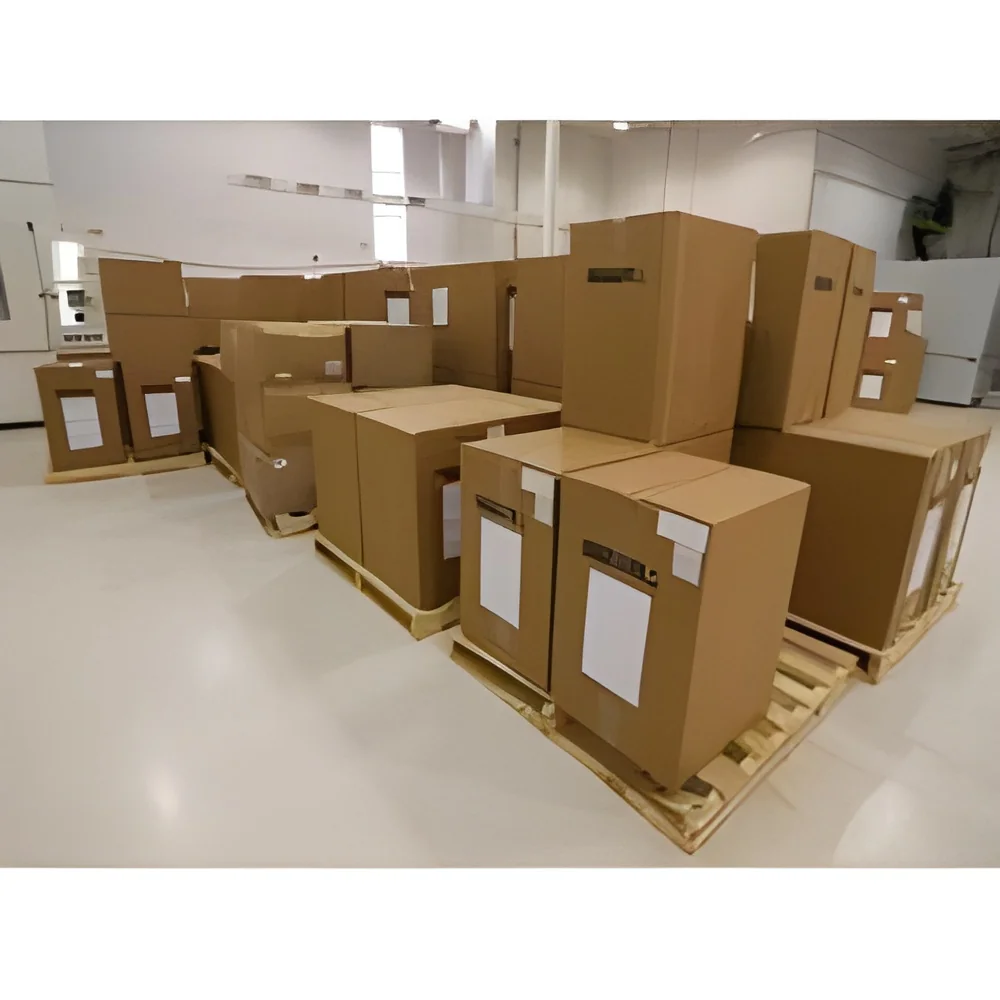
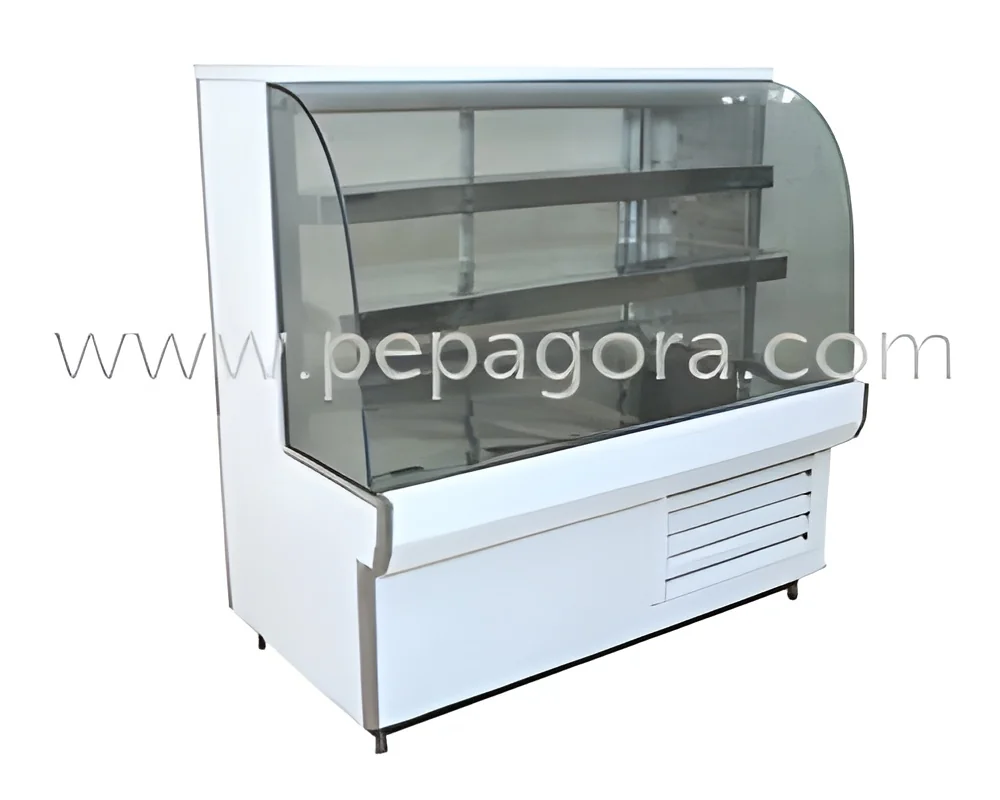
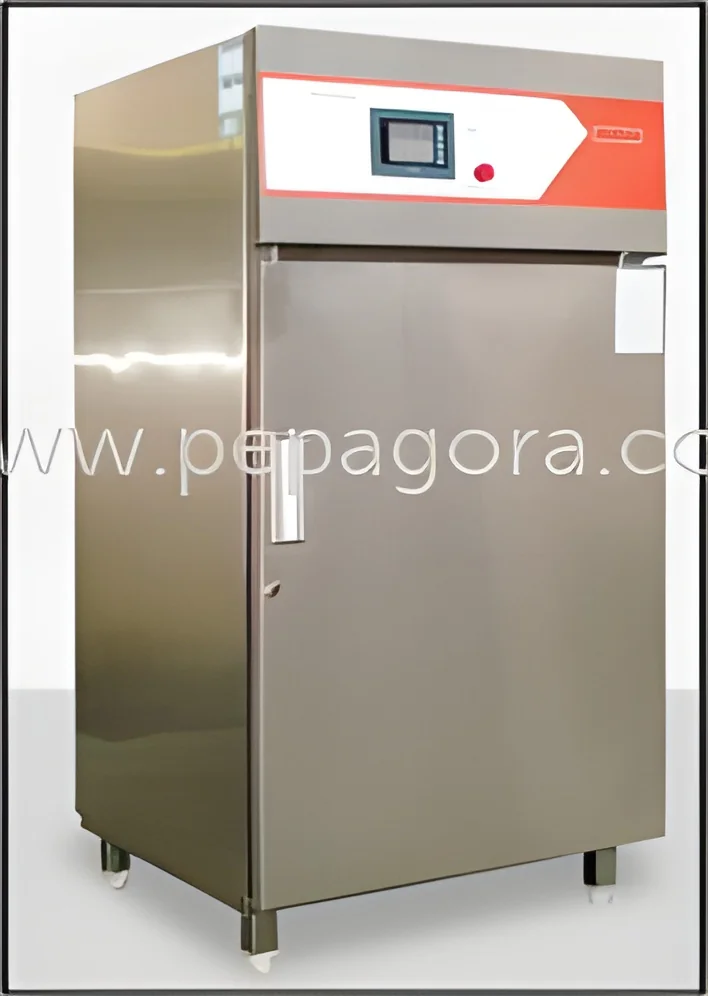
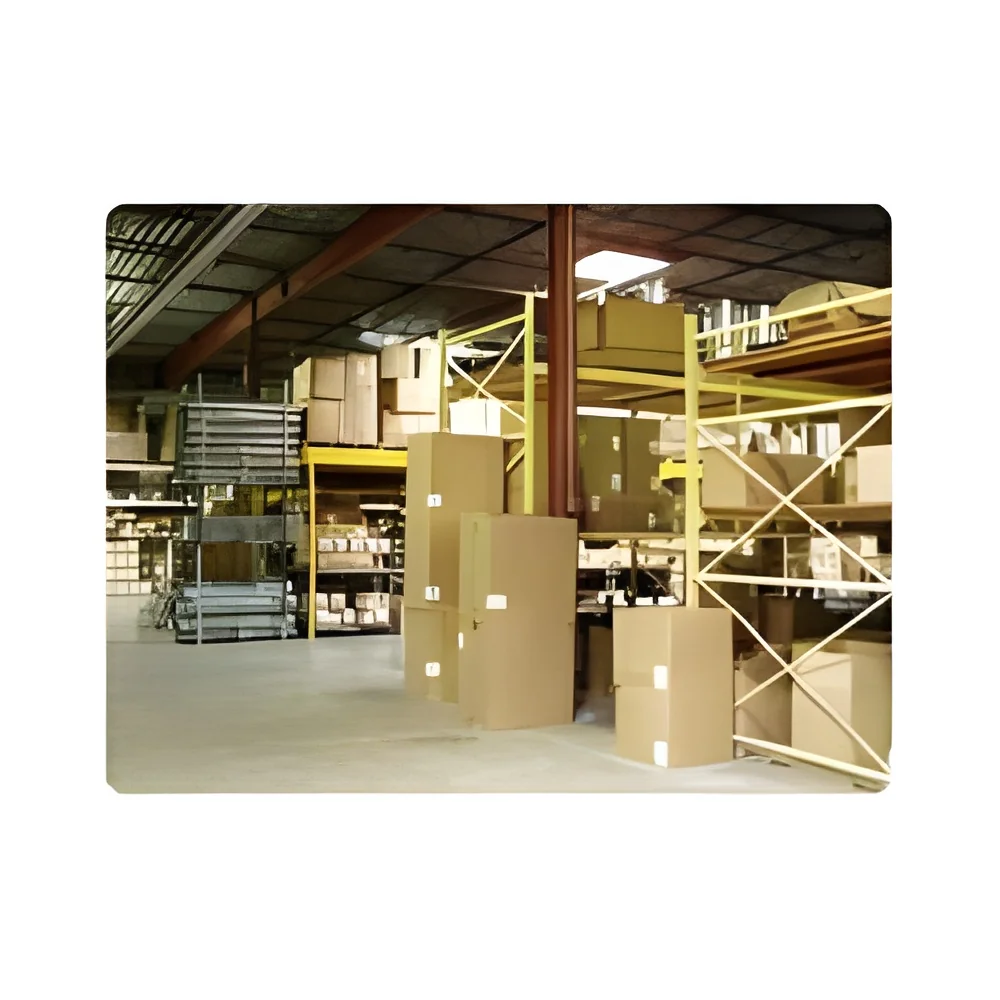
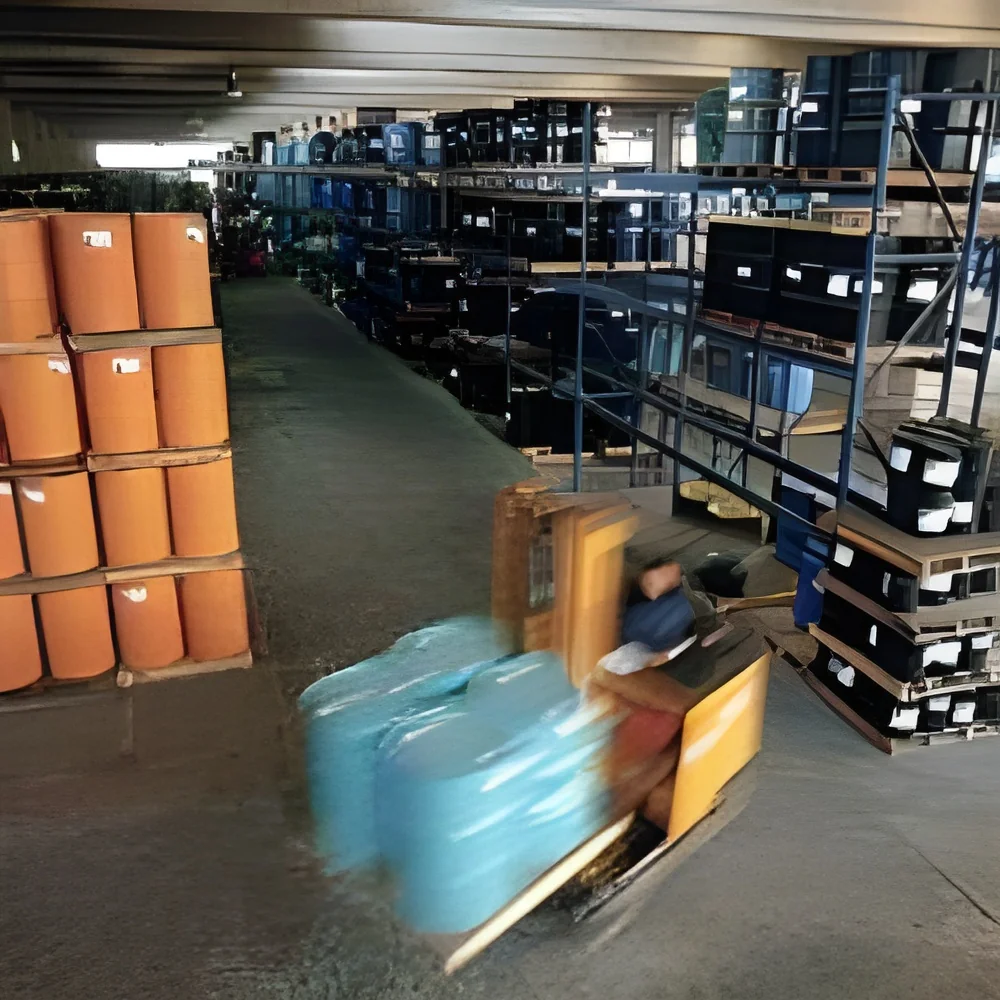
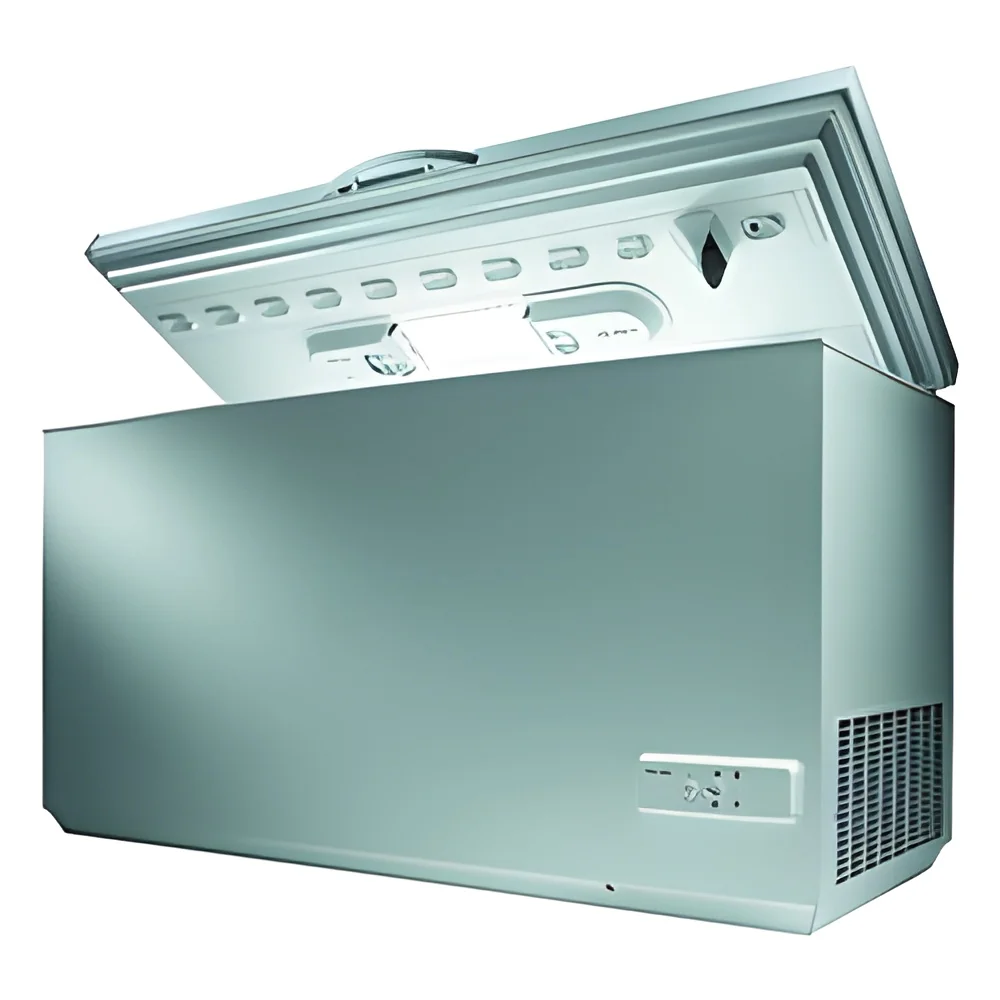
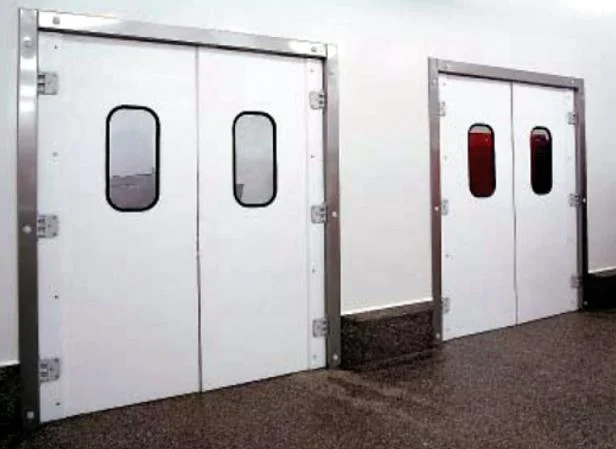
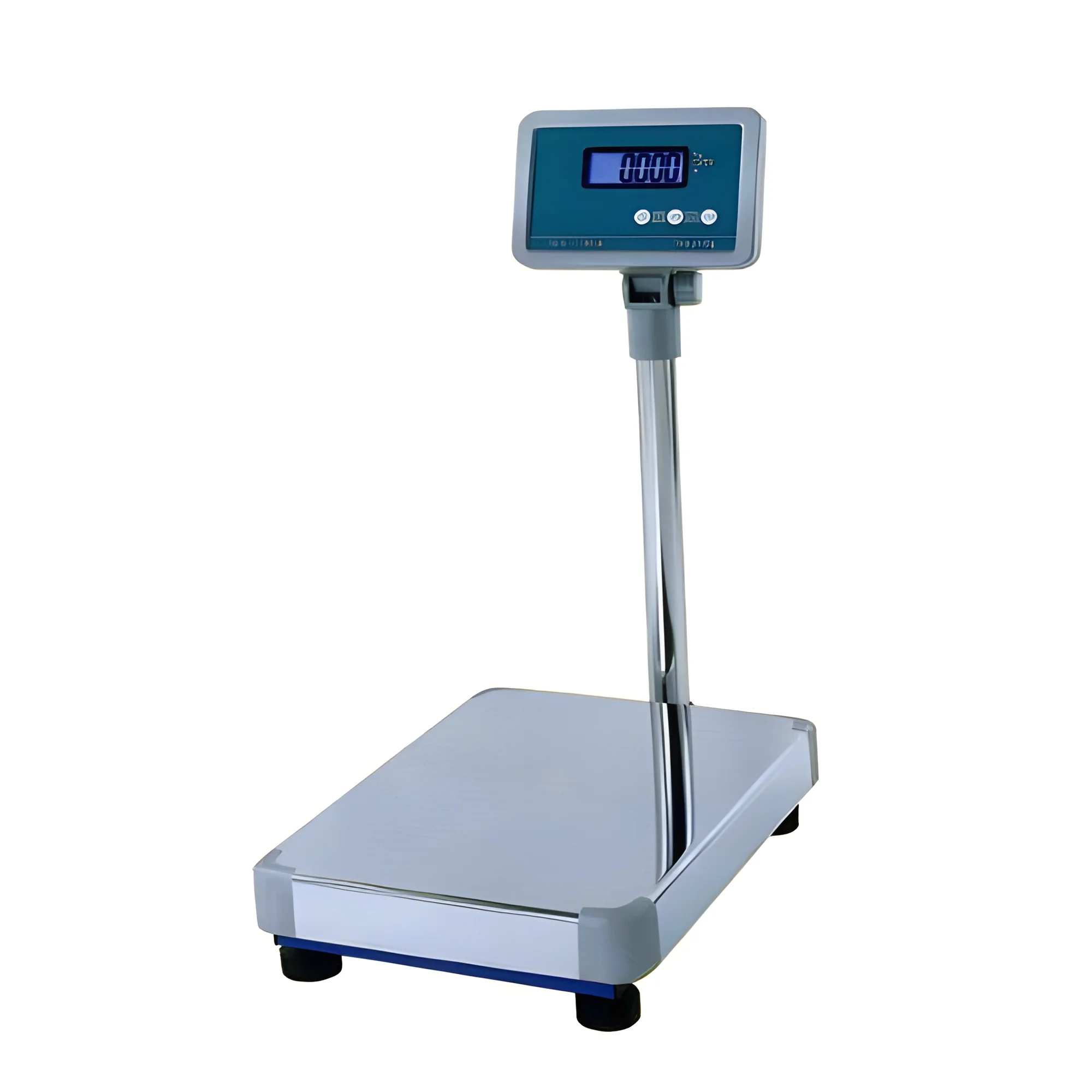
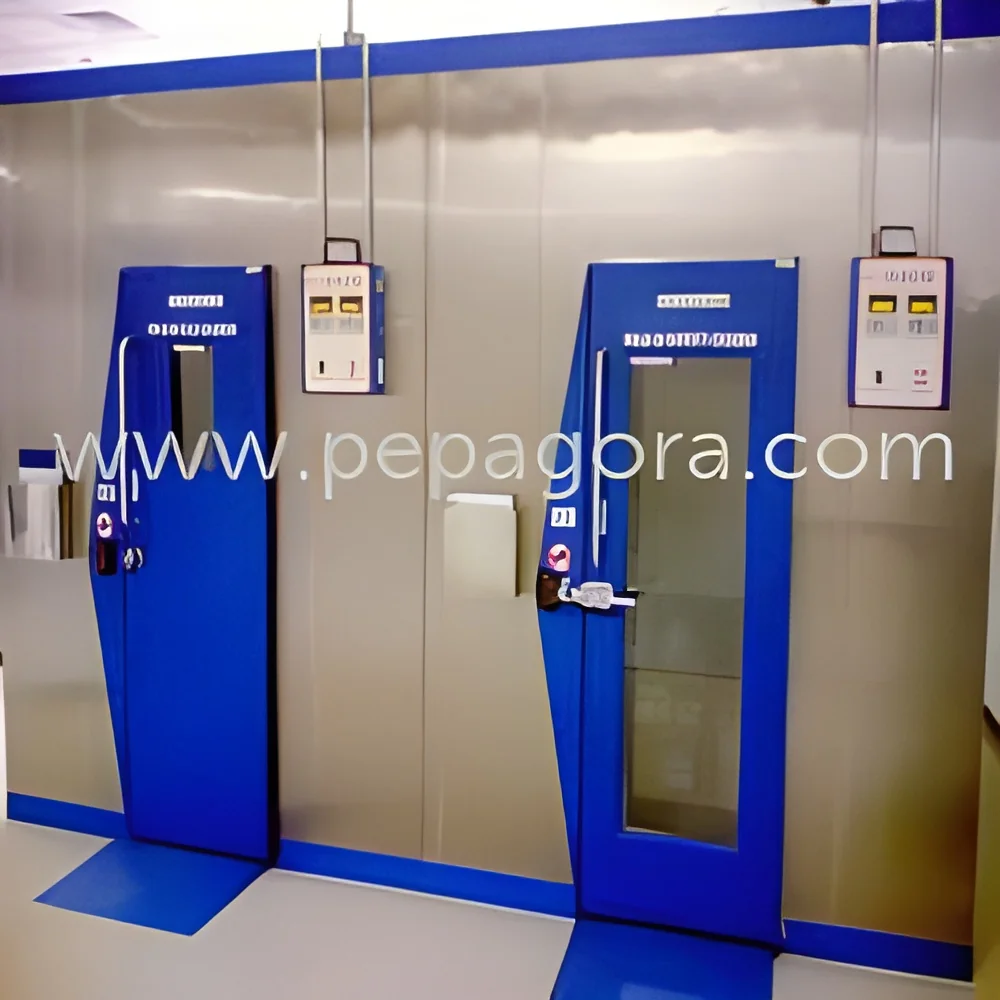
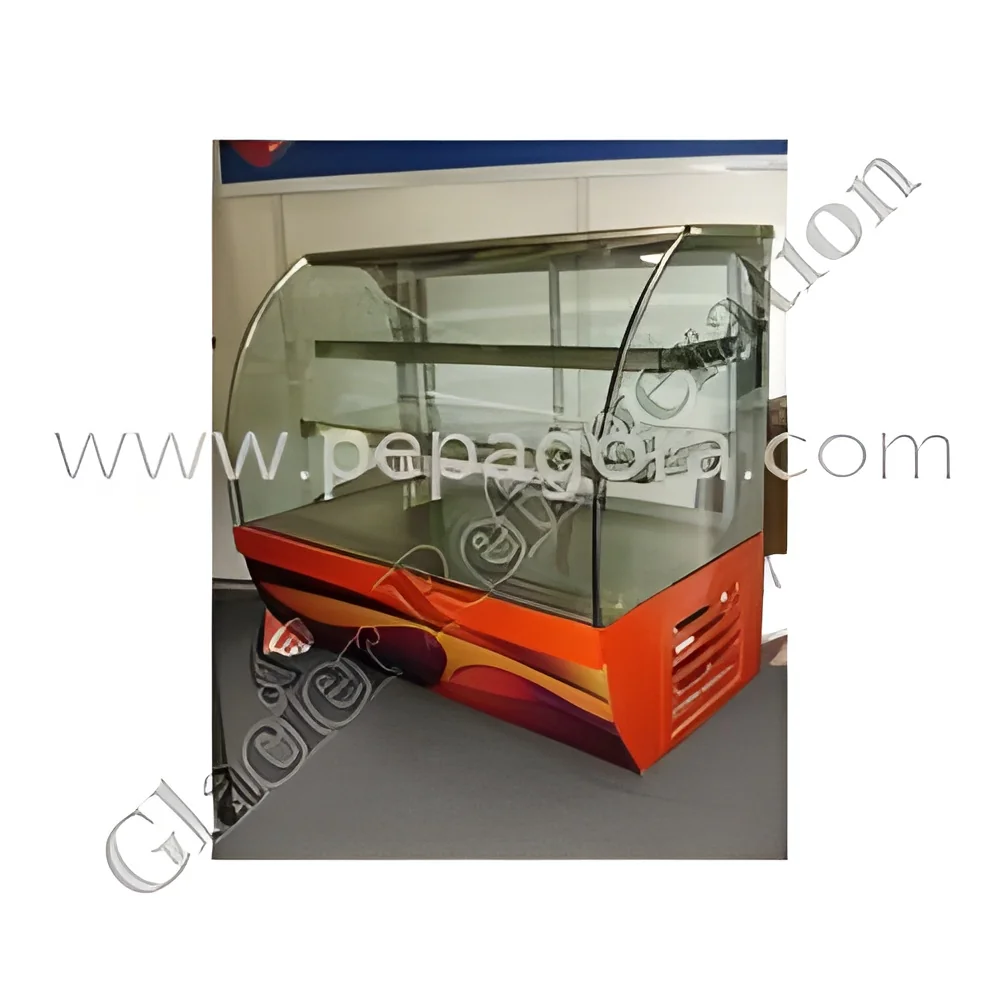
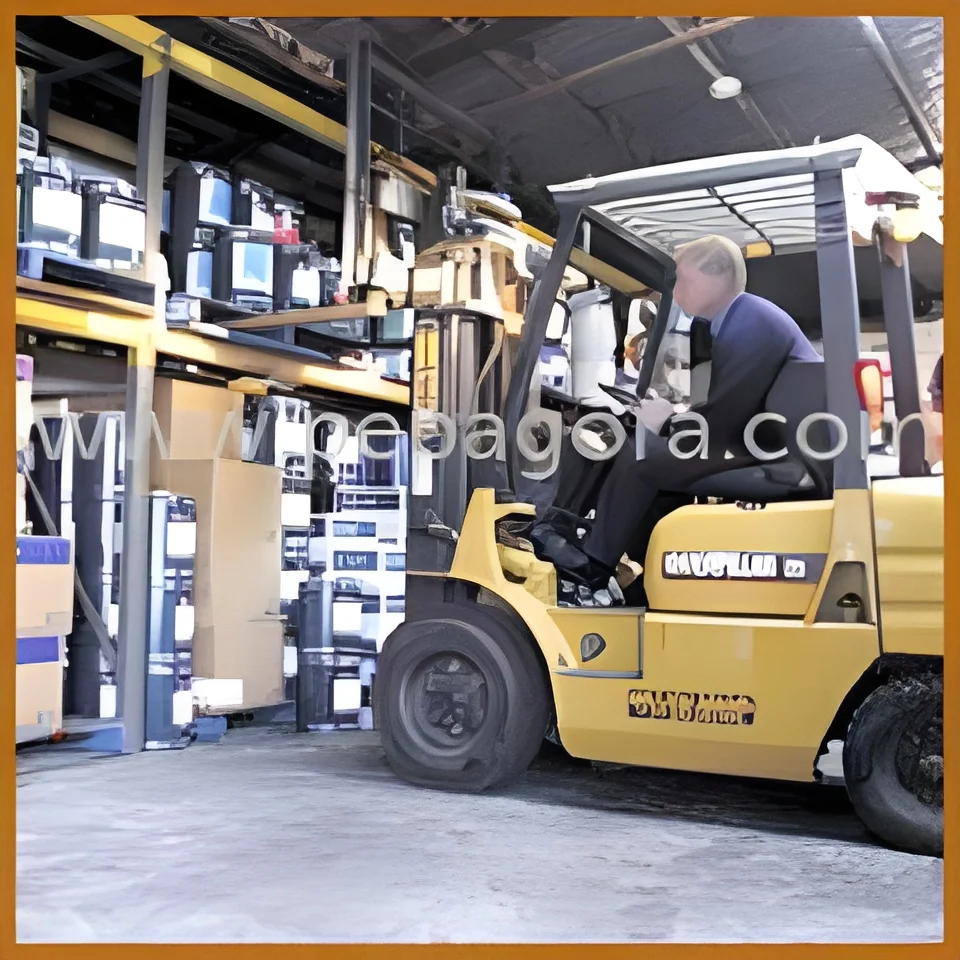
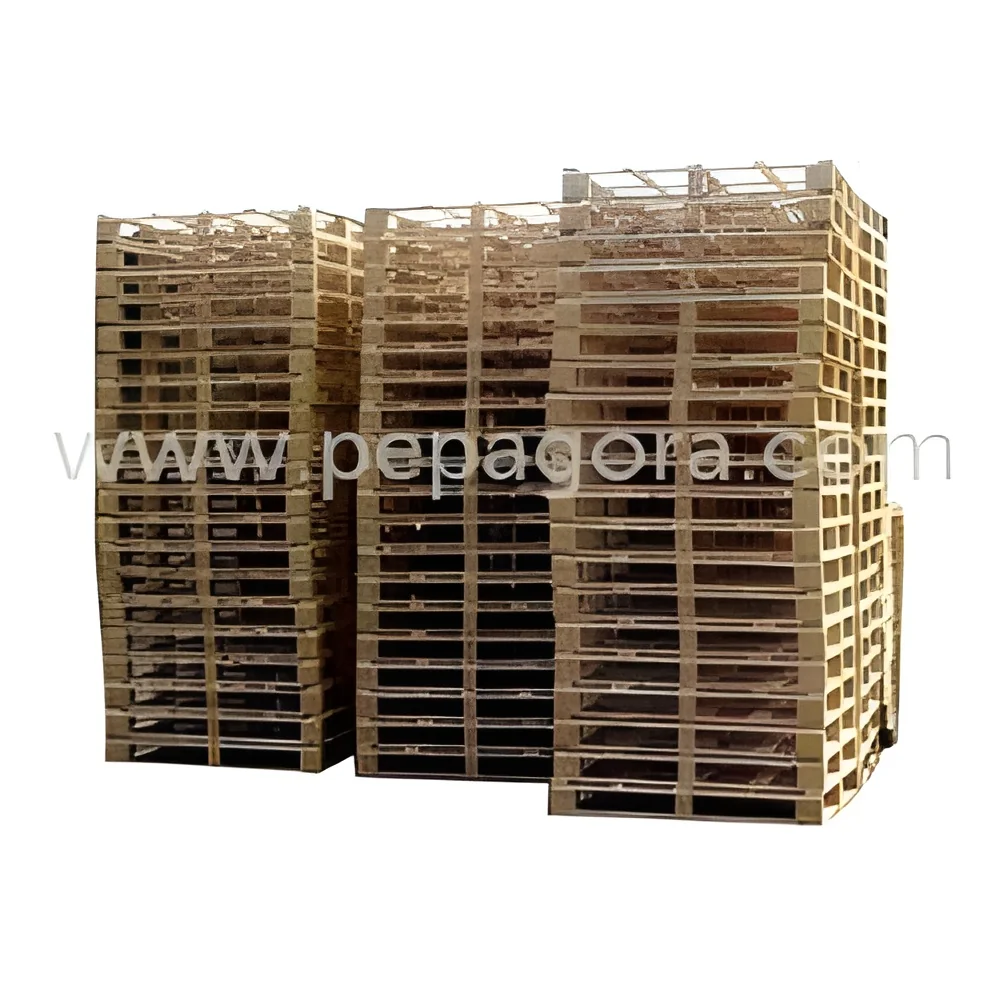
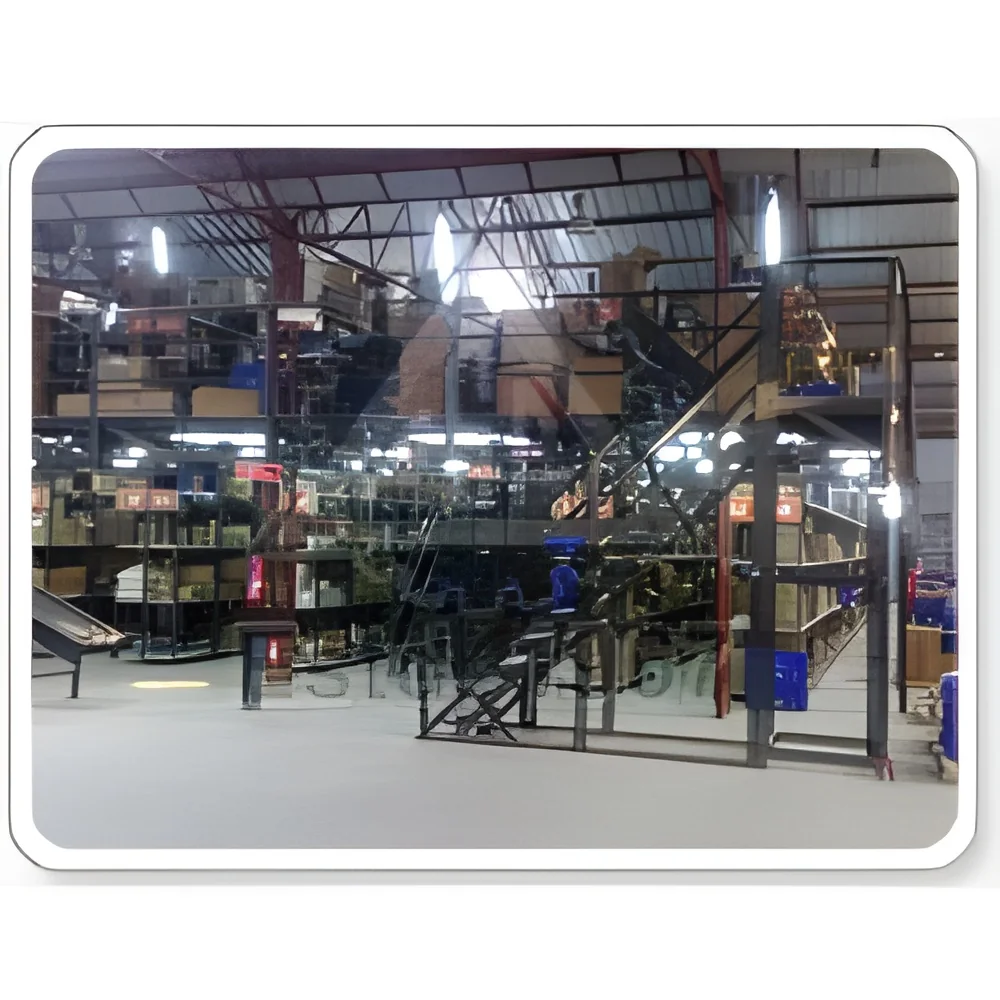
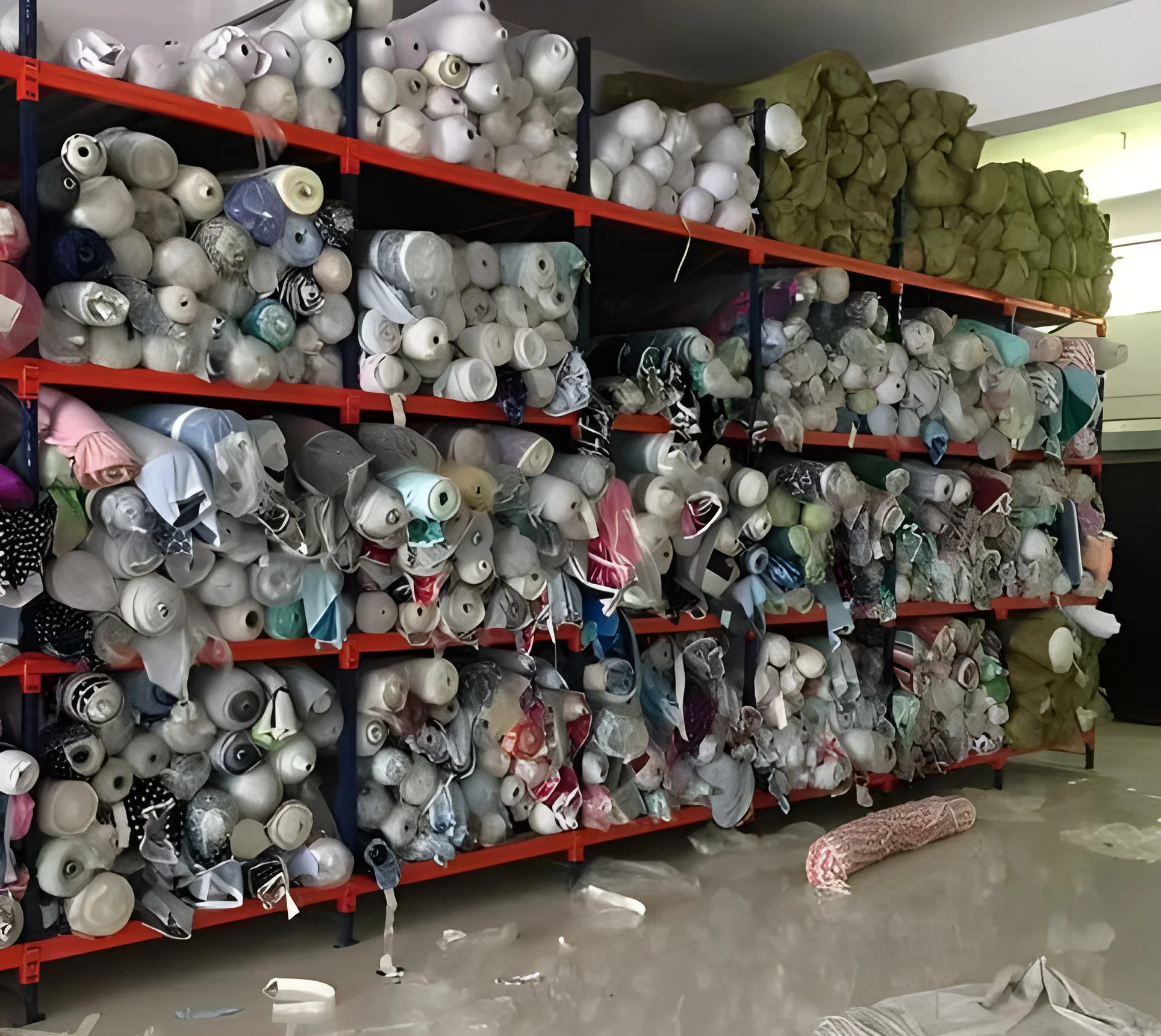
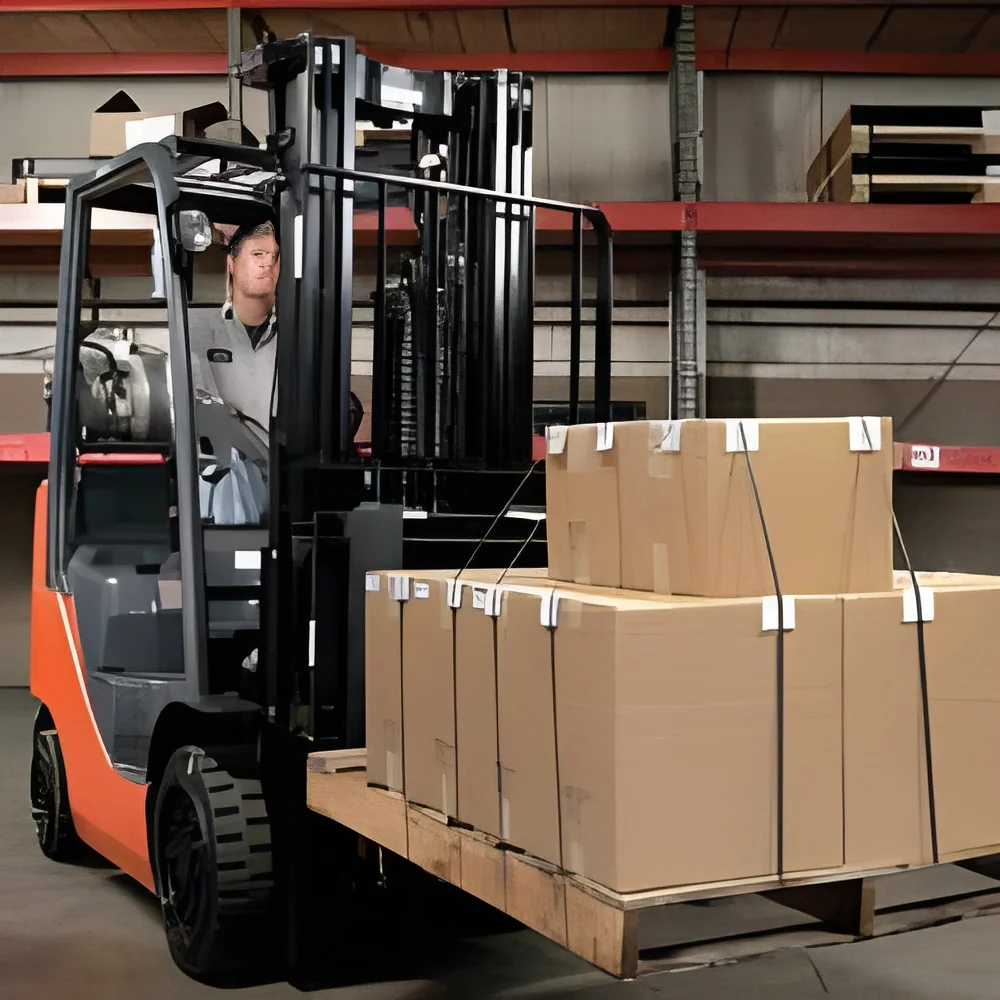
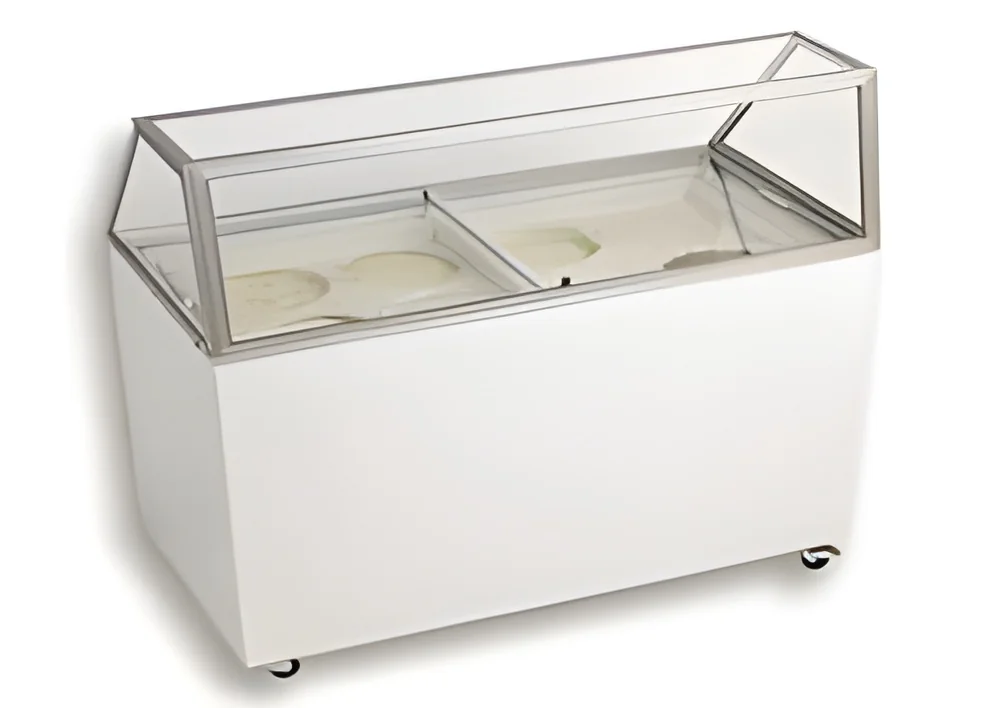
Warehousing and cold storage refer to the systems and facilities designed to store goods, particularly perishable items, under controlled conditions. Warehousing encompasses a broad range of storage solutions, including traditional warehouses, distribution centers, and specialized cold storage facilities. Cold storage specifically addresses the need to maintain low temperatures to preserve the quality of perishable products, such as food, pharmaceuticals, and other temperature-sensitive materials.
These facilities play a crucial role in supply chain management, enabling businesses to store large quantities of goods securely until they are needed. Warehousing and cold storage are essential for companies in sectors like food and beverage, healthcare, and retail, as they help maintain inventory levels and ensure product availability. With the increasing demand for fast delivery and quality assurance, the relevance of these facilities continues to grow in today's market.
𝗞𝗲𝘆 𝗙𝗲𝗮𝘁𝘂𝗿𝗲𝘀 𝗮𝗻𝗱 𝗦𝗽𝗲𝗰𝗶𝗳𝗶𝗰𝗮𝘁𝗶𝗼𝗻𝘀
Warehousing and cold storage solutions come with various features designed to optimize storage and ensure product integrity. These features enhance efficiency, safety, and compliance with industry standards.
Key specifications include:
1. Temperature Control
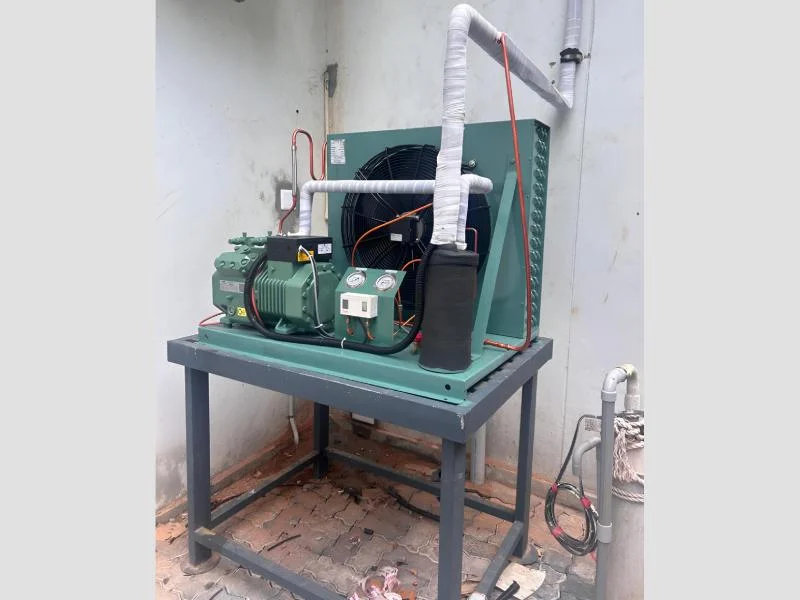
- Maintains specific temperature ranges for different products
- Essential for food and pharmaceutical storage
2. Humidity Control
- Regulates moisture levels to protect sensitive items
- Important for preventing spoilage and degradation
3. Monitoring Systems
- Implements real-time monitoring for temperature and humidity
- Alerts users to any deviations from set parameters
4. Storage Capacity
- Available in various sizes to accommodate different inventory levels
- Can be adapted for bulk storage or smaller units
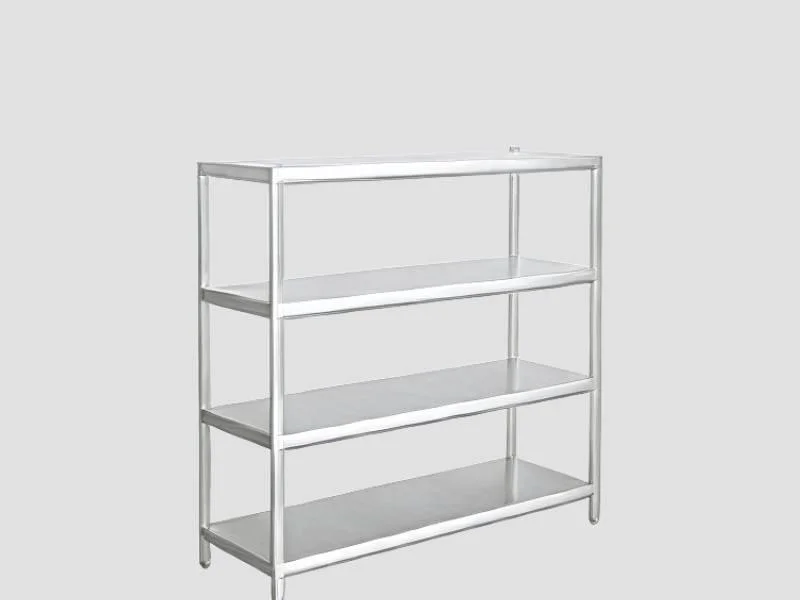
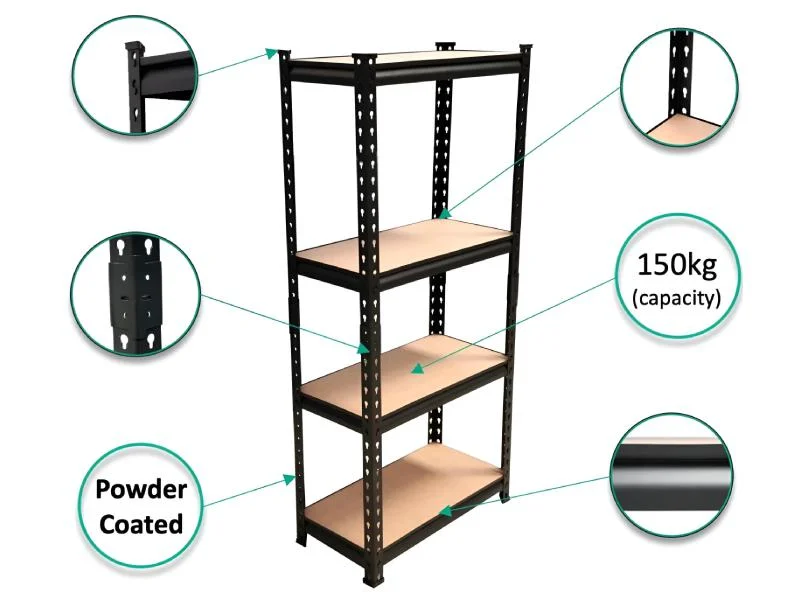
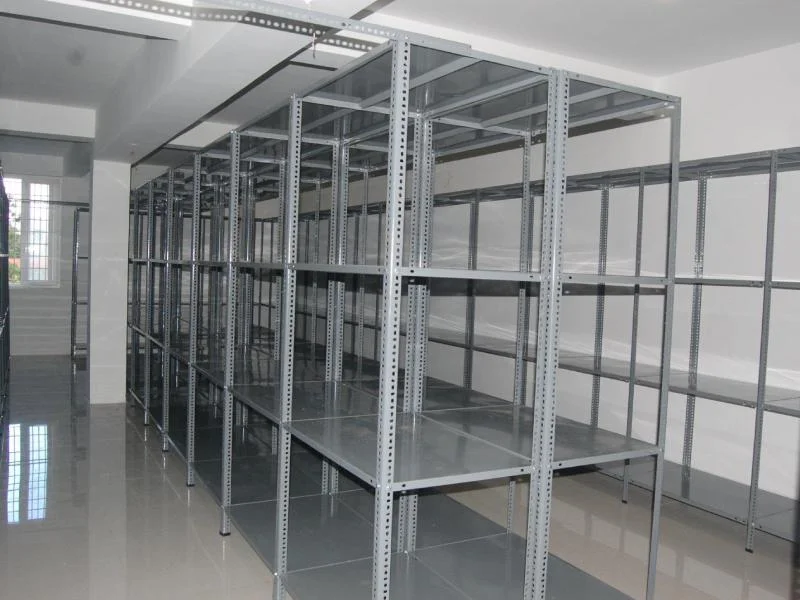
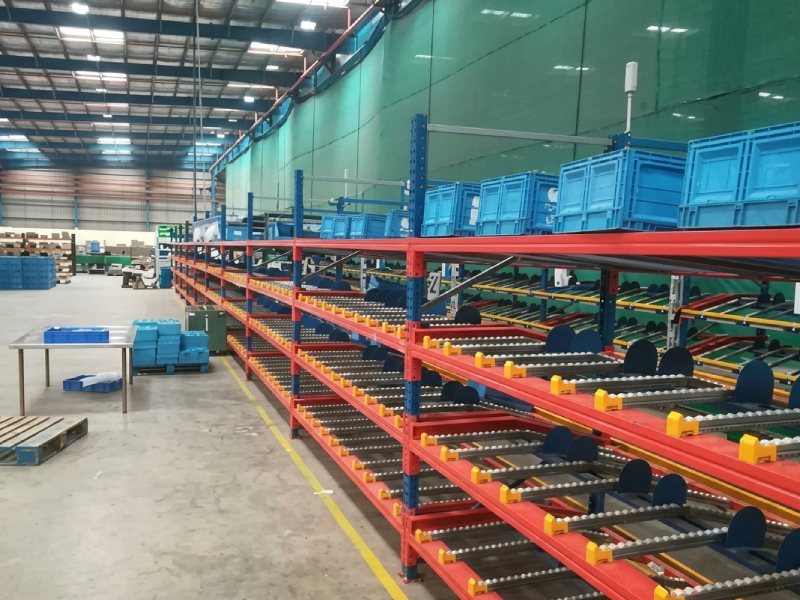
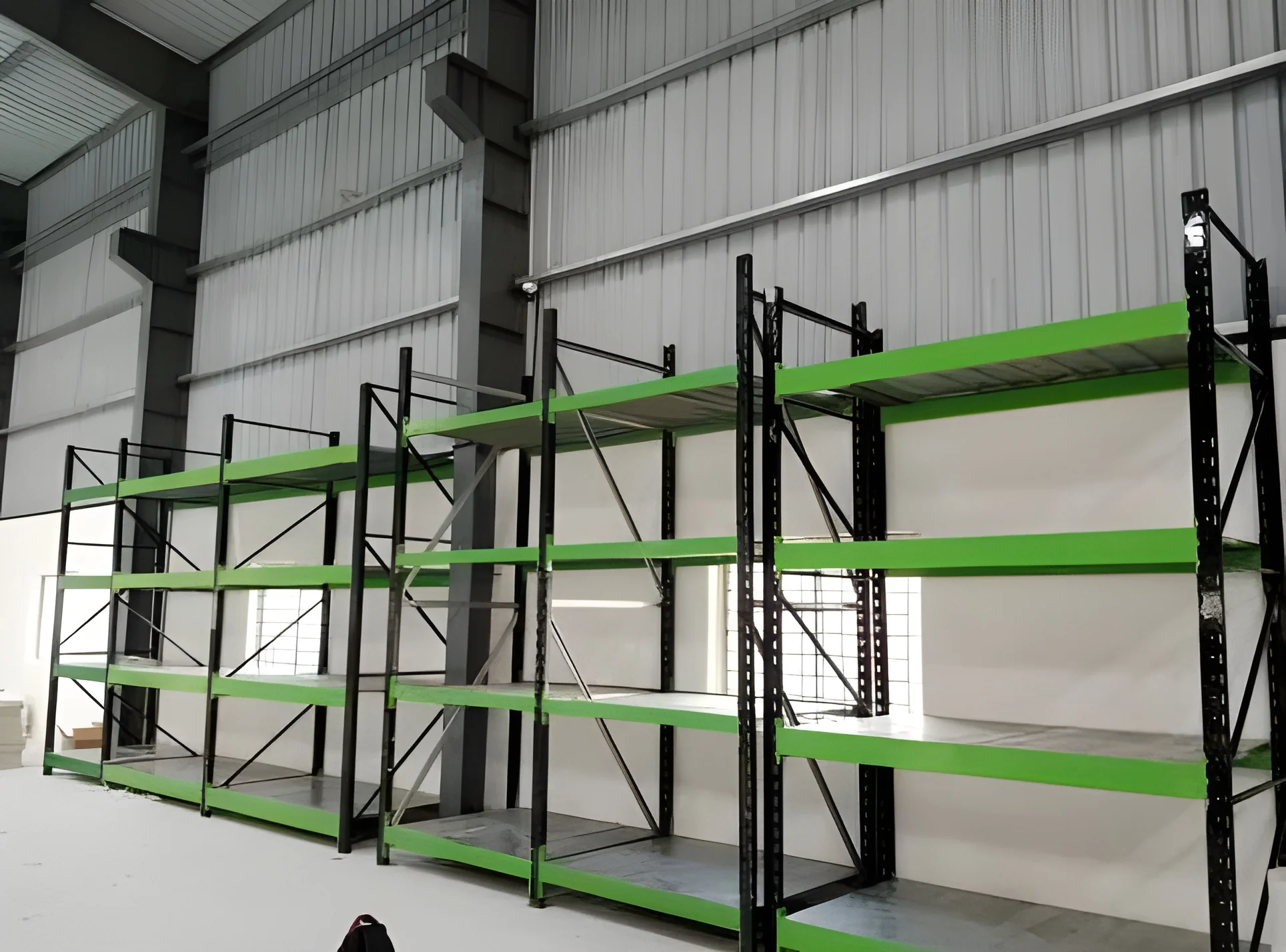
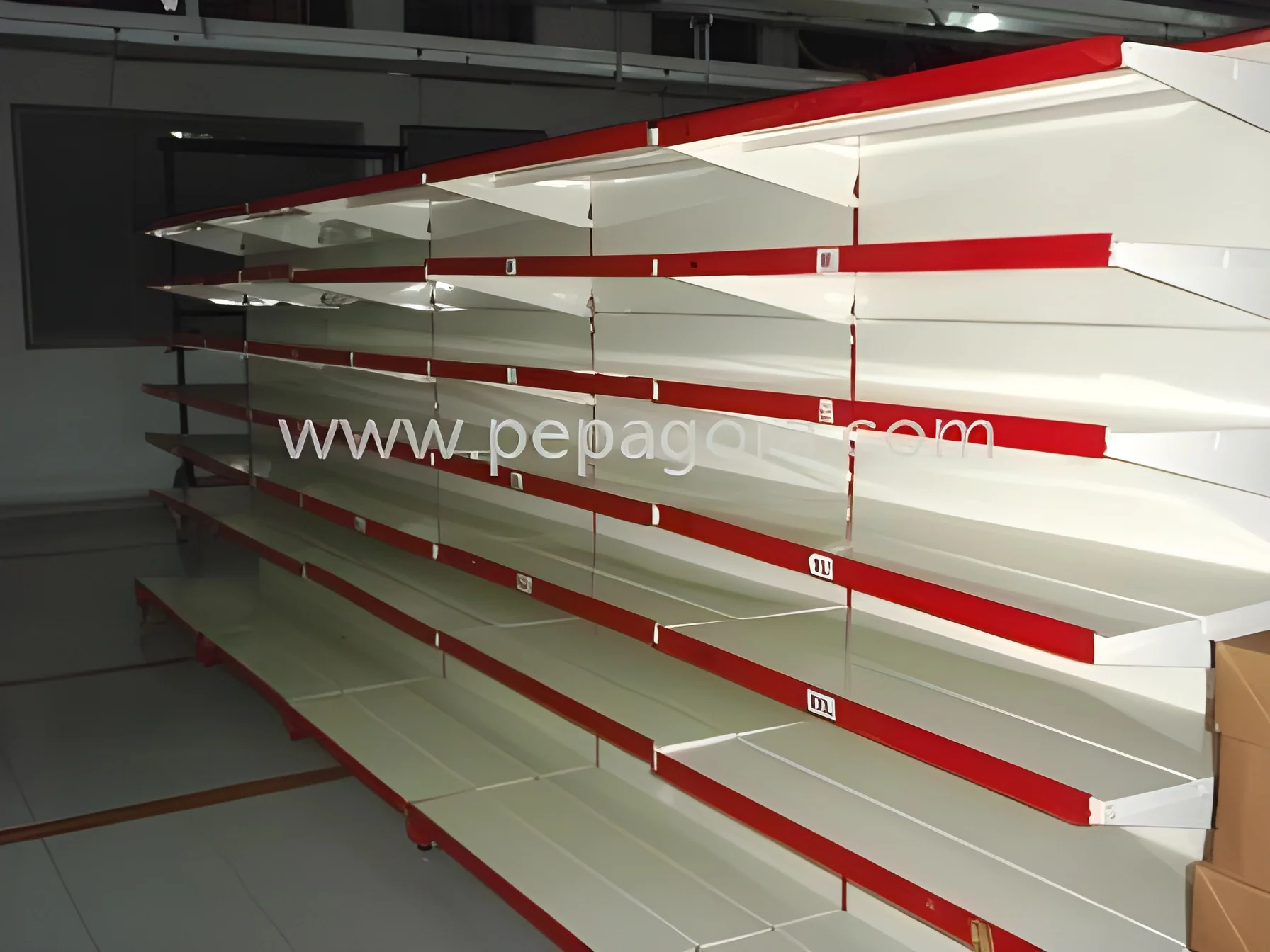
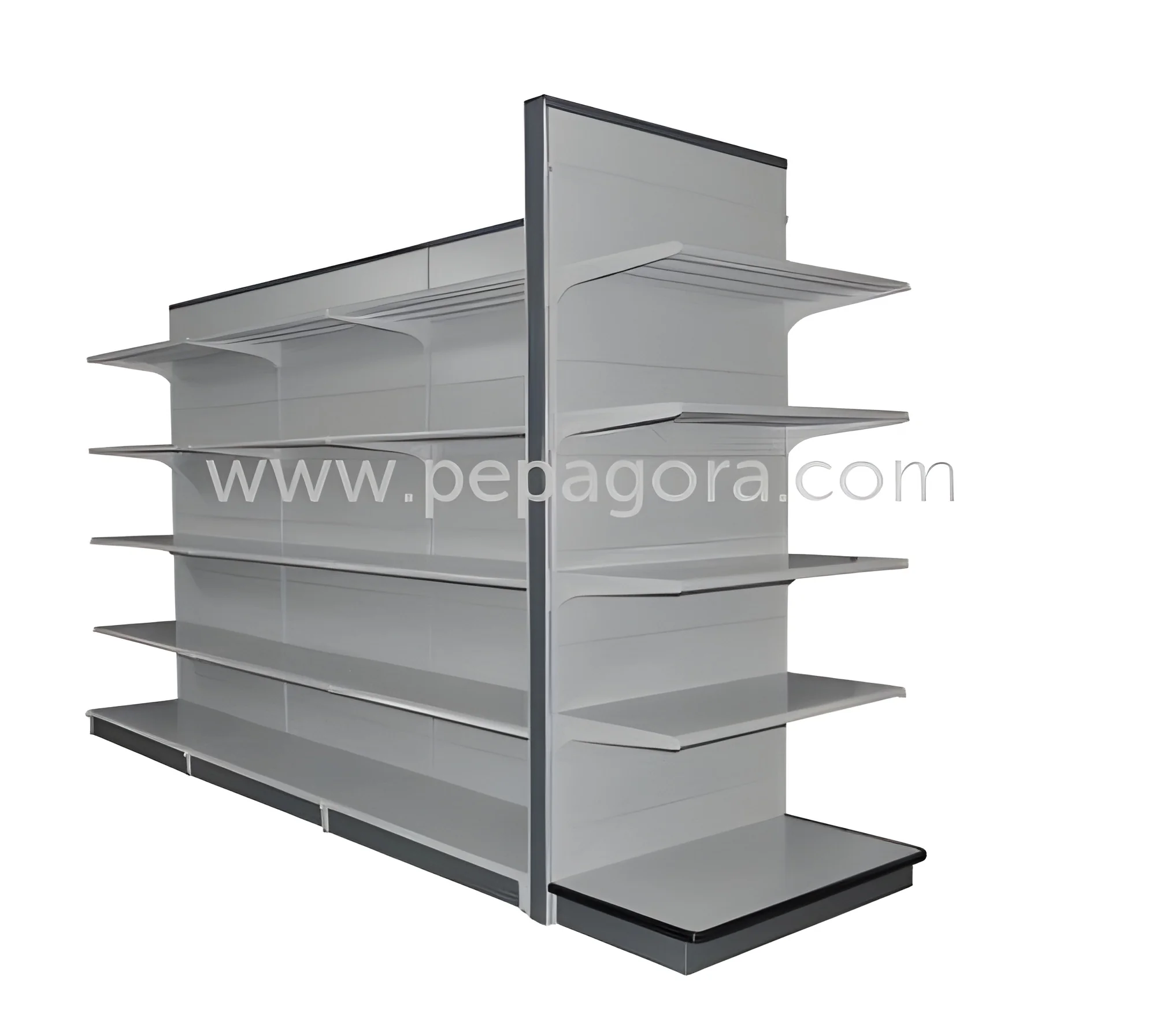
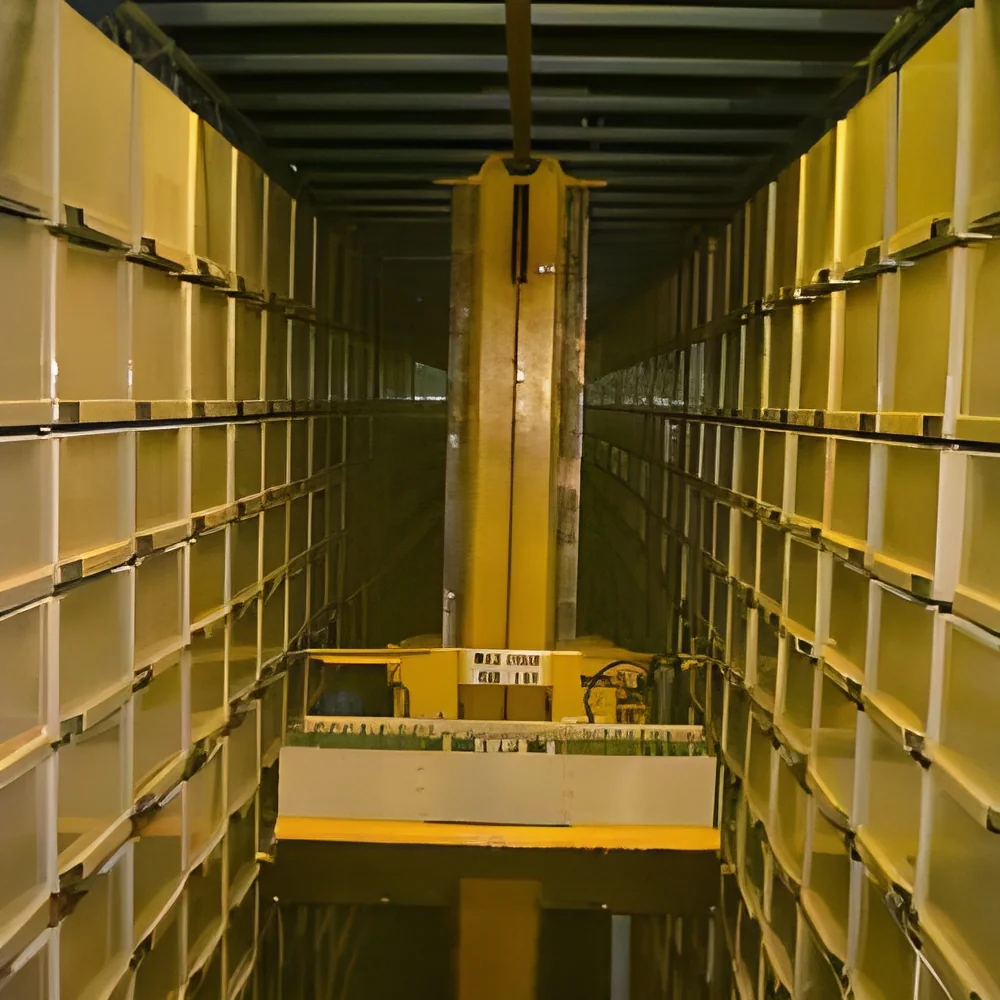
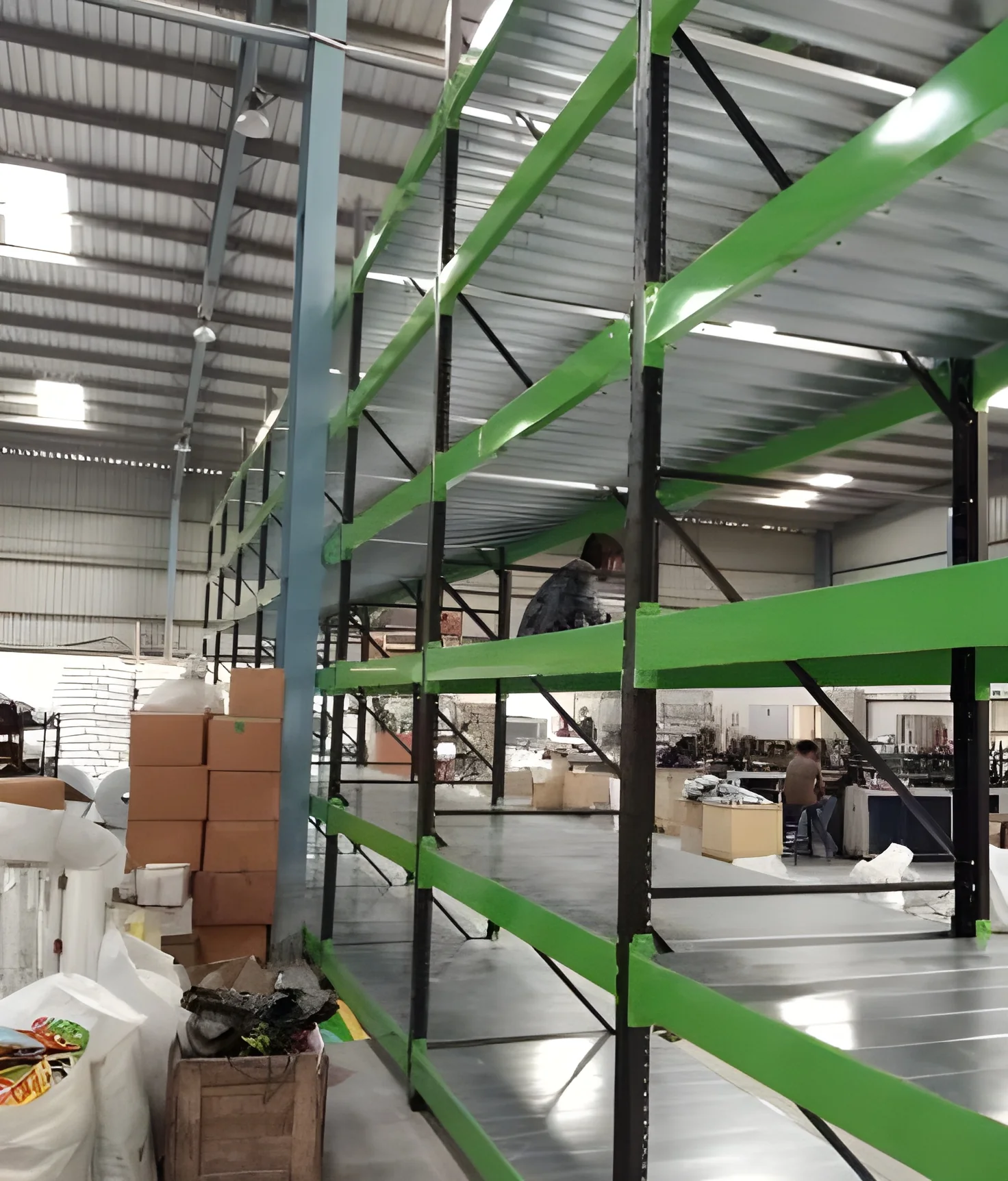
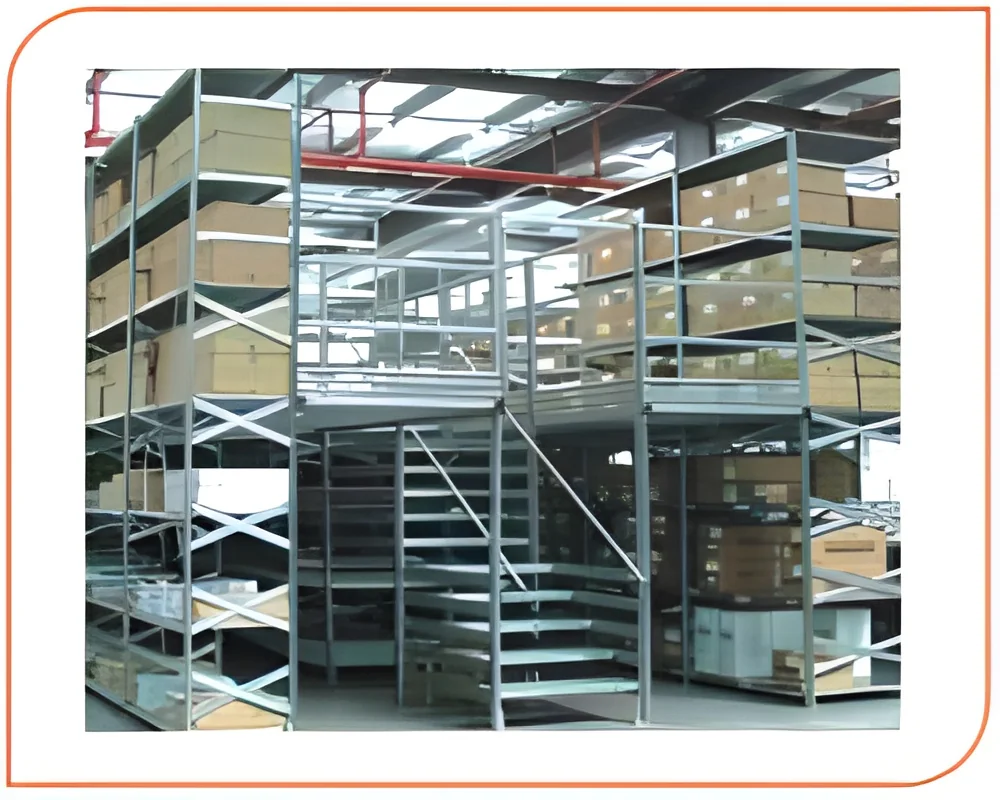
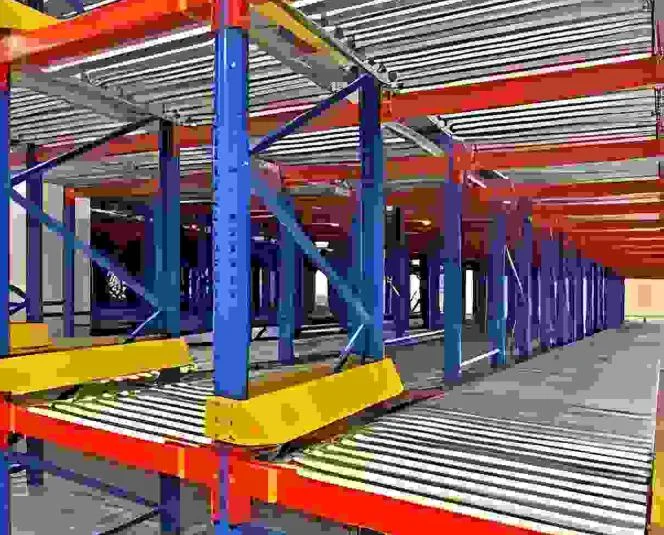
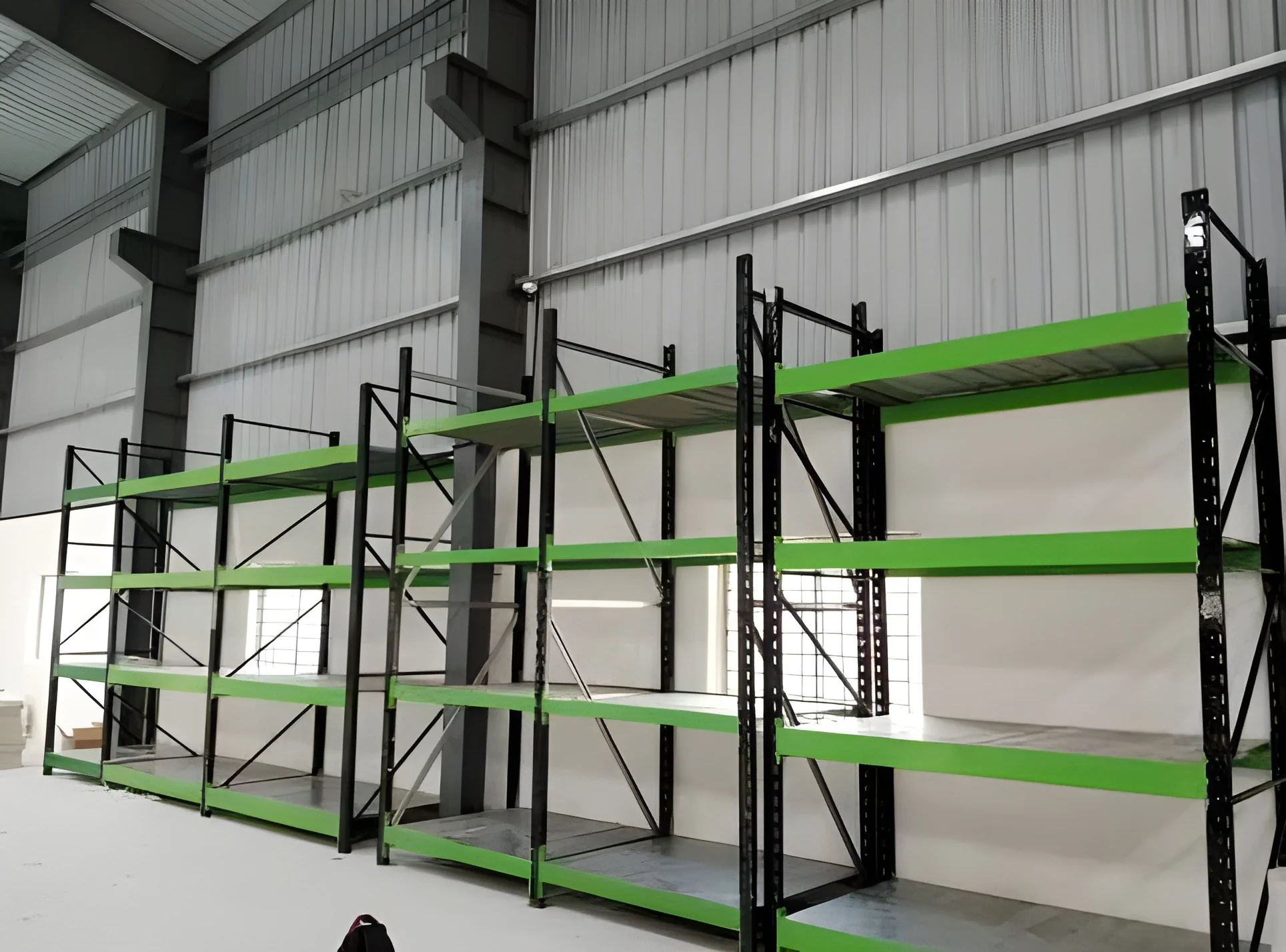
5. Racking Systems
- Utilizes specialized racking for efficient space utilization
- Enhances accessibility and organization of stored goods
6. Safety Features
- Includes fire suppression systems and emergency exits
- Complies with safety regulations to protect employees and inventory
7. Energy Efficiency
- Designed to minimize energy consumption during operations
- Incorporates eco-friendly technologies to reduce carbon footprint
In summary, these features collectively enhance the functionality and reliability of warehousing and cold storage facilities, making them indispensable in various industries.
𝗖𝗼𝗺𝗺𝗼𝗻 𝗔𝗽𝗽𝗹𝗶𝗰𝗮𝘁𝗶𝗼𝗻𝘀 𝗮𝗻𝗱 𝗨𝘀𝗲 𝗖𝗮𝘀𝗲𝘀
Warehousing and cold storage serve a multitude of industries, each with specific applications that leverage their unique capabilities.
1. Food and Beverage: These facilities are vital for storing perishable items like fruits, vegetables, dairy products, and beverages, ensuring freshness and safety before distribution.
2. Pharmaceuticals: Cold storage is critical for maintaining the efficacy of vaccines, medications, and biological samples, which require strict temperature control.
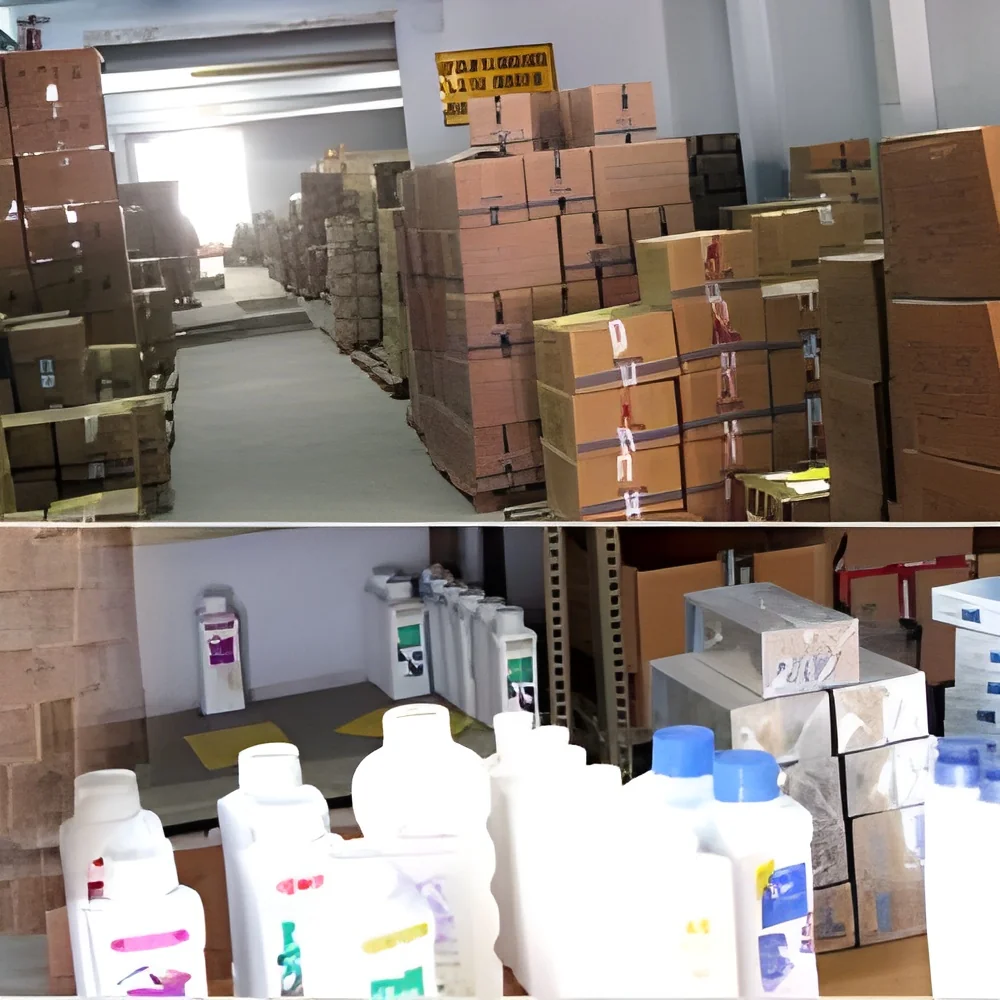
3. Chemicals: Warehousing is essential for storing industrial chemicals safely, with specific requirements for temperature and humidity to prevent reactions and degradation.
4. Retail: Retailers use these solutions to manage seasonal inventory effectively, allowing for timely stock replenishment and minimizing waste.
5. E-commerce: With the rise of online shopping, cold storage has become crucial for fulfilling orders that include perishable goods, enhancing customer satisfaction.
6. Agriculture: Farmers and distributors utilize cold storage to extend the shelf life of harvested crops, ensuring they reach markets in optimal condition.
7. Hospitality: Restaurants and hotels rely on cold storage to maintain a steady supply of fresh ingredients, crucial for food quality and service.
𝗣𝗿𝗼𝗱𝘂𝗰𝘁 𝗩𝗮𝗿𝗶𝗮𝗻𝘁𝘀 𝗮𝗻𝗱 𝗦𝘂𝗯𝗰𝗮𝘁𝗲𝗴𝗼𝗿𝗶𝗲𝘀
Warehousing and cold storage solutions come in various types to cater to different needs and industries. Each variant is designed with specific features to enhance storage capabilities.
Refrigerated Warehousing
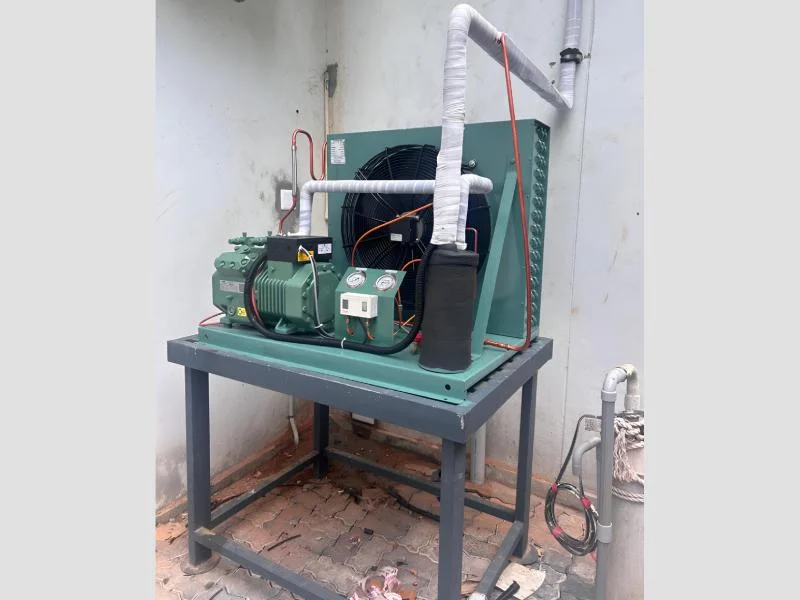
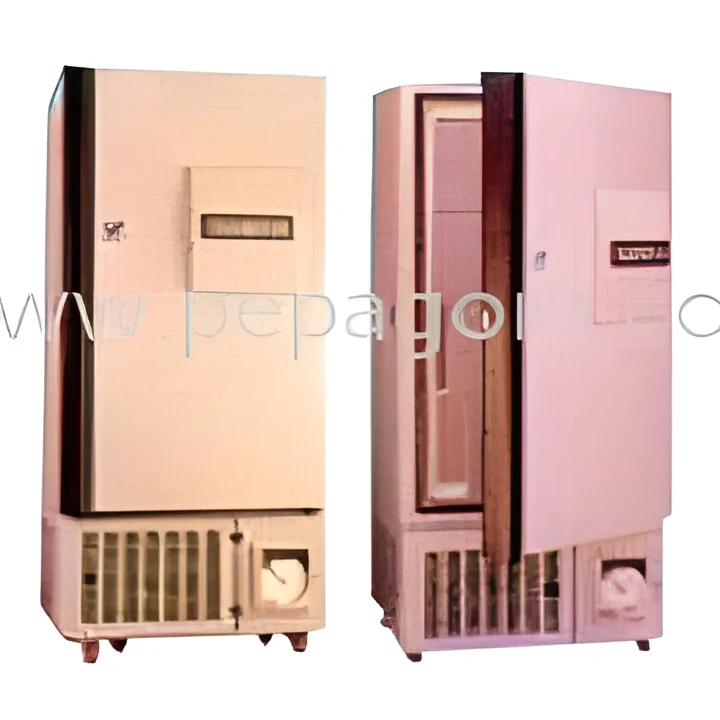
This variant focuses on maintaining low temperatures for perishable goods. It is equipped with advanced cooling systems and monitoring technology to ensure temperature consistency.
Freezer Storage
Freezer storage facilities are designed for items that require sub-zero temperatures. They are ideal for storing frozen foods and other products sensitive to temperature fluctuations.
Climate-Controlled Warehousing
These facilities provide both temperature and humidity control, making them suitable for items that require specific environmental conditions, such as pharmaceuticals and certain chemicals.
𝗕𝗲𝗻𝗲𝗳𝗶𝘁𝘀 𝗮𝗻𝗱 𝗔𝗱𝘃𝗮𝗻𝘁𝗮𝗴𝗲𝘀
Choosing the right warehousing and cold storage solution offers numerous benefits for businesses looking to optimize their operations.
Key benefits include:
1. Enhanced Product Quality: Proper storage conditions help maintain the integrity and safety of goods, reducing spoilage and waste.
2. Increased Efficiency: Streamlined storage and retrieval processes improve operational efficiency, enabling faster order fulfillment.
3. Compliance with Regulations: Adhering to industry standards ensures legal compliance and boosts customer trust in product safety.
4. Cost Savings: Efficient use of space and energy reduces operational costs, allowing for better resource allocation.
5. Scalability: Flexible storage solutions can be scaled up or down based on changing business needs, providing adaptability in a dynamic market.
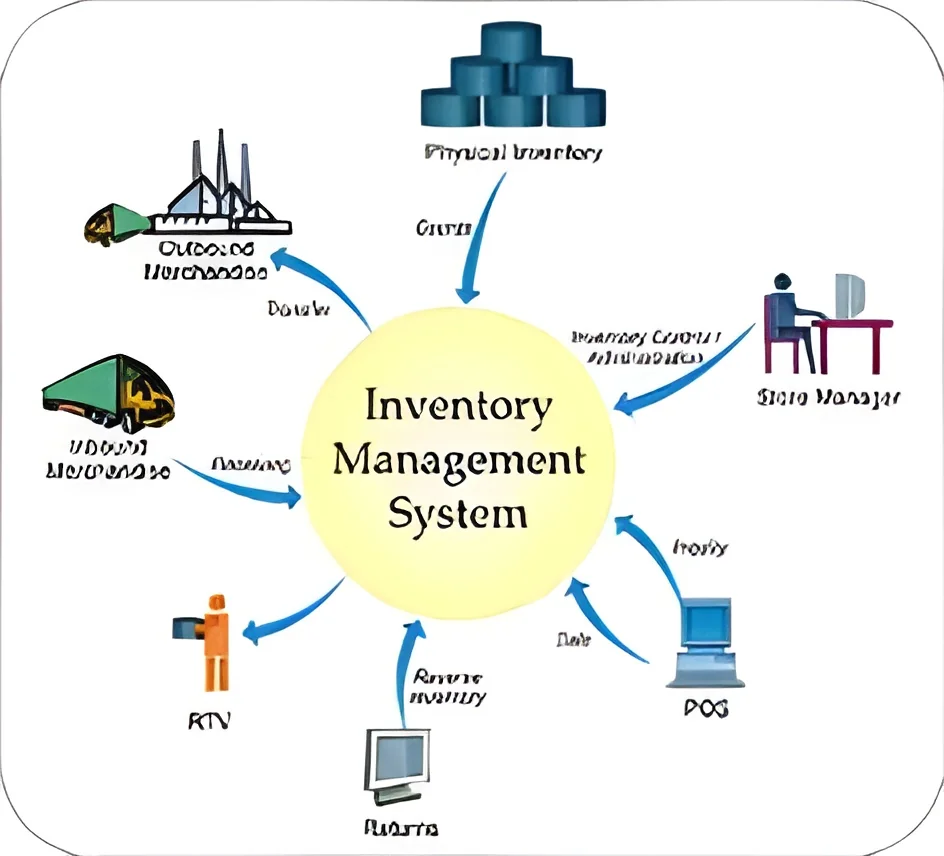
6. Improved Inventory Management: Advanced monitoring systems enhance inventory control, ensuring optimal stock levels and reducing the risk of stockouts.
𝗕𝘂𝘆𝗶𝗻𝗴 𝗚𝘂𝗶𝗱𝗲 𝗳𝗼𝗿 𝗕𝟮𝗕 𝗕𝘂𝘆𝗲𝗿𝘀
When sourcing warehousing and cold storage solutions, B2B buyers should consider several critical factors to ensure they select the right provider.
1. Quality Assessment: Evaluate the quality of the facilities and equipment. Look for features such as temperature control, safety certifications, and maintenance records to ensure reliability.
2. Supplier Verification: Research potential suppliers thoroughly. Check references and reviews to ensure they have a proven track record in the industry.
3. Pricing and MOQ: Understand the pricing structure and any minimum order quantities. This ensures that costs align with budgetary constraints while meeting business needs.
4. Delivery and Lead Times: Inquire about delivery schedules and lead times to ensure timely access to storage solutions, which is crucial for operational efficiency.
5. Compliance Requirements: Ensure that the facilities meet relevant industry regulations and standards. This is particularly important for businesses in sectors like food and pharmaceuticals, where compliance is essential.
𝗖𝗼𝗺𝗽𝗹𝗶𝗮𝗻𝗰𝗲 𝗮𝗻𝗱 𝗖𝗲𝗿𝘁𝗶𝗳𝗶𝗰𝗮𝘁𝗶𝗼𝗻𝘀
Compliance with quality standards and industry regulations is critical for warehousing and cold storage facilities. Relevant standards include ISO 9001, which focuses on quality management systems, and HACCP, which is essential for food safety management.
Additionally, adherence to Good Distribution Practices (GDP) is necessary for pharmaceuticals to ensure that products are consistently stored and handled under appropriate conditions.
Industry certifications, such as CE marking, indicate that products meet European safety requirements. Furthermore, safety and testing protocols ensure that facilities operate within safe parameters, protecting both products and personnel.
Regional compliance considerations vary by location and may include local health regulations and environmental laws. Buyers should be aware of these requirements to maintain compliance and avoid potential penalties.
𝗪𝗵𝘆 𝗦𝗼𝘂𝗿𝗰𝗲 𝗪𝗮𝗿𝗲𝗵𝗼𝘂𝘀𝗶𝗻𝗴 & 𝗖𝗼𝗹𝗱 𝗦𝘁𝗼𝗿𝗮𝗴𝗲 𝗳𝗿𝗼𝗺 𝗣𝗲𝗽𝗮𝗴𝗼𝗿𝗮?
Pepagora offers a reliable platform for sourcing warehousing and cold storage solutions, providing several advantages to B2B buyers.
Verified Supplier Network: Pepagora has established a network of verified suppliers, ensuring that buyers can access reputable providers. This reduces the risk of selecting unreliable partners.
Streamlined RFQ Process: The request for quotation process is designed to be user-friendly, allowing buyers to compare offers quickly and easily. This helps in making informed decisions based on cost and service quality.
Trade Assurance and Support: Pepagora provides trade assurance, giving buyers peace of mind with buyer protection features. This support is crucial in fostering trust between buyers and suppliers.
Regional Coverage: With a broad geographic reach across India, the GCC, and Southeast Asia, Pepagora connects buyers with local suppliers, facilitating efficient logistics and timely delivery of products. This regional focus helps businesses optimize their supply chains effectively.

 IN
IN