
 IN
Cold Storage Warehousing
5 products available
What are Cold Storage Warehousing?
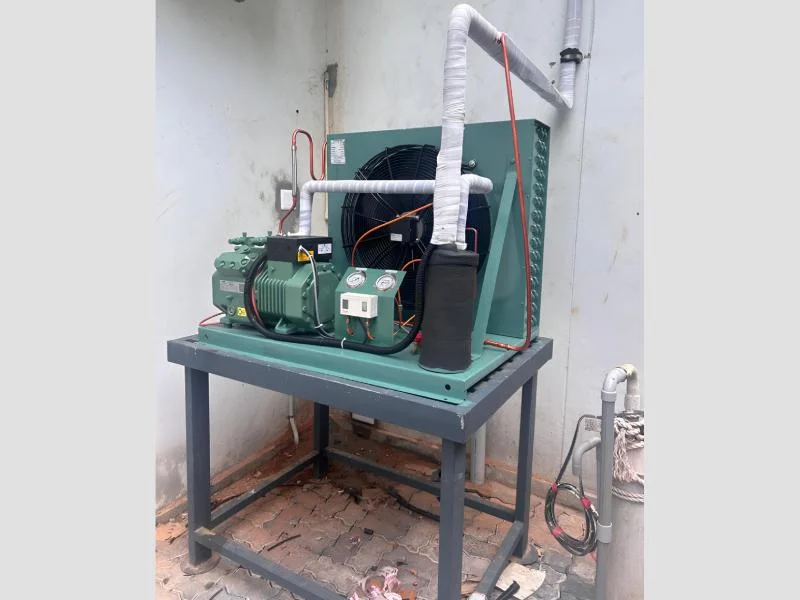
Cold storage warehousing refers to temperature-controlled facilities designed to preserve perishable goods. These warehouses maintain specific temperature and humidity levels to ensure that products such as food, pharmaceuticals, and chemicals remain fresh and effective over time. Utilizing advanced refrigeration systems, cold storage warehouses can accommodate various temperature requirements, ranging from freezing temperatures to cooler environments.
Businesses across numerous sectors rely on cold storage warehousing for the safe handling and storage of their products. Food distributors, manufacturers, and retailers use these facilities to extend the shelf life of their goods. Additionally, pharmaceutical companies utilize cold storage for vaccines and other temperature-sensitive medications. As global trade continues to expand, the demand for efficient cold storage solutions in logistics and supply chain management is on the rise, highlighting the importance of these facilities in the broader market.
Key Features and Specifications
Cold storage warehousing is characterized by various features and specifications that enhance its functionality and efficiency. Understanding these specifications helps businesses choose the right solution for their needs.
Key specifications include:
1. Temperature Control
- Capable of maintaining temperatures typically between -20°C to 10°C
- Adjustable settings for specific product requirements
2. Humidity Control
- Systems in place to regulate humidity levels
- Essential for preserving the quality of certain perishable items
3. Monitoring Systems
- Advanced technology for real-time monitoring
- Alerts for temperature fluctuations to prevent spoilage
4. Energy Efficiency
- Design focused on minimizing energy consumption
- Use of LED lighting and high-efficiency refrigeration units
5. Storage Capacity
- Varies significantly based on design and layout
- Options for pallet racking or shelving for efficient space utilization
6. Accessibility
- Docking facilities for easy loading and unloading
- Sufficient aisle space for forklift movement
7. Security Features
- Surveillance systems and controlled access points
- Protection against unauthorized entry
8. Compliance Standards
- Adherence to industry regulations such as HACCP and CE certification
- Ensuring safety and quality in storage practices
In summary, the specifications of cold storage warehousing are crucial for maintaining product integrity and efficiency in operations.
Common Applications and Use Cases
Cold storage warehousing serves a wide range of industries, each with unique requirements for temperature-sensitive products.
1. Food and Beverage: Cold storage is vital for storing fresh produce, dairy products, and frozen goods, ensuring they remain safe for consumption.
2. Pharmaceuticals: Many medications, including vaccines, require strict temperature control to maintain efficacy, making cold storage essential in healthcare.
3. Chemicals: Certain chemicals need specific temperature conditions to remain stable and effective, necessitating specialized cold storage solutions.
4. Agriculture: Cold storage helps in preserving seasonal crops, allowing for longer distribution periods and reducing waste.
5. Logistics: Cold chain logistics firms rely on cold storage warehouses to manage the transportation of temperature-sensitive goods efficiently.
6. Retail: Grocery stores and supermarkets utilize cold storage facilities to stock perishable items, ensuring freshness for consumers.
7. E-commerce: Online grocery and food delivery services depend on cold storage to fulfill orders with perishable items promptly.
Product Variants and Subcategories
Cold storage warehousing comes in various configurations to meet specific business needs. This diversity allows companies to select the best option for their operational requirements.
Refrigerated Warehousing
This variant focuses on maintaining temperatures above freezing, ideal for products like fruits, vegetables, and dairy. It features advanced temperature control systems that allow for precise climate management.
Freezer Warehousing
This type is designed for long-term storage of frozen goods, including meats and processed foods. It typically operates at or below -18°C, ensuring product integrity over extended periods.
Blast Freezer Warehousing
This variant is equipped with rapid freezing capabilities, essential for quickly freezing perishable items post-harvest or production. It minimizes the formation of ice crystals, preserving texture and quality.
Temperature-Controlled Distribution Centers
These facilities combine cold storage with logistics operations, allowing for efficient handling and distribution of temperature-sensitive products directly from the warehouse to retailers or consumers.
Benefits and Advantages
Cold storage warehousing offers numerous benefits that enhance operational efficiency and product quality.
1. Extended Shelf Life: By maintaining optimal storage conditions, cold storage significantly prolongs the freshness and usability of perishable goods.
2. Reduced Waste: Proper storage minimizes spoilage and waste, helping businesses save money and resources.
3. Improved Compliance: Adhering to industry standards and regulations ensures that products are stored safely, protecting both businesses and consumers.
4. Enhanced Logistics: Cold storage facilities streamline the supply chain, allowing for better inventory management and timely distribution.
5. Increased Market Reach: With the ability to store products for extended periods, businesses can expand their market reach without fearing spoilage.
6. Versatility: Cold storage solutions can be customized for various industries and product types, making them suitable for diverse applications.
Buying Guide for B2B Buyers
When sourcing cold storage warehousing, businesses should consider several key factors to ensure they select the right solution.
1. Quality Assessment: Evaluate the quality of the warehousing facilities, including construction standards, equipment used, and maintenance practices to ensure reliability.
2. Supplier Verification: Conduct thorough vetting of potential suppliers, checking their credentials, industry experience, and customer reviews to ensure they meet your needs.
3. Pricing and MOQ: Understand the pricing structure, including any minimum order quantities that may affect your purchasing decisions.
4. Delivery and Lead Times: Consider logistics and delivery timelines to ensure that the warehousing solution aligns with your operational schedules.
5. Compliance Requirements: Verify that the facility meets all relevant regulatory and compliance requirements, including safety and quality standards.
Compliance and Certifications
Cold storage warehousing must adhere to various quality standards and regulations to ensure the safe storage of products. Relevant quality standards include ISO 9001, which outlines requirements for a quality management system, and HACCP, which focuses on food safety management.
Industry certifications, such as CE, indicate compliance with safety and environmental requirements, enhancing trust in the warehousing facilities.
Additionally, safety and testing requirements involve rigorous inspections to ensure that the storage conditions meet the necessary criteria for temperature and humidity control.
Regional compliance considerations may vary, so it is essential for businesses to be aware of local regulations that apply to cold storage operations in their respective areas.
Why Source Cold Storage Warehousing from Pepagora?
Pepagora offers a reliable platform for sourcing cold storage warehousing, providing businesses with several key advantages.
Verified Supplier Network: Pepagora connects you with a network of verified suppliers who have undergone a thorough vetting process. This ensures that you partner with reputable providers who meet industry standards.
Streamlined RFQ Process: The request for quotation process on Pepagora is designed to be efficient and user-friendly, allowing you to obtain multiple quotes quickly and compare options with ease.
Trade Assurance and Support: Pepagora prioritizes buyer protection through trade assurance programs, ensuring that your transactions are secure and that you receive the support needed throughout the sourcing process.
Regional Coverage: With a strong presence in India, the GCC, and Southeast Asia, Pepagora provides extensive regional coverage, making it easier for businesses to find cold storage warehousing solutions that meet their specific geographic needs.


Frequently Asked Questions
What are Cold Storage Warehousing?
Cold storage warehousing refers to facilities specifically designed to store perishable goods at controlled temperatures. These warehouses help in preserving the quality and extending the shelf life of products such as fruits, vegetables, dairy, and pharmaceuticals.
What are the different types of Cold Storage Warehousing?
There are several types of cold storage warehousing, including refrigerated warehouses, frozen storage facilities, and climate-controlled storage. Each type is designed to maintain specific temperature ranges suitable for different categories of perishable goods.
How do I choose the right Cold Storage Warehousing?
When choosing the right cold storage warehousing, consider factors such as the type of products you need to store, temperature requirements, location, and storage capacity. Additionally, evaluate the facility's compliance with food safety standards and its track record in handling perishable goods.
What are the standard specifications for Cold Storage Warehousing?
Standard specifications for cold storage warehousing include insulation thickness, refrigeration capacity, temperature control systems, and airflow management. Additionally, facilities should have monitoring systems in place to track temperature and humidity levels continuously.
What is the price range for Cold Storage Warehousing?
The price range for cold storage warehousing varies based on location, facility specifications, and service offerings. Generally, costs can range from a few thousand to several lakhs of Indian Rupees per month, depending on the size and features of the warehouse.
What quality standards apply to Cold Storage Warehousing?
Cold storage warehousing must adhere to quality standards such as ISO 22000, FSSAI regulations, and HACCP guidelines. These standards ensure that the warehousing processes meet safety and quality requirements for handling perishable goods.
Where can I find Cold Storage Warehousing suppliers in India?
You can find cold storage warehousing suppliers in India through B2B marketplaces, industry directories, and trade shows. Websites like Pepagora.com provide a platform to connect with verified suppliers and manufacturers in the cold storage sector.
Can Cold Storage Warehousing be customized?
Yes, cold storage warehousing can be customized to meet specific needs such as temperature settings, storage layout, and additional features like racking systems. Customization allows businesses to optimize storage for their particular products.
What is the typical minimum order quantity for Cold Storage Warehousing?
The typical minimum order quantity (MOQ) for cold storage warehousing can vary by supplier and facility. Generally, it is advisable to discuss your requirements directly with suppliers to understand their specific MOQ policies.
What is the typical lead time for Cold Storage Warehousing?
The typical lead time for cold storage warehousing can range from a few days to several weeks, depending on the availability of space and the specifics of the contract. It is important to confirm lead times with suppliers to ensure timely storage solutions.
Why Businesses Trust Pepagora
Thousands of companies trust Pepagora to source smarter and sell faster
Expand Your Sales Globally

Source Smarter,Grow Faster
