
 IN
INInventory Management Services
3 products available
What are Inventory Management Services?
Key Features and Specifications
Common Applications and Use Cases
Product Variants and Subcategories
Benefits and Advantages
Buying Guide for B2B Buyers
Compliance and Certifications
Why Source Inventory Management Services from Pepagora?


Frequently Asked Questions
What are Inventory Management Services?
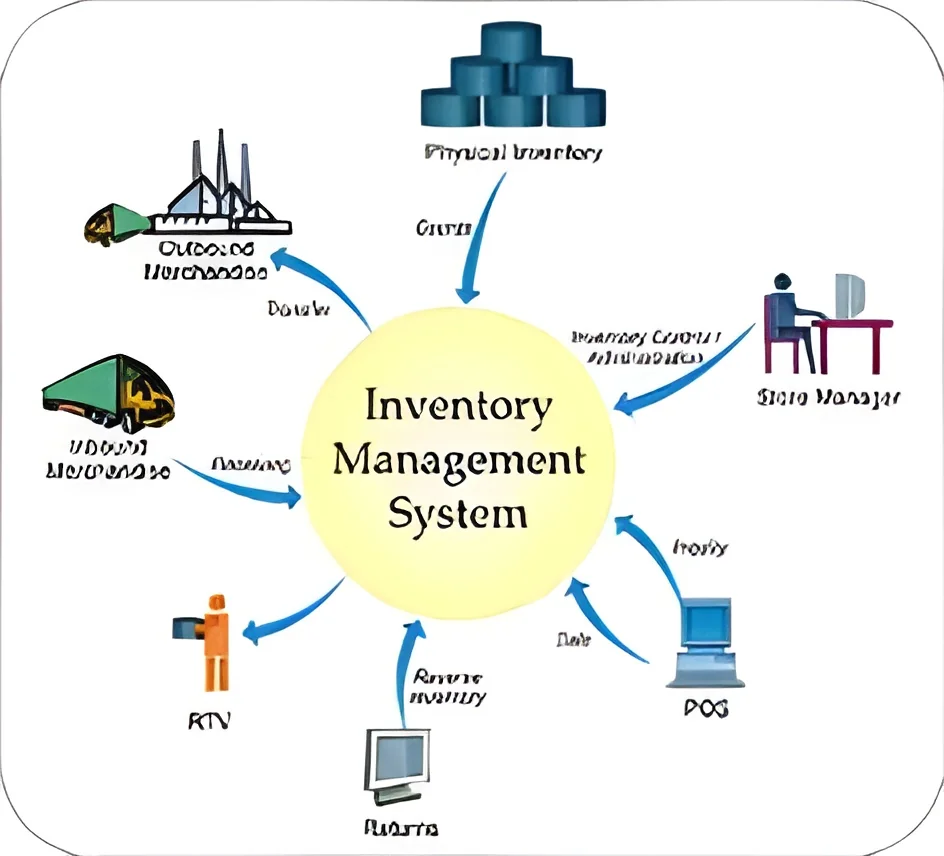
Inventory Management Services refer to the systematic approach to managing and controlling inventory levels, orders, storage, and distribution of goods. These services ensure that businesses maintain optimal inventory levels to meet customer demand while minimizing costs. They may include software solutions, consulting services, and support for inventory tracking and management.
What are the different types of Inventory Management Services?
Different types of Inventory Management Services include manual inventory management, automated inventory management systems, and outsourced inventory management solutions. Additionally, services may vary based on industry needs, such as e-commerce inventory management or warehouse management services. Each type aims to streamline inventory processes and improve operational efficiency.
How do I choose the right Inventory Management Services?
To choose the right Inventory Management Services, consider your business size, industry requirements, and specific inventory challenges. Evaluate different service providers based on their technology, customer support, and flexibility to adapt to your processes. Additionally, look for reviews or case studies to assess their effectiveness in similar business contexts.
What are the standard specifications for Inventory Management Services?
Standard specifications for Inventory Management Services typically include features such as real-time inventory tracking, reporting tools, and integration capabilities with other business systems. Additionally, services should offer user-friendly interfaces and support for various types of inventory, including raw materials, work-in-progress, and finished goods. Compliance with industry regulations may also be a consideration.
What is the price range for Inventory Management Services?
The price range for Inventory Management Services can vary widely based on the type of service and the provider. On average, monthly subscription fees for software solutions can range from a few thousand to several lakhs of Indian Rupees, depending on the features offered. Custom solutions may incur additional costs based on specific business requirements.
What quality standards apply to Inventory Management Services?
Quality standards for Inventory Management Services often include adherence to ISO standards, particularly ISO 9001 for quality management systems. Providers should also demonstrate reliability, accuracy in inventory tracking, and compliance with industry-specific regulations. Continuous improvement and customer feedback mechanisms are also key components of quality assurance in these services.
Where can I find Inventory Management Services suppliers in India?
You can find Inventory Management Services suppliers in India through B2B marketplaces like Pepagora, industry trade fairs, and online business directories. Additionally, networking within industry associations and forums can help you discover reputable service providers. It's advisable to compare multiple suppliers to find one that meets your specific needs.
Can Inventory Management Services be customized?
Yes, many Inventory Management Services can be customized to suit the specific needs of a business. Customization may involve tailoring software features, integration with existing systems, or developing unique workflows to fit operational requirements. It is important to discuss your needs with potential service providers to understand the level of customization available.
What is the typical minimum order quantity for Inventory Management Services?
The typical minimum order quantity (MOQ) for Inventory Management Services can vary based on the provider and the specific services offered. Some service providers may have no MOQ for software solutions, while others may require a minimum contract length for consulting or outsourced services. It is advisable to confirm MOQs directly with the supplier.
What is the typical lead time for Inventory Management Services?
The typical lead time for Inventory Management Services depends on the complexity of the services required. For software implementation, lead times can range from a few weeks to several months. Consulting or customized solutions may require additional time for assessment and development, so it's important to discuss timelines with service providers upfront.
Why Businesses Trust Pepagora
Thousands of companies trust Pepagora to source smarter and sell faster
Expand Your Sales Globally

Source Smarter,Grow Faster
