𝗪𝗵𝗮𝘁 𝗮𝗿𝗲 𝗧𝗮𝗶𝗹 𝗟𝗶𝗴𝗵𝘁𝘀?
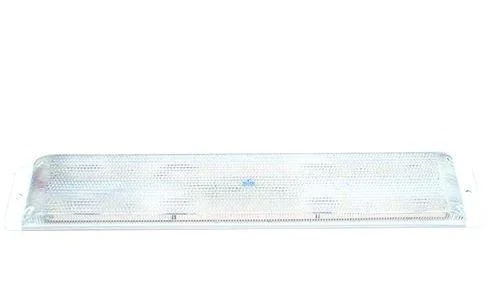
Tail lights are essential automotive components that illuminate at the rear of vehicles. Their primary function is to signal the presence and intentions of a vehicle to other road users, particularly at night or in low visibility conditions. Tail lights typically consist of several light bulbs or LEDs encased in a protective housing, which can be made from glass or high-impact plastic. These lights not only enhance safety but also comply with regulatory requirements for vehicle lighting.
In business applications, tail lights are vital for various types of vehicles, including cars, trucks, buses, and trailers. They serve as critical safety features that help prevent accidents by providing clear visibility and communication of a vehicle’s actions, such as stopping or turning. The importance of tail lights extends across industries, including transportation, logistics, and automotive manufacturing, where adherence to safety standards is paramount.
As the automotive industry continues to evolve, the market for tail lights is experiencing a shift towards more advanced technologies. This includes the integration of LED lighting for improved energy efficiency and longevity, as well as smart lighting systems that can adapt to different driving conditions. Understanding the relevance of tail lights in the broader context of vehicle safety and efficiency is crucial for businesses involved in the manufacturing and distribution of automotive components.
𝗞𝗲𝘆 𝗙𝗲𝗮𝘁𝘂𝗿𝗲𝘀 𝗮𝗻𝗱 𝗦𝗽𝗲𝗰𝗶𝗳𝗶𝗰𝗮𝘁𝗶𝗼𝗻𝘀
Tail lights come with a variety of features and specifications that cater to different vehicle types and user needs. These features are designed not only for functionality but also for durability and efficiency.
Key specifications include:
1. Light Source Type
- Options include incandescent bulbs or LED lights
- LEDs offer longer lifespan and lower power consumption
2. Voltage Rating
- Standard voltage ratings typically range from 12V to 24V
- Ensures compatibility with various vehicle electrical systems
3. Housing Material
- Common materials are polycarbonate or glass
- Polycarbonate is often chosen for its impact resistance
4. Brightness Level
- Measured in lumens
- Higher lumens indicate brighter tail lights for better visibility
5. Color Specification
- Red is the standard color for tail lights
- Compliance with regulatory standards for visibility
6. Weather Resistance
- IP ratings indicate resistance to moisture and dust
- Essential for outdoor and vehicle applications
7. Installation Type
- Options include plug-and-play or hardwired connections
- Depending on the vehicle design and user preference
8. Certification
- Compliance with CE standards for safety and quality
- Ensures products meet European regulations
In summary, the key features and specifications of tail lights play a critical role in their performance and reliability. Businesses need to consider these factors when selecting tail lights for their vehicles to ensure safety and compliance with industry standards.
𝗖𝗼𝗺𝗺𝗼𝗻 𝗔𝗽𝗽𝗹𝗶𝗰𝗮𝘁𝗶𝗼𝗻𝘀 𝗮𝗻𝗱 𝗨𝘀𝗲 𝗖𝗮𝘀𝗲𝘀
Tail lights are utilized across multiple industries, reflecting their importance in vehicle safety and functionality.
1. Automotive Industry: Tail lights are standard components in all types of vehicles, from passenger cars to heavy-duty trucks. They provide essential signaling for safe driving.
2. Transportation and Logistics: In commercial fleets, tail lights are crucial for signaling during loading and unloading processes, especially in low-light conditions.
3. Emergency Services: Ambulances and fire trucks are equipped with specialized tail lights to enhance visibility and communicate urgency during operations.
4. Recreational Vehicles: Tail lights in RVs and trailers ensure that these larger vehicles are visible on the road, particularly during nighttime travel.
5. Agricultural Equipment: Tail lights on tractors and other farm machinery are vital for safe operation on public roads, especially in rural areas.
6. Construction Vehicles: Heavy machinery used in construction sites requires tail lights for safety, signaling, and compliance with traffic regulations.
7. Motorcycles: Tail lights are essential for visibility and safety, especially for smaller vehicles that can be easily overlooked by larger ones.
𝗣𝗿𝗼𝗱𝘂𝗰𝘁 𝗩𝗮𝗿𝗶𝗮𝗻𝘁𝘀 𝗮𝗻𝗱 𝗦𝘂𝗯𝗰𝗮𝘁𝗲𝗴𝗼𝗿𝗶𝗲𝘀
Tail lights come in various forms to meet the diverse needs of different vehicles and applications.
Standard Tail Lights: These are the most common type found on passenger vehicles. They typically feature a simple design with standard bulb configurations. These lights provide essential signaling capabilities and ensure compliance with safety regulations.
LED Tail Lights: This variant utilizes LED technology, offering brighter illumination and greater energy efficiency. LED tail lights have a longer lifespan and are increasingly popular in the automotive market due to their modern appearance and functionality.
Custom Tail Lights: Many manufacturers offer the option for custom tail lights, allowing businesses to tailor designs and features to specific vehicle models or branding requirements. These can include unique shapes, integrated lighting features, and various color options.
𝗕𝗲𝗻𝗲𝗳𝗶𝘁𝘀 𝗮𝗻𝗱 𝗔𝗱𝘃𝗮𝗻𝘁𝗮𝗴𝗲𝘀
Investing in high-quality tail lights provides numerous benefits to businesses and vehicle owners.
1. Enhanced Safety: Bright and reliable tail lights significantly improve vehicle visibility, reducing the risk of accidents, particularly in low-light conditions.
2. Regulatory Compliance: Adhering to legal standards for vehicle lighting helps avoid penalties and ensures safe operation on public roads.
3. Energy Efficiency: Modern LED tail lights consume less power, leading to reduced energy costs and improved vehicle battery life.
4. Durability: Quality tail lights are designed to withstand harsh weather conditions, ensuring long-lasting performance and reduced maintenance needs.
5. Improved Aesthetics: Upgrading to stylish tail lights can enhance the overall appearance of a vehicle, making it more appealing to customers and users.
6. Versatility: Tail lights can be used across different types of vehicles, making them a flexible solution for various industries.
𝗕𝘂𝘆𝗶𝗻𝗴 𝗚𝘂𝗶𝗱𝗲 𝗳𝗼𝗿 𝗕𝟮𝗕 𝗕𝘂𝘆𝗲𝗿𝘀
When sourcing tail lights, businesses must consider several key factors to ensure they make informed decisions.
1. Quality Assessment: Buyers should evaluate the quality of tail lights through certifications and performance reviews. High-quality products ensure safety and longevity.
2. Supplier Verification: It is crucial to vet suppliers thoroughly. This includes checking references, reviewing their track record, and ensuring they comply with industry standards.
3. Pricing and MOQ: Understanding the pricing structure and minimum order quantities is essential for budget management and inventory planning.
4. Delivery and Lead Times: Buyers should inquire about logistics and delivery schedules to ensure timely receipt of products, especially when managing large fleets.
5. Compliance Requirements: Familiarizing oneself with regional and international regulations governing tail lights ensures that the products sourced meet necessary compliance standards.
𝗖𝗼𝗺𝗽𝗹𝗶𝗮𝗻𝗰𝗲 𝗮𝗻𝗱 𝗖𝗲𝗿𝘁𝗶𝗳𝗶𝗰𝗮𝘁𝗶𝗼𝗻𝘀
Tail lights must adhere to various quality standards and certifications that ensure their safety and reliability in different markets.
Relevant quality standards include ISO 9001, which focuses on quality management systems and ensures that manufacturers meet customer and regulatory requirements. Additionally, CE certification is crucial for tail lights sold in European markets, indicating compliance with health, safety, and environmental protection standards.
Safety and testing requirements are also paramount. Manufacturers must conduct rigorous testing to ensure tail lights perform effectively under various conditions. This includes assessments for brightness, durability, and resistance to environmental factors.
Regional compliance considerations may vary, so it is important for businesses to stay informed about specific regulations in their target markets. This not only helps in avoiding legal issues but also enhances customer trust in the products.
𝗪𝗵𝘆 𝗦𝗼𝘂𝗿𝗰𝗲 𝗧𝗮𝗶𝗹 𝗟𝗶𝗴𝗵𝘁𝘀 𝗳𝗿𝗼𝗺 𝗣𝗲𝗽𝗮𝗴𝗼𝗿𝗮?
Pepagora offers a trusted platform for sourcing tail lights, providing several key advantages that benefit B2B buyers.
Verified Supplier Network: Pepagora ensures that all suppliers in its network are thoroughly vetted and verified. This process helps buyers connect with reputable manufacturers, reducing risks associated with sourcing.
Streamlined RFQ Process: The platform features a user-friendly quotation system that simplifies the request-for-quotation process. Buyers can easily compare offers from different suppliers, aiding in better decision-making.
Trade Assurance and Support: Pepagora provides trade assurance, protecting buyers against potential issues with orders. This includes support for negotiations and conflict resolution, giving buyers peace of mind.
Regional Coverage: With a strong presence in India, the GCC, and Southeast Asia, Pepagora offers extensive geographic reach. This enables businesses to access a diverse range of tail light products tailored to their local markets.

 IN
IN

 India
India