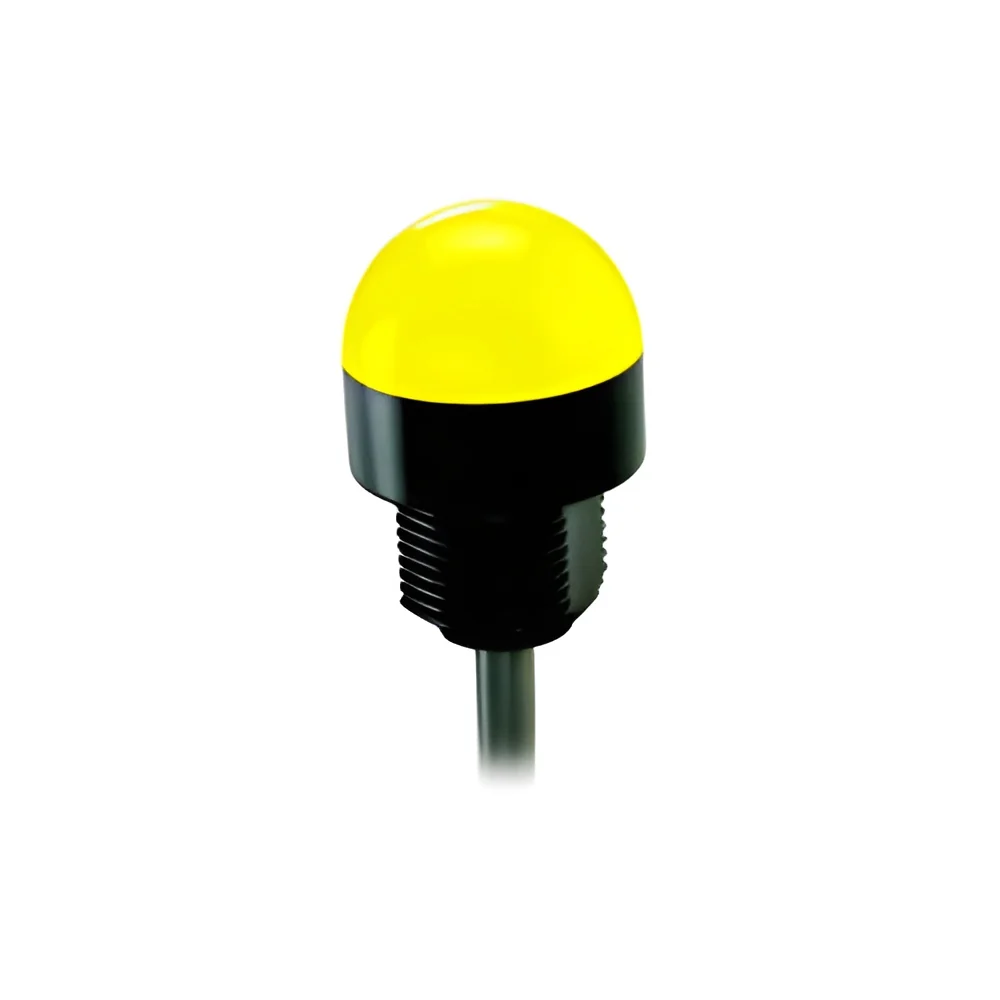
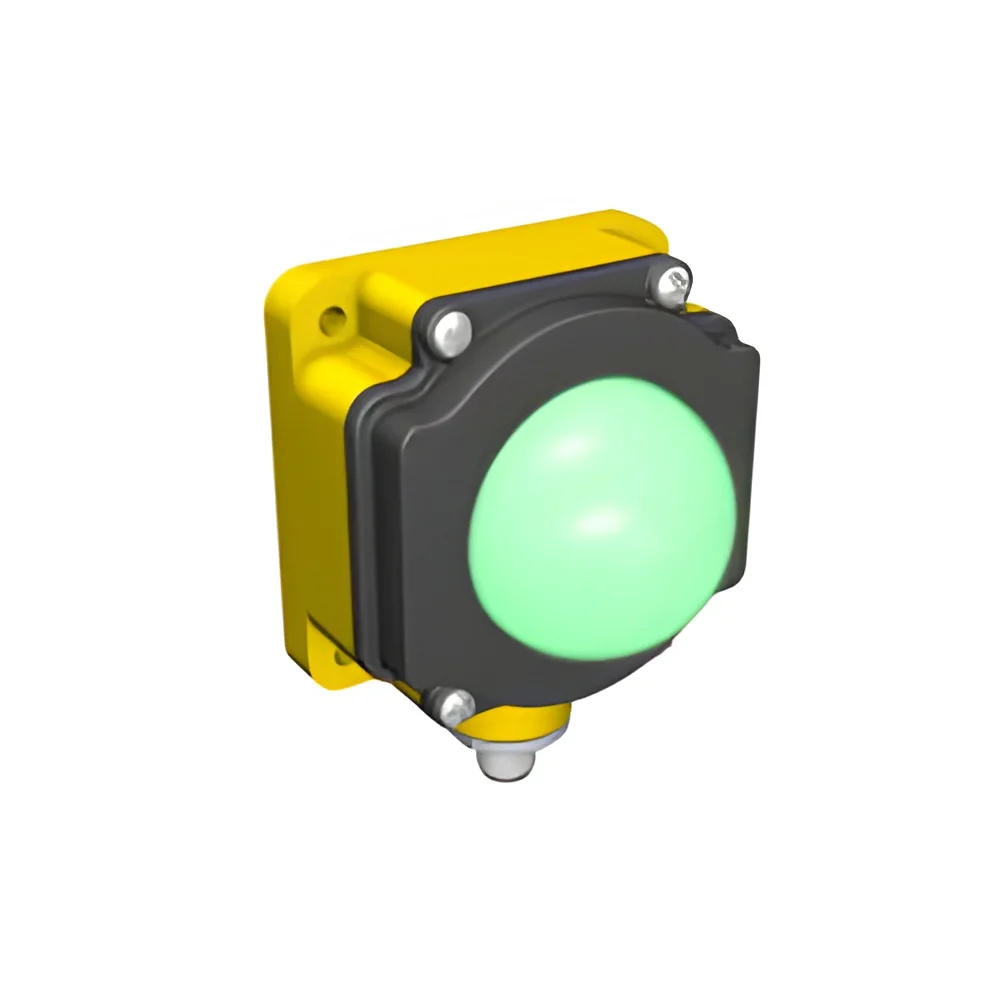
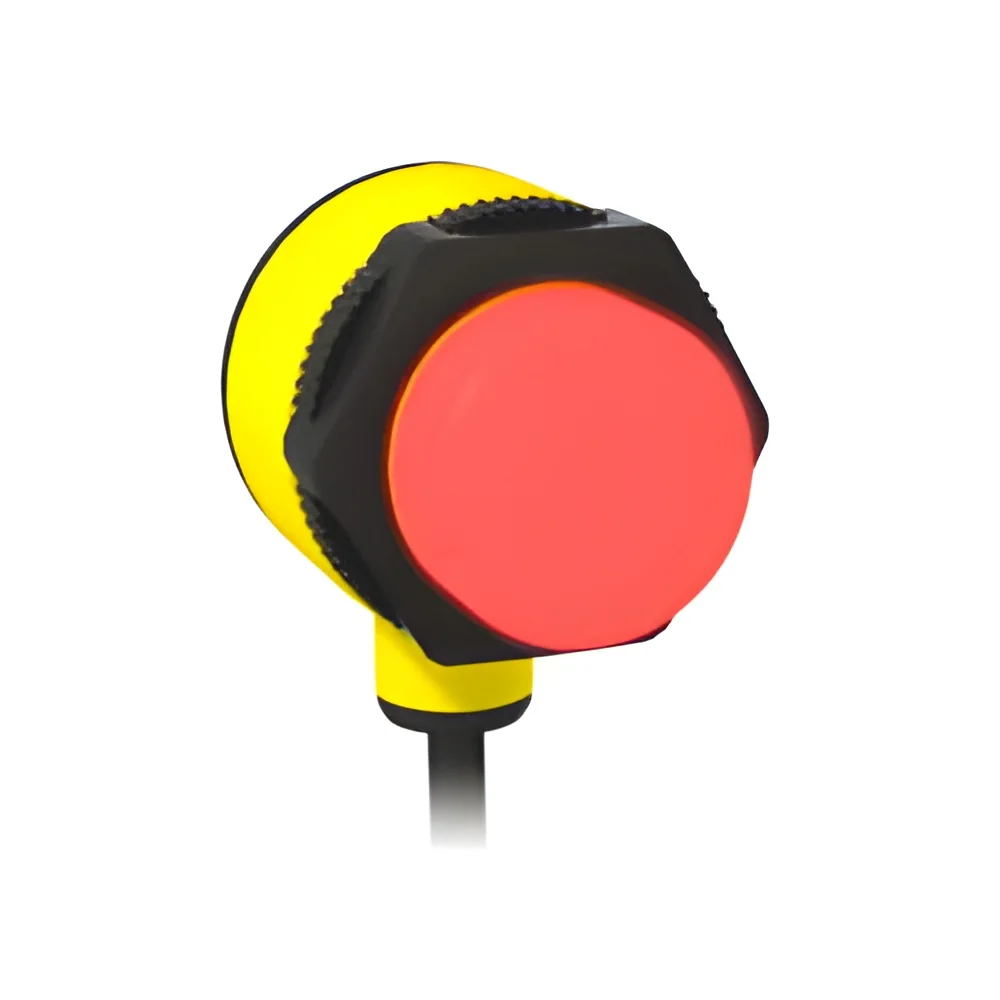
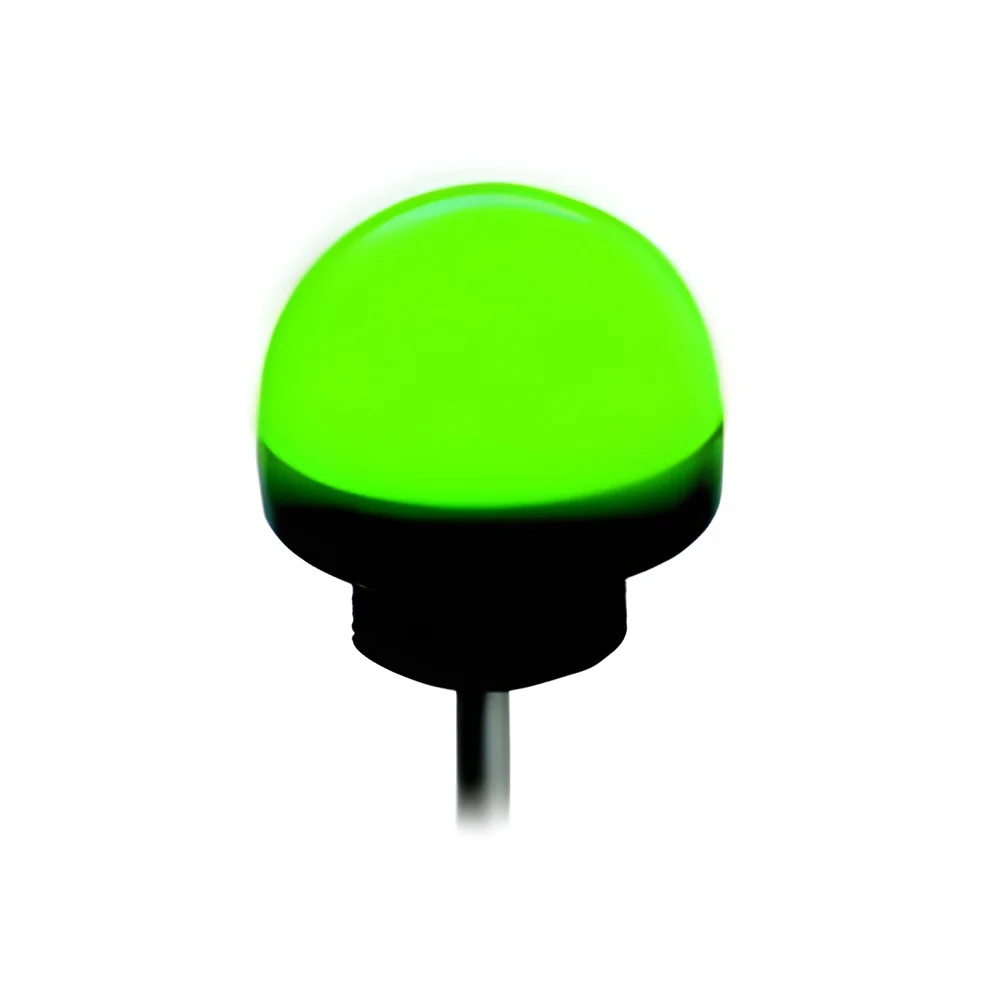
What are Indicator Lights?
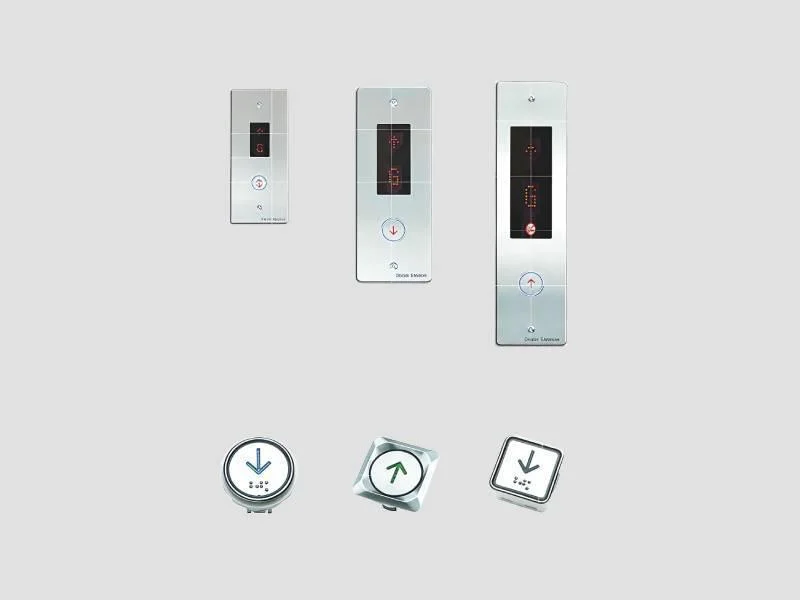
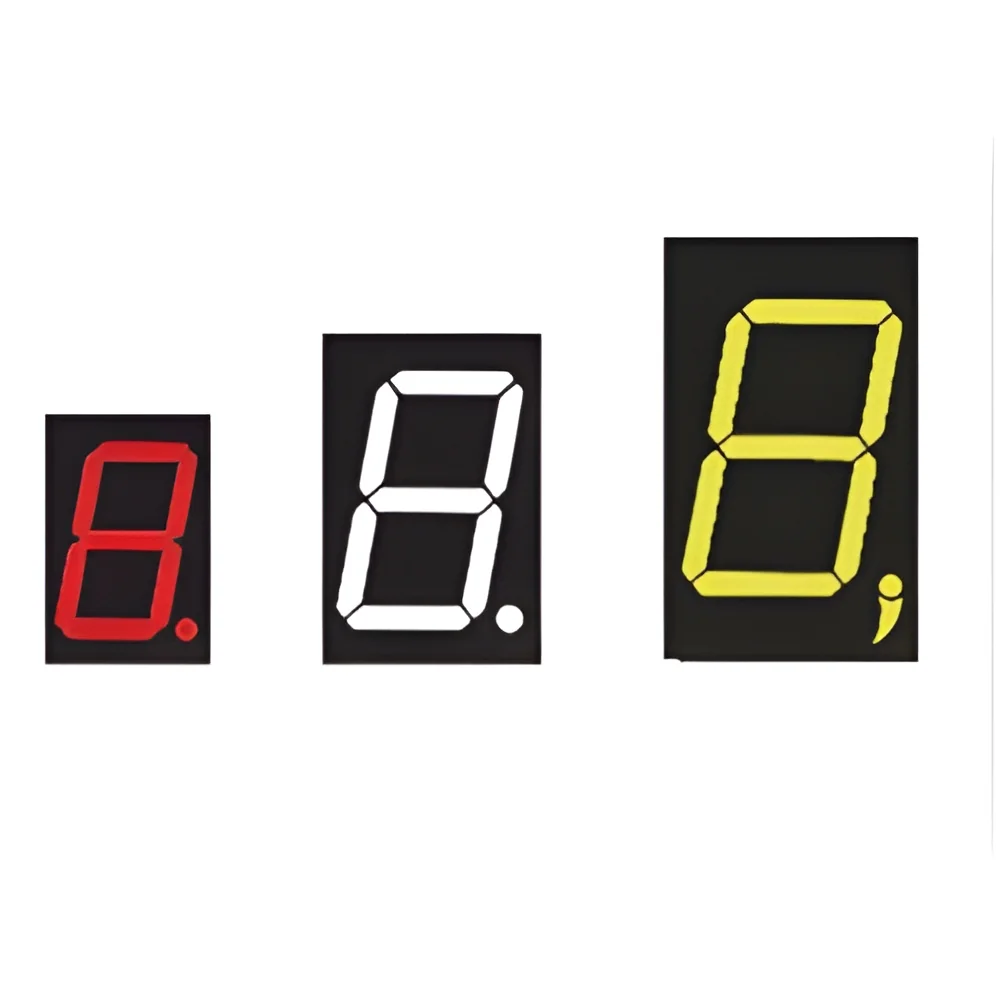
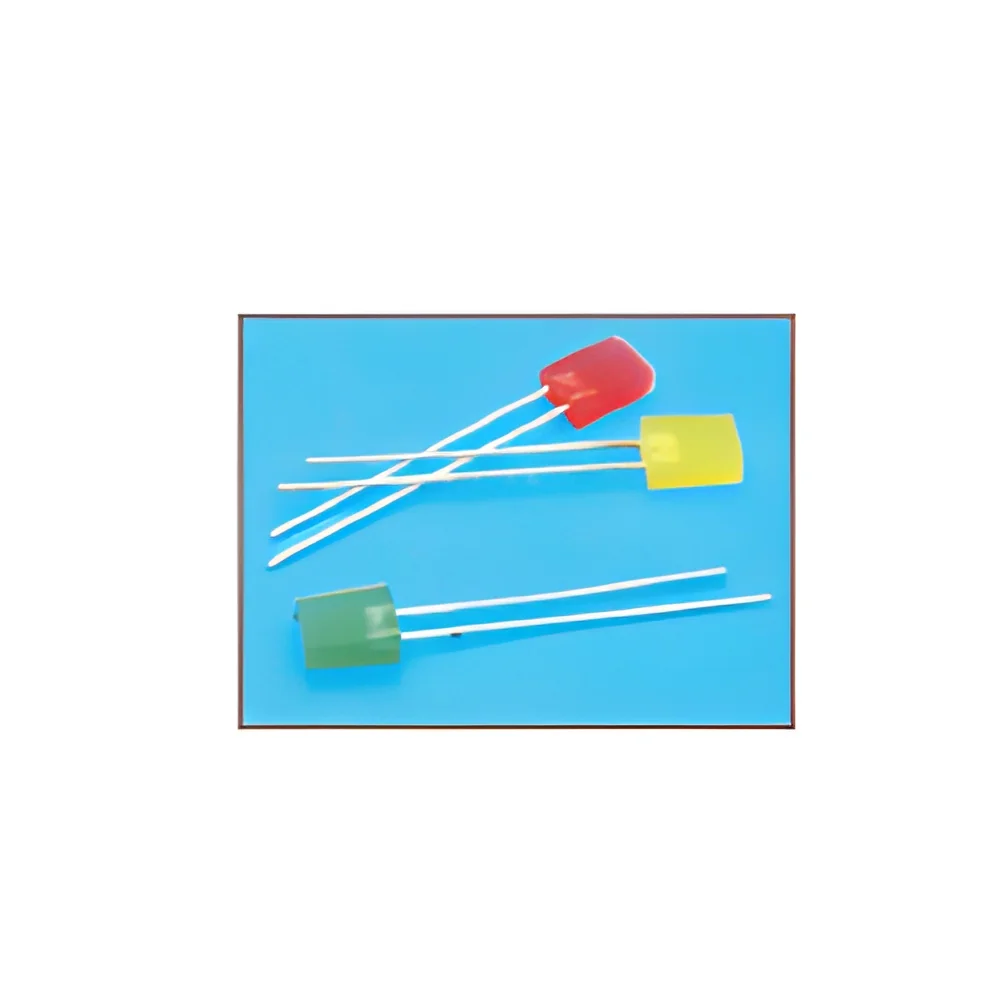
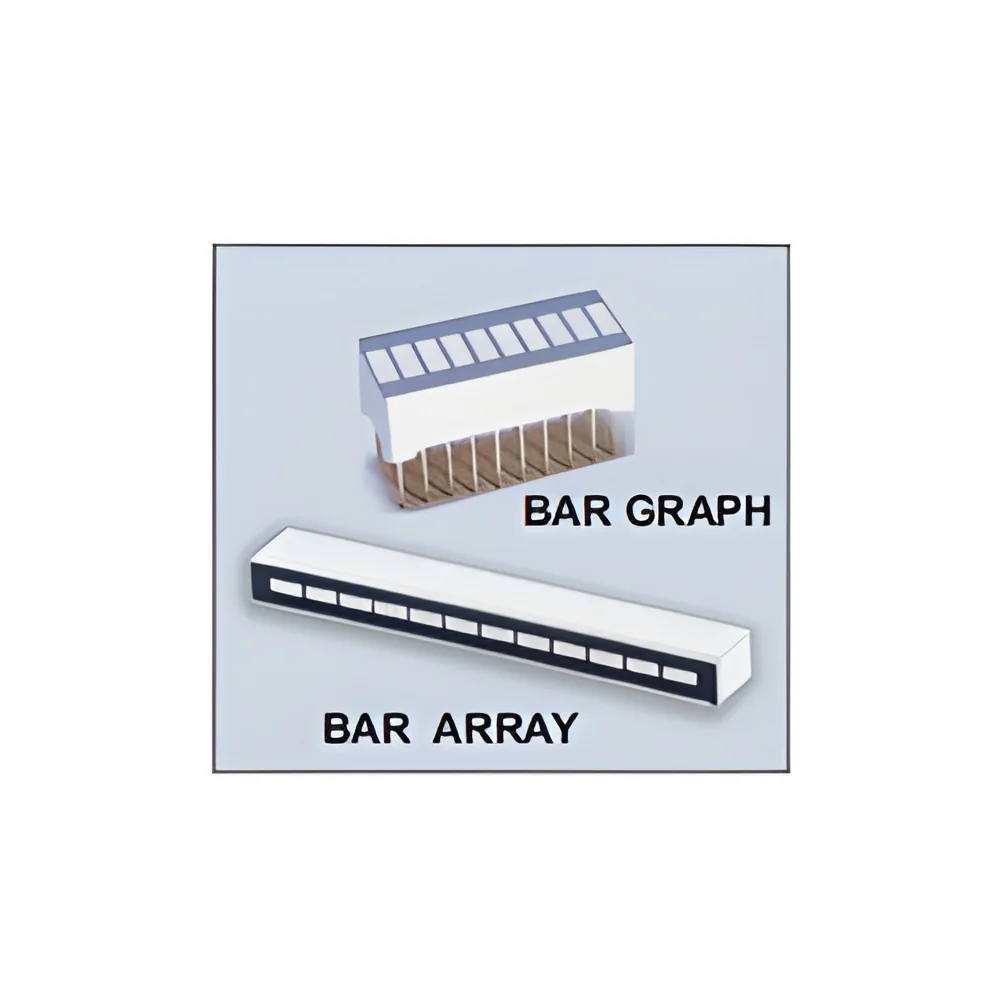
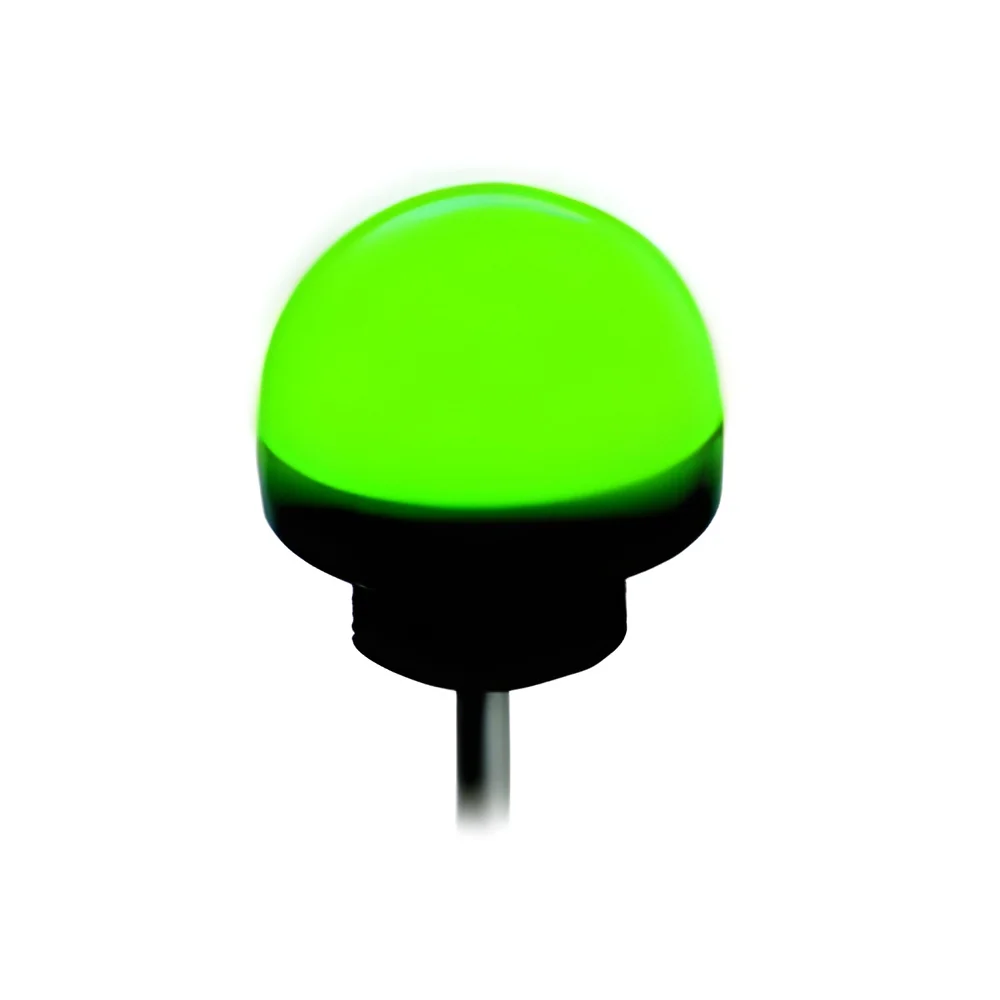
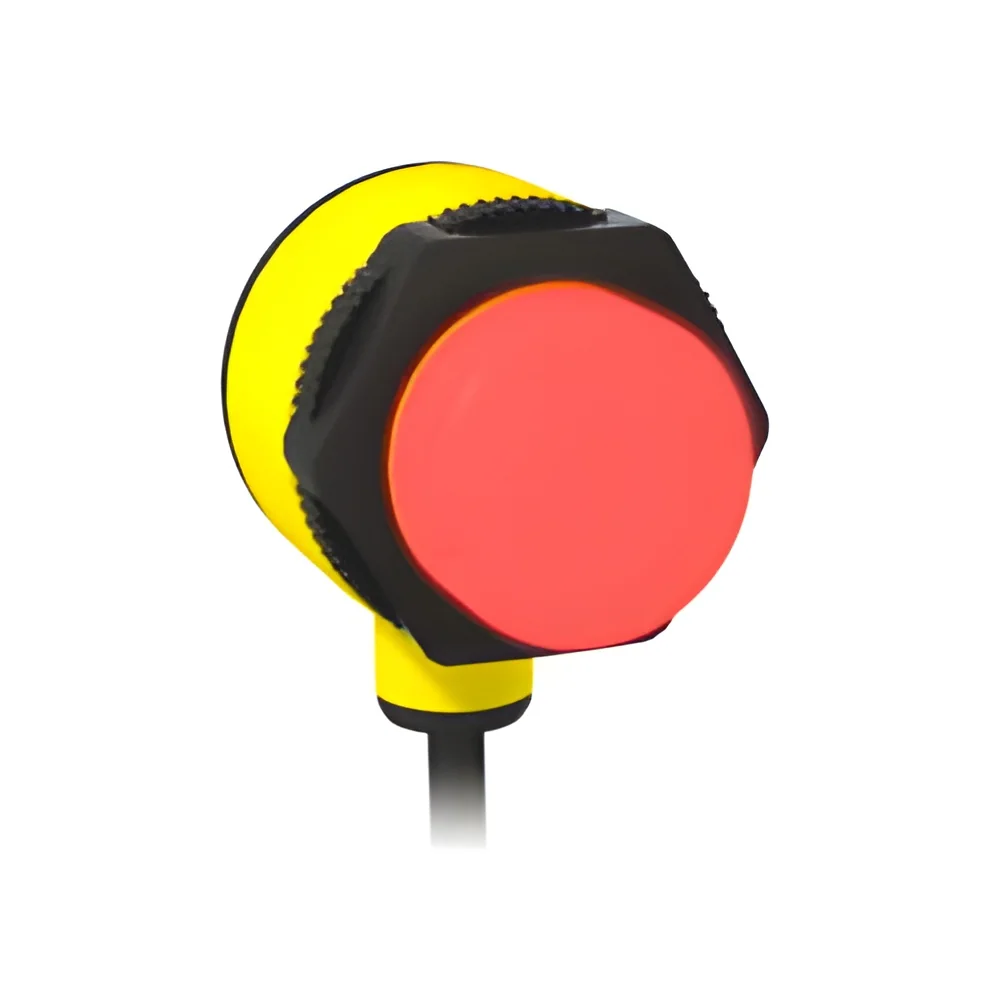
Indicator lights are visual signals used in various industrial applications to convey information about the operational status of machinery or equipment. These lights can indicate power status, operational readiness, fault conditions, or warnings, allowing operators to quickly assess the functioning of systems. Typically, they come in different colors, each representing a specific status, such as green for normal operation, red for faults, or yellow for caution.
These lights are widely used in manufacturing plants, automotive industries, and any environment where machinery is operated. They enhance safety and efficiency by providing immediate feedback to users, thus reducing the chance of accidents or equipment failures. In a competitive market, businesses that utilize indicator lights can improve their operational reliability and streamline processes, making them essential components in modern industrial settings.
Key Features and Specifications
Indicator lights are designed with a range of specifications to meet diverse industrial needs. They come with various features tailored to enhance visibility and functionality in different environments.
Key specifications include:
1. Light Source Type
- LED or incandescent options available
- LED lights offer longer life and lower energy consumption
2. Voltage Rating
- Common voltage ratings include 12V, 24V, and 120V
- Important for compatibility with different electrical systems
3. Color Options
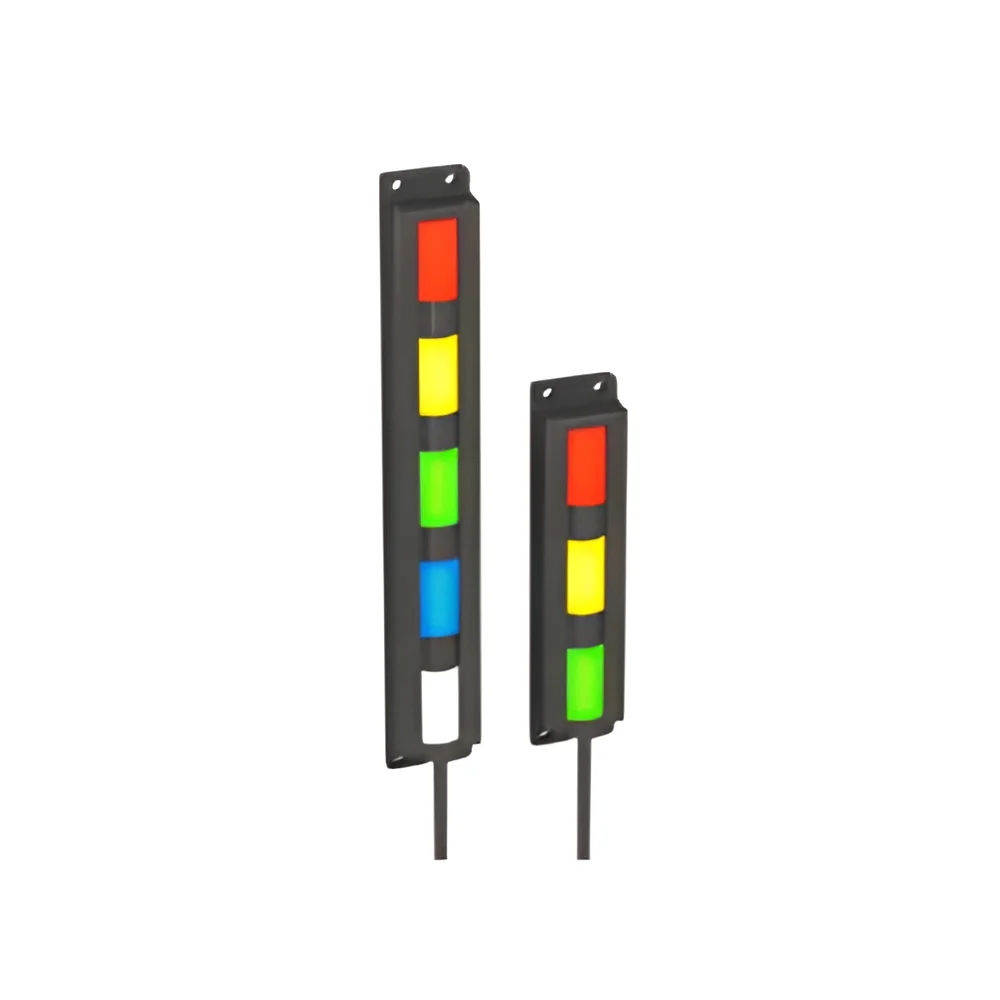
- Available in multiple colors: red, green, yellow, blue, and white
- Each color signifies different operational statuses
4. Mounting Style
- Options include panel mount, surface mount, and flush mount
- Selection depends on installation requirements
5. Operating Temperature Range
- Typically designed to operate in temperatures from -20°C to 60°C
- Ensures functionality in various environments
6. IP Rating
- Ingress Protection rating, indicating resistance to dust and water
- Higher ratings (e.g., IP65) suitable for harsh conditions
7. Body Material
- Constructed from durable materials such as polycarbonate or metal
- Ensures longevity and resistance to wear
8. Certifications
- Common certifications include CE marking
- Indicates compliance with European safety standards
Indicator lights are essential for providing reliable visual feedback, which enhances operational efficiency and safety.
Common Applications and Use Cases
Indicator lights are integral components across various industries, ensuring quick status updates on machinery and systems.
1. Manufacturing: In manufacturing, indicator lights are used on assembly lines to signal machine status, helping operators monitor production processes effectively.
2. Automotive: In the automotive sector, indicator lights are essential for dashboard signals, providing drivers with crucial information about their vehicle's system status.
3. Construction: Construction equipment utilizes indicator lights to show operational readiness, alerting operators to safety conditions or equipment malfunctions.
4. Food Processing: In food processing plants, indicator lights help monitor equipment status to ensure compliance with safety and hygiene standards.
5. Oil and Gas: In the oil and gas industry, these lights indicate equipment status in remote locations, enhancing safety and operational efficiency.
6. Telecommunications: Indicator lights in telecommunications equipment signal system status, helping technicians maintain network reliability.
7. HVAC Systems: Indicator lights in HVAC units inform users of operational status and alert them to maintenance needs.
Product Variants and Subcategories
Indicator lights come in various designs and configurations to accommodate different application needs.
Panel Mount Indicator Lights
These lights are designed for easy installation in control panels. They provide clear visibility and are often used in industrial machinery to signal operational status.
Surface Mount Indicator Lights
Surface mount designs allow for flexible installation in various locations. They are suitable for environments where panel mounting is not feasible.
Flush Mount Indicator Lights
Flush mount lights are designed to sit level with the surface of the equipment. They are commonly used in applications where space is limited.
Benefits and Advantages
Indicator lights offer numerous advantages that enhance operational efficiency and safety.
1. Enhanced Visibility: Indicator lights provide clear visual cues, allowing operators to quickly assess machine status and respond accordingly.
2. Increased Safety: By signaling potential faults or operational issues, indicator lights help prevent accidents and ensure a safer working environment.
3. Improved Maintenance: Regular indicators can alert maintenance personnel to equipment issues before they escalate, reducing downtime and repair costs.
4. Energy Efficiency: LED indicator lights consume less power compared to traditional bulbs, leading to cost savings and reduced environmental impact.
5. Versatility: With various colors and mounting options, indicator lights can be adapted to fit different applications across industries.
6. Compliance Support: Indicator lights often meet industry standards, helping businesses maintain compliance with safety regulations.
Buying Guide for B2B Buyers
When sourcing indicator lights, it is crucial for B2B buyers to consider several key factors.
1. Quality Assessment: Evaluate the quality of indicator lights by reviewing manufacturer certifications and conducting product testing. High-quality lights will have better durability and reliability.
2. Supplier Verification: Vet potential suppliers by checking their reputation, customer reviews, and industry experience. A reliable supplier should have a proven track record of delivering quality products.
3. Pricing and MOQ: Understand the pricing structure and minimum order quantities (MOQ) of indicator lights. This helps in budgeting and ensures that the supplier can meet your purchasing needs.
4. Delivery and Lead Times: Discuss delivery timelines with suppliers to ensure that you can receive the indicator lights within your required timeframe, particularly for urgent projects.
5. Compliance Requirements: Ensure that the indicator lights meet relevant safety and quality standards applicable to your industry. This may include certifications like CE marking.
Compliance and Certifications
Indicator lights must adhere to various quality standards and certifications to ensure safety and reliability in industrial applications.
ISO 9001 is a widely recognized standard that ensures a company’s quality management systems are effective and consistently meet customer requirements. Compliance with this standard indicates that a manufacturer prioritizes quality in its production processes.
CE marking is another important certification for indicator lights, particularly in European markets. It signifies that the product meets the necessary health, safety, and environmental protection standards laid out by the European Union.
Safety and testing requirements are critical for indicator lights to ensure they can withstand operational stresses and environmental conditions. This includes rigorous testing for electrical safety, durability, and compliance with applicable industry regulations.
Regional compliance considerations should also be taken into account. Different regions may have specific regulations governing the use and certification of electrical components, including indicator lights.
Why Source Indicator Lights from Pepagora?
Pepagora provides a trusted platform for sourcing indicator lights, offering several key advantages to B2B buyers.
Verified Supplier Network: Pepagora has a robust verification process for suppliers, ensuring that buyers connect with reputable manufacturers. This reduces the risk of purchasing low-quality products.
Streamlined RFQ Process: The platform simplifies the request for quotation (RFQ) process, enabling buyers to receive competitive pricing and quicker responses from multiple suppliers. This efficiency aids in timely procurement decisions.
Trade Assurance and Support: Buyers benefit from trade assurance programs that protect their investments. This includes support in case of disputes, ensuring a secure purchasing experience.
Regional Coverage: Pepagora operates across multiple regions, including India, the GCC, and Southeast Asia. This broad geographic reach facilitates access to a wider range of products and suppliers, catering to diverse industrial needs.

 IN
IN