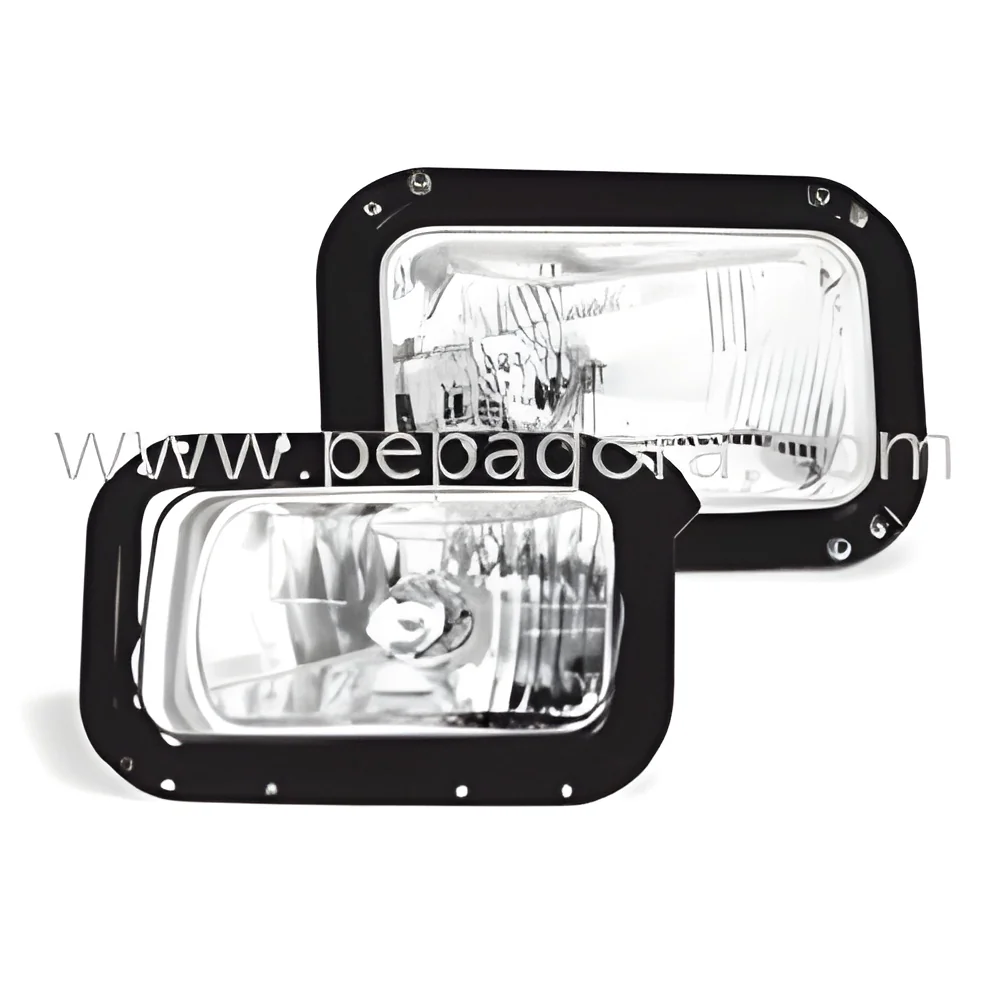
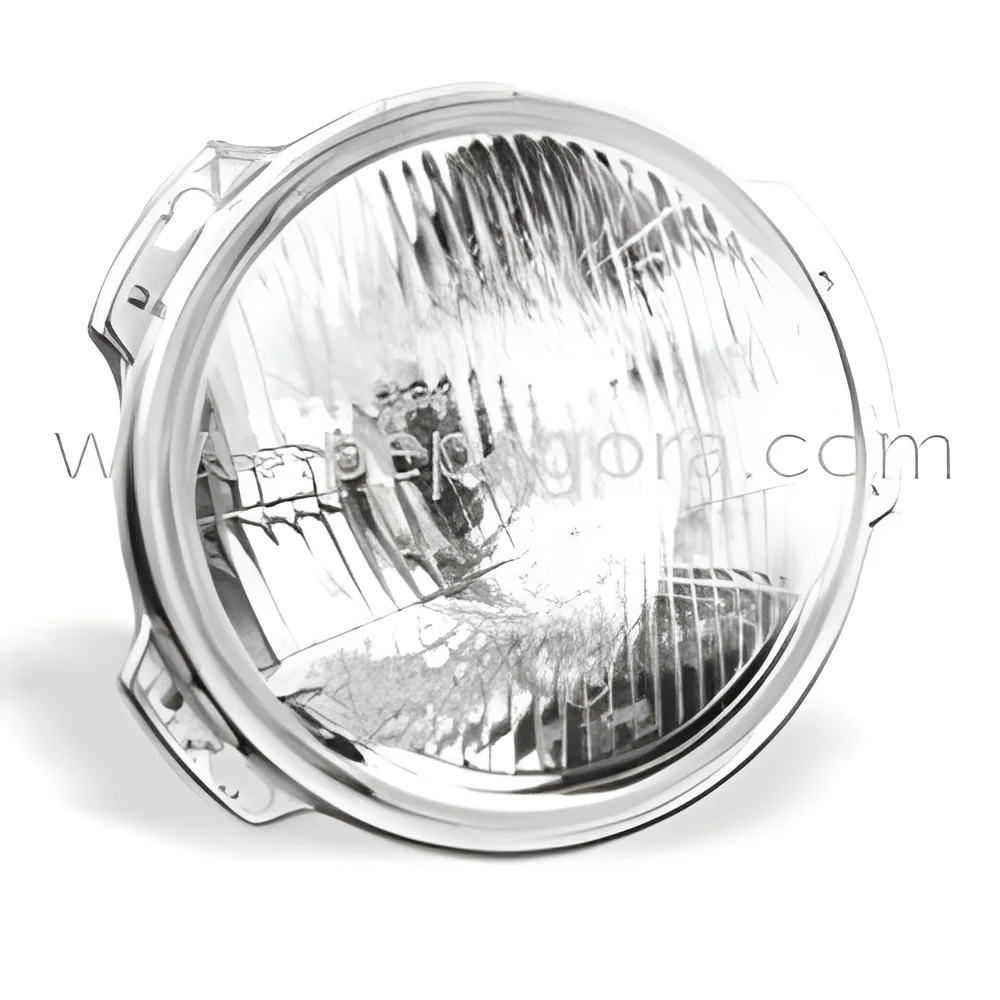
What are OEM Lighting Parts?
OEM Lighting Parts, or Original Equipment Manufacturer Lighting Parts, refer to components specifically designed for use in various lighting applications and systems. These parts are produced by manufacturers to meet the precise specifications and quality standards required by companies in the lighting industry. They are integral in ensuring that lighting fixtures and systems operate efficiently and reliably, adhering to the performance metrics set out by the original equipment designs.
These parts find primary applications in diverse sectors, including commercial, industrial, and residential lighting setups. Businesses utilize OEM Lighting Parts to replace or upgrade existing fixtures, ensuring compatibility and maintaining the overall integrity of their lighting systems. The market for these parts is expanding, driven by the growing demand for energy-efficient solutions and advanced lighting technology. Companies are increasingly seeking OEM parts to enhance the longevity and performance of their lighting installations.
The relevance of OEM Lighting Parts in today’s market cannot be overstated. As industries strive for improved energy efficiency and compliance with sustainability regulations, the demand for high-quality, reliable lighting components is at an all-time high. This trend underscores the importance of sourcing OEM parts that meet rigorous industry standards and can support innovative lighting solutions.
Key Features and Specifications
When evaluating OEM Lighting Parts, it is essential to consider various key features and specifications that influence their performance and suitability for different applications.
Key specifications include:
1. Compatibility
- Ensures the part fits seamlessly with existing equipment.
- Must meet specific design and functional criteria.
2. Material Quality
- Typically made from durable materials to withstand environmental factors.
- Resistance to corrosion, heat, and impact is often critical.
3. Energy Efficiency
- Designed to optimize power use while providing adequate illumination.
- Often rated for low wattage consumption.
4. Lifespan
- Expected operational life is a vital consideration.
- Longer lifespan reduces replacement frequency and costs.
5. Certification
- Compliance with industry standards such as CE for safety and performance.
- Indicates adherence to quality benchmarks.
6. Customization Options
- Availability of tailored solutions to meet specific project needs.
- Can include variations in size, shape, and functionality.
7. Environmental Impact
- Many OEM parts are designed with sustainability in mind.
- Focus on recyclable materials and energy-saving technologies.
8. Performance Metrics
- Includes lumens output, color temperature, and CRI (Color Rendering Index).
- Critical for ensuring lighting quality and effectiveness.
In summary, understanding these specifications allows businesses to make informed decisions when sourcing OEM Lighting Parts, ensuring they meet the necessary requirements for their specific applications.
Common Applications and Use Cases
OEM Lighting Parts are versatile and serve various industries, enhancing lighting solutions across different sectors.
1. Commercial: In commercial settings, OEM parts are used in office buildings, retail spaces, and hospitality venues to provide efficient and attractive lighting solutions.
2. Industrial: Factories and warehouses utilize these components to ensure adequate visibility and safety, often in challenging environments.
3. Residential: Homeowners rely on OEM parts for upgrades and replacements in lighting fixtures, enhancing both aesthetics and functionality.
4. Automotive: In the automotive industry, OEM lighting components are crucial for vehicle safety and visibility, ensuring compliance with regulations.
5. Outdoor: Street lighting and landscape illumination often depend on OEM parts for reliability and performance in outdoor conditions.
6. Healthcare: Hospitals and clinics require specialized lighting solutions that promote patient comfort and safety, often utilizing OEM components.
7. Entertainment: The entertainment industry employs OEM lighting parts in stage and event lighting, ensuring high-quality performance and reliability.
Product Variants and Subcategories
OEM Lighting Parts come in a variety of forms to meet diverse needs in the marketplace.
LED Modules
These energy-efficient lighting solutions are designed for various applications, offering longer lifespans and reduced power consumption. They are ideal for both indoor and outdoor environments.
Ballasts
Used in fluorescent and HID lighting systems, ballasts regulate current and provide the necessary voltage for starting lamps. They are crucial for maintaining system efficiency.
Reflectors
These components enhance light distribution and intensity in fixtures, making them essential in both residential and commercial lighting applications.
Lenses
OEM lenses are designed to protect light sources while optimizing light output. They come in various shapes and materials to suit specific fixture designs.
Benefits and Advantages
Sourcing OEM Lighting Parts provides numerous advantages that can enhance operational efficiency and product quality.
Key benefits include:
1. Quality Assurance: OEM parts are manufactured to strict standards, ensuring reliability and performance in various applications.
2. Compatibility: Designed to fit original equipment perfectly, minimizing installation issues and ensuring seamless integration.
3. Cost-Effectiveness: While potentially higher in upfront costs, OEM parts often reduce long-term maintenance and replacement expenses.
4. Performance Optimization: High-quality components can significantly improve the energy efficiency and effectiveness of lighting systems.
5. Warranty Support: Many OEM parts come with warranties, providing peace of mind and protection against defects.
6. Innovation Access: Using OEM parts allows businesses to leverage the latest advancements in lighting technology and design.
Buying Guide for B2B Buyers
When sourcing OEM Lighting Parts, it is essential for B2B buyers to consider several critical factors to ensure a successful procurement process.
1. Quality Assessment: Evaluate the quality of the parts through supplier certifications, customer reviews, and performance metrics to ensure they meet industry standards.
2. Supplier Verification: Conduct thorough research on suppliers to confirm their reliability and reputation in the market. Look for established suppliers with a proven track record.
3. Pricing and MOQ: Understand the pricing structure and minimum order quantity (MOQ) requirements to assess budget implications and order feasibility.
4. Delivery and Lead Times: Consider logistics and supply chain factors, including delivery times, to ensure timely availability of parts for projects.
5. Compliance Requirements: Ensure that the parts meet all relevant regulations and standards specific to your industry to avoid compliance issues.
Compliance and Certifications
Compliance and certifications are crucial aspects of OEM Lighting Parts, ensuring safety and quality in the marketplace.
Many OEM Lighting Parts adhere to relevant quality standards, such as ISO 9001, which emphasizes consistent quality management and assurance processes. This standard is vital for manufacturers aiming to deliver high-quality products consistently.
In addition, industry certifications like CE mark compliance indicate that the products meet European safety standards, ensuring that they are safe for use in various applications. This certification is essential for businesses operating in or exporting to Europe.
Safety and testing requirements are also a significant focus, as OEM parts must undergo rigorous testing to meet performance and safety benchmarks. This includes assessments for electrical safety, thermal performance, and overall durability under various conditions.
Regional compliance considerations may vary, so it is essential for buyers to be aware of local regulations and standards that apply to lighting products in their specific markets.
Why Source OEM Lighting Parts from Pepagora?
Pepagora provides a trusted platform for sourcing OEM Lighting Parts, offering various key advantages for B2B buyers.
Verified Supplier Network: Pepagora has a robust network of verified suppliers, ensuring that all listed parts meet strict quality and compliance standards. This helps buyers find reliable products without extensive vetting processes.
Streamlined RFQ Process: The Request for Quotation (RFQ) system simplifies the procurement process, allowing buyers to receive competitive quotes from multiple suppliers efficiently. This system enhances transparency and helps in making informed purchasing decisions.
Trade Assurance and Support: Pepagora offers trade assurance to protect buyers, providing a safety net against disputes and ensuring that products are delivered as promised. This support gives buyers confidence in their sourcing decisions.
Regional Coverage: With a focus on markets like India, GCC, and Southeast Asia, Pepagora offers extensive regional coverage, making it easier for businesses to connect with suppliers that meet their specific geographic and logistical needs. This reach facilitates smooth transactions and timely deliveries.

 IN
IN