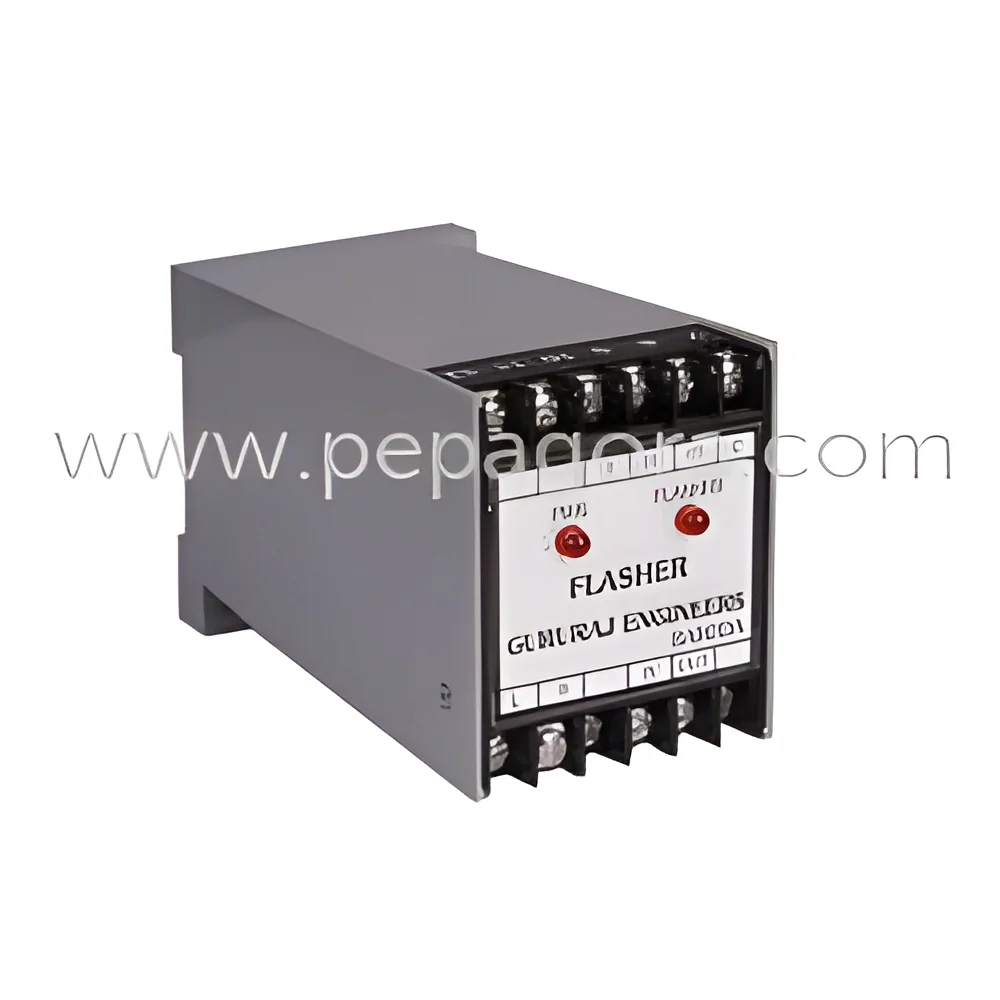
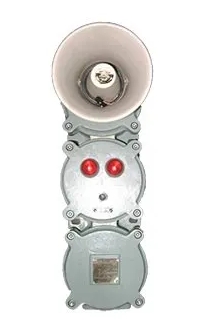
What are Emergency Flashers & Beacons?
Emergency flashers and beacons are vital safety devices used to alert and direct attention during emergencies or hazardous situations. These devices emit bright, flashing lights or signals that can be seen from a distance, making them essential for ensuring visibility and safety in various environments. Typically mounted on vehicles, construction sites, or stationary locations, they are designed to operate under adverse conditions to maximize their effectiveness.
The primary uses of emergency flashers and beacons span multiple industries, including transportation, construction, and emergency services. In the transportation sector, they are commonly used to signal breakdowns or accidents, thereby enhancing road safety. In construction, these devices help manage traffic around work sites and alert workers to potential dangers. The relevance of these products in today's market is underscored by increasing safety regulations and the demand for enhanced workplace safety measures across various sectors.
Key Features and Specifications
Emergency flashers and beacons come with various features designed to meet industry standards and user needs. Understanding these features helps businesses select the right product for their applications.
Key specifications include:
1. Light Output
- Measured in lumens, indicating brightness.
- Ranges from 100 to 2,000 lumens depending on the model.
2. Power Source
- Typically powered by rechargeable batteries or direct connection to a vehicle's electrical system.
- Battery life can vary from 5 to 20 hours based on usage.
3. Mounting Options
- Available with magnetic, permanent, or suction mounts.
- Ensures versatility across different applications.
4. Flashing Patterns
- Multiple flash patterns available for different visibility needs.
- Options include steady, strobe, and rotating lights.
5. Weather Resistance
- Designed to withstand various environmental conditions.
- Ratings often include IP65 or higher for dust and water resistance.
6. Compliance Standards
- Must meet relevant safety and quality standards.
- Common certifications include CE marking.
7. Operating Temperature
- Designed to function effectively in temperatures ranging from -20 to 60 degrees Celsius.
8. Dimensions and Weight
- Varies by model, impacting portability and installation.
- Typical dimensions range from small handheld units to larger fixed beacons.
These specifications ensure that emergency flashers and beacons provide reliable performance in critical situations.
Common Applications and Use Cases
Emergency flashers and beacons serve a wide array of industries, enhancing safety and visibility.
1. Transportation: Used extensively in vehicles to signal breakdowns or emergencies, ensuring safety on roads.
2. Construction: Essential for marking hazardous areas and directing traffic around construction sites.
3. Emergency Services: Utilized by police, fire, and medical services to alert the public and ensure quick response during emergencies.
4. Industrial: Applied in manufacturing settings to indicate dangerous machinery or alert workers of safety hazards.
5. Mining: Used in underground operations to enhance visibility and communication among workers.
6. Event Management: Deployed at large gatherings or events to guide attendees and ensure safety protocols are followed.
7. Marine: Employed on boats and ships to signal distress or to alert nearby vessels.
Product Variants and Subcategories
Emergency flashers and beacons come in various types to cater to different needs and environments.
Portable Beacons: These are lightweight and battery-operated, making them easy to transport and deploy in emergency situations. They often feature multiple lighting modes for versatility.
Fixed Mount Beacons: Designed for permanent installation on vehicles or structures, these provide constant visibility and are typically more robust, offering higher power outputs.
LED Flashers: Utilizing advanced LED technology, these flashers are energy-efficient and have a longer lifespan. They are commonly used in both commercial and industrial applications.
Solar-Powered Beacons: Ideal for remote areas, these beacons harness solar energy, reducing dependency on external power sources while ensuring continuous operation.
Benefits and Advantages
Emergency flashers and beacons offer numerous advantages to businesses and organizations.
1. Enhanced Safety: They significantly improve visibility, helping to prevent accidents and ensure quick response in emergencies.
2. Versatility: Available in various forms, they can be used across multiple industries and applications.
3. Cost-Effective: With long-lasting LED options and efficient power usage, they provide a low total cost of ownership.
4. Regulatory Compliance: Many models meet safety standards, helping organizations adhere to legal requirements.
5. Easy Installation: Most products are designed for quick and straightforward installation, minimizing downtime.
6. Durability: Built to withstand harsh conditions, these devices ensure reliable performance in diverse environments.
Buying Guide for B2B Buyers
When sourcing emergency flashers and beacons, several key factors should be considered to make an informed decision.
1. Quality Assessment: Evaluate products based on materials, build quality, and performance reviews. Look for certifications that indicate adherence to industry standards.
2. Supplier Verification: Vet suppliers for reliability, experience, and customer feedback. A trustworthy supplier is crucial for quality assurance.
3. Pricing and MOQ: Understand the pricing structures and minimum order quantities (MOQs) to align purchases with budget and inventory needs.
4. Delivery and Lead Times: Confirm logistics details, including shipping options and estimated delivery times, to ensure timely availability.
5. Compliance Requirements: Check for any regulatory needs based on your industry, ensuring the products meet necessary safety and quality standards.
Compliance and Certifications
Emergency flashers and beacons must comply with various quality standards and certifications to ensure safety and reliability.
ISO 9001: This standard pertains to quality management systems, ensuring that manufacturers maintain high-quality processes.
CE Certification: This marking indicates that products meet EU safety, health, and environmental protection standards, which is critical for market acceptance in Europe.
Safety Testing Requirements: Products are typically subjected to rigorous testing to ensure they can withstand environmental stressors, such as extreme temperatures and moisture.
Regional Compliance Considerations: Depending on the geographic location, there may be specific regulatory requirements that manufacturers and suppliers must adhere to, ensuring that products are safe for use in their intended regions.
Why Source Emergency Flashers & Beacons from Pepagora?
Pepagora provides a trusted platform for sourcing emergency flashers and beacons, offering several key advantages.
Verified Supplier Network: Pepagora connects businesses with a network of verified suppliers, allowing buyers to source high-quality products with confidence. Each supplier undergoes rigorous checks to ensure reliability.
Streamlined RFQ Process: The platform features an efficient Request for Quotation (RFQ) system, enabling buyers to receive competitive pricing and options tailored to their specific needs.
Trade Assurance and Support: Pepagora offers buyer protection through trade assurance, ensuring that transactions are secure and that buyers receive the products as promised.
Regional Coverage: With a broad geographic reach across India, the GCC, and Southeast Asia, Pepagora provides access to a diverse range of suppliers, catering to the needs of businesses in different markets.
By choosing Pepagora, buyers can enhance their procurement process while ensuring access to high-quality emergency flashers and beacons.

 IN
IN