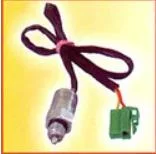
What are Reverse Lights?
Reverse lights are specialized lighting devices installed in vehicles to illuminate the area behind them when reversing. These lights are typically white and activate automatically when the vehicle is placed in reverse gear. Their primary function is to enhance visibility for the driver and alert pedestrians and other vehicles of the car’s backward movement.
In a business context, reverse lights play a critical role in enhancing safety during vehicle operation, particularly in commercial fleets, delivery trucks, and heavy machinery. They are essential for preventing accidents and ensuring compliance with safety regulations. Industries relying on vehicles for transportation and logistics, as well as those involved in construction or warehousing, find reverse lights indispensable for operational safety. With the increasing focus on workplace safety, the demand for high-quality reverse lights continues to grow in the market.
Key Features and Specifications
Reverse lights come with a range of features designed to improve functionality and safety. These lights are available in various configurations and specifications to meet specific industry needs.
Key specifications include:
1. Light Output
- Typically measured in lumens, with a standard range of 500 to 1,200 lumens for effective visibility.
2. Power Consumption
- Commonly available in LED or halogen options, with power consumption ranging from 10W to 30W.
3. Voltage Rating
- Designed for a wide voltage range, often from 12V to 24V to accommodate different vehicle types.
4. Lifespan
- LED reverse lights can have a lifespan of up to 50,000 hours, while halogen lights generally last around 1,000 hours.
5. Weather Resistance
- Built to withstand harsh conditions, with IP ratings typically ranging from IP65 to IP68.
6. Mounting Options
- Available as surface mount, flush mount, or bracket-mounted, depending on vehicle design.
7. Beam Pattern
- Designed for a wide beam pattern to maximize rear visibility, with options for adjustable angles.
8. Certification
- Many reverse lights are CE certified, ensuring they meet safety and quality standards.
In summary, reverse lights are essential safety features in vehicles, with specifications that cater to various operational demands.
Common Applications and Use Cases
Reverse lights find applications across multiple industries, enhancing safety and operational efficiency.
1. Automotive: In passenger vehicles, reverse lights provide essential visibility while reversing, minimizing the risk of accidents.
2. Commercial Fleets: Trucks and vans utilize reverse lights to ensure safe maneuvering in tight spaces, improving safety for drivers and pedestrians.
3. Construction: Heavy machinery, such as forklifts and excavators, rely on reverse lights to alert workers in busy environments, promoting workplace safety.
4. Warehousing: In warehouses, reverse lights on pallet jacks and forklifts help in navigating aisles and loading docks safely.
5. Emergency Services: Ambulances and fire trucks use reverse lights to ensure visibility while backing up in emergency situations, protecting both responders and bystanders.
6. Agriculture: Tractors and farm vehicles are equipped with reverse lights to aid in safe navigation in fields and during nighttime operations.
7. Marine: Some boats and marine vehicles use reverse lights for safety while docking or maneuvering in restricted spaces.
Product Variants and Subcategories
Reverse lights are available in a variety of configurations to suit different applications and vehicles.
LED Reverse Lights
LED reverse lights are energy-efficient and provide bright illumination with a long lifespan. They are ideal for vehicles requiring high visibility and reduced power consumption.
Halogen Reverse Lights
Halogen options are traditional lighting solutions that offer a warm light output. They are suitable for vehicles where budget constraints are a priority.
Universal Reverse Lights
These lights are designed to fit a wide range of vehicle models, making them a versatile choice for fleet operators and mechanics.
Benefits and Advantages
Investing in high-quality reverse lights offers several key benefits for businesses.
1. Enhanced Safety: Reverse lights improve visibility, reducing the likelihood of accidents when reversing vehicles.
2. Compliance: Many industries require reverse lights as part of safety regulations, ensuring businesses meet legal standards.
3. Increased Efficiency: Improved visibility aids in maneuvering vehicles in tight spaces, enhancing operational efficiency.
4. Long Lifespan: LED reverse lights offer extended operational life, reducing the frequency of replacements and maintenance costs.
5. Energy Savings: LED options consume less power, leading to lower energy expenses over time.
6. Versatility: With various mounting and design options, reverse lights can be tailored to fit different vehicle types and applications.
Buying Guide for B2B Buyers
When sourcing reverse lights, businesses should consider several important factors to ensure they select the right products for their needs.
1. Quality Assessment: Evaluate the materials and construction of reverse lights to ensure durability and performance under various conditions.
2. Supplier Verification: Vet suppliers to confirm their reputation in the industry, checking for reviews and certifications that indicate reliability.
3. Pricing and MOQ: Analyze pricing structures and minimum order quantities to align with budget constraints while ensuring adequate supply.
4. Delivery and Lead Times: Discuss logistics with suppliers to understand lead times for delivery, especially if reverse lights are needed for urgent projects.
5. Compliance Requirements: Ensure that the reverse lights meet industry standards and regulations, including any necessary safety certifications.
Compliance and Certifications
Compliance and certifications for reverse lights are crucial in ensuring product reliability and safety.
Many reverse lights adhere to relevant quality standards such as ISO 9001, which emphasizes quality management systems. This certification ensures that manufacturers maintain consistent quality in their production processes.
In addition to ISO standards, reverse lights may carry CE certification, indicating compliance with European safety, health, and environmental protection standards. This certification is particularly important for businesses operating in or exporting to Europe.
Safety and testing requirements are also essential, with reverse lights undergoing rigorous testing to ensure they can withstand various environmental conditions.
Regional compliance considerations can vary, so businesses should be aware of local regulations that may impact the use of reverse lights in specific markets.
Why Source Reverse Lights from Pepagora?
Pepagora offers a trusted platform for sourcing reverse lights with numerous advantages for B2B buyers.
Verified Supplier Network: Pepagora partners with a network of verified suppliers, ensuring that buyers can trust the quality and reliability of products sourced through the platform.
Streamlined RFQ Process: The request for quotation (RFQ) process on Pepagora is designed to be efficient, allowing buyers to receive competitive quotes quickly and easily.
Trade Assurance and Support: Pepagora provides trade assurance to protect buyers, ensuring a secure purchasing experience and support throughout the sourcing process.
Regional Coverage: With a wide geographic reach across India, the GCC, and Southeast Asia, Pepagora facilitates sourcing for businesses in diverse markets, ensuring access to high-quality reverse lights tailored to various industry needs.

 IN
IN