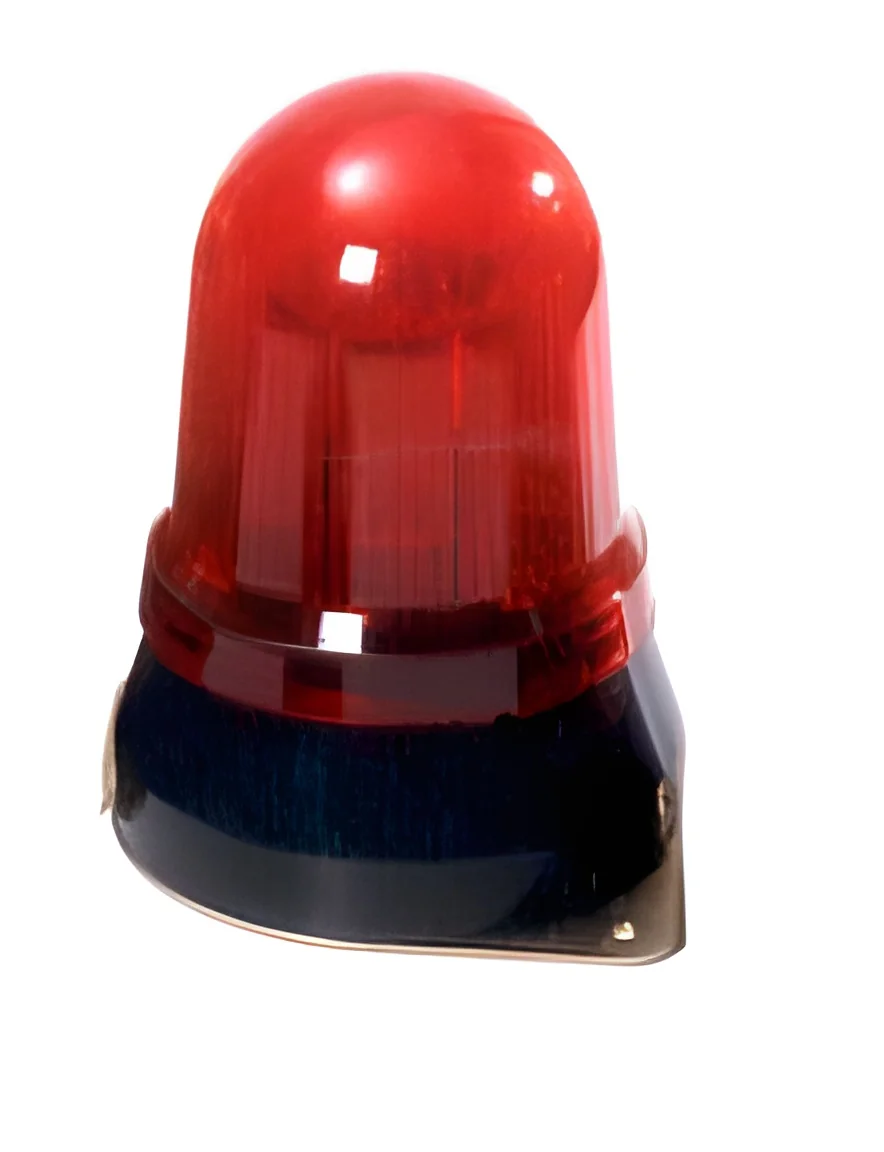
What are Interior Dome Lights?
Interior dome lights are essential lighting fixtures designed for use in enclosed spaces. They provide uniform illumination to enhance visibility and safety. Typically installed on ceilings, these lights are often found in vehicles, warehouses, and various industrial environments. Their design allows for a wide spread of light, making them ideal for areas that require bright, consistent lighting.
The primary uses of interior dome lights extend beyond mere illumination. They are commonly employed in settings such as offices, manufacturing plants, and retail spaces. These lights help improve workflow efficiency and contribute to a safe working environment. In the automotive industry, they play a crucial role in providing visibility within the cabin, enhancing user experience. The relevance of interior dome lights in various industries underscores their importance in maintaining operational efficiency and safety.
As the demand for energy-efficient and durable lighting solutions grows, the market for interior dome lights continues to expand. Technological advancements and the emphasis on sustainability have led to the development of innovative lighting options. This makes interior dome lights a key component in modern lighting design across multiple sectors.
Key Features and Specifications
Interior dome lights come with a variety of features that enhance their functionality and performance. Understanding these specifications is crucial for making informed purchasing decisions.
Key specifications include:
1. Light Output
- Measured in lumens, light output indicates the brightness of the dome light.
- Typical ranges vary from 300 to 2000 lumens, depending on the application.
2. Power Consumption
- Defined in watts, this specification indicates the energy usage of the light.
- Standard power ratings range from 10W to 50W, with energy-efficient options available.
3. Voltage
- Most interior dome lights operate on standard voltage levels.
- Common voltages include 12V, 24V, and 120V options.
4. Lifespan
- The longevity of the light source, usually expressed in hours.
- LED options can last up to 50,000 hours, significantly reducing replacement frequency.
5. Color Temperature
- Describes the warmth or coolness of the light, measured in Kelvin.
- Typical options range from 3000K (warm white) to 6000K (cool white).
6. Material Construction
- The housing material influences durability and aesthetics.
- Common materials include polycarbonate and aluminum, providing different levels of impact resistance.
7. Mounting Style
- Options include surface-mounted, recessed, and pendant styles to suit various installation needs.
8. Compliance Standards
- Many interior dome lights comply with specific industry standards for safety and efficiency.
- CE certification is common for products sold within the European market.
In summary, understanding the key features and specifications of interior dome lights will help businesses select the right products that meet their operational needs and compliance requirements.
Common Applications and Use Cases
Interior dome lights find applications across a wide range of industries due to their versatility and effectiveness.
1. Automotive: In vehicles, interior dome lights provide essential lighting within the cabin, enhancing passenger comfort and safety during nighttime travel.
2. Warehousing: These lights illuminate storage areas, ensuring employees can navigate safely and effectively during loading and unloading activities.
3. Retail: In retail environments, interior dome lights enhance product visibility, creating an inviting atmosphere for customers and improving the shopping experience.
4. Offices: Interior dome lights improve workspace illumination, contributing to employee productivity and reducing eye strain.
5. Healthcare: Hospitals and clinics rely on these lights for consistent lighting in examination rooms and waiting areas, ensuring patient comfort and safety.
6. Residential: In homes, interior dome lights are used in hallways, kitchens, and living areas for general illumination.
7. Aviation: Aircraft utilize interior dome lights to provide essential lighting for passengers and crew during flights, especially during boarding and deplaning.
Product Variants and Subcategories
Interior dome lights come in various designs to cater to different needs and preferences.
Standard Dome Lights
These are the most common type, designed for general use in both commercial and residential settings. They typically feature a simple design and come in various wattages and lumen outputs.
LED Dome Lights
This variant uses LED technology for energy efficiency and longevity. LED dome lights are ideal for applications where low energy consumption and long lifespan are priorities.
Recessed Dome Lights
Designed to fit into ceilings, these lights provide a sleek look while maximizing ceiling space. They are commonly used in modern office designs and residential applications.
Surface-Mounted Dome Lights
These lights are installed on the surface of the ceiling, making them suitable for locations where recessed installation is not feasible.
Benefits and Advantages
The advantages of using interior dome lights are substantial and can lead to enhanced business operations.
1. Energy Efficiency: Many interior dome lights, especially LED variants, consume less energy, resulting in lower utility costs.
2. Longevity: With extended lifespans, these lights require less frequent replacement, reducing maintenance efforts and costs.
3. Improved Visibility: They provide consistent illumination, ensuring safety and productivity in work environments.
4. Versatile Applications: Interior dome lights can be used in various settings, making them suitable for diverse industries.
5. Aesthetic Appeal: With different designs available, they can enhance the visual appeal of a space while serving practical purposes.
6. Compliance and Safety: Many interior dome lights meet industry standards, ensuring safety and reliability in operation.
Buying Guide for B2B Buyers
When sourcing interior dome lights, B2B buyers should consider several key factors to ensure they select the right products.
1. Quality Assessment: Evaluate the quality of the materials and components used in the lights. Consider certifications that guarantee the product meets industry standards.
2. Supplier Verification: It is essential to vet suppliers for reliability and track record. Look for suppliers with positive reviews and a history of delivering quality products.
3. Pricing and MOQ: Understand the pricing structure and minimum order quantities to ensure they align with budget and inventory needs.
4. Delivery and Lead Times: Inquire about logistics and delivery schedules to ensure timely availability of products.
5. Compliance Requirements: Check for compliance with relevant safety and quality standards that may affect purchasing decisions.
Compliance and Certifications
Compliance with industry standards and certifications is critical for manufacturers and suppliers of interior dome lights. These standards ensure that products meet safety and performance expectations.
ISO 9001 is a quality management standard that applies to organizations involved in the manufacturing and distribution of interior dome lights. It ensures consistent quality in products and services.
The CE certification is significant for products sold in Europe, indicating compliance with health, safety, and environmental protection standards.
Safety and testing requirements must also be met to ensure that interior dome lights are safe for use in their intended environments. This includes electrical safety tests and material safety assessments.
Regional compliance considerations may vary, with different countries having specific regulations governing the use of lighting products. Buyers should be aware of these regulations to ensure compliance.
Why Source Interior Dome Lights from Pepagora?
Pepagora offers a trusted platform for sourcing interior dome lights, providing several key advantages for B2B buyers.
Verified Supplier Network: Pepagora has a stringent verification process for suppliers, ensuring that buyers can access quality products from reliable manufacturers.
Streamlined RFQ Process: The platform simplifies the request for quotation process, allowing buyers to receive multiple quotations and make informed purchasing decisions efficiently.
Trade Assurance and Support: Buyers benefit from trade assurance programs that protect their purchases and provide support throughout the buying process.
Regional Coverage: Pepagora spans a wide geographic area, including India, the GCC, and Southeast Asia, making it easier for businesses to find suitable suppliers regardless of location.

 IN
IN