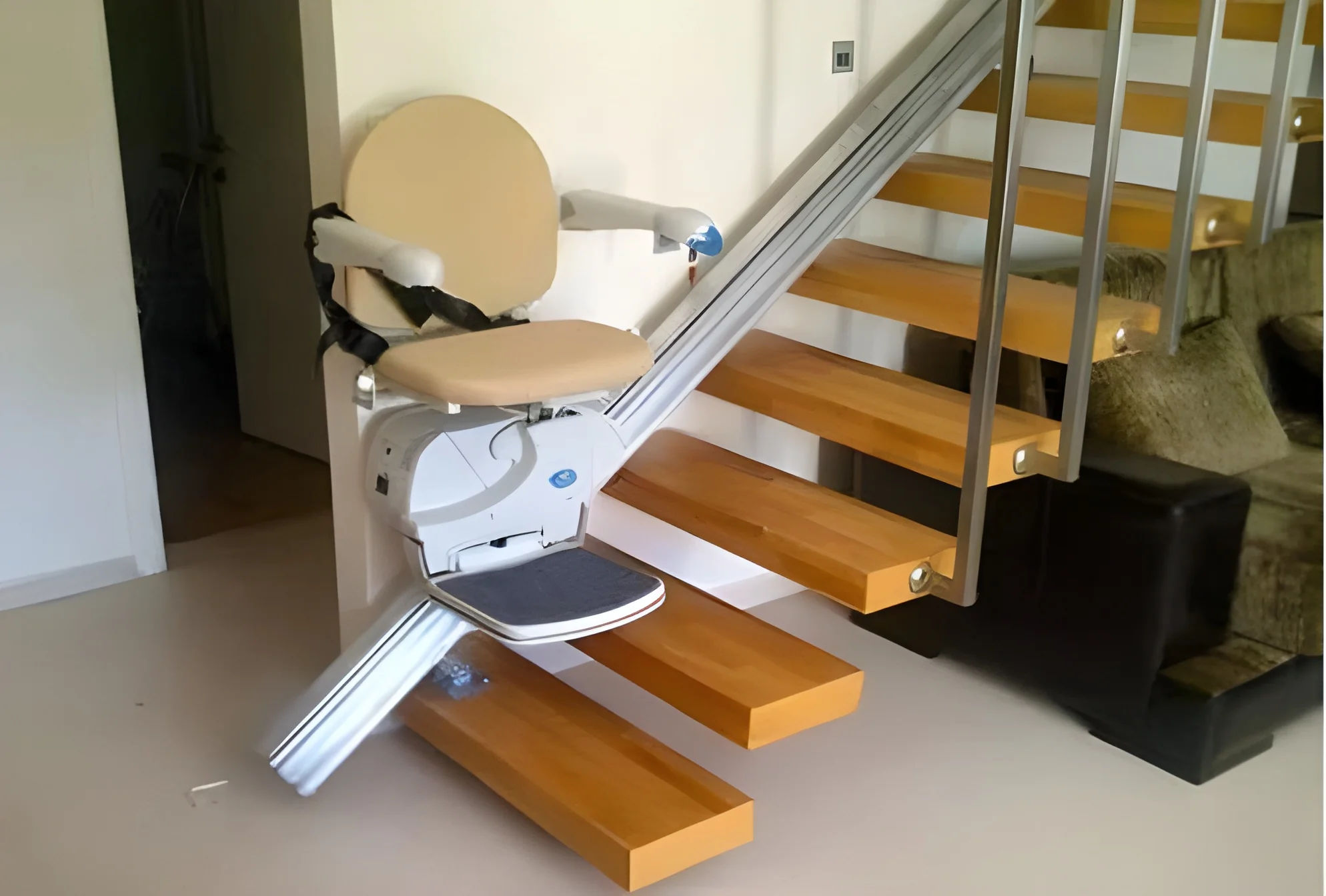
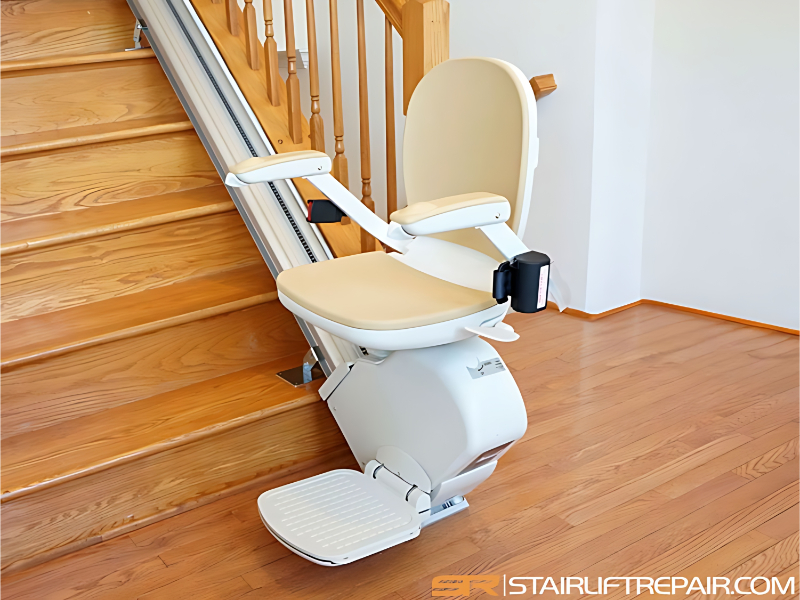
What are Stair Lifts & Elevator Chairs?
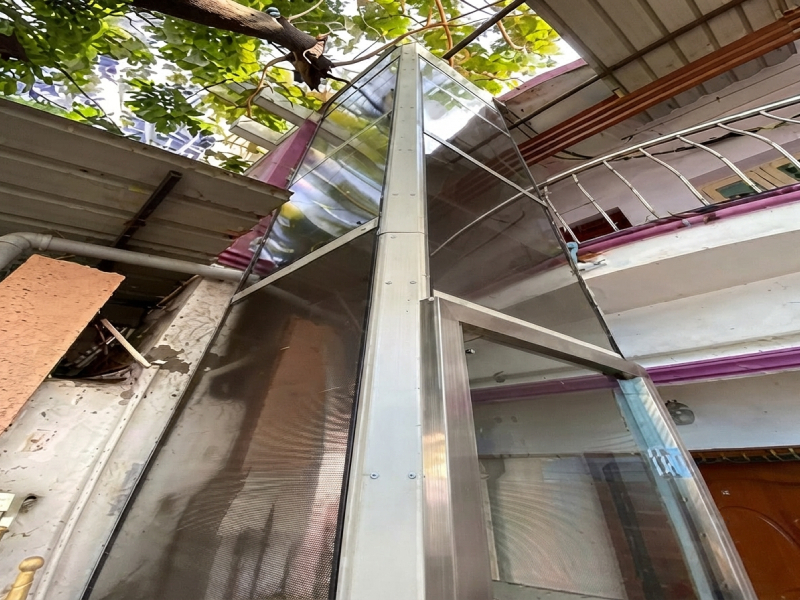
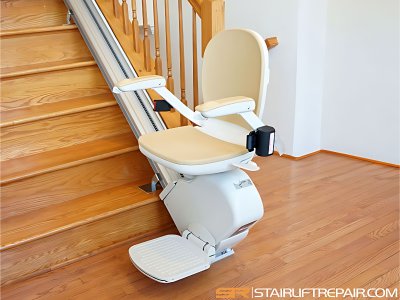
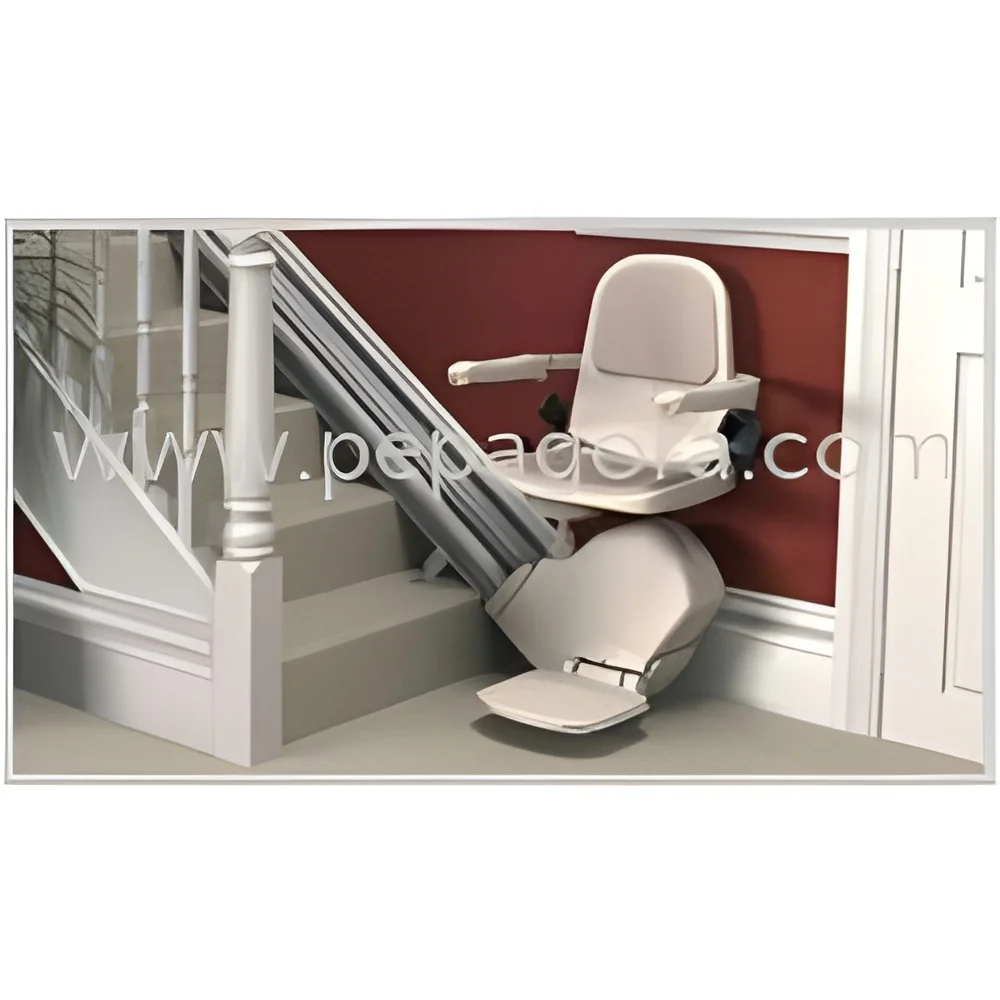
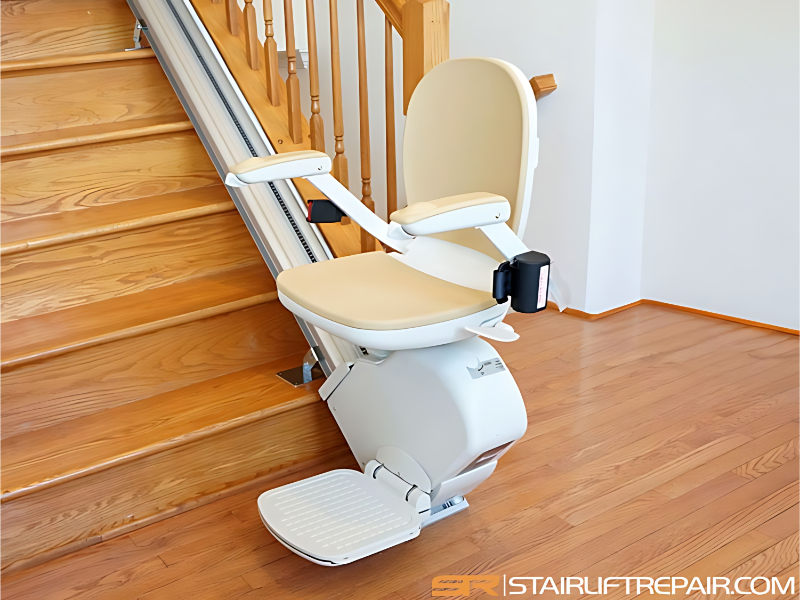
Stair lifts and elevator chairs are mobility aids designed to assist individuals in navigating stairs and multi-level buildings with ease. A stair lift is a mechanical device that transports a person up and down stairs using a chair that moves along a rail installed on the staircase. Similarly, elevator chairs, often referred to as platform lifts, offer a larger space for individuals who may require additional support, such as those using wheelchairs. Both products enhance accessibility, allowing users to move freely within their homes or workplaces without the risk of injury.
The primary applications of stair lifts and elevator chairs include residential use, where they help seniors and individuals with disabilities maintain independence. In commercial settings, these devices are critical in ensuring compliance with accessibility regulations. They play a significant role in various industries, including healthcare, hospitality, and retail, where customer and employee accessibility is paramount. The market for these products is growing, driven by an increasing focus on inclusivity and the aging population.
Key Features and Specifications
Stair lifts and elevator chairs come equipped with several features that enhance user experience and safety. These specifications are crucial for B2B buyers looking to provide reliable solutions to their customers.
Key specifications include:
1. Weight Capacity
- Standard weight capacities typically range from 250 to 400 pounds.
- Some models offer higher capacities for heavier users.
2. Rail Length
- Customizable rail lengths to accommodate various staircase sizes.
- Lengths can vary from a few feet to over 30 feet depending on the installation.
3. Speed
- Average speed of operation ranges between 0.1 to 0.15 meters per second.
- Speed controls allow for smooth transitions.
4. Power Source
- Powered by electric motors, often rechargeable battery systems.
- Battery backup features are available for continued operation during power outages.
5. Seat Design
- Comfortable seating options with padded seats and adjustable armrests.
- Foldable designs to save space when not in use.
6. Safety Features
- Equipped with seat belts, safety sensors, and emergency stop buttons.
- Some models include swivel seats for easy access.
7. Control Options
- Remote controls and wall-mounted call buttons for user convenience.
- Some models offer smart controls via mobile applications.
8. Installation Type
- Available in straight and curved configurations to fit different staircases.
- Professional installation services are often offered by suppliers.
These features collectively enhance the usability and safety of stair lifts and elevator chairs, making them an essential consideration for any B2B buyer.
Common Applications and Use Cases
Stair lifts and elevator chairs serve various industries that prioritize accessibility and mobility.
1. Residential: Homeowners utilize stair lifts to ensure that elderly family members or those with mobility challenges can move safely between levels.
2. Healthcare: Hospitals and rehabilitation centers employ elevator chairs to assist patients with limited mobility, ensuring they can access different floors without assistance.
3. Hospitality: Hotels and resorts install stair lifts to provide accessible options for guests with disabilities, enhancing their experience and compliance with regulations.
4. Retail: Stores use stair lifts to ensure that all customers, regardless of mobility, can access different levels of their establishments.
5. Education: Schools incorporate these devices to assist students with disabilities, promoting an inclusive learning environment.
6. Office Buildings: Employers install stair lifts to support employees with mobility issues, ensuring they can access all areas of the workplace.
7. Government Facilities: Public buildings often utilize stair lifts to comply with accessibility standards, ensuring all citizens can access services.
Product Variants and Subcategories
Stair lifts and elevator chairs come in various designs to meet diverse needs and preferences.
Straight Stair Lifts
These lifts are designed for straight staircases and are typically more affordable. They offer a simple installation process and are suitable for homes and businesses with standard stair layouts.
Curved Stair Lifts
Designed for stairs that have curves or landings, these lifts require custom rails that follow the specific staircase shape. They provide a smooth ride along complex staircases.
Platform Lifts
Commonly used in commercial settings, platform lifts can accommodate wheelchairs and larger mobility devices. They are ideal for public buildings and spaces that require compliance with accessibility laws.
Outdoor Stair Lifts
These models are built to withstand weather conditions and are designed for outdoor staircases. They ensure that individuals can access entrances and exits in various environments.
Benefits and Advantages
Stair lifts and elevator chairs offer numerous benefits to users and their caregivers.
1. Enhanced Mobility: These devices provide individuals with limited mobility the freedom to navigate their environments independently.
2. Safety: Stair lifts significantly reduce the risk of falls and injuries associated with stair navigation, providing peace of mind to users and their families.
3. Space-Saving Design: Many models are foldable, allowing for efficient use of space when not in operation.
4. Increased Property Value: Installing stair lifts can enhance the overall value of a property by making it more accessible.
5. Compliance with Regulations: Stair lifts help businesses meet legal requirements for accessibility, avoiding potential fines and promoting inclusivity.
6. Customization Options: Many stair lifts can be tailored to fit specific user needs, ensuring comfort and usability.
Buying Guide for B2B Buyers
When sourcing stair lifts and elevator chairs, B2B buyers should carefully consider several factors to ensure they make informed purchasing decisions.
1. Quality Assessment: Evaluate the construction quality and durability of the products. Look for reputable manufacturers who adhere to industry standards for safety and performance.
2. Supplier Verification: Conduct thorough research on potential suppliers. Check references, reviews, and their history in the industry to ensure reliability.
3. Pricing and MOQ: Understand the pricing structure and minimum order quantities (MOQ) to determine if it fits within your budget and business model.
4. Delivery and Lead Times: Inquire about estimated delivery times and logistics arrangements. Ensure that suppliers can meet your project timelines.
5. Compliance Requirements: Ensure that the products meet relevant compliance and safety standards, such as CE certifications, to avoid legal issues.
Compliance and Certifications
Stair lifts and elevator chairs must adhere to various quality standards and certifications to ensure safety and reliability. ISO 9001 is a common standard that signifies a commitment to quality management systems.
CE certification is essential in the European market, indicating that the product meets health, safety, and environmental protection standards. It is crucial for manufacturers to conduct rigorous safety testing and ensure that their products comply with local regulations.
Regional compliance considerations may vary, so it is important for manufacturers and suppliers to stay informed about the specific requirements in the markets they serve. This can include adherence to building codes and accessibility laws to ensure that products are adequately certified for use.
Why Source Stair Lifts & Elevator Chairs from Pepagora?
Pepagora provides a trusted platform for sourcing stair lifts and elevator chairs, offering numerous advantages to B2B buyers.
Verified Supplier Network: Pepagora connects buyers with a network of verified suppliers, ensuring that the products offered meet high standards of quality and compliance. This reduces the risk associated with sourcing and increases confidence in purchasing decisions.
Streamlined RFQ Process: The Request for Quotation (RFQ) process at Pepagora simplifies the procurement process. Buyers can easily request quotes from multiple suppliers, enabling them to compare options and select the best fit for their needs.
Trade Assurance and Support: Buyers benefit from trade assurance programs that protect their investments. Pepagora provides support throughout the purchasing process, ensuring a smooth transaction and addressing any concerns that may arise.
Regional Coverage: Pepagora has a wide geographic reach, serving buyers in India, the GCC, and Southeast Asia. This enables access to a diverse range of products and suppliers, catering to various market needs.

 IN
IN