What are Manual & Electric Wheelchairs?
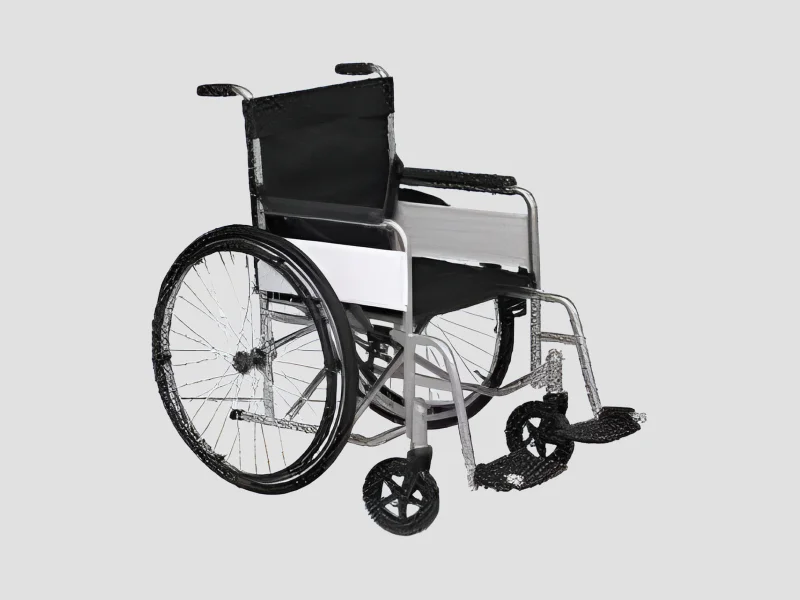
Manual and electric wheelchairs are mobility devices designed to assist individuals with mobility impairments. Manual wheelchairs require the user to propel themselves using their arms, while electric wheelchairs are powered by batteries and controlled via a joystick or other driving mechanisms. These devices are essential for enhancing the independence and mobility of users, allowing them to navigate their environments more easily.
The primary uses of manual and electric wheelchairs span various settings, including healthcare facilities, rehabilitation centers, and individuals’ homes. They enable users to perform daily activities, access public spaces, and enjoy social interactions. Businesses that provide these wheelchairs often cater to hospitals, nursing homes, and rehabilitation services, highlighting the significance of these products in the medical and mobility sectors.
The market for manual and electric wheelchairs is evolving, driven by advancements in technology and increasing demand for mobility solutions. The growing aging population and rising awareness of disability rights are key factors influencing this market. As a result, manufacturers are focusing on innovative designs and enhanced features to meet the diverse needs of users, thus ensuring relevance in a competitive industry.
Key Features and Specifications
Manual and electric wheelchairs come with a variety of features designed to enhance user comfort and functionality. Understanding these specifications is crucial for businesses looking to source these products effectively.
Key specifications include:
1. Weight Capacity
- Typically ranges from 250 to 500 pounds depending on the model.
- Important for ensuring the wheelchair can accommodate the user safely.
2. Battery Life (for electric wheelchairs)
- Average battery life ranges from 10 to 30 miles on a single charge.
- Affects the usability and range of the electric wheelchair.
3. Seat Dimensions
- Common seat widths range from 16 to 24 inches.
- Proper sizing is essential for user comfort and support.
4. Speed (for electric wheelchairs)
- Standard speeds range from 3 to 6 miles per hour.
- Determines how quickly users can navigate their environments.
5. Turning Radius
- Turning radius typically ranges from 24 to 32 inches.
- Impacts maneuverability in tight spaces.
6. Weight of Wheelchair
- Manual wheelchairs usually weigh between 30 to 50 pounds.
- Important for users who may need to transport or lift the wheelchair.
7. Wheel Type
- Options include solid, pneumatic, or hybrid tires.
- Affects the ride quality and stability on various surfaces.
8. Frame Material
- Common materials include steel, aluminum, and titanium.
- Influences the wheelchair's weight, durability, and cost.
In summary, selecting the right wheelchair requires an understanding of these key specifications to ensure it meets the user’s needs effectively.
Common Applications and Use Cases
Manual and electric wheelchairs are utilized across various industries, serving diverse applications.
1. Healthcare: Hospitals and rehabilitation centers use wheelchairs to assist patients with mobility challenges during recovery. They are crucial for patient transport and mobility within facilities.
2. Elderly Care: Nursing homes and assisted living facilities rely on wheelchairs to support residents with limited mobility, enabling them to participate in activities and social interactions.
3. Retail: Businesses with large storefronts use wheelchairs to accommodate customers with disabilities, ensuring accessibility and enhancing the shopping experience.
4. Education: Schools and universities provide wheelchairs to support students with mobility impairments, facilitating their participation in educational activities.
5. Hospitality: Hotels and resorts offer wheelchairs for guests with mobility challenges, ensuring inclusivity and enhancing guest satisfaction.
6. Transportation: Public transport services use specialized wheelchairs for passengers with disabilities, ensuring safe and convenient travel options.
7. Sports and Recreation: Adaptive sports programs utilize electric wheelchairs designed for specific sports, promoting physical activity and engagement among individuals with disabilities.
Product Variants and Subcategories
Manual and electric wheelchairs offer a range of variants to cater to different needs and preferences.
Standard Manual Wheelchair: This variant features a lightweight design for easy maneuverability. It is ideal for users who have upper body strength and prefer self-propulsion.
Power Wheelchair: This variant is equipped with a battery-powered motor, making it suitable for individuals with limited upper body strength. It offers advanced features such as adjustable seating and customizable controls.
Transport Wheelchair: This lightweight variant is designed for easy transport and is typically used by caregivers. It features smaller wheels and is ideal for short trips.
Reclining Wheelchair: This variant allows users to recline in the chair, providing enhanced comfort and pressure relief. It is beneficial for individuals who spend extended periods in their wheelchairs.
Benefits and Advantages
Manual and electric wheelchairs provide numerous benefits to users, enhancing their quality of life.
1. Increased Independence: Wheelchairs empower users to move freely and perform daily tasks without assistance, promoting self-sufficiency.
2. Enhanced Mobility: These devices enable users to navigate various environments, improving access to public spaces and services.
3. Customization Options: Many wheelchairs offer adjustable features, allowing users to tailor the device to their specific needs and preferences.
4. Improved Comfort: Modern wheelchairs are designed with ergonomic features, enhancing user comfort and reducing fatigue during use.
5. Versatility: Wheelchairs can be used in various settings, from home environments to public transportation, making them adaptable for different lifestyles.
6. Social Inclusion: By facilitating mobility, wheelchairs promote social interaction and participation in community activities, reducing feelings of isolation.
Buying Guide for B2B Buyers
When sourcing manual and electric wheelchairs, businesses must consider several key factors to ensure quality and suitability.
1. Quality Assessment: Evaluate the materials and construction of the wheelchairs. Look for durability and comfort features that meet industry standards.
2. Supplier Verification: Vet suppliers to ensure they provide reliable products. Check for certifications and reviews from previous clients to assess their reputation.
3. Pricing and MOQ: Understand the pricing structures and minimum order quantities (MOQ) offered by suppliers. This helps in budgeting and inventory management.
4. Delivery and Lead Times: Inquire about the logistics involved in delivery. Timely delivery is critical for meeting customer demands and maintaining stock levels.
5. Compliance Requirements: Ensure that the wheelchairs comply with local and international regulations. This may include safety standards and certifications that guarantee quality and reliability.
Compliance and Certifications
Compliance and certifications play a vital role in the manufacturing and distribution of manual and electric wheelchairs. Adhering to relevant quality standards such as ISO 9001 ensures that products meet international quality management requirements. Compliance with safety standards, including CE certification, is crucial for guaranteeing user safety.
Manufacturers must also conduct rigorous testing to ensure that wheelchairs can withstand various conditions and are safe for use. This includes testing for durability, stability, and performance under different scenarios.
Regional compliance considerations are important as well. Different regions may have specific regulations regarding wheelchair design and safety features. It is essential for manufacturers and suppliers to be aware of these requirements to avoid potential legal issues and ensure market access.
Why Source Manual & Electric Wheelchairs from Pepagora?
Pepagora offers an exceptional platform for sourcing manual and electric wheelchairs, providing several key advantages for B2B buyers.
Verified Supplier Network: Pepagora connects businesses with a network of verified suppliers, ensuring that buyers have access to reliable and high-quality wheelchair products. Supplier verification processes help eliminate risks associated with sourcing.
Streamlined RFQ Process: The platform features a user-friendly request for quotation (RFQ) system, simplifying the process of obtaining quotes from multiple suppliers. This enables buyers to compare options easily and make informed decisions.
Trade Assurance and Support: Pepagora provides trade assurance to protect buyers from potential issues during transactions. Their customer support team is readily available to assist with any inquiries or challenges that may arise.
Regional Coverage: With extensive reach across regions such as India, the GCC, and Southeast Asia, Pepagora ensures that businesses can source wheelchairs that meet local market demands and preferences. This geographic diversity enhances the platform's capability to cater to various client needs.
In conclusion, Pepagora stands out as a trusted partner for businesses seeking manual and electric wheelchairs, offering a seamless sourcing experience backed by quality assurance and extensive supplier networks.

 IN
IN