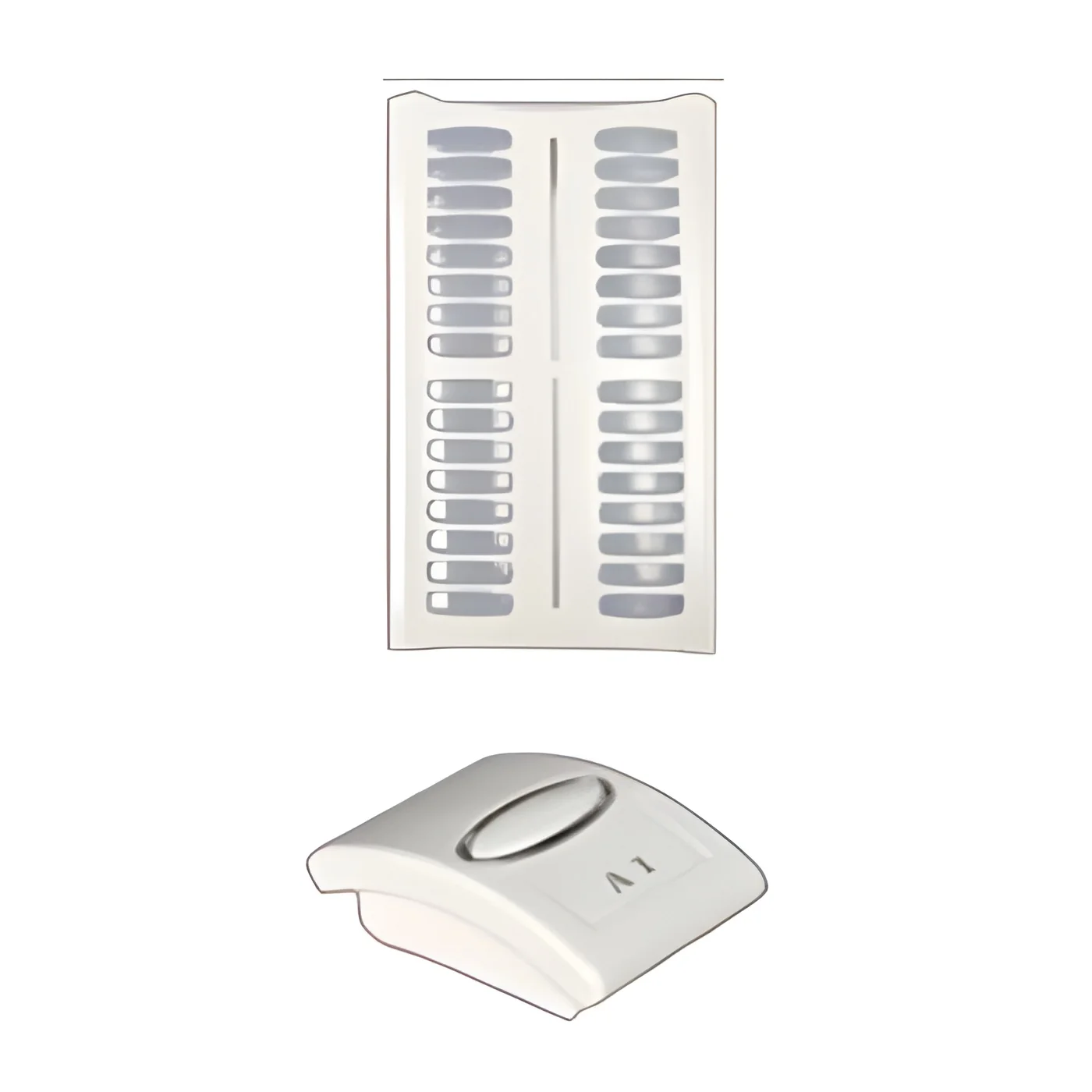
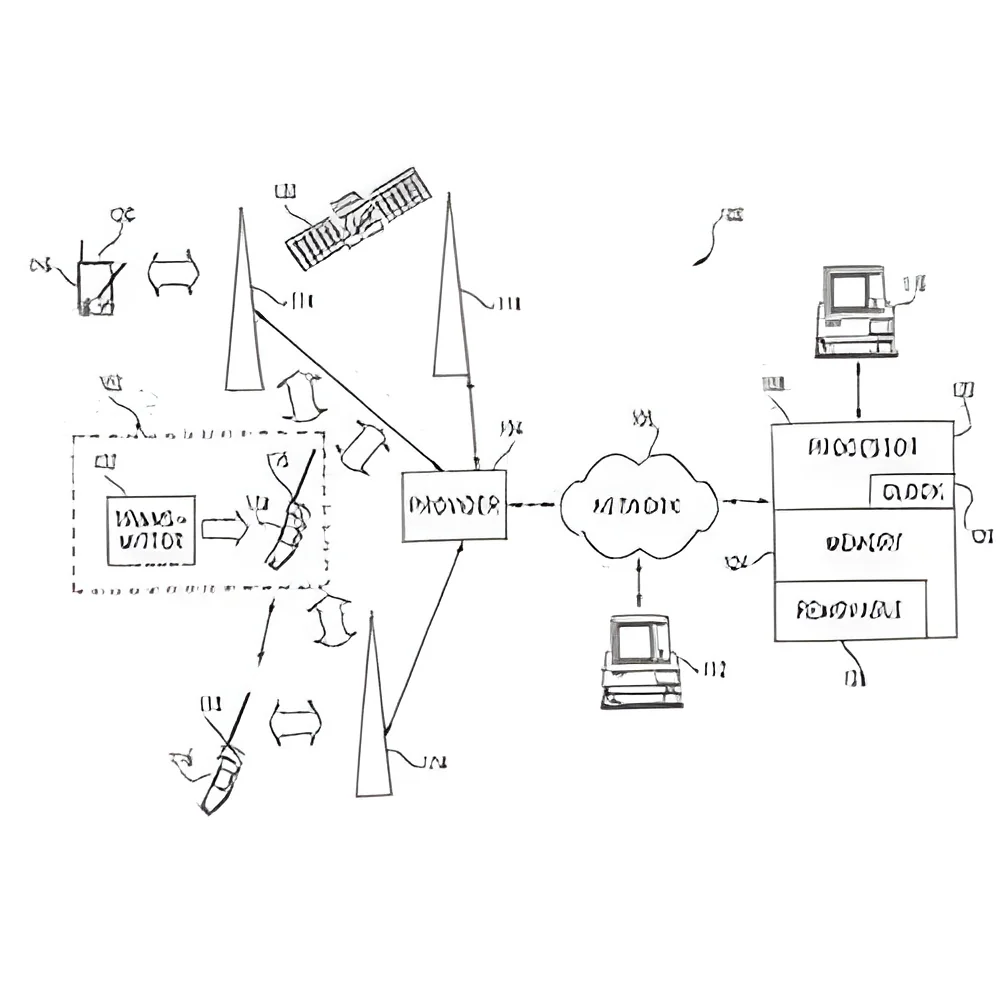
What are Fall Detection Devices & Emergency Alert Systems?
Fall Detection Devices and Emergency Alert Systems are technologies designed to enhance safety and provide immediate assistance in emergency situations. These devices can automatically detect falls or send alerts when an individual is in distress. They are often equipped with sensors that monitor movement and can distinguish between normal activity and a fall event. When a fall is detected, they typically trigger an alert to caregivers or emergency services, ensuring timely intervention.
The primary uses of these systems are found in healthcare settings, senior living facilities, and home healthcare environments. They are invaluable for elderly individuals at risk of falls, as well as patients with mobility challenges. Businesses that provide care services can utilize these systems to enhance patient safety and improve response times during emergencies. The increasing awareness of fall-related injuries and the aging population are driving demand in the market for these life-saving devices.
In the current market context, Fall Detection Devices and Emergency Alert Systems are increasingly relevant as they align with the growing emphasis on healthcare technology and patient safety. Various industries are recognizing the need for reliable alert systems to safeguard vulnerable populations and comply with regulatory standards. As technology advances, these systems are becoming more sophisticated, offering features like real-time monitoring and integration with other health management tools.
Key Features and Specifications
Fall Detection Devices and Emergency Alert Systems come with a variety of features designed to enhance functionality and user experience. These features ensure that the devices are reliable and effective in emergency situations.
Key specifications include:
1. Detection Technology
- Utilizes advanced sensors to identify falls accurately.
- Can differentiate between falls and other movements.
2. Alert Mechanism
- Sends immediate alerts to caregivers or emergency services.
- Can include voice alerts or notifications via mobile applications.
3. Battery Life
- Long-lasting battery for uninterrupted operation.
- Typically ranges from several days to weeks on a single charge.
4. Connectivity Options
- Supports various communication methods like Wi-Fi, cellular, or Bluetooth.
- Ensures alerts can be sent regardless of location.
5. User Interface
- Simple, intuitive design for ease of use.
- Often includes a wearable component for user convenience.
6. Monitoring Features
- Continuous monitoring for real-time updates.
- Can track user activity levels for health insights.
7. Environmental Resistance
- Designed to withstand various environmental conditions.
- Often includes water resistance for added durability.
8. Compliance Standards
- Adheres to relevant safety and quality standards.
- Certifications such as CE ensure reliability.
In summary, the specifications of Fall Detection Devices and Emergency Alert Systems highlight their advanced technology and user-centric design, making them essential tools for enhancing safety in various settings.
Common Applications and Use Cases
Fall Detection Devices and Emergency Alert Systems find applications across multiple industries, underscoring their versatility and importance.
1. Healthcare: In hospitals and clinics, these systems are used to monitor patients who are at risk of falls, ensuring immediate assistance when needed.
2. Senior Living Facilities: Assisted living and nursing homes utilize these devices to enhance the safety of residents, providing peace of mind for both staff and family members.
3. Home Healthcare: Individuals receiving care at home can benefit from these systems, allowing caregivers to respond quickly during emergencies.
4. Construction: In construction sites, these devices can monitor workers in hazardous conditions, alerting supervisors to any falls or accidents.
5. Sports and Recreation: Fitness centers and sports facilities can implement these systems to enhance the safety of participants, especially in activities with a high risk of falls.
6. Hospitality: Hotels and resorts can utilize these devices to ensure guest safety, particularly for elderly visitors.
7. Education: Schools and universities can provide these systems in sports facilities to monitor student athletes during physical activities.
Product Variants and Subcategories
Fall Detection Devices and Emergency Alert Systems come in various forms to accommodate different needs and preferences.
Wearable Devices: These are compact, lightweight devices worn on the body, such as pendants or wristbands. They offer convenience and ease of use, making them suitable for everyday wear.
Mobile Alert Systems: These systems are integrated into smartphones or tablets, allowing users to send alerts directly from their personal devices. They often come with additional features like GPS tracking.
Stationary Alert Systems: Designed for fixed locations, these systems can be installed in homes or care facilities. They provide comprehensive monitoring for multiple individuals.
Smart Home Integration: Some devices can be integrated with smart home technology, allowing for seamless communication with other home automation systems.
Benefits and Advantages
Investing in Fall Detection Devices and Emergency Alert Systems offers numerous advantages for businesses and individuals alike.
Key benefits include:
1. Enhanced Safety: These systems significantly increase safety for vulnerable populations, reducing the risk of injury or fatalities from falls.
2. Quick Response: Immediate alerts ensure that help is on the way as soon as a fall is detected, improving outcomes for users in distress.
3. Peace of Mind: Families and caregivers can feel more secure knowing that their loved ones are being monitored and can receive assistance at a moment's notice.
4. Cost-Effective: By preventing serious injuries, these systems can contribute to reduced healthcare costs associated with fall-related incidents.
5. Improved Quality of Care: Healthcare providers can deliver better service by incorporating these systems, leading to higher patient satisfaction.
6. Compliance with Regulations: Utilizing these devices can help organizations meet safety regulations and standards, ensuring a safer environment for all.
Buying Guide for B2B Buyers
When sourcing Fall Detection Devices and Emergency Alert Systems, it is essential to consider several key factors to ensure the selection of the right product.
1. Quality Assessment: Evaluate the quality and reliability of the devices. Look for products that meet recognized safety and performance standards, ensuring they are suitable for your intended application.
2. Supplier Verification: Research and vet potential suppliers. Verify their credentials, reputation, and track record in the industry to ensure you are partnering with a reliable source.
3. Pricing and MOQ: Understand the pricing structure and minimum order quantities. Determine your budget and assess how pricing aligns with the features and quality of the devices offered.
4. Delivery and Lead Times: Consider the logistics involved in sourcing these devices. Ensure that suppliers can meet your delivery requirements and provide accurate lead time estimates.
5. Compliance Requirements: Check for regulatory compliance relevant to your region. Ensure that the products meet necessary certifications and safety standards applicable to your industry.
Compliance and Certifications
Fall Detection Devices and Emergency Alert Systems must adhere to specific compliance standards to ensure safety and reliability. Compliance with quality standards such as ISO 9001 demonstrates a commitment to quality management processes. This standard ensures that manufacturers maintain consistent quality across their products.
Industry certifications, such as CE marking, indicate that the devices comply with European safety standards. This certification is crucial for products sold in European markets, as it signifies adherence to health, safety, and environmental protection legislation.
In addition to these standards, safety and testing requirements are essential. Devices must undergo rigorous testing to ensure they perform as expected in emergency situations. Manufacturers must also consider regional compliance, as regulations may vary from one country to another, necessitating a tailored approach to meet local requirements.
Why Source Fall Detection Devices & Emergency Alert Systems from Pepagora?
Pepagora offers a trusted platform for sourcing Fall Detection Devices and Emergency Alert Systems, providing several key advantages for B2B buyers.
Verified Supplier Network: Pepagora collaborates with a network of verified suppliers, ensuring that all products listed on the platform meet stringent quality and safety standards. This verification process helps buyers make informed purchasing decisions.
Streamlined RFQ Process: The request for quotation (RFQ) system on Pepagora simplifies the procurement process. Buyers can easily request quotes from multiple suppliers, facilitating competitive pricing and faster decision-making.
Trade Assurance and Support: Pepagora prioritizes buyer protection through trade assurance features. This support ensures that transactions are secure, providing peace of mind throughout the purchasing process.
Regional Coverage: With a strong presence in markets such as India, the GCC, and Southeast Asia, Pepagora offers extensive regional coverage. This geographic reach allows buyers to connect with local suppliers while accessing a diverse range of products.

 IN
IN