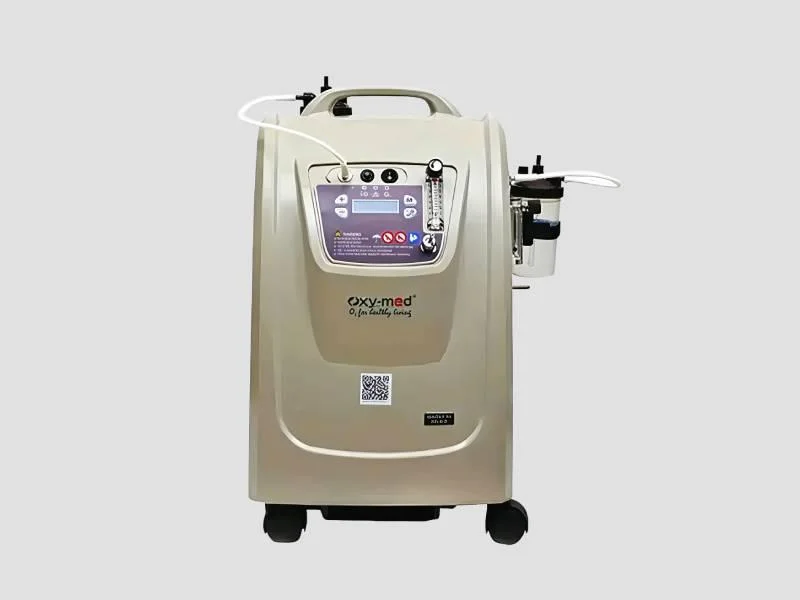
What are Oxygen Concentrators & Nebulizers?
Oxygen concentrators and nebulizers are critical medical devices used to deliver oxygen therapy and medication to patients with respiratory conditions. An oxygen concentrator extracts oxygen from the ambient air, providing a continuous supply of concentrated oxygen for patients in need. Nebulizers, on the other hand, are devices that convert liquid medication into mist, allowing patients to inhale the medication directly into their lungs for effective treatment of conditions like asthma or chronic obstructive pulmonary disease (COPD).
These devices are widely used in hospitals, clinics, and home healthcare settings. They play a vital role in treating respiratory diseases, ensuring that patients receive the necessary oxygen levels and medications for optimal health. The demand for these devices has increased significantly due to the rising prevalence of respiratory disorders and the growing aging population. The market for oxygen concentrators and nebulizers is expanding globally, with advancements in technology enhancing their efficiency and ease of use.
Key Features and Specifications
Oxygen concentrators and nebulizers come equipped with various features that enhance their performance and usability. Understanding these specifications is essential for selecting the right device for specific applications.
Key specifications include:
1. Oxygen Output
- Oxygen concentrators typically deliver oxygen at varying flow rates, often ranging from 1 to 10 liters per minute.
2. Nebulization Rate
- Nebulizers may have a nebulization rate ranging from 0.25 to 0.5 ml per minute, allowing for efficient medication delivery.
3. Power Source
- Many devices operate on AC power, while some portable models include battery options for mobility.
4. Weight and Portability
- Concentrators can weigh between 5 to 30 pounds, with portable versions being lighter and easier to transport.
5. Noise Level
- Noise levels for oxygen concentrators generally range from 40 to 60 decibels, making them suitable for home use.
6. Humidity Control
- Some nebulizers come with built-in humidity control features to enhance patient comfort during treatment.
7. Filtration System
- Oxygen concentrators often include multi-stage filtration systems to ensure the purity of the oxygen supplied.
8. Monitoring Features
- Advanced models may include digital displays for monitoring oxygen levels and battery life.
In summary, selecting the right oxygen concentrator or nebulizer involves understanding these key specifications to match the device with patient needs and clinical requirements.
Common Applications and Use Cases
Oxygen concentrators and nebulizers are utilized across various industries and settings.
1. Healthcare Facilities: Hospitals and clinics use these devices to provide oxygen therapy and medication delivery to patients suffering from respiratory diseases.
2. Home Healthcare: Patients with chronic respiratory conditions often rely on oxygen concentrators for daily use at home, allowing for improved quality of life.
3. Emergency Services: Ambulances are equipped with portable oxygen concentrators and nebulizers to provide immediate care during emergencies.
4. Long-term Care Facilities: Nursing homes and assisted living centers utilize these devices to manage the respiratory health of residents.
5. Sports Medicine: Athletes may use nebulizers for respiratory recovery and to enhance performance during training.
6. Rehabilitation Centers: Facilities focused on physical rehabilitation may employ these devices to assist patients recovering from respiratory illnesses.
7. Travel and Mobility: Portable oxygen concentrators allow patients to travel without interruption to their oxygen supply.
Product Variants and Subcategories
Oxygen concentrators and nebulizers are available in various models, catering to different user needs and environments.
Portable Oxygen Concentrators
These compact devices are designed for mobility, providing oxygen therapy on the go. They are lightweight and often come with battery options for convenience.
Home Oxygen Concentrators
Larger stationary models intended for home use, these concentrators offer higher output and additional features for long-term therapy.
Ultrasonic Nebulizers
Utilizing high-frequency vibrations to create a fine mist, these nebulizers are effective for delivering medication quickly and efficiently.
Jet Nebulizers
Commonly used in clinical settings, jet nebulizers are effective for a variety of medications and are often more affordable.
Benefits and Advantages
Oxygen concentrators and nebulizers offer several advantages that make them indispensable in healthcare.
1. Continuous Oxygen Supply: Oxygen concentrators provide a reliable and continuous source of oxygen, essential for patients with chronic respiratory conditions.
2. Cost-effective: These devices eliminate the need for costly oxygen tank refills, making them a more economical choice for long-term therapy.
3. Enhanced Medication Delivery: Nebulizers ensure that medications are delivered directly to the lungs, increasing their effectiveness.
4. Portability: Many devices are designed for mobility, allowing patients to maintain their treatment regimen while traveling.
5. User-friendly: Modern oxygen concentrators and nebulizers are easy to operate, requiring minimal training for patients and caregivers.
6. Improved Quality of Life: By ensuring adequate oxygen levels and effective medication delivery, these devices significantly enhance patients' overall health and well-being.
Buying Guide for B2B Buyers
When sourcing oxygen concentrators and nebulizers, B2B buyers should consider several crucial factors to ensure they select the best products for their needs.
1. Quality Assessment: Evaluate the device's quality by checking for compliance with industry standards and certifications. Look for products that meet necessary safety and performance criteria.
2. Supplier Verification: Vet suppliers thoroughly to ensure they have a good reputation and provide reliable products. Check for customer reviews and testimonials.
3. Pricing and MOQ: Analyze pricing structures and minimum order quantities to ensure they align with your budget and purchasing needs.
4. Delivery and Lead Times: Understand the logistics involved in delivery and the lead times for receiving the products to plan accordingly.
5. Compliance Requirements: Ensure that the devices meet any regional regulatory requirements and certifications to operate legally and safely.
Compliance and Certifications
Oxygen concentrators and nebulizers must adhere to various quality standards and certifications to ensure safety and effectiveness. Standards such as ISO 9001 demonstrate a commitment to quality management systems, while HACCP (Hazard Analysis and Critical Control Points) ensures safety in production processes.
Industry certifications like UL (Underwriters Laboratories) and CE (Conformité Européenne) signify that products meet specific health and safety standards. Additionally, safety and testing requirements are crucial for ensuring that devices perform as intended without posing risks to users.
Regional compliance considerations may vary, so it's important for manufacturers and suppliers to stay informed about local regulations governing medical devices. Compliance with these standards builds trust with buyers and ensures that products are safe for end-users.
Why Source Oxygen Concentrators & Nebulizers from Pepagora?
Pepagora offers a comprehensive platform for sourcing oxygen concentrators and nebulizers, providing several key advantages for B2B buyers.
Verified Supplier Network: Pepagora maintains a network of verified suppliers, ensuring that buyers can access high-quality products from trusted manufacturers.
Streamlined RFQ Process: The platform facilitates a smooth Request for Quotation (RFQ) process, allowing buyers to receive competitive quotes efficiently and effectively.
Trade Assurance and Support: Buyers benefit from trade assurance programs that protect their purchases, along with dedicated support to assist throughout the sourcing process.
Regional Coverage: Pepagora's reach extends across India, the Gulf Cooperation Council (GCC), and Southeast Asia, providing buyers with access to a diverse range of products and suppliers tailored to their regional needs.

 IN
IN