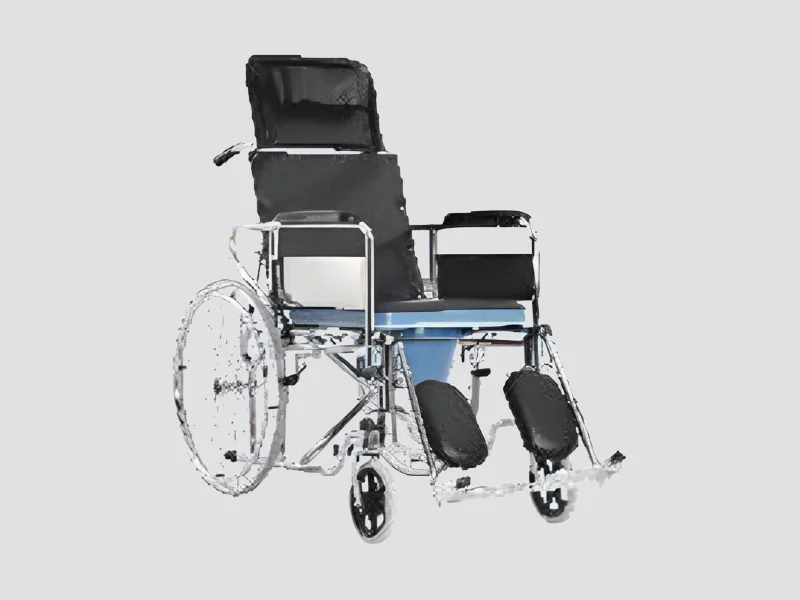
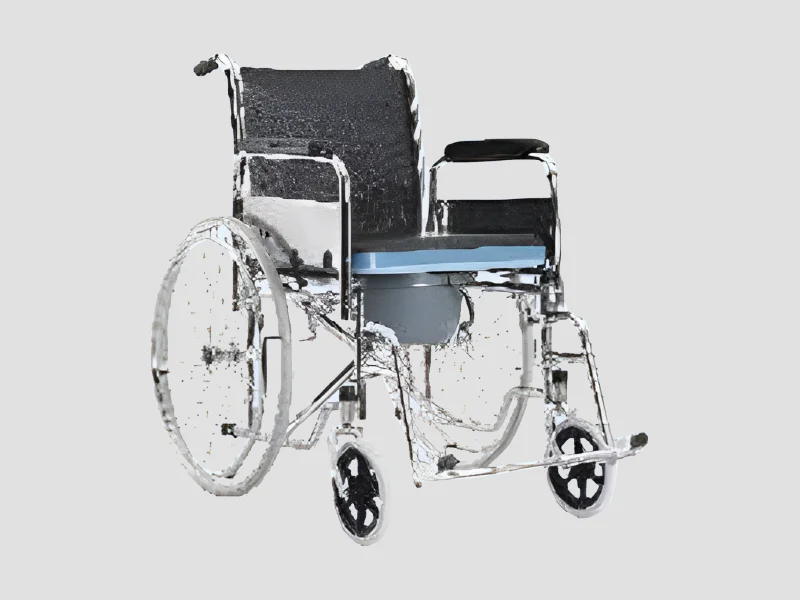
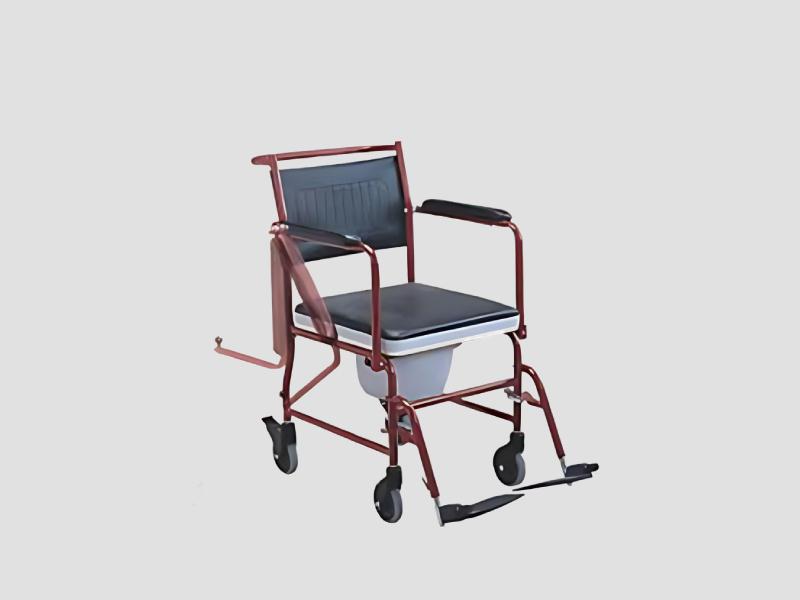
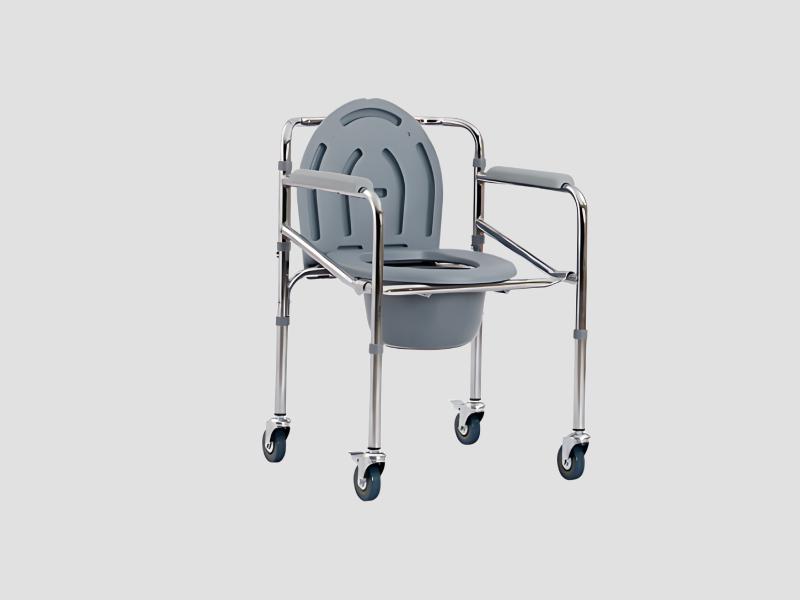
What are Commode Chairs & Bedside Toilets?
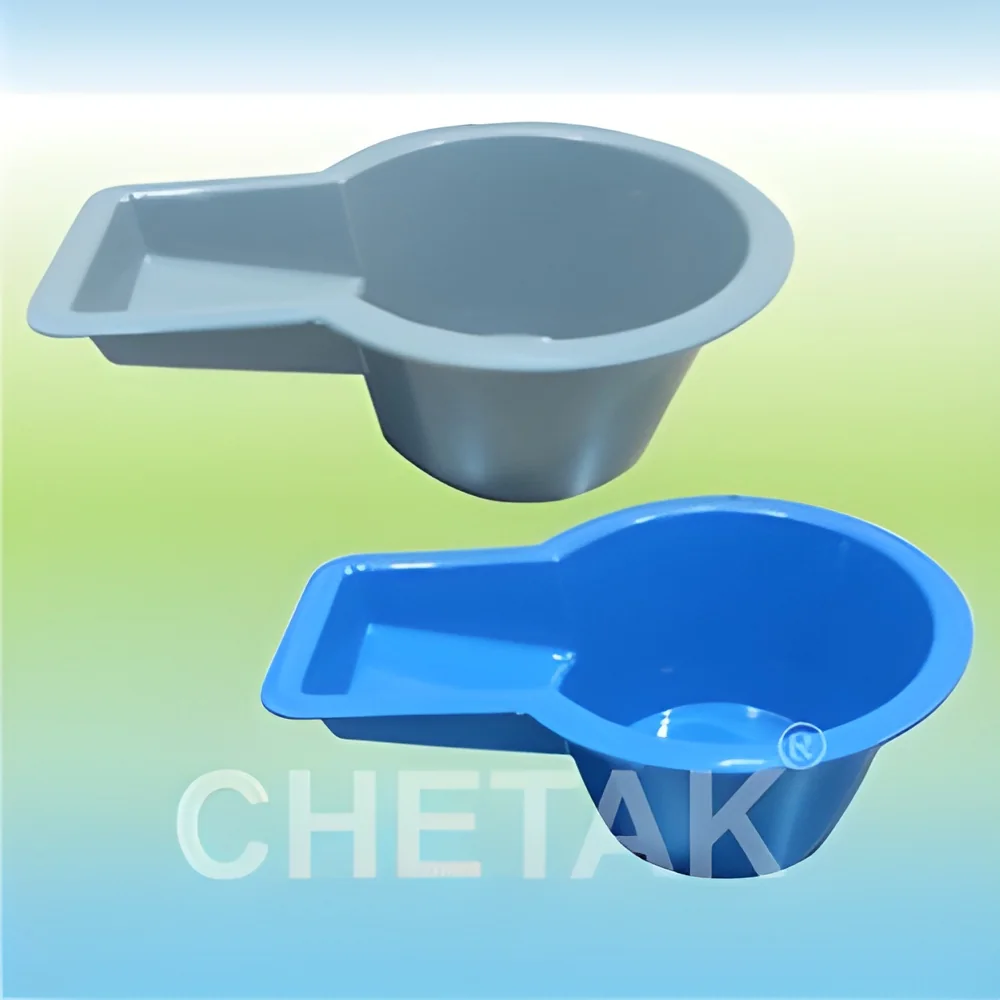
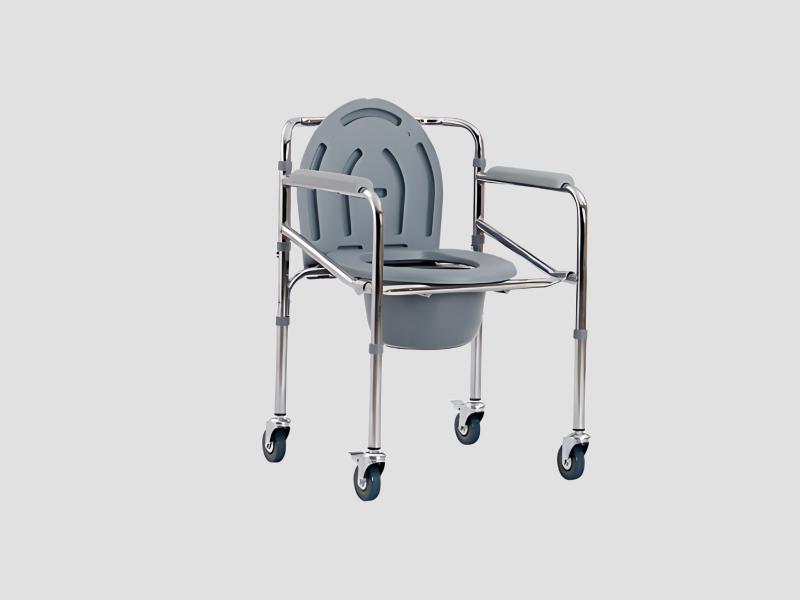
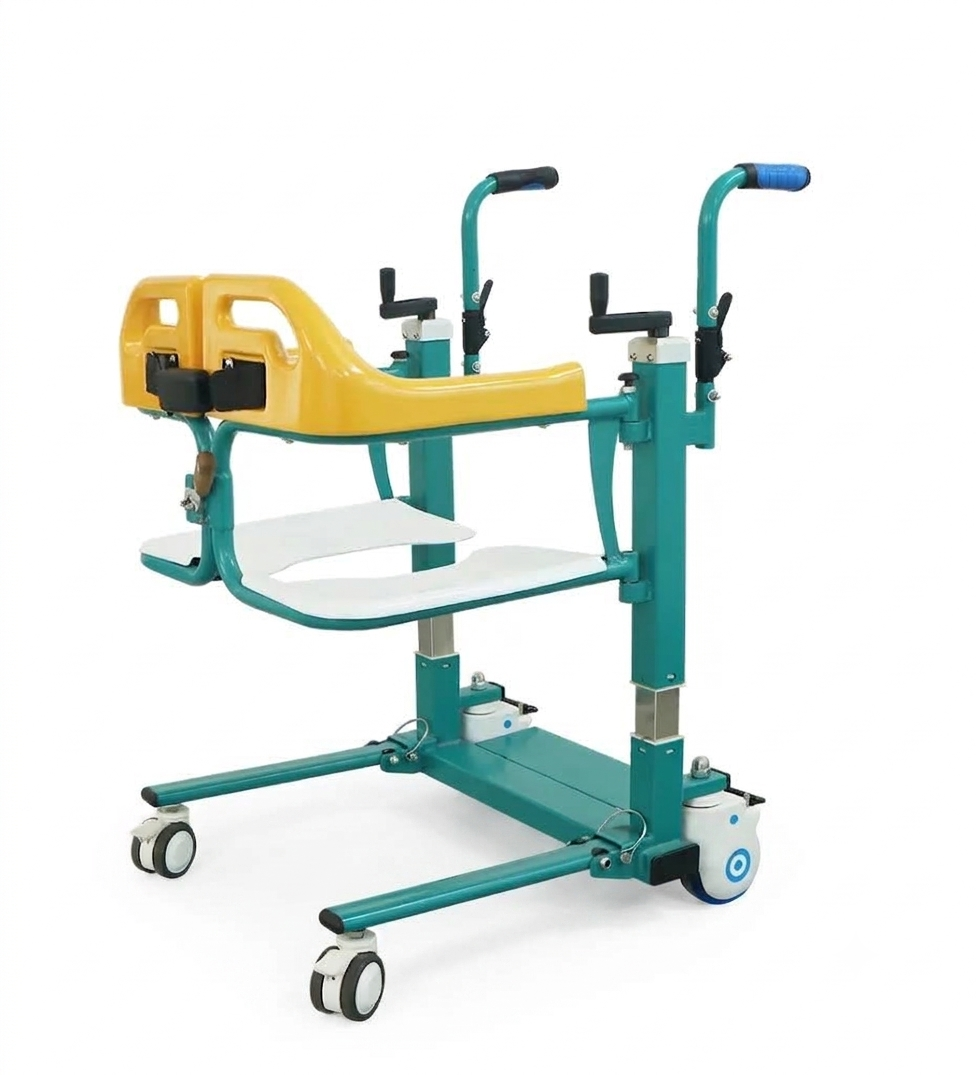
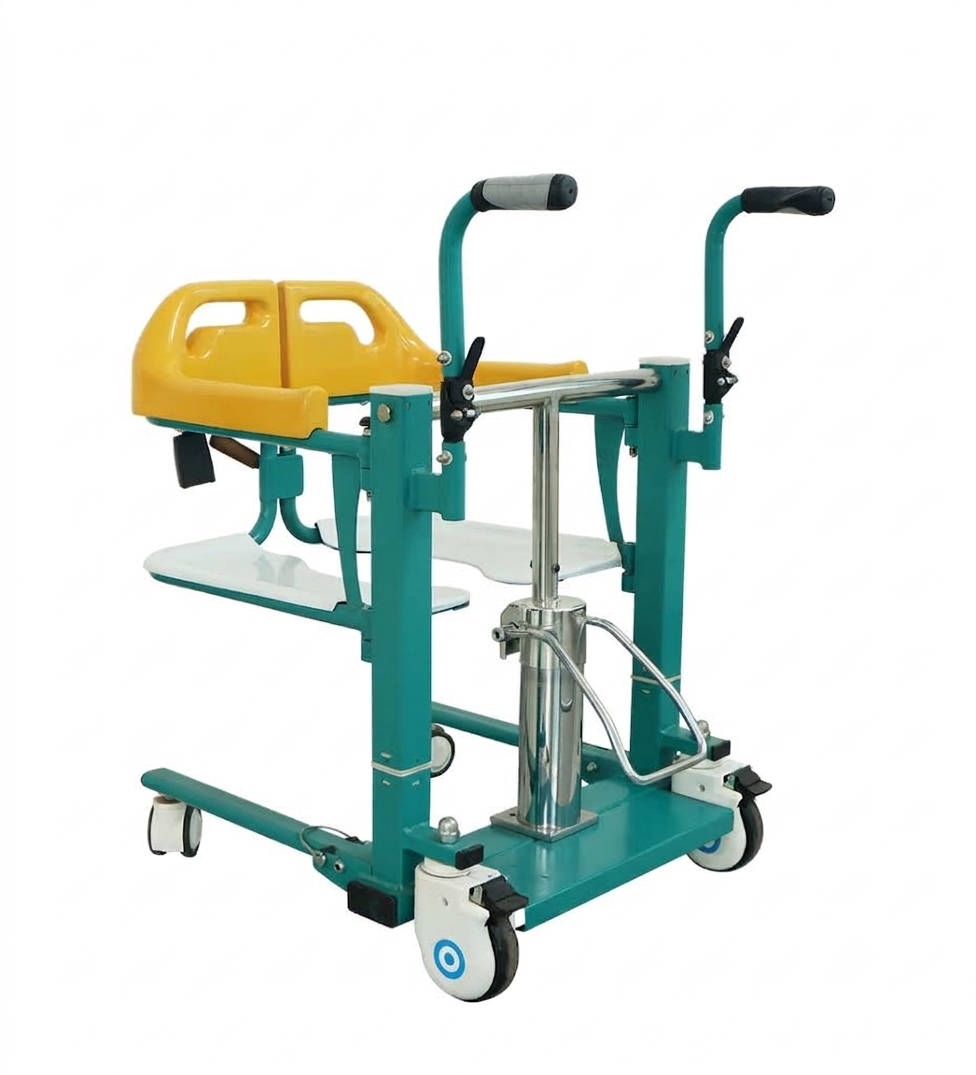
Commode chairs and bedside toilets are essential mobility aids designed to provide users with accessible bathroom solutions. A commode chair is typically a portable toilet that can be used in various locations, while bedside toilets are designed for use next to a bed for individuals with limited mobility. These products are particularly beneficial for elderly individuals, those recovering from surgery, or patients with disabilities who may find it difficult to reach a standard toilet.
The primary uses of commode chairs and bedside toilets span various healthcare settings, including hospitals, nursing homes, and home care environments. They serve to improve hygiene and comfort for users who may struggle with mobility, ensuring they have ready access to sanitation. Additionally, these products are crucial in promoting independence and dignity among patients, making them a vital component of patient care.
In the current market context, the demand for commode chairs and bedside toilets is growing due to the increasing aging population and heightened awareness of patient care needs. This trend drives innovation in design and functionality, leading to better products that cater to diverse user requirements. Manufacturers are focusing on creating durable, easy-to-clean, and comfortable solutions that align with the specific needs of different customer bases.
Key Features and Specifications
Commode chairs and bedside toilets come equipped with various features designed to enhance usability and comfort. Understanding the specifications is essential for B2B buyers to make informed purchasing decisions.
Key specifications include:
1. Weight Capacity
- Commode chairs typically support weights ranging from 250 to 500 pounds.
- This ensures the chair can accommodate a wide range of users safely.
2. Material Composition
- Common materials include high-strength plastic, steel, and aluminum.
- These materials ensure durability and ease of cleaning.
3. Seat Height Adjustment
- Many models feature adjustable seat heights to cater to different user needs.
- Heights can often range from 16 to 24 inches.
4. Armrest Features
- Some designs include padded or removable armrests for added comfort and support.
- These features enhance the user experience, especially for those with mobility challenges.
5. Portable Design
- Many commodes are lightweight and foldable for easy transport and storage.
- This feature is particularly beneficial for home care settings.
6. Hygiene Features
- Models often include removable buckets for easy cleaning.
- Some designs may also feature splash guards for improved hygiene.
7. Stability and Safety
- Non-slip feet and sturdy frames are standard to prevent accidents.
- Safety features are crucial for users with mobility issues.
8. Customization Options
- Some manufacturers offer custom designs to meet specific client needs.
- This can include color choices or additional features.
In summary, understanding these key features and specifications will help businesses select suitable commode chairs and bedside toilets tailored to their needs.
Common Applications and Use Cases
Commode chairs and bedside toilets find applications across multiple industries, enhancing accessibility and hygiene.
1. Healthcare Facilities: In hospitals and nursing homes, these products provide essential support for patients with limited mobility, ensuring they have access to sanitation without needing to move far.
2. Home Care: For individuals receiving care at home, commode chairs offer convenience and independence, allowing them to manage their bathroom needs comfortably.
3. Rehabilitation Centers: During recovery, patients may require temporary solutions to manage their bathroom needs. Commode chairs facilitate this process, promoting dignity and ease of use.
4. Assisted Living Communities: These facilities utilize commode chairs to enhance the quality of life for residents, ensuring they have accessible and private bathroom options.
5. Disability Services: Organizations focused on supporting individuals with disabilities often incorporate these products into their offerings, allowing for better independence and hygiene.
6. Travel and Hospitality: Some hotels and travel services provide portable commode solutions for guests with special needs, enhancing their overall experience.
7. Long-term Care Facilities: These products are vital in long-term care settings where residents may require extended assistance with personal care.
Product Variants and Subcategories
Commode chairs and bedside toilets come in various designs to cater to different user needs and preferences.
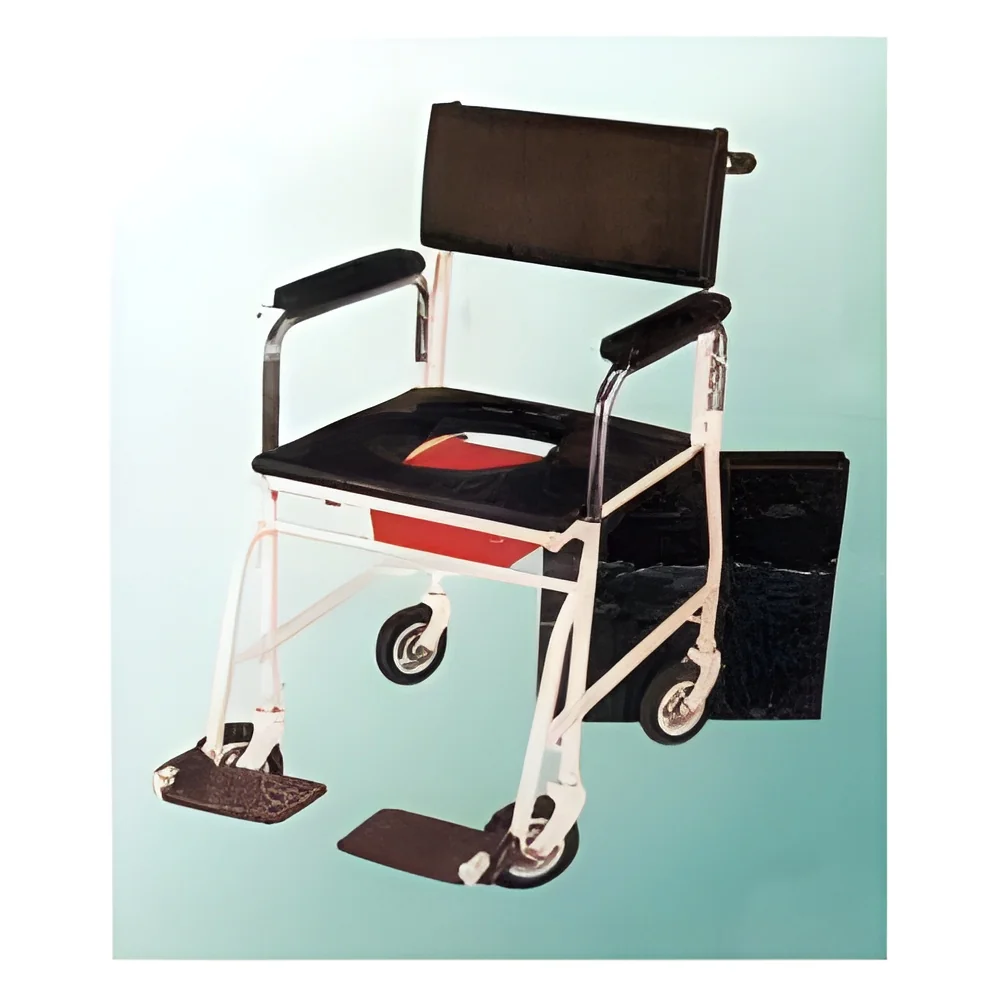
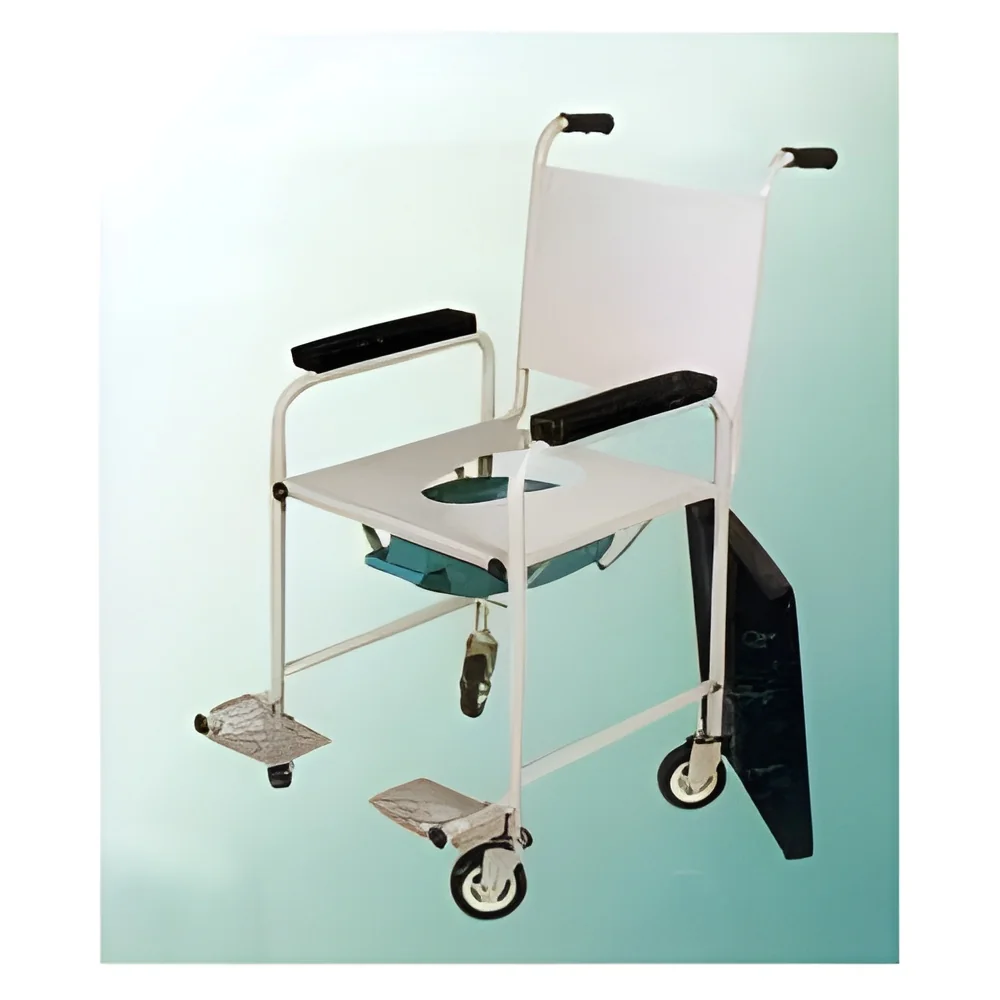
Standard Commode Chair
This basic model features a sturdy frame and a removable bucket for easy cleaning. It is designed for general use in home care and healthcare settings, offering comfort and accessibility.
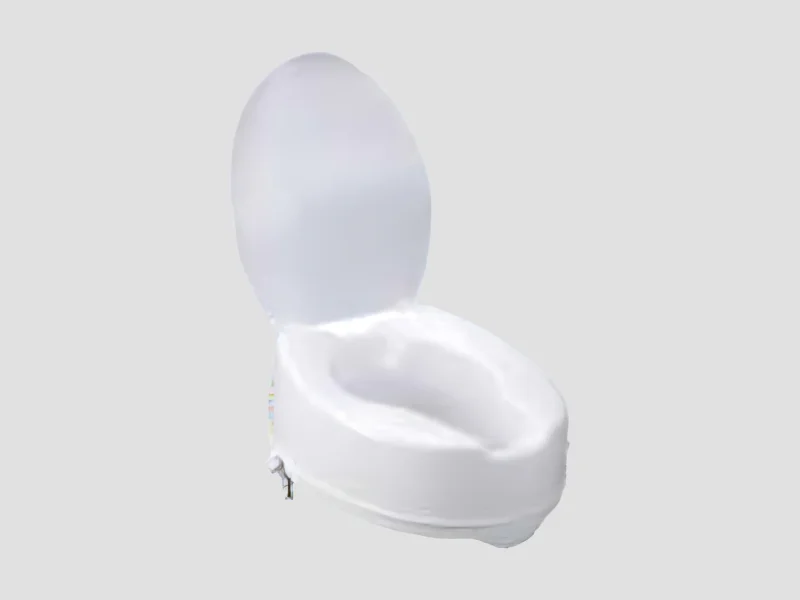
Raised Toilet Seat
This variant is specifically designed to fit over existing toilets, raising the height to assist individuals with mobility challenges. It often includes armrests for added support and stability.
Three-in-One Commode
This versatile model can be used as a bedside toilet, a raised toilet seat, or a shower chair. Its multifunctionality makes it ideal for patients who require multiple solutions.
Portable Commode
Lightweight and foldable, this variant is designed for travel or temporary use. It provides users with a convenient option for sanitation when away from home.
Benefits and Advantages
Sourcing commode chairs and bedside toilets offers numerous advantages for users and healthcare providers alike.
1. Enhanced Independence: These products allow users to manage their bathroom needs without assistance, promoting self-sufficiency and dignity.
2. Improved Hygiene: With easy-to-clean designs, commode chairs and bedside toilets ensure better sanitation, reducing the risk of infections and maintaining a healthier environment.
3. Increased Comfort: Many models include ergonomic designs and padded seats that enhance user comfort, making them more appealing for long-term use.
4. Versatility: The various designs available cater to a wide range of needs, making it easy to find the right product for different settings and users.
5. Safety Features: With non-slip designs and sturdy construction, these products help prevent accidents, providing peace of mind for users and caregivers.
6. Cost-Effectiveness: Investing in quality commode chairs and bedside toilets can reduce the need for extensive caregiving support, ultimately saving costs in healthcare settings.
Buying Guide for B2B Buyers
When sourcing commode chairs and bedside toilets, several factors should guide the purchasing decision.
1. Quality Assessment: Buyers should evaluate the materials and construction quality of the products. Look for durable designs that can withstand regular use while being easy to clean.
2. Supplier Verification: Ensure suppliers are reputable and have a track record of providing high-quality products. Checking reviews and certifications can help in the vetting process.
3. Pricing and MOQ: Understand the pricing structure and minimum order quantities required by suppliers. This information is crucial for budgeting and inventory management.
4. Delivery and Lead Times: Check the supplier's logistics capabilities, including delivery timelines. Ensuring timely delivery is essential for maintaining stock levels.
5. Compliance Requirements: Be aware of any industry regulations or standards that must be met. Compliance with safety and quality standards is critical for ensuring user safety.
Compliance and Certifications
Commode chairs and bedside toilets must adhere to various compliance and certification standards to ensure safety and quality. Key standards include ISO 9001, which focuses on maintaining quality management systems, and CE marking, which indicates compliance with European health, safety, and environmental protection standards.
Safety and testing requirements are essential in ensuring that these products are safe for use. Regular testing for durability, stability, and hygiene is necessary to meet industry standards. Additionally, regional compliance considerations may vary, so it is important for manufacturers and suppliers to be aware of specific regulations applicable in different markets.
Why Source Commode Chairs & Bedside Toilets from Pepagora?
Pepagora provides a trusted platform for sourcing commode chairs and bedside toilets, offering several key advantages for business buyers.
Verified Supplier Network: Pepagora ensures that all suppliers in its network are thoroughly vetted, providing buyers with peace of mind regarding the quality and reliability of their purchases.
Streamlined RFQ Process: The platform simplifies the request for quotation process, making it easier for buyers to compare prices and features from multiple suppliers, thereby facilitating informed decision-making.
Trade Assurance and Support: Buyers benefit from trade assurance programs that protect their purchases, ensuring they receive quality products as promised. Additionally, dedicated support is available for any inquiries or issues.
Regional Coverage: With a wide presence in India, the GCC, and Southeast Asia, Pepagora offers extensive options for sourcing commode chairs and bedside toilets, catering to diverse market needs and preferences. The geographic reach ensures that buyers have access to a range of products aligned with their specific requirements.

 IN
IN