𝗪𝗵𝗮𝘁 𝗮𝗿𝗲 𝗕𝗲𝗱 𝗣𝗿𝗼𝘁𝗲𝗰𝘁𝗼𝗿𝘀 & 𝗨𝗻𝗱𝗲𝗿𝗽𝗮𝗱𝘀?
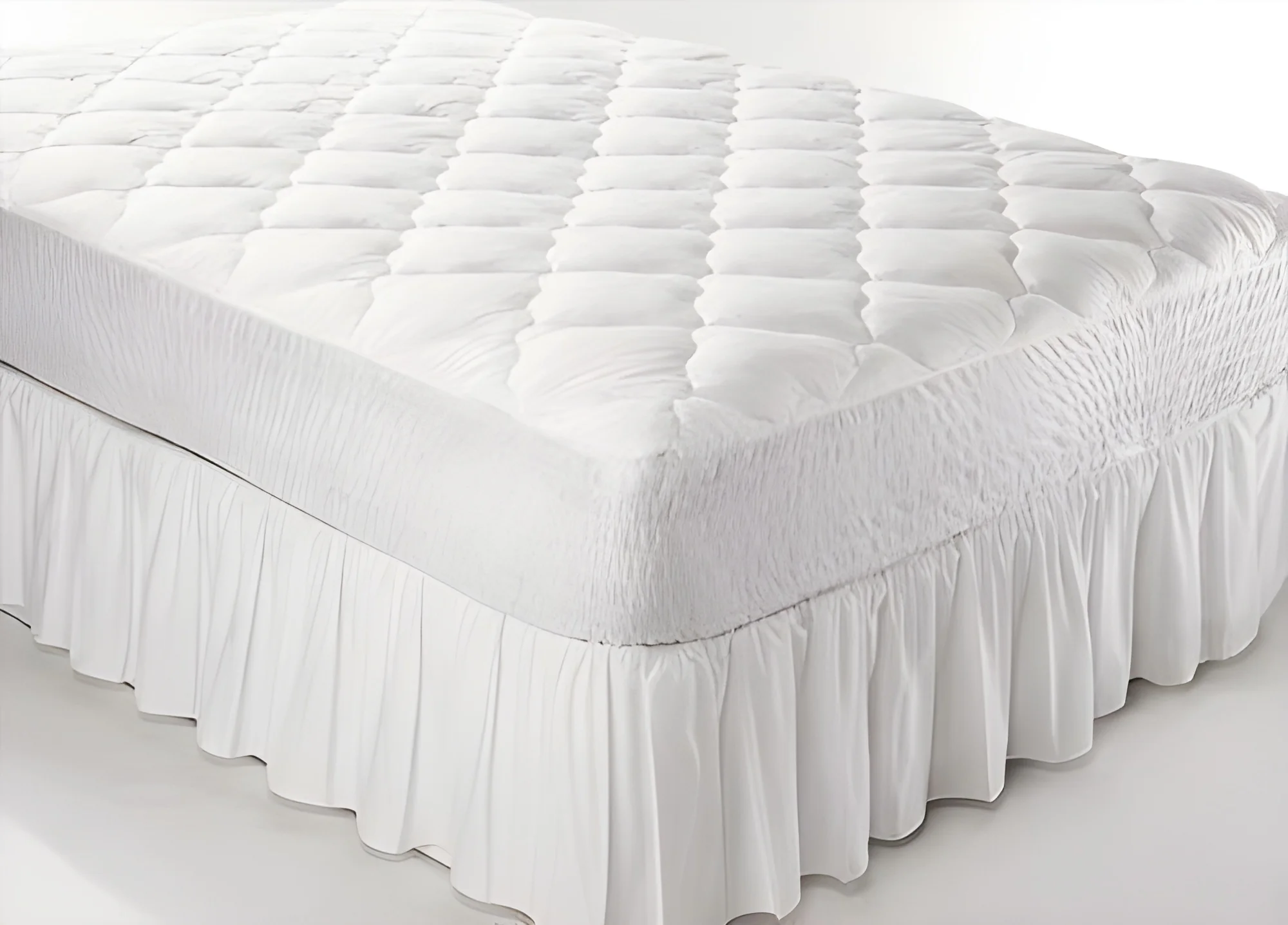
Bed Protectors and Underpads are essential products designed to safeguard bedding and mattresses from moisture, stains, and spills. These products are often made from absorbent materials that provide a barrier against liquid penetration, making them ideal for various applications. Bed Protectors typically cover the entire mattress, while Underpads are smaller, absorbent pads placed on top of the bed linens.
These products are widely used in healthcare settings, such as hospitals, nursing homes, and home care environments, where they protect bedding from incontinence-related issues. They are also beneficial in hospitality industries, child care facilities, and even for personal use at home. The demand for these products has increased as awareness grows regarding hygiene and comfort in various settings.
Industry relevance is significant, as Bed Protectors and Underpads contribute to improved sanitation and patient care. The market for these products is expanding, fueled by the rising elderly population and increasing incidences of incontinence. Companies that supply these items can benefit from catering to diverse industries, ensuring they meet the specific needs of their clients.
𝗞𝗲𝘆 𝗙𝗲𝗮𝘁𝘂𝗿𝗲𝘀 𝗮𝗻𝗱 𝗦𝗽𝗲𝗰𝗶𝗳𝗶𝗰𝗮𝘁𝗶𝗼𝗻𝘀
When considering Bed Protectors and Underpads, it is crucial to understand their key features and specifications. These factors influence their performance and suitability for various applications.
Key specifications include:
1. Material Composition
- Common materials include polyethylene, cotton, and non-woven fabrics.
- Selection affects absorbency, comfort, and durability.
2. Absorbency Level
- Products are available in different absorbency levels, from light to heavy.
- This range accommodates varying needs, from minor spills to significant incontinence.
3. Size and Dimensions
- Bed Protectors come in various sizes to fit standard and specialty mattresses.
- Underpads are often available in multiple dimensions for flexibility.
4. Waterproof Barrier
- Many products feature a waterproof backing to prevent leaks.
- This is essential for protecting the mattress and underlying surfaces.
5. Disposable vs. Reusable
- Options include single-use disposable pads and machine-washable reusable alternatives.
- Each type serves different market needs based on convenience and cost.
6. Odor Control
- Some products incorporate odor-neutralizing technology.
- This helps maintain a pleasant environment, especially in healthcare settings.
7. Latex-Free Options
- Many manufacturers offer latex-free products to accommodate allergies.
- This expands market accessibility for sensitive users.
8. Certification and Compliance
- Products may be certified for safety and quality standards, such as CE marking.
- Compliance with industry regulations is crucial for market acceptance.
In summary, understanding these specifications helps buyers make informed decisions about which Bed Protectors and Underpads best suit their operational requirements.
𝗖𝗼𝗺𝗺𝗼𝗻 𝗔𝗽𝗽𝗹𝗶𝗰𝗮𝘁𝗶𝗼𝗻𝘀 𝗮𝗻𝗱 𝗨𝘀𝗲 𝗖𝗮𝘀𝗲𝘀
Bed Protectors and Underpads find utility across various industries and settings. Their versatility makes them essential for many applications.
1. Healthcare: Hospitals and nursing homes utilize these products to protect bedding from incontinence and spills. They enhance patient comfort and hygiene, reducing the risk of infections.
2. Hospitality: Hotels and motels use Bed Protectors to maintain mattress integrity and extend their lifespan. They also enhance guest satisfaction by ensuring cleanliness.
3. Child Care: Daycares and preschools employ Underpads for children during potty training. These products protect furniture and bedding while providing peace of mind for care providers.
4. Home Use: Families often use these products in situations involving elderly relatives or young children. They ensure that bedding remains clean and dry.
5. Pet Care: Pet owners use Underpads for training puppies or dealing with older pets that may have accidents. They help protect floors and furniture.
6. Industrial Settings: Some manufacturers implement Bed Protectors in employee wellness programs. They provide comfort and hygiene for workers in specific environments.
7. Rehabilitation Facilities: Facilities focused on recovery may use these products to ensure a clean and safe environment for patients undergoing therapy.
𝗣𝗿𝗼𝗱𝘂𝗰𝘁 𝗩𝗮𝗿𝗶𝗮𝗻𝘁𝘀 𝗮𝗻𝗱 𝗦𝘂𝗯𝗰𝗮𝘁𝗲𝗴𝗼𝗿𝗶𝗲𝘀
Bed Protectors and Underpads are available in various forms to cater to diverse needs. Although subcategories were not specified, several variants exist in the market.
Disposable Underpads
These are single-use products designed for convenience. They are ideal for short-term use in medical or personal care settings where frequent changes are necessary.
Reusable Bed Protectors
Manufactured from durable materials, these protectors can withstand multiple washes. They are cost-effective over time and are suitable for long-term use in healthcare facilities.
Waterproof Mattress Protectors
These protectors serve to shield mattresses from spills and stains while providing a layer of comfort. They are ideal for both home and commercial settings.
Cotton Underpads
Made from breathable cotton, these pads provide comfort while being highly absorbent. They are often preferred in personal care settings for their softness.
𝗕𝗲𝗻𝗲𝗳𝗶𝘁𝘀 𝗮𝗻𝗱 𝗔𝗱𝘃𝗮𝗻𝘁𝗮𝗴𝗲𝘀
Choosing Bed Protectors and Underpads comes with numerous advantages for businesses and end-users alike.
Key benefits include:
1. Enhanced Hygiene: These products help maintain cleanliness by preventing spills and stains, crucial in healthcare and hospitality environments.
2. Cost Savings: By extending the life of mattresses and bedding, these products reduce replacement costs for businesses.
3. Improved Comfort: Quality Bed Protectors and Underpads provide a comfortable sleeping surface, enhancing overall user experience.
4. Versatile Use: Suitable for various settings, from healthcare to home environments, making them a flexible solution.
5. Easy Maintenance: Many products are machine washable or disposable, simplifying cleaning processes for users.
6. Increased Safety: By preventing moisture accumulation, these products reduce the risk of mold and mildew, contributing to a healthier environment.
𝗕𝘂𝘆𝗶𝗻𝗴 𝗚𝘂𝗶𝗱𝗲 𝗳𝗼𝗿 𝗕𝟮𝗕 𝗕𝘂𝘆𝗲𝗿𝘀
When sourcing Bed Protectors and Underpads, buyers should consider several critical factors to ensure they meet their specific needs.
1. Quality Assessment: Evaluate materials and construction quality to ensure durability and performance. Look for products with certifications that indicate compliance with industry standards.
2. Supplier Verification: Vet suppliers to ensure reliability and reputation. Check reviews, request samples, and confirm their ability to meet demand.
3. Pricing and MOQ: Understand pricing structures and minimum order quantities. This helps in budgeting and ensures suppliers can meet your volume needs.
4. Delivery and Lead Times: Confirm lead times for delivery to ensure timely availability of products. This is particularly important in healthcare and hospitality settings.
5. Compliance Requirements: Be aware of any regulatory requirements in your region. Ensure that the products sourced meet necessary safety and quality standards.
𝗖𝗼𝗺𝗽𝗹𝗶𝗮𝗻𝗰𝗲 𝗮𝗻𝗱 𝗖𝗲𝗿𝘁𝗶𝗳𝗶𝗰𝗮𝘁𝗶𝗼𝗻𝘀
Bed Protectors and Underpads must adhere to relevant quality standards and certifications to ensure safety and efficacy.
ISO 9001 is a widely recognized standard for quality management systems. Manufacturers of Bed Protectors and Underpads may seek certification to demonstrate their commitment to quality assurance.
CE marking indicates that a product meets European health, safety, and environmental protection standards. This certification is crucial for products sold in European markets, ensuring they are safe for consumer use.
Safety testing requirements may include assessments for absorbency, skin sensitivity, and overall product durability. These tests help confirm that the products are suitable for their intended applications.
Regional compliance considerations can vary. Buyers should be familiar with local regulations governing medical supplies and consumer goods to ensure that sourced products comply with all necessary laws.
𝗪𝗵𝘆 𝗦𝗼𝘂𝗿𝗰𝗲 𝗕𝗲𝗱 𝗣𝗿𝗼𝘁𝗲𝗰𝘁𝗼𝗿𝘀 & 𝗨𝗻𝗱𝗲𝗿𝗽𝗮𝗱𝘀 𝗳𝗿𝗼𝗺 𝗣𝗲𝗽𝗮𝗴𝗼𝗿𝗮?
Pepagora offers a trusted platform for sourcing Bed Protectors and Underpads, providing several key advantages that benefit B2B buyers.
Verified Supplier Network: Pepagora connects buyers with a network of verified suppliers. This ensures that you can source products from reputable manufacturers known for quality and reliability.
Streamlined RFQ Process: The request for quotation process is efficient, allowing buyers to obtain competitive pricing quickly. This helps in making informed purchasing decisions.
Trade Assurance and Support: Pepagora provides buyer protection through trade assurance programs. This minimizes risks associated with transactions and enhances buyer confidence.
Regional Coverage: With a focus on regions such as India, the GCC, and Southeast Asia, Pepagora provides access to a wide range of suppliers and products tailored to specific market needs. This geographic reach enhances sourcing capabilities for businesses operating in these areas.

 IN
IN