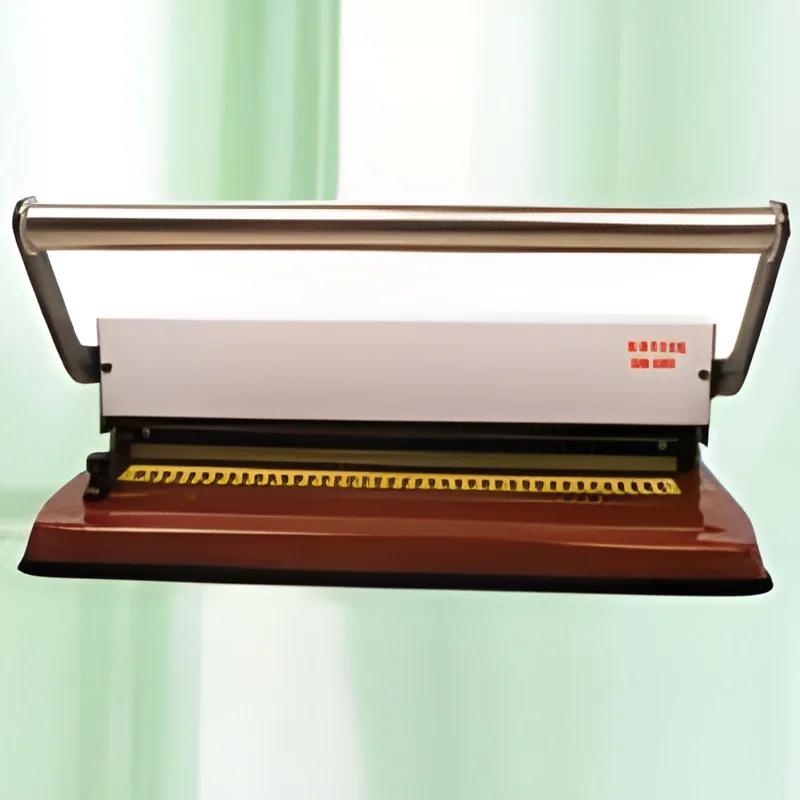
What are Spiral/Coil Binding Machines?
Spiral or coil binding machines are specialized devices used to bind documents using a continuous plastic or metal coil. These machines create a durable and flexible binding that allows pages to lay flat when opened. The coils come in various sizes and materials, making them suitable for different binding needs. The machine typically punches holes along the edge of the sheets and then inserts the coil, securing the pages together in a neat and professional manner.
These binding machines are primarily used in offices, print shops, and educational institutions. They help create presentations, reports, manuals, and training materials with a polished finish. The ability to bind documents in bulk makes them an essential tool for businesses that require efficient document management. The demand for such machines is growing as more companies seek ways to enhance their document presentation and organization.
In the current market, spiral and coil binding machines are relevant across various industries, including corporate, educational, and publishing sectors. As businesses increasingly prioritize professionalism in their presentations, the need for reliable binding solutions continues to rise, establishing these machines as vital equipment in the document production process.
Key Features and Specifications
Spiral and coil binding machines come with various features that enhance their functionality and efficiency. When selecting a machine, it's important to consider specifications that meet your binding needs.
Key specifications include:
1. Binding Capacity
- This refers to the maximum number of sheets the machine can bind at once.
- Typical ranges are from 10 to 500 sheets, depending on the machine model.
2. Hole Punching Capability
- Machines vary in their ability to punch holes, with some capable of multiple hole sizes.
- Common hole patterns include 4:1 and 5:1 pitch options.
3. Coil Diameter Compatibility
- Machines support different coil diameters, which affect the thickness of bound documents.
- Sizes can range from 6 mm to 50 mm.
4. Manual vs. Electric Operation
- Some machines are manually operated, while others offer electric operation for efficiency.
- Electric models often provide faster binding speeds.
5. Weight and Portability
- The weight of binding machines can affect their portability and ease of use.
- Lightweight models are easier to move, while heavier models may offer more stability.
6. Durability and Build Quality
- Machines should be constructed from high-quality materials for longevity.
- Look for warranties that indicate manufacturer confidence in their product.
7. Safety Features
- Many machines come with safety features to prevent accidents during operation.
- These may include safety guards and automatic shut-off functions.
In summary, understanding the key features and specifications of spiral and coil binding machines is essential for selecting a model that fits your business needs.
Common Applications and Use Cases
Spiral and coil binding machines serve various industries by providing efficient document binding solutions.
1. Education: Schools and universities often use these machines to bind course materials, student reports, and educational resources, allowing for easy handling and organization.
2. Corporate: Businesses utilize binding machines for creating presentations, employee handbooks, and training manuals, ensuring a professional appearance for internal and external documents.
3. Printing: Print shops rely on these machines to offer binding services to clients, producing high-quality bound materials such as brochures, catalogs, and promotional materials.
4. Publishing: Authors and publishers bind manuscripts and proofs to distribute for review or marketing purposes, enhancing the presentation of their work.
5. Government: Various government agencies use binding machines to handle official documents and reports, maintaining a standardized format for public records.
6. Nonprofits: Organizations often bind reports and proposals for stakeholders and donors, ensuring that their materials are well-presented and accessible.
7. Healthcare: Hospitals and clinics may bind medical records and informational brochures, promoting organization and ease of access for staff and patients.
Product Variants and Subcategories
Spiral and coil binding machines come in various models, each designed to meet specific operational needs.
Manual Binding Machines
These machines are operated by hand, making them ideal for low-volume binding tasks. They are often compact and affordable, suitable for small offices or home use.
Electric Binding Machines
Designed for high-volume binding, these machines automate the punching and binding process. They are ideal for businesses that require efficiency and speed in document production.
Heavy-Duty Binding Machines
These robust machines can handle large sheet capacities and thicker materials. They are perfect for print shops and businesses that frequently bind extensive documents.
Tabletop Binding Machines
Compact and portable, tabletop machines are designed for ease of use in small spaces. They are suitable for businesses that need flexibility without sacrificing functionality.
Benefits and Advantages
Investing in spiral and coil binding machines offers several key benefits for businesses.
1. Professional Appearance: Bound documents present a polished and organized look, enhancing the professionalism of your materials.
2. Durability: Spiral and coil bindings are durable and allow documents to open flat, making them ideal for reports and manuals.
3. Flexibility: The variety of coil sizes and colors available offers customization options for different projects and branding needs.
4. Cost-Effective: Binding machines can save money by allowing businesses to produce their own bound documents in-house rather than outsourcing.
5. Increased Productivity: Automated or electric models streamline the binding process, allowing for quicker turnaround times on projects.
6. Easy to Use: Many machines are designed for user-friendly operation, making them accessible for staff with varying skill levels.
Buying Guide for B2B Buyers
When sourcing spiral and coil binding machines, several factors should be considered to make an informed purchase.
1. Quality Assessment: Look for machines made from sturdy materials and check for user reviews or testimonials that indicate reliability and performance.
2. Supplier Verification: Ensure that you are sourcing from reputable suppliers. Research their history, customer feedback, and product offerings to confirm their credibility.
3. Pricing and MOQ: Understand the pricing structure and minimum order quantities (MOQ) required by suppliers. Compare prices among different suppliers to find the best deals.
4. Delivery and Lead Times: Inquire about delivery schedules and lead times to ensure that the machine will arrive when you need it. Consider your production timelines when making a decision.
5. Compliance Requirements: Check for any regulatory compliance or certifications that the machines must meet for your specific industry or region, such as CE certification.
Compliance and Certifications
Spiral and coil binding machines are subject to various quality standards and certifications that ensure their reliability and safety.
ISO 9001 is a quality management standard that demonstrates a manufacturer’s ability to consistently provide products that meet customer and regulatory requirements. Compliance with ISO standards often indicates a commitment to quality and continuous improvement.
CE marking is a certification that indicates compliance with European health, safety, and environmental protection standards. Machines bearing this mark are recognized as safe for use in the European market.
Safety features in binding machines are crucial to protect users during operation. Compliance with relevant safety standards ensures that machines are tested for operational hazards and designed with safety mechanisms in place.
Regionally, compliance considerations may vary. It's essential for buyers to be aware of local regulations that may affect the purchase and use of binding machines in their specific markets.
Why Source Spiral/Coil Binding Machines from Pepagora?
Pepagora provides a trusted platform for sourcing spiral and coil binding machines, offering several key advantages for B2B buyers.
Verified Supplier Network: Pepagora connects buyers with a reliable network of verified suppliers. This ensures that businesses can source high-quality machines from trusted manufacturers.
Streamlined RFQ Process: The request for quotation (RFQ) system on Pepagora simplifies the procurement process. Buyers can easily compare multiple quotes from different suppliers, saving time and effort.
Trade Assurance and Support: Pepagora offers trade assurance to protect buyers from potential disputes. The platform provides support throughout the purchasing process to ensure a smooth transaction.
Regional Coverage: With a strong presence in India, the GCC, and Southeast Asia, Pepagora offers extensive geographic reach. This allows businesses from various regions to access quality binding machines tailored to their specific needs.

 IN
IN