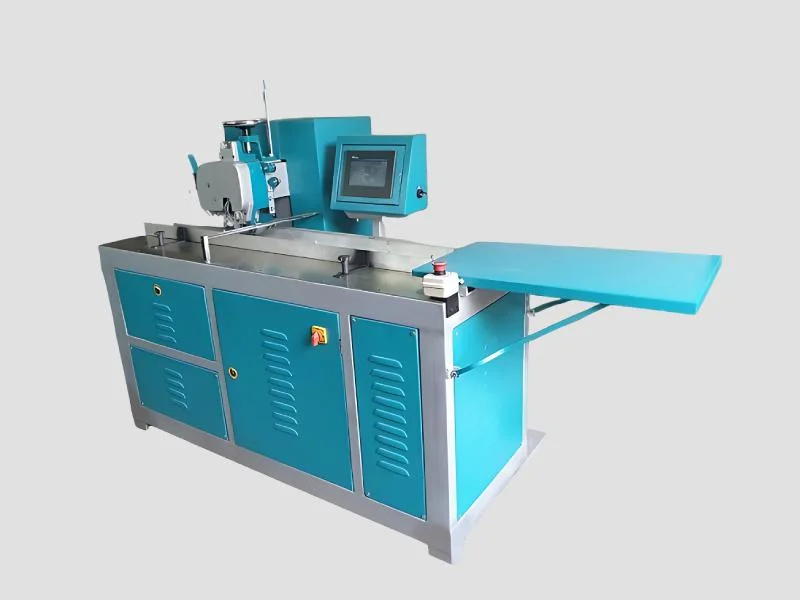
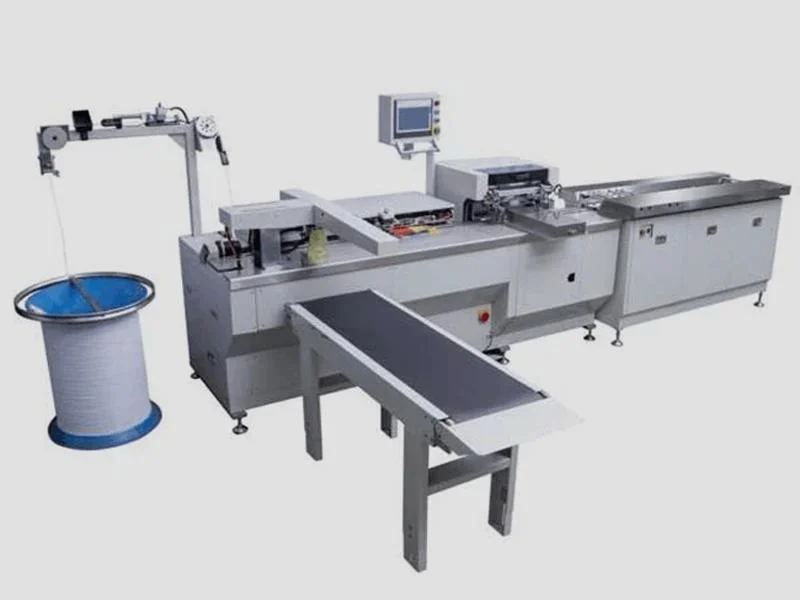
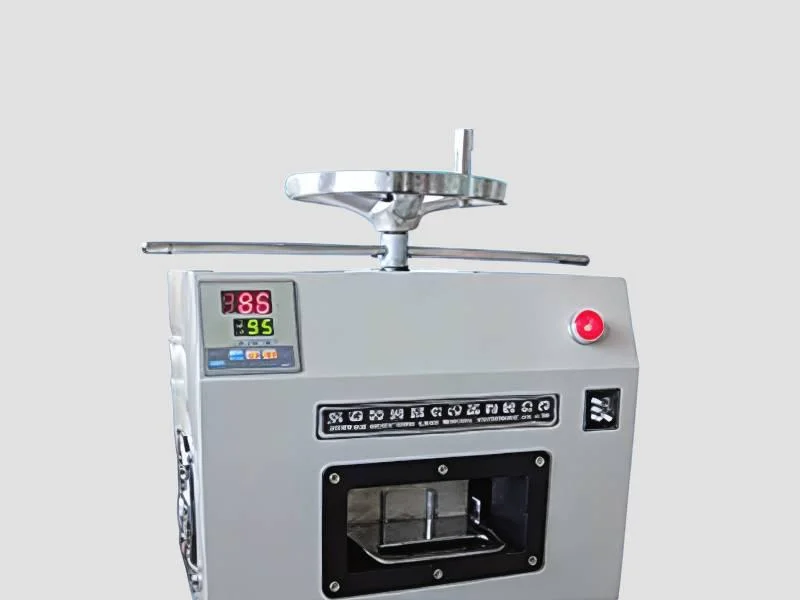
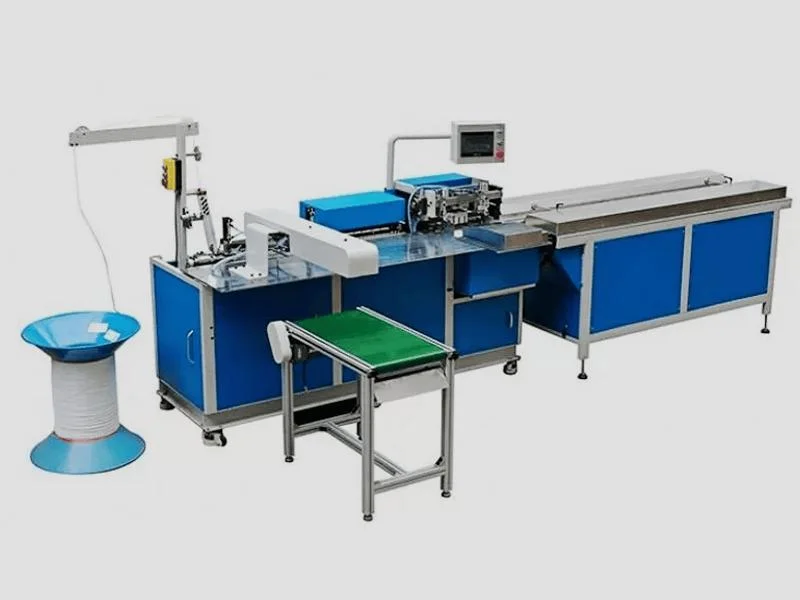
𝗪𝗵𝗮𝘁 𝗮𝗿𝗲 𝗟𝗮𝗺𝗶𝗻𝗮𝘁𝗶𝗻𝗴 & 𝗕𝗶𝗻𝗱𝗶𝗻𝗴 𝗠𝗮𝗰𝗵𝗶𝗻𝗲𝘀?
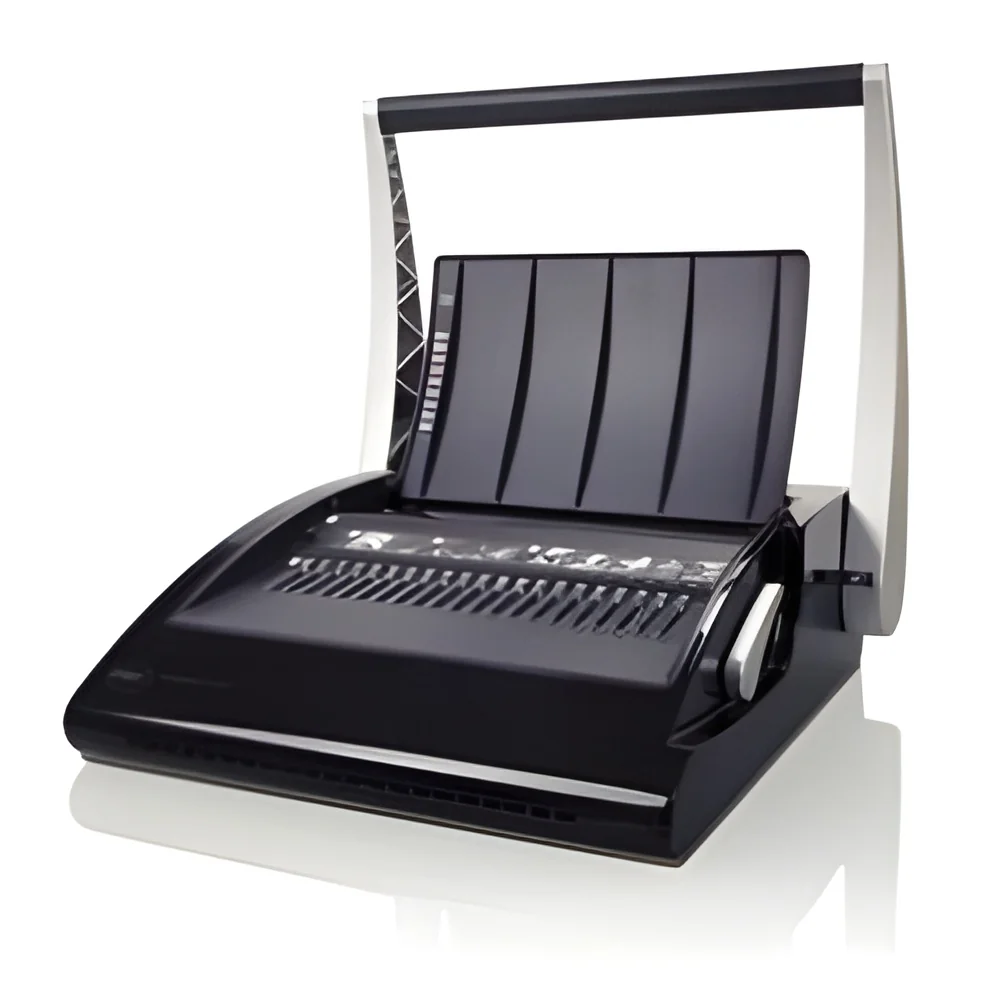
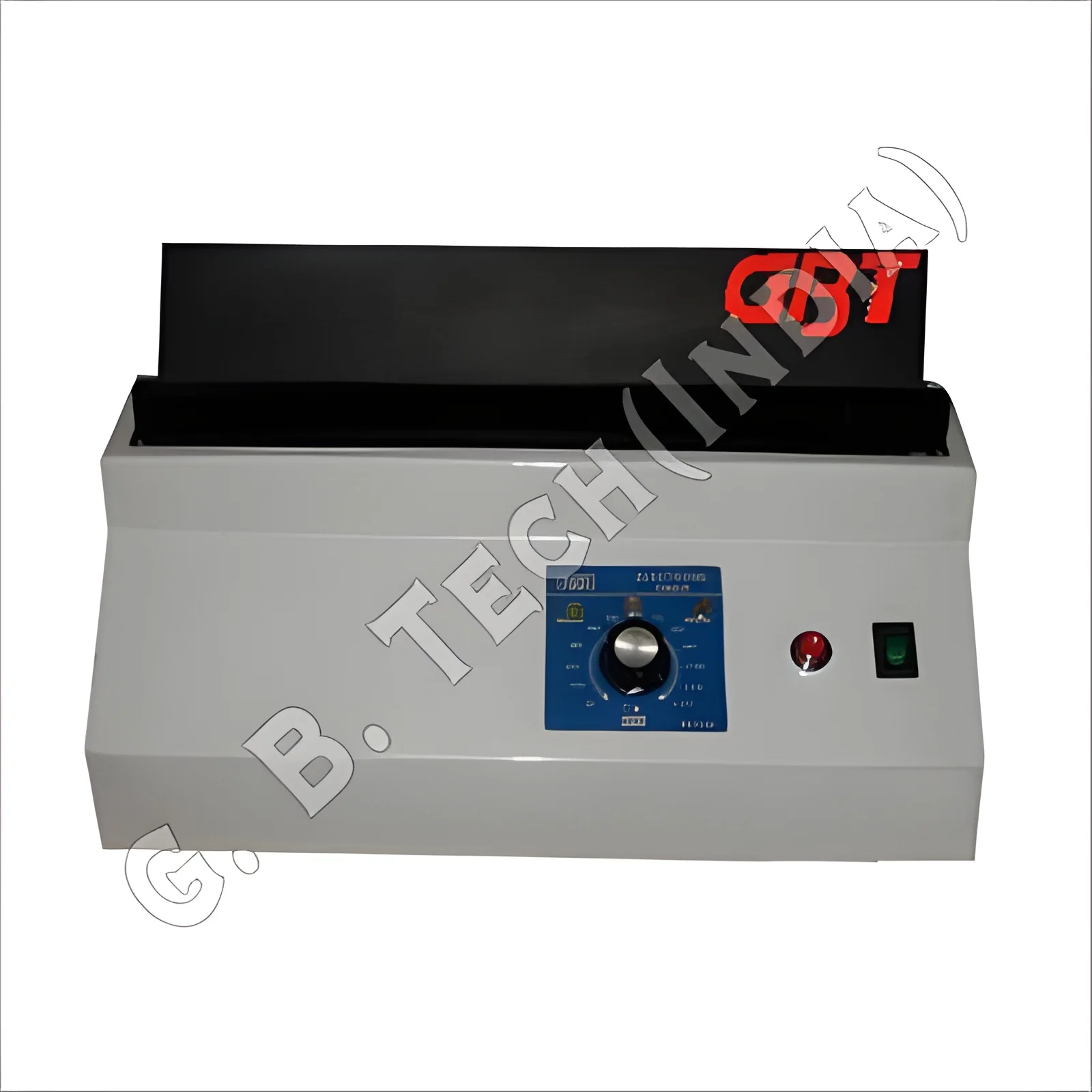
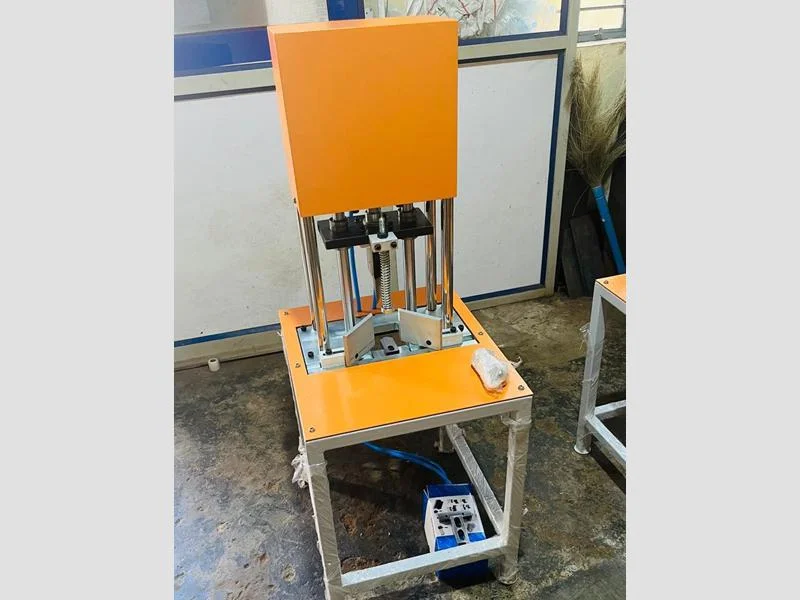
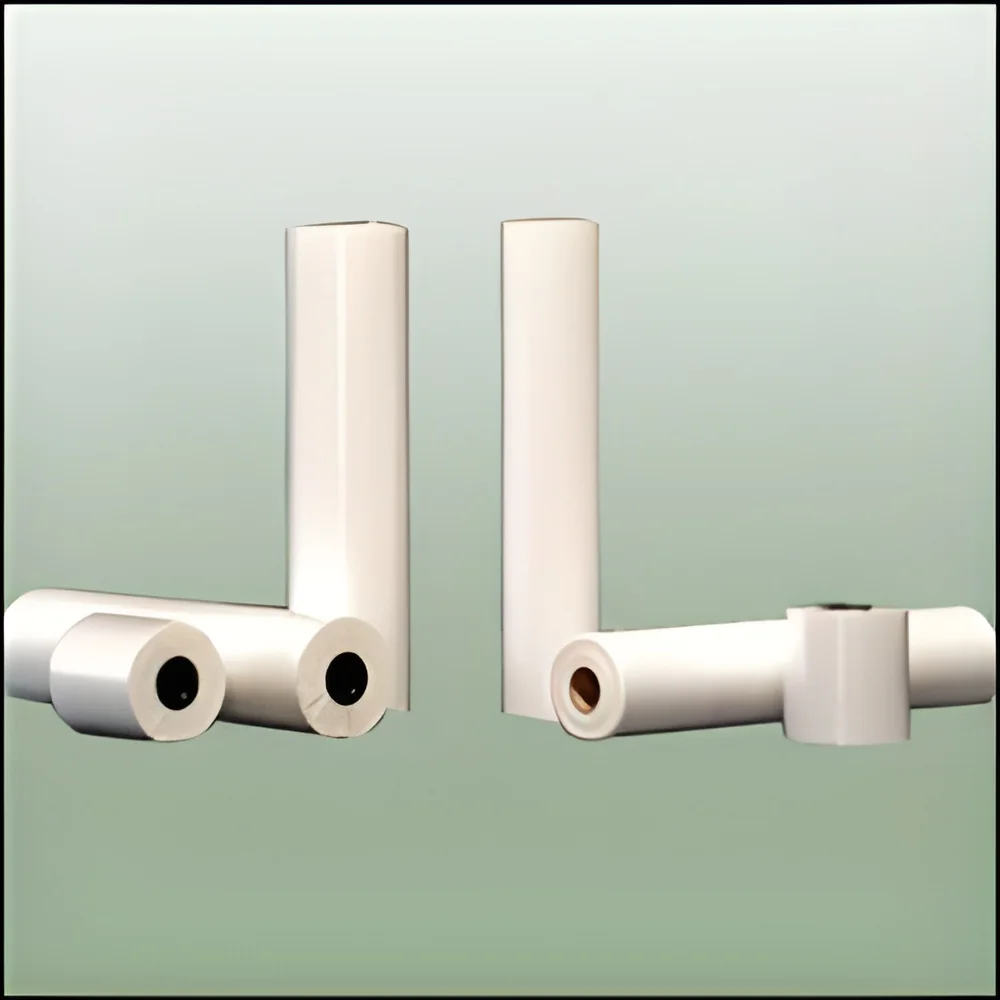
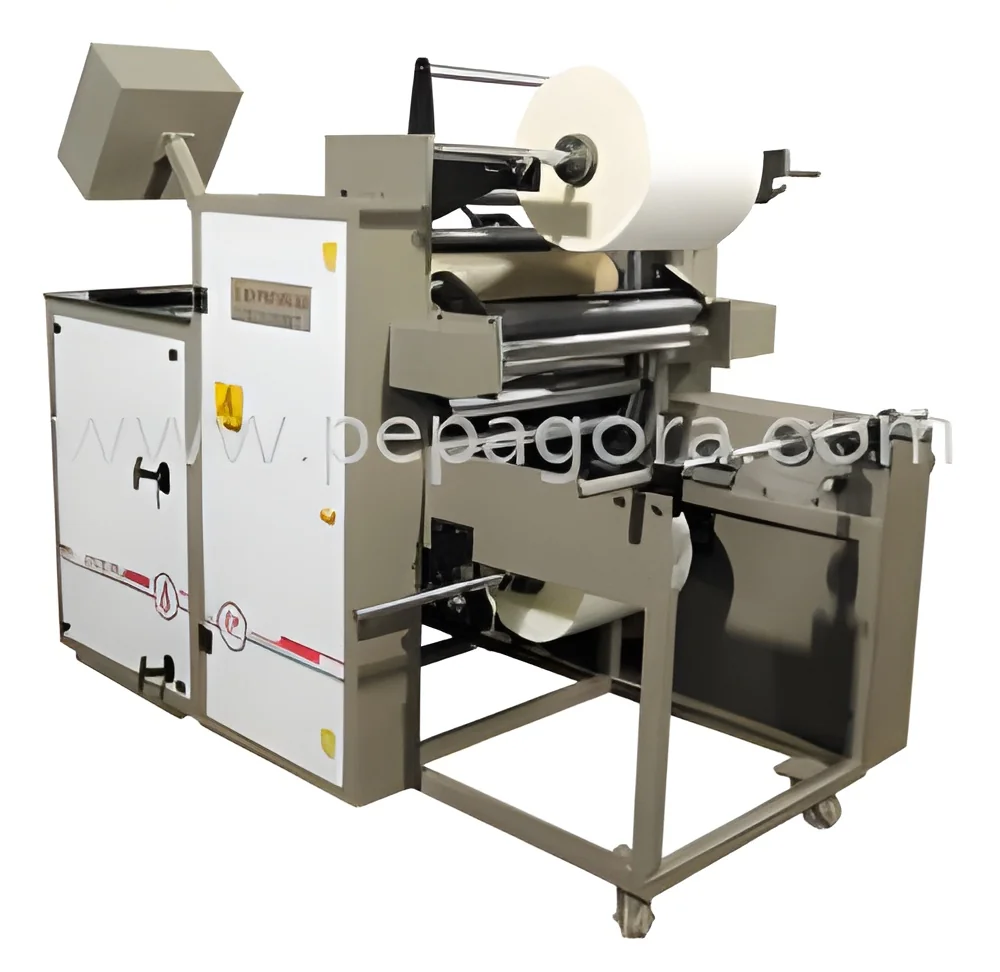
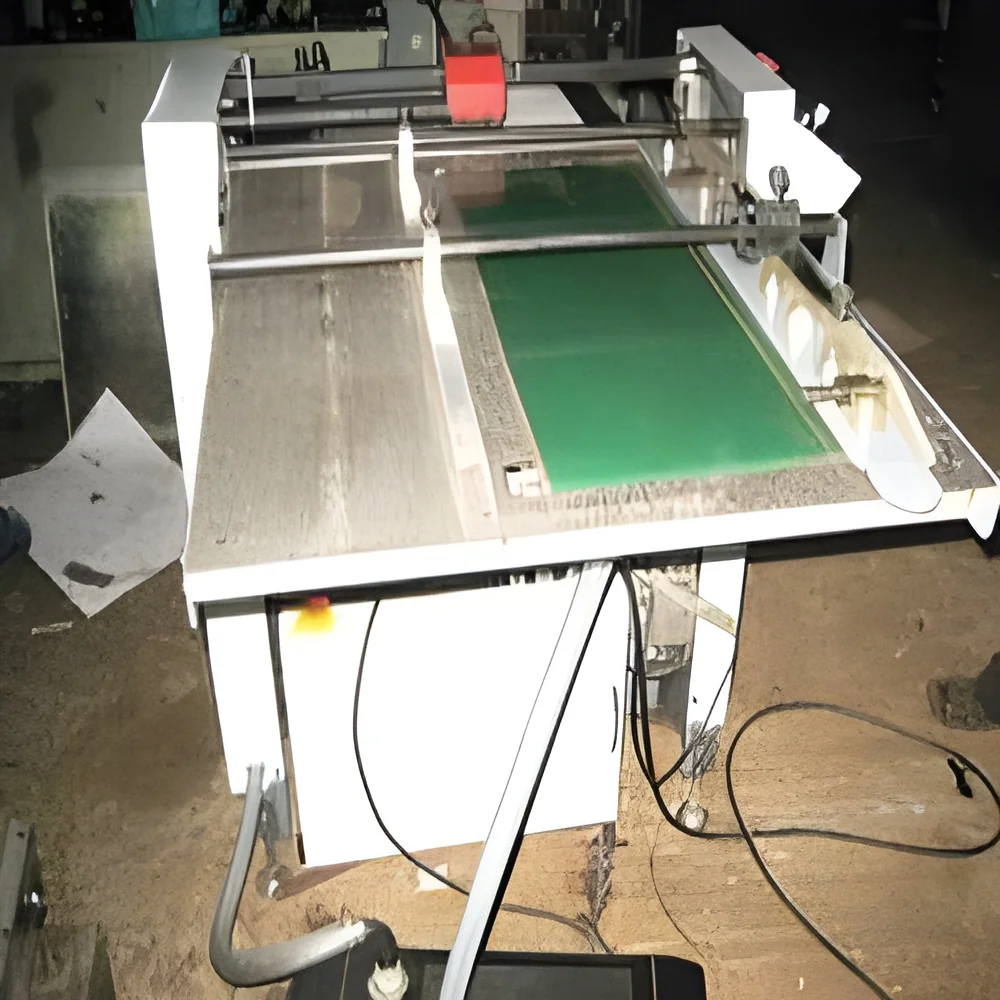
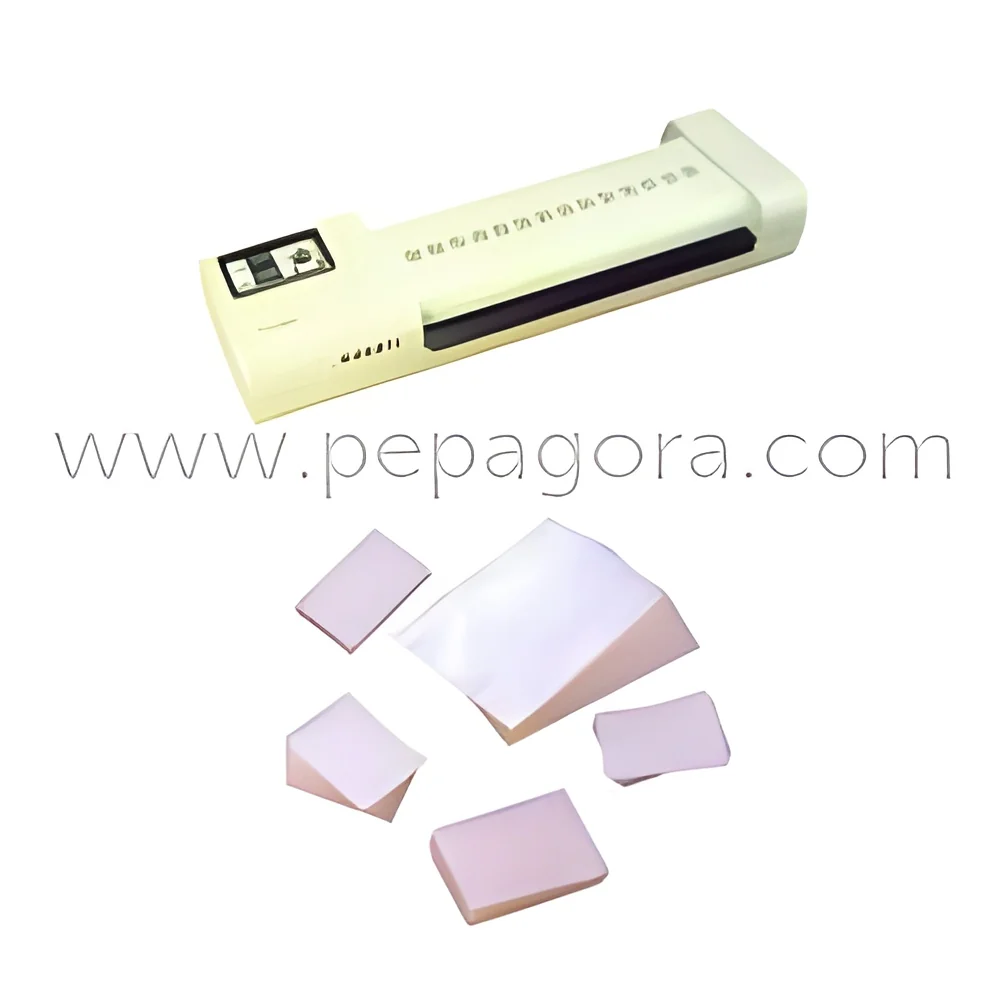
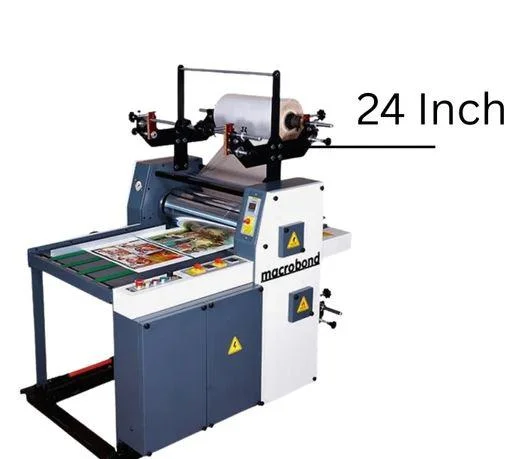
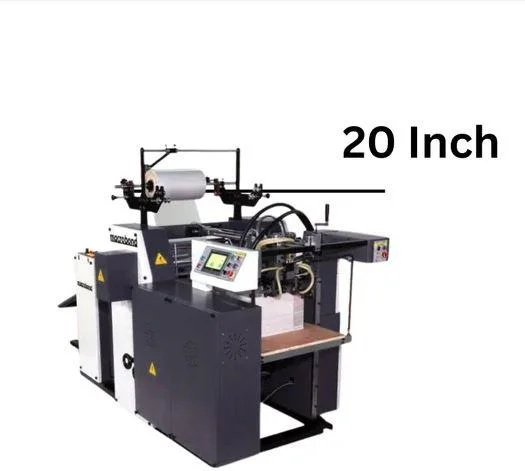
Laminating and binding machines are essential tools used in various industries for preserving, protecting, and organizing documents. Laminating involves applying a plastic film over paper or other materials to create a durable and water-resistant surface. Binding, on the other hand, refers to the process of securing multiple sheets of paper together, ensuring they remain organized and easy to read. Together, these machines enhance the longevity and presentation of printed materials.
These machines find primary applications in offices, schools, and printing establishments. Businesses use them to produce professional-grade presentations, manuals, and reports. Laminated documents are particularly valuable in environments where they are frequently handled or exposed to moisture. Binding machines help create booklets, reports, and portfolios, making them crucial for businesses that require clear and organized documentation. As companies increasingly emphasize quality in their materials, the demand for laminating and binding solutions continues to grow in the market.
𝗞𝗲𝘆 𝗙𝗲𝗮𝘁𝘂𝗿𝗲𝘀 𝗮𝗻𝗱 𝗦𝗽𝗲𝗰𝗶𝗳𝗶𝗰𝗮𝘁𝗶𝗼𝗻𝘀
Laminating and binding machines come with a range of features and specifications that cater to diverse business needs. Understanding these specifications is crucial for selecting the right machine for your operations.
Key specifications include:
1. Laminating Speed
- Indicative of how quickly the machine can process documents.
- Typically measured in inches per minute (IPM).
2. Binding Capacity
- Refers to the maximum number of sheets the machine can bind at once.
- Commonly ranges from 5 to 500 sheets, depending on the machine type.
3. Laminating Thickness
- Specifies the thickness of the laminating film that the machine can use.
- Usually varies from 1.5 mil to 10 mil.
4. Heating Mechanism
- Describes how the machine heats the laminating film.
- Options include hot, cold, or dual systems.
5. Power Consumption
- Indicates the electrical requirements for operating the machine.
- Typically measured in watts.
6. Size and Weight
- Provides dimensions and weight, important for space considerations.
- Can range from compact desktop models to larger commercial units.
7. Safety Features
- Includes automatic shut-off and temperature control to ensure safe operation.
- Essential for preventing overheating and accidents.
In summary, understanding these features ensures that businesses select machines tailored to their specific laminating and binding needs.
𝗖𝗼𝗺𝗺𝗼𝗻 𝗔𝗽𝗽𝗹𝗶𝗰𝗮𝘁𝗶𝗼𝗻𝘀 𝗮𝗻𝗱 𝗨𝘀𝗲 𝗖𝗮𝘀𝗲𝘀
Laminating and binding machines serve various industries, providing essential solutions for document management.
1. Education: Schools and universities utilize these machines to laminate educational materials and bind student projects, enhancing durability and presentation.
2. Retail: Retail businesses often use laminating machines for signage and promotional materials, ensuring they withstand handling and environmental factors.
3. Printing: Commercial printers rely on binding machines to produce booklets and catalogs, creating professional finishes for clients.
4. Healthcare: Hospitals and clinics use laminating machines for patient information sheets and identification cards, ensuring they remain intact and resistant to contamination.
5. Corporate: Businesses employ these machines for internal documentation, presentations, and marketing materials, promoting a professional image.
𝗣𝗿𝗼𝗱𝘂𝗰𝘁 𝗩𝗮𝗿𝗶𝗮𝗻𝘁𝘀 𝗮𝗻𝗱 𝗦𝘂𝗯𝗰𝗮𝘁𝗲𝗴𝗼𝗿𝗶𝗲𝘀
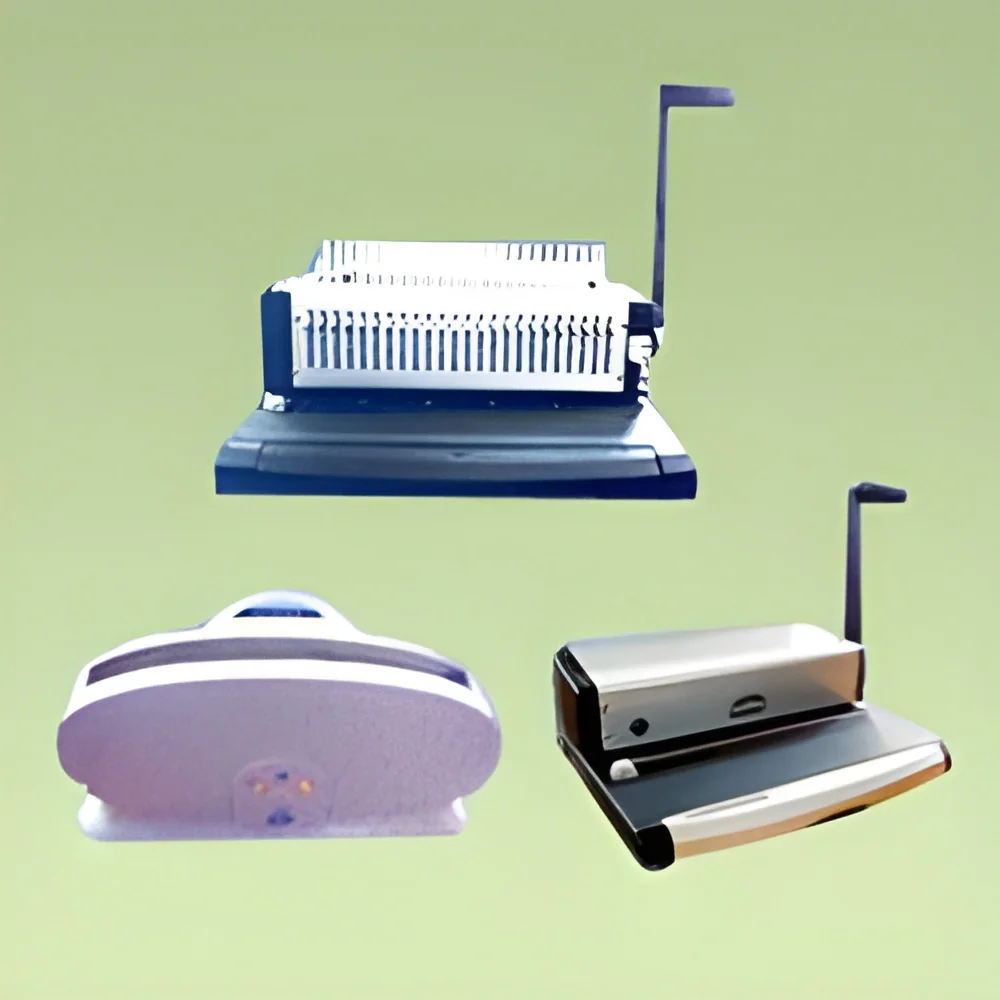
Laminating and binding machines are available in a variety of models, each designed to meet specific needs and applications.
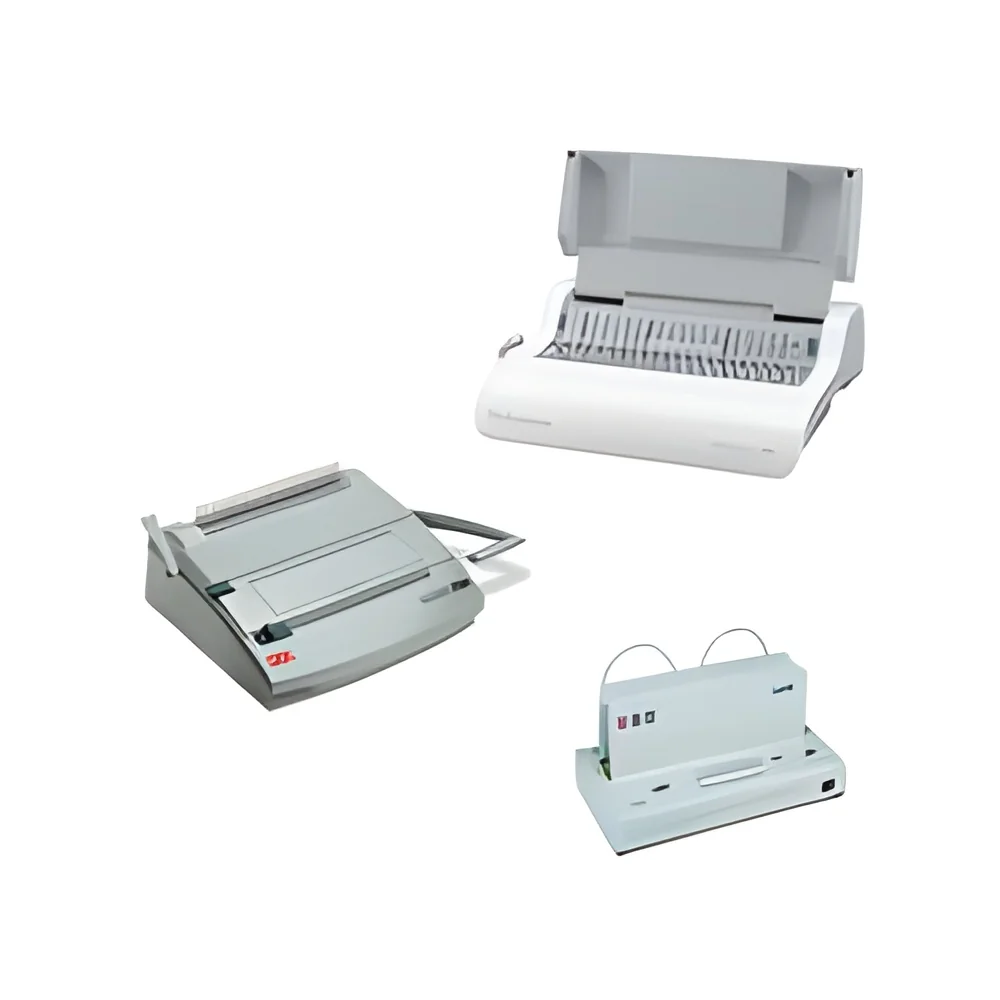
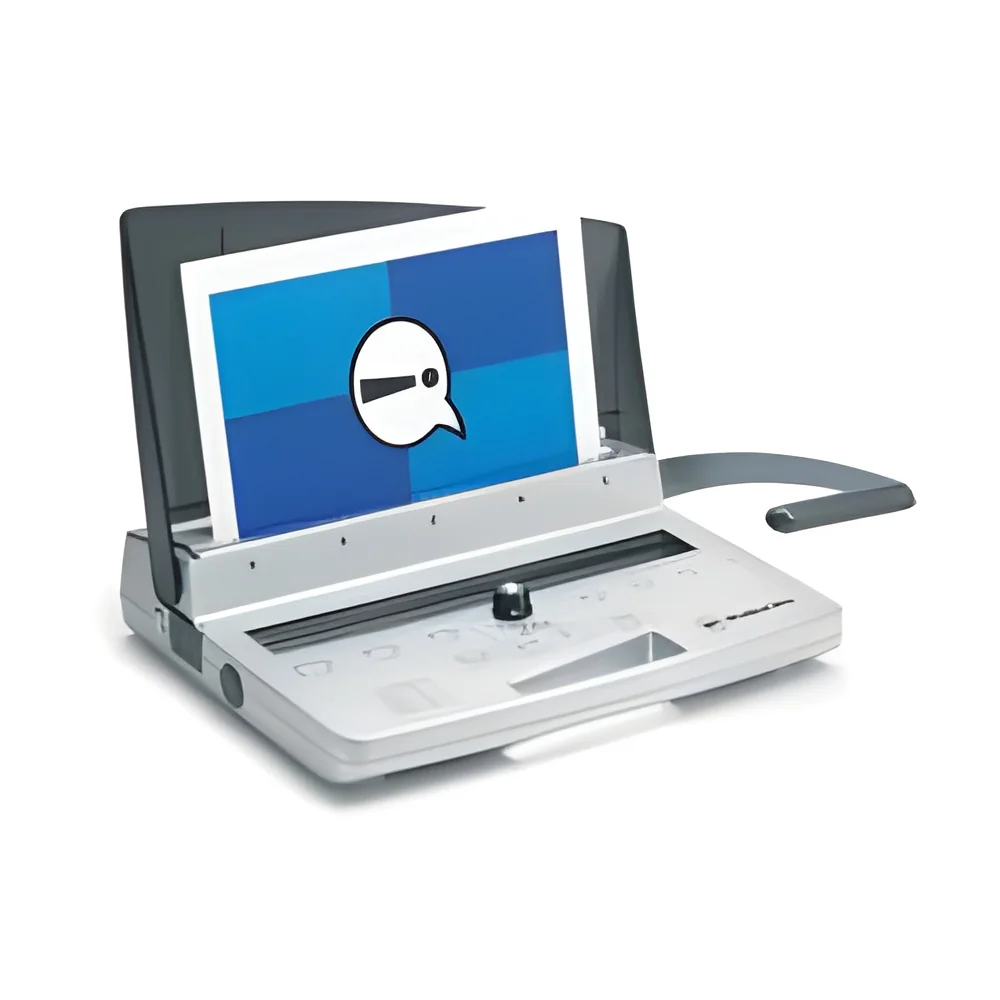
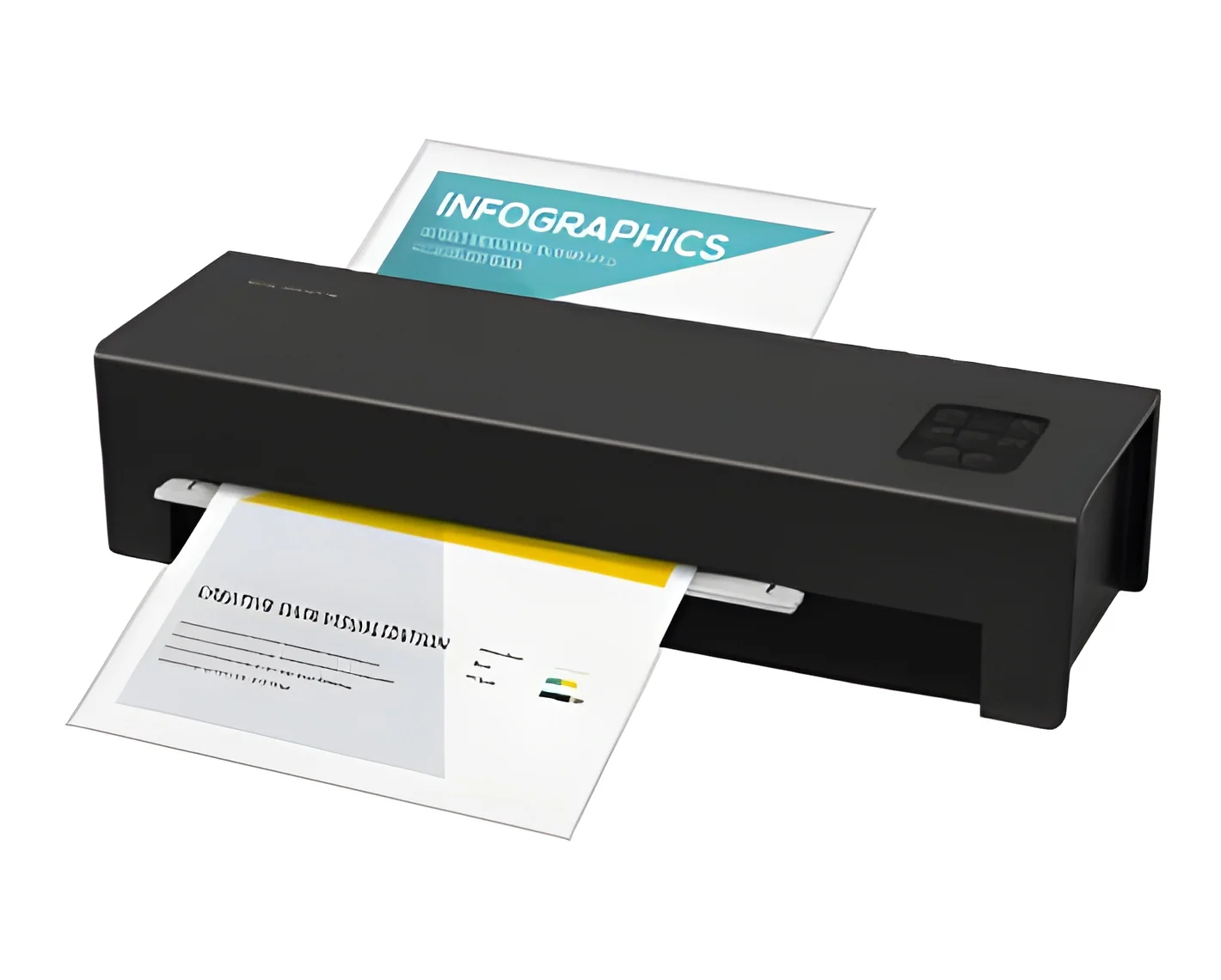
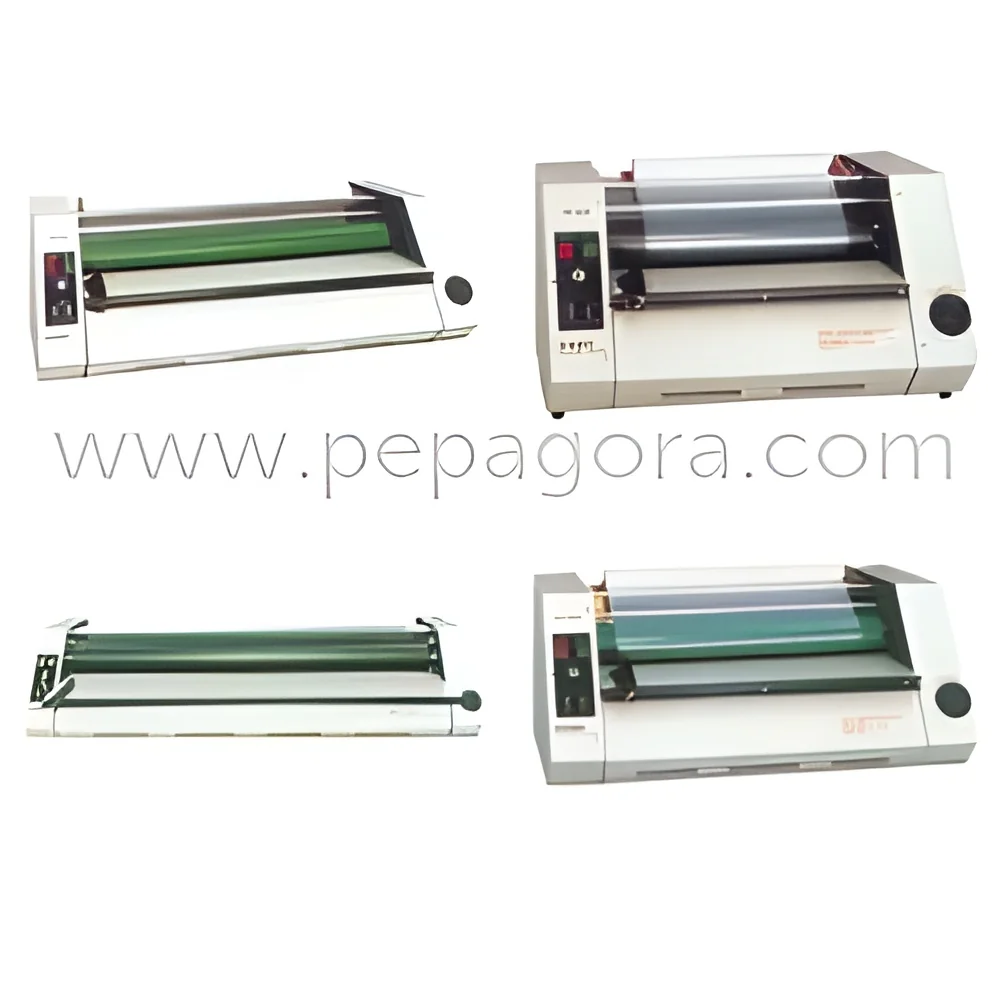
Desktop Laminating Machines: These compact units are ideal for small offices or individual users. They are easy to operate and typically handle smaller documents efficiently.
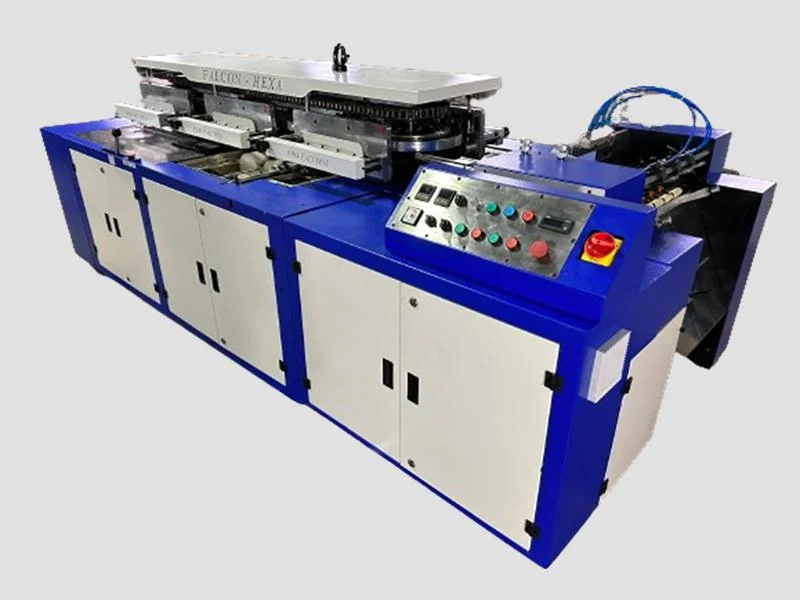
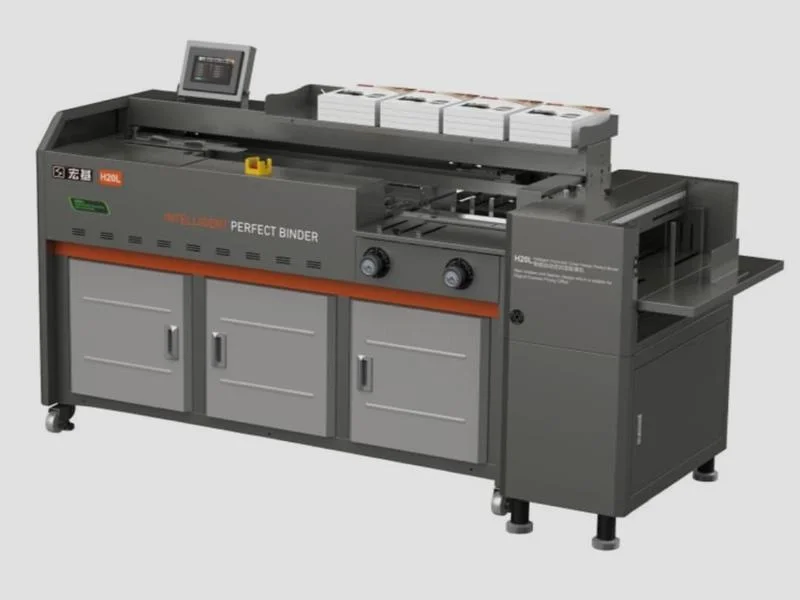
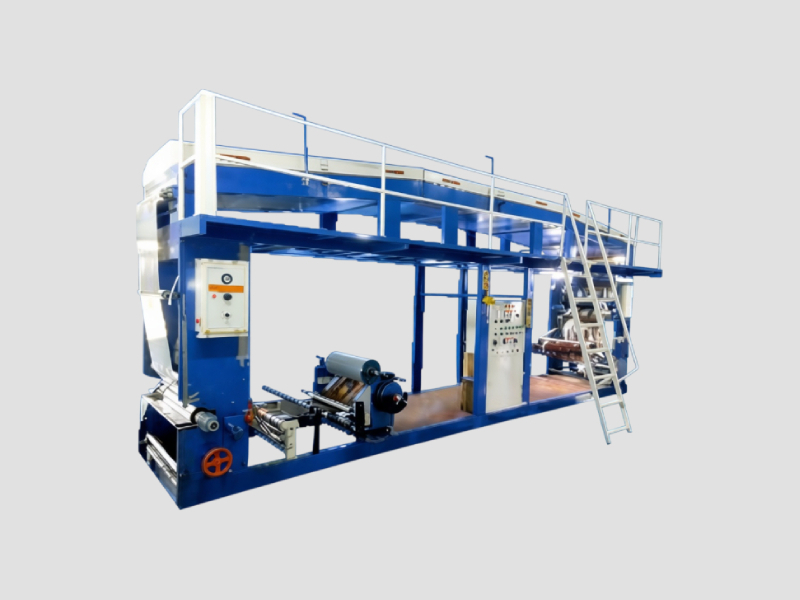
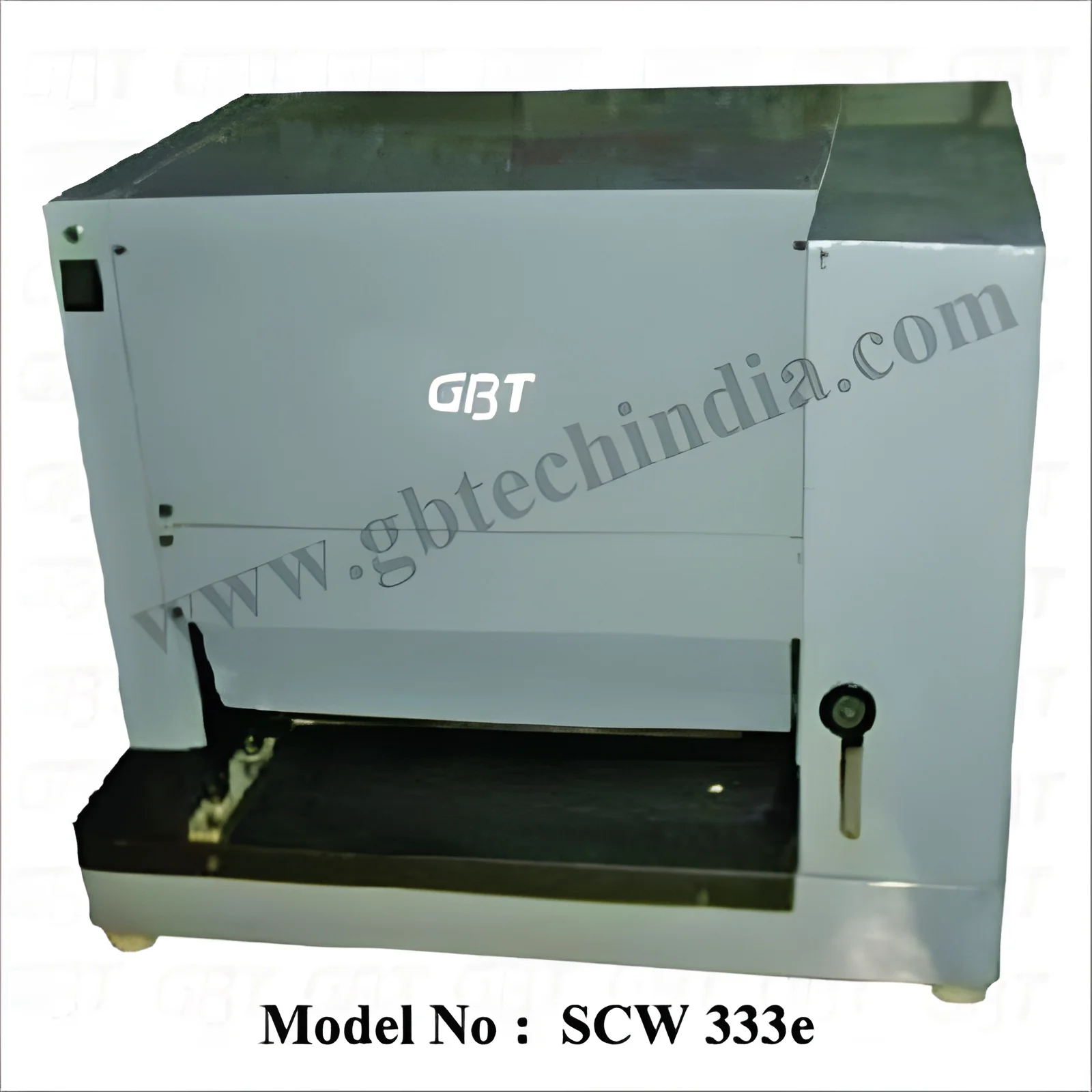
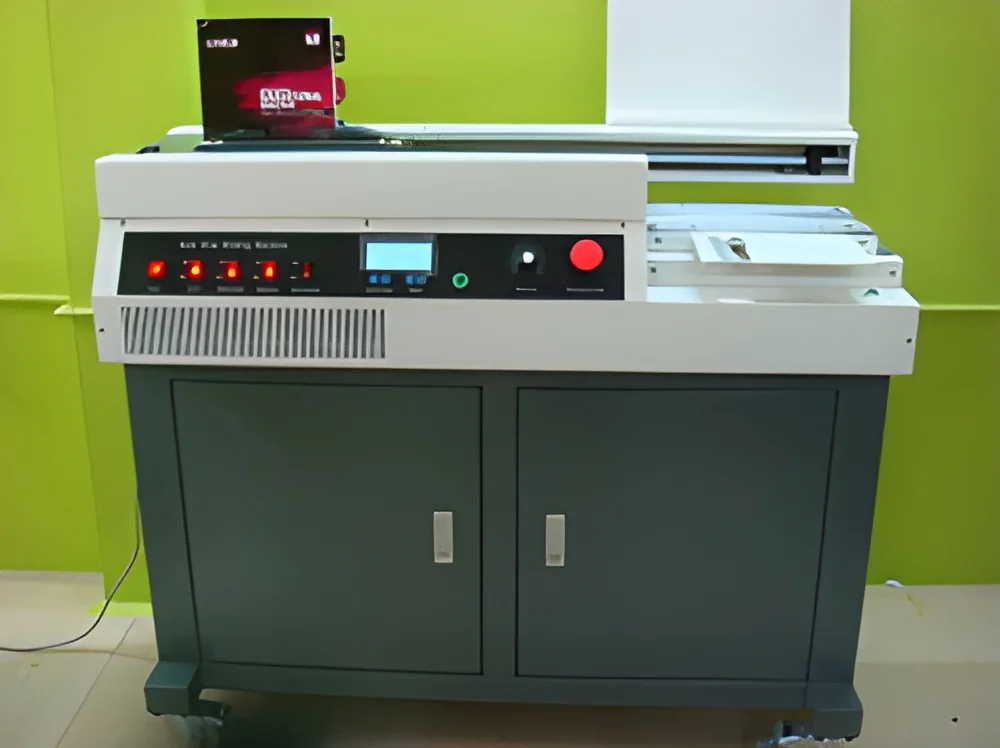
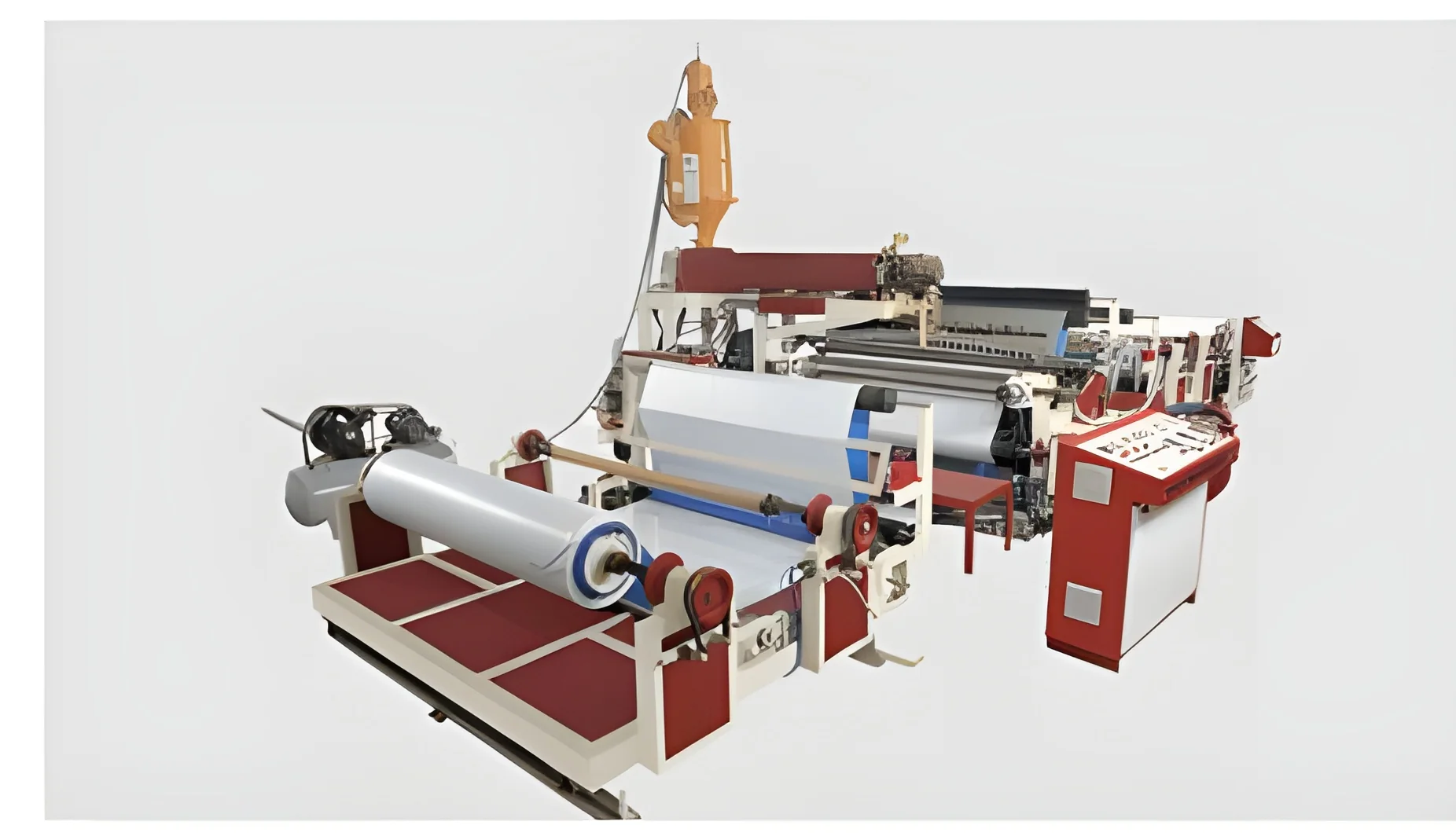
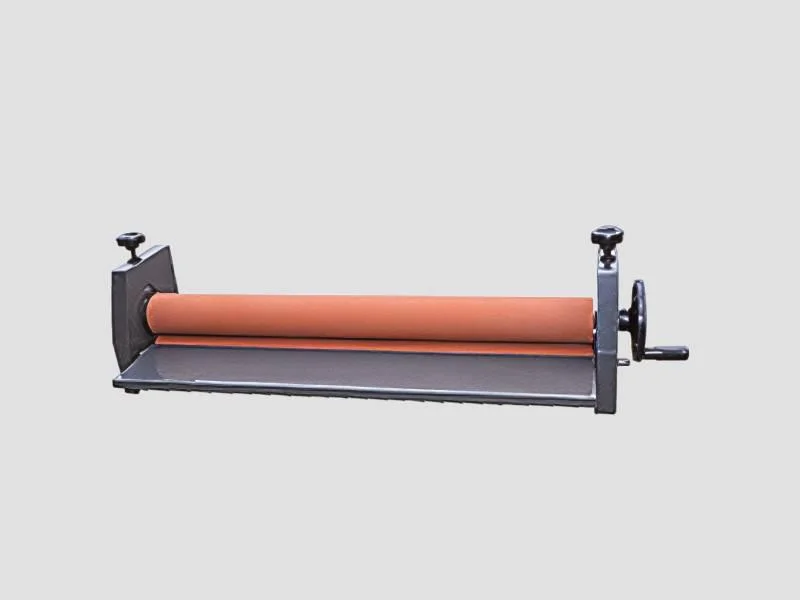
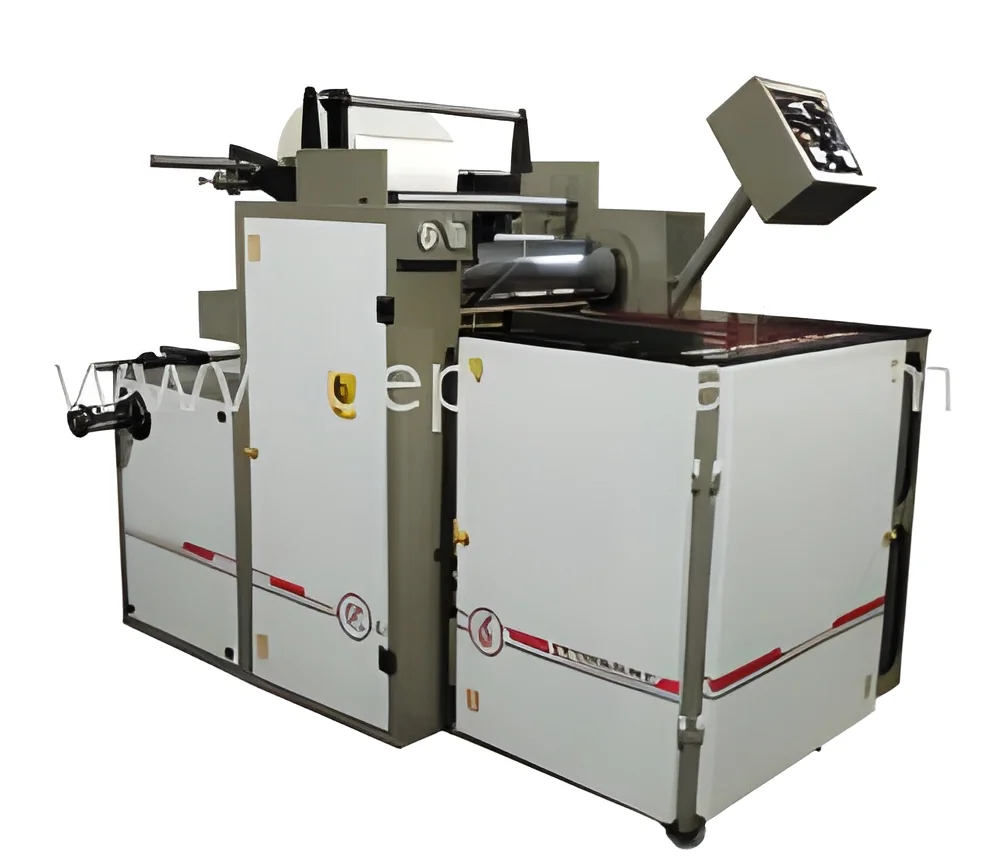
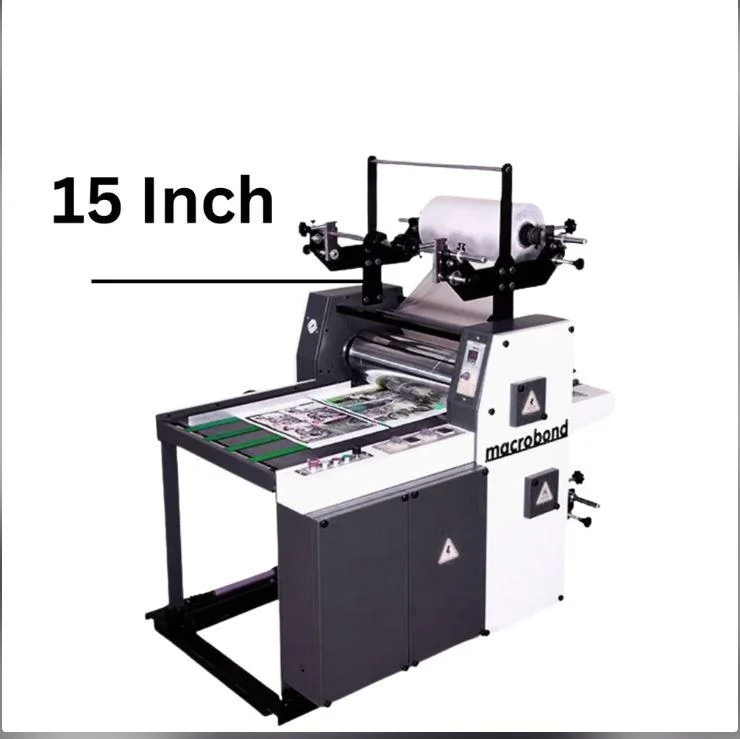
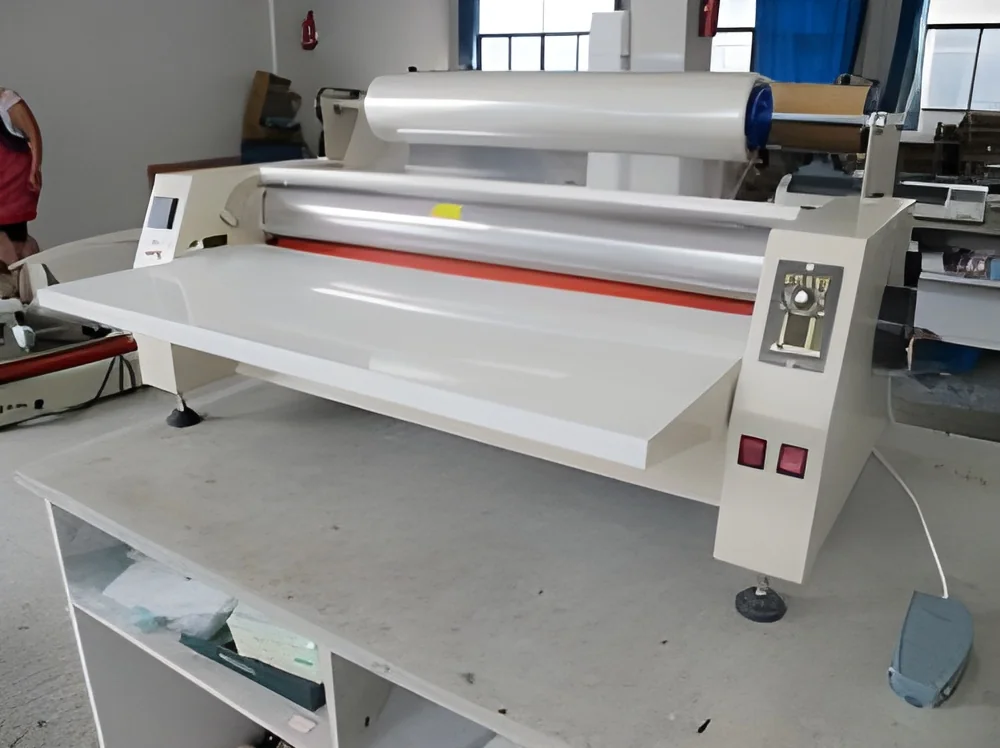
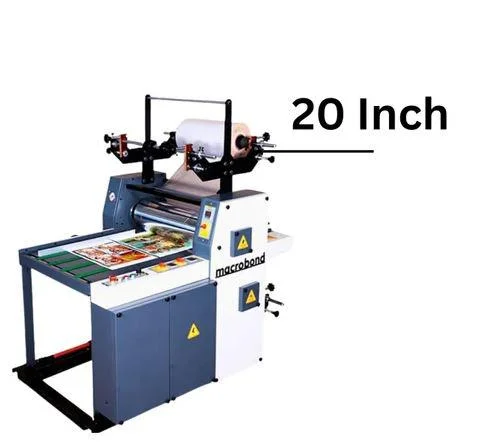
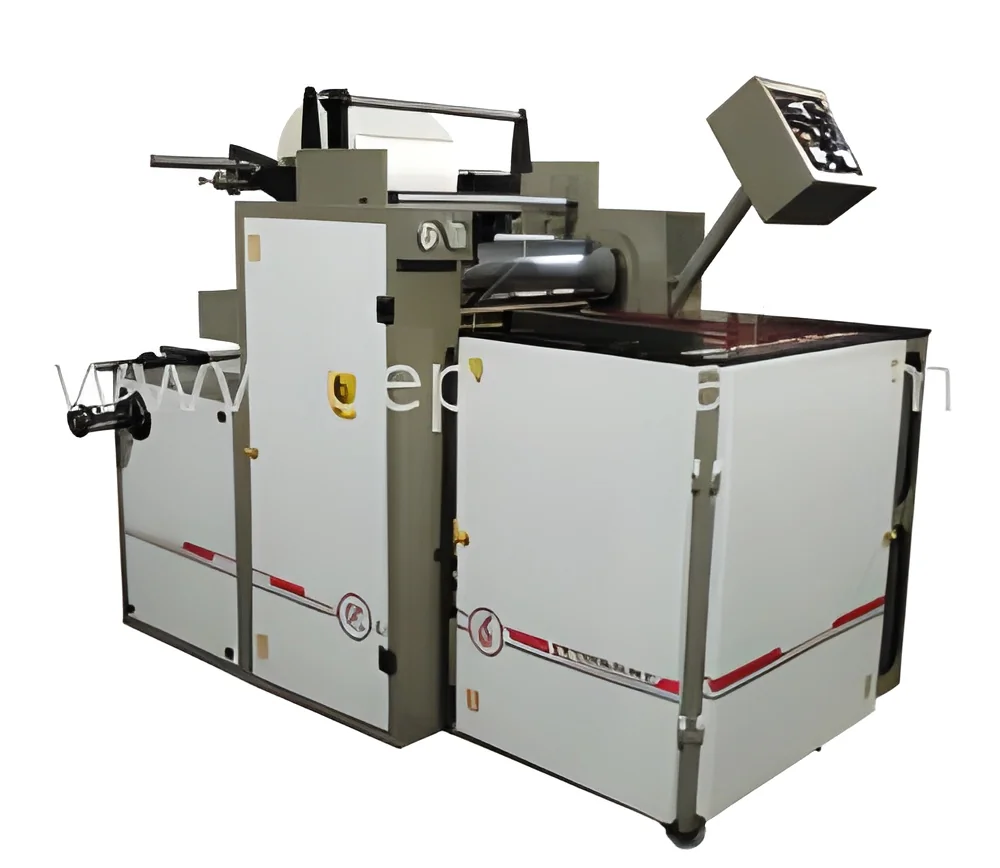
Commercial Laminating Machines: Designed for high-volume operations, these machines can laminate large sheets and have faster processing speeds, suitable for printing companies and larger businesses.
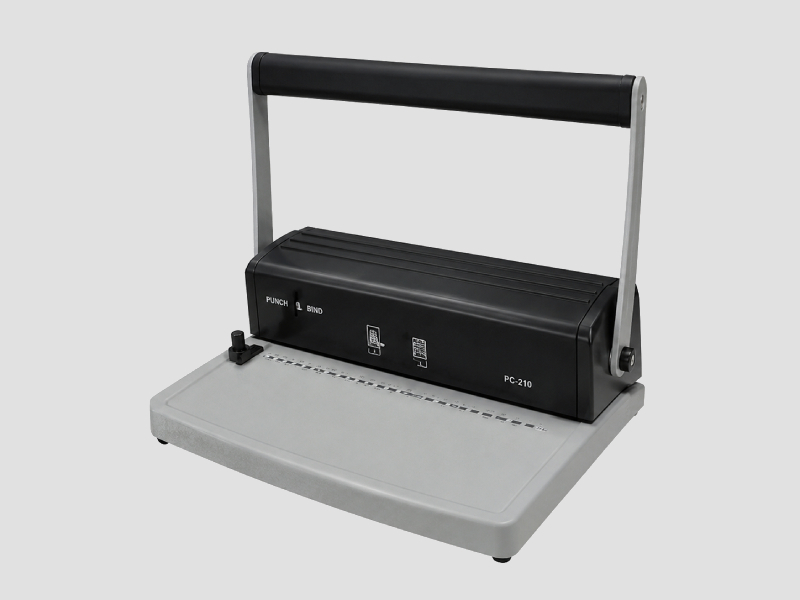
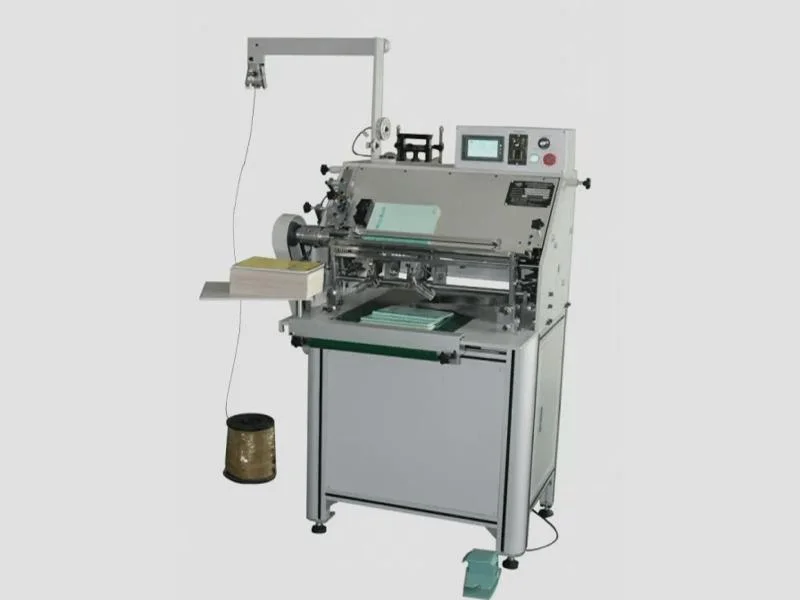
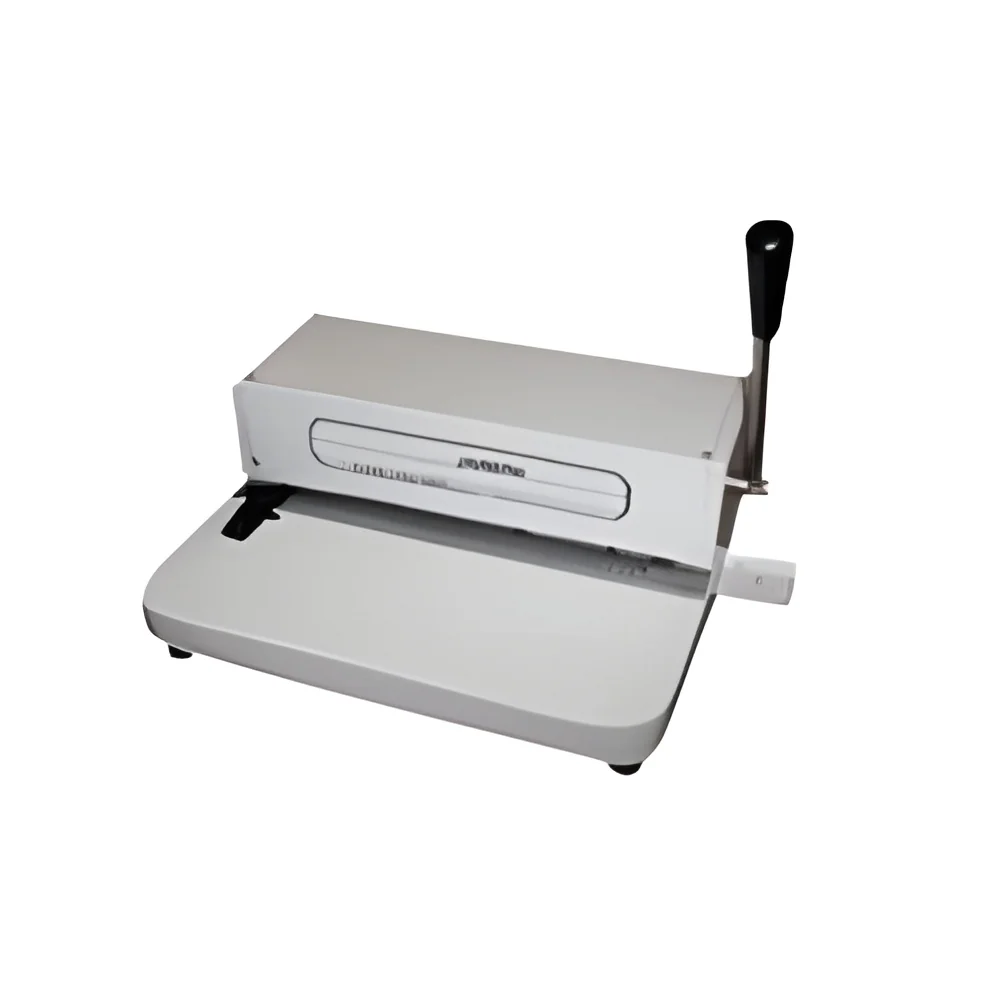
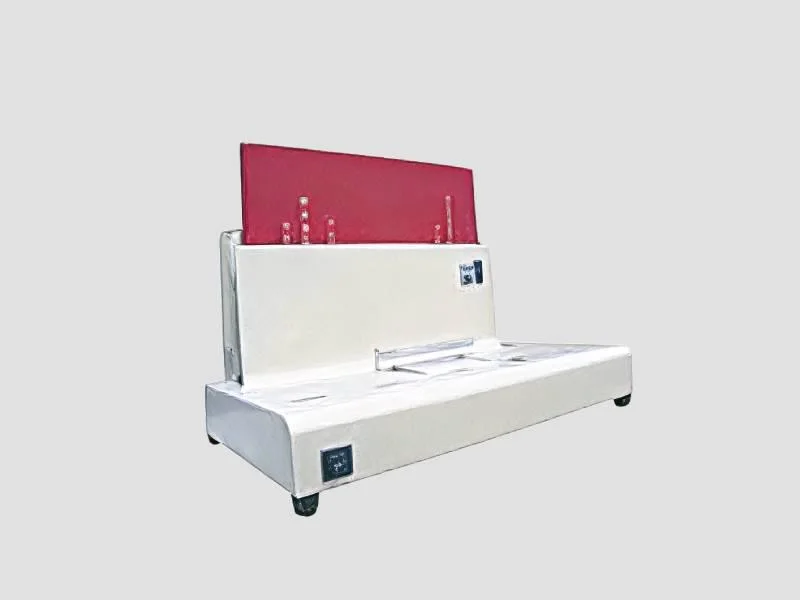
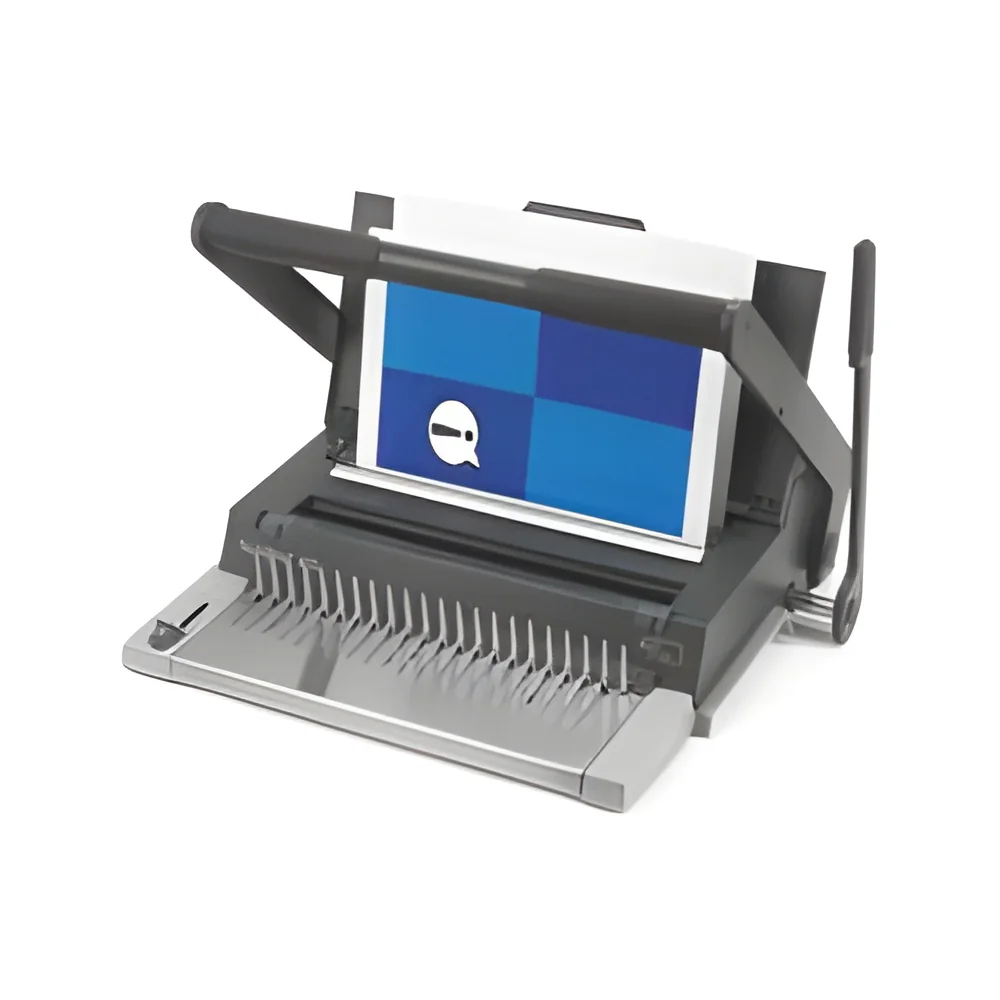
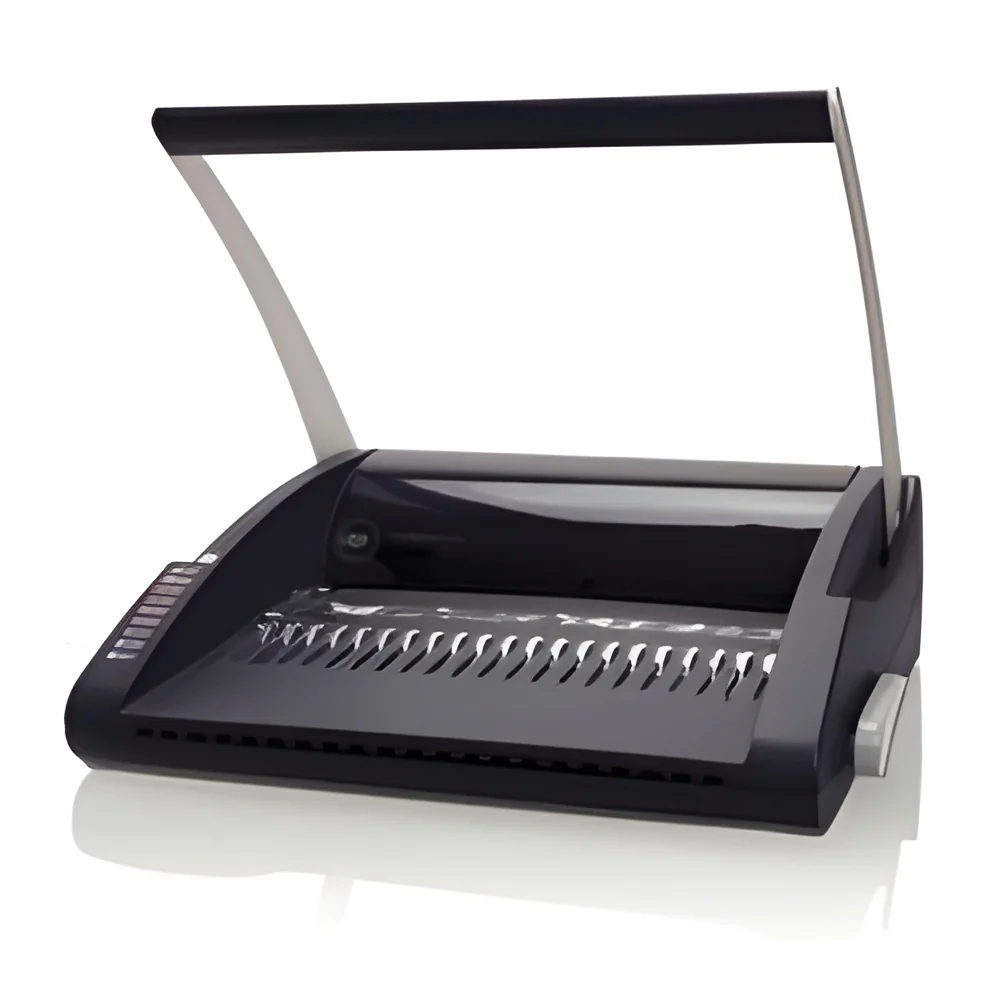
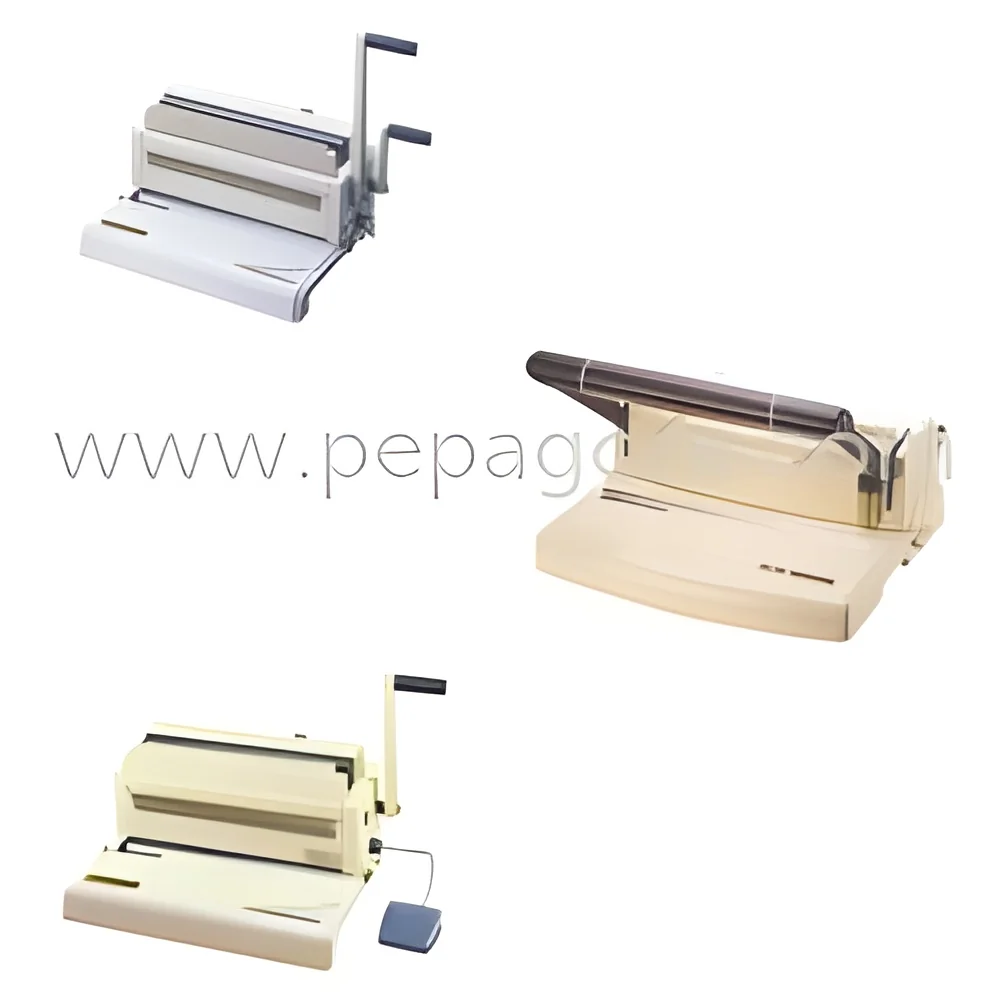
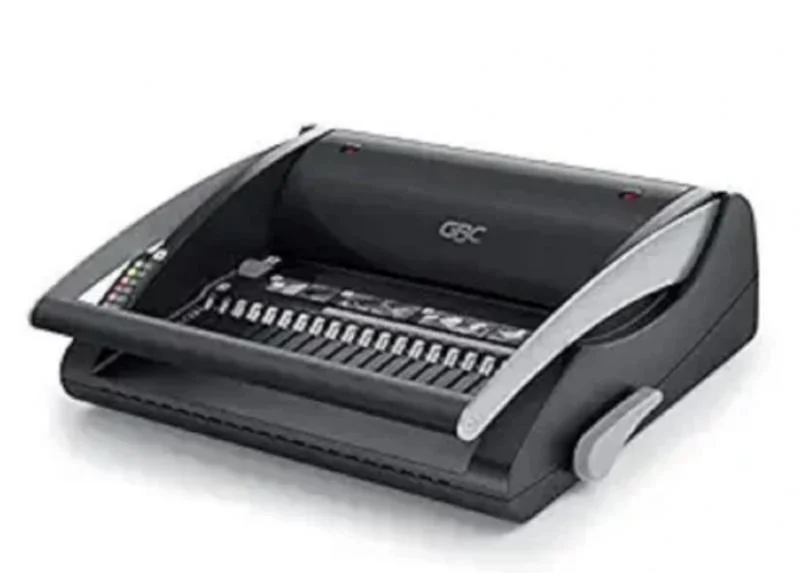
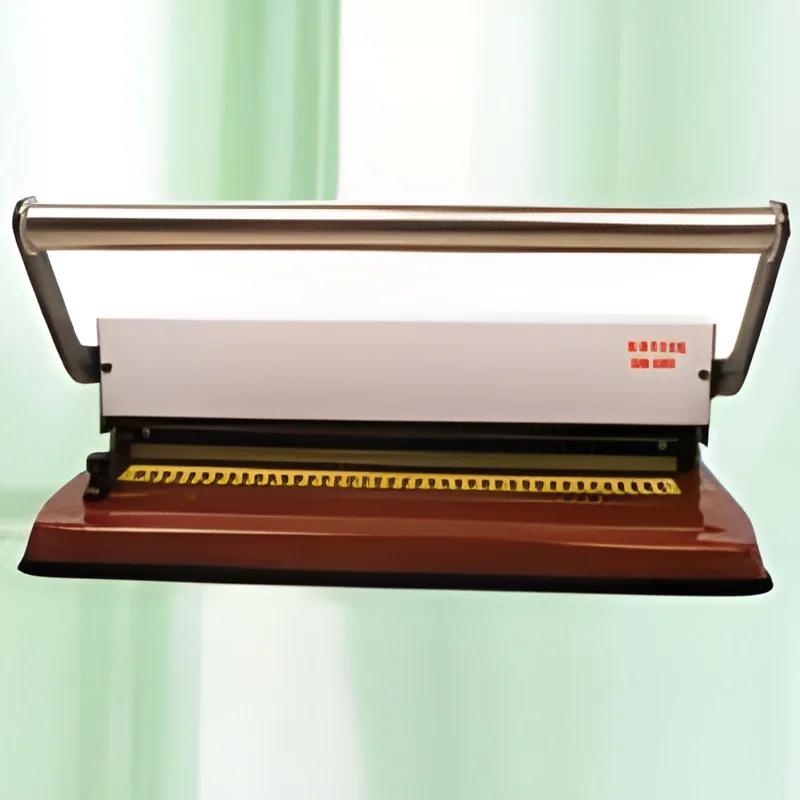
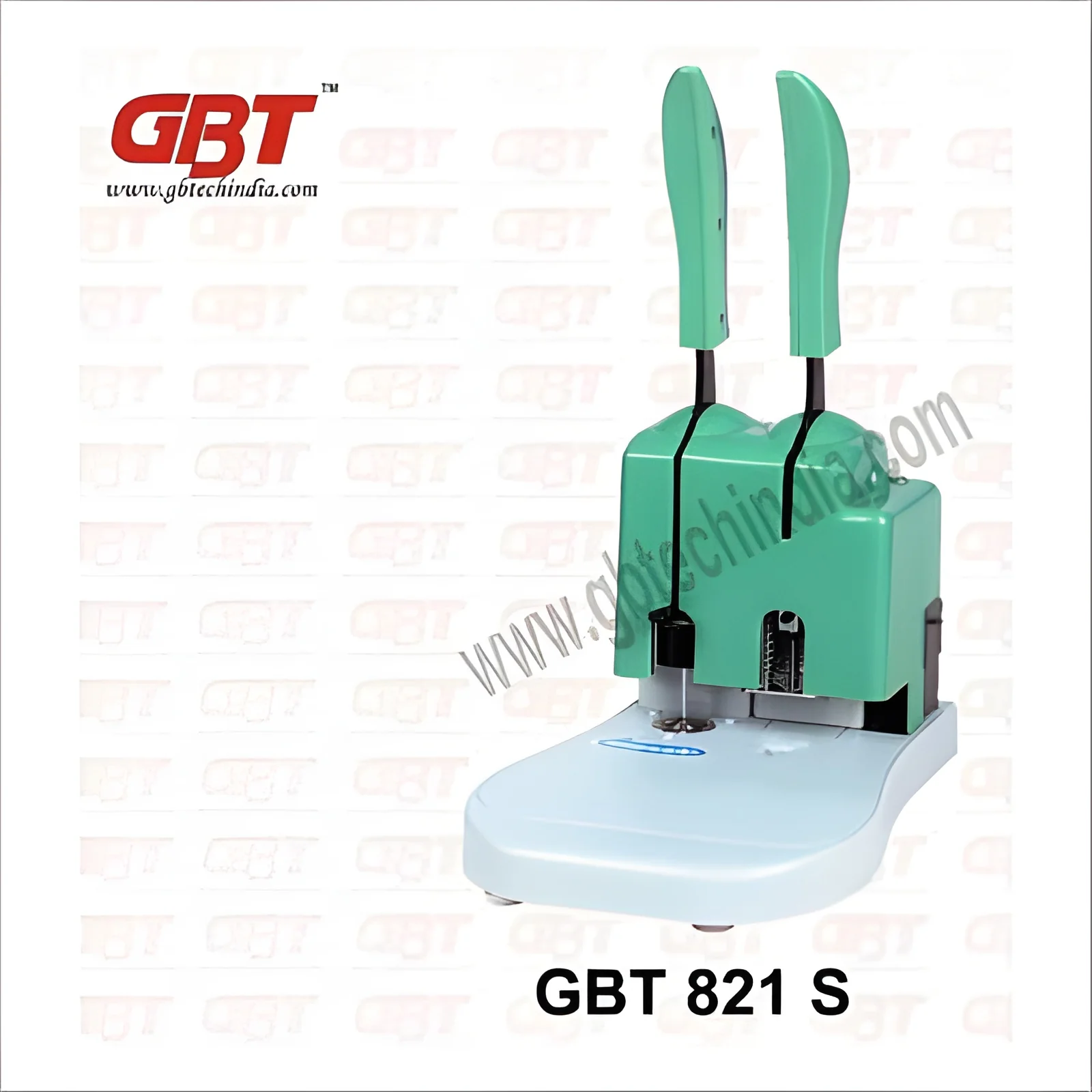
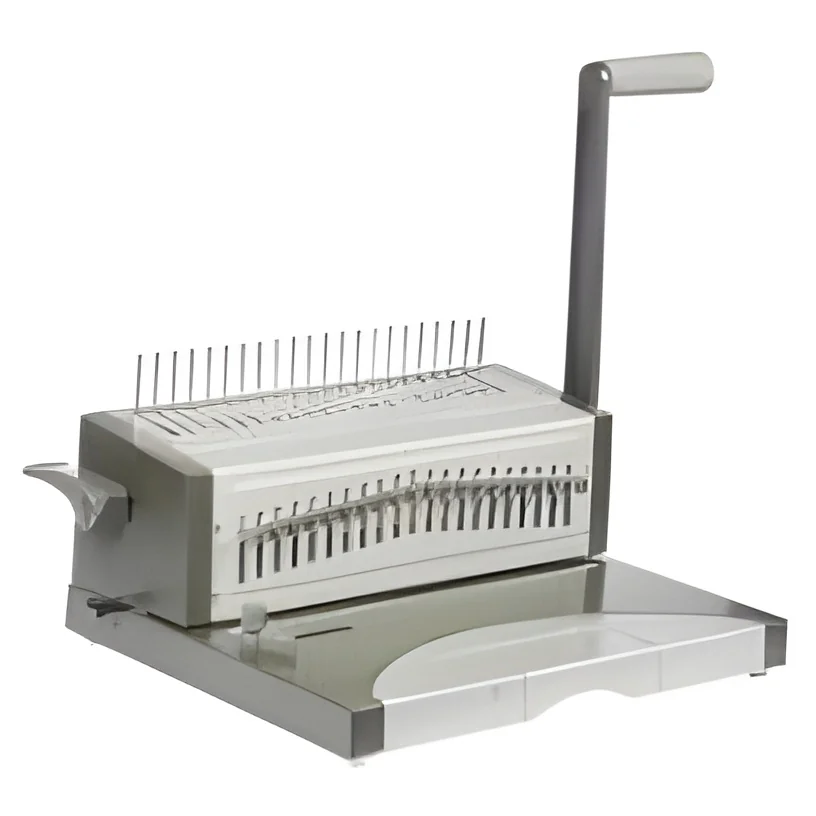
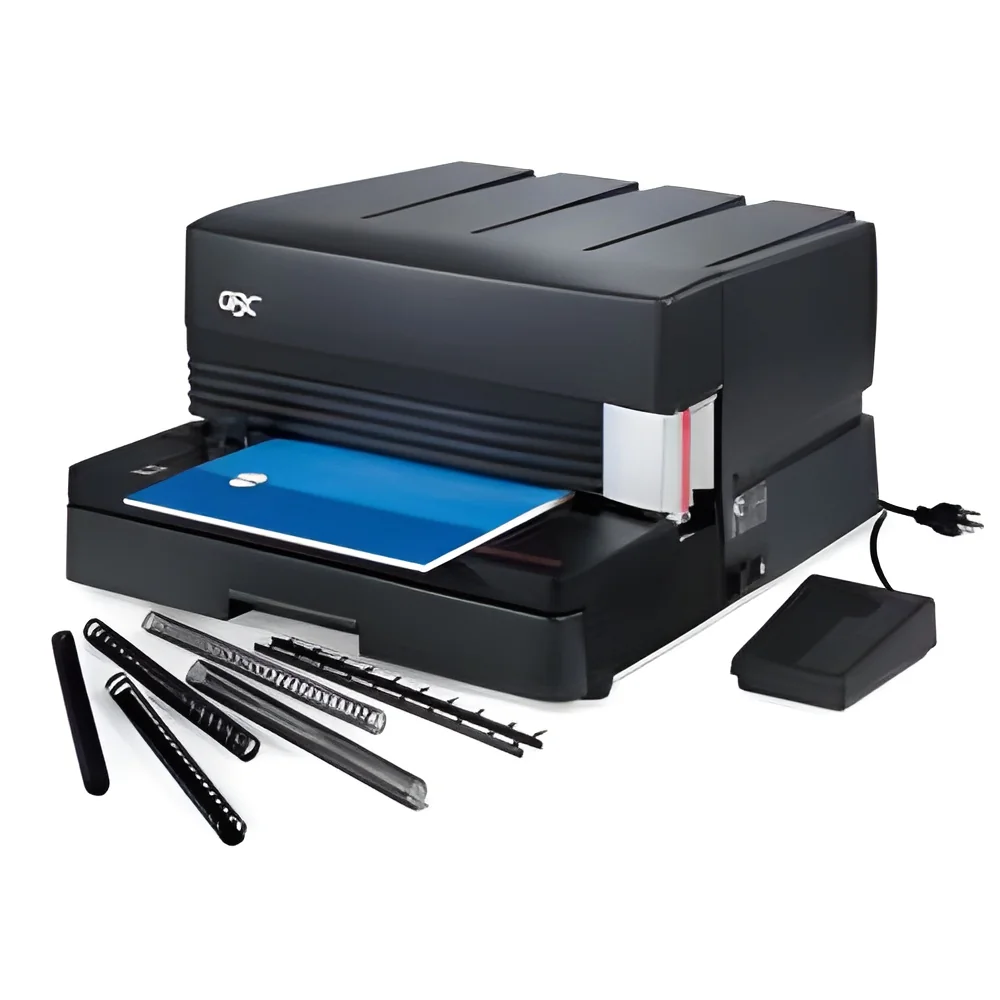
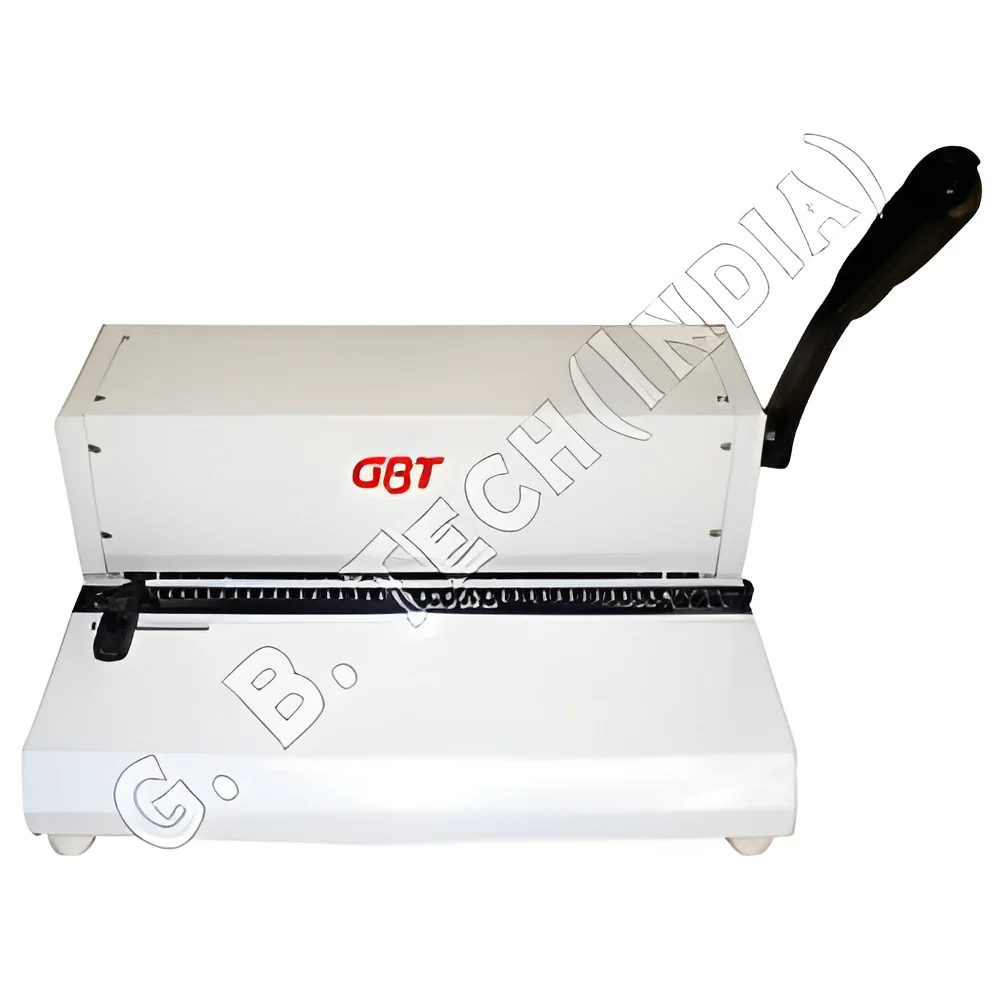
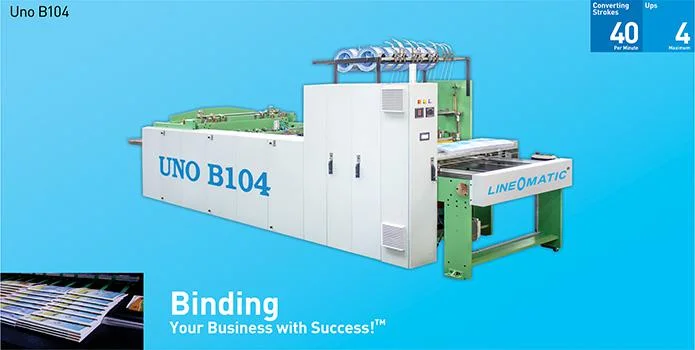
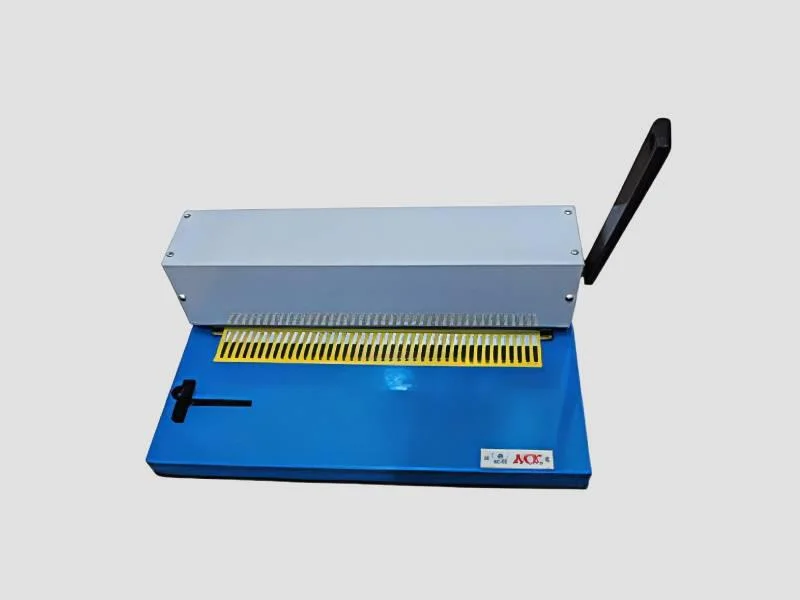
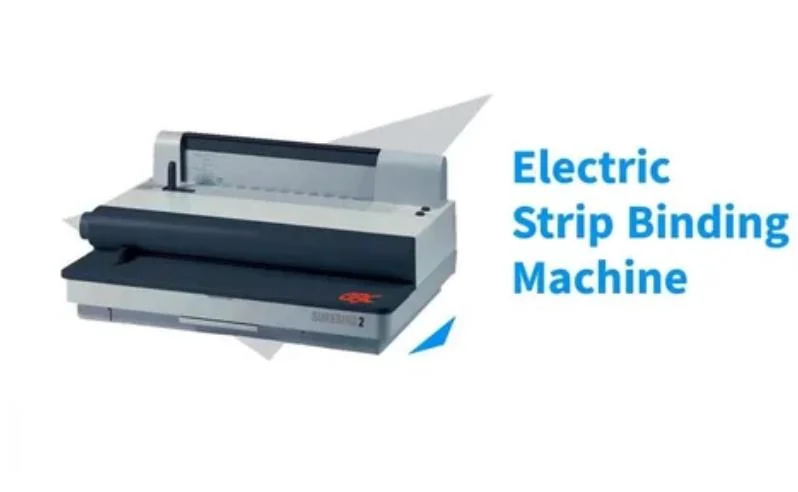
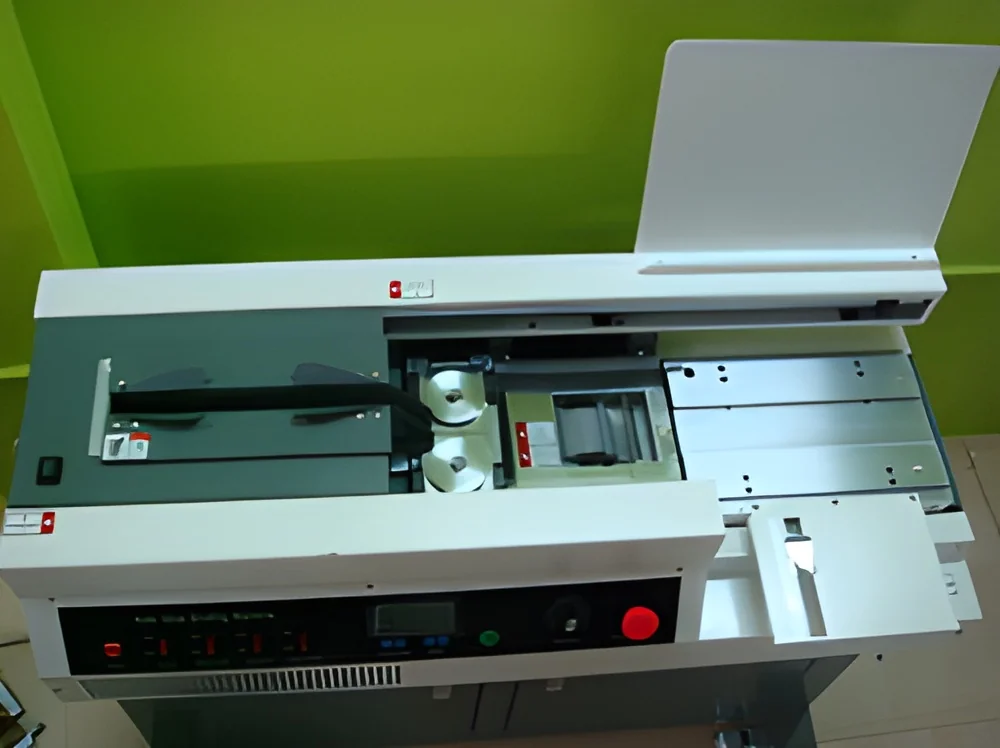
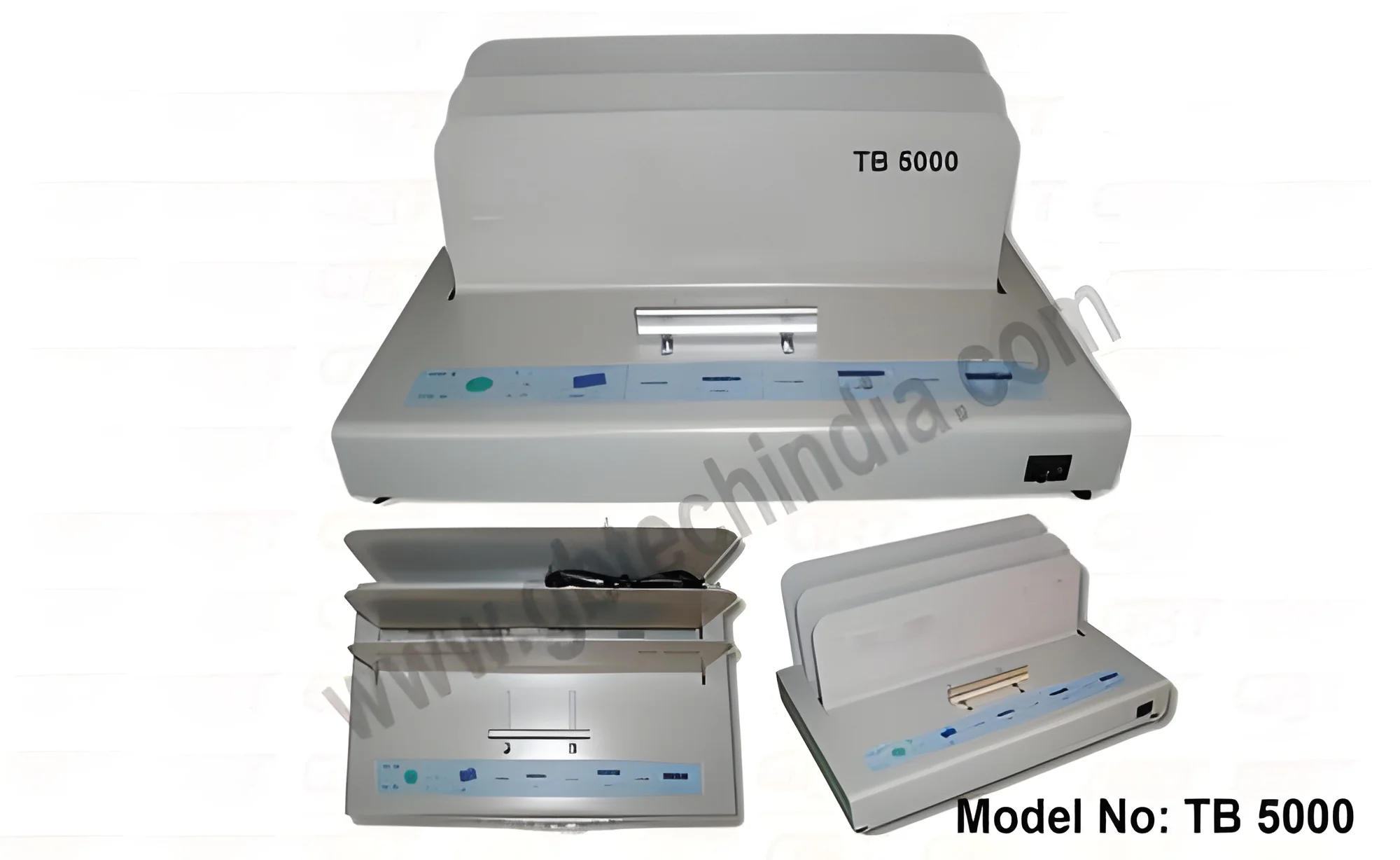
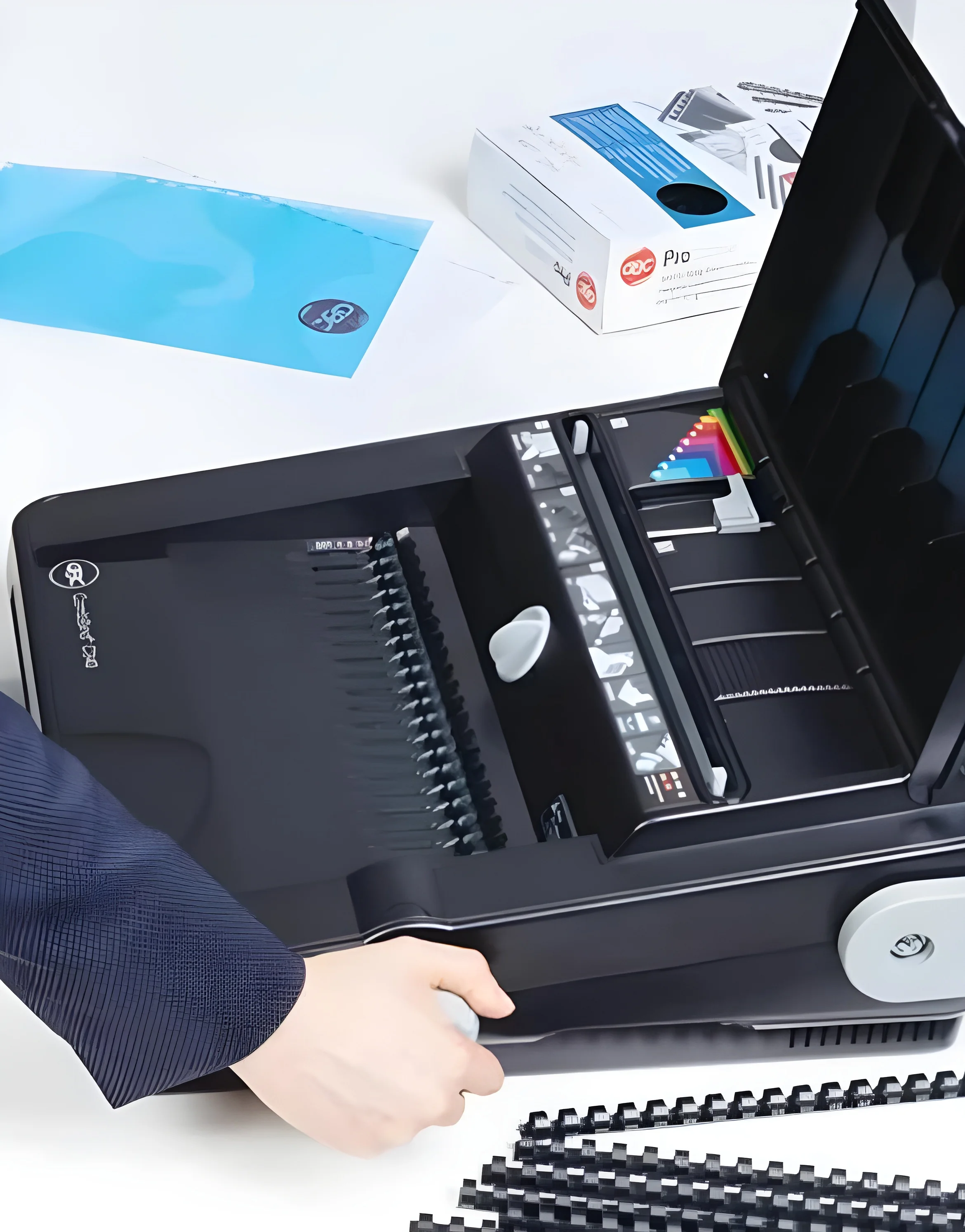
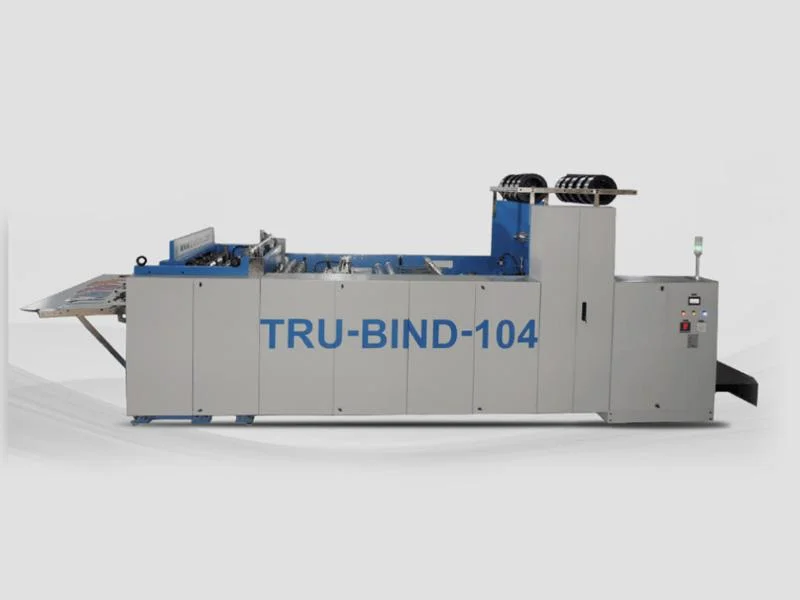
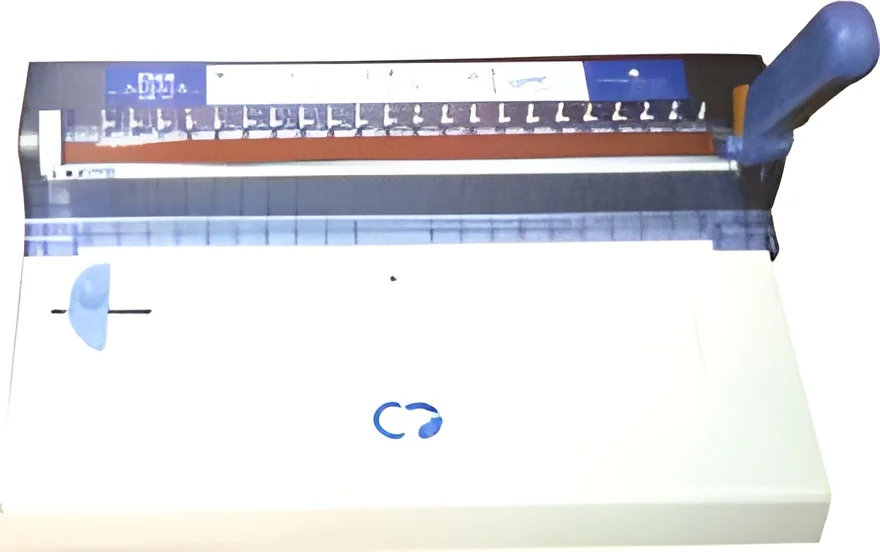
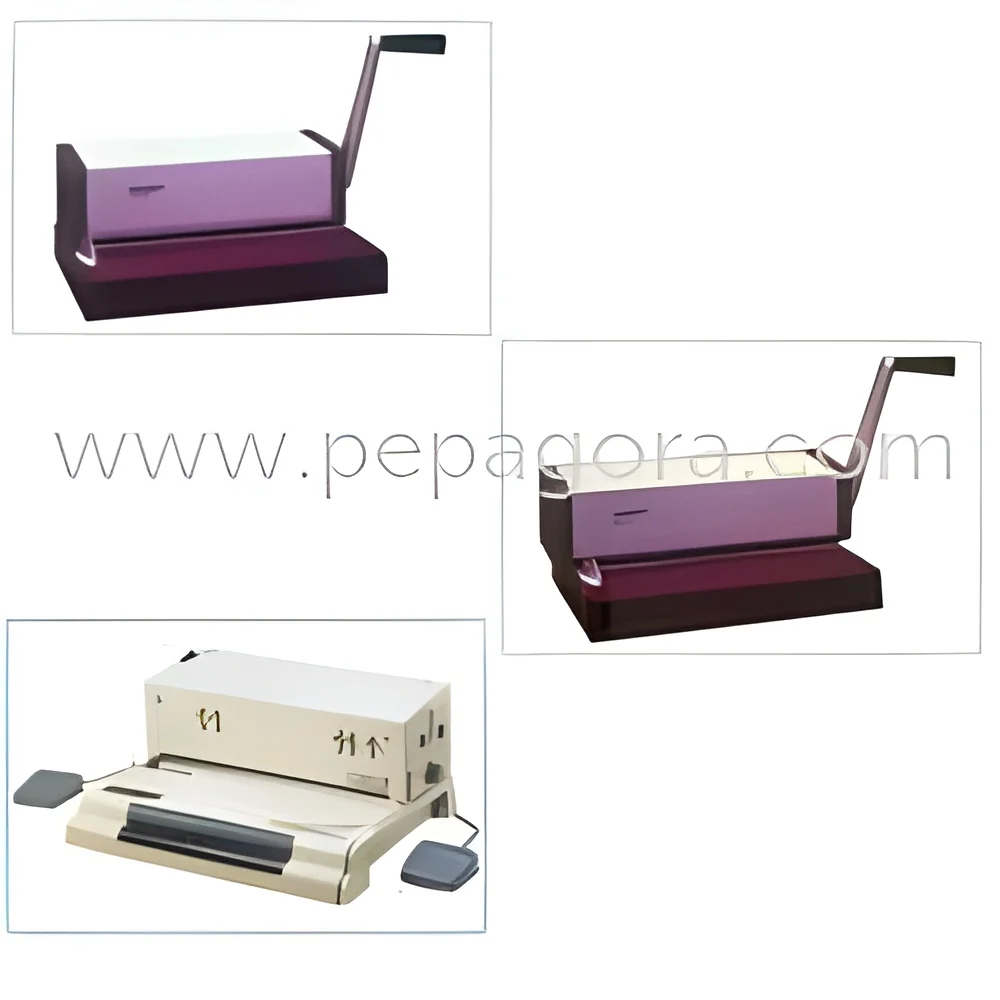
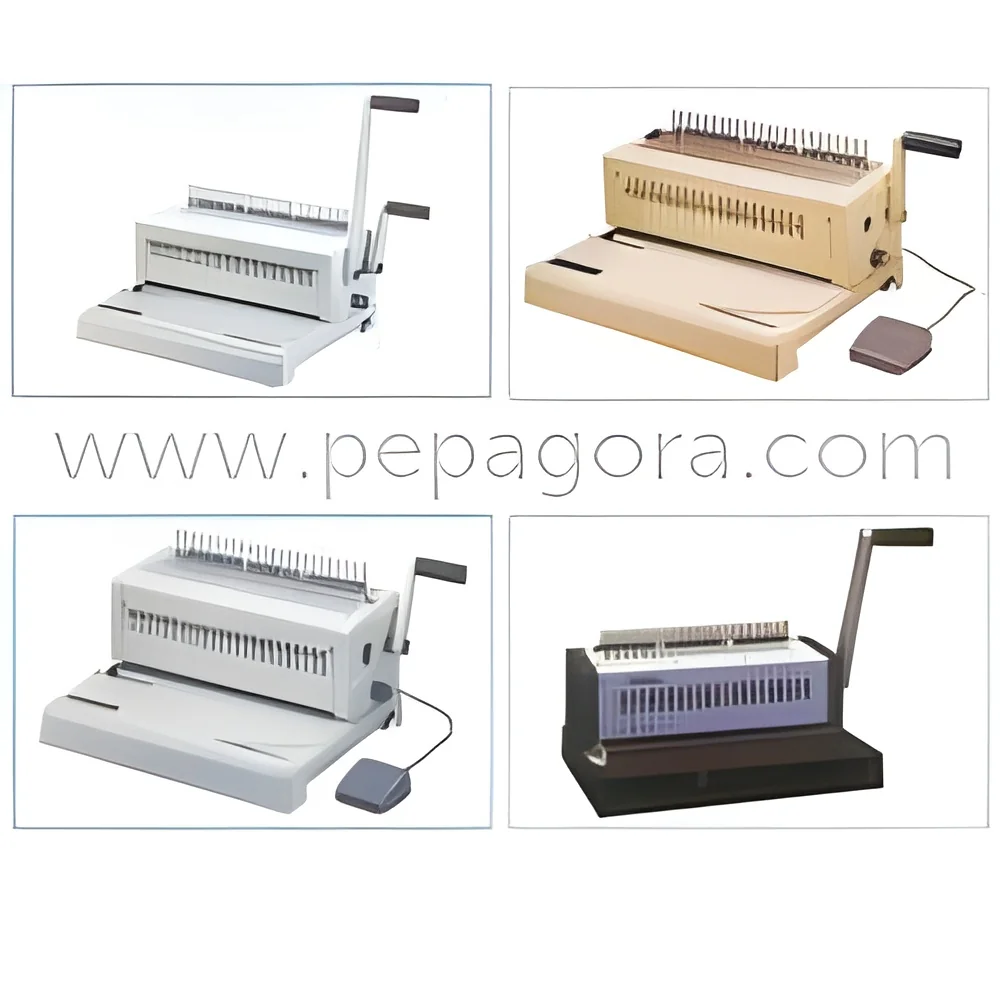
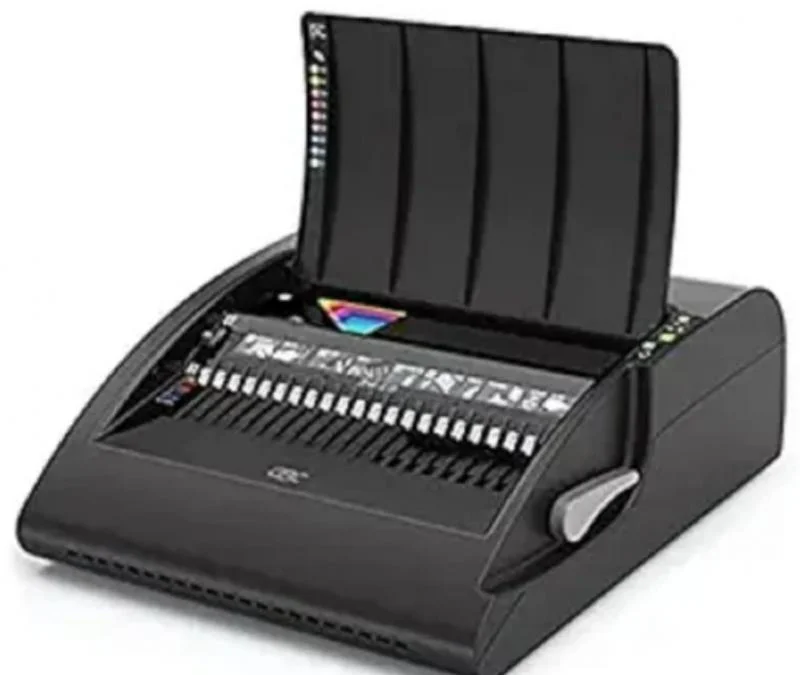
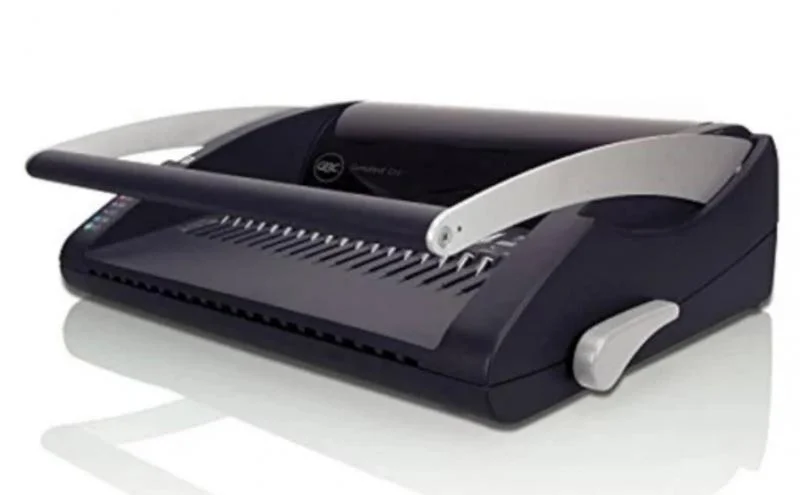
Binding Machines: This variant focuses on binding documents together. They can handle various binding methods, including thermal, comb, and wire binding, catering to different presentation needs.
𝗕𝗲𝗻𝗲𝗳𝗶𝘁𝘀 𝗮𝗻𝗱 𝗔𝗱𝘃𝗮𝗻𝘁𝗮𝗴𝗲𝘀
Investing in laminating and binding machines offers numerous advantages for businesses seeking to enhance their documentation processes.
1. Increased Durability: Laminated documents are more resistant to wear and tear, ensuring they last longer, particularly in high-traffic environments.
2. Professional Appearance: Binding creates a polished look, making reports and presentations more appealing to clients and stakeholders.
3. Improved Organization: Binding machines help keep documents organized, making it easier to manage and present information.
4. Cost-Effectiveness: By protecting documents, businesses can save on reprinting costs and reduce waste over time.
5. Versatility: These machines can handle various document sizes and types, providing flexibility for different business needs.
6. Ease of Use: Most laminating and binding machines are user-friendly, enabling quick operation without extensive training.
𝗕𝘂𝘆𝗶𝗻𝗴 𝗚𝘂𝗶𝗱𝗲 𝗳𝗼𝗿 𝗕𝟮𝗕 𝗕𝘂𝘆𝗲𝗿𝘀
When sourcing laminating and binding machines, it is crucial for B2B buyers to consider several key factors to ensure they make informed decisions.
1. Quality Assessment: Evaluate the build quality and reliability of the machines. Look for units with a solid reputation and positive user reviews to ensure durability.
2. Supplier Verification: Vet potential suppliers to confirm they offer quality products and reliable customer service. Check for certifications and industry experience.
3. Pricing and MOQ: Compare prices from different suppliers and understand minimum order quantities. This helps in budgeting and ensuring you get the best value for your investment.
4. Delivery and Lead Times: Inquire about delivery times and logistics. Timely delivery is essential to maintain business operations without delays.
5. Compliance Requirements: Ensure that the machines meet industry standards and safety regulations relevant to your sector. This could include certifications like CE.
𝗖𝗼𝗺𝗽𝗹𝗶𝗮𝗻𝗰𝗲 𝗮𝗻𝗱 𝗖𝗲𝗿𝘁𝗶𝗳𝗶𝗰𝗮𝘁𝗶𝗼𝗻𝘀
Laminating and binding machines must adhere to certain compliance standards and certifications to ensure quality and safety.
Manufacturers often seek ISO 9001 certification, which signifies that their quality management systems meet international standards. This certification assures buyers of consistent quality in products.
Another relevant certification is CE marking, which indicates that the machine complies with European health, safety, and environmental protection standards. This is particularly important for companies operating in or exporting to Europe.
Safety and testing requirements are vital for ensuring that machines operate without posing risks to users. Buyers should verify that machines have undergone thorough testing and comply with regional safety regulations.
Understanding regional compliance considerations is also crucial. Depending on the market, different certifications may be required, and buyers should ensure that the machines they source meet these local standards.
𝗪𝗵𝘆 𝗦𝗼𝘂𝗿𝗰𝗲 𝗟𝗮𝗺𝗶𝗻𝗮𝘁𝗶𝗻𝗴 & 𝗕𝗶𝗻𝗱𝗶𝗻𝗴 𝗠𝗮𝗰𝗵𝗶𝗻𝗲𝘀 𝗳𝗿𝗼𝗺 𝗣𝗲𝗽𝗮𝗴𝗼𝗿𝗮?
Pepagora offers a reliable platform for businesses looking to source laminating and binding machines with several key advantages.
Verified Supplier Network: Pepagora connects buyers with a network of verified suppliers, ensuring that businesses receive high-quality products from reputable manufacturers.
Streamlined RFQ Process: The platform features a straightforward Request for Quotation (RFQ) system, allowing buyers to easily compare offers and select the best options suited to their needs.
Trade Assurance and Support: Pepagora provides trade assurance to protect buyers during transactions, offering peace of mind and support throughout the purchasing process.
Regional Coverage: With a strong presence in India, GCC, and Southeast Asia, Pepagora is well-positioned to serve businesses across diverse markets, ensuring accessibility to a wide range of products and suppliers.

 IN
IN