
 IN
Pouch Laminators
4 products available
What are Pouch Laminators?
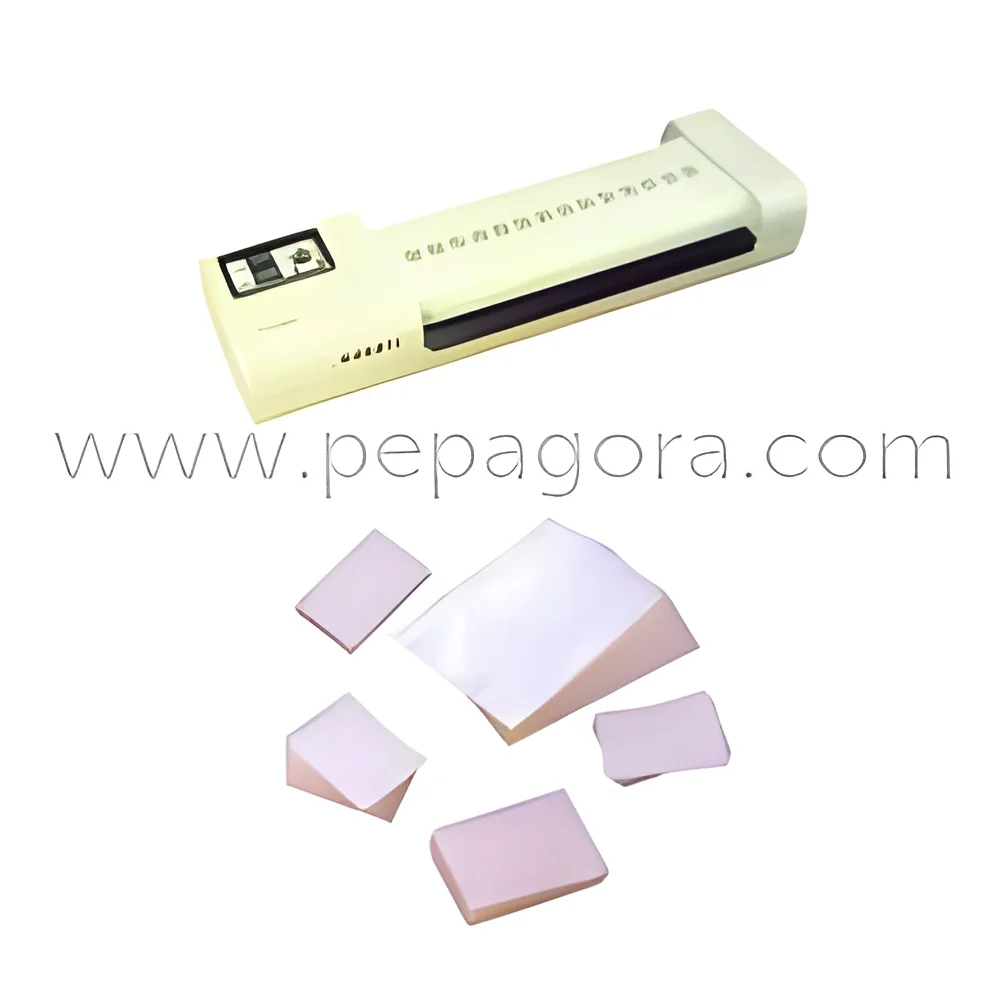
Pouch laminators are machines designed to encapsulate documents, photos, and other materials in a plastic film. This process enhances the durability, appearance, and protection of printed materials. The laminating process involves placing a document within a laminating pouch, which is then fed through a heated roller system. The heat activates the adhesive on the pouch, securely bonding the plastic to the document.
Pouch laminators are widely used across various business sectors, including education, healthcare, and marketing. They are ideal for creating long-lasting materials such as ID cards, menus, signage, and presentations. Businesses rely on pouch laminators to maintain the quality and longevity of their printed materials, making them an essential tool in many professional environments.
The market for pouch laminators is expanding as more organizations recognize the benefits of protecting and enhancing their documents. With advancements in technology, these machines are becoming more efficient, offering features that cater to a wide range of laminating needs. Industries are increasingly adopting pouch laminators to improve their workflow and ensure high-quality outputs.
Key Features and Specifications
Pouch laminators come equipped with various features that enhance their usability and efficiency. Understanding these specifications is crucial for selecting the right model for your business needs.
Key specifications include:
1. Laminating Thickness
- Pouch laminators typically support different thicknesses, ranging from 3 mil to 10 mil.
- This allows for flexibility in choosing the right level of protection for various documents.
2. Heating Method
- Most pouch laminators use a heated roller system to ensure even heat distribution.
- This contributes to a smooth finish and prevents bubbling or wrinkling.
3. Speed
- Laminating speeds can range from 12 inches to 60 inches per minute.
- Higher speeds improve productivity, especially in high-volume settings.
4. Warm-up Time
- The warm-up time can vary from 1 to 5 minutes.
- Shorter warm-up times are beneficial for quick tasks.
5. Auto Shut-off
- Many laminators feature an auto shut-off function for safety and energy efficiency.
- This feature helps prevent overheating and extends the machine's lifespan.
6. Reverse Function
- A reverse function is valuable for clearing jams or re-aligning documents.
- This feature adds to the user-friendliness of the machine.
7. Build Quality
- Durable construction ensures longevity and reliability in a busy workplace.
- Look for models made with high-quality materials.
8. Size and Portability
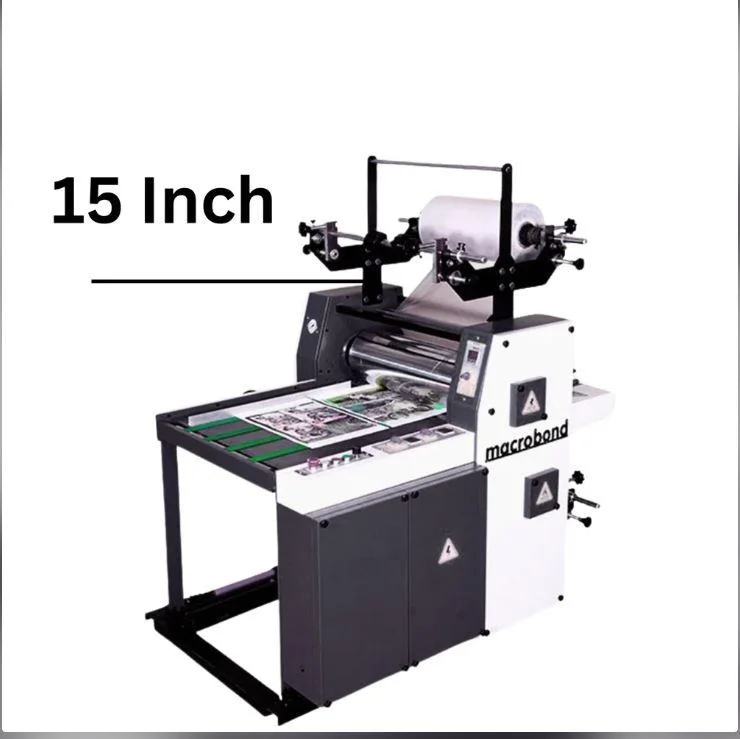
- Pouch laminators come in various sizes, from compact models for home use to larger ones for office environments.
- Portability may be a consideration for businesses needing to move the machine frequently.
In summary, understanding the key features and specifications of pouch laminators will help businesses make informed decisions based on their specific laminating needs.
Common Applications and Use Cases
Pouch laminators serve a variety of industries, each with unique applications that benefit from laminated documents.
1. Education: Schools and universities utilize pouch laminators for laminating educational materials, such as teaching aids, student ID cards, and certificates. This enhances durability and preserves important documents for longer use.
2. Healthcare: Hospitals and clinics often use pouch laminators for creating durable patient information cards, signage, and labels. Laminated materials can withstand frequent handling and maintain hygiene standards.
3. Marketing: Businesses in the marketing sector use pouch laminators to produce promotional materials like brochures, flyers, and menus. Laminating these items enhances their visual appeal and protects them from wear.
4. Government: Government agencies utilize pouch laminators for official documents, identification cards, and certificates. This ensures that sensitive materials are protected and maintain a professional appearance.
5. Retail: Retailers often use laminated signage, tags, and promotional materials. Laminating helps improve the longevity of these items, making them more resilient in busy store environments.
6. Arts and Crafts: Hobbyists and professionals in arts and crafts use pouch laminators for projects that require durability and a polished finish. This includes laminating artwork, photos, and craft items.
7. Real Estate: Real estate agents use laminated property listings, brochures, and signage to present a polished image to potential buyers. Laminated materials are more durable and can withstand outdoor conditions.
Product Variants and Subcategories
Pouch laminators come in various models designed to cater to different needs and applications.
Basic Pouch Laminators
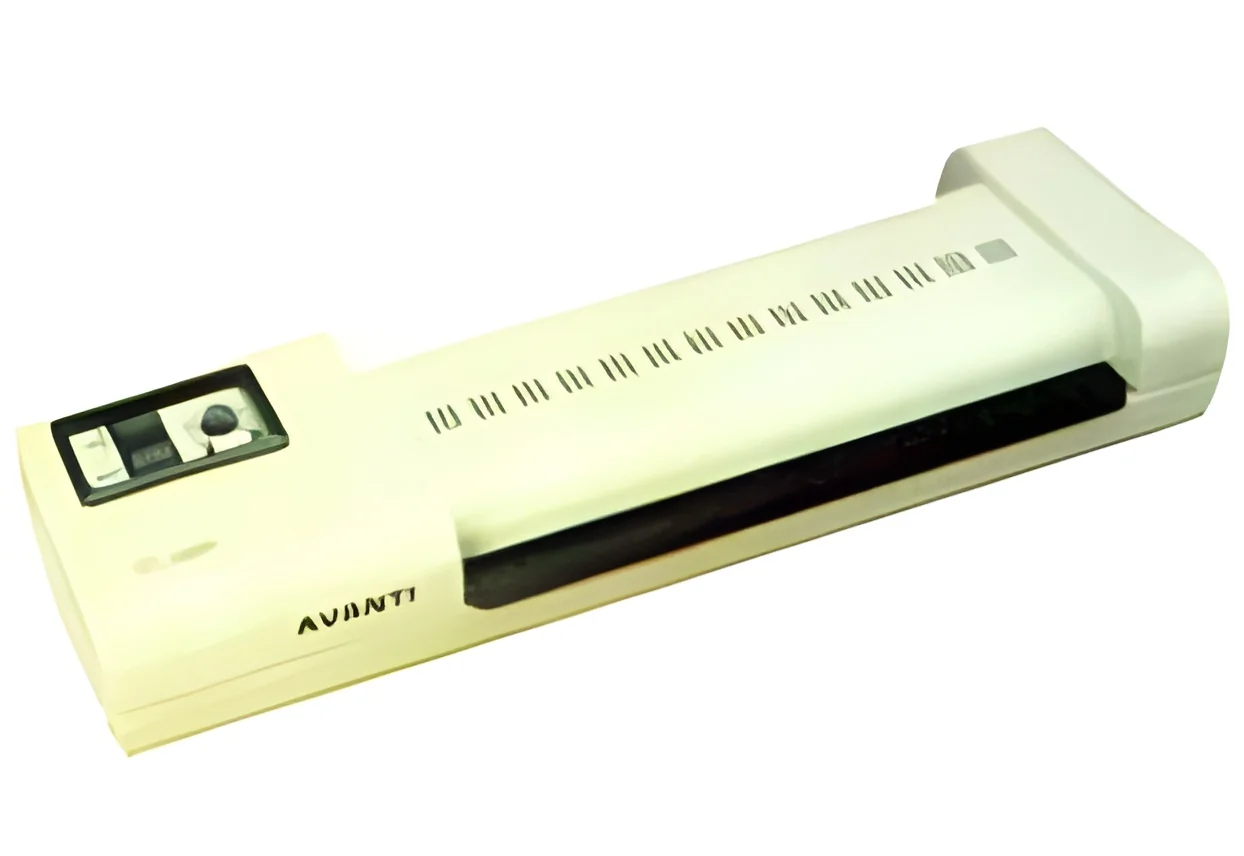
These are entry-level models ideal for home and small office use. They typically handle standard pouch sizes and thicknesses, making them suitable for basic laminating tasks.
Professional Pouch Laminators
Designed for high-volume users, these laminators offer faster speeds, larger pouch sizes, and advanced features such as temperature control and auto shut-off. They are ideal for businesses that require frequent, high-quality laminating.
Heavy-Duty Pouch Laminators
These are built for demanding environments where durability and speed are critical. They can handle thicker pouches and larger documents, making them suitable for industrial applications.
Benefits and Advantages
Pouch laminators provide several advantages that can enhance business operations.
1. Enhanced Durability: Laminated documents are resistant to wear, moisture, and dirt, ensuring they remain in good condition over time.
2. Improved Appearance: Laminating adds a professional finish to documents, making them more visually appealing and impactful.
3. Cost-Effective Protection: By preserving documents, businesses can reduce the need for reprints and replacements, saving money in the long run.
4. Versatility: Pouch laminators can be used for a variety of materials and applications, making them suitable for diverse business needs.
5. User-Friendly Operation: Most pouch laminators are easy to use, allowing employees to quickly laminate documents without extensive training.
6. Increased Productivity: With faster laminating speeds and efficient designs, these machines can help streamline workflows and increase output.
Buying Guide for B2B Buyers
When sourcing pouch laminators, it's essential to consider several factors to ensure you choose the right product for your business.
1. Quality Assessment: Look for laminators from reputable manufacturers that meet industry standards. Check for customer reviews and product ratings to gauge reliability.
2. Supplier Verification: Vet suppliers to ensure they have a solid reputation and are known for delivering quality products. Consider asking for references or case studies.
3. Pricing and MOQ: Be aware of the pricing structure and any minimum order quantities. Compare prices from multiple suppliers to get the best deal without compromising on quality.
4. Delivery and Lead Times: Understand the logistics involved, including delivery times and shipping costs. Ensure that the supplier can meet your timelines.
5. Compliance Requirements: Ensure that the laminators comply with relevant safety standards and certifications, such as CE marking, to ensure quality and safety in use.
Compliance and Certifications
Pouch laminators must adhere to various quality standards and certifications to ensure consumer safety and product reliability.
One relevant standard is ISO 9001, which focuses on quality management systems. Compliance with this standard indicates that the manufacturer has met rigorous quality assurance protocols.
In addition, industry certifications like CE mark signify that the product meets European health, safety, and environmental protection standards. This certification is crucial for businesses operating in or exporting to European markets.
Safety and testing requirements are also vital. Manufacturers should conduct thorough testing of their laminators to ensure they operate safely and effectively. This includes evaluating the machinery for potential hazards and ensuring it meets safety regulations.
Regional compliance considerations may vary, so it is essential to check local regulations to confirm that the laminators meet all necessary standards for operation within specific markets.
Why Source Pouch Laminators from Pepagora?
Pepagora offers a reliable platform for sourcing pouch laminators, providing several key advantages for businesses.
Verified Supplier Network: Pepagora features a network of verified suppliers, ensuring that buyers can trust the quality and reliability of the products offered. This helps businesses make informed purchasing decisions.
Streamlined RFQ Process: The platform simplifies the request for quotation process, allowing buyers to quickly compare offers from multiple suppliers. This efficiency saves time and enhances the procurement experience.
Trade Assurance and Support: Pepagora provides trade assurance, offering protection for buyers throughout the purchasing process. This support helps to mitigate risks associated with sourcing products.
Regional Coverage: With a strong presence in India, the GCC, and Southeast Asia, Pepagora connects businesses with suppliers across these regions, facilitating access to a diverse range of pouch laminators. This geographic reach enhances the sourcing experience by providing broader options for buyers.

Frequently Asked Questions
What are Pouch Laminators?
Pouch laminators are devices used to apply a protective layer of plastic over documents or materials by sealing them within a plastic pouch. This process enhances durability, protects against moisture, and improves the overall appearance of the item.
What are the different types of Pouch Laminators?
There are primarily two types of pouch laminators: hot laminators and cold laminators. Hot laminators use heat to activate the adhesive in the laminating pouches, while cold laminators use pressure to seal the pouches without heat.
How do I choose the right Pouch Laminators?
When selecting a pouch laminator, consider factors such as the size of the documents you will be laminating, the thickness of the pouches, and the laminator's speed. Additionally, evaluate the features such as adjustable temperature settings and compatibility with various pouch sizes.
What are the standard specifications for Pouch Laminators?
Standard specifications for pouch laminators typically include laminating width, temperature control range, and speed of operation. Most models can handle pouches ranging from 80 to 250 microns in thickness.
What is the price range for Pouch Laminators?
The price range for pouch laminators can vary widely based on features and specifications, typically ranging from ₹3,000 to ₹30,000 or more. Entry-level models are generally more affordable, while high-end versions with advanced features are priced higher.
What quality standards apply to Pouch Laminators?
Pouch laminators are subject to various quality standards, including safety certifications and performance benchmarks. It's essential to look for laminators that comply with industry standards such as ISO or CE to ensure reliability and safety.
Where can I find Pouch Laminators suppliers in India?
You can find pouch laminators suppliers in India through various online B2B marketplaces, industry trade shows, and local electronics or office supply stores. Pepagora.com is a reliable platform to connect with trusted suppliers and manufacturers.
Can Pouch Laminators be customized?
Yes, many manufacturers offer customization options for pouch laminators to meet specific business needs. Customization can include features such as adjustable settings, branding options, and tailored sizes.
What is the typical minimum order quantity for Pouch Laminators?
The typical minimum order quantity (MOQ) for pouch laminators can vary depending on the manufacturer, usually ranging from 1 to 10 units for standard models. Bulk orders may receive discounts, so it's advisable to inquire directly with suppliers.
What is the typical lead time for Pouch Laminators?
The typical lead time for pouch laminators can range from a few days to several weeks, depending on the supplier and whether the product is in stock. It's best to confirm lead times with the supplier before placing an order.
Why Businesses Trust Pepagora
Thousands of companies trust Pepagora to source smarter and sell faster
Expand Your Sales Globally

Source Smarter,Grow Faster
