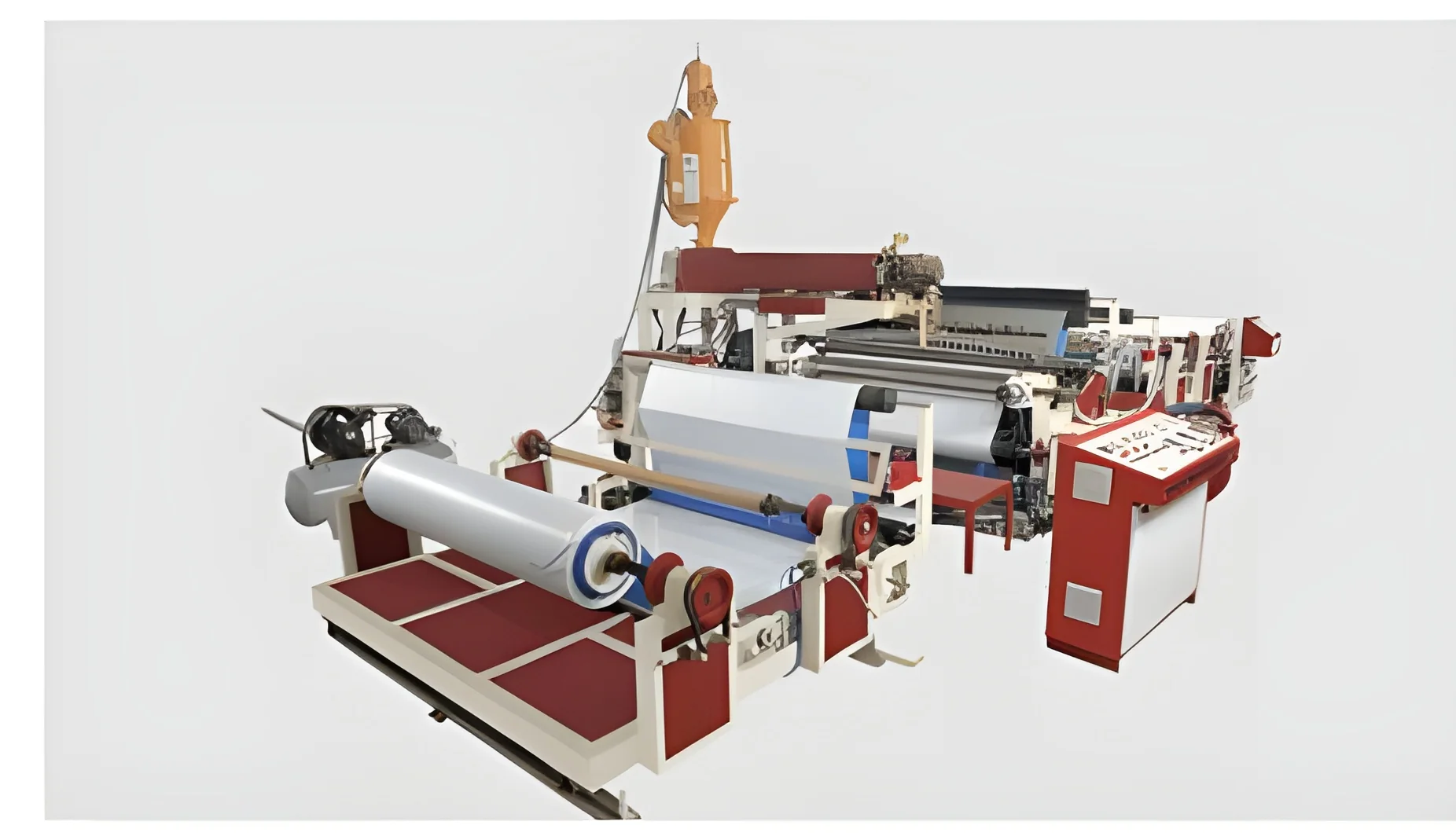
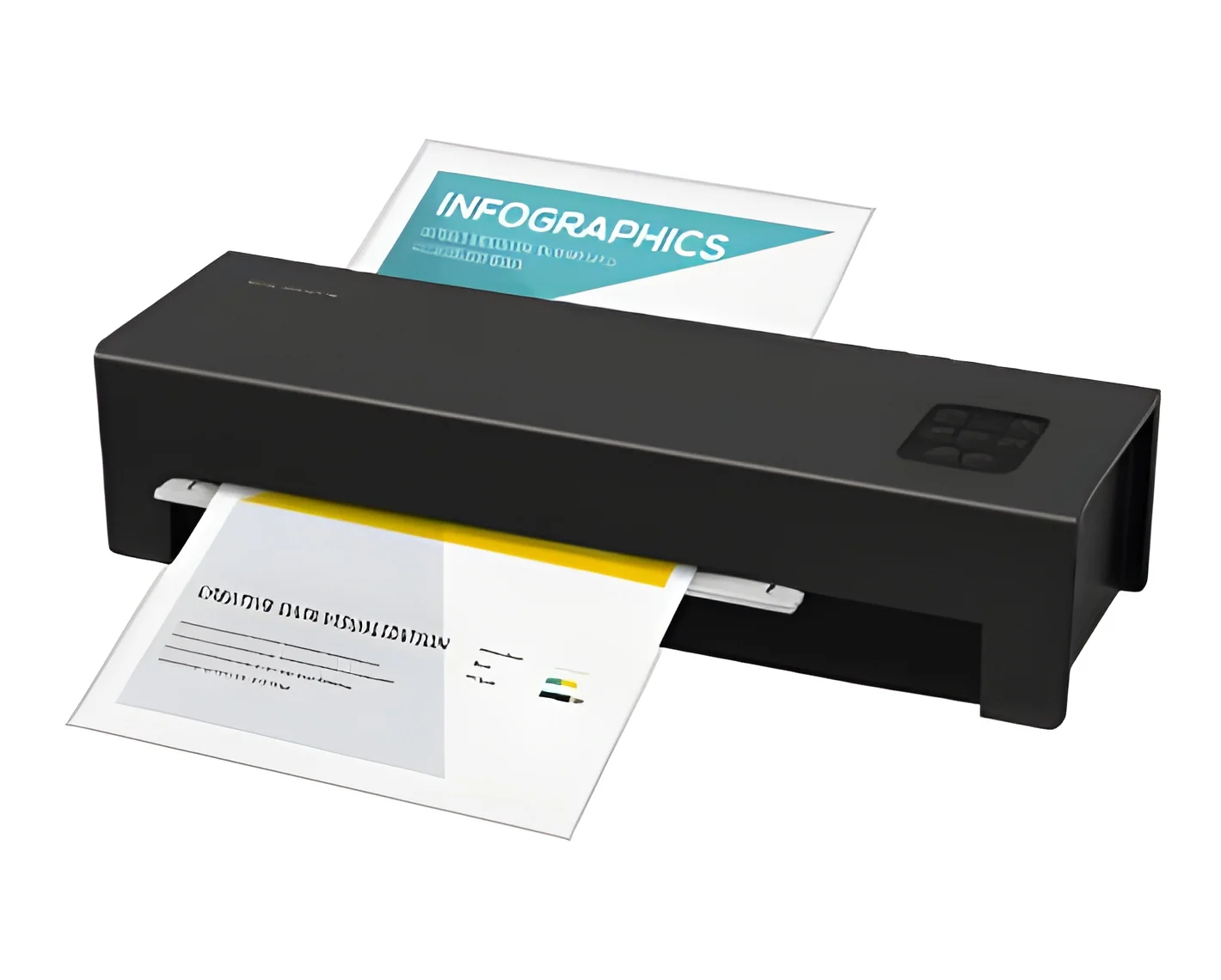
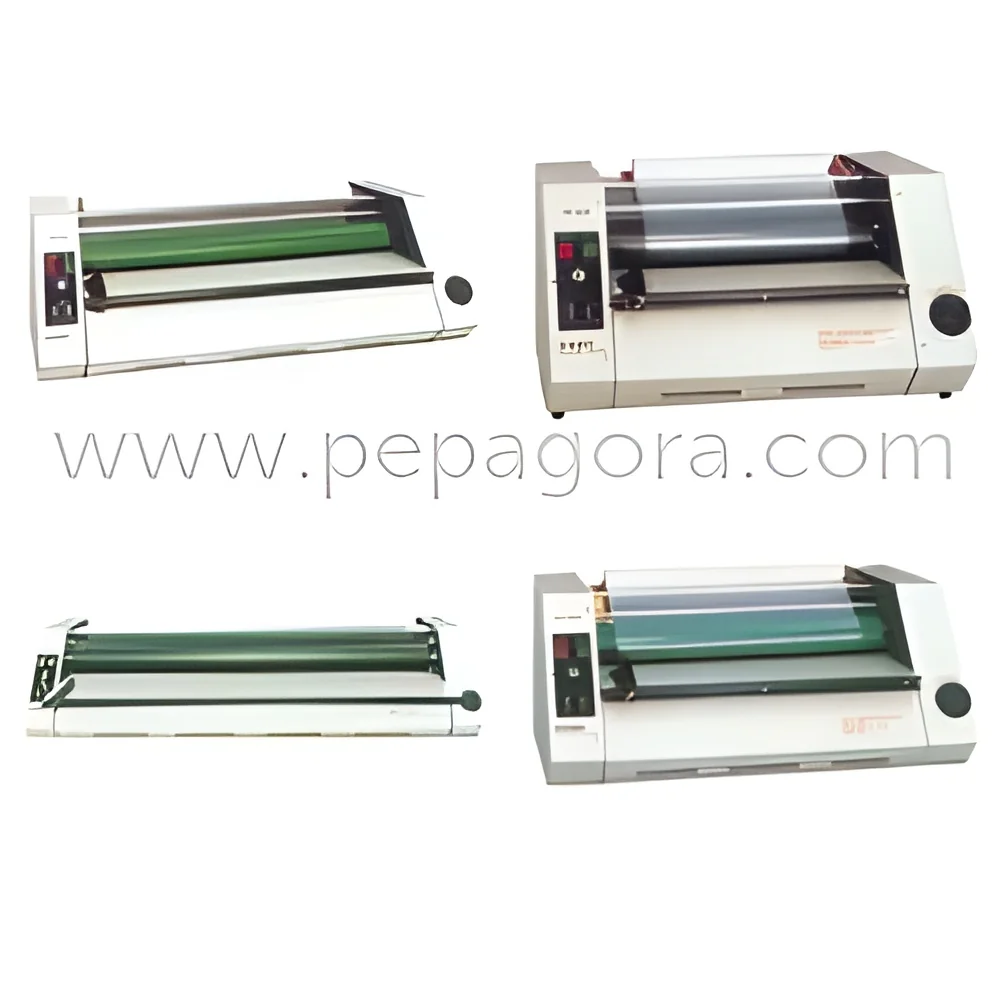
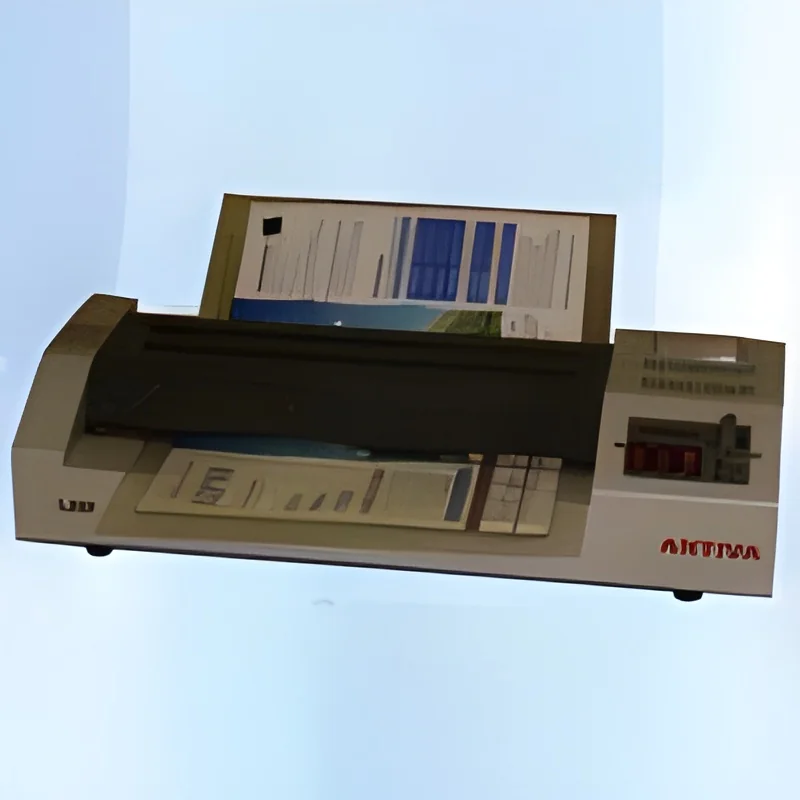
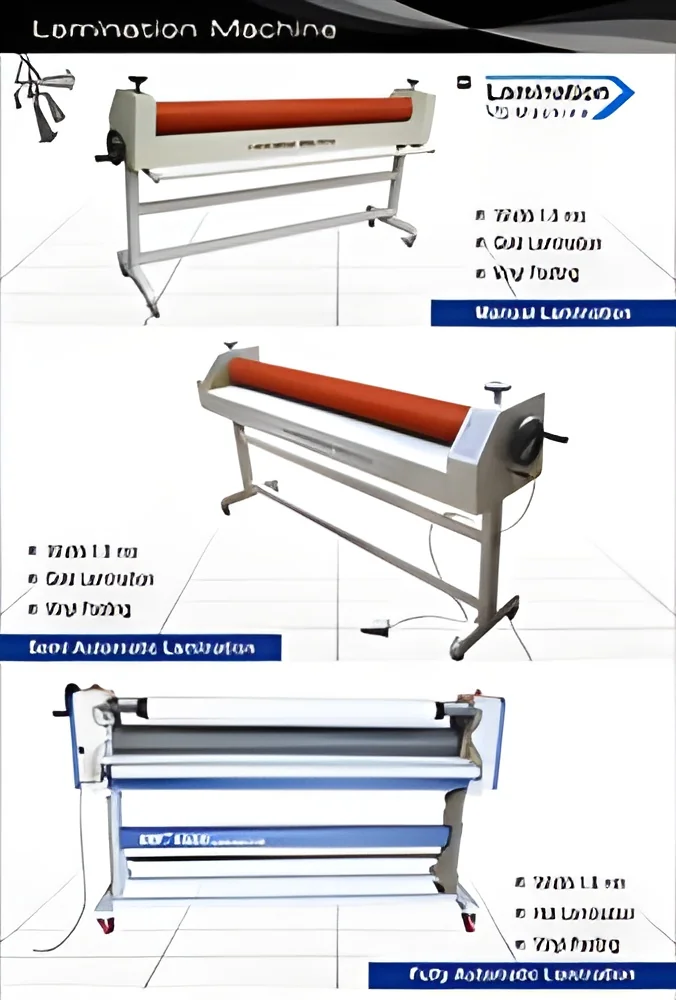
What are Roll Laminators?
Roll laminators are specialized machines designed to apply a protective layer of plastic film to various materials such as documents, photographs, and signage. These machines utilize heat and pressure to bond the film to the substrate, ensuring durability and resistance to wear, tear, and moisture. Roll laminators can accommodate different sizes and types of materials, making them versatile tools in various business settings.
The primary applications of roll laminators include safeguarding printed materials in schools, offices, and print shops. Businesses often use them to enhance the longevity of promotional materials, menus, and educational resources. The ability to produce high-quality finishes quickly and efficiently makes roll laminators a vital asset in industries focused on presentation and durability. As businesses increasingly prioritize effective branding and protection of their printed assets, the demand for roll laminators continues to grow in the market.
Key Features and Specifications
Roll laminators come equipped with various features designed to enhance their performance and usability. Understanding these specifications is essential for businesses looking to invest in this technology.
Key specifications include:
1. Laminating Speed
- The speed at which the laminator can process materials, typically measured in inches per minute (IPM).
- Common ranges are between 3 to 15 IPM.
2. Maximum Laminating Width
- The maximum width of materials that can be laminated.
- Typical widths range from 12 to 60 inches.
3. Laminating Thickness
- The thickness of the film that the laminator can handle, measured in mils.
- Most roll laminators can accommodate films from 1.5 to 10 mils.
4. Temperature Control
- Features that allow for precise regulation of heating elements.
- Adjustable temperature settings ensure compatibility with various film types.
5. Rollers
- The number and type of rollers used can affect the quality of lamination.
- Dual roller systems are common for smoother finishes.
6. Safety Features
- Built-in features to prevent accidents, such as automatic shut-off and safety guards.
- Compliance with safety standards is crucial for operational safety.
7. User Interface
- The design and functionality of controls that allow easy operation.
- Digital displays and intuitive controls enhance user experience.
8. Portability
- Considerations for weight and design that affect mobility and storage.
- Some models are designed for tabletop use, while others are freestanding.
In summary, understanding the key features and specifications of roll laminators is essential for businesses to select the right model that meets their operational needs effectively.
Common Applications and Use Cases
Roll laminators serve a wide range of industries, providing essential solutions for protecting and enhancing printed materials.
1. Education: In schools and universities, roll laminators are used to preserve educational materials, such as posters, flashcards, and instructional guides, ensuring they withstand frequent handling.
2. Retail: Retail businesses utilize roll laminators to protect signage, promotional materials, and product labels, allowing them to maintain a professional appearance while being resistant to spills and wear.
3. Healthcare: In medical settings, roll laminators are employed to create durable patient information sheets, signage, and instructional materials that need to remain clean and intact.
4. Manufacturing: Manufacturing companies use roll laminators for labeling and creating durable operational documents that require protection from industrial environments.
5. Marketing: Marketing agencies rely on roll laminators to produce high-quality brochures, flyers, and other promotional materials that require a polished finish for client presentations.
6. Government: Government offices utilize roll laminators for essential documents and materials that require long-term preservation, including maps, certificates, and public notices.
7. Nonprofits: Nonprofit organizations use roll laminators for flyers and informational brochures that need to be durable for distribution at events.
Product Variants and Subcategories
Roll laminators come in various models to suit different business needs. Each variant is designed with specific features that cater to unique applications.
Commercial Roll Laminator
This variant is designed for high-volume output, making it ideal for print shops and large businesses. It features advanced speed settings, high-capacity film rolls, and robust temperature controls for consistent results.
Desktop Roll Laminator
A compact option, this model is perfect for small businesses or offices with limited space. It offers moderate laminating speeds and is user-friendly, allowing for quick production of small batches.
Heavy-Duty Roll Laminator
Designed for industrial use, this variant can handle thicker materials and larger volumes. It is suitable for environments that require frequent lamination of robust items such as signage and packaging.
Benefits and Advantages
Investing in roll laminators offers several key advantages for businesses seeking to enhance their operational efficiency and output quality.
1. Enhanced Durability: Laminated materials are more resistant to moisture, tearing, and fading, ensuring they last longer.
2. Improved Presentation: A polished and professional finish on documents and materials enhances overall appearance, which is crucial for branding.
3. Cost Efficiency: By protecting materials from damage, businesses save on reprinting costs and reduce waste.
4. Versatility: Roll laminators can handle various materials and sizes, making them adaptable to different business needs.
5. Increased Productivity: High-speed laminators streamline production processes, enabling quicker turnaround times for projects.
6. User-Friendly Operation: Many models are designed for ease of use, reducing training time for staff and minimizing operational errors.
Buying Guide for B2B Buyers
When sourcing roll laminators, it is essential for B2B buyers to consider several factors to ensure they make an informed decision.
1. Quality Assessment: Evaluate the build quality and durability of the laminator. Look for models that have a proven track record of performance and reliability.
2. Supplier Verification: Vet suppliers thoroughly to ensure they provide quality products and reliable customer service. Check for reviews and industry reputation.
3. Pricing and MOQ: Understand the pricing structure and minimum order quantities required by suppliers. This helps in budgeting and managing inventory effectively.
4. Delivery and Lead Times: Inquire about delivery schedules and lead times to ensure timely acquisition of equipment. Consider logistics and shipping options available.
5. Compliance Requirements: Verify that the laminators meet necessary compliance and safety standards relevant to your industry to avoid regulatory issues.
Compliance and Certifications
Compliance with industry standards and certifications is crucial for roll laminators to ensure quality and safety. Common standards include ISO 9001, which outlines quality management principles, and CE certification, indicating compliance with health, safety, and environmental protection standards within the European market.
Manufacturers must also adhere to safety and testing requirements to ensure that their products are safe for operational use. This includes rigorous testing for the durability and reliability of the laminators under various operational conditions.
Regional compliance considerations may vary, and it is vital for businesses to ensure that the laminators they procure meet local regulations and industry-specific standards.
Why Source Roll Laminators from Pepagora?
Pepagora provides a trusted platform for sourcing roll laminators, offering several key advantages to buyers.
Verified Supplier Network: Pepagora features a network of verified suppliers, ensuring that buyers connect with reputable manufacturers who meet high standards of quality and service.
Streamlined RFQ Process: The request for quotation (RFQ) process is designed to be efficient, allowing buyers to receive multiple quotations quickly, facilitating informed purchasing decisions.
Trade Assurance and Support: With trade assurance features, Pepagora protects buyers from potential risks associated with transactions, providing peace of mind while sourcing products.
Regional Coverage: Pepagora has a broad geographic reach, serving markets in India, the GCC, and Southeast Asia. This extensive coverage facilitates access to a diverse range of roll laminators tailored to the needs of various businesses.

 IN
IN