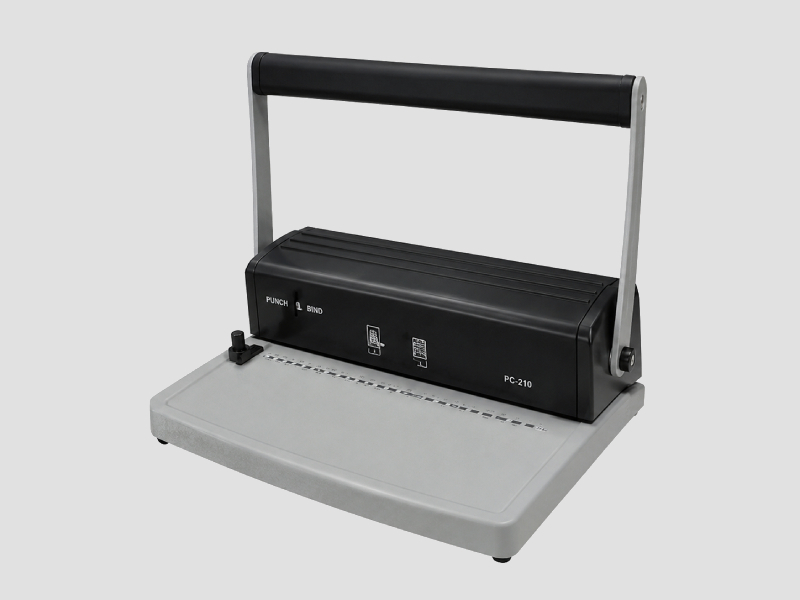
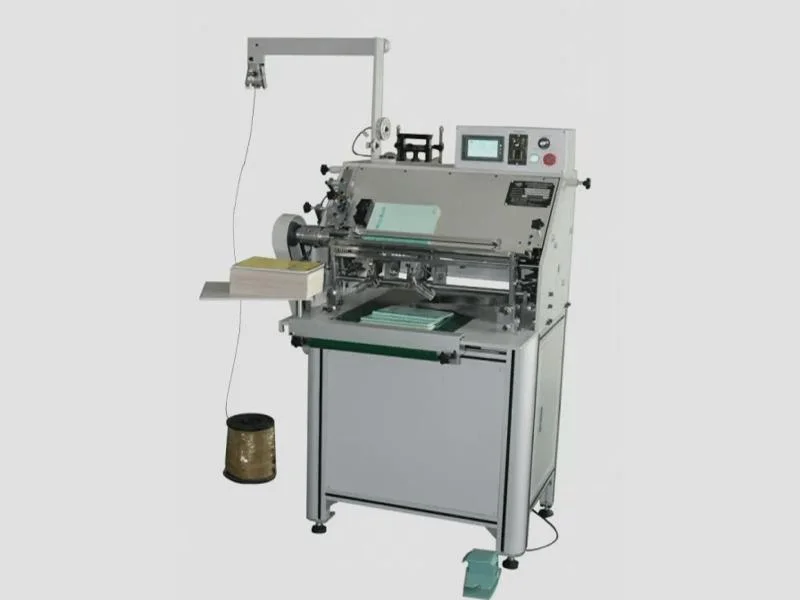
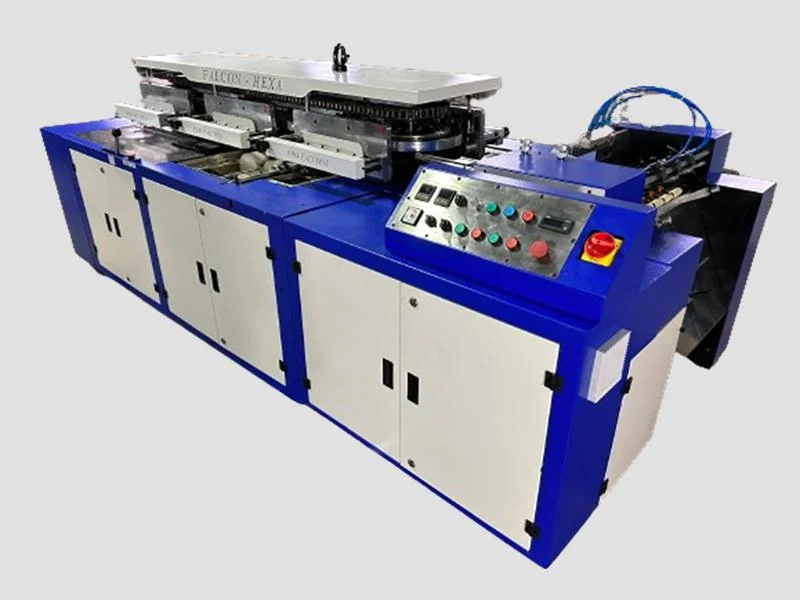
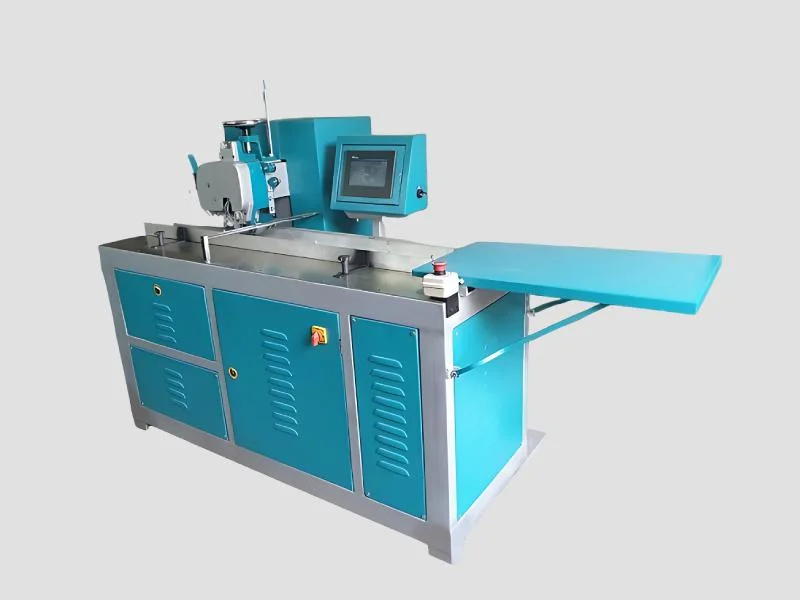
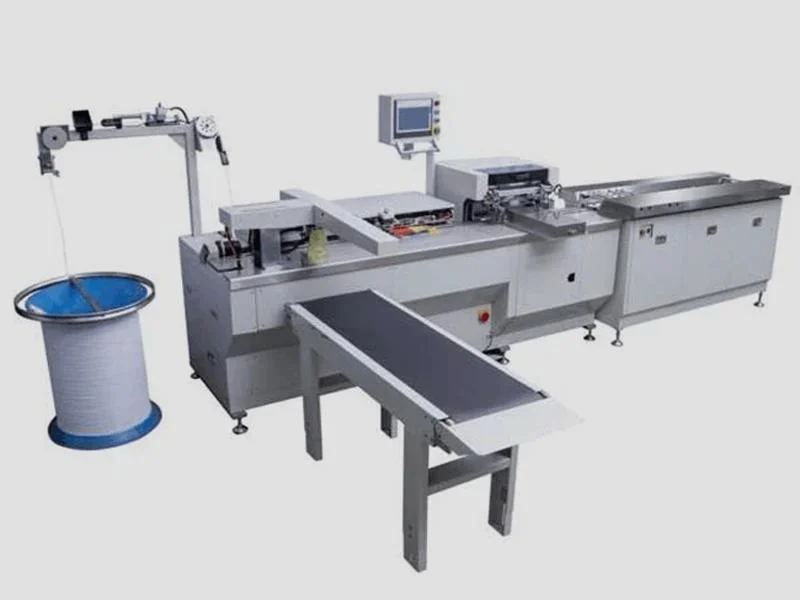
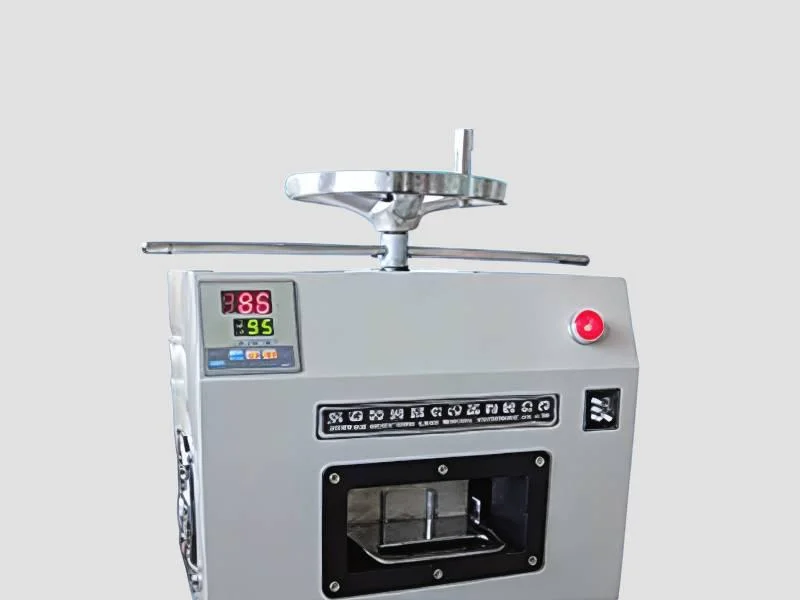
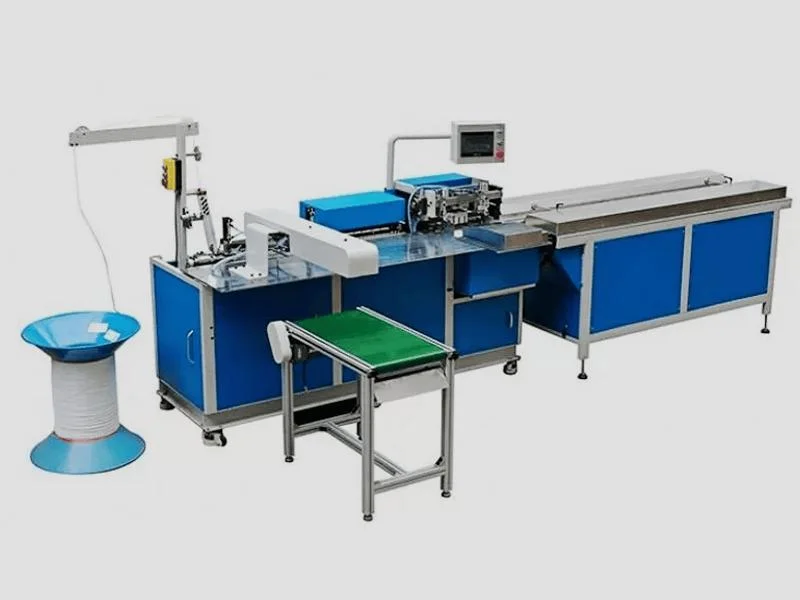
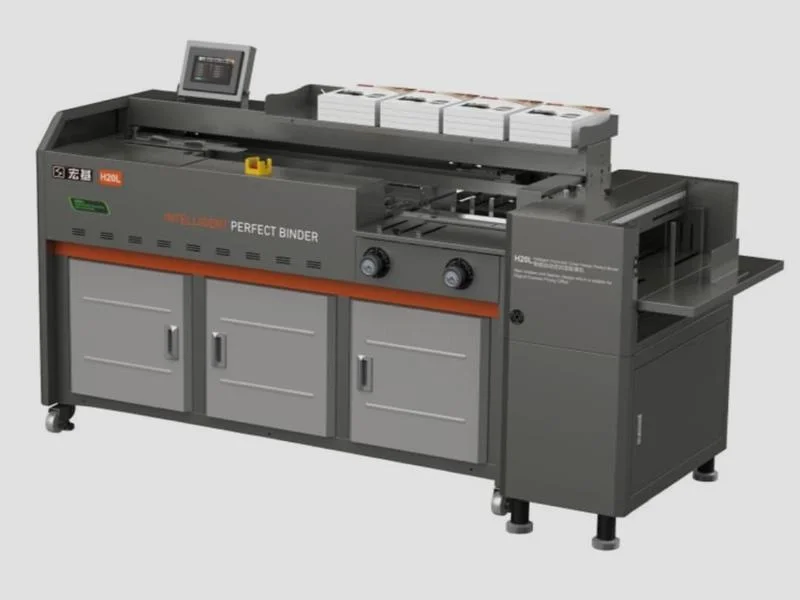
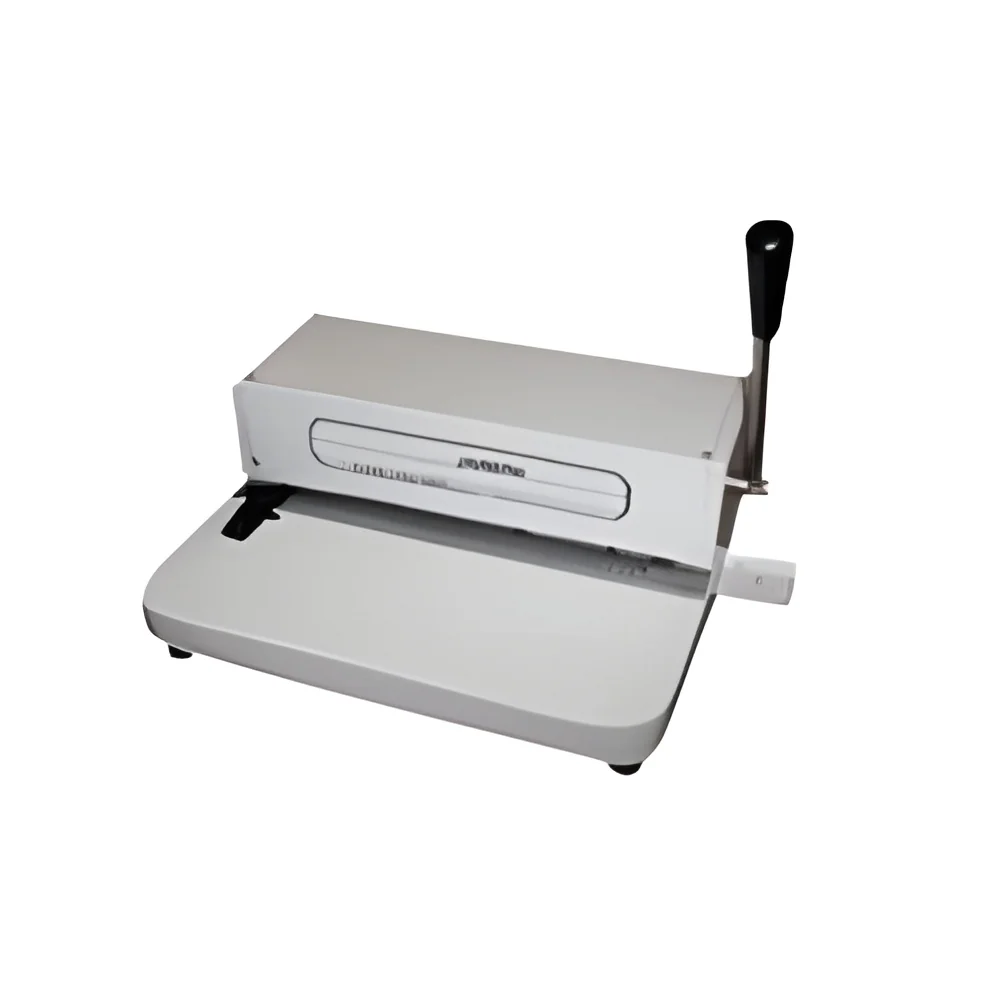
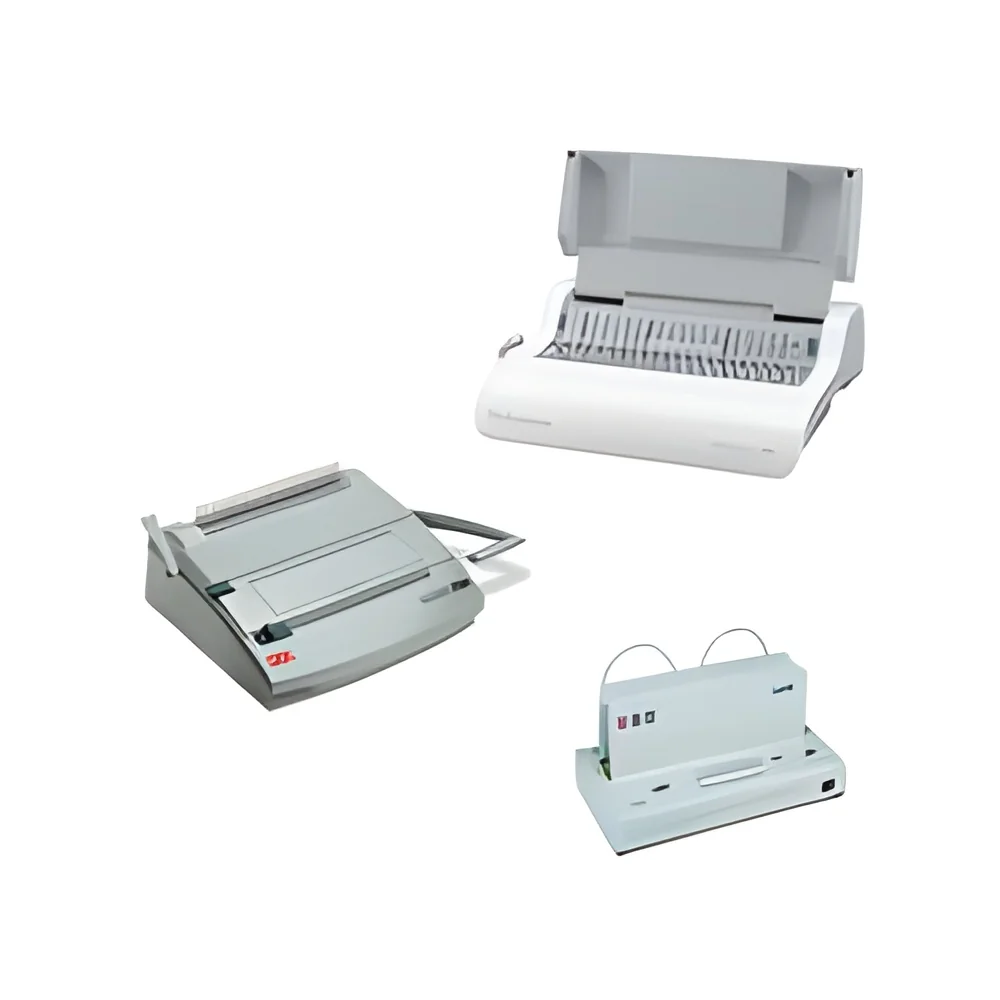
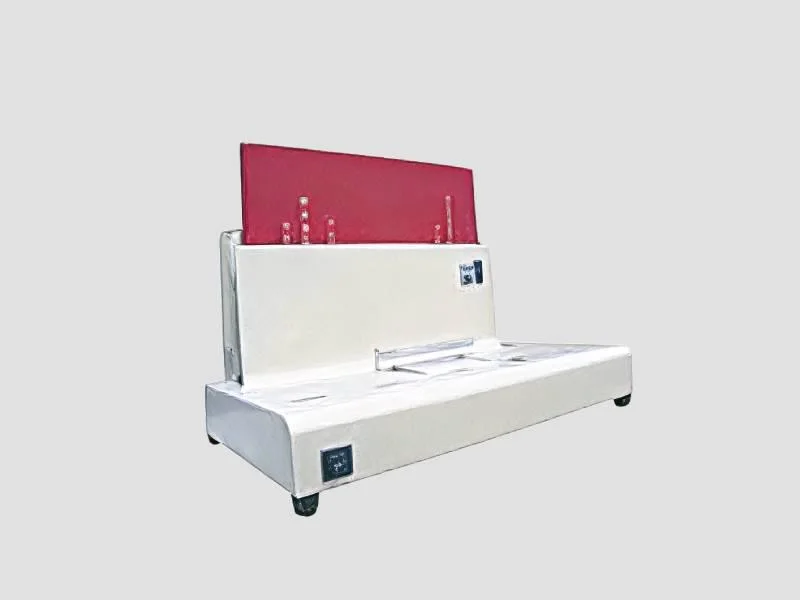
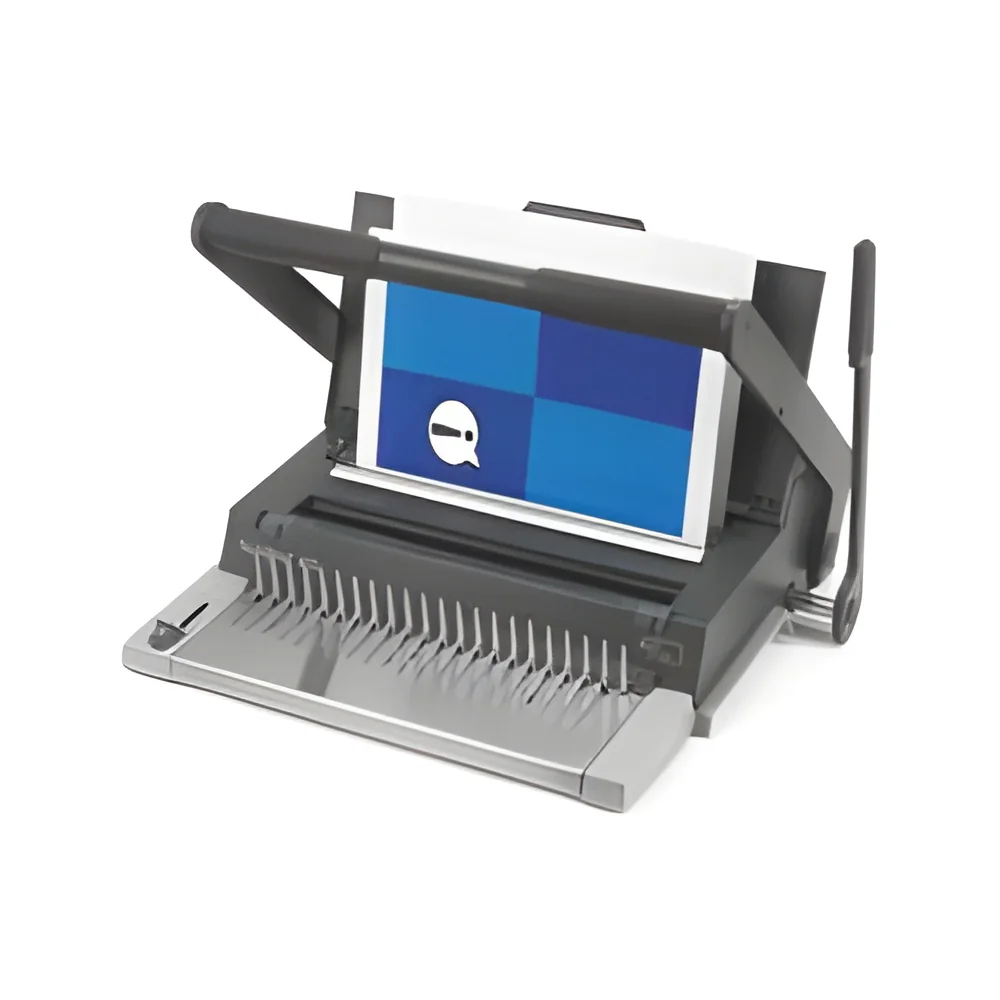
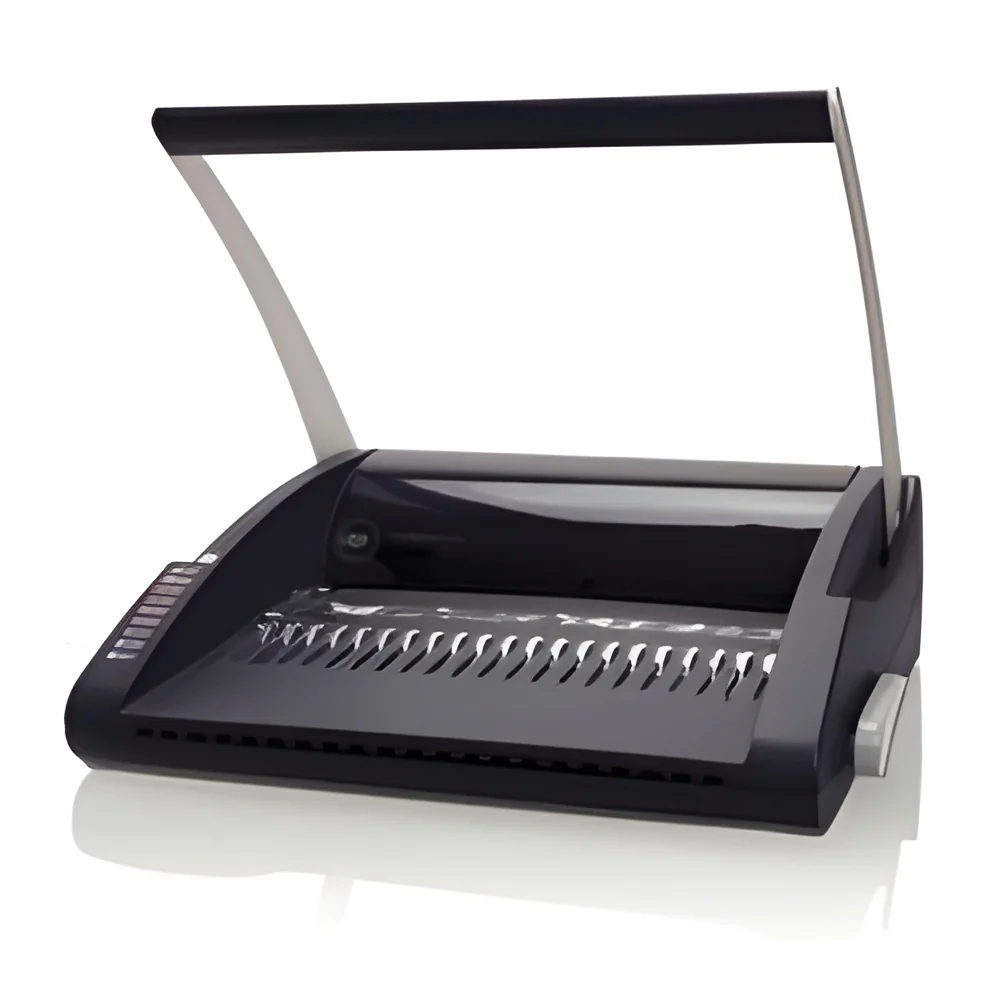
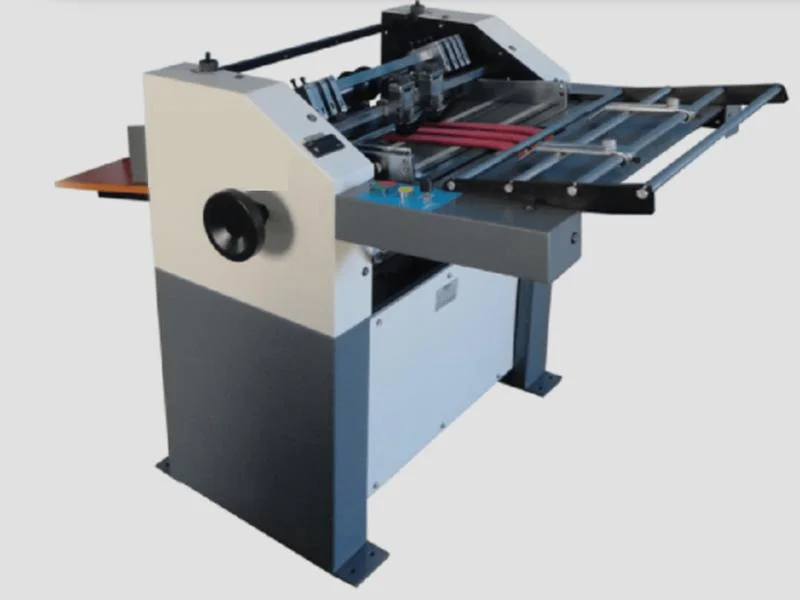
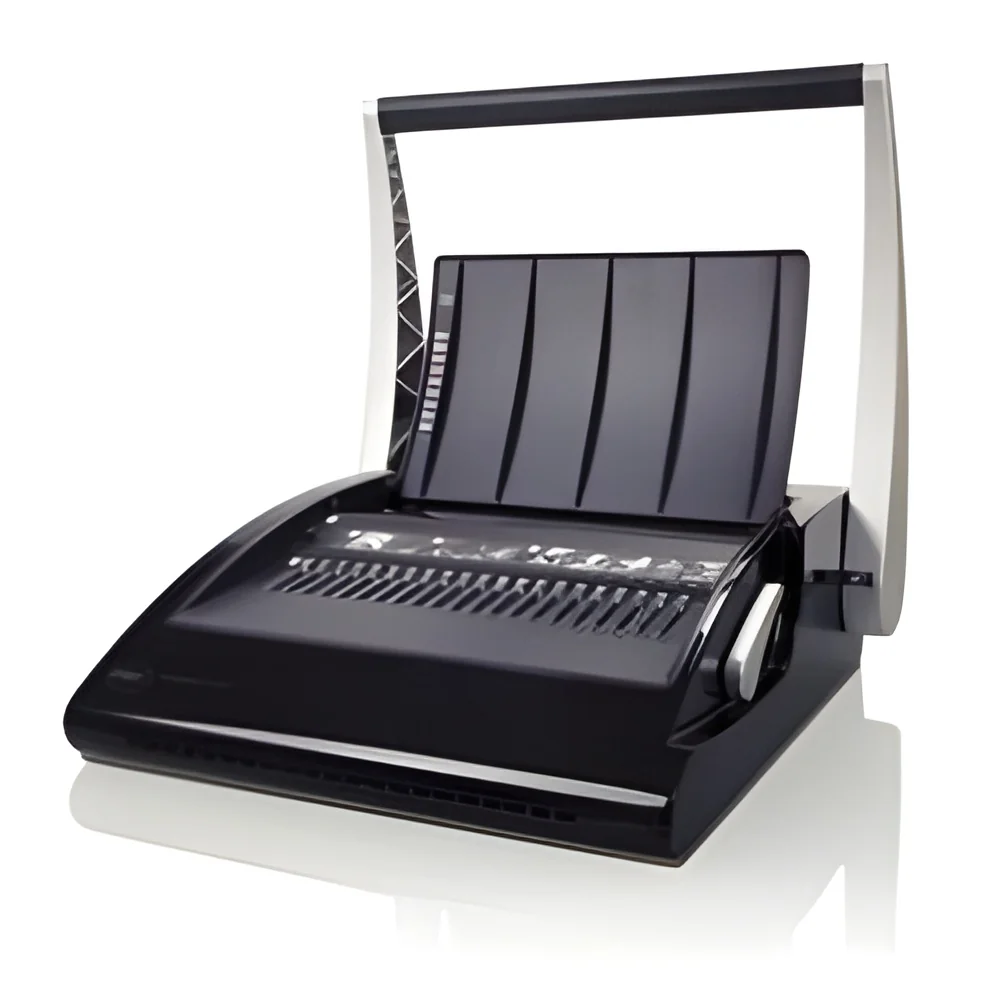
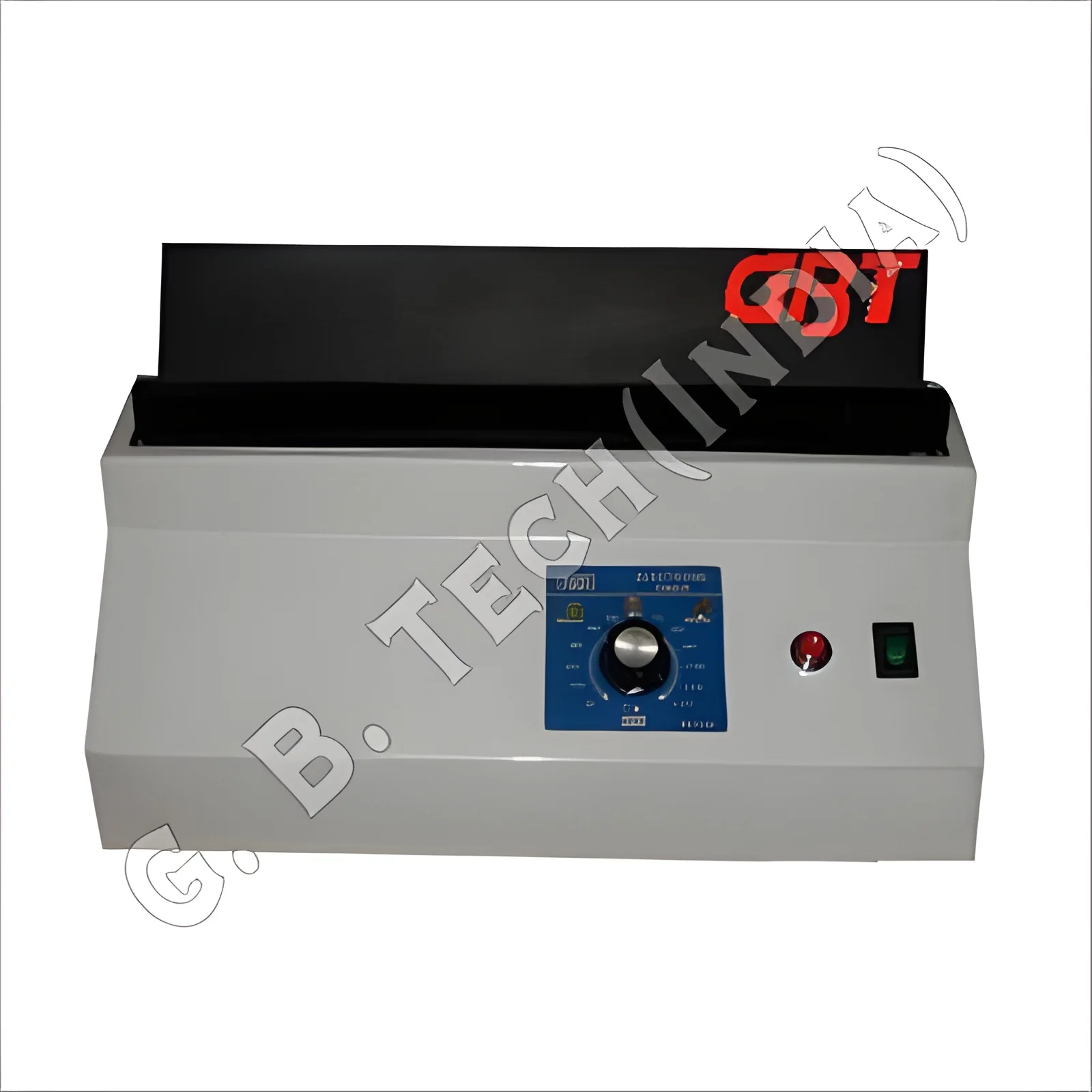
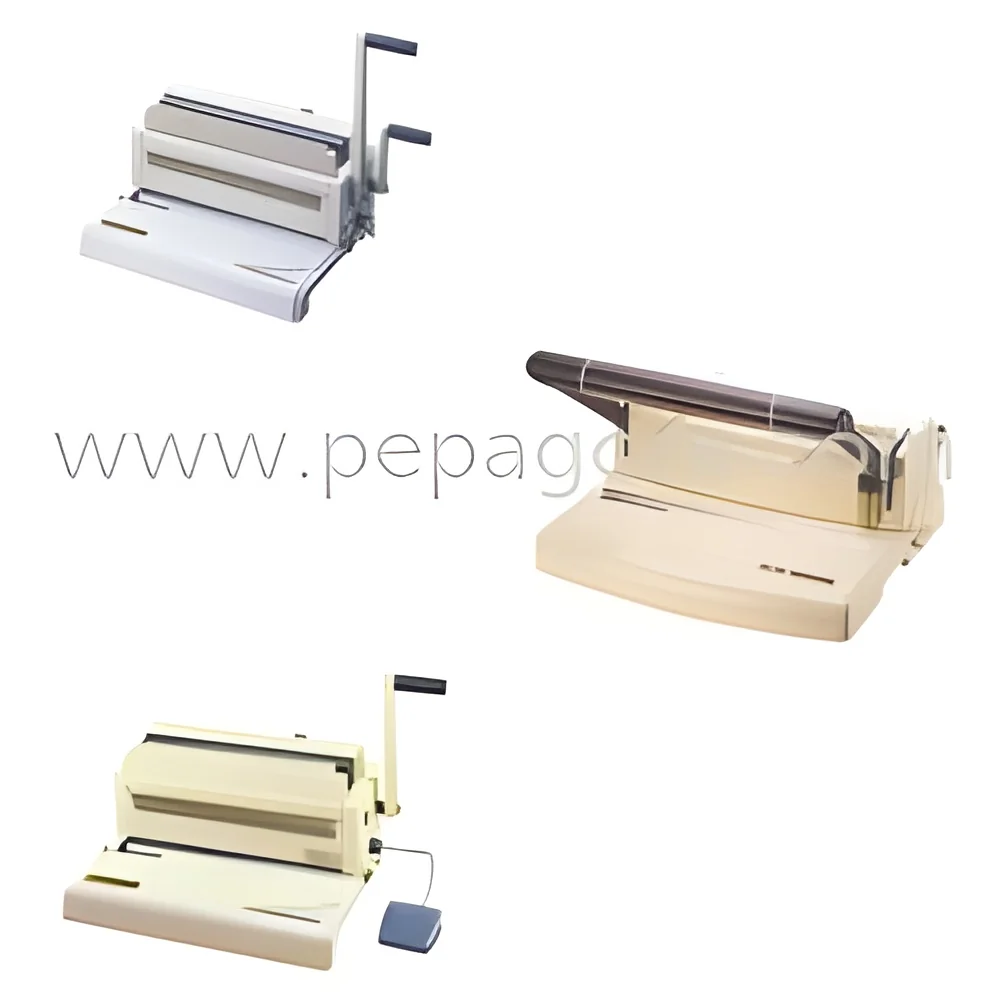
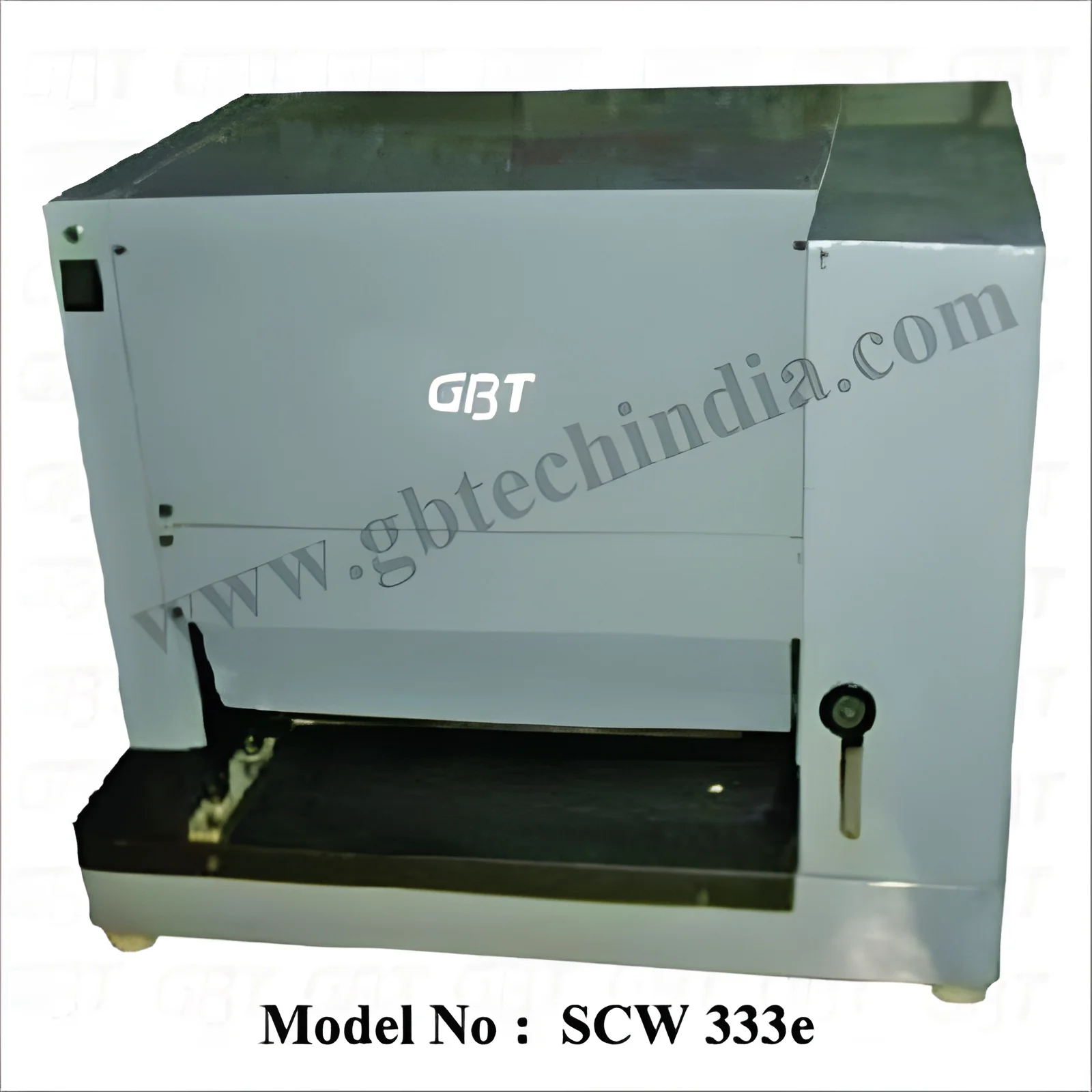
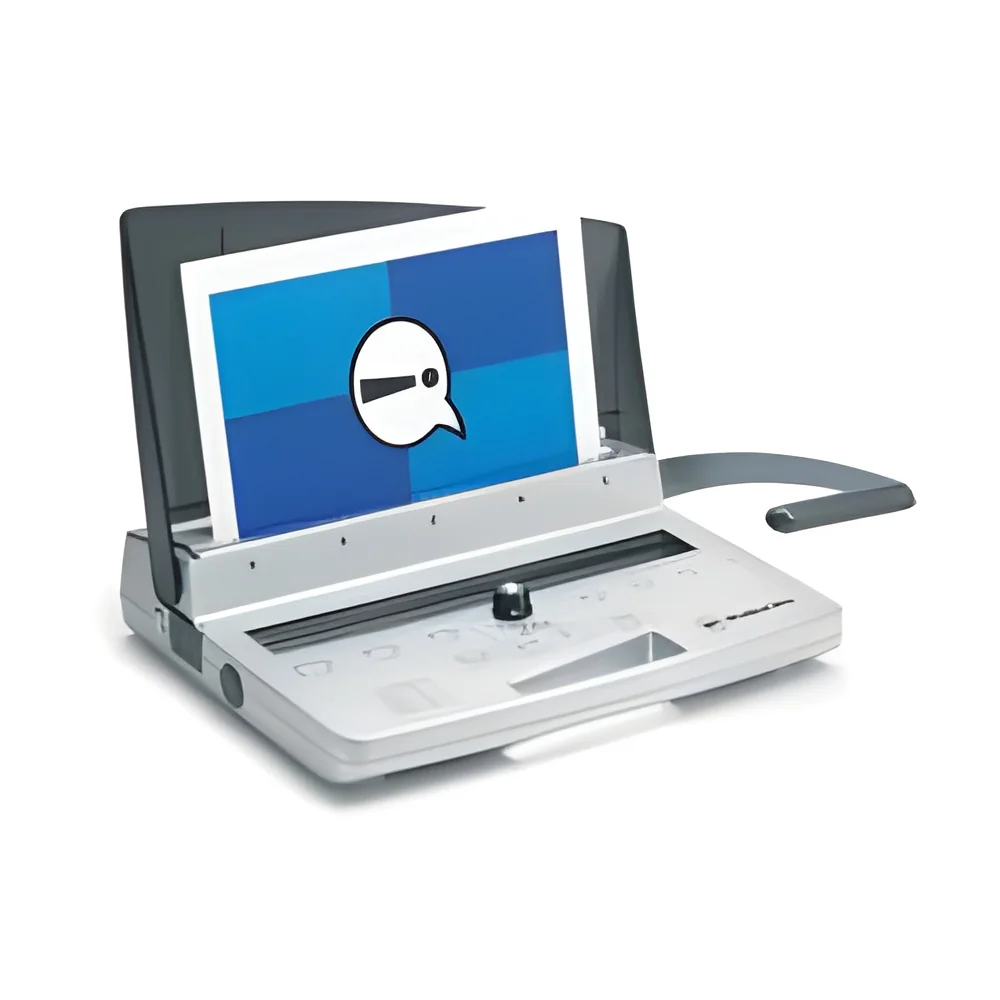
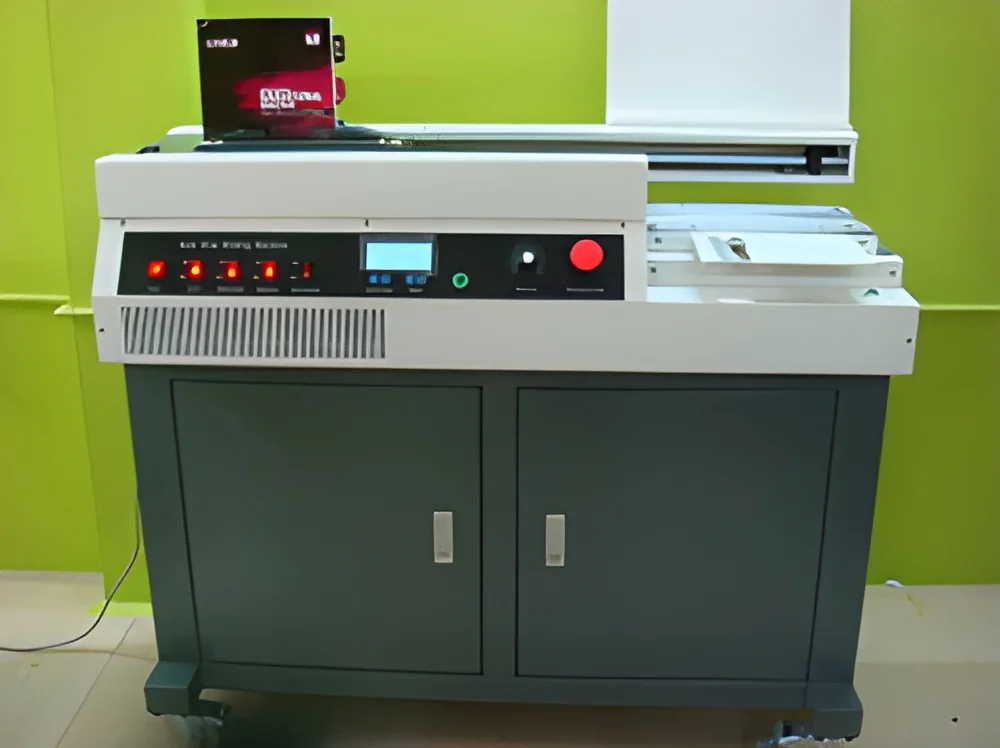
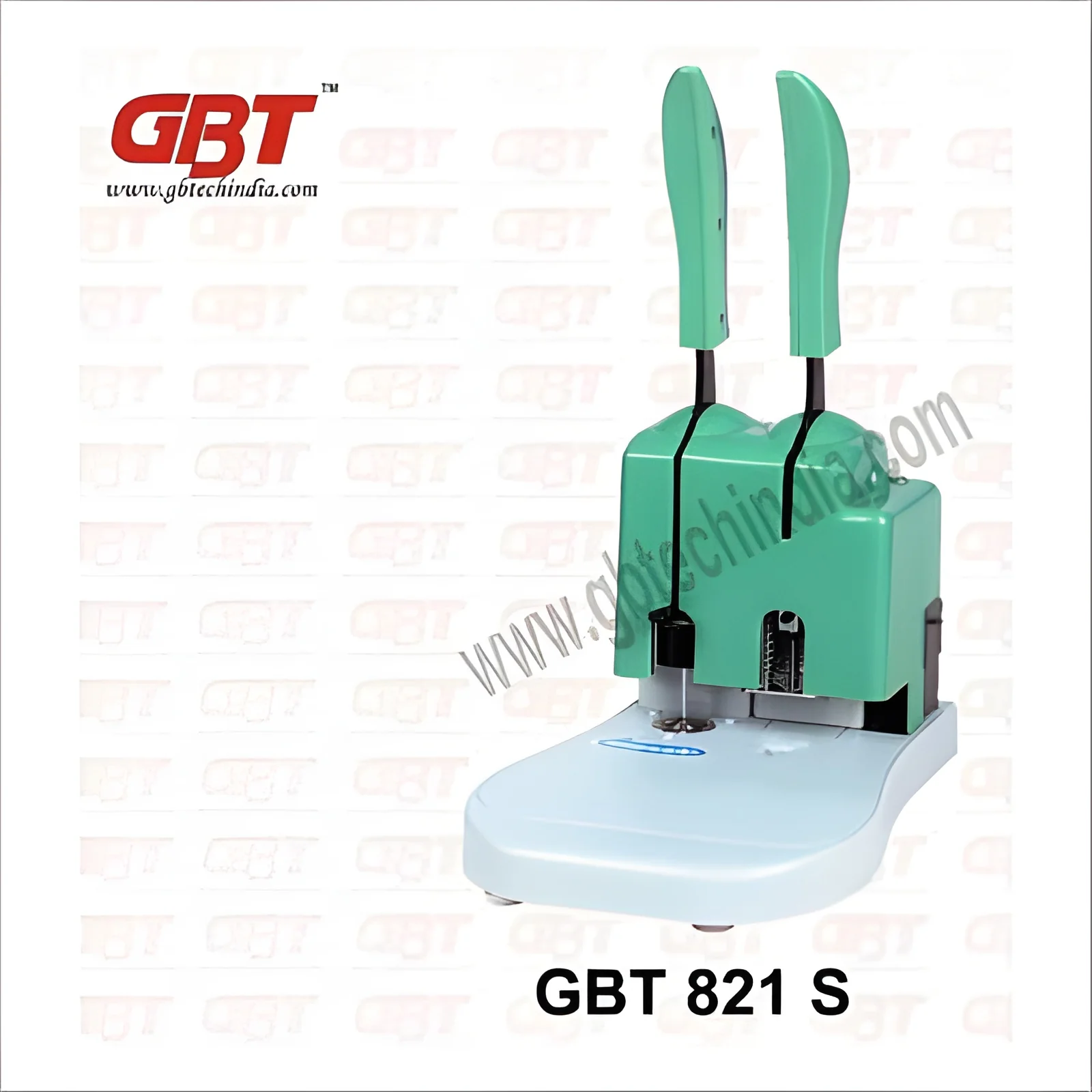
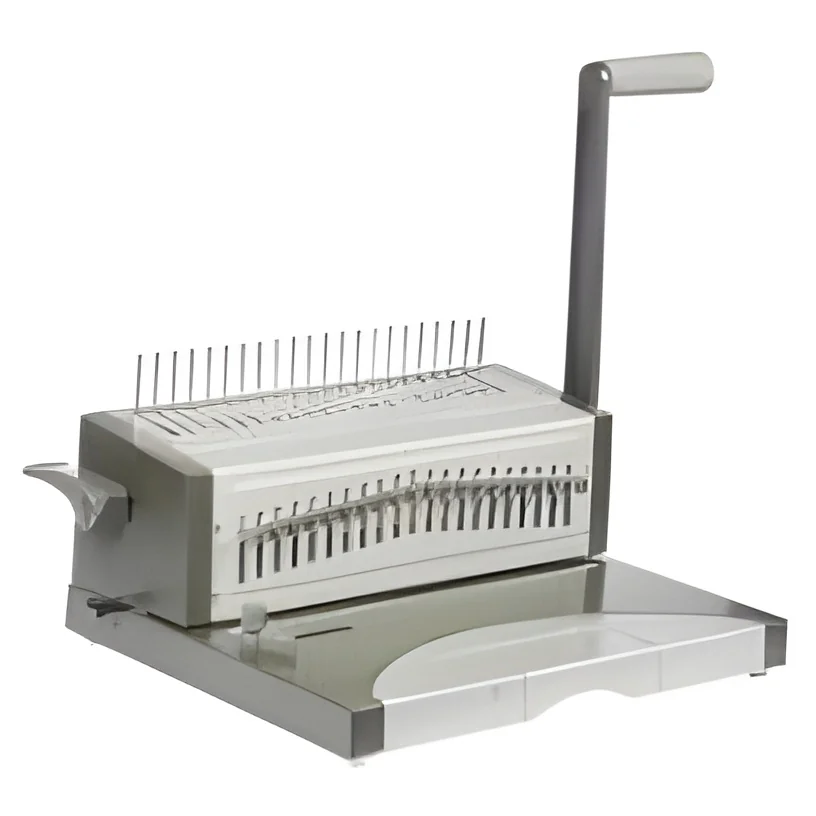
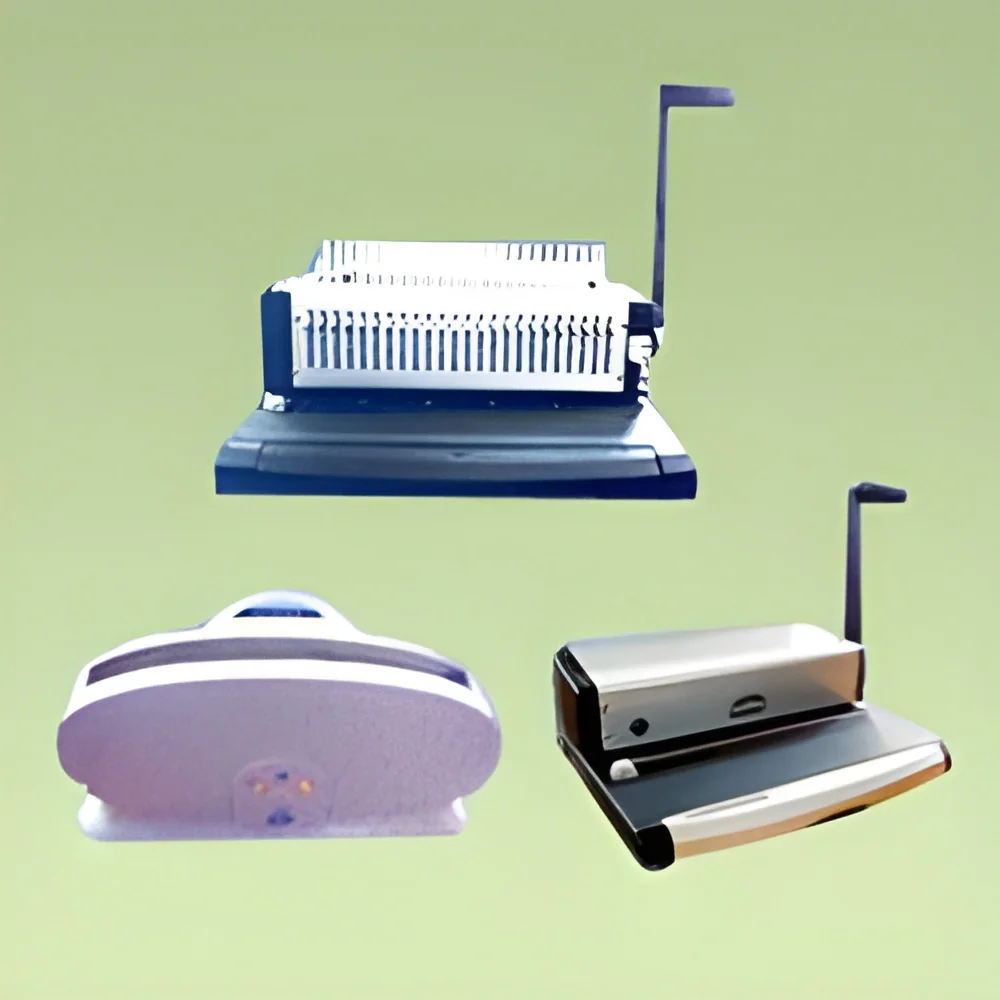
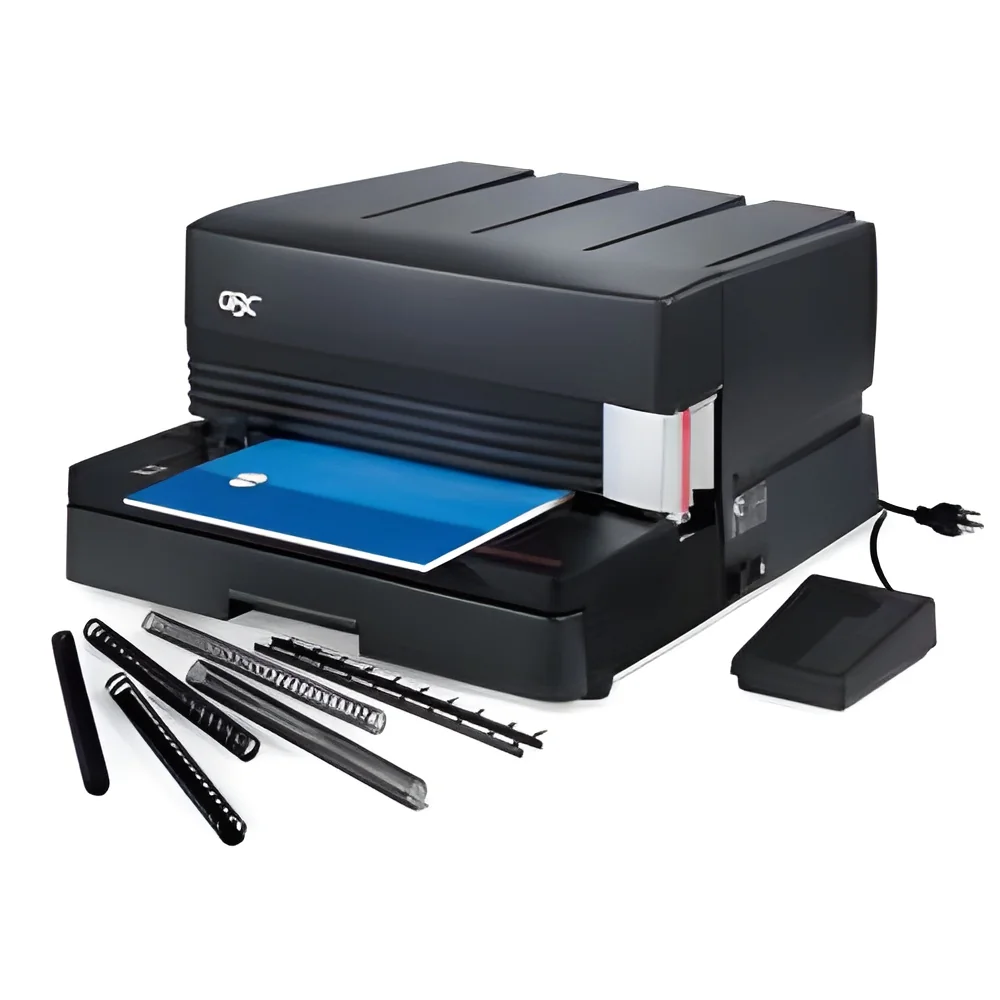
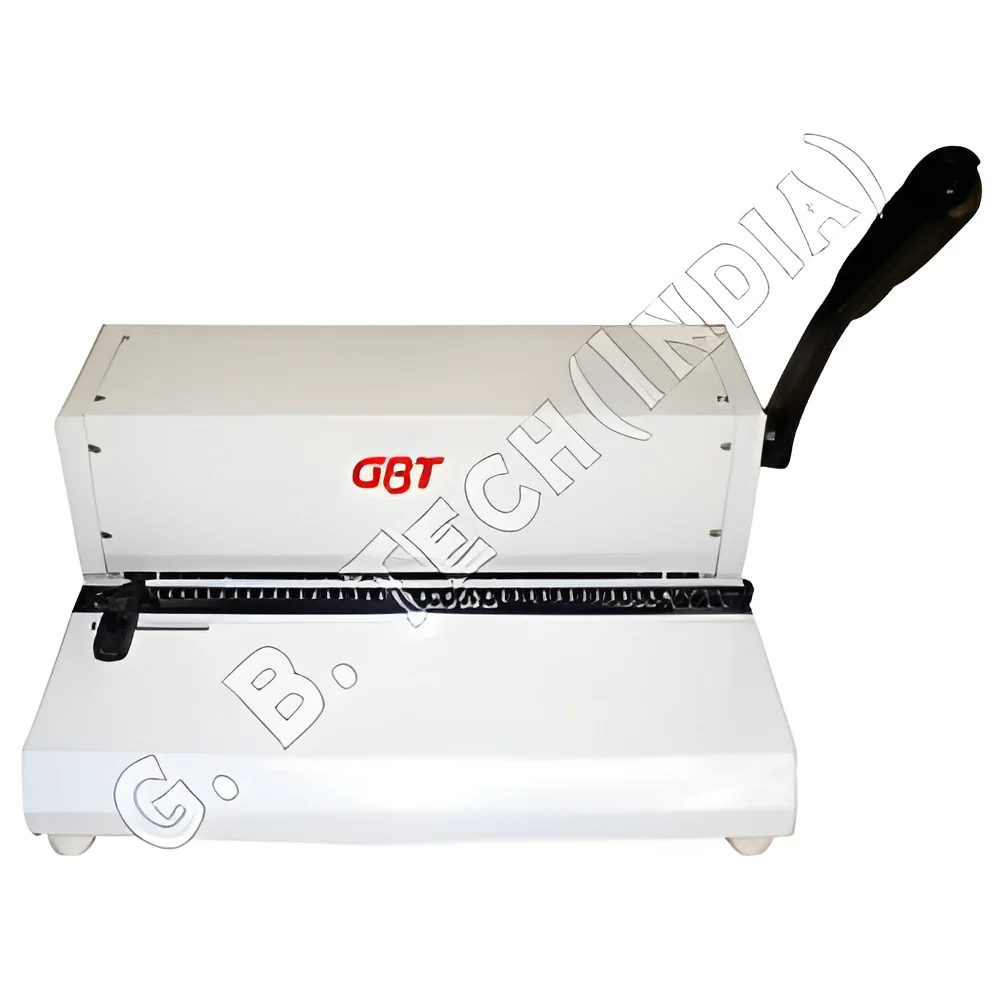
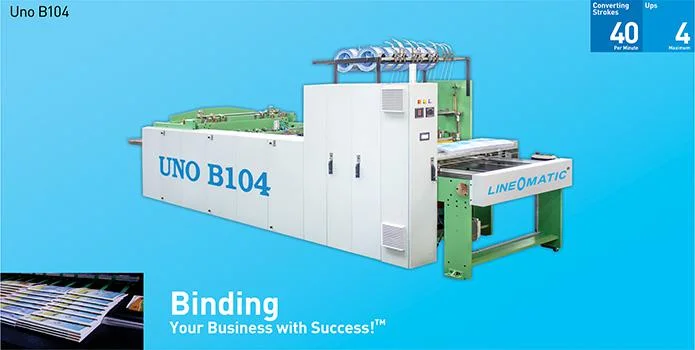
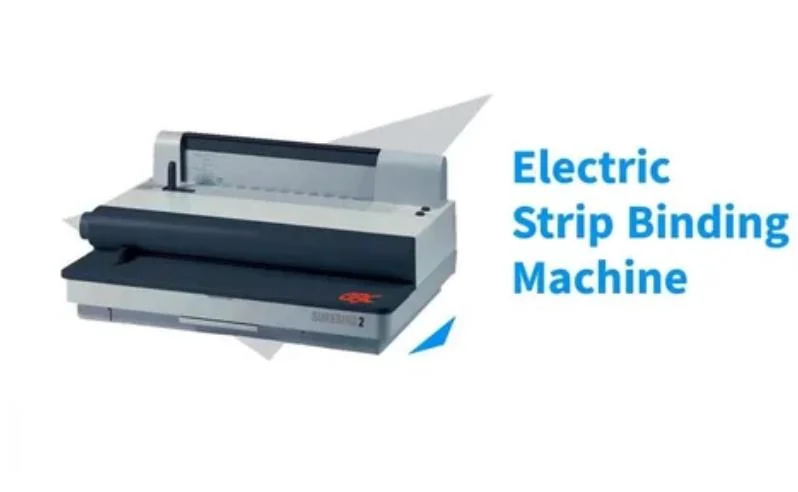
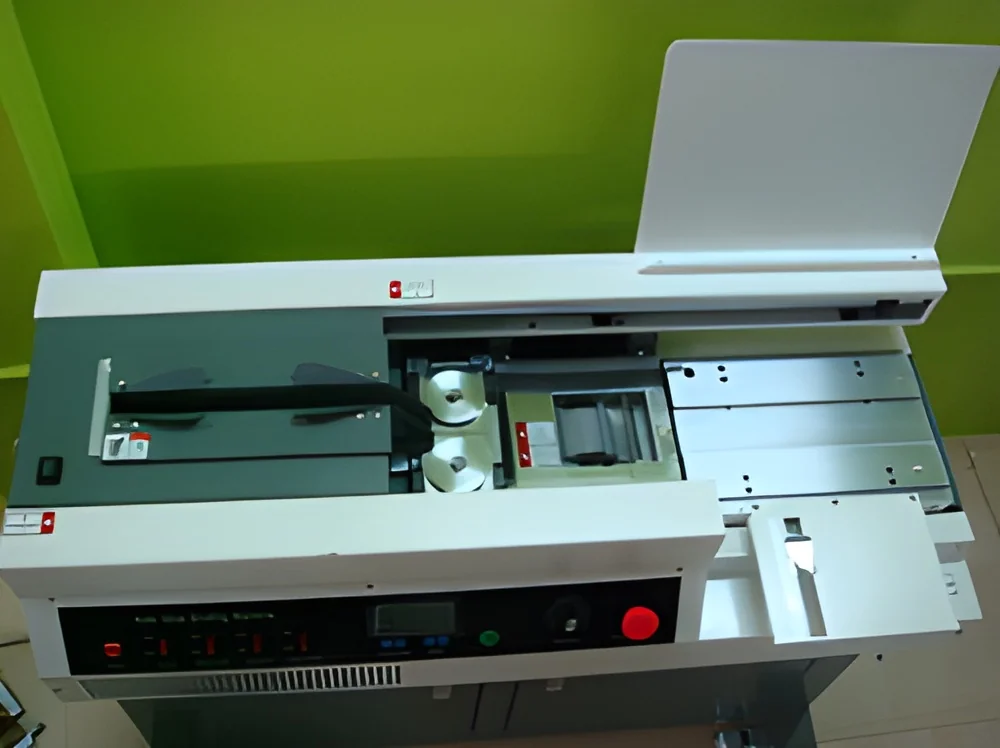
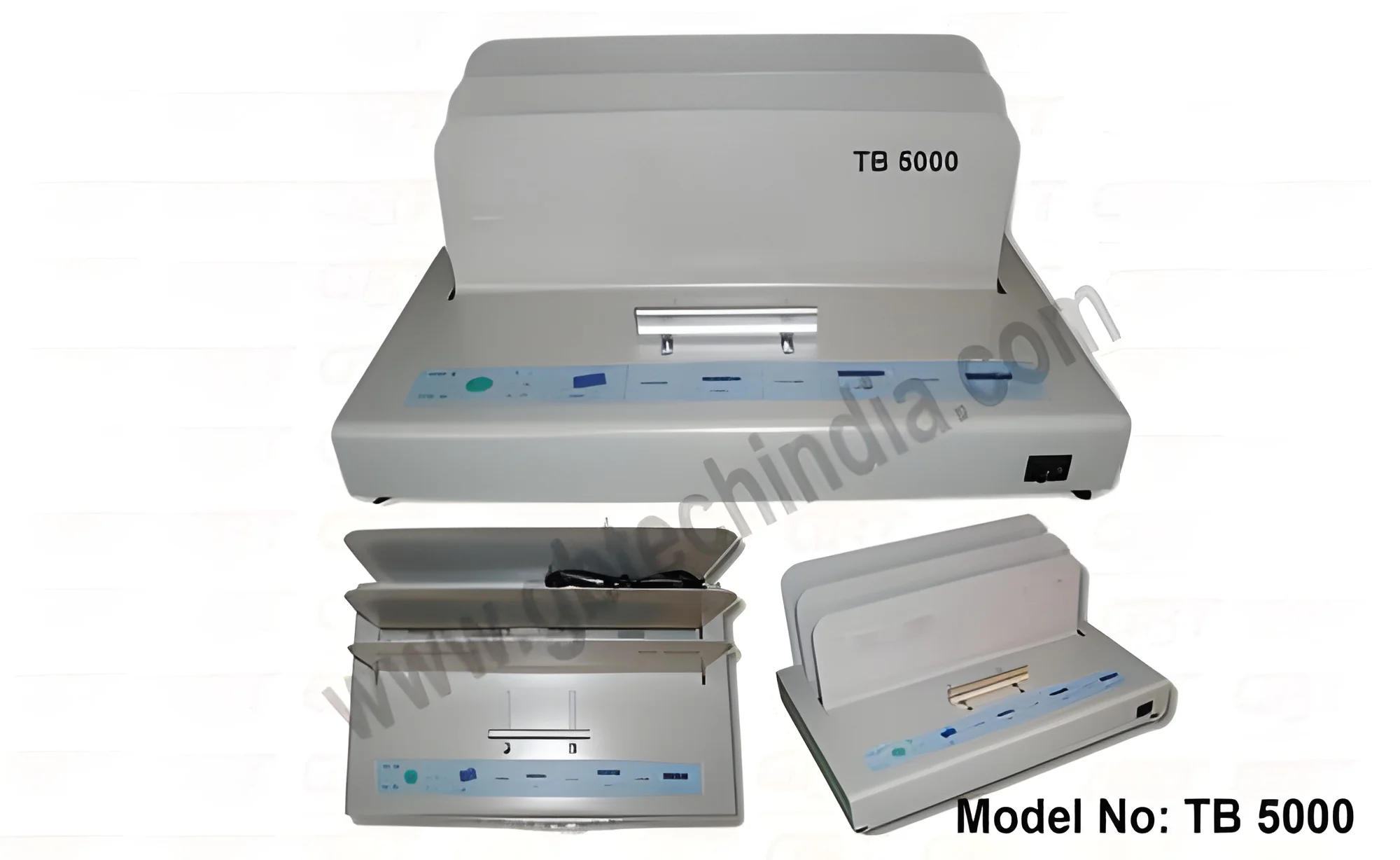
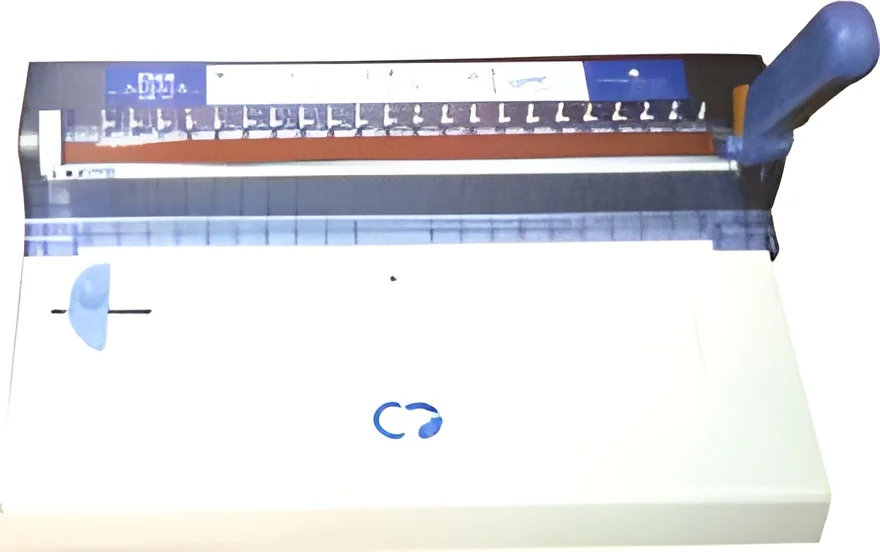
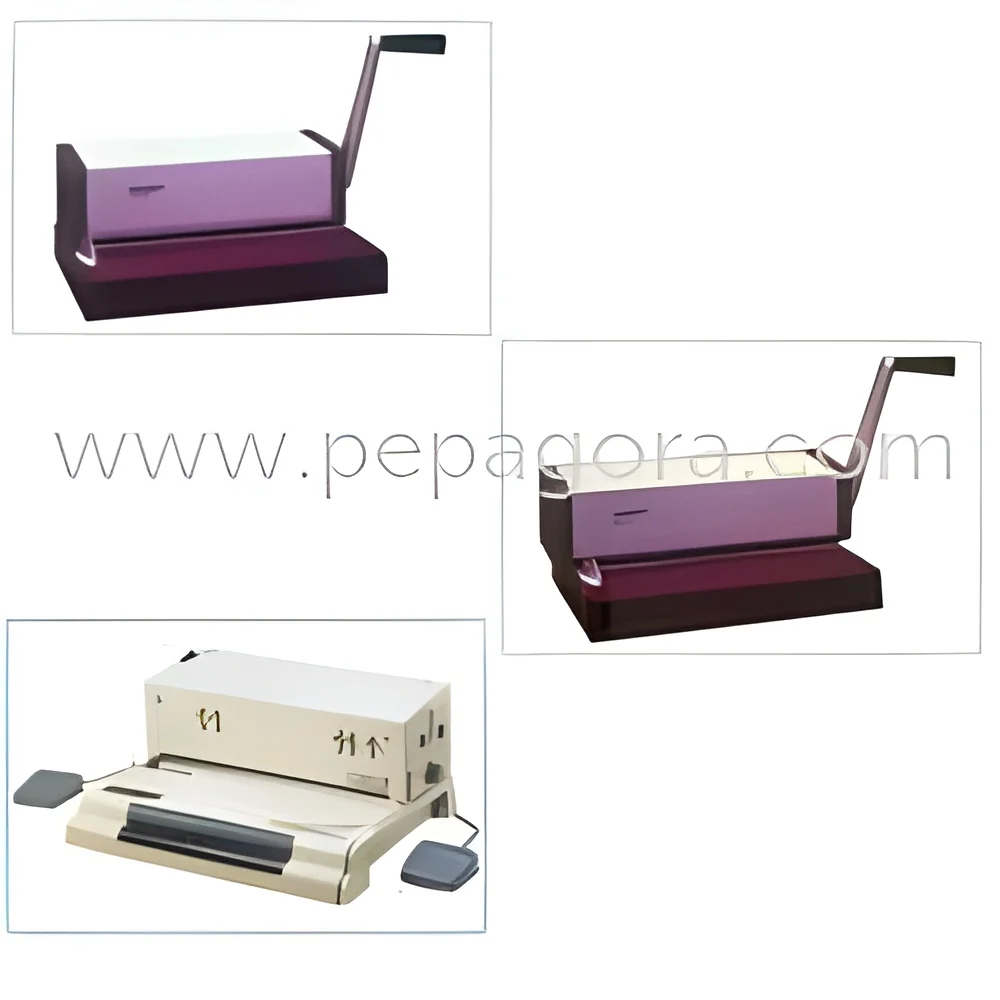
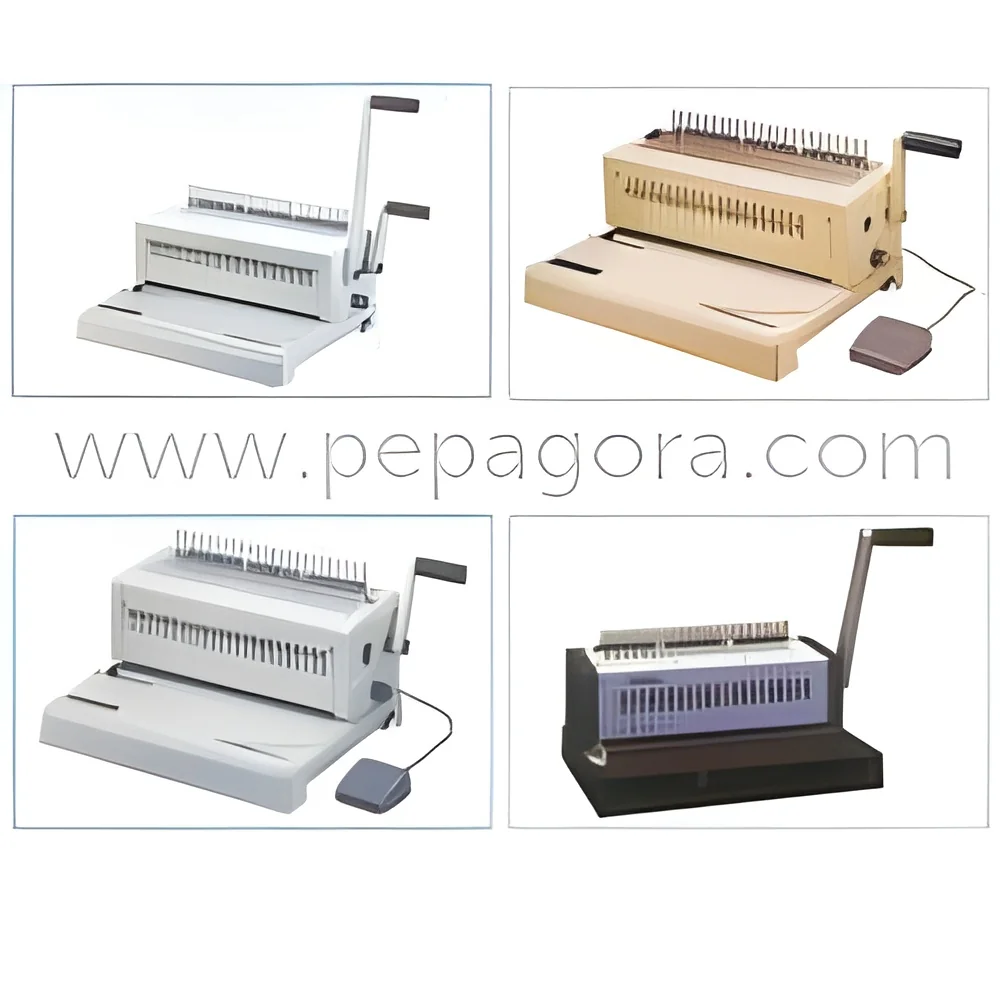
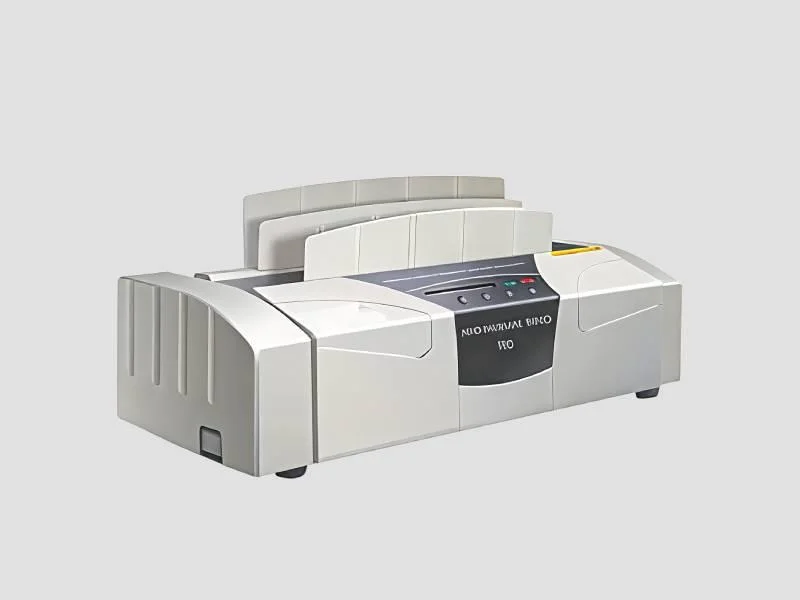
What are Thermal Binding Machines?
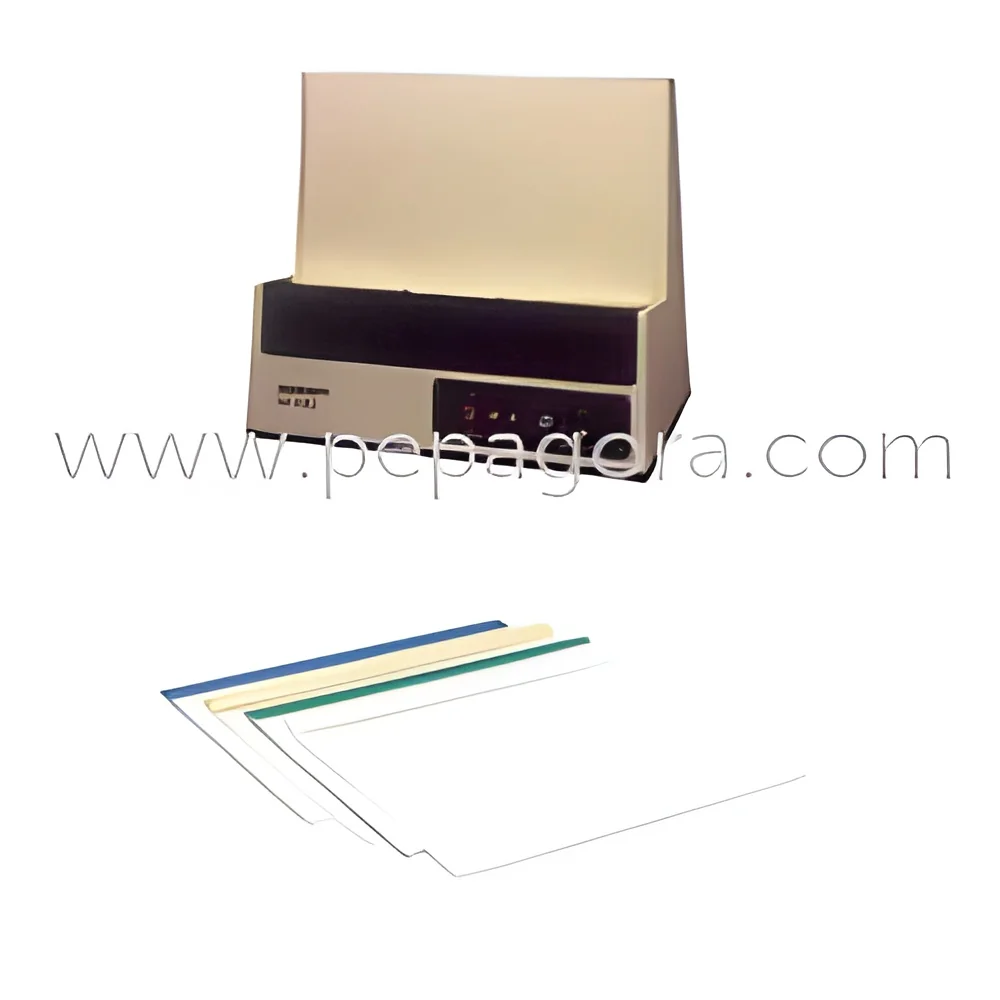
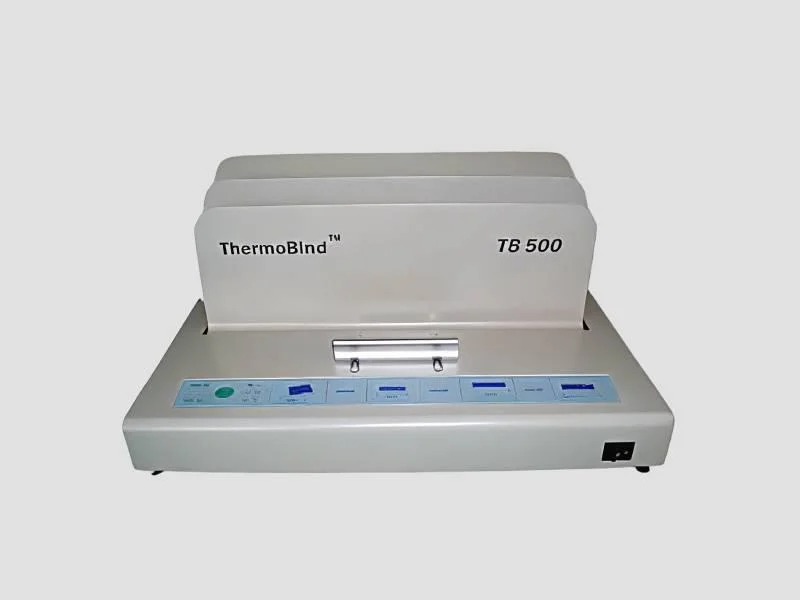
Thermal binding machines are specialized devices designed for the professional binding of documents. They utilize heat to melt a binding adhesive, which then securely binds the pages together as it cools. This process creates a polished, finished product that is not only visually appealing but also durable and capable of withstanding frequent handling. The simplicity of operation and the clean aesthetic of the final output make thermal binding a favored choice in various business settings.
These machines are primarily used in environments where document presentation matters, such as corporate offices, print shops, and educational institutions. They can efficiently bind reports, presentations, and other types of documents, providing a sleek finish that enhances the professionalism of the materials. As businesses increasingly seek efficient ways to produce high-quality documents, thermal binding machines have become essential tools in the document finishing sector.
In the current market, thermal binding machines are relevant across numerous industries, including education, legal, and corporate sectors. As organizations continually strive to improve their document presentation, the demand for reliable and efficient binding solutions remains high. This positions thermal binding machines as a critical component in the workflow of businesses that prioritize quality documentation.
Key Features and Specifications
Thermal binding machines come equipped with several features that enhance their usability and efficiency. Understanding these specifications is crucial for businesses looking to invest in this equipment.
Key specifications include:
1. Heating Mechanism
- Utilizes a built-in heating element to melt the binding adhesive.
- Ensures even distribution of heat for consistent results.
2. Binding Capacity
- Capable of binding multiple sheets at once, depending on the model.
- Typical capacity ranges from 5 to 500 sheets.
3. Warm-Up Time
- Quick warm-up periods, usually between 5 to 15 minutes.
- Reduces downtime, allowing for faster job completion.
4. Cooling Time
- Features a cooling system to expedite the binding process after heating.
- Allows for immediate handling of finished documents.
5. Size and Portability
- Available in various sizes to fit different workspace needs.
- Some models are lightweight for easy transport.
6. User Interface
- Simple controls for ease of operation.
- Some models offer digital displays for precise settings.
7. Safety Features
- Includes automatic shut-off mechanisms to prevent overheating.
- Features non-slip feet for stability during operation.
8. Compatibility
- Works with a variety of binding covers and adhesive types.
- Suitable for different document sizes, enhancing versatility.
In summary, understanding the key features and specifications of thermal binding machines is essential for selecting the right model for your business needs. These machines offer a combination of efficiency, quality, and ease of use that can greatly enhance document presentation.
Common Applications and Use Cases
Thermal binding machines find applications across a wide range of industries. Their ability to produce high-quality, bound documents makes them invaluable in various contexts.
1. Corporate Offices: Companies use thermal binding machines to create polished reports, proposals, and presentations, ensuring professionalism in client interactions.
2. Educational Institutions: Schools and universities rely on these machines for binding theses, dissertations, and course materials, providing students with durable and presentable documents.
3. Print Shops: Print service providers utilize thermal binding machines to offer binding services to clients, enhancing their product offerings and boosting revenue.
4. Legal Firms: Law offices use thermal binding for case documents and briefs, ensuring that sensitive materials are presented in a secure and professional manner.
5. Marketing Agencies: Agencies create bound marketing collateral and portfolios, which helps in showcasing their work effectively to potential clients.
6. Government Agencies: These entities produce official documents, reports, and records that require a professional finish for internal and external communications.
7. Non-Profit Organizations: Non-profits utilize thermal binding for annual reports and fundraising materials, which helps in communicating their mission and impact effectively.
Product Variants and Subcategories
Thermal binding machines come in various models, each designed to meet specific user needs. The diversity within this product line allows businesses to select machines that best suit their operations.
Standard Model
This model is ideal for small to medium-sized businesses. It typically features a moderate binding capacity and is designed for occasional use. Such machines offer a balance between functionality and cost-effectiveness.
High-Volume Model
Designed for larger operations, this model supports high-capacity binding and faster processing times. It is suitable for print shops or corporate environments that require frequent binding of large documents.
Compact Model
This variant is designed for limited workspace environments. It is lightweight and portable, making it an excellent choice for mobile offices or individuals who need to bind documents on the go.
Benefits and Advantages
Investing in thermal binding machines offers numerous advantages for businesses seeking efficient document presentation solutions.
Key benefits include:
1. Professional Appearance: Thermal binding produces a clean, sleek finish that enhances the look of any document.
2. Durability: The bound documents are designed to withstand frequent handling, reducing the risk of wear and tear.
3. Efficiency: These machines allow for quick binding of multiple documents at once, saving time and increasing productivity.
4. Ease of Use: Many models feature user-friendly interfaces, making them accessible even to those with limited experience in binding.
5. Versatility: Thermal binding machines can handle a variety of document sizes and types, making them suitable for diverse business needs.
6. Cost-Effectiveness: Compared to other binding methods, thermal binding is often more affordable in terms of supplies and operational costs.
Buying Guide for B2B Buyers
When considering a purchase of thermal binding machines, it is important for B2B buyers to evaluate several key factors to ensure a successful investment.
1. Quality Assessment: Buyers should look for machines with robust construction and reliable performance. Checking customer reviews and product ratings can provide insight into the machine's longevity and effectiveness.
2. Supplier Verification: It is essential to vet suppliers thoroughly. Buyers should check for credentials, customer feedback, and industry reputation to ensure they are sourcing from a reliable source.
3. Pricing and MOQ: Understanding the pricing structure and minimum order quantities is crucial. Buyers should compare prices across different suppliers to find the best deal while considering quality.
4. Delivery and Lead Times: Buyers need to inquire about delivery schedules and lead times to plan their projects accordingly. Timely delivery is vital for maintaining workflow efficiency.
5. Compliance Requirements: Ensuring that the machines meet relevant industry standards and certifications is essential for compliance and operational safety.
Compliance and Certifications
Thermal binding machines must adhere to various compliance standards and certifications to ensure quality and safety.
One of the key quality standards includes ISO 9001, which focuses on effective quality management systems. Compliance with this standard indicates that the manufacturer adheres to consistent quality control practices throughout production.
Additionally, many thermal binding machines are CE certified, ensuring that they meet safety and environmental protection requirements set by the European Union. This certification is crucial for machines sold in EU markets.
Safety and testing requirements are also essential considerations. Machines should undergo rigorous testing to confirm that they operate safely and efficiently. This includes checking for potential hazards and ensuring that safety mechanisms are in place.
Regionally, compliance may vary. Buyers should be aware of local regulations and standards that apply to thermal binding machines in their specific markets.
Why Source Thermal Binding Machines from Pepagora?
Pepagora offers a trusted platform for sourcing thermal binding machines, presenting several key advantages to buyers.
Verified Supplier Network: The platform only features suppliers who have undergone stringent verification processes. This ensures that buyers can trust the quality and reliability of the machines offered.
Streamlined RFQ Process: Pepagora simplifies the request for quotation (RFQ) process, allowing buyers to easily compare options and request quotes from multiple suppliers. This efficiency can lead to better pricing and faster procurement.
Trade Assurance and Support: Buyers are protected through trade assurance mechanisms that provide security in transactions. Pepagora offers support throughout the buying process, ensuring that any issues are addressed promptly.
Regional Coverage: With a strong presence in regions such as India, the GCC, and Southeast Asia, Pepagora connects buyers with suppliers that cater to local market needs. This geographic reach enhances access to quality thermal binding machines tailored for specific requirements.

 IN
IN