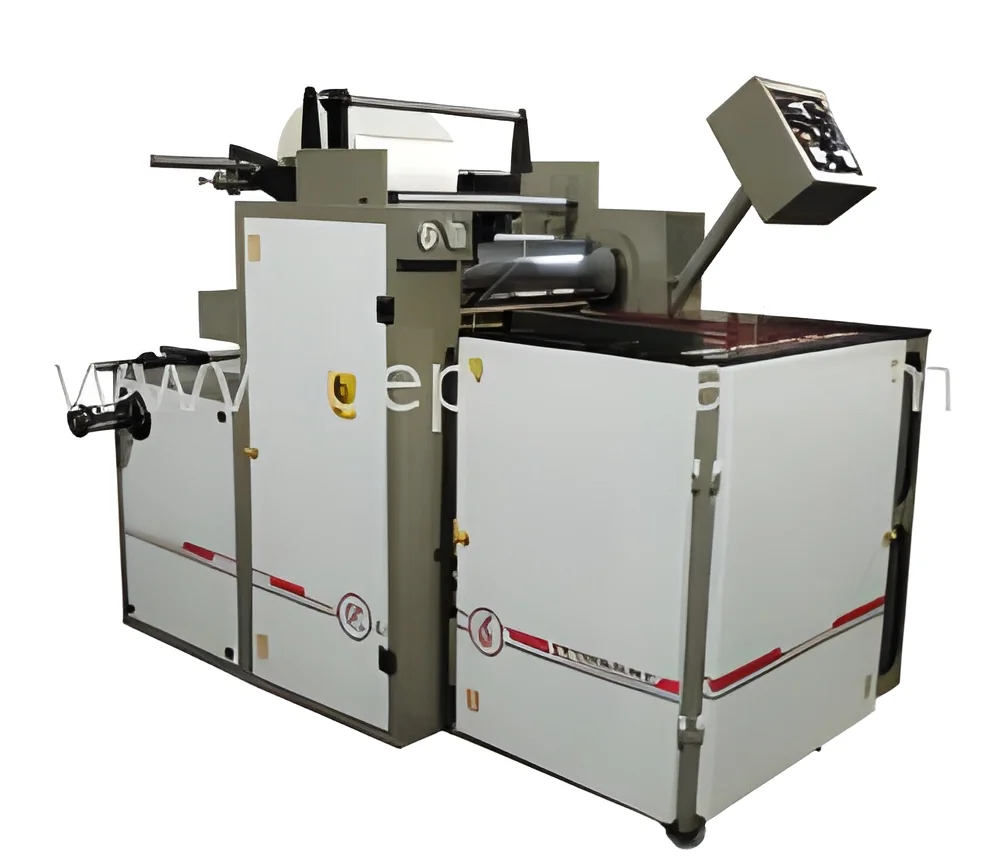
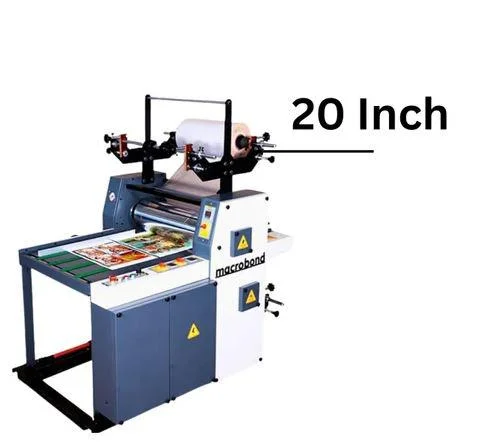
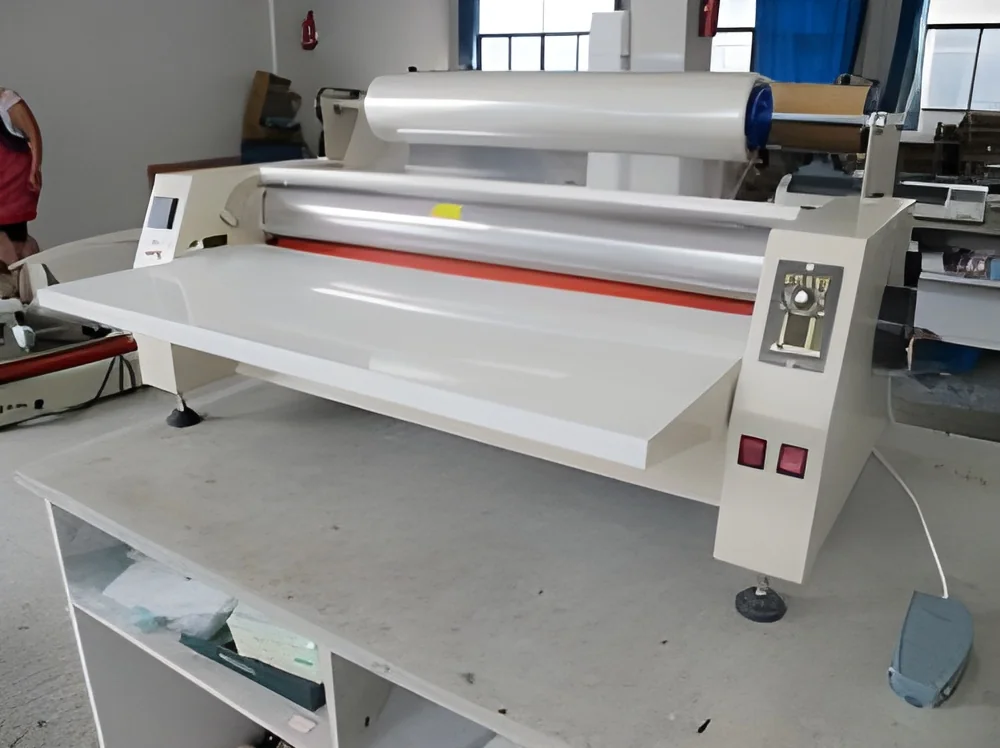
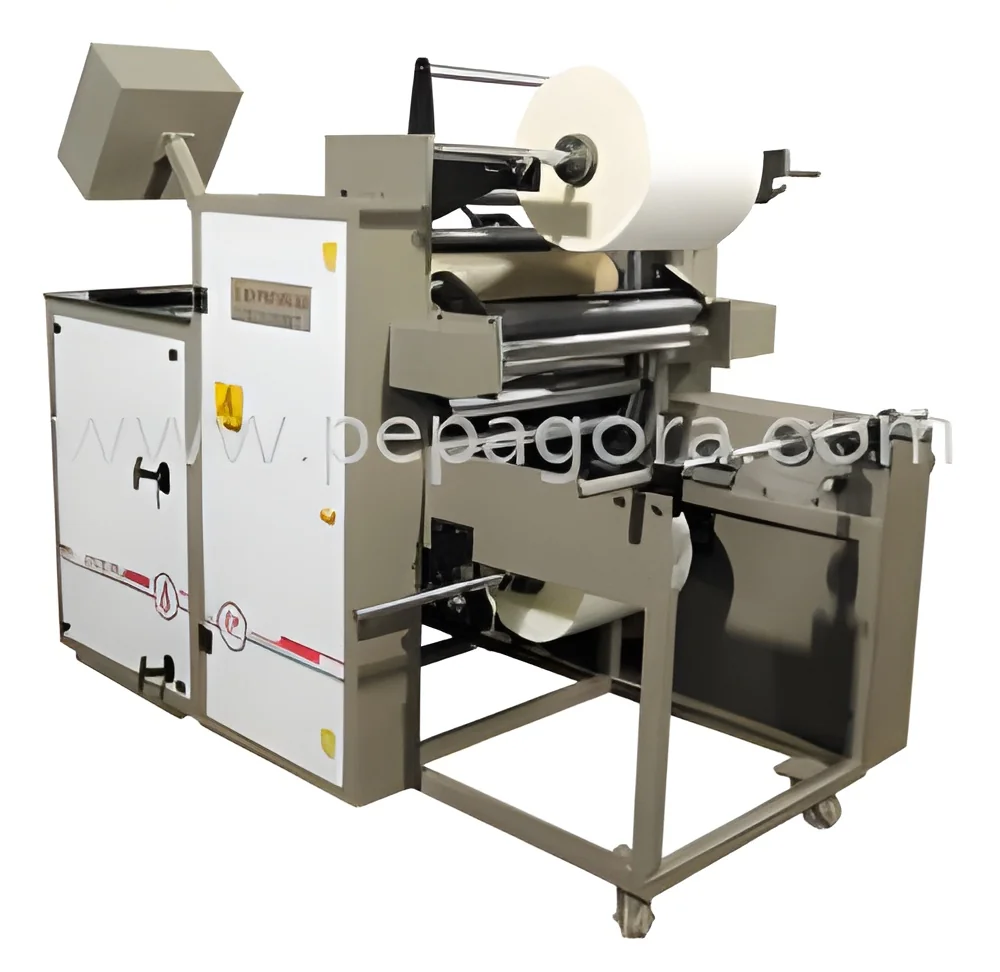
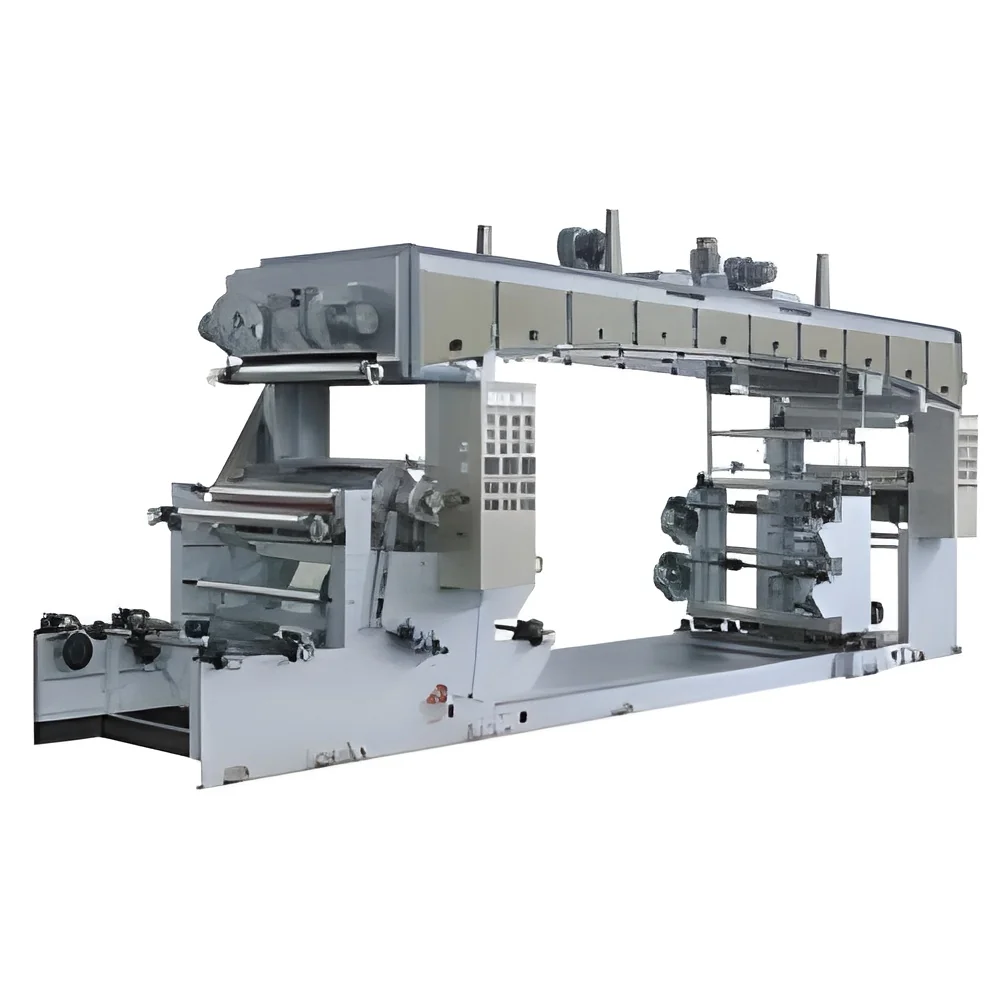
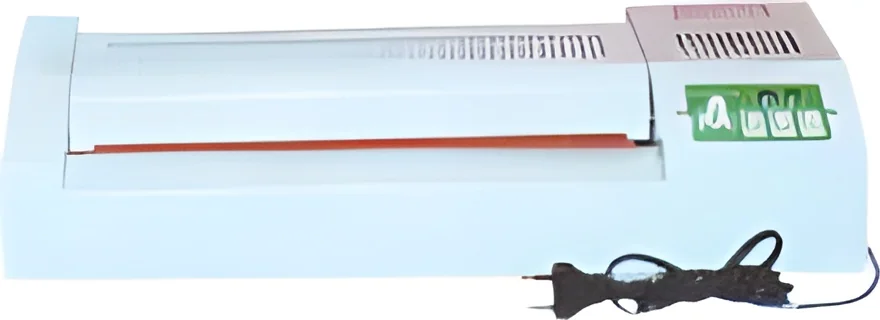
What are Thermal Laminating Machines?
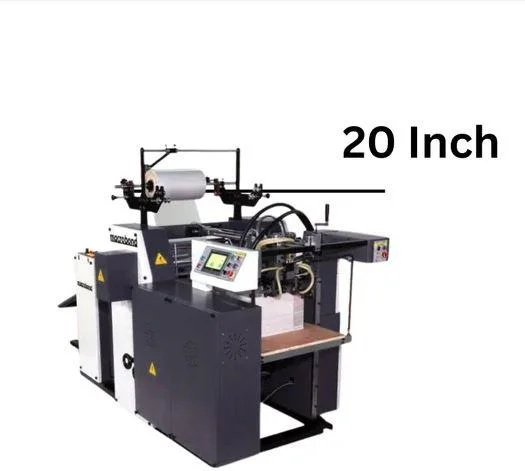
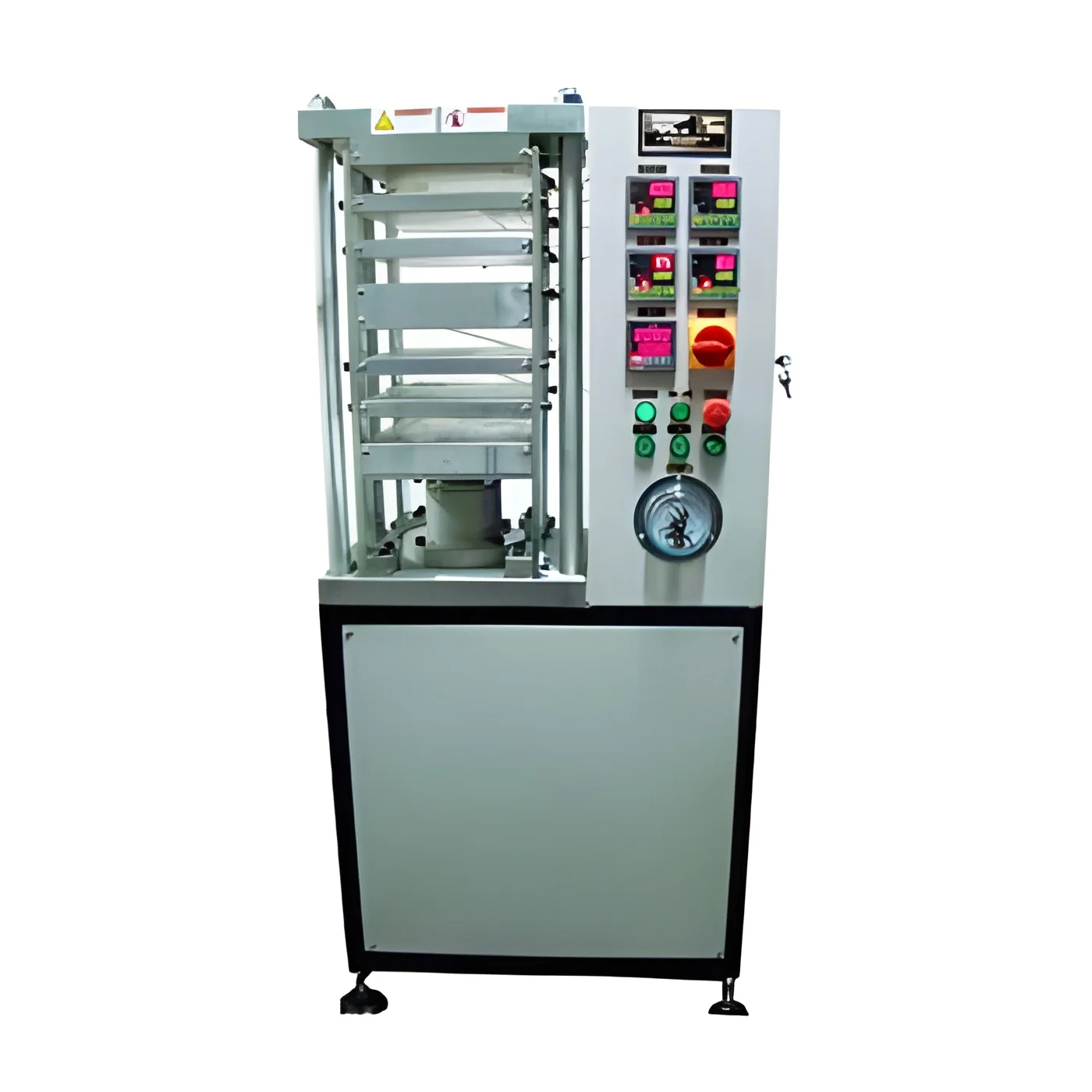
Thermal laminating machines are specialized devices designed to apply a protective layer of plastic film to printed materials. This process involves using heat to bond the film to the substrate, enhancing durability and longevity while providing a professional finish. Thermal lamination not only protects against moisture, dirt, and wear but also improves the visual appearance of materials by adding gloss or matte finishes.
These machines are widely used across various industries, including printing, packaging, and graphic design. Businesses utilize thermal laminating machines to create high-quality documents, marketing materials, photos, and packaging solutions that require added protection. The ability to laminate on-demand allows companies to improve efficiency and meet client demands in a timely manner. As businesses increasingly prioritize quality and presentation, the relevance of thermal laminating machines in the market continues to grow, making them essential tools in modern production workflows.
Key Features and Specifications
Thermal laminating machines come equipped with various features that enhance their functionality and usability. Understanding these specifications is crucial for businesses looking to invest in this technology. Key specifications include:
1. Maximum Lamination Width
- Determines the size of materials that can be laminated.
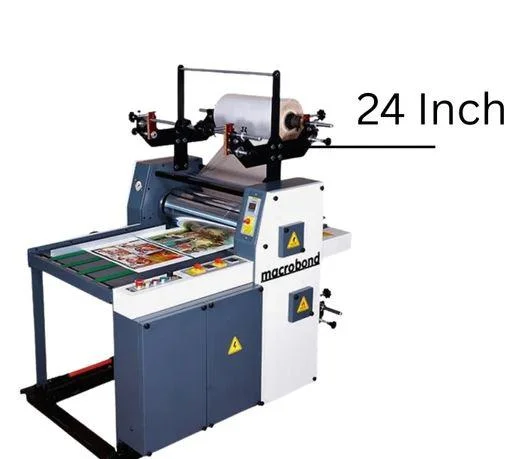
- Ranges typically from 12 inches to 60 inches.
2. Maximum Lamination Thickness
- Refers to the thickness of the laminate film that can be used.
- Common thickness options are between 1.5 mil to 10 mil.
3. Heating System Type
- Can either be electric or infrared heating.
- Electric systems offer quicker heating times and consistent temperature control.
4. Speed of Operation
- Measured in feet per minute (FPM), indicating how fast the machine can operate.
- Typical speeds range from 5 FPM to 30 FPM.
5. Temperature Control
- Allows users to set specific temperatures for different types of materials.
- Ranges generally between 200°F and 300°F.
6. Rollers
- The number of rollers affects the quality of lamination.
- Options include single, double, or multiple roller systems.
7. Safety Features
- Includes automatic shut-off and temperature sensors.
- Ensures user safety while operating the machine.
8. User Interface
- Digital displays and control panels provide ease of use.
- Some models feature programmable settings for recurring tasks.
In summary, understanding these key features and specifications will help businesses choose the right thermal laminating machine that meets their operational needs.
Common Applications and Use Cases
Thermal laminating machines have a broad range of applications across various industries.
1. Printing Industry: In the printing sector, these machines are vital for producing high-quality brochures, flyers, and business cards that require a professional finish and durability.
2. Packaging Industry: Thermal lamination is often used in packaging to enhance the appearance and protect product labels, ensuring they remain intact and visually appealing.
3. Educational Sector: Schools and educational institutions utilize thermal laminating machines to create durable teaching materials, such as flashcards and posters, which can withstand frequent handling.
4. Graphic Design: Designers rely on thermal lamination to protect and present their work, ensuring that prints maintain their vibrancy and integrity over time.
5. Retail: Retailers use laminating machines for creating long-lasting promotional materials, signage, and in-store displays that attract customers.
6. Photography: Photographers laminate prints to protect images from fading and physical damage, ensuring customers receive high-quality products.
7. Office Use: Businesses often laminate important documents and reports to preserve them and maintain a professional appearance.
Product Variants and Subcategories
Thermal laminating machines come in various types to cater to different business needs.
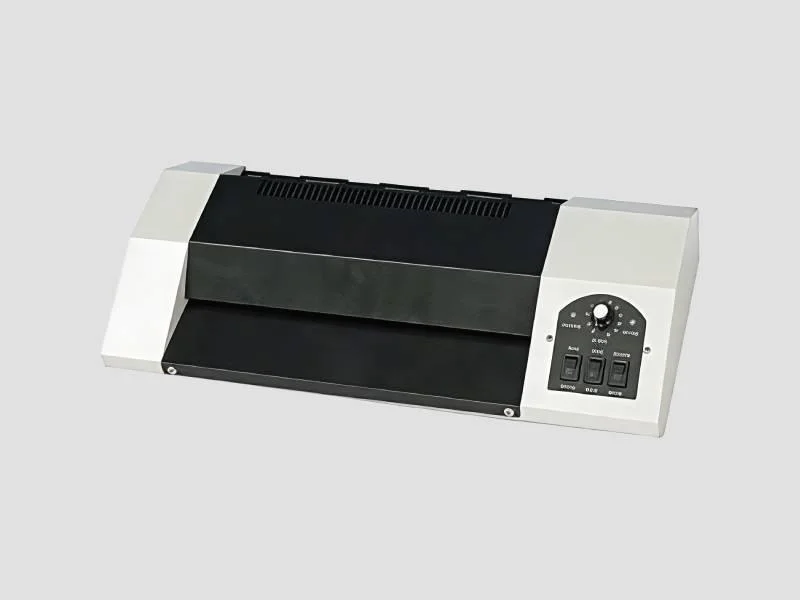
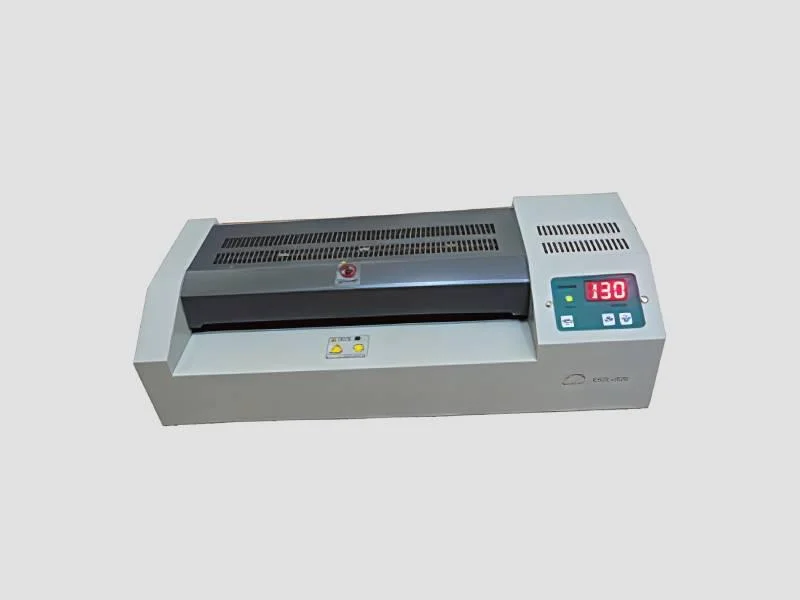
Entry-Level Laminators: Ideal for small businesses or low-volume tasks, these machines are user-friendly and compact, making them perfect for occasional use.
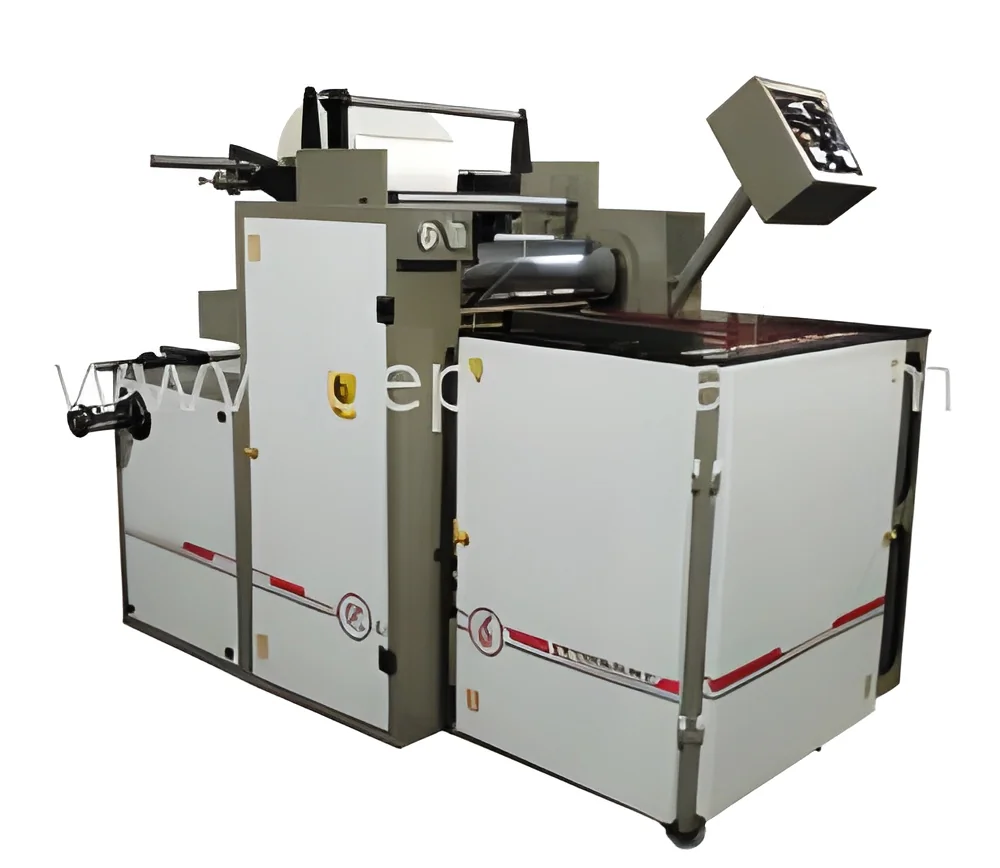
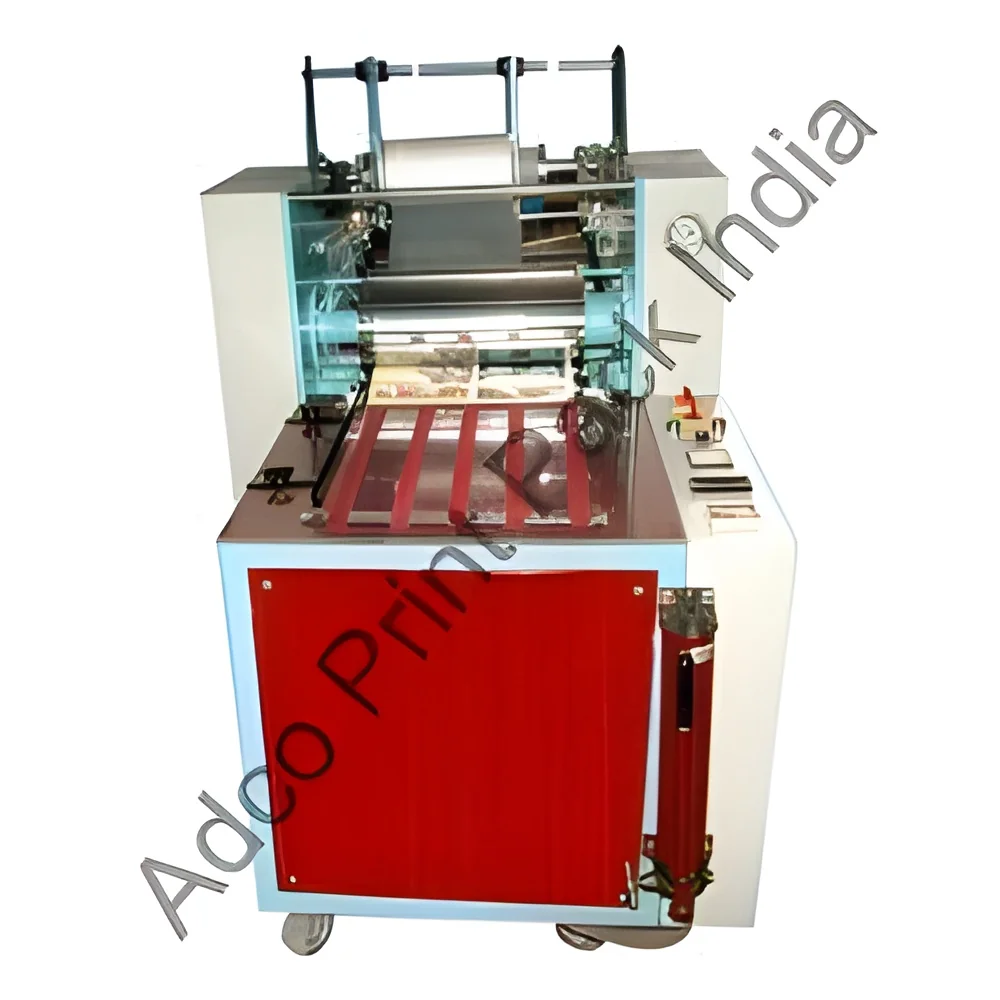
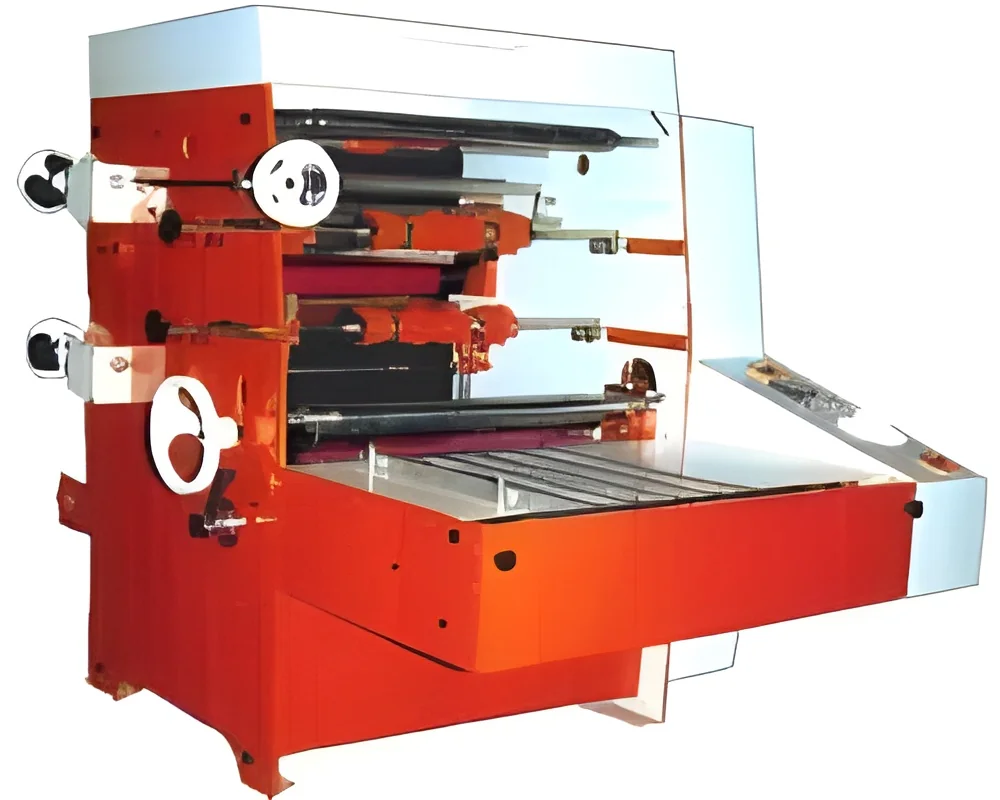
Commercial Laminators: Designed for high-volume operations, these machines offer advanced features, larger lamination widths, and faster processing speeds. They are suitable for print shops and large businesses.
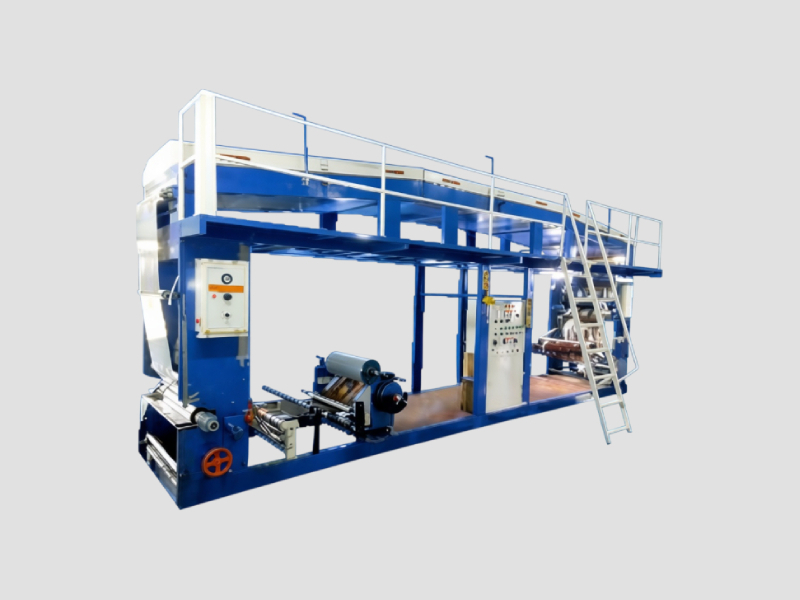
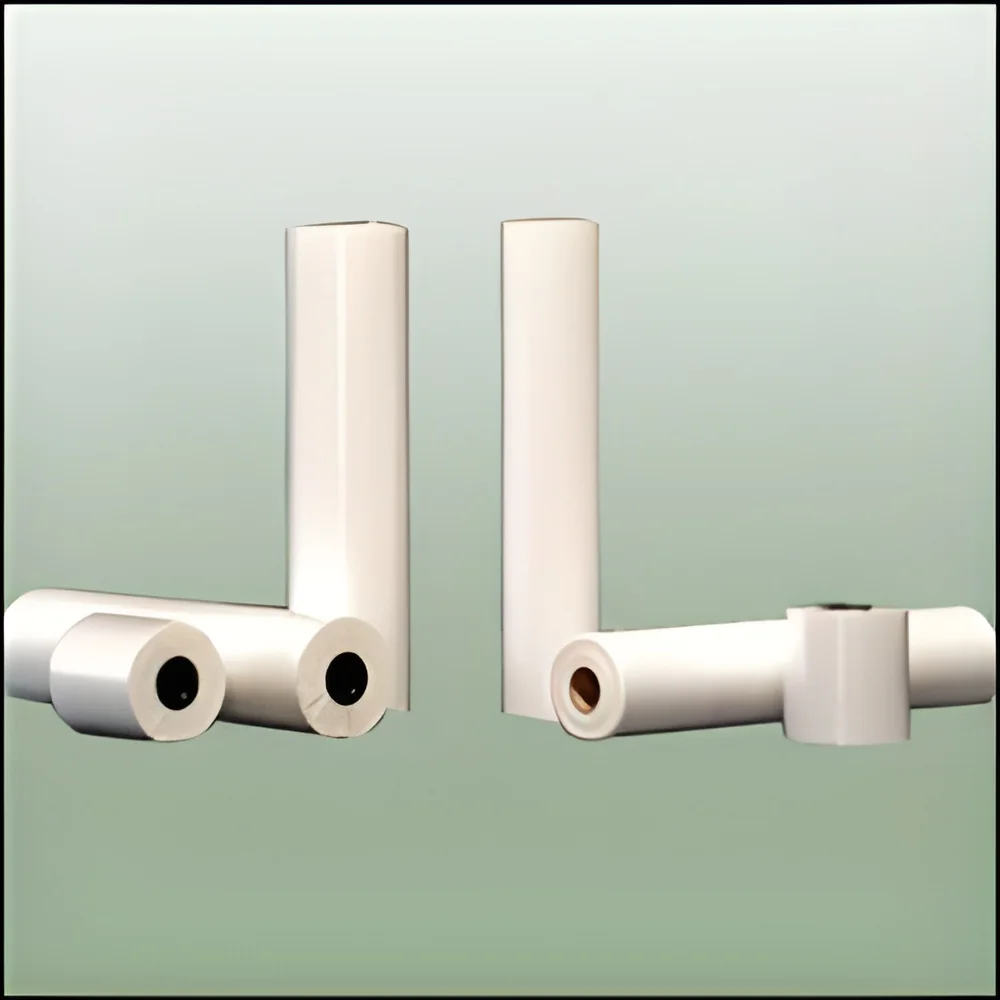
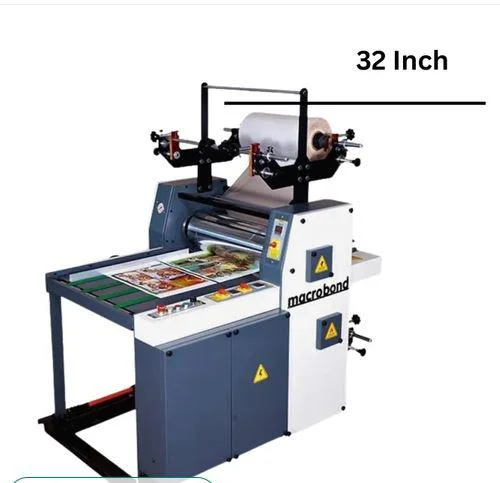
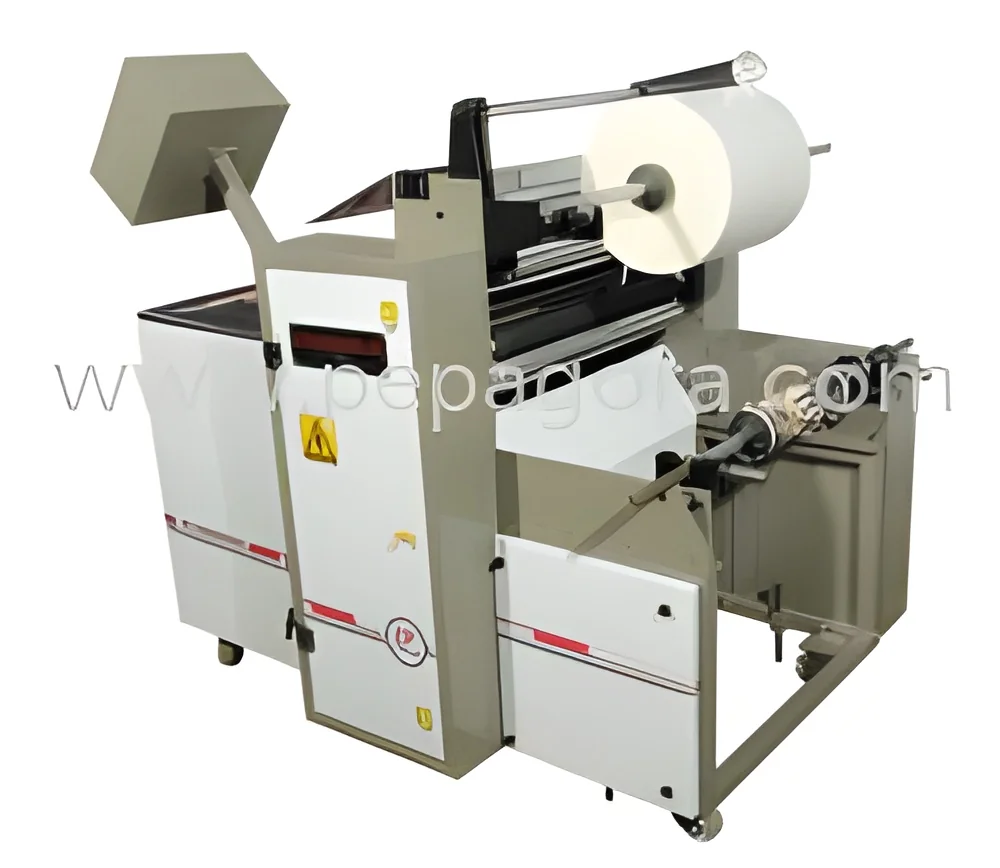
Roll Laminators: These machines use rolls of laminate film and are perfect for continuous lamination tasks, offering efficiency and ease of use for bulk projects.
Benefits and Advantages
Investing in thermal laminating machines offers several significant benefits for businesses.
1. Enhanced Durability: Laminated materials resist wear and tear, making them suitable for long-term use and storage.
2. Improved Aesthetics: Lamination adds a professional finish that enhances the visual appeal of printed materials, making them more attractive to customers.
3. Protection from Environmental Factors: Laminated products are resistant to moisture, dirt, and UV light, ensuring that they remain in pristine condition.
4. Cost-Effective Solution: By prolonging the life of printed materials, thermal lamination reduces the need for frequent reprints, saving businesses money in the long run.
5. Versatility: These machines can laminate various materials, including paper, cardstock, and even some plastics, making them adaptable to different business needs.
6. Increased Efficiency: Modern thermal laminating machines offer fast operation speeds, allowing businesses to meet tight deadlines without compromising quality.
Buying Guide for B2B Buyers
When sourcing thermal laminating machines, several factors should be considered to ensure an informed purchase decision.
1. Quality Assessment: Evaluate the build quality and performance of the machine. Look for reliable brands with positive reviews and proven track records regarding durability and efficiency.
2. Supplier Verification: Vet potential suppliers by checking their credentials, customer feedback, and industry reputation. Establishing a relationship with a reputable supplier ensures product quality and support.
3. Pricing and MOQ: Compare prices from different suppliers and consider the minimum order quantity (MOQ) to understand cost implications for your business.
4. Delivery and Lead Times: Assess the supplier's ability to meet your delivery timelines to avoid disruptions in operations. Consider their logistics capabilities and shipping options.
5. Compliance Requirements: Ensure that the machines meet any relevant industry standards and regulations, such as safety certifications, to avoid compliance issues down the line.
Compliance and Certifications
Thermal laminating machines must adhere to various quality and safety standards to ensure reliable performance.
ISO 9001 is an internationally recognized standard that focuses on quality management systems. Manufacturers that comply are likely to produce machines that meet high-quality benchmarks.
CE certification indicates that the machine meets the European safety, health, and environmental protection requirements. This certification is essential for products sold in the European market.
Safety and testing requirements include thorough assessments to ensure machines operate safely under specified conditions. Manufacturers typically conduct rigorous testing to comply with these standards.
Regional compliance considerations may vary, so businesses should be aware of specific regulations in their operating regions. Adhering to these requirements is crucial for smooth market entry and operation.
Why Source Thermal Laminating Machines from Pepagora?
Pepagora offers a trusted platform for sourcing thermal laminating machines, providing several key advantages for B2B buyers.
Verified Supplier Network: Pepagora connects buyers with a network of verified suppliers, ensuring quality and reliability in the sourcing process. Each supplier undergoes a thorough vetting process to guarantee that they meet industry standards.
Streamlined RFQ Process: The request for quotation (RFQ) system simplifies the procurement process. Buyers can easily compare offers from multiple suppliers, facilitating informed decision-making and competitive pricing.
Trade Assurance and Support: Pepagora provides trade assurance to protect buyers from potential risks. This includes support throughout the purchasing process, ensuring that buyers are informed and secure in their transactions.
Regional Coverage: With a strong presence in India, the Gulf Cooperation Council (GCC), and Southeast Asia, Pepagora caters to businesses across these regions. This extensive network helps buyers access quality thermal laminating machines tailored to their specific needs.

 IN
IN