
 IN
Soybean Meal
5 products available
What are Soybean Meal?
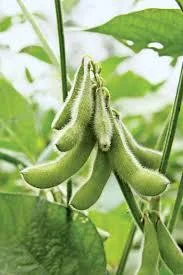
Soybean meal is a high-protein byproduct derived from the extraction of oil from soybeans. It is commonly used as animal feed and serves as an essential ingredient in various livestock diets. The meal is rich in proteins, making it a vital source of nutrients for animals, particularly in the poultry, swine, and dairy industries.
The primary applications of soybean meal extend beyond animal nutrition; it is also utilized in aquaculture and as a supplement in certain human food products. In the commercial sector, it plays a crucial role in formulating balanced feeds that promote growth and health in livestock. Due to its nutritional benefits and versatility, soybean meal holds a significant place in the agricultural and food production industries.
The relevance of soybean meal in today’s market is underscored by the growing demand for sustainable and efficient protein sources. As global populations increase and dietary preferences shift towards protein-rich foods, the market for soybean meal continues to expand. This growth is particularly evident in regions with high livestock production, where soybean meal is a staple in feed formulations.
Key Features and Specifications
Soybean meal is characterized by several key features that make it an important product in animal nutrition. Understanding these specifications is essential for B2B buyers seeking quality ingredients for feed formulation.
Key specifications include:
1. Protein Content
- Typically ranges from 44% to 48% depending on the extraction process.
- High protein levels support growth and development in livestock.
2. Fat Content
- Generally around 1.5% to 3.5%.
- Low-fat content is beneficial for lean animal growth.
3. Fiber Content
- Usually ranges from 6% to 7%.
- Fiber aids in digestion and promotes gut health.
4. Amino Acid Profile
- Rich in essential amino acids such as lysine and methionine.
- Key for muscle development and overall health.
5. Moisture Content
- Typically maintained at a maximum of 12%.
- Low moisture levels help in storage and shelf life.
6. Ash Content
- Generally around 6% to 7%.
- Indicates mineral content, contributing to animal health.
7. Color and Texture
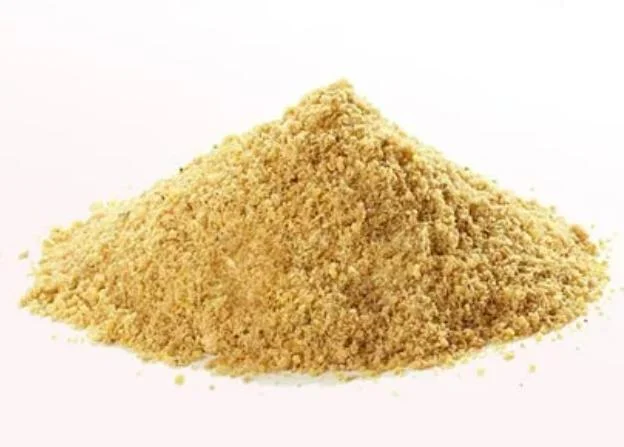
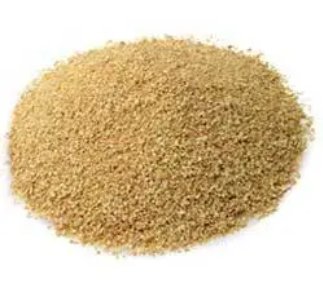
- Light brown to yellowish color with a fine to medium texture.
- Visual quality can indicate freshness and purity.
In summary, the various specifications of soybean meal highlight its critical role in animal nutrition and its potential applications across different sectors.
Common Applications and Use Cases
Soybean meal finds extensive use across multiple industries, primarily in animal feeds and nutrition.
1. Poultry Industry: Soybean meal is a primary ingredient in poultry rations, providing essential proteins and amino acids necessary for growth and egg production.
2. Swine Industry: It is widely used in pig diets to support healthy growth rates and improve feed efficiency.
3. Dairy Farming: Soybean meal serves as a valuable protein source in dairy cattle feeds, enhancing milk production and quality.
4. Aquaculture: In fish and shrimp farming, soybean meal is used as a protein-rich feed ingredient to promote growth and health.
5. Pet Food: Some pet food formulations incorporate soybean meal as a protein source, ensuring balanced nutrition for pets.
6. Human Food Products: Certain food products utilize soybean meal as a protein supplement, appealing to health-conscious consumers seeking plant-based options.
7. Biofuel Production: Additionally, soybean meal is a byproduct of biodiesel production, and its use in this capacity contributes to the sustainability of energy sources.
Product Variants and Subcategories
Soybean meal is available in various forms, catering to different market needs and applications.
Soybean Meal Type 48
This variant contains approximately 48% protein and is primarily used in livestock diets. It offers a balanced amino acid profile, supporting optimal growth in animals.
Soybean Meal Type 44
With a protein content of around 44%, this variant is suitable for use in swine and poultry feeds. It provides essential nutrients while being cost-effective for large-scale operations.
Soybean Meal Pellets
Pelleted soybean meal is designed for ease of handling and feeding. The pellets retain the nutritional benefits of the meal while simplifying storage and transport.
Benefits and Advantages
The benefits of incorporating soybean meal into animal feed are numerous.
1. High Nutritional Value: Soybean meal provides a rich source of protein, essential amino acids, and other nutrients critical for animal growth.
2. Cost-Effective: Compared to other protein sources, soybean meal often presents a more economical option, reducing overall feed costs.
3. Versatile Ingredient: Its adaptability allows it to be used in various feed formulations across multiple animal species.
4. Sustainable Protein Source: Sourced from soybeans, it supports sustainable agricultural practices and contributes to reduced environmental impact.
5. Improved Feed Efficiency: The nutritional profile of soybean meal enhances feed conversion rates, leading to better growth outcomes.
6. Supports Animal Health: The inclusion of soybean meal in diets promotes overall health and well-being in livestock.
Buying Guide for B2B Buyers
When sourcing soybean meal, several important factors should be considered to ensure quality and suitability for specific applications.
1. Quality Assessment: Evaluate the protein content, moisture levels, and overall visual appearance of the soybean meal. High-quality meal should have a consistent texture and color.
2. Supplier Verification: Conduct thorough research on potential suppliers, checking for reliability, certifications, and previous customer reviews to ensure they meet industry standards.
3. Pricing and MOQ: Understand the pricing structure and minimum order quantities (MOQ) that suppliers offer. This information helps in budgeting and planning purchases.
4. Delivery and Lead Times: Inquire about logistics and delivery schedules. Timely delivery is crucial for maintaining production schedules and meeting customer demands.
5. Compliance Requirements: Ensure that the soybean meal meets relevant regulatory standards and certifications. This is essential for maintaining product integrity and safety in animal feeds.
Compliance and Certifications
Soybean meal must adhere to various quality standards and certifications to ensure its safety and efficacy in animal feed formulations.
Relevant quality standards, such as ISO 9001, focus on quality management systems, ensuring that suppliers maintain consistent quality throughout their production processes.
HACCP (Hazard Analysis Critical Control Point) is crucial in identifying potential hazards in the production and handling of soybean meal, ensuring food safety for both animals and humans.
Compliance with Good Distribution Practices (GDP) is also vital, as it ensures that the product is stored and transported under appropriate conditions to maintain quality.
Additionally, certification such as CE indicates that the product has been assessed for safety and meets European health, safety, and environmental protection standards.
Regional compliance considerations may vary, so it is important to understand the specific regulations applicable in target markets.
Why Source Soybean Meal from Pepagora?
Pepagora offers a reliable platform for sourcing soybean meal, providing several advantages to B2B buyers.
Verified Supplier Network: Our network consists of verified suppliers who meet stringent quality and safety standards. This ensures that buyers receive high-quality soybean meal that meets their specifications.
Streamlined RFQ Process: Pepagora features a streamlined Request for Quotation (RFQ) process, allowing buyers to easily request quotes from multiple suppliers and compare offers efficiently.
Trade Assurance and Support: Our platform offers trade assurance, providing buyers with protection and support throughout the purchasing process. This builds confidence and security in transactions.
Regional Coverage: With a strong presence in regions such as India, the GCC, and Southeast Asia, Pepagora connects buyers with local suppliers, facilitating efficient sourcing and logistics.
By choosing Pepagora, businesses can enhance their procurement processes and ensure access to quality soybean meal tailored to their specific needs.





Frequently Asked Questions
What are Soybean Meal?
Soybean Meal is a byproduct of the soybean oil extraction process and is primarily used as a high-protein animal feed. It is rich in essential amino acids and provides a significant nutritional source for livestock, such as cattle, poultry, and swine.
What are the different types of Soybean Meal?
The main types of Soybean Meal include dehulled Soybean Meal, which has the hulls removed, and conventional Soybean Meal, which retains the hulls. Dehulled Soybean Meal contains a higher protein content and is often preferred for animal feed.
How do I choose the right Soybean Meal?
Selecting the right Soybean Meal involves assessing the protein content, amino acid profile, and the intended use for the feed. It's important to consider the nutritional requirements of the livestock and any specific dietary restrictions they may have.
What are the standard specifications for Soybean Meal?
Standard specifications for Soybean Meal typically include a minimum protein content of 44% to 48%, moisture content not exceeding 12%, and acceptable levels of fat and fiber. These specifications can vary based on the intended use and regulations in different markets.
What is the price range for Soybean Meal?
The price of Soybean Meal can vary widely based on factors such as quality, sourcing location, and market demand. Generally, prices range from INR 25,000 to INR 40,000 per metric ton, but it is advisable to check with suppliers for the most accurate pricing.
What quality standards apply to Soybean Meal?
Quality standards for Soybean Meal are set by organizations such as the Association of American Feed Control Officials (AAFCO) and the Food Safety and Standards Authority of India (FSSAI). These standards ensure the meal is safe for animal consumption and meets nutritional requirements.
Where can I find Soybean Meal suppliers in India?
You can find Soybean Meal suppliers in India through online B2B marketplaces like Pepagora.com, agricultural trade shows, and industry directories. It's crucial to verify supplier credentials and product quality before making a purchase.
Can Soybean Meal be customized?
Yes, Soybean Meal can be customized based on specific nutritional requirements, such as varying protein levels or additional fortifications. Customization options may depend on the supplier's capabilities and the intended use of the meal.
What is the typical minimum order quantity for Soybean Meal?
The typical minimum order quantity (MOQ) for Soybean Meal can range from 1 metric ton to several tons, depending on the supplier. It's advisable to check with individual suppliers for their specific MOQ requirements.
What is the typical lead time for Soybean Meal?
The typical lead time for Soybean Meal orders can vary from a few days to several weeks based on the supplier's inventory and order size. It is recommended to confirm lead times with the supplier at the time of ordering to ensure timely delivery.
Why Businesses Trust Pepagora
Thousands of companies trust Pepagora to source smarter and sell faster
Expand Your Sales Globally

Source Smarter,Grow Faster
