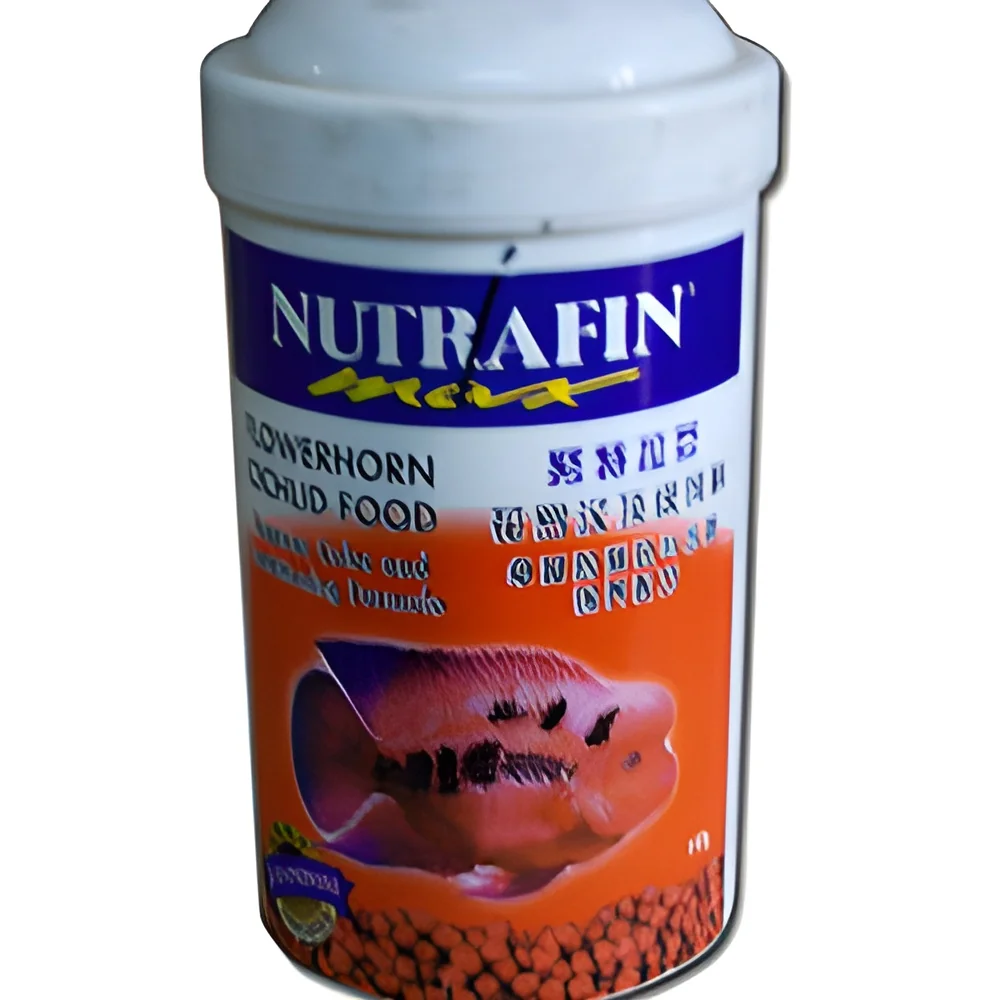
What are Fish Meal & Bone Meal?
Fish meal and bone meal are organic products derived from fish and animal bones, respectively. Fish meal is produced by cooking, drying, and grinding fish, primarily used as a high-protein feed ingredient in aquaculture, livestock, and pet food. Bone meal, on the other hand, is made from crushed animal bones and is rich in minerals, particularly phosphorus and calcium, making it suitable for fertilizers and animal feed.
These meals serve critical roles in various industries. In agriculture, fish meal enhances the nutritional content of animal feed, promoting better growth and health in livestock. Bone meal is widely utilized in gardening and farming to enrich soil and support plant growth. The market for these products remains strong, driven by the increasing demand for sustainable and high-quality protein sources in animal husbandry and crop production.
Key Features and Specifications
Fish meal and bone meal are characterized by their nutritional profiles and processing methods. Understanding their specifications is essential for businesses looking to incorporate these ingredients into their products.
Key specifications include:
1. Protein Content
- Fish meal typically contains 60-72% protein.
- Bone meal generally has a lower protein content, around 20-30%.
2. Ash Content
- Fish meal can have an ash content of 8-12%.
- Bone meal usually has a higher ash content, ranging from 25-35%.
3. Moisture Content
- Fish meal must have a moisture level below 10%.
- Bone meal generally contains less than 12% moisture.
4. Fat Content
- Fish meal generally has a fat content of 5-15%.
- Bone meal contains minimal fat, usually below 5%.
5. Calcium Content
- Bone meal is high in calcium, providing 14-17%.
- Fish meal contains only trace amounts of calcium.
6. Phosphorus Content
- Bone meal is rich in phosphorus, offering 5-6%.
- Fish meal provides lower phosphorus levels, around 1-2%.
7. Digestibility
- Fish meal is highly digestible, beneficial for animal nutrition.
- Bone meal has moderate digestibility, depending on processing.
These specifications help businesses select the right product for their specific needs.
Common Applications and Use Cases
Fish meal and bone meal find extensive applications across diverse industries, each leveraging their unique properties.
1. Aquaculture: Fish meal is a primary ingredient in fish feed, promoting growth and health in farmed fish.
2. Livestock Feed: Both fish meal and bone meal are used in poultry and livestock diets to enhance protein and mineral intake.
3. Agriculture: Bone meal is commonly used as an organic fertilizer, enriching soil with essential nutrients.
4. Pet Food: Fish meal is favored in high-quality pet foods for its protein-rich content, supporting animal health.
5. Organic Gardening: Bone meal serves as a natural fertilizer, ideal for gardeners seeking sustainable soil amendments.
6. Food Industry: Fish meal can be incorporated into specialized food products for its nutritional benefits.
7. Animal Nutrition Research: Both meals are used in studies to improve feed formulations and animal health.
Product Variants and Subcategories
Fish meal and bone meal can come in various forms to meet specific industry needs.
Fish Meal Variant
This variant is primarily used in aquaculture and livestock feed. It is characterized by high protein content and essential fatty acids, making it ideal for promoting growth in fish and livestock.
Bone Meal Variant
Bone meal is typically utilized as an organic fertilizer. It is rich in phosphorus and calcium, essential for plant growth. This variant is often used in gardening and as an additive in animal feed.
Benefits and Advantages
Sourcing fish meal and bone meal provides numerous advantages for businesses looking to enhance their product offerings.
1. Nutritional Value: Fish meal offers high protein content, while bone meal provides essential minerals like calcium and phosphorus.
2. Sustainable Sourcing: Both meals are derived from by-products, contributing to waste reduction in the food industry.
3. Versatility: These meals can be used across various industries, including agriculture, aquaculture, and pet food.
4. Improved Growth Rates: Incorporating fish meal in animal feed can lead to faster growth rates and better health for livestock.
5. Organic Certification: Bone meal can be used in organic farming, appealing to eco-conscious consumers.
6. Cost-Effectiveness: Both products are often more affordable than alternative protein and mineral sources.
Buying Guide for B2B Buyers
When sourcing fish meal and bone meal, businesses should consider several key factors to ensure they make informed decisions.
1. Quality Assessment: It is crucial to evaluate the nutritional content, purity, and processing methods of the meals to meet specific requirements.
2. Supplier Verification: Vetting suppliers for reliability and quality assurance is essential. Look for certifications and industry reputation.
3. Pricing and MOQ: Understand the pricing structure and minimum order quantities to align with budget and demand forecasts.
4. Delivery and Lead Times: Consider logistics and the expected lead times for delivery to ensure timely supply for production.
5. Compliance Requirements: Adhere to relevant regulatory standards and certifications for quality assurance in food and agriculture sectors.
Compliance and Certifications
Fish meal and bone meal must adhere to various quality standards and certifications to ensure safety and effectiveness.
Relevant quality standards include ISO 9001, which focuses on quality management systems, ensuring consistent product quality. HACCP (Hazard Analysis Critical Control Point) is vital for identifying and managing food safety risks in production processes. Additionally, Good Distribution Practices (GDP) are important for maintaining product integrity during transport.
Industry certifications, such as CE marking, demonstrate compliance with European health, safety, and environmental protection standards.
Safety and testing requirements are critical in ensuring that both fish meal and bone meal are free from contaminants and safe for use. Regular testing for pathogens and heavy metals is essential.
Regional compliance considerations may vary, so it is important for businesses to be aware of local regulations regarding the sourcing and use of these products.
Why Source Fish Meal & Bone Meal from Pepagora?
Pepagora provides a trusted platform for sourcing fish meal and bone meal, offering several key advantages to B2B buyers.
Verified Supplier Network: Pepagora connects businesses with verified suppliers, ensuring product quality and reliability. The platform conducts thorough vetting processes to maintain high standards.
Streamlined RFQ Process: The request for quotation system simplifies the procurement process. Buyers can easily compare offers, making it easier to find competitive pricing and suitable suppliers.
Trade Assurance and Support: Pepagora offers trade assurance, providing buyer protection and support throughout the purchasing process. This ensures a safe and secure transaction for both buyers and suppliers.
Regional Coverage: With a strong presence in India, GCC, and Southeast Asia, Pepagora facilitates access to local and regional suppliers, enhancing logistics and delivery options for businesses in these markets.

 IN
IN