What are Phytase, Protease Enzymes?
Phytase and protease enzymes are specialized proteins that catalyze biochemical reactions in various substrates. Phytase primarily breaks down phytic acid, a form of stored phosphorus in plants, into usable inorganic phosphates. This process enhances nutrient absorption in livestock feed and improves overall feed efficiency. Protease, on the other hand, targets proteins, facilitating their breakdown into peptides and amino acids, which are essential for growth and development in both animals and plants.
These enzymes are widely utilized in the agriculture and food industries, particularly in animal nutrition and food processing. In animal husbandry, phytase is crucial for improving phosphorus bioavailability in animal diets, thereby reducing environmental phosphorus pollution. Protease enzymes are vital in the food industry for tenderizing meat, improving flavor, and enhancing the texture of various food products. As global demand for sustainable agricultural practices rises, the relevance of phytase and protease enzymes within the industry continues to grow.
Key Features and Specifications
Phytase and protease enzymes have distinct features that make them essential for various applications in multiple industries. Understanding their specifications helps businesses select the right products for their needs.
Key specifications include:
1. Activity Level
- Indicates the enzyme's effectiveness in catalyzing reactions.
- Measured in units per gram or liter.
2. Temperature Stability
- Refers to the temperature range in which the enzyme remains stable and effective.
- Typically ranges from 30 to 70 degrees Celsius depending on the enzyme type.
3. pH Range
- Represents the optimal pH levels for enzyme activity.
- Often falls between 4.5 to 7.5 for phytase and varies for different proteases.
4. Source of Enzyme
- Specifies whether the enzyme is derived from microbial, fungal, or plant sources.
- Influences its application and effectiveness.
5. Formulation Type
- Indicates whether the enzyme is available in liquid or powder form.
- Affects storage, handling, and application methods.
6. Shelf Life
- Denotes the period during which the enzyme retains its activity.
- Generally ranges from 12 to 24 months if stored properly.
7. Dosage Recommendations
- Provides guidelines on the amount of enzyme to use per ton of feed or batch of product.
- Varies based on the specific enzyme and intended application.
8. Safety and Handling
- Outlines safety precautions for use and storage.
- Important for compliance with industry regulations.
These specifications ensure that businesses can select the right enzyme products to meet their operational needs effectively.
Common Applications and Use Cases
Phytase and protease enzymes serve a broad range of industries, each with specific applications that enhance productivity and sustainability.
1. Animal Nutrition: Phytase is widely used in animal feed to improve phosphorus availability, reducing the need for supplemental inorganic phosphorus and minimizing environmental impact.
2. Food Processing: Protease enzymes are utilized in the meat industry for tenderizing, improving texture, and enhancing flavor in various products, including sausages and marinades.
3. Baking: Proteases are employed in the baking industry to improve dough handling and enhance the texture of baked goods, leading to better quality products.
4. Brewing: Phytase and protease are used in brewing processes to break down starches and proteins, optimizing fermentation and improving beer clarity.
5. Aquaculture: Phytase is increasingly important in fish feed formulations, promoting better nutrient absorption in aquatic species and contributing to sustainable aquaculture practices.
6. Biofuel Production: Protease enzymes are applied in biofuel manufacturing to break down proteins in feedstocks, improving the efficiency of biofuel production.
7. Pharmaceuticals: Both enzyme types find applications in the pharmaceutical industry for drug formulation and development, enhancing bioavailability of active ingredients.
Product Variants and Subcategories
Phytase and protease enzymes come in various formulations to cater to different market needs and applications. This diversity allows businesses to select products that best suit their operational requirements.
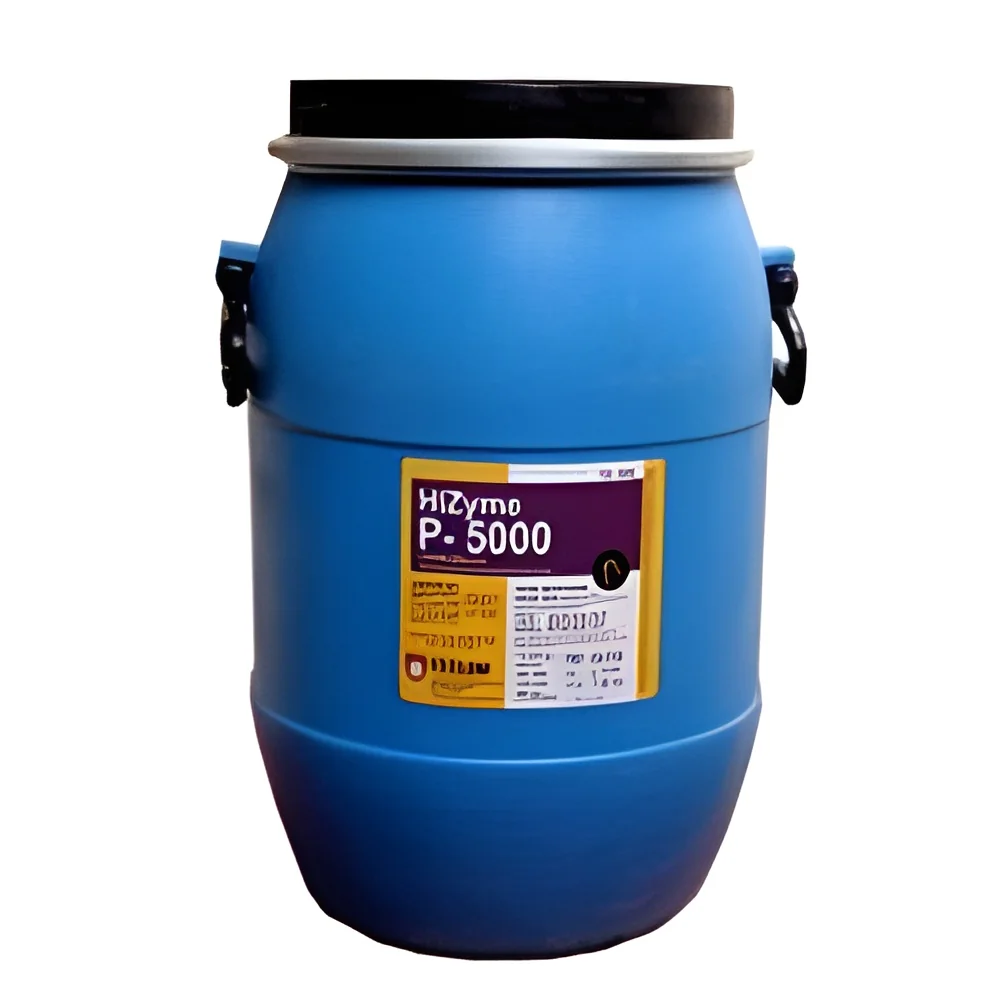
Liquid Phytase
This variant is designed for ease of application in liquid feed formulations. It offers rapid dispersion and enhanced absorption in animal diets, making it suitable for large-scale feed production.
Granular Protease
Granular protease is formulated for dry applications, ideal for use in baking and meat processing. Its stability and ease of handling make it a preferred choice in these industries.
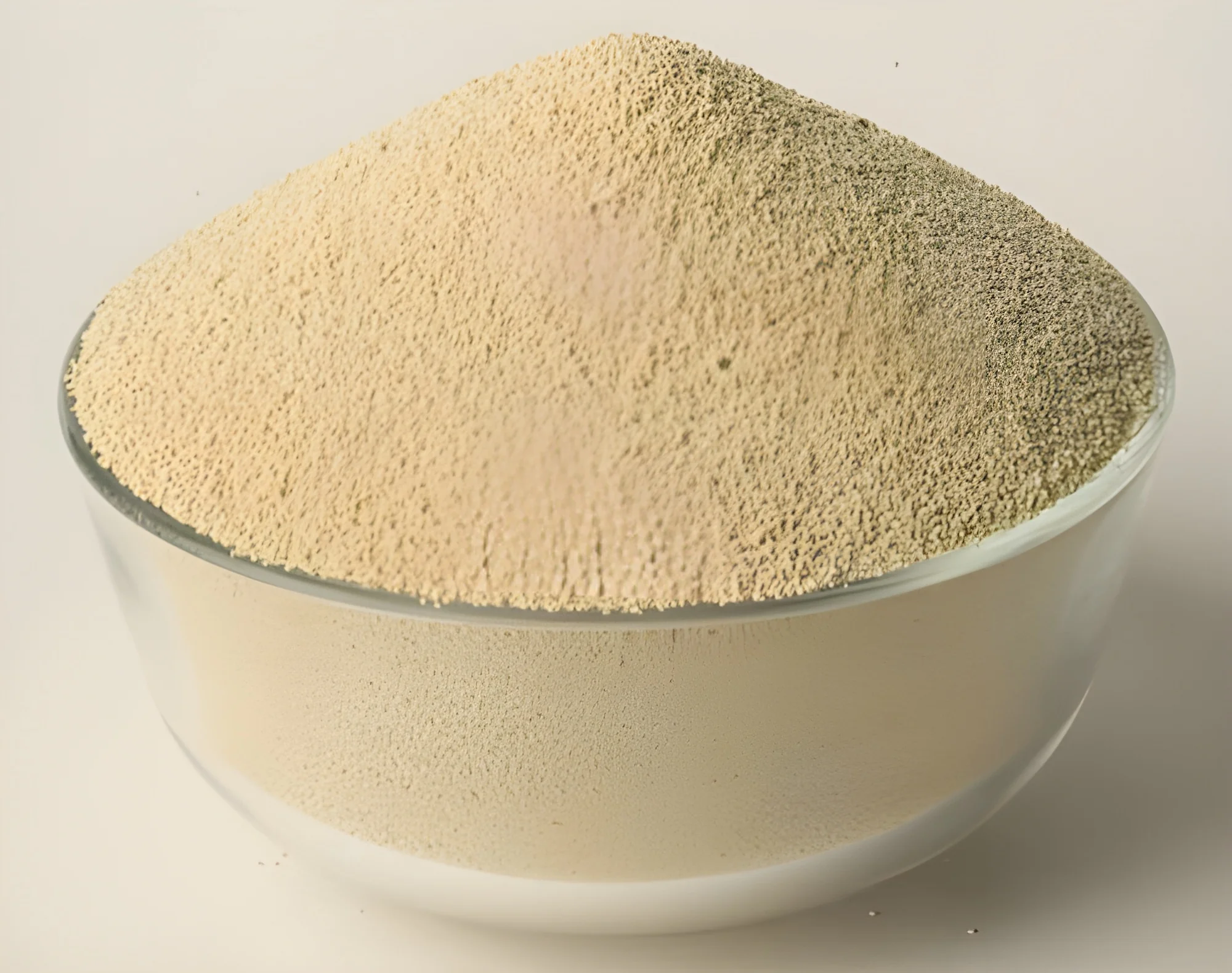
Powdered Phytase
Powdered phytase is available for bulk feed applications, providing flexibility in dosage and ease of incorporation into various feed formulations.
Liquid Protease
Liquid protease variants are formulated for specific applications in the food industry, allowing for precise control in processes like marination and tenderization.
Benefits and Advantages
Phytase and protease enzymes offer numerous benefits that enhance productivity and sustainability across various industries.
1. Enhanced Nutrient Absorption: Phytase improves phosphorus bioavailability in animal feeds, leading to better nutrient utilization and reduced waste.
2. Improved Feed Efficiency: The use of protease enzymes in animal diets can increase growth rates, reduce feed costs, and improve overall feed conversion ratios.
3. Environmental Sustainability: Utilizing phytase helps minimize phosphorus runoff, contributing to environmental conservation and compliance with regulations.
4. Cost-Effective Solutions: Enzyme supplementation can reduce the need for expensive feed additives, leading to overall cost savings for producers.
5. Quality Improvement: Protease enhances the tenderness and flavor of meat products, resulting in higher quality and consumer satisfaction.
6. Versatile Applications: Both enzyme types are applicable in various industries, offering businesses flexibility in their operations and product offerings.
Buying Guide for B2B Buyers
When sourcing Phytase and Protease Enzymes, it is essential for B2B buyers to consider several critical factors to ensure they make informed decisions.
1. Quality Assessment: Look for enzymes that meet industry standards and have verifiable quality control processes. Specifications such as activity levels and source should align with your application needs.
2. Supplier Verification: Vet potential suppliers by checking their certifications, customer reviews, and industry reputation. A reliable supplier should provide transparency about their sourcing and manufacturing processes.
3. Pricing and MOQ: Understand the pricing structure and minimum order quantities (MOQs) from suppliers. This will help in budgeting and ensure that your procurement aligns with production requirements.
4. Delivery and Lead Times: Consider the logistics involved in sourcing enzymes. Ensure suppliers can meet your delivery timelines to avoid disruptions in your production processes.
5. Compliance Requirements: Verify that the enzymes comply with relevant regulatory standards in your region, including safety and quality certifications like CE or ISO.
Compliance and Certifications
Compliance with industry standards and certifications is crucial for ensuring the quality and safety of Phytase and Protease Enzymes. Relevant quality standards include ISO 9001, which ensures consistent quality management systems, and HACCP, which focuses on food safety.
Industry certifications, such as CE marking, indicate compliance with European safety, health, and environmental protection standards. These certifications are essential in industries such as food processing and animal nutrition, where safety regulations are strict.
Additionally, enzymes must undergo rigorous safety and testing requirements to verify their effectiveness and safety for use in various applications. Regional compliance considerations may vary, requiring suppliers to adapt to specific regulations in different markets.
Why Source Phytase, Protease Enzymes from Pepagora?
Pepagora provides a trusted platform for sourcing Phytase and Protease Enzymes, offering multiple key advantages that benefit B2B buyers.
Verified Supplier Network: Pepagora partners with a network of verified suppliers, ensuring that buyers have access to high-quality enzyme products. The verification process includes stringent checks on supplier credentials and product quality.
Streamlined RFQ Process: The request for quotation (RFQ) process is simplified at Pepagora, allowing buyers to easily compare prices and specifications from multiple suppliers. This efficiency helps in making informed purchasing decisions.
Trade Assurance and Support: Pepagora offers trade assurance to protect buyers throughout the procurement process. This includes support for negotiations and addressing any concerns that may arise during transactions.
Regional Coverage: With a strong presence in India, the GCC, and Southeast Asia, Pepagora facilitates access to local and international suppliers, enhancing sourcing options and logistical efficiency for buyers in these regions.

 IN
IN