
 IN
De-Oiled Rice Bran
6 products available
What are De-Oiled Rice Bran?
De-Oiled Rice Bran is a byproduct of rice milling, produced by extracting oil from rice bran. This process not only reduces the oil content but also enhances the nutritional value of the bran, making it an excellent source of protein, dietary fiber, and essential fatty acids. De-Oiled Rice Bran is rich in antioxidants, vitamins, and minerals, which contribute to its appeal in various industrial applications.
The primary uses of De-Oiled Rice Bran include animal feed, food additives, and dietary supplements. In the animal feed industry, it serves as a nutritious ingredient that supports livestock growth and health. Additionally, it is utilized in human food products as a functional ingredient, enhancing nutritional profiles without compromising flavor. The market for De-Oiled Rice Bran is growing, driven by the increasing demand for natural and healthy food alternatives in both human and animal diets.
As industries seek sustainable and nutritious ingredients, De-Oiled Rice Bran has gained relevance in sectors such as food processing, nutraceuticals, and animal nutrition. Its versatility and health benefits position it favorably in the competitive market, making it an attractive option for businesses focused on quality and sustainability.
Key Features and Specifications
De-Oiled Rice Bran boasts several features that enhance its value to businesses. These features make it suitable for various applications across multiple industries. Key specifications include:
1. Nutritional Content
- High in protein and dietary fiber
- Contains essential fatty acids and vitamins
2. Oil Content
- Typically contains 10-12% residual oil
- Low fat content enhances its use in animal feed
3. Color
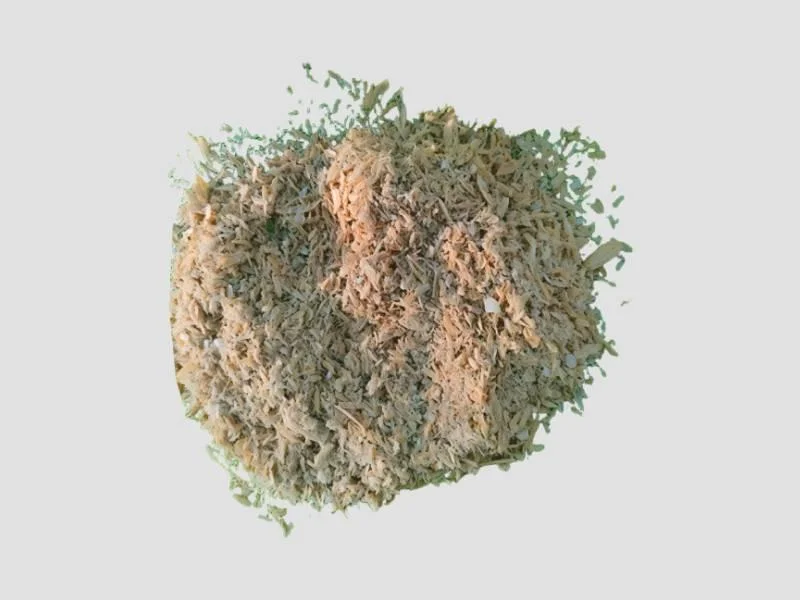
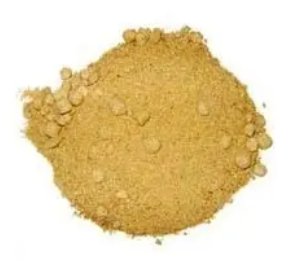
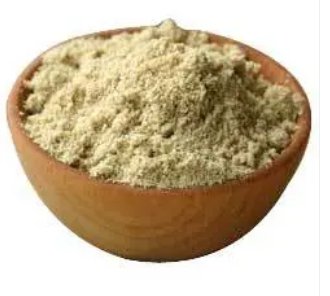
- Light brown to golden hue
- Indicates quality and freshness
4. Moisture Content
- Generally maintained below 10%
- Essential for preventing spoilage and extending shelf life
5. Particle Size
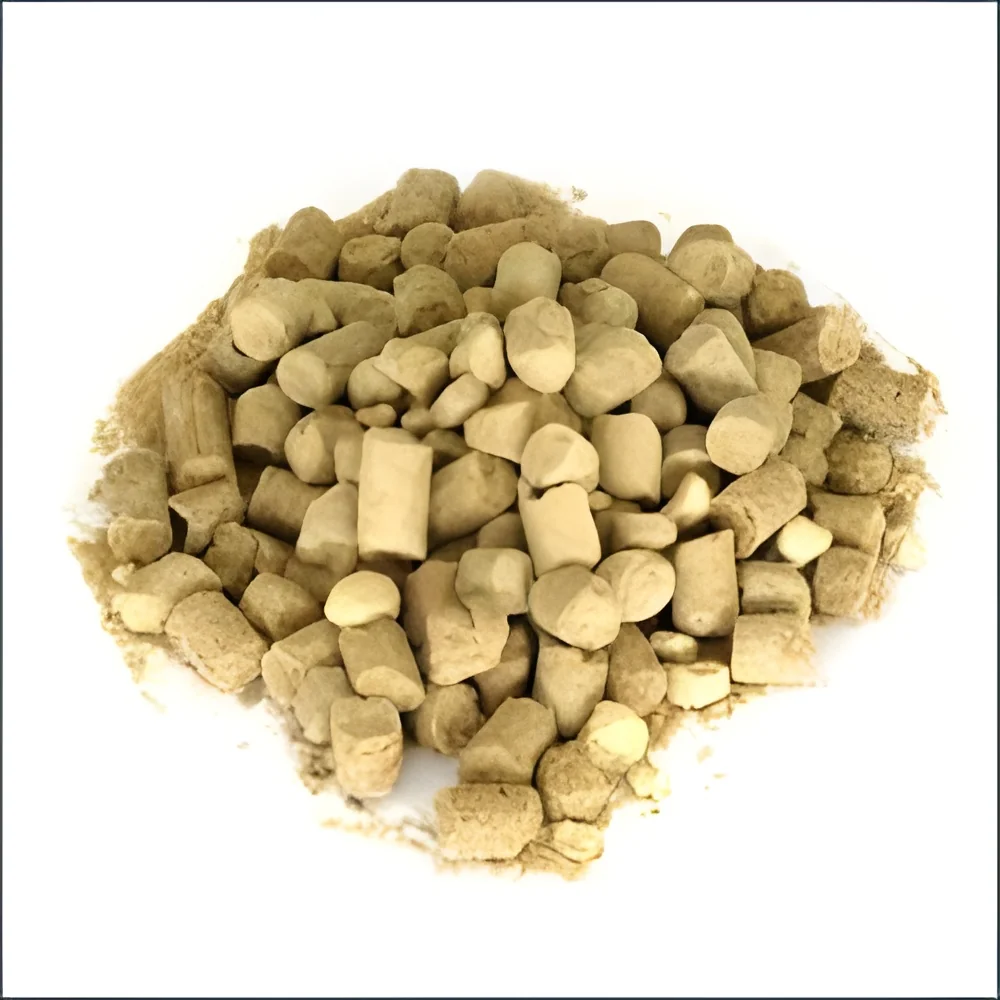
- Available in various granulations
- Tailored to meet specific application needs
6. Shelf Life
- Average shelf life of 12 months
- Proper storage conditions can extend usability
7. Chemical Composition
- Rich in antioxidants and phytosterols
- Contributes to health benefits and functional properties
8. Source Material
- Derived from high-quality rice varieties
- Ensures consistent quality and nutrient profile
In summary, De-Oiled Rice Bran is characterized by its impressive nutritional profile and functional attributes, making it a valuable ingredient across various industries.
Common Applications and Use Cases
De-Oiled Rice Bran finds application in numerous sectors due to its versatile properties.
1. Animal Nutrition: It is widely used in livestock feed formulations, providing essential nutrients to promote growth and improve overall health.
2. Food Industry: De-Oiled Rice Bran is integrated into functional foods and supplements, enhancing the nutritional value of products without altering taste.
3. Nutraceuticals: Its antioxidant properties make it a popular ingredient in dietary supplements designed for health-conscious consumers.
4. Cosmetics: The bran's natural properties are utilized in skincare products, offering moisturizing benefits and promoting skin health.
5. Bakery Products: De-Oiled Rice Bran can be added to baked goods, improving fiber content and providing a healthier alternative to traditional flours.
6. Pet Food: It serves as a nutritious ingredient in premium pet food formulations, contributing to overall pet health.
7. Health Foods: It is used in health bars and snacks, appealing to consumers looking for natural and nutritious ingredients.
Product Variants and Subcategories
De-Oiled Rice Bran is available in various forms to cater to different industry needs.
Standard De-Oiled Rice Bran
This variant is the most commonly used, featuring a balanced nutritional profile. It is ideal for animal feed and food applications, providing essential nutrients without excess fat.
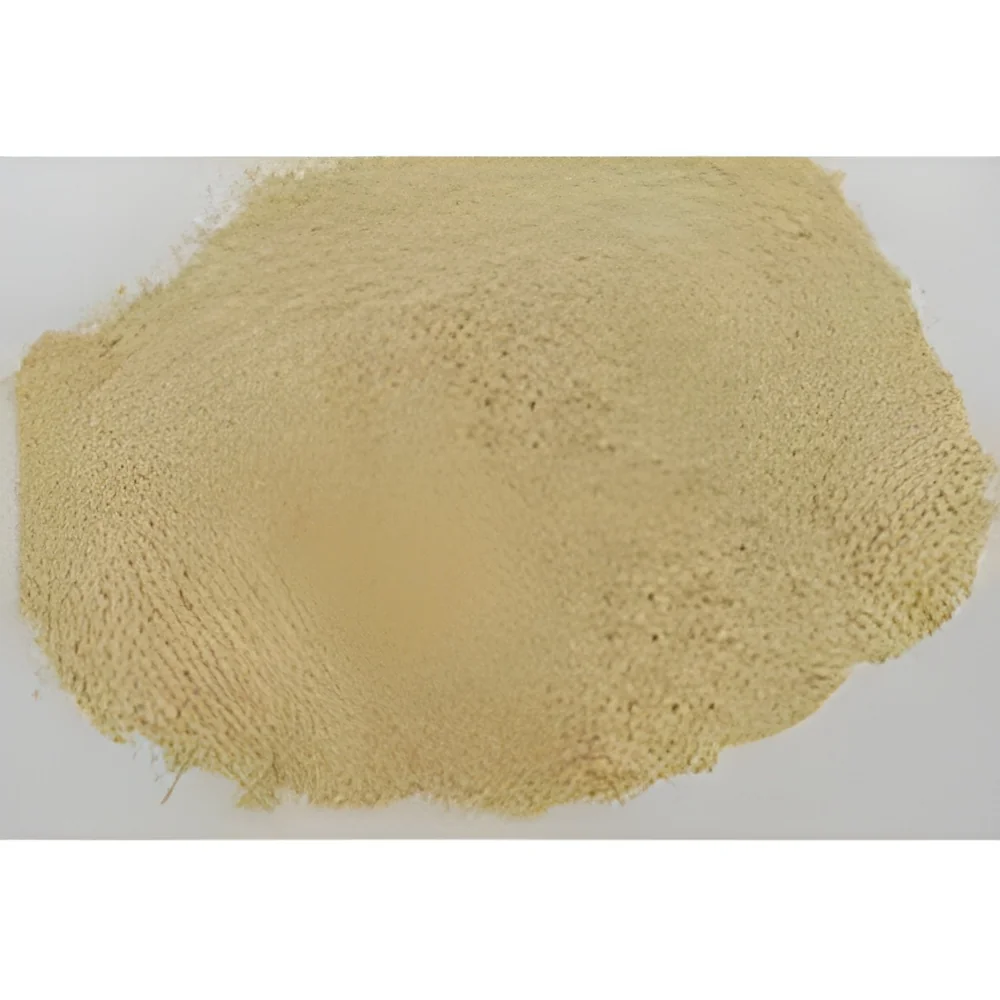
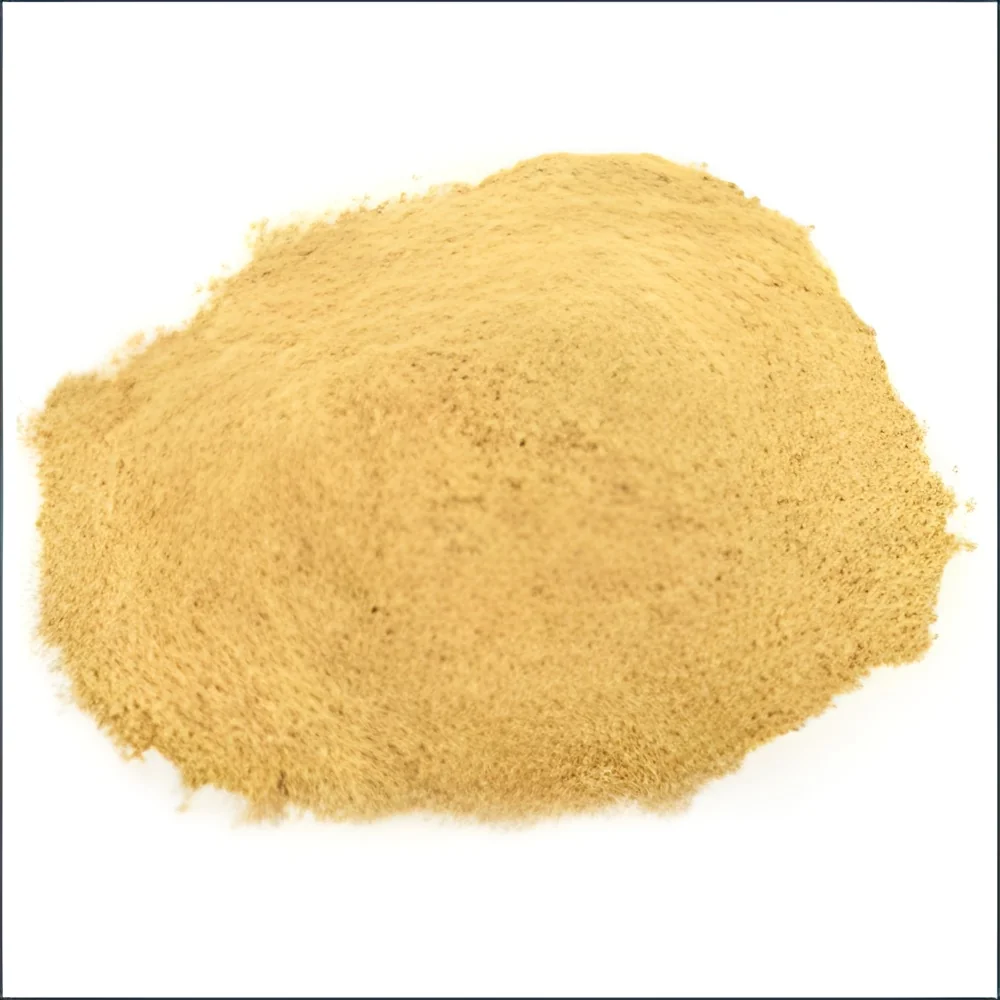
Fine Powdered De-Oiled Rice Bran
This variant has a finer texture, making it suitable for use in dietary supplements and functional foods. Its smooth consistency allows for easy blending in various formulations.
Coarse De-Oiled Rice Bran
Coarse variants are ideal for specific applications where a rougher texture is preferred. This form is often used in animal feed, providing a natural source of fiber.
Benefits and Advantages
De-Oiled Rice Bran offers numerous benefits that make it an attractive option for businesses.
1. Nutritional Enhancement: It boosts the nutritional content of products, making them more appealing to health-conscious consumers.
2. Cost-Effective Ingredient: As a byproduct, it is often more affordable than other protein sources, helping businesses reduce costs.
3. Versatility: Its diverse applications across industries allow for innovative product development and market expansion.
4. Natural Source: Being derived from rice, it appeals to consumers seeking natural and clean-label ingredients.
5. Sustainability: Utilizing a byproduct contributes to waste reduction and supports sustainable practices in food production.
6. Health Benefits: Rich in antioxidants and essential nutrients, it promotes overall health and well-being.
Buying Guide for B2B Buyers
When sourcing De-Oiled Rice Bran, buyers should consider several key factors to ensure they make informed decisions.
1. Quality Assessment: It is essential to evaluate the nutritional profile and purity of the De-Oiled Rice Bran. Look for detailed specifications regarding protein content, moisture levels, and oil residues.
2. Supplier Verification: Vetting suppliers is crucial for ensuring reliability and consistency. Review their certifications, reputation, and past performance in the industry.
3. Pricing and MOQ: Understand the pricing structure and minimum order quantities. This helps in budgeting and planning for inventory needs.
4. Delivery and Lead Times: Discuss logistics and expected delivery times to align with production schedules. Timely delivery is critical for maintaining supply chain efficiency.
5. Compliance Requirements: Ensure that the product meets relevant industry regulations and quality standards. Familiarize yourself with certifications like CE and any regional compliance considerations.
Compliance and Certifications
De-Oiled Rice Bran must adhere to various quality standards and certifications to ensure safety and efficacy.
ISO 9001 is a crucial quality management standard that ensures consistency in product quality and operational processes. Companies producing De-Oiled Rice Bran should have quality management systems in place to meet these requirements.
HACCP (Hazard Analysis Critical Control Point) is essential for food safety, identifying potential hazards in the production process and implementing measures to mitigate risks. Compliance with HACCP standards guarantees the safety of De-Oiled Rice Bran for consumption.
Additionally, CE certification indicates that the product meets European safety and health standards. This certification is vital for businesses looking to enter international markets.
Safety and testing requirements are paramount, ensuring that the De-Oiled Rice Bran is free from contaminants and safe for use. Regular testing for microbiological and chemical parameters is necessary.
Regional compliance considerations may vary based on local regulations. Buyers should be aware of specific requirements in their region to ensure compliance.
Why Source De-Oiled Rice Bran from Pepagora?
Pepagora stands out as a trusted platform for sourcing De-Oiled Rice Bran, offering several key advantages to buyers.
Verified Supplier Network: Pepagora maintains a rigorous supplier verification process, ensuring that all listed suppliers meet high standards of quality and reliability. This gives buyers confidence in their sourcing decisions.
Streamlined RFQ Process: The Request for Quotation system simplifies the procurement process. Buyers can easily compare quotes from multiple suppliers, facilitating informed decision-making.
Trade Assurance and Support: Pepagora provides trade assurance measures to protect buyers throughout the transaction process. This includes support for resolving any disputes that may arise.
Regional Coverage: With a strong presence in India, the GCC, and Southeast Asia, Pepagora offers extensive geographical reach, connecting buyers with suppliers across these regions for efficient sourcing.
In summary, sourcing De-Oiled Rice Bran from Pepagora ensures a reliable, efficient, and secure procurement experience for businesses in need of this versatile ingredient.

Frequently Asked Questions
What are De-Oiled Rice Bran?
De-Oiled Rice Bran is the byproduct obtained after the extraction of oil from rice bran, which is the outer layer of the rice grain. It is rich in nutrients, including vitamins, minerals, and dietary fiber, making it a valuable ingredient in animal feed and various food applications.
What are the different types of De-Oiled Rice Bran?
De-Oiled Rice Bran can be categorized based on the extraction method used, such as solvent-extracted or expeller-extracted. Additionally, it may vary in terms of fat content, protein levels, and particle size, catering to specific industrial requirements.
How do I choose the right De-Oiled Rice Bran?
Choosing the right De-Oiled Rice Bran involves considering factors such as intended use, nutritional content, and supplier reliability. It is advisable to request samples and compare specifications from different suppliers to ensure the product meets your requirements.
What are the standard specifications for De-Oiled Rice Bran?
Standard specifications for De-Oiled Rice Bran typically include parameters such as moisture content, fat content, protein content, and ash content. These specifications can vary based on the intended application and should be confirmed with the manufacturer or supplier.
What is the price range for De-Oiled Rice Bran?
The price of De-Oiled Rice Bran can vary based on factors such as quality, supplier, and order quantity. Generally, the price range can be from INR 15 to INR 25 per kilogram, but it is advisable to request quotes from multiple suppliers for accurate pricing.
What quality standards apply to De-Oiled Rice Bran?
Quality standards for De-Oiled Rice Bran often include compliance with food safety regulations and industry-specific standards. It is essential to ensure that the product meets the required specifications for contaminants, nutritional content, and labeling.
Where can I find De-Oiled Rice Bran suppliers in India?
You can find De-Oiled Rice Bran suppliers in India through online B2B marketplaces, trade directories, and industry trade shows. Additionally, visiting local agricultural fairs or contacting local mills that process rice can also yield potential suppliers.
Can De-Oiled Rice Bran be customized?
Yes, De-Oiled Rice Bran can be customized based on specific requirements such as nutritional content, particle size, and packaging. It is recommended to discuss customization options directly with the manufacturer or supplier.
What is the typical minimum order quantity for De-Oiled Rice Bran?
The typical minimum order quantity (MOQ) for De-Oiled Rice Bran can range from 500 kg to 1 ton, depending on the supplier. It is advisable to confirm the MOQ with your chosen supplier to ensure it aligns with your purchasing needs.
What is the typical lead time for De-Oiled Rice Bran?
The typical lead time for De-Oiled Rice Bran can vary from 7 to 14 days, depending on the supplier's inventory and production capabilities. It is best to communicate with the supplier for specific lead time estimates based on your order quantity.
Why Businesses Trust Pepagora
Thousands of companies trust Pepagora to source smarter and sell faster
Expand Your Sales Globally

Source Smarter,Grow Faster
