Key Features and Specifications
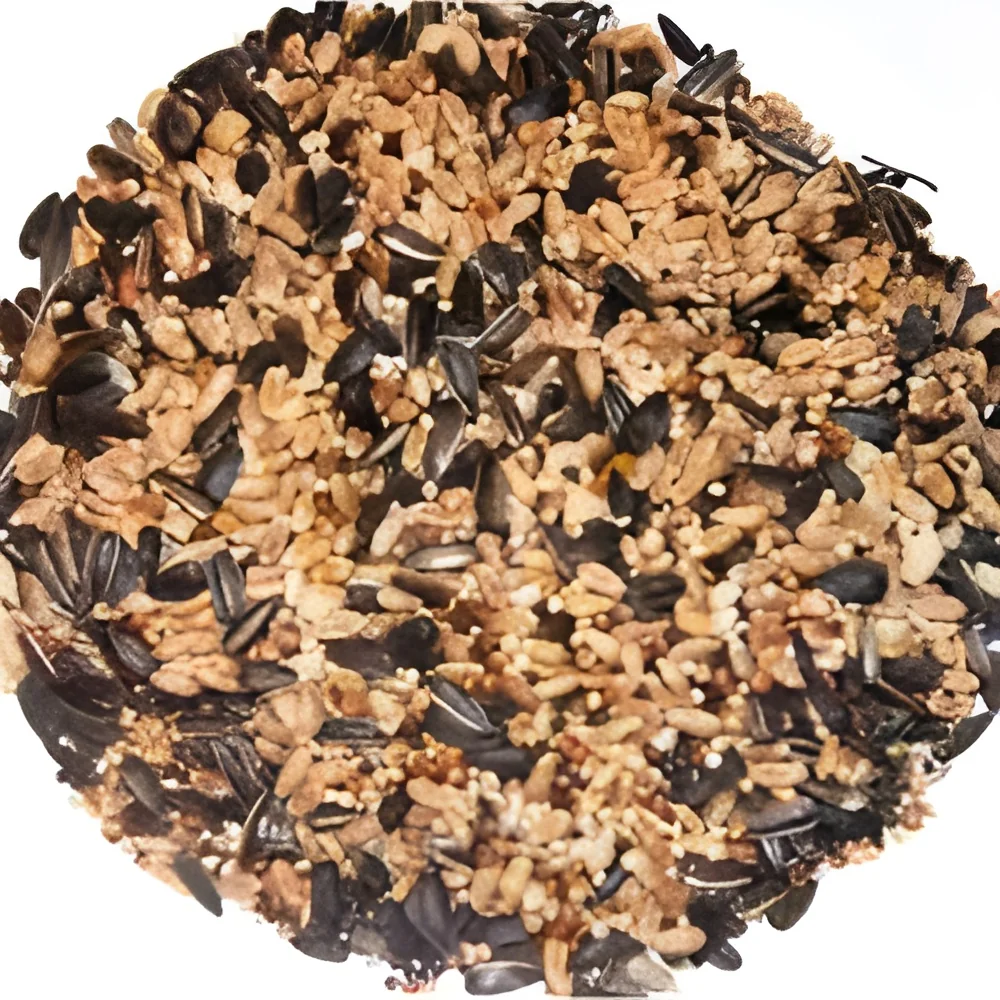
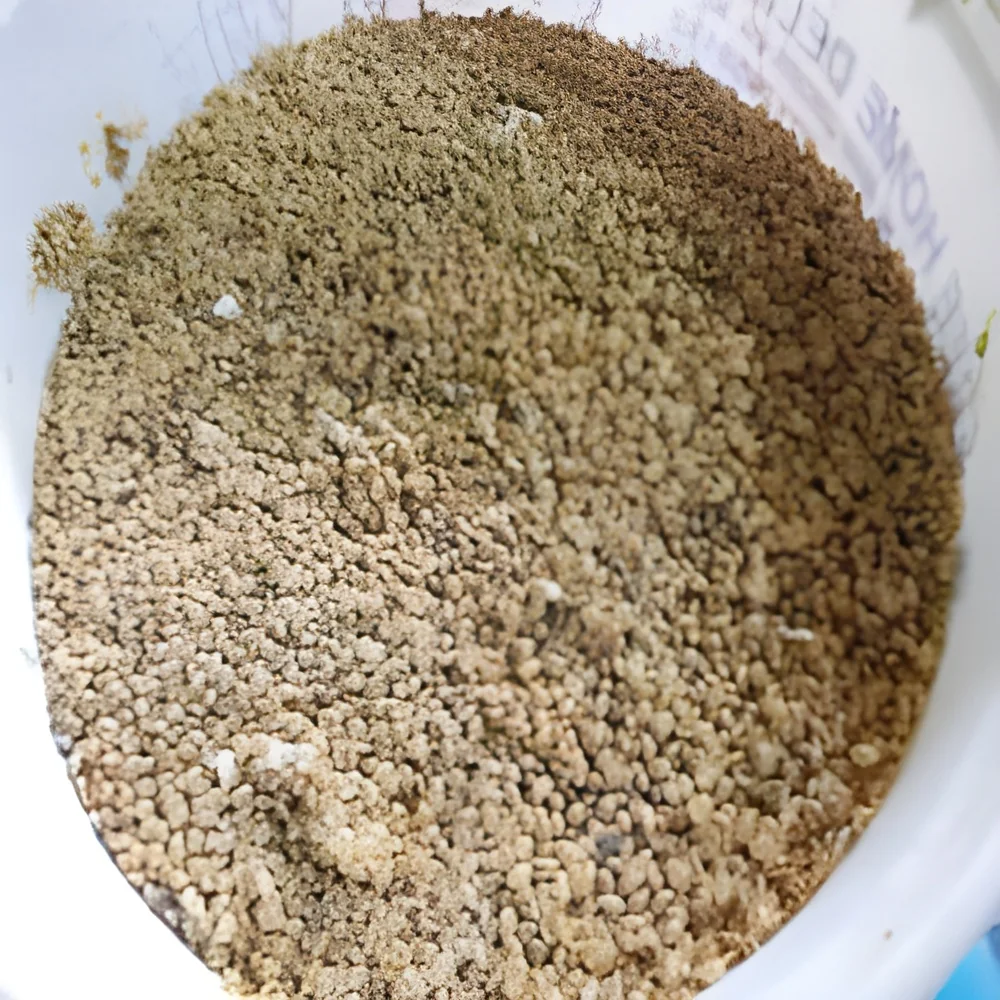
Bird feed for parrots and pigeons comes with several important features and specifications that cater to the nutritional needs of these birds. Understanding these specifications is crucial for businesses looking to stock or sell these products effectively.
Key specifications include:
1. Nutritional Composition
- Contains a balanced mix of seeds, grains, and vitamins.
- Typically includes ingredients like sunflower seeds, millet, and various legumes.
2. Packaging Options
- Available in different sizes, often ranging from 500 grams to 25 kilograms.
- Packaging designed to ensure freshness and prevent spoilage.
3. Shelf Life
- Generally has a shelf life of 6 to 12 months depending on storage conditions.
- Must be stored in a cool, dry place to maintain quality.
4. Source of Ingredients
- Ingredients sourced from reputable suppliers to ensure quality.
- Emphasis on natural and organic options in some product lines.
5. Custom Formulations
- Many suppliers offer custom blends tailored to specific dietary needs.
- Options for organic, non-GMO, or specialty diets available.
6. Certification and Compliance
- Products often comply with industry standards and certifications such as CE.
- Adherence to safety and quality testing protocols.
In summary, bird feed for parrots and pigeons is characterized by its nutritional formulation, packaging variety, and compliance with quality standards. These factors are crucial for ensuring that birds receive the proper care they need.
Common Applications and Use Cases
Bird feed for parrots and pigeons serves various industries, each with specific applications.
1. Pet Supply Retail: Retailers often stock a variety of bird feed to cater to pet owners. This includes specialty formulations for different bird species, ensuring that customers can find the right product for their pets.
2. Aviculture: Breeding and keeping birds for show or companion purposes requires high-quality feed. Aviculturists rely on specific blends to promote health and vitality in their birds.
3. Wildlife Rehabilitation: Organizations involved in rescuing and rehabilitating birds use specialized feed to care for injured or orphaned birds, helping them regain strength and prepare for release.
4. Zoos and Aquariums: Facilities that house exotic birds provide tailored diets for their species, ensuring a balanced nutritional intake that supports their health in captivity.
5. Research Institutions: Studies on avian health and nutrition often utilize specific bird feed as part of dietary experiments, contributing to the understanding of bird care and dietary needs.
6. Veterinary Clinics: Veterinarians may recommend specific bird feed formulations to pet owners as part of a comprehensive health plan for their birds.
Product Variants and Subcategories
Bird feed for parrots and pigeons comes in a wide range of variants to cater to the diverse needs of these birds.
Parrot Mix
This variant is specifically formulated for parrots, featuring a blend of seeds, nuts, and dried fruits. It is designed to stimulate their natural foraging behavior while providing essential nutrients for vibrant health.
Pigeon Feed
This type of feed is tailored for pigeons, often consisting of grains and seeds that support their energy needs. It helps maintain their health and is suitable for both racing and breeding pigeons.
Premium Organic Blend
A growing number of consumers seek organic options. This variant uses organic ingredients, free from pesticides and additives. It is ideal for health-conscious pet owners who prefer natural feeding solutions.
Benefits and Advantages
Choosing the right bird feed has significant benefits for both the birds and the businesses that supply them.
1. Enhanced Health: Quality feed leads to healthier birds, improving their longevity and vitality. This is critical for both pet owners and breeders.
2. Improved Performance: For racing pigeons, a specialized diet can enhance performance and recovery. This is essential for competitive breeders.
3. Increased Customer Satisfaction: Retailers offering high-quality products often see improved customer loyalty and satisfaction, leading to repeat business.
4. Reduced Waste: Well-formulated bird feed can minimize waste as birds consume more of the product. This results in cost savings for pet owners and suppliers.
5. Customization Options: The availability of custom formulations allows businesses to cater to specific market needs, enhancing their product offerings.
6. Compliance Assurance: Sourcing feed that meets industry standards ensures compliance with regulations, providing peace of mind for suppliers and buyers alike.
Buying Guide for B2B Buyers
When sourcing Bird Feed (Parrot, Pigeon), it is essential for B2B buyers to consider several key factors.
1. Quality Assessment: Buyers should evaluate the nutritional content and ingredient quality. Look for products with clear labeling and transparency about sourcing.
2. Supplier Verification: It is crucial to vet suppliers for reliability and reputation. Check for certifications and customer reviews to ensure they meet industry standards.
3. Pricing and MOQ: Understand the pricing structure and minimum order quantities. This helps in budget planning and inventory management.
4. Delivery and Lead Times: Assess logistics capabilities, including lead times for delivery. Timely supply is critical for maintaining stock levels.
5. Compliance Requirements: Familiarize yourself with any regulatory requirements specific to your region. Ensure that the products meet local safety and quality standards.
Compliance and Certifications
Bird feed for parrots and pigeons must adhere to various quality standards and regulations. These standards ensure that products are safe and suitable for consumption by these birds.
Relevant quality standards include ISO 9001, which focuses on quality management systems, ensuring that manufacturers maintain high-quality production processes. Additionally, HACCP (Hazard Analysis Critical Control Point) is often applied to food safety management, identifying potential hazards in the food production process.
Industry certifications such as CE indicate that the products meet European safety, health, and environmental protection standards. This is especially important for businesses exporting products to international markets.
Safety and testing requirements include regular assessments to ensure that the feed does not contain harmful contaminants. Regional compliance considerations may vary, so it is essential for suppliers to stay updated on local regulations regarding animal feed.
Why Source Bird Feed (Parrot, Pigeon) from Pepagora?
Pepagora offers a trusted platform for businesses looking to source Bird Feed (Parrot, Pigeon), providing several key advantages.
Verified Supplier Network: Pepagora ensures that all suppliers are thoroughly vetted. This gives buyers confidence in the quality and reliability of the products they source.
Streamlined RFQ Process: The platform simplifies the request for quotation process, making it easier for buyers to receive competitive pricing and specifications from multiple suppliers.
Trade Assurance and Support: Pepagora provides buyer protection, ensuring that transactions are secure and that buyers receive the products as described. This support builds trust in the purchasing process.
Regional Coverage: With a strong presence in India, the GCC, and Southeast Asia, Pepagora connects buyers with suppliers across a broad geographical area, facilitating smooth trade and logistics for bird feed products.

 IN
IN